

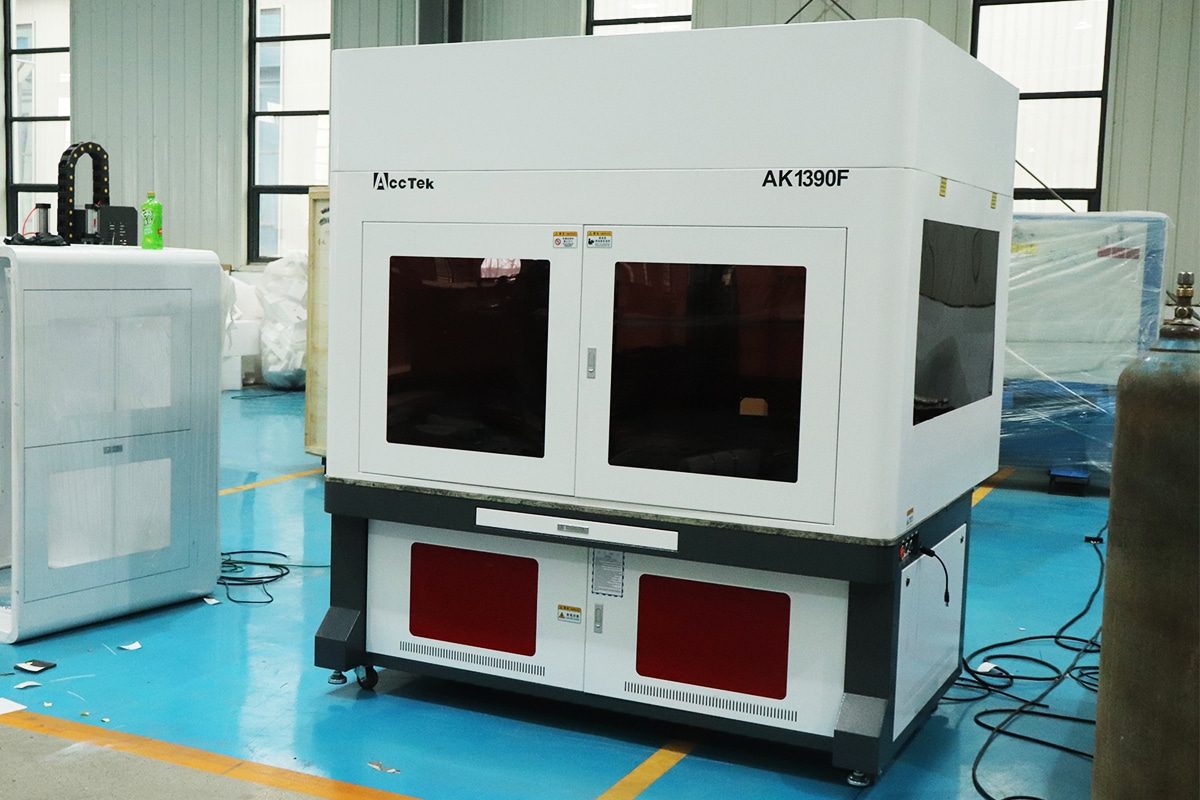
What Is The Lifespan Of Laser Marking Machines
Laser marking machines have become a core tool in modern manufacturing, valued for their precision, speed, and ability to create permanent marks on a wide range of materials. From electronics and automotive parts to medical devices and packaging, these systems play a critical role in product identification, traceability, and branding. As more industries adopt laser technology, a practical question often comes up: how long do laser marking machines actually last?
Understanding the lifespan of laser marking machines is not as straightforward as assigning a single number. It depends on several factors, including the type of laser source used, operating conditions, maintenance practices, and the overall quality of the system. For example, fiber lasers, CO2 lasers, and UV lasers each have different expected service lives due to their underlying technology and typical use cases. In many cases, manufacturers provide estimated operating hours, but real-world performance can vary significantly.
The lifespan of a machine also goes beyond just the laser source. Components such as cooling systems, galvanometer scanners, and control electronics all contribute to the overall durability and reliability of the equipment. Regular maintenance, proper usage, and environmental conditions can either extend or shorten the machine’s working life.
This article explores the key factors that influence how long laser marking machines last, compares the expected lifespans of different laser types, and offers practical insights on how to maximize the return on investment. By understanding what affects longevity, businesses can make more informed decisions when purchasing and maintaining laser marking equipment.
Table of Contents
What Does “Lifespan” Mean for Laser Marking Machines?
When evaluating the lifespan of laser marking machines, it helps to move beyond the idea of a single fixed duration. In practice, “lifespan” is a layered concept that reflects how long a machine can run, how well it performs over time, and whether it continues to make sense from a business perspective. These machines combine precision optics, motion systems, electronics, and software, all of which age at different rates. Because of this, two machines used in different environments or under different workloads can show very different longevity profiles, even if they are the same model.
Another important point is that lifespan is closely tied to expectations. A machine used for high-volume industrial production will be judged differently from one used intermittently in a small workshop. For some users, as long as the machine still operates, it is considered “alive.” For others, even a slight drop in marking consistency or speed may signal the end of its useful life. This is why breaking lifespan into distinct categories provides a clearer and more practical way to understand it.
Operational Lifespan
Operational lifespan refers to the total period during which the laser marking machine can still function and complete its intended tasks. This is often expressed in cumulative operating hours or years in service. It represents the most basic definition of lifespan: whether the machine turns on, runs, and produces marks.
In many cases, machines continue to operate long after their initial peak condition has passed. However, extended operation often comes with gradual wear in mechanical assemblies, minor shifts in alignment, and increased sensitivity to environmental conditions such as dust, temperature, or vibration. While these changes may not immediately stop production, they can affect consistency and require more frequent adjustments. Proper maintenance, stable operating conditions, and careful handling can significantly extend operational lifespan, allowing the machine to remain functional for many years.
Service Life VS Performance Life
Service life and performance life describe two different but closely related phases of a machine’s existence. Service life refers to the entire period during which the machine remains usable, even if it requires repairs, recalibration, or replacement of certain parts along the way. As long as the system can be restored to working condition, it is still within its service life.
Performance life, on the other hand, is more demanding. It focuses on how long the machine can consistently deliver results that meet original production standards. This includes factors such as marking clarity, repeatability, and overall reliability. Over time, even small amounts of wear or system drift can accumulate, leading to subtle but noticeable declines in output quality.
In real-world applications, performance life often ends before service life. A machine may still operate and produce acceptable results for less critical tasks, but it may no longer meet the stricter requirements of high-precision or high-throughput environments. Understanding this distinction helps users decide when to reassign equipment, upgrade components, or consider replacement.
Economic Lifespan
Economic lifespan shifts the focus from technical capability to financial practicality. It represents the period during which operating the machine remains cost-effective compared to investing in a newer system. This concept becomes especially important in production environments where efficiency, uptime, and consistency directly impact profitability.
As a machine ages, several cost factors tend to increase. Maintenance intervals may become shorter, replacement parts may be needed more frequently, and unplanned downtime can disrupt production schedules. In addition, older systems may lack compatibility with newer software, automation platforms, or industry standards, which can limit their usefulness in modern workflows.
At a certain point, the total cost of keeping the existing machine running—both direct and indirect—can exceed the cost of replacing it. This marks the end of its economic lifespan. Importantly, this does not mean the machine has stopped working; rather, it is no longer the most efficient or strategic choice. Businesses that recognize this transition early can plan upgrades more smoothly and avoid costly disruptions.
Component-Based Lifespan
Laser marking machines are not a single, uniform system but a collection of interconnected components, each with its own expected lifespan and maintenance needs. Key elements such as scanning systems, cooling units, control electronics, and user interfaces all contribute to overall performance, yet they do not age at the same rate.
For example, some components may remain stable for long periods with minimal attention, while others may require periodic servicing, recalibration, or replacement to maintain consistent operation. Environmental conditions, usage intensity, and maintenance quality all influence how quickly these components wear. As a result, the overall lifespan of the machine is often determined by the condition of its most critical or most frequently stressed parts.
Taking a component-based view allows users to approach lifespan more strategically. Instead of waiting for complete system failure, they can monitor the condition of individual parts, perform preventive maintenance, and replace components as needed. This approach not only extends the usable life of the machine but also reduces the risk of unexpected downtime and costly repairs.
The lifespan of laser marking machines is best understood as a combination of several overlapping perspectives rather than a single endpoint. Operational lifespan describes how long the machine can continue to run, service life reflects how long it remains usable with maintenance, and performance life defines how long it can meet required quality standards. Economic lifespan adds a financial dimension, highlighting when continued operation is no longer practical. Finally, the component-based perspective reveals how the aging of individual parts shapes the machine’s overall longevity.
By viewing lifespan through these multiple lenses, users gain a more complete and realistic understanding of what to expect over time. This broader perspective supports better planning, more effective maintenance strategies, and smarter investment decisions, ultimately helping to maximize the value and reliability of laser marking equipment throughout its life cycle.
Typical Lifespan Of Different Laser Sources
The lifespan of laser marking machines is not determined by a single factor, but the laser source itself plays a central role in defining how long the system can operate reliably. Each type of laser is built on a different technological foundation, which influences not only durability but also stability, maintenance needs, and sensitivity to operating conditions. Because of these differences, machines that look similar on the outside can have very different long-term performance profiles.
It is also worth noting that “typical lifespan” should be understood as a realistic range based on common usage scenarios. Actual results depend heavily on how the machine is used day to day. Continuous operation, challenging environments, or inconsistent maintenance can shorten lifespan, while controlled conditions and preventive care can extend it significantly. With that in mind, examining each laser type in detail provides a clearer picture of what users can expect over time.
Fiber Laser Marking Machines
Fiber laser marking machines are widely used across industrial sectors due to their robust construction and consistent long-term performance. Their design is based on a solid-state architecture, which makes them inherently stable and well-suited for demanding production environments where reliability is critical.
Expected Lifespan
Fiber laser sources are generally recognized for their long operational life. Under normal working conditions, they are often rated for approximately 50,000 to 100,000 operating hours. In real-world terms, this allows for many years of service, even in facilities where machines run daily or across multiple shifts.
Key Advantages
The longevity of fiber systems is closely tied to their internal structure. Because they are built with sealed components, there is minimal exposure to external contaminants such as dust or moisture. This reduces the risk of internal wear and helps maintain stable operation over time. In addition, fiber lasers are less prone to alignment drift, which means they can preserve marking consistency without frequent adjustment. These characteristics make them a dependable choice for applications where uniform results and minimal downtime are essential.
Practical Considerations
Even though fiber laser marking machines are known for their durability, their overall lifespan still depends on proper care. Supporting systems such as scanning units, cooling assemblies, and electronic controls must be maintained to ensure consistent performance. Environmental stability also plays a role. Machines operating in clean, temperature-controlled spaces tend to perform more reliably over the long term. Regular inspections and preventive maintenance help ensure that minor issues do not develop into larger problems that could shorten the machine’s usable life.
CO2 Laser Marking Machines
CO2 laser marking machines are commonly used for working with non-metal materials and remain an important option in many industries. Their versatility makes them suitable for a wide range of applications, but their lifespan can vary more widely compared to fiber systems due to differences in design and configuration.
Expected Lifespan
The lifespan of CO2 laser marking systems is largely determined by the type of laser tube they use. In general, their operating life can range from several thousand hours to more than 20,000 hours. This broad range highlights the importance of understanding the specific setup when evaluating long-term performance.
Glass Tube VS Metal RF Tube
Glass tube CO2 lasers are often selected for their lower initial cost and accessibility. They are typically used in lighter-duty or intermittent applications, but they have a shorter lifespan and usually require replacement after a relatively limited number of operating hours.
Metal RF tube CO2 lasers, by contrast, are engineered for more demanding use. They offer longer service life, improved stability, and more consistent output over time. Although they involve a higher upfront investment, their extended durability and reduced need for replacement can make them more economical in continuous production environments.
Maintenance Requirements
CO2 laser marking systems generally require more frequent and hands-on maintenance. Components such as the laser tube, optical elements, and cooling systems must be checked regularly to ensure stable operation. Over time, wear in these components can affect marking quality and system reliability. Maintaining proper alignment, keeping components clean, and replacing worn parts promptly are all essential for extending the lifespan of these machines.
UV Laser Marking Machines
UV laser marking machines are designed for applications that demand high precision and minimal material impact. They are often used in industries where fine detail and clean marking results are critical, such as electronics and delicate material processing.
Expected Lifespan
UV laser marking systems typically have a shorter lifespan compared to fiber lasers, although they can still achieve a meaningful number of operating hours when used under appropriate conditions. Their longevity is more closely tied to how carefully they are operated and how well their environment is controlled.
Sensitivity Factors
A key characteristic of UV laser marking machines is their sensitivity to external conditions. Factors such as temperature fluctuations, humidity, and airborne particles can influence their long-term performance. Because these systems are used for precise marking tasks, even small variations in alignment or environmental stability can have noticeable effects over time.
To maintain consistent performance and extend lifespan, UV laser marking machines are usually operated in controlled environments where conditions can be closely managed. Regular monitoring, careful handling, and preventive maintenance are essential to avoid premature wear and ensure stable operation throughout their service life.
The lifespan of laser marking machines varies significantly depending on the type of laser source it uses, and each technology presents its own balance of durability, maintenance needs, and environmental sensitivity. Fiber lasers stand out for their long operational life and strong stability, making them ideal for continuous and high-demand applications. CO2 lasers offer flexibility and remain widely used, but their lifespan depends heavily on whether they use glass tubes or metal RF tubes, as well as how well they are maintained. UV lasers provide exceptional precision for specialized tasks, but they require stricter environmental control and more careful operation to achieve consistent longevity.
By understanding these differences in depth, users can make more informed decisions about equipment selection, maintenance planning, and long-term investment. This not only helps extend the effective lifespan of the machine but also supports more reliable performance and better overall value throughout its entire working life.
Key Components That Affect Lifespan
The lifespan of laser marking machines is best understood as the combined result of several core components working together over time. These machines are not defined by a single point of failure. Instead, they gradually age as different parts experience wear, environmental stress, and performance drift. Some components are exposed to constant motion, others to heat or contamination, and some to long-term electrical load. Because each part ages differently, the overall lifespan of the machine is often determined by the component that degrades first or is least effectively maintained.
Looking at the machine from a component-level perspective makes its lifespan easier to manage. It allows users to identify which parts require regular attention, which are more sensitive to operating conditions, and where preventive maintenance can have the greatest impact. This approach not only extends the working life of the equipment but also helps maintain consistent marking quality and reduce unexpected downtime.
Laser Source
The laser source is the core of the entire system and one of the most important factors influencing lifespan. It is responsible for generating the beam used in the marking process, and its long-term stability directly affects consistency and reliability.
Although laser sources are generally engineered for extended use, they are still influenced by external conditions. Temperature fluctuations, airborne contaminants, and mechanical vibration can gradually affect internal stability. Over time, these factors may lead to subtle changes in performance, even if the machine continues to operate normally.
To protect the laser source, it is important to maintain a clean and stable working environment. Proper installation, controlled surroundings, and periodic system checks all contribute to preserving its condition. While the source itself is often designed to last many years, its actual lifespan depends heavily on how well it is supported by the surrounding system.
Galvanometer System
The galvanometer system is responsible for directing the beam across the marking surface with high speed and precision. It relies on rapidly moving mirrors and finely tuned control mechanisms, making it one of the most active and sensitive parts of the machine.
Because of continuous motion, the galvanometer system is subject to gradual mechanical wear. Components such as bearings and moving elements can develop slight play over time, which may lead to small deviations in positioning accuracy. In high-precision applications, even minor inconsistencies can affect marking quality.
Regular calibration is essential to keep the system accurate. In addition, minimizing unnecessary mechanical stress and ensuring stable operating conditions can help reduce wear. When properly maintained, the galvanometer system can deliver reliable performance over a long period, but neglect can lead to early degradation.
Optical Lenses
Optical lenses are responsible for guiding and focusing the beam onto the material surface. Their condition has a direct impact on marking clarity, edge definition, and consistency. Unlike many internal components, lenses are often exposed to the surrounding environment, which makes them particularly vulnerable.
Dust, smoke residue, and other airborne particles can accumulate on lens surfaces over time. If not addressed, this contamination can interfere with beam transmission and lead to inconsistent results. Improper cleaning methods can also cause scratches or damage to protective coatings, further reducing effectiveness.
Routine inspection and careful cleaning are essential for maintaining lens performance. Using appropriate tools and techniques helps prevent unnecessary damage. Because lenses are relatively accessible, they are often one of the first components to show signs of environmental impact, making them a key focus in regular maintenance routines.
Control System And Software
The control system and software coordinate the operation of the entire machine. They manage marking patterns, synchronize movement, and ensure that all components work together smoothly. While these elements do not experience physical wear in the same way as mechanical parts, they still play a significant role in the machine’s usable lifespan.
Over time, software can become outdated or incompatible with newer production requirements. This can limit functionality, reduce efficiency, or make integration with other systems more difficult. In some cases, older control systems may also become less stable, increasing the risk of errors or interruptions.
Keeping software updated and ensuring compatibility with current workflows helps maintain long-term usability. A reliable control system allows the machine to adapt to changing production needs and continue operating efficiently, even as technology evolves.
Cooling System
The cooling system is essential for maintaining stable internal conditions. Many components within the machine rely on consistent temperature levels to function properly over extended periods. If the cooling system becomes less effective, internal stress can increase, accelerating wear across multiple parts.
Cooling systems can degrade due to blockages, dust buildup, or wear in components such as fans or pumps. Reduced efficiency may not immediately stop the machine from working, but it can gradually impact performance and shorten the lifespan of sensitive elements.
Regular maintenance of the cooling system is critical. Ensuring proper airflow, cleaning filters, and checking system functionality can prevent overheating and maintain stable operation. A well-maintained cooling system supports the longevity of the entire machine.
Power Supply
The power supply provides the electrical foundation for the machine’s operation. It ensures that all components receive stable and consistent energy, which is essential for reliable performance. Although often overlooked, it plays a key role in protecting the system from electrical stress.
Unstable power conditions, such as voltage fluctuations or sudden surges, can gradually damage electronic components. Repeated exposure to such conditions may lead to unpredictable failures or reduced system reliability over time.
Using a stable power source and implementing protective measures, such as voltage regulation, can help safeguard the machine. Regular inspection of electrical connections and system stability also contributes to long-term performance.
The lifespan of laser marking machines is shaped by the combined condition of its key components rather than any single element. The laser source forms the foundation of long-term operation, while the galvanometer system and optical lenses directly influence precision and output consistency. The control system and software determine how effectively the machine can continue to function in changing production environments, and the cooling system and power supply provide the stability needed to protect all other components.
By understanding how each part contributes to the overall lifespan, users can take a more proactive approach to maintenance and operation. Regular inspection, proper environmental control, and timely servicing help prevent small issues from developing into larger problems. Over time, this approach not only extends the usable life of the machine but also ensures more consistent performance and better long-term value.
Factors That Affect The Lifespan Of Laser Marking Machines
The lifespan of laser marking machines is not fixed at the time of purchase. It develops over time, shaped by how the machine is used, the conditions it operates in, and the level of care it receives. Even machines with identical specifications can show very different aging patterns in real production environments. Some may remain stable and reliable for many years, while others experience early wear due to avoidable factors.
What makes this topic important is that most of these factors are manageable. Lifespan is not only a result of design quality, but also of daily decisions. Small habits, such as cleaning routines, parameter consistency, or workload planning, can compound over time and significantly influence durability. Looking at these factors individually helps create a clearer, more practical understanding of how to extend machine life and maintain consistent performance.
Operating Hours
Operating hours provide a basic measure of how much the machine has been used. As operating time increases, so does cumulative wear across mechanical parts, optical elements, and electronic systems. This gradual wear is natural and unavoidable, but its impact can vary widely depending on conditions.
A machine that runs continuously under stable, well-managed conditions may age more evenly and predictably. In contrast, irregular usage patterns, frequent start-stop cycles, or operation in unstable environments can introduce additional stress. For this reason, operating hours should be considered alongside how those hours are accumulated, not just as a standalone number.
Environmental Conditions
The operating environment has a profound effect on how quickly a machine ages. Factors such as dust, humidity, air quality, and temperature stability all play a role in long-term performance.
Dust and airborne particles can settle on lenses, moving parts, and internal components, gradually reducing efficiency and increasing wear. High humidity can affect electronic stability, while temperature fluctuations can lead to repeated expansion and contraction of materials, which may impact alignment over time.
Maintaining a clean and controlled environment is one of the most effective ways to protect the machine. Proper ventilation, dust control, and stable temperature conditions help reduce unnecessary stress and support consistent operation.
Usage Intensity
Usage intensity refers to how heavily the machine is used during its operating time. A machine running at a steady, moderate pace will generally experience less stress than one pushed to handle continuous high-demand workloads.
High-intensity use increases the strain on moving parts, cooling systems, and other supporting components. Over time, this can accelerate wear and lead to more frequent maintenance requirements. While many machines are designed to handle demanding workloads, consistent overuse without proper management can shorten their effective lifespan.
Balancing production demands with realistic operating limits and allowing for appropriate pauses or maintenance intervals helps reduce long-term stress on the system.
Material Types
The materials being marked can have a subtle but important impact on machine longevity. Different materials produce different levels of smoke, residue, and fine particles during processing.
Materials that generate more debris can lead to faster buildup on optical surfaces and internal components. This buildup not only affects marking quality but also increases the need for cleaning and maintenance. If left unmanaged, it can contribute to a gradual performance decline.
Using proper extraction systems and maintaining regular cleaning routines helps minimize these effects. In some cases, selecting materials that produce less residue can also contribute to a cleaner and more stable working environment.
Operator Skill
The role of the operator is often underestimated, yet it has a direct influence on machine lifespan. Skilled operators understand how to set up the machine correctly, monitor its condition, and respond to early signs of wear or instability.
Inexperienced or untrained operation can lead to improper settings, inconsistent use, or overlooked maintenance needs. These small issues may not cause immediate problems, but over time, they can accumulate and accelerate wear.
Providing proper training and clear operating procedures ensures that the machine is used efficiently and responsibly. Consistent, informed operation helps preserve both performance and durability.
Maintenance Frequency
Maintenance is one of the most critical factors in extending the life of laser marking machines. Regular inspection, cleaning, and servicing help keep all components functioning as intended.
When maintenance is performed consistently, small issues such as dust accumulation, minor misalignment, or early component wear can be addressed before they develop into larger problems. On the other hand, neglecting maintenance often leads to reduced performance, unexpected downtime, and higher repair costs.
A structured maintenance schedule, combined with routine checks, provides a reliable way to manage wear and maintain system stability over time.
Power Settings And Operating Parameters
Operating parameters influence how efficiently and smoothly the machine functions. Stable and well-chosen settings help reduce unnecessary strain on internal components and support consistent operation.
Frequent adjustments, inconsistent configurations, or operating outside recommended ranges can introduce additional stress. Even if the machine continues to perform, these practices can contribute to gradual wear and reduce long-term reliability.
Maintaining consistent operating conditions and following recommended guidelines helps create a more stable working environment for the machine, which in turn supports a longer lifespan.
Quality Of Components And Manufacturing
The quality of the machine at the time of manufacture sets the foundation for its lifespan. High-quality components and precise assembly standards contribute to better durability, stability, and resistance to wear.
Machines built with lower-quality materials or less precise manufacturing processes may function adequately at first, but they often experience earlier degradation and require more frequent maintenance. Over time, this can lead to increased downtime and reduced overall value.
Investing in well-built equipment from reputable sources is a key step in ensuring long-term reliability. A strong foundation makes it easier to maintain performance and extend lifespan through proper care.
The lifespan of laser marking machines is shaped by a combination of controllable and environmental factors that interact over time. Operating hours and usage intensity determine how much stress the system experiences, while environmental conditions and material types influence how clean and stable the machine remains. Operator skill and maintenance frequency play a central role in preventing avoidable wear, and consistent operating parameters help maintain system balance. Underlying all of these is the quality of components and manufacturing, which sets the baseline for durability.
By taking a thoughtful and proactive approach to these factors, users can significantly extend the effective life of their equipment. Consistent care, stable conditions, and informed operation not only reduce the risk of failure but also help maintain reliable performance year after year. In the long run, managing these details is what turns a machine from a short-term tool into a dependable long-term asset.
How To Extend The Lifespan Of Laser Marking Machines
Extending the lifespan of laser marking machines is not about occasional fixes. It comes down to consistent, everyday practices that reduce wear and keep the system stable. Most machines do not suddenly fail without warning. Instead, their performance declines gradually due to small issues like dust buildup, inconsistent operation, or neglected maintenance. When these issues are addressed early and managed well, the machine can remain reliable and productive for many years.
A useful way to think about lifespan is as something that can be actively controlled. By focusing on prevention rather than repair, users can reduce stress on key components and avoid unnecessary downtime. The following practices form a practical framework for maintaining long-term performance and durability.
Maintain Clean Working Environments
Cleanliness has a direct impact on machine longevity. During operation, particles, fumes, and residue can accumulate on optical surfaces, moving parts, and internal components. Over time, this buildup can interfere with normal function and lead to a gradual performance decline.
Maintaining a clean workspace helps reduce contamination at the source. This includes regular cleaning of the surrounding area, proper ventilation, and the use of extraction systems when needed. It is also important to clean accessible parts of the machine using correct methods and materials. Consistent attention to cleanliness reduces long-term wear and helps maintain stable performance.
Follow Preventive Maintenance Schedules
Preventive maintenance is one of the most effective ways to extend machine life. Rather than waiting for problems to appear, scheduled maintenance allows for early detection and correction of small issues.
Typical maintenance tasks include cleaning optical components, checking alignment, inspecting mechanical systems, and verifying that all connections are secure. Following a structured schedule ensures that these tasks are not overlooked. Over time, this approach reduces the risk of unexpected failures and keeps the machine operating at a consistent level.
Optimize Operating Conditions
Stable operating conditions help reduce unnecessary stress on the system. Frequent changes in setup, inconsistent workflows, or operating outside recommended guidelines can gradually affect performance and reliability.
Keeping operating parameters consistent and avoiding abrupt adjustments helps maintain balance within the machine. A steady and predictable workflow is generally more beneficial than pushing the system to extremes. When the machine operates under controlled conditions, components tend to wear more evenly and last longer.
Ensure Proper Cooling
Maintaining proper cooling is essential for protecting internal components. When temperature levels rise or fluctuate, stress on mechanical and electronic systems increases, which can accelerate wear over time.
Regularly checking cooling systems ensures that airflow is not restricted and that all related components are functioning properly. Keeping cooling pathways clean and addressing minor issues early helps maintain stable internal conditions. Effective cooling supports the overall health of the machine and prevents gradual damage.
Train Operators Properly
Operator skill plays a significant role in machine lifespan. Well-trained operators understand how to use the machine correctly, follow proper procedures, and recognize early signs of potential issues.
Without proper training, mistakes such as incorrect setup or inconsistent operation can occur. These may not cause immediate failure, but can lead to long-term wear. Providing clear training and guidelines ensures that the machine is used efficiently and responsibly. Skilled operation helps maintain both performance and durability.
Stable Power Supply
A stable power supply is essential for protecting the machine’s electronic systems. Irregular power conditions, such as fluctuations or interruptions, can place stress on internal components and reduce reliability over time.
Using appropriate power protection measures and ensuring consistent electrical input helps maintain smooth operation. Regular checks of power connections and monitoring for instability can further reduce the risk of damage. A stable electrical environment supports long-term system health.
Routine Inspection
Routine inspections provide an ongoing view of the machine’s condition. Regular checks allow users to identify early signs of wear, such as unusual sounds, reduced consistency, or visible contamination.
These inspections do not need to be complex. Simple visual checks and basic observations can reveal important information. Addressing small issues early prevents them from developing into larger problems that could shorten the machine’s lifespan.
Software Updates
Software is an important part of the machine’s overall functionality. Keeping it updated ensures that the system continues to operate efficiently and remains compatible with current processes.
Outdated software can lead to reduced efficiency, limited functionality, or operational issues. Regular updates help maintain stability and improve system performance. Keeping the software current ensures that the machine remains effective and adaptable over time.
Extending the lifespan of laser marking machines depends on consistent attention to both operational habits and maintenance practices. Clean working environments help prevent contamination, while preventive maintenance and routine inspections allow small issues to be addressed early. Stable operating conditions, proper cooling, and a reliable power supply reduce stress on key components. At the same time, skilled operators and up-to-date software ensure that the machine is used effectively and remains functional in changing production environments.
By applying these practices consistently, users can significantly extend the working life of their equipment. Over time, this approach not only improves reliability and performance but also reduces downtime and maintenance costs. In practical terms, careful daily management is what turns a machine into a long-lasting and dependable asset.
Signs That Laser Marking Machines Are Reaching The End Of Their Lifespan
Laser marking machines usually do not fail suddenly. Instead, they show a series of gradual changes that reflect internal wear, aging components, and declining system stability. These changes can be subtle at first, often appearing as small inconsistencies that are easy to overlook. In many production environments, operators may adapt to these changes without realizing that they signal a deeper issue.
Understanding these warning signs is important because a machine can continue running even when it is no longer performing efficiently. Over time, declining performance, rising maintenance needs, and reduced reliability can affect productivity and increase operating costs. Recognizing the early and mid-stage signs of aging allows users to plan, reduce unexpected downtime, and make more informed decisions about repair or replacement.
Reduced Marking Quality
A decline in marking quality is often the earliest and most noticeable indicator that a machine is aging. This can appear in several ways, such as reduced sharpness, uneven lines, inconsistent depth, or variations between repeated markings. In applications that require fine detail or high precision, even small changes can become significant.
What makes this issue challenging is that it usually develops gradually. At first, the differences may be minor and only noticeable under close inspection. Over time, however, these inconsistencies can become more obvious and begin to affect product standards.
This decline is often linked to wear in optical components, slight misalignment, or reduced accuracy in motion systems. While cleaning or recalibration may temporarily improve results, repeated adjustments are a sign that the underlying condition is changing. When consistent marking quality becomes difficult to maintain, it often indicates that the machine is moving beyond its optimal performance stage.
Reduced Output Power
Another key sign is a noticeable reduction in the machine’s overall efficiency. Tasks that were previously completed quickly and consistently may begin to take longer or require repeated processing to achieve acceptable results. This can slow down production and affect the overall workflow.
This type of decline is usually caused by the gradual aging of internal components or reduced system efficiency. The machine may still operate, but it no longer performs at the same level as when it was new. In some cases, operators may compensate by adjusting settings or repeating tasks, which can further increase wear over time.
When this reduction in capability becomes consistent and cannot be fully corrected through maintenance, it suggests that the machine is approaching the end of its practical lifespan. At this point, continuing to rely on it may lead to reduced productivity and increased operational strain.
Increased Maintenance Frequency
As machines age, the frequency and complexity of maintenance tend to increase. Components that once required only occasional attention may begin to need regular cleaning, adjustment, or replacement. This shift often happens gradually but becomes more noticeable as time goes on.
Operators may find that they need to perform more frequent recalibration, replace parts more often, or address recurring issues that were previously rare. Maintenance may move from being routine and predictable to more reactive and time-consuming.
This increase in maintenance has both technical and operational implications. It not only reflects internal wear but also affects efficiency, as more time is spent on upkeep rather than production. When maintenance demands continue to grow despite consistent care, it is a strong indication that the machine is nearing the end of its reliable service life.
Unstable Operation
Unstable operation is one of the more serious and disruptive signs of aging. This can include inconsistent performance, unexpected interruptions, or irregular behavior during normal use. In some cases, the machine may perform well under certain conditions but struggle to maintain stability over longer periods or repeated cycles.
Signs of instability may include fluctuations in marking results, intermittent system errors, or difficulty maintaining consistent operation across similar tasks. These issues often point to wear in electronic systems, control components, or mechanical structures.
Occasional instability may be resolved through maintenance or adjustments, but recurring problems are more concerning. Persistent instability not only affects output quality but also increases the risk of unplanned downtime. When the machine can no longer operate reliably, it becomes difficult to maintain consistent production, which is a clear signal that it is approaching the end of its dependable lifespan.
Laser marking machines typically reach the end of their lifespan through a gradual process rather than a sudden failure. Reduced marking quality is often the first visible sign, followed by a decline in efficiency and an increase in maintenance requirements. As these issues develop, unstable operation becomes more frequent, affecting both reliability and productivity.
Recognizing these signs early allows users to take a proactive approach. Instead of reacting to unexpected breakdowns, they can plan maintenance, evaluate performance trends, and prepare for eventual replacement. This not only helps maintain production efficiency but also ensures that the machine continues to meet operational needs for as long as it remains practical to use.
Cost Considerations Over The Machine’s Lifespan
When evaluating the lifespan of laser marking machines, cost should be considered as a continuous process rather than a one-time expense. The purchase price is only the beginning. Over time, a range of direct and indirect costs will shape the true financial impact of the machine. These include maintenance, component replacement, efficiency losses, and production interruptions.
A common mistake is to focus too heavily on minimizing upfront cost without fully considering long-term implications. While a lower purchase price can reduce initial pressure on budgets, it may lead to higher expenses later if the machine requires frequent servicing or struggles to maintain consistent performance. In contrast, a well-built machine with a higher initial cost can often deliver better reliability and lower total cost over its entire lifespan. Taking a lifecycle view of cost helps create a more accurate and practical understanding of value.
Initial Investment VS Long-Term Value
The initial investment is often the most visible cost and plays a major role in purchasing decisions. However, it does not reflect how the machine will perform over time. Machines with lower upfront costs may rely on less durable components or less precise manufacturing, which can affect their stability and longevity.
In the early stages of use, these differences may not be obvious. The machine may perform adequately and meet basic requirements. However, as time goes on, lower-quality systems often begin to show signs of wear more quickly. This can lead to reduced consistency, more frequent adjustments, and increased maintenance needs.
By contrast, machines built with higher-quality components and better engineering tend to maintain performance over a longer period. They are often more stable, require fewer interventions, and deliver more predictable results. This consistency translates into lower long-term costs, even if the initial investment is higher.
From a practical standpoint, long-term value should be measured by reliability, consistency, and total operating cost rather than purchase price alone. A machine that performs well for many years with minimal issues often provides a better return on investment.
Maintenance And Replacement Costs
Maintenance is an ongoing responsibility and an important part of the total cost of ownership. In the early stages of a machine’s life, maintenance is typically routine and predictable, involving tasks such as cleaning, inspection, and minor adjustments. These activities help maintain performance and prevent early wear.
As the machine ages, maintenance needs tend to increase. Once stable components may begin to wear, requiring more frequent servicing or replacement. This can include optical elements, mechanical parts, or electronic components. Over time, the cost of these replacements can accumulate and become a significant part of overall expenses.
Another factor to consider is the availability of replacement parts. For older machines, certain components may become harder to source, leading to longer repair times and higher costs. In some cases, delays in obtaining parts can also contribute to extended downtime, adding indirect costs.
There is often a tipping point where continued maintenance is no longer cost-effective. When repair costs become frequent and unpredictable, it may be more practical to invest in a new machine. Monitoring maintenance patterns over time helps identify when this transition should occur.
Downtime Costs
Downtime is one of the most critical cost factors, yet it is often underestimated. When laser marking machines are not operational, production stops or slows down, which can lead to missed deadlines, reduced output, and potential financial losses.
Unplanned downtime is particularly challenging because it disrupts normal operations without warning. It may require urgent troubleshooting, emergency repairs, or temporary adjustments to production schedules. These disruptions can affect not only immediate output but also overall workflow efficiency.
As machines age, the likelihood of downtime generally increases. Wear in components, reduced system stability, and the need for more frequent maintenance all contribute to this risk. Even short interruptions can have a cumulative impact, especially in high-volume production environments.
In addition to lost production time, downtime can involve additional labor costs, coordination efforts, and potential delays in fulfilling customer requirements. For businesses that rely on consistent output, minimizing downtime is essential for maintaining both efficiency and profitability.
The cost of laser marking machines over their lifespan is a combination of initial investment, ongoing maintenance and replacement expenses, and the often-overlooked impact of downtime. While the purchase price is an important starting point, it does not capture the full financial picture. Machines that offer stable performance, require less frequent maintenance, and operate reliably over time typically provide greater long-term value.
Taking a comprehensive approach to cost allows users to make more informed decisions. By considering not only what is spent at the beginning but also what will be required to keep the machine running efficiently, businesses can better manage resources and avoid unexpected expenses. In the long run, balancing these cost factors is key to maximizing both the lifespan and the overall return on investment of the machine.
Lifespan Comparison With Other Marking Technologies
Understanding the lifespan of laser marking machines becomes clearer when they are compared with other widely used marking technologies. Each method relies on a different principle—mechanical force, fluid-based marking, or chemical processing—and these differences directly influence how equipment wears, how often it requires maintenance, and how long it can deliver consistent results.
Lifespan, in this context, is not just about how long a machine can physically operate. It also includes how long it can maintain acceptable marking quality, how stable it remains in daily use, and how much effort is required to keep it running. Some technologies may appear durable at first, but require frequent part replacement or constant operator attention. Others may reduce mechanical wear but introduce different types of operational complexity. By comparing these methods, it becomes easier to see where laser marking stands in terms of long-term reliability and overall value.
Dot Peen Marking VS Laser Marking
Dot peen marking is a contact-based method that uses a rapidly moving pin to strike the material surface and form characters or patterns. Because this process depends on repeated mechanical impact, it naturally leads to wear in key components such as the marking pin, bearings, and motion systems.
Over time, the pin tip can degrade, leading to less precise markings and increased variation in results. The repeated impact can also introduce vibration, which may affect system stability and require periodic recalibration. In high-volume production environments, these factors often lead to frequent maintenance and part replacement, which can shorten the effective performance life of the system.
Laser marking, by comparison, is a non-contact process. It does not rely on physical impact, which significantly reduces mechanical wear. As a result, it can maintain consistent marking quality over a longer period with fewer interruptions. While supporting components still require maintenance, the absence of direct contact allows laser marking systems to operate with greater stability and longer intervals between servicing.
Inkjet Printing VS Laser Marking
Inkjet printing is commonly used for coding and marking applications where flexibility and speed are important. It works by depositing ink onto the surface of a material, making it suitable for a wide range of industries. However, this method relies heavily on consumables such as ink and cleaning fluids.
Over time, inkjet systems can experience issues such as clogged nozzles, inconsistent ink flow, and degradation of printheads. These problems often require regular cleaning, calibration, and occasional replacement of components. In addition, the ongoing cost of consumables contributes to the total cost of ownership throughout the machine’s lifespan.
Laser marking eliminates the need for consumables in the marking process itself. This reduces both maintenance complexity and recurring costs. Without concerns such as ink drying or nozzle blockage, laser marking systems tend to offer more stable and predictable performance. This contributes to a longer practical lifespan, especially in environments where continuous operation and minimal downtime are critical.
Stamping VS Laser Marking
Stamping is a traditional marking method that uses a die to press a pattern into the material surface. It is valued for its simplicity and ability to produce durable marks, particularly in heavy-duty applications. However, it relies on repeated mechanical force, which introduces wear over time.
Stamping tools gradually lose sharpness and may require reconditioning or replacement to maintain marking quality. In addition, the mechanical stress involved can lead to deformation or inconsistency, especially when used extensively. Managing tool wear becomes an ongoing requirement, which can affect both maintenance costs and operational efficiency.
Laser marking avoids these challenges by removing the need for physical tools. Without direct contact, there is no tool wear, and marking quality remains consistent over longer periods. This makes laser marking systems particularly advantageous in applications that require high precision, repeatability, and minimal maintenance intervention.
Chemical Etching VS Laser Marking
Chemical etching uses controlled chemical reactions to remove material and create markings. It is capable of producing detailed and uniform results, especially on complex surfaces. However, the process involves handling chemicals that require careful storage, monitoring, and disposal.
Over time, equipment used in chemical etching can be affected by corrosion, residue buildup, and contamination. Maintaining a stable process requires strict control of chemical conditions and regular cleaning of equipment. These factors can add complexity to maintenance and influence the overall lifespan of the system.
Laser marking offers a cleaner and more controlled alternative. By eliminating the use of chemicals, it reduces the risk of corrosion and simplifies maintenance requirements. This allows the equipment to maintain stable performance over time, contributing to a more predictable and often longer lifespan.
When compared with other marking technologies, laser marking machines generally provide a strong balance of durability, stability, and long-term efficiency. Contact-based methods such as dot peen and stamping are more prone to mechanical wear, which can lead to frequent maintenance and gradual declines in performance. Inkjet systems depend on consumables and require ongoing servicing, which increases both operational complexity and long-term cost. Chemical etching introduces challenges related to chemical handling and equipment durability, which can affect consistency and maintenance needs.
Laser marking systems, by operating without physical contact or consumables, reduce many of the common sources of wear and operational disruption. This allows them to maintain consistent performance over extended periods with fewer interruptions. While each technology has its place depending on specific applications, laser marking stands out as a solution that offers reliable long-term performance and strong overall value when lifespan is a key consideration.
Industry Applications And Lifespan Expectations
The lifespan of laser marking machines is not a fixed number that applies across all situations. It is closely shaped by the industry in which the machine operates, the type of work it performs, and the expectations placed on its output. While manufacturers may provide estimated service hours, real-world lifespan is often defined by how well the machine continues to meet production demands over time.
Different industries prioritize different things. Some require machines to run continuously with minimal interruption, while others demand extremely high precision and consistency. In certain sectors, environmental control plays a major role, while in others, workload intensity is the dominant factor. Because of these differences, a machine that performs well for many years in one application may reach its practical limit much earlier in another.
Understanding these industry-specific expectations provides a clearer and more realistic view of lifespan. It also helps businesses align maintenance strategies and replacement decisions with actual operational needs rather than relying on general assumptions.
Automotive Industry
The automotive industry is one of the most demanding environments for laser marking machines. These systems are used extensively for traceability, part identification, and compliance markings across large production volumes. Machines are often integrated directly into automated production lines and are expected to operate for long hours with minimal interruption.
In this setting, lifespan is strongly linked to durability and reliability. Equipment must withstand constant operation, exposure to dust, vibration from surrounding machinery, and sometimes fluctuating environmental conditions. Even small disruptions can affect production flow, making stability a key requirement.
Because of these demands, machines in the automotive sector are typically expected to maintain consistent performance over many years. Preventive maintenance is essential, and systems are often designed with robust components to handle continuous use. Here, lifespan is measured not just by years of operation, but by the ability to deliver uninterrupted and repeatable performance under heavy workloads.
Electronics Industry
In the electronics industry, the focus shifts from durability under heavy use to precision and consistency. Laser marking is used on small, delicate components such as circuit boards and micro-scale parts, where clarity and accuracy are critical.
Machines are usually operated in clean, temperature-controlled environments, which helps reduce environmental wear and extend physical lifespan. However, the acceptable tolerance for variation is extremely low. Even slight inconsistencies in marking quality can render the output unusable.
As a result, the effective lifespan of a machine in this industry is often defined by performance rather than mechanical function. A system may still operate, but if it cannot meet the required level of detail and repeatability, it is no longer suitable. This often leads to earlier replacement or upgrading compared to industries where precision demands are lower.
Medical Device Industry
The medical device industry places strict requirements on traceability, cleanliness, and regulatory compliance. Laser marking is used to create permanent identifiers on devices and components, often on sensitive materials that require careful handling.
Machines in this sector are typically used in highly controlled environments and are subject to strict validation and maintenance procedures. This controlled usage can help preserve the physical condition of the equipment and extend its operational life.
However, similar to the electronics industry, the threshold for acceptable performance is very high. Any deviation in marking consistency or clarity can result in compliance issues. For this reason, lifespan is often determined by the machine’s ability to meet regulatory standards rather than its ability to continue operating. Replacement decisions are frequently made based on maintaining certification and quality assurance.
Packaging And Consumer Goods
In the packaging and consumer goods industries, laser marking machines are used for high-speed coding, labeling, and branding. These applications prioritize efficiency, throughput, and reliability over extreme precision.
Machines often operate continuously on production lines, handling large volumes of products. The workload is consistent and demanding, which means that wear can accumulate steadily over time. Lifespan in this context is closely tied to how well the machine can maintain stable operation without causing interruptions.
While the marking requirements may not be as strict in terms of detail, downtime can have a significant impact due to the scale of production. Regular maintenance and monitoring are essential to ensure that the machine continues to perform reliably. In this industry, lifespan is often measured by uptime and consistency rather than fine precision.
Aerospace Industry
The aerospace industry combines high precision with strict traceability requirements. Laser marking is used to identify critical components that must be tracked throughout their lifecycle, often under rigorous regulatory standards.
Machines in this sector are typically operated in controlled environments and maintained with a high level of care. This helps extend both their physical lifespan and performance stability. However, the acceptable margin for error is extremely small, and consistency is critical.
As in the medical field, lifespan is often determined by performance standards rather than mechanical failure. Equipment must consistently meet strict quality requirements, and any decline in reliability or precision can lead to early replacement. In this environment, longevity is closely tied to the ability to maintain compliance and traceability standards over time.
General Manufacturing And Job Shops
In general manufacturing and job shop environments, laser marking machines are often used for a wide variety of applications. These may include marking different materials, handling varying production volumes, and adapting to changing customer requirements.
This flexibility introduces variability in workload and operating conditions. Some periods may involve continuous operation, while others may be less demanding. Environmental conditions can also vary depending on the workspace.
Because of this variability, lifespan can differ significantly from one setup to another. Machines that are well-maintained and operated under stable conditions can last many years, while those exposed to inconsistent use or poor environments may experience earlier wear.
In these settings, operator skill and maintenance practices play a particularly important role. Lifespan is often determined by how well the machine is managed across different tasks and conditions.
The lifespan of laser marking machines is closely tied to the industry in which it is used and the specific demands placed on it. In high-volume sectors such as automotive and packaging, lifespan is defined by the ability to sustain continuous, reliable operation under demanding conditions. In precision-driven industries like electronics, medical devices, and aerospace, lifespan is more closely linked to maintaining strict quality and compliance standards.
These differences highlight that lifespan is not a universal value but a context-dependent outcome. By understanding how industry requirements shape lifespan expectations, users can make better decisions about equipment selection, maintenance strategies, and replacement timing. This approach ensures that the machine continues to deliver reliable performance and value throughout its service life.
Cost Implications Of Lifespan
The lifespan of laser marking machines has a deep and lasting impact on its overall cost. While the purchase price is often the most immediate concern, it represents only a small portion of the total financial picture. Over time, the way a machine performs, how often it requires maintenance, and how reliably it supports production all contribute to its true cost. In this sense, lifespan is directly linked to cost efficiency, risk management, and long-term return on investment.
A longer lifespan generally reduces cost per year of use, but only if performance remains stable. A machine that continues operating but requires constant attention or produces inconsistent results can quietly increase costs. For this reason, the cost implications of lifespan should be evaluated not just in terms of duration, but in terms of consistent, reliable operation across that duration.
Total Cost Of Ownership Over Time
Total cost of ownership is the most complete way to understand how lifespan affects financial outcomes. It includes all expenses associated with the machine, from initial purchase and installation to maintenance, repairs, and eventual replacement. Lifespan determines how these costs are distributed and how much value is extracted from the initial investment.
When a machine has a long and stable lifespan, the upfront cost is spread across many years of productive use. This lowers the effective cost per unit of output and improves financial efficiency. In contrast, a machine with a shorter or unstable lifespan may require earlier replacement, increasing capital expenditure and reducing overall value.
It is also important to consider how consistently the machine performs during this time. A system that delivers stable results with minimal intervention contributes more value than one that gradually becomes less reliable. Over time, consistency plays a major role in determining whether a machine remains cost-effective.
Maintenance And Repair Costs
Maintenance and repair costs are closely tied to how a machine ages. In the early stages, maintenance is usually routine and predictable. Tasks such as cleaning, inspection, and minor adjustments help keep the system in good condition and prevent early wear.
As the machine continues to operate, components naturally begin to wear. Maintenance becomes more frequent, and repairs may become more complex. What was once preventive maintenance can shift into reactive maintenance, where issues are addressed only after they occur. This often leads to increased costs, both in terms of parts and labor.
Another factor that affects cost is the availability of replacement components. As machines age, certain parts may become more difficult to obtain, leading to higher prices and longer repair times. This can increase both direct maintenance costs and indirect costs related to production delays.
Eventually, there is a point where maintenance expenses rise faster than the value the machine provides. Recognizing this point is critical, as continuing to invest in an aging system can lead to diminishing returns.
Productivity And Efficiency Losses
Lifespan also influences cost through its effect on productivity and efficiency. As machines age, they may not operate as smoothly as they once did. Small inefficiencies can begin to appear, such as longer processing times, reduced consistency, or the need for repeated adjustments.
Individually, these issues may seem minor, but over time, they can accumulate. Operators may spend more time monitoring the machine, correcting inconsistencies, or reworking output. This increases labor costs and reduces overall efficiency.
In high-volume production environments, even slight reductions in efficiency can have a significant financial impact. Lower throughput, increased handling, and higher error rates all contribute to higher operational costs. A machine that maintains stable performance throughout its lifespan helps avoid these hidden costs and supports consistent productivity.
Downtime And Operational Risk
Downtime is one of the most significant cost factors associated with machine lifespan. As equipment ages, the likelihood of unexpected interruptions increases. These interruptions can disrupt production schedules, delay deliveries, and create additional pressure on operations.
Unplanned downtime is especially costly because it often requires immediate action. Emergency repairs, temporary workarounds, and rescheduling can all increase expenses. In some cases, downtime may also affect customer commitments, leading to further financial consequences.
Even planned downtime for maintenance can become more frequent as the machine ages. This reduces overall availability and limits production capacity. Over time, the combined effect of planned and unplanned downtime can significantly impact operational efficiency.
Managing downtime effectively requires a balance between maintaining the machine and recognizing when replacement is necessary. A well-managed lifespan helps minimize both the frequency and impact of downtime.
Replacement Timing And Capital Planning
The lifespan of a machine plays a critical role in determining when it should be replaced. Replacing equipment too early can result in underutilizing its value, while delaying replacement can lead to rising maintenance costs and increased operational risk.
A practical approach is to monitor performance trends, maintenance frequency, and overall reliability. When the cost of keeping the machine running begins to outweigh its benefits, it is usually time to consider replacement. This decision is not always straightforward, as it involves balancing immediate costs with long-term savings.
Planning for replacement in advance allows businesses to allocate budgets more effectively and avoid sudden financial strain. It also ensures that new equipment can be integrated smoothly into existing operations without major disruptions.
From a broader perspective, understanding lifespan helps align equipment investment with long-term business strategy. It supports better financial forecasting and more efficient use of resources.
Impact On Long-Term Financial Stability
Over time, the lifespan of laser marking machines contributes to overall financial stability. A machine that operates reliably with predictable costs allows businesses to plan more effectively and maintain consistent production. This stability reduces uncertainty and supports smoother operations.
In contrast, a machine with an unpredictable lifespan can introduce financial risk. Frequent repairs, unexpected downtime, and declining performance can lead to fluctuating costs and reduced efficiency. These factors can affect not only the machine itself but also the broader production process.
A longer, well-managed lifespan helps create a more stable cost structure. It reduces the need for frequent reinvestment and allows businesses to maximize the value of their equipment. This contributes to better financial performance over time.
The cost implications of laser marking machines’ lifespan extend far beyond their initial purchase price. Total cost of ownership, maintenance and repair expenses, productivity losses, and downtime all play a role in shaping long-term financial outcomes. Lifespan determines how these factors develop and how effectively the machine supports production over time.
By taking a comprehensive and forward-looking approach, businesses can better manage these costs and make more informed decisions. Focusing on consistent performance, proactive maintenance, and strategic replacement helps maximize value and reduce risk. In the long run, managing lifespan effectively is one of the most important steps in ensuring that laser marking machines remain a cost-efficient and reliable asset.
Choosing Laser Marking Machines For Long Lifespan
Choosing laser marking machines is a decision that extends far beyond initial performance or price. It directly influences how long the equipment will remain reliable, how much it will cost to operate, and how well it will support production over time. A machine with a long lifespan is not simply one that continues to run, but one that maintains stable performance, requires manageable maintenance, and integrates smoothly into daily operations year after year.
Many lifespan-related issues can be traced back to decisions made during the selection stage. Choosing equipment that is not well-suited to the application, built with inconsistent quality, or unsupported after purchase often leads to early wear and rising costs. On the other hand, a carefully selected machine can operate within its optimal range, experience less stress, and deliver consistent results for an extended period. This makes the selection process one of the most important steps in maximizing lifespan.
Select The Right Laser Type
Selecting the appropriate laser type is the foundation of long-term reliability. Each type of laser marking machine is designed with specific applications, materials, and production environments in mind. When the machine is properly matched to its intended use, it operates more efficiently and experiences less strain on its components.
For example, some machines are designed for continuous operation in industrial environments, where durability and stability are essential. Others are better suited for precision work, where fine detail and controlled conditions are more important than heavy-duty use. Using a machine outside of its intended scope can lead to increased wear, more frequent adjustments, and a gradual decline in performance.
It is also important to consider production volume and workflow. A system that is consistently pushed beyond its comfortable operating range may still function, but it will likely require more maintenance and may not achieve its full lifespan. Conversely, a machine that is well matched to the workload will operate more smoothly and maintain its condition over time.
In practical terms, selecting the right laser type means aligning the machine with real operating conditions rather than theoretical capabilities. This alignment reduces internal stress, improves stability, and forms the basis for a longer and more predictable lifespan.
Evaluate Manufacturer Reputation
The reputation and experience of the manufacturer play a critical role in determining how well a machine will perform over time. Even when two machines appear similar on paper, differences in design quality, component selection, and assembly precision can lead to very different long-term outcomes.
Manufacturers with a strong track record typically invest in consistent engineering standards, rigorous testing, and reliable component sourcing. This results in machines that are more stable, less prone to unexpected issues, and better suited for long-term use. Over time, these advantages translate into fewer disruptions, lower maintenance requirements, and more predictable performance.
Another important aspect of a manufacturer’s reputation is product refinement. Established manufacturers often improve their designs based on real-world feedback, addressing common issues and enhancing durability. This ongoing improvement process leads to more mature and reliable systems.
Documentation and guidance are also part of this equation. Clear instructions for operation, maintenance, and troubleshooting help users avoid mistakes that could shorten the machine’s lifespan. When a manufacturer provides practical and transparent information, it becomes easier to operate the machine correctly and maintain it effectively.
Choosing a reputable manufacturer is not just about brand recognition. It is about reducing long-term uncertainty and ensuring that the machine is built to perform consistently under real operating conditions.
Consider After-Sales Support
After-sales support is a key factor that directly affects how long a machine remains functional and reliable. No matter how well a machine is built, it will require maintenance, updates, and occasional repairs over time. The availability and quality of support determine how efficiently these needs can be addressed.
Effective after-sales support includes access to knowledgeable technical assistance, timely availability of spare parts, and responsive service when issues arise. It also involves ongoing communication, such as updates, maintenance recommendations, and troubleshooting guidance. These elements help users keep the machine in optimal condition and prevent small issues from escalating.
Without adequate support, even minor problems can lead to extended downtime. Delays in obtaining replacement parts or resolving technical issues can disrupt production and increase costs. Over time, this can significantly reduce the practical lifespan of the machine, even if the core system remains functional.
In contrast, strong support allows for faster problem resolution and more efficient maintenance. It ensures that the machine can be returned to normal operation quickly and that performance remains consistent. This not only extends lifespan but also improves overall reliability and productivity.
Choosing laser marking machines for a long lifespan requires a comprehensive and forward-looking approach. Selecting the right laser type ensures that the machine operates within its intended range, reducing unnecessary wear and maintaining stability. Evaluating the manufacturer’s reputation helps ensure that the machine is built with quality, precision, and long-term reliability in mind. Considering after-sales support ensures that the machine can be properly maintained and that any issues can be resolved efficiently.
These factors are closely interconnected. A well-matched machine from a reputable manufacturer, supported by strong after-sales service, is far more likely to achieve a long and stable lifespan. By focusing on these elements during the selection process, users can reduce long-term risks, control operating costs, and ensure that the machine continues to deliver consistent value over time.
Summary
The lifespan of laser marking machines is not defined by a single number, but by a combination of factors that influence how long the system can operate reliably and maintain consistent performance. Throughout this article, it becomes clear that lifespan is a multi-dimensional concept, shaped by the type of laser source, the quality of key components, operating conditions, and how well the machine is maintained over time.
Different laser technologies offer varying lifespan expectations. Fiber laser marking systems are generally known for their durability and long service life, while CO2 and UV laser marking systems may have shorter or more condition-sensitive lifespans depending on their design and usage. Beyond the laser source, components such as the galvanometer system, optical lenses, cooling system, and control electronics all contribute to the overall longevity of the machine.
Operational factors also play a critical role. Environmental conditions, usage intensity, material types, and operator skill can either extend or shorten the machine’s effective life. Regular maintenance, stable operating conditions, and proper training are essential to preserving performance and preventing premature wear. At the same time, recognizing early signs of aging—such as reduced marking quality, increased maintenance needs, and unstable operation—helps users plan for repairs or replacement before major issues occur.
Cost considerations are closely tied to lifespan. A longer, stable lifespan reduces the total cost of ownership by spreading the initial investment over more years, minimizing downtime, and maintaining productivity. Conversely, machines with declining performance or frequent failures can lead to higher operational costs over time.
Ultimately, achieving a long lifespan depends on making informed decisions from the start. Selecting the right laser type, choosing a reliable manufacturer, and ensuring strong after-sales support all contribute to long-term success. By combining proper selection, careful operation, and consistent maintenance, businesses can maximize both the lifespan and the value of their laser marking machines.
Get Laser Marking Solutions
Choosing the right laser marking machine is only part of the process. To truly maximize lifespan, performance, and return on investment, it is important to work with a partner that understands both the technology and your specific application needs. This is where a professional manufacturer like AccTek Group can make a meaningful difference.
AccTek Group specializes in intelligent laser equipment and offers tailored laser marking solutions designed for long-term reliability. Rather than providing one-size-fits-all machines, the focus is on matching the right system to your materials, production volume, and working environment. This approach helps ensure that the equipment operates within its optimal range, reducing unnecessary wear and extending its effective lifespan.
A complete solution goes beyond the machine itself. It includes application analysis, system configuration, and guidance on how to integrate the equipment into your production workflow. By considering factors such as operating conditions, marking requirements, and future scalability, AccTek Group helps users avoid common issues that can shorten machine life or reduce efficiency.
Another key advantage is technical support. Reliable after-sales service plays a major role in maintaining long-term performance. From installation and training to ongoing maintenance support, having access to experienced technicians ensures that the machine continues to operate smoothly. Quick response times and available spare parts also help minimize downtime and protect productivity.
In addition, working with an experienced manufacturer provides access to proven designs and quality-controlled components. This contributes to better system stability, consistent marking results, and more predictable performance over time. For businesses that rely on marking as a critical part of production, this level of reliability is essential.
Getting the right laser marking solution is about more than purchasing equipment. It is about building a system that is aligned with your operational needs and supported throughout its lifecycle. By partnering with AccTek Group, users can achieve not only strong performance from day one but also the long-term durability and efficiency needed to maximize the lifespan of their laser marking machines.