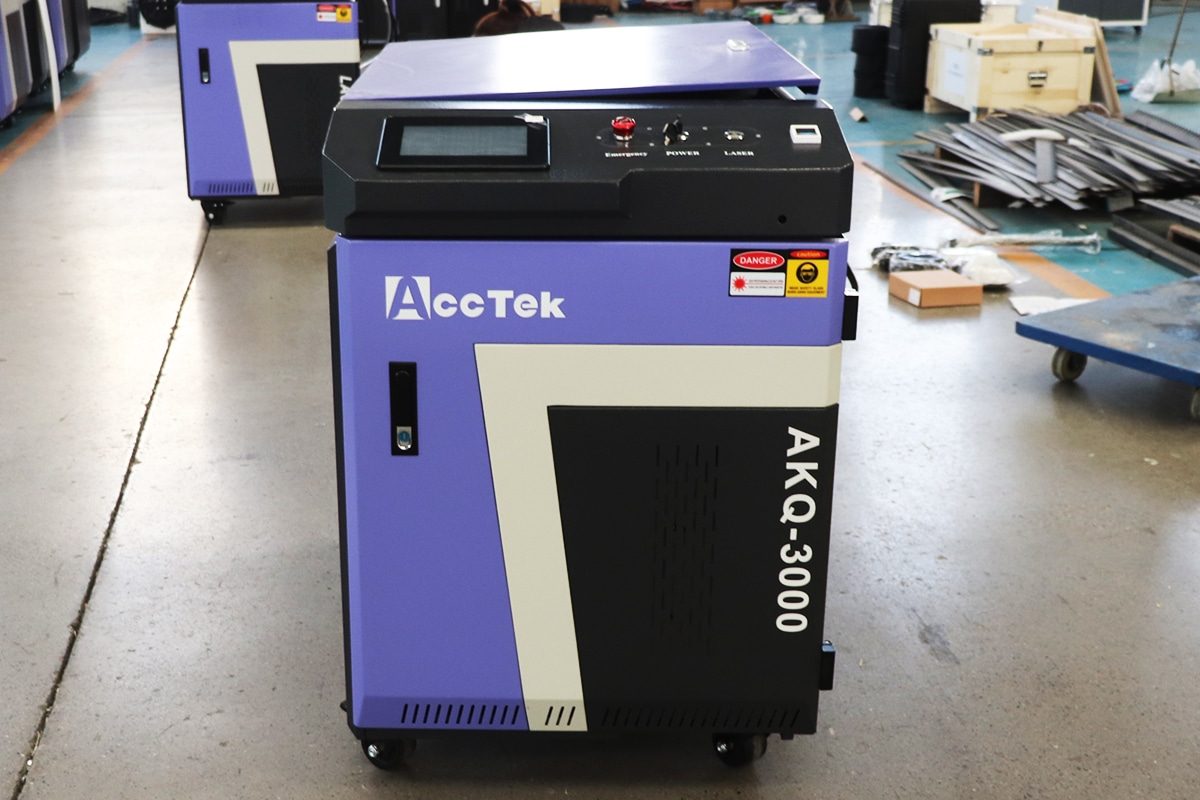
Laser cleaning has emerged as a powerful and precise surface treatment technology across industries such as manufacturing, aerospace, heritage conservation, and electronics. Using highly focused laser pulses to remove contaminants like rust, paint, oil, or oxides, it offers a non-contact and environmentally friendly alternative to traditional methods such as sandblasting or chemical cleaning. However, a common and important question often arises: Will laser cleaning damage the substrate?
This concern is understandable, as the integrity of the underlying material is critical for performance, safety, and longevity. Unlike abrasive or chemical techniques that may cause mechanical wear, corrosion, or residue buildup, laser cleaning operates on a fundamentally different principle. It relies on the selective absorption of laser energy, where contaminants absorb more energy than the base material and are vaporized or ejected without direct physical contact.
That said, the outcome is not entirely risk-free if the process is poorly controlled. Factors such as laser wavelength, pulse duration, power density, and the thermal properties of the substrate play a decisive role in determining whether the material remains unharmed. Understanding how laser cleaning interacts with different substrates is essential for evaluating its safety and effectiveness. This article explores whether laser cleaning truly poses a risk to substrates and under what conditions damage can be avoided or minimized.
In laser cleaning, “substrate damage” refers to any unintended alteration of the base material that negatively affects its appearance, geometry, mechanical behavior, chemical stability, or functional performance. This definition goes well beyond obvious melting or burn marks. Because laser cleaning relies on highly concentrated, short-duration energy input, damage can occur at multiple scales—macroscopic, microscopic, and even atomic—sometimes without immediate visual indicators. In many cases, the substrate may appear clean and intact, yet hidden changes can later cause coating failure, corrosion, cracking, or reduced service life. Understanding what qualifies as substrate damage is therefore critical for evaluating laser cleaning safety, qualifying processes, and ensuring long-term reliability.
Laser cleaning can significantly alter surface topography if energy density approaches or exceeds the substrate’s ablation threshold. Micro-pitting, crater formation, ripple patterns, or localized melting followed by rapid resolidification may occur. These changes affect surface roughness parameters and can influence friction, wear, sealing performance, optical behavior, and fatigue resistance. In some applications, controlled roughness is desirable for coating adhesion; however, unintended texture changes can compromise precision surfaces, optical components, or mating interfaces.
Dimensional damage occurs when the laser removes or reshapes substrate material rather than only the contaminant layer. This includes thickness reduction, edge rounding, loss of sharp features, distortion of thin sections, or erosion of engraved details. Such damage is particularly problematic for components with tight tolerances, micro-scale features, or thin walls. Even minimal material loss can lead to assembly issues, reduced strength, or failure to meet design specifications.
Thermal cycling from laser pulses can alter mechanical properties without obvious surface damage. Rapid heating and cooling may change hardness, introduce residual stresses, reduce fatigue life, or lower wear resistance. In load-bearing or cyclically stressed components, these changes can significantly shorten service life or increase the risk of crack initiation. Mechanical degradation is often difficult to detect without testing, making it one of the more insidious forms of substrate damage.
In metallic substrates, excessive laser energy can modify grain structure, phase distribution, and precipitate morphology. The formation of a heat-affected zone (HAZ) may lead to grain growth, phase transformations, or embrittlement. These microstructural changes can reduce ductility, corrosion resistance, magnetic properties, or electrical conductivity. Importantly, metallurgical damage may exist even when the surface appears visually unchanged, requiring microscopic or metallographic analysis for detection.
Laser cleaning can unintentionally alter surface chemistry by removing or modifying oxide layers, passivation films, or engineered surface treatments. In some cases, new oxides or reactive species may form due to localized heating. Such changes can affect corrosion behavior, electrical conductivity, wettability, adhesion strength, biocompatibility, or catalytic activity. For functional surfaces—such as those used in electronics, biomedical implants, or adhesive bonding—chemical alterations may be more damaging than physical defects.
Damage can also arise indirectly through contamination introduced during the cleaning process. If ablated material is not properly extracted, vaporized contaminants, nanoparticles, or condensed residues may redeposit onto the substrate. This redeposition can interfere with subsequent processes such as painting, coating, welding, or bonding. In some cases, embedded particles act as stress concentrators or corrosion initiation sites, undermining long-term performance.
Substrate damage in laser cleaning encompasses far more than visible burning or melting. It includes cosmetic defects, unintended surface texture changes, dimensional inaccuracies, degradation of mechanical properties, metallurgical and microstructural alterations, chemical and functional surface modifications, and contamination-related effects. Many of these damage modes are subtle, cumulative, and only revealed during later processing or service. A comprehensive understanding of these categories is essential for defining acceptable limits, optimizing laser parameters, and ensuring that laser cleaning delivers effective contaminant removal without compromising substrate integrity or performance.
Although laser cleaning is widely promoted as a precise and non-contact surface treatment, it is fundamentally an energy-driven process. The laser delivers concentrated electromagnetic energy to the surface, and that energy must be absorbed, converted, and dissipated by the material system present—contaminants and substrate alike. Damage occurs when the energy absorbed by the substrate exceeds its physical, thermal, mechanical, or chemical tolerance. Importantly, these damage mechanisms are not isolated; they often overlap and reinforce one another. A small amount of thermal overheating can trigger oxidation, which increases absorption and accelerates ablation or stress formation in subsequent passes. Understanding the core mechanisms behind substrate damage is therefore essential for predicting failure modes and establishing safe process windows.
Thermal effects are the dominant cause of substrate damage in laser cleaning. When laser energy is absorbed, it is rapidly converted into heat. If the heat input exceeds the rate at which the substrate can conduct or dissipate it, localized temperature spikes occur. Pulsed lasers reduce average heat input, but high repetition rates, overlapping scan paths, or slow scanning speeds can still cause cumulative heat buildup. This heat accumulation leads to thermal expansion followed by rapid contraction, generating residual stresses. In metals, this can soften or anneal the surface; in polymers and composites, it may cause melting, charring, or matrix degradation. Thin sections and low-conductivity materials are especially vulnerable to distortion and warping.
Laser cleaning depends on operating below the substrate’s ablation threshold while exceeding that of the contaminant. When this balance is lost, substrate ablation occurs. This results in direct material removal through vaporization, melt ejection, or spallation. Even minimal ablation can cause surface pitting, loss of fine details, or changes in thickness. Variations in surface condition—such as oxidation, roughness, or coating remnants—can locally increase absorption, causing uneven ablation. Repeated cleaning cycles further amplify this damage, gradually eroding the substrate.
Short-pulse and high-peak-power lasers can induce strong photomechanical effects. Rapid energy deposition causes near-instantaneous thermal expansion and plasma formation, generating high-pressure shock waves. These stress waves propagate into the substrate and can exceed the material’s tensile strength, leading to microcracking, delamination, or subsurface fracture. Layered materials, brittle alloys, ceramics, and composite structures are particularly sensitive. Photomechanical damage is often invisible to the naked eye but can significantly reduce fatigue life and resistance to cyclic loading.
Laser cleaning frequently takes place in ambient air, where elevated temperatures accelerate chemical reactions. Localized heating promotes oxidation, nitridation, or other surface reactions, especially in reactive metals. Protective oxide layers may thicken unevenly, while passivation films or functional surface treatments can be partially destroyed. In some cases, laser-induced chemistry alters surface energy, wettability, or electrochemical behavior, increasing susceptibility to corrosion or reducing adhesion performance. Contaminants themselves may chemically interact with the substrate during heating, forming complex residues rather than being fully removed.
As contaminants are ablated, they form a plume consisting of vapor, molten droplets, and fine particulates. Without effective fume extraction or shielding, this material can redeposit onto the substrate. Re-deposition may appear as discoloration, haze, or microscopic inclusions embedded in the surface. These residues can interfere with coating adhesion, welding quality, or bonding strength. In some cases, redeposited particles become initiation sites for corrosion, wear, or cracking, undermining the benefits of the cleaning process.
Laser cleaning can damage substrates through a complex interplay of thermal heating and heat accumulation, unintended substrate ablation, photomechanical shock and stress wave generation, laser-induced oxidation and chemical changes, and plume-related debris re-deposition. These mechanisms are strongly influenced by laser parameters, material properties, environmental conditions, and process control. Damage often develops gradually and may not be immediately visible, making it critical to understand these core mechanisms in order to optimize laser cleaning safely and effectively while preserving substrate integrity.
At the heart of laser cleaning lies a critical balance known as the process window. This window is defined by two key energy boundaries: the cleaning threshold, which is the minimum laser energy required to remove contaminants, and the damage threshold, which is the energy level at which the substrate begins to experience irreversible change. Safe and effective laser cleaning occurs only within this narrow region. Operating below the cleaning threshold results in incomplete or inconsistent contaminant removal, while exceeding the damage threshold leads to thermal, mechanical, or chemical degradation of the substrate. Understanding and controlling this window is essential for ensuring that laser cleaning remains both effective and non-destructive.
The cleaning threshold is determined by the physical and optical properties of the contaminant layer. Factors such as absorption coefficient, thickness, adhesion strength, and thermal conductivity influence how much laser energy is required to break the bond between the contaminant and the substrate or to ablate the contaminant entirely. Rust, paint, oil films, and oxides each have different thresholds, and even variations in contamination thickness can shift the required energy. If the laser fluence is too low, contaminants may only be partially removed, leaving residues that can interfere with subsequent processes.
The damage threshold represents the point at which the substrate begins to undergo unwanted changes. This may include melting, ablation, microcracking, microstructural alteration, oxidation, or residual stress formation. Unlike the cleaning threshold, the damage threshold is strongly dependent on the substrate material, surface condition, thickness, and thermal history. Materials with low melting points, poor thermal conductivity, or complex microstructures typically have lower damage thresholds. Importantly, damage thresholds are not always sharply defined; repeated laser passes or heat accumulation can lower the effective threshold over time.
The usable process window is the energy range between the cleaning and damage thresholds. A wide gap allows for robust, forgiving cleaning, while a narrow gap demands precise control. Problems arise when the cleaning threshold approaches or overlaps with the damage threshold, which is common for thin substrates, delicate materials, or strongly bonded contaminants. In such cases, even small fluctuations in laser power, focus, or scanning speed can push the process into a damaging regime.
The process window is not static. Heat accumulation, surface oxidation, and changing absorption characteristics during cleaning can shift both thresholds. As contaminants are removed, the substrate may absorb more energy, effectively lowering the damage threshold mid-process. This makes real-time monitoring and parameter adjustment crucial for consistent results.
The concept of a process window—bounded by the cleaning threshold and the damage threshold—is central to understanding whether laser cleaning will harm a substrate. Effective laser cleaning requires operating precisely within this window, where contaminants are removed while the substrate remains unaffected. Because both thresholds depend on material properties, contamination characteristics, and cumulative thermal effects, maintaining this balance demands careful parameter selection, process validation, and ongoing control.
Laser cleaning sits at the intersection of optics, thermodynamics, materials science, and motion control. Whether the process safely removes contaminants or damages the substrate depends on how energy is delivered, absorbed, distributed, and removed from the material system. These variables do not act independently. Instead, they interact dynamically, meaning a small change in one parameter—such as scanning speed or focus—can shift the entire process from safe cleaning into substrate damage. A truly reliable laser-cleaning process requires understanding not only each variable in isolation, but also how they compound one another under real operating conditions.
Pulsed lasers are generally safer because they separate energy delivery into discrete events. This allows partial cooling between pulses and limits bulk heat buildup. Short-pulse systems emphasize contaminant ejection through rapid thermal expansion and shock effects, reducing heat diffusion into the substrate. Continuous-wave lasers apply energy constantly, which increases the risk of sustained overheating, melting, and oxidation. CW systems demand precise control of speed and power and are less forgiving of thin, delicate, or low-conductivity materials.
Wavelength governs how energy couples into both contaminants and the substrate. Effective cleaning relies on preferential absorption by the contaminant layer. If the substrate absorbs strongly at the same wavelength, it heats rapidly and approaches its damage threshold. Absorption is also dynamic: as contaminants are removed, the exposed substrate may absorb more energy than the contaminated surface did, making later passes riskier than earlier ones. Oxidation and surface roughening further increase absorption, narrowing the safety margin over time.
Fluence defines whether removal occurs at all. Below the cleaning threshold, contaminants persist; above the damage threshold, substrate ablation begins. Power density determines how quickly that energy is deposited. High power density raises peak temperatures and stress levels, increasing the likelihood of melting, microcracking, or shock-induced damage. Near-threshold operation is particularly sensitive—small fluctuations in power, spot size, or overlap can cause large differences in outcome.
Pulse duration controls how energy interacts with the material. Very short pulses generate high peak power and strong photomechanical stresses, which can fracture brittle materials or delaminate layered structures. Longer pulses reduce shock effects but allow more heat to diffuse into the substrate. Repetition rate dictates cumulative heating. Even when individual pulses are safe, high repetition rates can cause a gradual temperature rise, leading to delayed damage such as softening, residual stress accumulation, or oxidation.
Motion strategy directly controls energy accumulation. Slow scanning speeds increase dwell time, while high overlap concentrates energy into the same region repeatedly. Multiple cleaning passes compound these effects, often causing progressive damage that appears only after the final pass. Uneven scanning can also create hot spots, leading to localized distortion or microstructural change. Optimized motion balances effective contaminant removal with sufficient cooling time.
Spot size determines how concentrated the energy is. Smaller spots increase fluence and power density, making the process more sensitive to alignment and focus errors. A slight shift in focus can dramatically increase local energy delivery, causing pitting or melting. On curved or uneven surfaces, maintaining consistent focus is challenging, and focus drift is a common cause of unintentional substrate damage.
Geometry governs heat flow. Thin sections, edges, corners, and fine features heat up faster and dissipate heat more slowly than bulk regions. These areas often reach damaging temperatures first, even when average process parameters appear safe. Components with high thermal mass act as heat sinks and tolerate higher energy input, while delicate geometries demand conservative settings.
External thermal management significantly affects safety. Conductive fixturing, clamps, or backing plates can draw heat away from the cleaning zone. Duty cycle control—introducing pauses between passes or limiting continuous operation—prevents cumulative overheating. Without thermal management, even well-chosen laser parameters can drift into damaging territory over time.
The surrounding environment shapes both chemical and physical outcomes. Cleaning in the air promotes oxidation and surface chemistry changes at elevated temperatures. Inert gas shielding can suppress oxidation and stabilize surface composition. Effective plume extraction prevents redeposition of vaporized material, which can otherwise contaminate the surface, alter absorption, and interfere with subsequent processing steps such as coating or welding.
The difference between safe and damaging laser cleaning is determined by a complex, interdependent set of variables. Laser type, wavelength, fluence, pulse structure, scanning strategy, focus control, part geometry, thermal management, and process environment all influence how energy interacts with the substrate. Damage rarely results from a single mistake; it emerges when multiple variables align unfavorably or when cumulative effects are ignored. Mastery of these factors is essential for maintaining a stable process window and ensuring laser cleaning delivers effective results without compromising substrate integrity.
Laser cleaning is often described as controllable and selective, but the reality is that its safety margin varies widely depending on material properties, geometry, surface condition, and process strategy. Substrate damage is most likely when the process window is narrow, when material response changes during cleaning, or when the substrate itself has low tolerance to thermal, mechanical, or chemical disturbance. In these situations, even well-intentioned parameter settings can produce damage that is subtle, cumulative, or irreversible. Understanding these high-risk conditions is essential for deciding when laser cleaning requires extreme caution, additional safeguards, or alternative approaches.
Over-cleaning is one of the most common causes of laser-induced substrate damage. During early passes, the contaminant layer absorbs much of the laser energy, shielding the substrate. Once the contaminant is removed, the exposed substrate often absorbs energy more efficiently, especially if it is metallic or has increased surface roughness. Continued laser exposure can rapidly elevate surface temperature, leading to oxidation, micro-pitting, grain growth, surface melting, or direct ablation. Because this transition can occur suddenly, damage often happens in the final passes when operators assume the process is still safe.
Thin metal sheets and foils have very limited thermal mass and poor heat-spreading capability. Localized laser heating can quickly raise temperatures beyond safe limits, causing warping, buckling, rippling, or loss of flatness. Thin sections are also highly susceptible to residual stress accumulation, which may not be immediately visible but can cause delayed distortion or cracking during later forming or service. Unsupported regions are especially vulnerable to permanent deformation.
Edges, corners, slots, and holes are inherently high-risk features. These geometries restrict heat flow away from the laser interaction zone and concentrate thermal and mechanical stress. Beam incidence angles also vary across these features, effectively increasing local energy density. Common damage modes include edge rounding, burn-back, localized melting, erosion of sharp features, and microcracking that can propagate under load or fatigue.
Soft metals and low-melting alloys—such as aluminum, magnesium, zinc, tin, lead, and certain copper alloys—have low thermal tolerance and high thermal expansion. Even temperatures below the melting point can cause surface softening, plastic flow, and loss of surface definition. Repeated laser exposure can progressively degrade surface quality through pitting, ripple formation, or dimensional drift. Rapid changes in reflectivity during heating further destabilize energy absorption, increasing the risk of runaway damage.
Precision surfaces—such as sealing faces, bearing interfaces, optical surfaces, or high-tolerance mating features—are extremely sensitive to micro-scale changes. Laser cleaning can unintentionally increase roughness through micro-pitting or decrease it through localized melting and resolidification. Even nanometer-scale deviations can compromise sealing performance, optical clarity, friction behavior, or wear life, rendering the part functionally unacceptable despite appearing visually intact.
Historical and cultural heritage objects present exceptional risk. Materials are often aged, fragile, layered, or chemically altered over time, with unknown thermal and optical properties. Laser cleaning can unintentionally remove original patinas, surface finishes, or tool marks that are historically significant. Even minimal alteration may be considered unacceptable, and damage may only become apparent years later through accelerated corrosion or material breakdown.
Many substrates rely on thin surface layers—such as passivation films, oxide layers, lubricious coatings, bioactive surfaces, or electrically functional treatments—for performance. Laser cleaning can partially remove, chemically alter, or structurally damage these layers without obvious visual indicators. The resulting damage is often functional, leading to reduced corrosion resistance, poor adhesion, altered conductivity, or loss of biocompatibility during subsequent use.
Laser cleaning is most likely to damage the substrate when cleaning continues beyond contaminant removal, when materials are thin, soft, heat-sensitive, or geometrically complex, and when surfaces have strict functional, precision, or historical constraints. Edges, thin sections, plastics, composites, soft metals, precision finishes, and functional surface layers all significantly narrow the safety margin. Recognizing these high-risk conditions allows for informed decision-making, stricter parameter control, enhanced monitoring, and, when necessary, the selection of alternative cleaning methods to preserve substrate integrity.
Laser cleaning is not a one-size-fits-all process. The same laser settings that safely remove rust from carbon steel can discolor stainless steel, pit aluminum, or crack glass. That’s because each substrate has a unique combination of optical absorption (how strongly it takes in laser energy), thermal conductivity (how quickly it spreads heat), melting/softening behavior, and chemical reactivity (how it oxidizes or changes in air). On top of that, laser cleaning changes the surface as it progresses—once oxides or coatings are removed, the freshly exposed substrate may absorb energy differently, which can suddenly narrow the safety margin.
Carbon steel generally tolerates laser cleaning well, but over-cleaning and high overlap are the most common pathways to damage.
Stainless steel is often “safe” structurally, but it is less forgiving chemically, especially for food-grade, medical, or marine environments.
Aluminum can be safely cleaned, but it often demands conservative fluence, fast scanning, and careful focus control.
With copper/brass, the risk is not only physical damage but also loss of surface function and consistency.
Titanium is cleanable, but oxidation control (often through extraction and, in some cases, shielding gas) and strict heat management are important.
Cast iron can be successfully cleaned, but it benefits from gentler parameters, lower overlap, and strong extraction to reduce pore contamination.
For ceramics and glass, the main risk is cracking or microfracturing rather than melting, so careful energy control and scanning strategy are essential.
Plastics often require very low heat input, excellent plume extraction, and, in some cases, may be better served by alternative cleaning methods if surface integrity is critical.
In composites, “damage” is often structural and internal—loss of interlaminar strength and delamination—so conservative parameters and validation testing are crucial.
Substrate-specific risk in laser cleaning is driven by absorption behavior, heat flow, and material sensitivity to thermal and chemical change. Carbon steel is generally forgiving, while stainless and titanium require more attention to oxidation and surface chemistry. Aluminum, copper, and brass can shift abruptly from safe cleaning to pitting or melting due to reflectivity and changing absorption as the surface evolves. Cast iron adds brittleness and porosity-related complications. Ceramics and glass are vulnerable to thermal shock cracking and microscopic strength loss. Plastics and composites typically pose the highest risk because they soften or degrade at low temperatures and can suffer warping, chemical breakdown, fiber exposure, or delamination. Matching laser settings to the specific substrate—and anticipating how the surface will change during cleaning—is the key to preventing damage and achieving reliable results.
One of the most practical ways to answer the question “Will laser cleaning damage the substrate?” is to look at the damage modes that show up repeatedly in real applications. Laser-induced damage is rarely a single dramatic failure. More often, it appears as a collection of subtle but recognizable changes that signal the process has crossed from controlled cleaning into unintended substrate interaction. These damage modes can usually be detected through careful visual inspection, microscopy, surface measurements, or downstream performance issues. Importantly, many of them worsen over time or only become critical during later manufacturing steps or service life. Understanding these recognizable damage signatures helps distinguish acceptable surface modification from true substrate damage.
Pitting and cratering are clear indicators that the laser energy exceeded the substrate’s ablation threshold. These features form when localized regions of the substrate vaporize or eject molten material. Pits may be shallow and microscopic or large enough to be seen by eye, often clustering in scan overlaps, near edges, or where absorption increases suddenly after contaminants are removed. Even small pits significantly increase surface roughness, act as stress concentrators, and serve as initiation sites for corrosion and fatigue cracks. In pressure-bearing or cyclically loaded parts, pitting can drastically reduce service life.
Melt marks occur when the substrate reaches its melting or softening temperature without fully ablating. The surface may show glossy patches, ripples, flow lines, or smeared material that has resolidified unevenly. On metals, this can blur sharp edges, alter flatness, and seal over microfeatures. On plastics and low-melting alloys, resolidified melt zones often become harder, more brittle, or chemically altered. Melt smearing is a strong sign of excessive dwell time, slow scanning speed, or localized focus errors.
Heat tint appears as blue, purple, brown, or straw-colored bands, especially on carbon steel, stainless steel, and titanium. These colors correspond to oxide layer thickness formed during elevated-temperature exposure in air. While often dismissed as cosmetic, heat tint indicates significant thermal exposure and surface chemistry change. On stainless steel, it may reduce corrosion resistance by disrupting passivation. On titanium, it can alter fatigue behavior and biocompatibility. Persistent or uneven heat tint suggests poor heat control or inadequate fume extraction.
Microcracks are among the most critical yet hardest-to-detect damage modes. They form due to rapid thermal expansion and contraction, thermal shock, or photomechanical stress waves generated by high peak power pulses. These cracks may be invisible without magnification or non-destructive testing, but they significantly weaken the material. Brittle substrates—such as ceramics, glass, cast iron, hardened steels, and composites—are particularly susceptible. Microcracks often propagate later under load, vibration, or environmental exposure, leading to delayed failure.
Laser cleaning can gradually remove or soften surface details such as engravings, serial numbers, knurled textures, sharp edges, or micro-scale features. This typically occurs through shallow ablation, repeated exposure after contaminants are gone, or localized melting. Loss of detail is especially problematic in traceability-critical components, sealing surfaces, precision mechanical parts, and historical artifacts. Because the change is incremental, it may go unnoticed until dimensional inspection or functional testing reveals noncompliance.
Surface roughness drift is a subtle but highly consequential damage mode. Laser cleaning can increase roughness through pitting and micro-ablation, or decrease it through melting and resolidification that smooths surface peaks. Either outcome can push the surface outside its functional specification. Excessive roughness can promote wear, leakage, and corrosion, while overly smooth surfaces can reduce coating adhesion, lubricant retention, or friction control. Roughness drift is particularly dangerous because the surface may still appear visually acceptable.
Some of the most revealing damage indicators appear only after downstream processing. Paint peeling, coating delamination, weak adhesive bonds, poor weld quality, or inconsistent soldering often point to laser-induced surface damage. Causes include altered surface chemistry, excessive oxide formation, embedded redeposited debris, or inappropriate roughness. When adhesion problems occur despite a visually clean surface, the root cause is frequently excessive laser energy or inadequate process environment control rather than insufficient cleaning.
Laser-cleaning damage most often reveals itself through recognizable, repeatable modes rather than obvious catastrophic defects. Pitting and cratering indicate substrate ablation; melt smearing signals excessive thermal input; heat tint reflects chemical and oxide changes; microcracks point to thermal or mechanical shock; loss of detail shows gradual material removal; roughness drift alters functional performance; and adhesion failures expose hidden chemical or microstructural damage. Together, these damage modes act as practical warning signs that the laser process has exceeded its safe operating window. Recognizing them early is essential for diagnosing problems, refining parameters, and ensuring laser cleaning enhances surface quality without quietly compromising substrate integrity.
“Non-damaging” laser cleaning does not happen by accident. It is the result of a deliberately engineered workflow that treats laser cleaning as a process qualification problem, not just a cleaning task. Most substrate damage occurs when cleaning decisions are based on appearance alone, when parameters are reused across different materials, or when cumulative effects are ignored. A practical workflow anticipates where damage can occur, builds in safeguards, and verifies outcomes against functional requirements—not assumptions.
The workflow begins by clearly defining what “non-damaging” means for the specific application. Acceptance criteria must include more than visual cleanliness. They should define allowable limits for surface roughness, dimensional change, edge integrity, oxide condition, color change, and any functional requirements such as coating adhesion, electrical conductivity, sealing performance, or corrosion resistance. Importantly, acceptance criteria must also define stop conditions—clear indicators that cleaning is complete and should not continue. Without these limits, operators are likely to over-clean, which is one of the most common causes of substrate damage.
Laser cleaning behavior is governed by the interaction between the contaminant and the substrate, not either one in isolation. This step involves identifying the contaminant type (rust, paint, oil, oxide, release agent, etc.), thickness, bonding strength, and absorption behavior, alongside substrate material, thickness, heat sensitivity, and surface condition. A contaminant that absorbs strongly may protect the substrate initially, but once removed, the exposed substrate may absorb more energy and become vulnerable. Recognizing this pairing early allows a realistic assessment of how narrow the safe process window may be.
The laser system itself should be selected or configured to match the risk profile of the substrate. High-risk substrates—thin metals, plastics, composites, precision surfaces—generally require pulsed lasers with short interaction times and low average heat input. More robust substrates may tolerate higher power or continuous-wave operation, but only with adequate speed and thermal control. Wavelength selection also matters, as it influences absorption contrast between contaminant and substrate. Choosing a conservative laser approach reduces dependence on operator judgment and increases repeatability.
Before cleaning real parts, parameters must be developed using representative test coupons that match the substrate, surface finish, thickness, and contamination condition. Testing should explore not only single-pass results but also multiple passes, overlaps, scan speeds, and repetition rates. The goal is to identify the cleaning threshold, the damage threshold, and the safe operating margin between them. Coupon testing also reveals cumulative effects such as heat buildup, roughness drift, oxidation, or absorption changes that may not be apparent in short trials.
Human factors are a major contributor to laser cleaning damage. Practical workflows reduce reliance on operator intuition by implementing controls such as locked parameter recipes, predefined scan paths, automatic focus control, power monitoring, and dwell-time limits. Visual or software-based indicators can alert operators when cleaning is complete. These controls help prevent over-cleaning, inconsistent overlap, and accidental parameter changes that push the process beyond safe limits.
Effective plume management is essential for non-damaging laser cleaning. Vaporized contaminants and fine particles can redeposit onto the surface, altering chemistry, increasing absorption, or embedding debris into softened material. Poor extraction also increases local heat and oxidation. A robust workflow includes proper fume extraction, controlled airflow direction, and—when necessary—inert gas shielding to stabilize surface chemistry. Plume control protects both the substrate and the consistency of the cleaning process.
Verification closes the loop. Visual inspection should be combined with surface roughness measurement, microscopy, and dimensional checks where relevant. For functional surfaces, testing may include adhesion pull tests, corrosion exposure, electrical resistance, or mechanical performance checks. Verification ensures that the substrate not only looks clean but also performs as required. Results should feed back into parameter refinement and acceptance criteria, continuously improving process reliability.
Non-damaging laser cleaning is achieved through a disciplined, step-by-step workflow rather than trial and error. By defining clear acceptance criteria, understanding the contaminant–substrate pairing, selecting a laser approach based on risk, validating parameters with test coupons, implementing operator safeguards, managing plume behavior, and verifying results through inspection and functional testing, laser cleaning can be both effective and substrate-safe. This practical workflow transforms laser cleaning from a potentially damaging operation into a controlled, repeatable surface engineering process.
Laser cleaning should always operate as close as possible to the contaminant’s removal threshold. Every increment of energy beyond that point increases substrate interaction without improving cleanliness. Excess energy accelerates oxidation, roughness drift, micro-pitting, and thermal stress. During process development, energy should be increased gradually until complete, repeatable removal is achieved across the worst-case areas of the part. Once that level is identified, it should be treated as a ceiling, not a target. This approach maximizes process stability and minimizes cumulative damage during multi-pass or large-area cleaning.
When cleaning results are incomplete, the safest first adjustment is scan speed, not power. Slowing the scan increases energy per unit area while maintaining the same peak power and interaction physics. Increasing power, by contrast, raises peak temperature and stress intensity, making damage more abrupt and less predictable. In practice, many damage incidents occur because operators “turn up the power” instead of refining motion. Prioritizing scan speed adjustments preserves a wider buffer between cleaning and damage thresholds.
Overlap determines how many times a given point on the substrate is exposed to laser energy. High overlap effectively stacks multiple passes on top of each other, causing localized heat accumulation even when individual passes are nominally safe. This is one of the most common causes of roughness drift, oxidation, and micro-pitting. Overlap should be kept only as high as necessary to ensure uniform coverage and should remain consistent across the entire surface. Any change to overlap should be treated as a major parameter change and revalidated accordingly.
Intentional, slight defocusing increases spot size and lowers energy density, making the process more forgiving for thin, soft, or heat-sensitive substrates. Gentle defocus reduces the likelihood of hot spots caused by minor height variation, vibration, or focus drift. It also smooths energy distribution across the surface, which is especially useful for precision parts and uneven geometries. However, defocus must be applied deliberately and consistently—excessive defocus can reduce removal efficiency and tempt operators to compensate with higher power, undermining substrate protection.
Geometric features are where most substrate damage begins. Edges, corners, slots, holes, and thin ribs heat faster and cool more slowly than flat, bulk regions. Laser energy is also effectively concentrated at these features due to reduced heat conduction paths and changing beam incidence angles. Parameters that are safe on flat surfaces often cause rounding, melting, or cracking at edges. Protective tuning may require reducing power, increasing speed, altering scan direction, or limiting passes in these zones. Treating geometry as a risk multiplier—not an afterthought—is essential.
In handheld laser cleaning, dwell time is controlled entirely by operator movement. Pausing or slowing excessively over one spot—even for a second—can deliver enough energy to exceed the damage threshold. Spot dwell is a leading cause of localized melting, pitting, discoloration, and microcracking. Operators must be trained to maintain smooth, continuous motion, avoid retracing already-clean areas, and respect defined coverage patterns. Visual discipline, ergonomic positioning, and clear process guidance are critical safeguards in manual applications.
For thick, layered, or strongly bonded contaminants, attempting removal in a single aggressive pass dramatically increases damage risk. Staged cleaning recipes are far safer and more controllable. An initial pass removes bulk contamination at conservative settings, followed by one or more finishing passes at reduced energy to clean residual material without overexposing the substrate. Staging limits heat accumulation, reduces abrupt absorption changes as the substrate becomes exposed, and allows inspection checkpoints between stages. This approach is especially important for thin parts, soft metals, composites, and precision surfaces.
Protecting substrates during laser cleaning is fundamentally a parameter-tuning discipline, not a hardware problem. Using the minimum effective energy, adjusting scan speed before power, tightly controlling overlap, applying gentle defocus where appropriate, managing high-risk geometric features, preventing spot dwell during handheld operation, and employing staged cleaning recipes all work together to keep the process within a safe operating window. When these principles are applied methodically and consistently, laser cleaning can achieve complete contaminant removal while preserving substrate integrity, surface function, and long-term reliability.
Protective coatings represent one of the most sensitive and misunderstood cases in laser cleaning. From the laser’s point of view, a coating is simply another surface layer that absorbs, reflects, or transmits energy—there is no inherent distinction between “contamination” and “functional protection.” As a result, laser cleaning can easily remove, thin, or chemically alter protective coatings even when the underlying substrate remains physically intact. In many industries, this type of damage is more critical than substrate damage itself, because the coating is essential for corrosion resistance, lubrication, electrical performance, biocompatibility, or wear control. Understanding how and why laser cleaning interacts with protective coatings is therefore essential before assuming the process is non-damaging.
The response of a coating to laser cleaning depends primarily on its optical absorption at the laser wavelength, its thermal stability, and how efficiently heat is transferred into or away from the coating. Highly absorbing coatings—such as dark paints, oxides, or certain conversion layers—can heat rapidly and ablate even at relatively low fluence. Transparent or semi-transparent coatings may transmit much of the laser energy into the substrate, causing indirect heating that weakens or delaminates the coating from below. Reflective coatings may initially resist heating, but once roughening or oxidation begins, absorption can increase abruptly, leading to rapid degradation.
While complete coating removal is sometimes intentional, partial damage is often the most dangerous outcome. Laser cleaning may thin a coating unevenly, introduce microcracks, or alter its microstructure without fully removing it. The coating may still appear present and continuous, but its protective function can be severely compromised. For example, a corrosion-resistant coating may become porous, a lubricious coating may lose its low-friction behavior, or a bioactive surface may lose its chemical functionality. Partial damage is difficult to detect visually and often leads to premature failure in service.
Protective coatings can be altered by heat well below their ablation threshold. Polymer-based coatings may crosslink, embrittle, discolor, or lose elasticity after brief laser exposure. Metallic and ceramic coatings can oxidize, develop residual stress, or undergo phase changes that affect hardness and adhesion. Thin passivation films and conversion coatings are especially vulnerable; even slight temperature excursions can disrupt their chemistry and reduce corrosion resistance. In many cases, these changes leave no obvious visual clues.
Coating thickness strongly influences survivability during laser cleaning. Very thin coatings may be removed almost immediately once the laser interacts with them, even at low energy levels. Thicker coatings may survive initial passes but suffer cumulative damage as heat builds up. Non-uniform coatings pose additional risk, as thinner regions are damaged first, creating weak spots that undermine overall protection. Variability in thickness also makes it harder to define a single “safe” parameter set.
Modern components often use layered coating systems, such as primers plus topcoats, diffusion barriers, or multifunctional surface treatments. Laser cleaning can disrupt these systems in complex ways—removing one layer while altering another, or changing interlayer adhesion. In such cases, damage may not manifest until later processing steps, such as welding, bonding, or exposure to corrosive environments.
Laser cleaning is sometimes deliberately used to selectively remove coatings in defined areas for welding, bonding, or marking. These applications require extremely tight control of parameters, motion paths, and boundaries. Without precise control and validation, the laser can easily encroach beyond the intended zone, thinning or altering adjacent protective layers. Masking, staged passes, and conservative energy settings are often necessary to limit collateral damage.
Because coating damage is frequently chemical or microstructural rather than visual, verification is essential. Appropriate methods may include coating thickness measurement, adhesion testing, corrosion exposure, wettability assessment, electrical resistance testing, or surface chemistry analysis, depending on the coating’s function. Visual inspection alone is insufficient to confirm that a protective coating remains intact and functional after laser cleaning.
Laser cleaning can remove, thin, or chemically modify protective coatings even when the underlying substrate shows no obvious damage. Partial or invisible coating degradation is one of the most underestimated risks associated with laser cleaning. Whether a coating survives depends on its absorption behavior, thickness, thermal stability, and the selected laser parameters. When protective coatings must be preserved, laser cleaning demands conservative energy settings, careful process validation, and functional verification to ensure the coating continues to provide its intended protection after cleaning.
Most laser-cleaning failures are not mysterious or unavoidable—they are repeatable outcomes that occur when energy input, process control, or material response is misunderstood or ignored. In nearly every case, damage happens after the cleaning objective has already been achieved or when parameters are borrowed from a different material system without adjustment. Preventing these failures requires understanding the mechanism behind each symptom and applying targeted controls rather than generic “lower power” advice.
Pitting almost always occurs after rust has already been removed. Rust absorbs laser energy efficiently and acts as a sacrificial layer. Once it is gone, bare steel—especially carbon steel—absorbs energy differently and heats much faster. Continuing to scan with the same parameters pushes the substrate past its ablation threshold, producing pits and craters.
Blue, brown, or straw-colored tint on stainless steel is a sign of thermal oxidation, not just cosmetic discoloration. It indicates that the surface reached temperatures high enough to thicken oxide layers and disturb the chromium-rich passive film responsible for corrosion resistance.
When paint or coatings fail after laser cleaning, the cause is often over-cleaning, not under-cleaning. Excessive laser exposure can create thick oxides, embed redeposited particles, or shift surface roughness outside the optimal adhesion window. The surface may look clean, but be chemically or topographically wrong.
Whitening, hazing, or charring in plastics indicates thermal or chemical degradation. Whitening often comes from microcracking, stress-induced scattering, or phase changes, while charring reflects polymer breakdown. These effects can occur well below visible melting temperatures.
Fiber exposure in composites occurs when the polymer matrix degrades or ablates before the reinforcing fibers. This leads to exposed carbon or glass fibers, surface roughening, and loss of interlaminar strength—even if the fibers themselves appear intact.
The most common laser-cleaning failures—pitting after rust removal, heat tint on stainless steel, poor paint adhesion, plastic whitening or charring, and composite fiber exposure—are all symptoms of excessive or poorly timed energy delivery. In nearly every case, damage occurs after the contaminant has already been removed or when material-specific behavior is ignored. Preventing these failures requires endpoint awareness, conservative parameter tuning, effective plume control, and validation based on functional performance rather than appearance alone. When these principles are applied, laser cleaning can remain both effective and substrate-safe instead of becoming a source of hidden damage.
Verification is the only reliable way to demonstrate that laser cleaning removed contaminants without harming the substrate. Visual cleanliness alone is insufficient because many laser-induced damage modes—microcracks, altered oxide chemistry, residual stress, subtle roughness drift, or redeposited debris—are not obvious immediately after cleaning. A robust verification strategy, therefore, needs to answer three questions: Did the part change in appearance or geometry? Did the surface condition change in measurable ways? Does the part still perform as required in service? Addressing all three ensures that laser cleaning has stayed within acceptable limits and that any risk of latent or downstream failure is minimized.
Verification should begin with a structured visual inspection performed under controlled lighting and consistent viewing angles. Inspectors should look for known laser-damage signatures such as discoloration (heat tint), gloss changes, haze, localized melting or smearing, micro-pitting, edge rounding, and loss of markings or fine detail. Using magnification—such as a hand loupe or optical microscope—helps reveal early-stage pitting, redeposited debris, or hairline cracks that are invisible to the naked eye.
Dimensional verification is equally important, especially for thin parts, precision components, and features near edges or holes. Measurements should confirm that thickness, flatness, hole diameter, edge sharpness, and critical tolerances remain within specification. Even small amounts of laser-induced material loss or thermal distortion can push a part out of tolerance without obvious visual cues.
Surface characterization provides quantitative evidence of whether the laser altered the substrate beyond acceptable limits. Surface roughness measurements are often the first step, confirming that laser cleaning did not cause roughness drift—either excessive roughening from micro-ablation or unintended smoothing from localized melting. Depending on the application, this may involve standard roughness metrics or more detailed topographical analysis using optical or contact profilometry.
Microscopic examination can identify microcracks, melt zones, embedded particles from plume redeposition, or localized heat-affected regions. For metallic substrates, surface chemistry assessment may be critical. Changes in oxide thickness, passivation condition, or elemental composition can directly affect corrosion resistance, adhesion, and electrical behavior. In sensitive applications, contamination analysis may be required to confirm that vaporized residues did not redeposit and compromise surface cleanliness.
Performance testing provides the strongest proof that the substrate was not damaged, because it directly evaluates whether the cleaned surface still functions as intended. If laser cleaning is used as surface preparation, adhesion tests—such as pull-off, peel, or shear tests—can confirm that coatings or adhesives bond properly. For corrosion-critical parts, corrosion exposure or electrochemical testing can reveal whether protective surface chemistry was compromised.
Electrical performance checks, such as contact resistance or conductivity measurements, are important for copper, electronic components, and grounding surfaces. For mechanically critical parts, hardness testing, residual stress evaluation, or fatigue-related assessments can detect heat-induced changes that visual inspection would miss. The key principle is that verification methods should reflect real service conditions, not just laboratory appearance.
Proving that laser cleaning did not damage the substrate requires a multi-layered verification approach. Visual and dimensional checks catch obvious defects and geometric changes, surface characterization quantifies subtle alterations in texture and chemistry, and performance checks confirm that the cleaned surface still meets functional requirements in real-world use. Together, these verification steps provide objective evidence that laser cleaning achieved effective contaminant removal while preserving substrate integrity, reliability, and long-term performance.
To judge whether laser cleaning damages a substrate, it must be evaluated in context—specifically, against the traditional cleaning methods it often replaces. Every cleaning technique removes contaminants by transferring energy to the surface, and every method carries a damage mechanism. The difference lies in how predictable the damage is, how selective the process can be, and how much control the operator has over the interaction. Abrasive blasting, wire brushing/sanding, and chemical stripping each impose fundamentally different stresses on the substrate than laser cleaning. Understanding these differences clarifies why laser cleaning is often preferred for high-value, precision, or sensitive components—and why it still requires discipline to avoid damage.
Abrasive blasting removes contamination by impacting the surface with high-velocity particles. From a damage perspective, this method is inherently destructive to the substrate because material removal is the mechanism of cleaning itself. Even when using fine media or low pressure, abrasive blasting inevitably erodes the base material.
Blasting parameters can be adjusted, but the process cannot be made non-destructive—only less destructive. Repeated blasting compounds damage over time. Compared to laser cleaning, abrasive blasting has poor selectivity; it removes contamination and substrate together. Laser cleaning, by contrast, can be tuned to remove contaminants selectively, though poor tuning can still lead to thermal damage rather than erosion.
Wire brushing and sanding rely on direct mechanical abrasion, making them among the least controlled cleaning methods from a substrate-damage standpoint. Damage is highly dependent on operator skill, pressure, angle, and duration, which leads to inconsistent results.
Heat generated by friction can also alter surface properties on soft metals and plastics. Compared to laser cleaning, brushing and sanding are crude tools: they offer no real selectivity, poor repeatability, and almost no protection for precision or functional surfaces. Laser cleaning replaces mechanical damage with controllable energy input—but handheld laser use can still suffer from operator-induced dwell if not managed properly.
Chemical stripping removes contaminants through dissolution, swelling, or chemical reaction rather than mechanical force. While it avoids abrasion, it introduces chemical damage risks that are often delayed and harder to detect.
Chemical stripping also lacks spatial selectivity—entire parts are exposed, whether or not all areas need cleaning. Laser cleaning avoids chemical exposure, residue, and waste handling, and damage—if it occurs—is localized and immediately observable. However, laser cleaning can still alter surface chemistry through oxidation or heat, meaning it shifts the damage risk rather than eliminating it.
From a substrate-damage perspective, all cleaning methods carry risk—but the type and controllability of that risk differ dramatically. Abrasive blasting and mechanical brushing inevitably remove substrate material and degrade features. Chemical stripping introduces chemical attack, residue, and delayed failure risks. Laser cleaning shifts damage potential away from mechanical and chemical destruction toward thermal and process-control-related effects. When properly tuned, verified, and controlled, laser cleaning offers the highest potential for minimizing substrate damage—but it achieves that advantage only through disciplined application, not by default.
Laser cleaning does not inherently damage the substrate—but it can if the process is poorly understood, improperly tuned, or applied without verification. Throughout this article, one key principle emerges: laser cleaning is a highly controllable surface treatment, and substrate damage is almost always the result of exceeding the safe process window rather than a flaw in the technology itself.
Damage risks arise from predictable mechanisms such as excessive thermal input, unintended substrate ablation, oxidation, photomechanical stress, and plume redeposition. These risks increase when cleaning continues after contaminants are removed, when materials are thin or heat-sensitive, or when precision surfaces and functional coatings are involved. However, these same risks can be effectively managed through disciplined parameter tuning, staged cleaning strategies, careful control of overlap and scan speed, and attention to geometry and material behavior.
Equally important is verification. Visual inspection alone is not enough; dimensional checks, surface characterization, and performance testing are essential to confirm that the substrate remains intact and functional. When laser cleaning is treated as a qualified, engineered process—rather than a trial-and-error operation—it consistently outperforms abrasive and chemical methods in minimizing substrate damage.
In short, laser cleaning is not “damage-free by default,” but it can be substrate-safe by design. With the right knowledge, controls, and validation, it offers a powerful, precise, and reliable way to clean surfaces without compromising their integrity.