

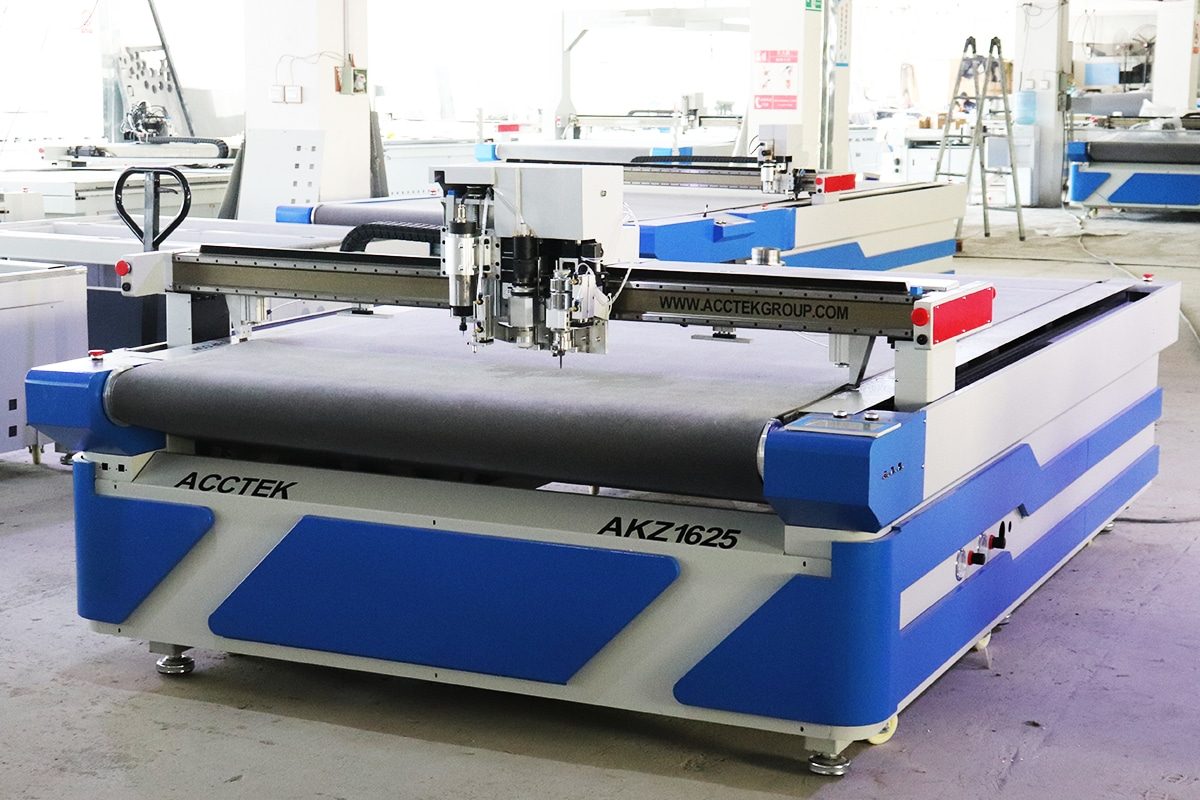
What PPE Should Be Worn When Using Oscillating Knife Cutting Machines
Personal Protective Equipment (PPE) plays a critical role in ensuring worker safety when operating oscillating knife cutting machines. These machines are widely used in industries such as textiles, packaging, automotive interiors, signage, and composites due to their precision, speed, and versatility. However, their rapid up-and-down blade motion, sharp cutting edges, and automated operation also introduce significant hazards if proper safety measures are not followed. Without appropriate PPE, operators face risks such as lacerations, eye injuries, respiratory exposure to dust and fibers, excessive noise, and even repetitive strain injuries.
Understanding what PPE should be worn when using oscillating knife cutting machines is essential not only for compliance with workplace safety regulations but also for protecting employees from preventable injuries. PPE acts as the last line of defense when engineering controls and safe operating procedures cannot fully eliminate risks. From cut-resistant gloves and safety glasses to hearing protection and protective footwear, each item serves a specific purpose based on the machine’s operating environment and the materials being cut.
This introduction sets the foundation for identifying the most important PPE requirements associated with oscillating knife cutting machines. By recognizing the potential hazards and matching them with the correct protective equipment, employers and operators can create a safer, more productive workplace while reducing downtime, injury costs, and long-term health issues.
Table of Contents
Understanding the Main Hazards in Oscillating Knife Cutting
Oscillating knife cutting machines are highly efficient and precise, but their advanced capabilities introduce a wide range of hazards that must be clearly understood before appropriate PPE can be selected. These machines operate using high-speed, vertically oscillating blades combined with automated motion systems, electrical power, and material handling components. Hazards can arise during normal operation, setup, cleaning, troubleshooting, and maintenance. Many injuries occur not because operators are careless, but because risks are underestimated or poorly controlled. A detailed understanding of the main hazard categories—mechanical, airborne, noise and vibration, electrical and maintenance, and housekeeping-related—is essential for creating a safe working environment and minimizing reliance on PPE as a reactive measure.
Mechanical Hazards
Mechanical hazards represent the most immediate and severe risks associated with oscillating knife cutting machines. The blade’s rapid up-and-down motion can cause severe lacerations, deep puncture wounds, or amputations upon contact. These risks are heightened during material positioning, tool changes, and manual adjustments near the cutting head. Moving gantries, tool carriages, rollers, clamps, and hold-down systems introduce additional pinch, crush, and shear points. Unexpected machine startup, software errors, or operator missteps can result in sudden movement, placing hands and arms in danger. Worn or improperly secured blades can also break during operation, potentially ejecting sharp fragments at high speed.
Airborne Hazards
Airborne hazards are often overlooked but pose significant short-term and long-term health risks. Oscillating knife cutting can generate fine dust, microfibers, and particulate matter, particularly when cutting foam, textiles, carbon fiber, fiberglass, leather, rubber, or plastic materials. Some materials may release chemical vapors or odors when cut, especially synthetic or treated products. Inhalation of these airborne contaminants can cause respiratory irritation, allergic reactions, headaches, or chronic lung conditions over time. Dust accumulation can also reduce visibility, contaminate equipment, and increase fire risks if combustible materials are present. Poorly maintained extraction systems or enclosed workspaces further amplify these hazards.
Noise and Vibration Exposure
While oscillating knife cutting machines are generally quieter than laser or waterjet systems, they can still produce sustained noise levels that contribute to hearing damage over extended periods. Noise exposure may increase due to dull blades, cutting dense materials, or operating multiple machines in the same area. Additionally, vibration transmitted through machine frames, operator interfaces, or surrounding structures can lead to hand-arm vibration exposure or whole-body vibration. Prolonged vibration contributes to fatigue, reduced concentration, circulation issues, and musculoskeletal disorders, particularly when combined with repetitive tasks or long shifts.
Electrical and Maintenance Hazards
Electrical hazards are present throughout the lifecycle of oscillating knife cutting machines. Damaged power cables, exposed wiring, improper grounding, or moisture intrusion can lead to electric shock, burns, or fire. Risks increase significantly during maintenance, calibration, blade replacement, and troubleshooting activities. Stored energy in electrical, pneumatic, or mechanical systems can be released unexpectedly if proper lockout/tagout procedures are not followed. Maintenance personnel are also at higher risk of contact with sharp blades, moving components, and energized systems, especially when guards or interlocks are temporarily removed.
Housekeeping and Slip/Trip Hazards
Housekeeping-related hazards are secondary risks that can still result in serious injuries. Cutting operations generate offcuts, scrap material, dust, and debris that can accumulate on floors and work surfaces. Loose materials, trailing cables, air hoses, and uneven flooring increase the likelihood of slips, trips, and falls. Spilled lubricants, adhesives, or cleaning fluids further raise the risk, particularly in areas where operators frequently move around the machine. A slip or fall near an active cutting machine can have severe consequences, including secondary contact with moving parts.
Oscillating knife cutting machines present a complex mix of hazards that extend well beyond blade contact alone. Mechanical dangers, airborne contaminants, noise and vibration exposure, electrical and maintenance risks, and poor housekeeping conditions all contribute to the overall risk profile. Understanding these hazards in detail is critical for selecting appropriate PPE, implementing effective engineering controls, and enforcing safe work practices. A thorough hazard awareness approach not only protects workers but also supports safer, more efficient, and more reliable machine operation.
Baseline PPE for Most Oscillating Knife Cutting Operations
Baseline Personal Protective Equipment (PPE) represents the minimum level of protection that should be consistently worn by operators and nearby personnel working around oscillating knife cutting machines. Even in well-guarded and automated systems, residual risks remain during normal production, material handling, setup, and routine inspections. Baseline PPE is designed to protect against common, predictable hazards such as flying debris, continuous noise exposure, dropped objects, slippery surfaces, and clothing entanglement. Establishing and enforcing baseline PPE requirements helps standardize safety behavior, reduces reliance on individual judgment, and creates a strong safety culture where protection is automatic rather than optional.
Safety Glasses
Safety glasses are the most critical and universally required form of PPE for oscillating knife cutting operations. The cutting process can eject fine dust, fibers, fragments of material, or broken blade particles at high velocity. These hazards are not always visible to the operator and can originate from unexpected directions due to blade motion, vacuum airflow, or material rebound. Impact-rated safety glasses protect the eyes from direct strikes and prevent irritation caused by airborne particles. Side shields or wraparound designs provide additional coverage against lateral hazards, which are common when working near automated cutting paths. Eye injuries can occur instantly and may result in permanent damage, making continuous eye protection essential even during short tasks or observation.
Hearing Protection
Hearing protection is often underestimated in oscillating knife cutting environments because noise levels may not feel immediately uncomfortable. However, long-term exposure to moderate noise can be just as damaging as short-term exposure to loud sounds. Oscillating blades, vacuum hold-down systems, dust extraction units, and multiple machines operating simultaneously contribute to sustained background noise. Over time, this exposure can lead to gradual hearing loss, ringing in the ears, reduced concentration, and increased fatigue. Earplugs or earmuffs help reduce cumulative noise exposure and support better focus during machine operation. Consistent use is especially important during full shifts or in shared production spaces.
Safety Footwear
Safety footwear is essential for protecting operators from a range of foot-related hazards. Material sheets, tooling components, and machine parts can be heavy and awkward to handle, increasing the risk of dropped objects. Toe protection helps prevent fractures and crush injuries, while puncture-resistant soles protect against sharp offcuts or debris on the floor. Slip-resistant outsoles are particularly important in cutting environments where dust, fibers, or spilled fluids may accumulate. Stable footing reduces the risk of falls, which can be especially dangerous near active cutting equipment.
Appropriate Work Clothing
Work clothing plays a critical role in preventing entanglement and secondary injuries. Loose-fitting garments, long sleeves, open jackets, or hanging accessories can become caught in moving components such as gantries, belts, or tool heads. Clothing should fit snugly without restricting movement and be free from dangling cords, frayed hems, or unsecured cuffs. Durable, tear-resistant fabrics offer added protection against minor abrasions and repeated contact with materials. Proper work clothing also supports visibility, comfort, and safe movement throughout the work area.
Baseline PPE provides essential protection against the everyday hazards associated with oscillating knife cutting operations. Safety glasses guard against airborne debris, hearing protection limits cumulative noise exposure, safety footwear protects against impact and slip hazards, and appropriate work clothing reduces entanglement risks. When worn consistently and correctly, this baseline PPE significantly lowers injury risk and forms the foundation of a safe and professional cutting environment.
Eye and Face Protection
Eye and face protection is a critical component of PPE when working with oscillating knife cutting machines because eye injuries are among the most severe and irreversible workplace injuries. Unlike many other hazards, eye exposure can cause permanent damage in an instant, even during routine or low-risk tasks. Oscillating knife cutting systems generate airborne debris, fine dust, fibers, and the potential for sudden blade or material failure. These risks exist not only during active cutting but also during material handling, cleaning, blade changes, and maintenance. Effective eye and face protection ensures operators maintain clear vision, situational awareness, and long-term eye health while working around high-speed cutting equipment.
Why Eye Protection Is Essential
The cutting action of an oscillating knife produces rapid mechanical motion that can eject particles at unpredictable angles and speeds. Fine dust from textiles, foam, composites, rubber, or plastics can become airborne and irritate or scratch the eyes. Harder or layered materials may chip, fracture, or rebound during cutting, creating high-energy projectiles. In rare but serious cases, blade tips or fragments can break off due to wear, improper installation, or contact with dense materials. In addition, airflow generated by vacuum hold-down systems and dust extraction units can direct debris upward toward the operator’s face. Even brief exposure without protection can result in corneal abrasions, embedded particles, infections, or long-term vision impairment.
What to Wear
At a minimum, impact-rated safety glasses should be worn whenever oscillating knife cutting machines are operating or when personnel are within the cutting area. Glasses with integrated side shields or wraparound frames protect from lateral hazards, which are common in automated cutting environments. For operations that generate fine dust or fibers, safety goggles offer improved sealing around the eyes, reducing the risk of airborne contaminants entering from gaps. During high-risk activities such as blade replacement, machine setup, troubleshooting, or cutting dense materials, a full face shield worn over safety glasses provides additional protection for the eyes, nose, mouth, and skin. Face shields should always be used in combination with primary eye protection.
Selection Criteria
Proper selection of eye and face protection should be based on a task-specific risk assessment. Lenses must be impact-resistant and suitable for industrial environments. Anti-fog and scratch-resistant coatings are especially important in dusty or humid conditions, where reduced visibility can increase the risk of operational errors. Fit and comfort are critical—poorly fitting eyewear may slip, cause pressure points, or encourage removal. For workers requiring vision correction, prescription safety glasses or certified over-glasses should be used to ensure full coverage without compromising clarity. Compatibility with other PPE, such as hearing protection or respirators, should also be considered.
Practical Tips
Eye and face protection should be worn consistently, not only during cutting but also during setup, cleanup, and maintenance tasks. Equipment should be cleaned regularly to maintain clear visibility and inspected for cracks, scratches, or damaged straps that reduce effectiveness. Operators should be trained to recognize when additional face protection is required and encouraged to report damaged PPE immediately. Providing multiple approved styles can improve compliance by accommodating different face shapes and comfort preferences. Proper storage, such as protective cases or designated PPE stations, helps extend the life of eye protection and ensures it is readily available when needed.
Eye and face protection is essential for managing the unpredictable hazards associated with oscillating knife cutting machines. By understanding why protection is necessary, selecting appropriate equipment, and applying practical usage practices, operators can significantly reduce the risk of eye and facial injuries while maintaining safe, efficient, and confident machine operation.
Respiratory Protection
Respiratory hazards are often underestimated in oscillating knife cutting operations because the cutting process does not involve heat, flames, or visible smoke. However, many of the materials processed on oscillating knife cutting machines release fine dust, microfibers, or chemical residues that can become airborne and remain suspended in the work environment. Repeated or prolonged exposure to these contaminants can cause both immediate irritation and long-term respiratory health issues. Respiratory protection becomes essential when engineering controls cannot fully eliminate airborne exposure. Understanding when respiratory PPE is required, how to select the correct equipment, and its limitations is critical for protecting workers’ health.
When Respiratory PPE Is Needed
Respiratory PPE is required whenever cutting operations generate airborne contaminants that exceed safe exposure levels or cause noticeable irritation. Materials such as foam, textiles, felt, fiberglass, carbon fiber, leather, rubber, and certain plastics can release fine particulate matter during cutting. These particles may not be immediately visible but can penetrate deep into the lungs when inhaled. Respiratory protection is particularly important in enclosed cutting rooms, facilities with limited airflow, or during extended production runs. Additional exposure often occurs during cleaning tasks, vacuum system maintenance, filter changes, and manual removal of accumulated dust. When new or unfamiliar materials are introduced, respiratory PPE should be used until their airborne risks are fully evaluated.
What to Wear
The selection of respiratory PPE depends on the type, concentration, and duration of airborne exposure. For low to moderate levels of nuisance dust and fibers, disposable particulate respirators provide basic protection. In higher-risk environments, reusable half-mask respirators equipped with appropriate particulate filters offer a higher level of protection and durability. When cutting materials that emit odors, fumes, or chemical residues, combination filters designed to protect against both particulates and organic vapors may be required. Respiratory PPE must be compatible with other PPE, such as eye and hearing protection, and should not interfere with safe machine operation or communication.
Fit, Training, and Limitations
Respirators are only effective when they fit the wearer correctly and are used consistently. An improper seal allows airborne contaminants to bypass the filter and enter the respiratory system. Workers must be trained on correct donning and removal procedures, seal checks, filter replacement, and storage practices. Facial hair, improper sizing, or damaged components can significantly reduce effectiveness. It is also important to recognize the limitations of respiratory PPE—respirators do not eliminate hazards, do not provide oxygen, and may cause breathing resistance or discomfort during extended use. Regular training and supervision are necessary to ensure proper use and compliance.
Dust Control Is Still the Priority
While respiratory PPE is essential in many situations, it should never replace effective dust control measures. Engineering controls such as local exhaust ventilation, integrated dust extraction systems, enclosed cutting zones, and properly maintained vacuum filters are far more effective at reducing airborne contaminants at the source. Administrative controls, including material selection, process optimization, and scheduled cleaning, further reduce exposure. Respiratory PPE should be used as a supplementary layer of protection when residual risks remain after all other control measures have been applied.
Respiratory protection is a vital safeguard against dust, fibers, and fumes generated during oscillating knife cutting operations. By recognizing when respiratory PPE is necessary, selecting appropriate equipment, ensuring proper fit and training, and prioritizing effective dust control systems, workplaces can significantly reduce respiratory health risks and create a safer, healthier cutting environment.
Hearing Protection
Hearing protection is an essential component of PPE for oscillating knife cutting machine operations, even though the associated noise hazards are often underestimated. Unlike sudden, high-impact noise, the sound produced by oscillating knife cutting systems is typically continuous and repetitive, which makes it particularly dangerous over long periods. Operators may not immediately perceive the risk because the noise can feel manageable in the short term. However, cumulative exposure over weeks, months, or years can result in permanent hearing loss. Effective hearing protection not only preserves long-term auditory health but also supports concentration, communication, and overall operational safety.
Why It Matters
Noise-induced hearing loss develops gradually and is irreversible. Oscillating knife cutting machines generate noise from multiple sources, including rapid blade oscillation, vibration between the blade and cutting surface, vacuum hold-down systems, dust extraction units, and surrounding production equipment. When several machines operate in the same area, overall sound levels can increase significantly. Prolonged exposure can lead to symptoms such as ringing in the ears, muffled hearing, headaches, fatigue, and increased stress levels. Reduced hearing ability can also prevent operators from noticing warning sounds, alarms, or changes in machine behavior, increasing the likelihood of accidents and equipment damage.
What to Wear
Earplugs and earmuffs are the primary forms of hearing protection used in oscillating knife cutting environments. Earplugs are available in disposable or reusable forms and can provide effective protection when properly inserted and worn consistently. They are well-suited for long shifts and environments where other PPE must be worn simultaneously. Earmuffs provide a reliable seal around the ears and are easy to put on and remove, making them ideal for areas with intermittent noise exposure or for visitors. In higher-noise environments or during extended production runs, combining earplugs with earmuffs may be necessary to achieve adequate noise reduction. All hearing protection should be rated for industrial use and matched to the measured noise levels in the work area.
Practical Selection Tips
Choosing the right hearing protection requires balancing protection, comfort, and usability. Protection that is uncomfortable, too bulky, or interferes with communication is less likely to be worn correctly or consistently. Fit is critical—earplugs must be properly sized and inserted, while earmuffs must form a tight seal without being disrupted by eyewear or headwear. Compatibility with safety glasses, face shields, and helmets should be evaluated to prevent gaps that reduce effectiveness. Regular training on proper use, care, and storage helps ensure hearing protection performs as intended. Periodic noise assessments and feedback from operators can also guide improvements in selection and compliance.
Hearing protection is vital for managing the long-term risks associated with continuous noise exposure in oscillating knife cutting operations. By understanding why noise matters, selecting appropriate ear protection, and applying practical selection and usage practices, employers and operators can significantly reduce the risk of hearing damage while maintaining safe, attentive, and efficient machine operation.
Hand and Arm Protection
Hand and arm protection is one of the most complex PPE considerations when working with oscillating knife cutting machines. Unlike some hazards where “more protection” is always safer, improper glove use around moving cutting equipment can increase the risk of severe injury. Operators must balance cut resistance with dexterity while also understanding when gloves should be removed entirely. Hands and forearms are involved in nearly every task, including material handling, setup, blade changes, cleaning, and maintenance, which places them at high risk. A task-based approach to hand and arm protection is essential to reduce injuries without introducing entanglement hazards.
Two Different Hand-Risk Zones
Hand hazards around oscillating knife cutting machines can be divided into two distinct risk zones. The first is the active cutting and motion zone, which includes the oscillating blade, tool head, gantry movement area, belts, and clamps. In this zone, the primary hazard is catastrophic injury from direct blade contact or sudden machine movement. Gloves in this area can snag on moving parts, pulling hands into the cutting path faster than a worker can react. For this reason, gloves are often prohibited during active cutting or when hands must be close to moving components.
The second zone is the material handling and support zone, which includes loading sheets, unloading finished parts, handling offcuts, and transporting materials. In this zone, hands are more likely to encounter sharp edges, abrasive surfaces, and splintered materials rather than the blade itself. Here, cut-resistant protection is typically necessary and appropriate, provided the machine is stopped or hands remain outside the guarded cutting area.
What Gloves to Choose
When gloves are allowed, they should be selected based on the specific hazards and tasks involved. Cut-resistant gloves made from high-performance fibers help protect against lacerations from sharp materials and offcuts. Lightweight gloves offer better dexterity for precise handling, while heavier gloves may be required for thicker, more abrasive materials. Gloves must fit snugly, with no loose cuffs, fraying, or excess material that could catch on equipment. Operators must understand glove policies clearly—gloves should be removed before approaching active cutting zones unless the machine is fully stopped, isolated, and verified safe.
Arm Guards and Sleeves
Forearm injuries are common during material handling, blade changes, and maintenance activities. Cut-resistant arm guards or sleeves provide extended protection when reaching into machines or handling large sheets with sharp edges. These sleeves should be securely fitted and resistant to slipping during movement. Arm protection is particularly valuable when gloves alone do not provide sufficient coverage or when repeated forearm contact with materials is unavoidable. Sleeves should be compatible with gloves to ensure there are no exposed gaps in protection.
Blade Handling PPE
Blade handling is one of the highest-risk tasks associated with oscillating knife cutting machines. Removing, installing, cleaning, or disposing of blades exposes hands and arms to extremely sharp edges. Cut-resistant or puncture-resistant gloves should always be worn during blade handling, and hands should never contact the cutting edge directly. Where available, blade handling tools, magnetic holders, or protective blade covers should be used to minimize direct contact. Used blades must be placed immediately into designated sharps containers to prevent secondary injuries.
Effective hand and arm protection in oscillating knife cutting operations requires more than simply wearing gloves. By understanding the difference between active cutting zones and material handling zones, selecting task-appropriate gloves, using arm guards where necessary, and applying strict blade handling PPE practices, operators can significantly reduce the risk of serious injuries while maintaining control, dexterity, and overall machine safety.
Protective Clothing and Body Protection
Protective clothing and body protection are essential but often underestimated elements of PPE when working with oscillating knife cutting machines. While these machines are designed with guards and automated controls, operators are still exposed to secondary hazards such as entanglement, abrasion, sharp material edges, airborne contaminants, and visibility-related risks. Clothing that is poorly selected or worn incorrectly can introduce new dangers, particularly around fast-moving tool heads and gantries. Proper protective garments are designed to minimize snag risks, shield the body from incidental contact, and support safe movement and awareness throughout the cutting area. Selecting appropriate clothing is therefore a key part of overall machine safety.
Close-Fitting Workwear
Close-fitting workwear is critical in environments where oscillating knife cutting machines are in operation. Loose or oversized clothing, flowing sleeves, open jackets, drawstrings, scarves, or frayed hems can easily become caught in moving components such as gantries, belts, clamps, or vacuum systems. Once snagged, clothing can pull an operator toward the cutting zone with little opportunity to react. Workwear should fit comfortably but securely, allowing a full range of motion without excess fabric. Sleeves should be snug at the wrists, pant legs should not drag, and closures should remain fastened during work. Durable, tear-resistant fabrics provide added protection against minor cuts, abrasions, and repeated contact with materials.
Aprons and Cut-Resistant Garments
Aprons and cut-resistant garments offer targeted protection for the torso and upper legs, particularly during material handling, blade changes, and maintenance tasks. Operators frequently lean over cutting tables or handle large sheets with sharp edges, increasing the risk of accidental contact injuries. Cut-resistant aprons help protect vital areas from lacerations caused by offcuts, exposed blade edges, or sharp material corners. These garments should be lightweight enough to avoid fatigue, securely fastened to prevent shifting, and properly sized to avoid interfering with movement or foot placement. Cut-resistant clothing is especially beneficial when handling dense, rigid, or abrasive materials.
High-Visibility Clothing
High-visibility clothing enhances worker awareness in busy production environments where oscillating knife cutting machines are used alongside material handling equipment, carts, or multiple operators. Bright colors and reflective elements make workers easier to see, reducing the risk of collisions, accidental contact, or miscommunication. This is particularly important in facilities with large cutting tables, automated material transport, or shared walkways. High-visibility garments also help supervisors quickly identify personnel within restricted or active cutting zones, supporting better coordination and overall safety.
Disposable Coveralls
Disposable coveralls provide an effective solution for protecting workers from dust, fibers, and contaminants generated during cutting operations. They are instrumental when working with materials that shed heavily, cause skin irritation, or require strict cleanliness controls. Coveralls help prevent contaminants from clinging to regular clothing and being transferred to other areas. They should be lightweight, breathable, and properly fitted to avoid restricting movement or creating snag hazards. Proper disposal after use is essential to prevent secondary exposure and maintain a clean work environment.
Protective clothing and body protection play a vital role in managing the secondary risks associated with oscillating knife cutting machines. Close-fitting workwear reduces entanglement hazards, aprons and cut-resistant garments protect against sharp materials, high-visibility clothing improves situational awareness, and disposable coveralls limit contamination. When selected thoughtfully and worn correctly, protective clothing enhances operator safety, comfort, and efficiency while supporting a safer and more controlled cutting environment.
Foot Protection
Foot protection is a fundamental but often underestimated element of PPE in environments where oscillating knife cutting machines are used. The floor area around cutting tables is typically active, with frequent material loading and unloading, movement of large sheets, tool changes, maintenance work, and regular cleaning. These activities expose workers to a combination of impact, puncture, slip, and fatigue-related hazards. Proper footwear not only protects against direct injuries but also supports balance, stability, and endurance during long shifts. Selecting the right foot protection is therefore essential for both safety and operational efficiency.
Why Footwear Matters Here
Oscillating knife cutting operations routinely involve handling heavy, bulky, or awkward materials that can be difficult to control. Sheets may shift unexpectedly during lifting or placement, increasing the risk of dropped loads landing on feet. Tooling components, weights, or machine parts can also fall during setup or maintenance activities. Without adequate toe protection, these incidents can result in fractures or crushing injuries.
In addition, sharp offcuts, blade fragments, and hard debris can accumulate on the floor, posing puncture and laceration risks. Dust, fibers, and spilled liquids such as adhesives or cleaning agents can make walking surfaces slippery. A slip or fall near an active cutting machine is particularly dangerous, as it can lead to secondary contact with moving components. Footwear also affects posture and fatigue; inadequate support can cause discomfort, reduced concentration, and slower reaction times, all of which increase accident risk.
What to Wear
Industrial safety footwear should be mandatory in oscillating knife cutting areas. Shoes or boots with reinforced toe protection help prevent injuries from falling or rolling objects. Puncture-resistant midsoles protect against sharp debris on the floor, while slip-resistant outsoles improve traction on dusty or contaminated surfaces. Footwear should provide good arch support and cushioning to reduce fatigue during prolonged standing and movement around large cutting tables. Proper fit is essential—footwear that is too loose or too tight can affect balance and comfort. Regular inspection and timely replacement of worn soles, damaged uppers, or compromised toe caps are necessary to maintain effective protection.
Foot protection plays a vital role in managing the impact, puncture, and slip hazards present in oscillating knife cutting operations. By understanding why footwear matters and selecting well-fitted, industrial-grade safety footwear with toe protection, puncture resistance, and slip-resistant soles, workplaces can significantly reduce injury risks while supporting comfort, stability, and safe machine operation.
Head Protection and Hair Control
Head protection and hair control are critical but frequently underestimated aspects of PPE when working with oscillating knife cutting machines. Although these machines may not always involve heavy overhead hazards, they operate with fast-moving tool heads, gantries, belts, and material handling systems that create significant entanglement and impact risks at head level. Operators often lean over cutting tables, reach into machines, or move beneath raised components, increasing the likelihood of head contact or hair entrapment. Proper head protection and effective hair control measures help prevent severe injuries that can occur quickly and without warning.
Hair and Entanglement Control
Uncontrolled hair is a serious safety hazard around oscillating knife cutting machines. Long hair, loose ponytails, braids, or strands can easily be caught by moving gantries, belts, rollers, or tool heads. Once hair becomes entangled, it can pull the operator toward moving parts faster than a person can react, potentially causing scalp injuries, neck strain, or more severe trauma. Hair should always be fully secured using hair ties, hair nets, or close-fitting caps that prevent loose strands from protruding. Facial hair, such as long beards, should also be contained where possible. In addition, operators should avoid headwear with dangling straps, loose fabric, or unsecured fasteners. Clear workplace policies and training on hair control are essential to ensure consistent compliance.
Bump Caps or Hard Hats
The need for head protection depends on the specific risks present in the cutting environment. Bump caps are suitable in areas where there is a risk of minor head impacts from low-clearance machine frames, cutting table edges, or overhead components. They help reduce the severity of bumps, scrapes, and minor collisions during routine tasks such as material handling or cleaning. Hard hats are required in environments where there is a risk of falling objects, overhead lifting equipment, or stacked materials near cutting areas. This may include facilities with cranes, forklifts, or elevated storage. Head protection should be properly fitted, securely worn, and compatible with other PPE such as eye and hearing protection, without restricting vision or movement.
Head protection and hair control play an essential role in preventing entanglement and impact-related injuries in oscillating knife cutting operations. By securing hair effectively and using bump caps or hard hats based on a thorough risk assessment, workplaces can significantly reduce the likelihood of serious head injuries and maintain a safer working environment around automated cutting machinery.
Skin Protection and Dermal Exposure
Skin protection and control of dermal exposure are essential considerations when working with oscillating knife cutting machines, even though these risks are often less visible than mechanical hazards. Many cutting operations involve materials that generate dust, fibers, or residues that can settle on the skin during normal work activities. In addition, adhesives, coatings, cleaning chemicals, lubricants, and maintenance substances can come into direct contact with the skin. Repeated or prolonged exposure may lead to irritation, allergic reactions, chemical burns, or occupational dermatitis. Effective skin protection helps preserve worker health, reduces discomfort and lost productivity, and prevents the spread of contaminants beyond the cutting area.
Skin PPE Options
Skin PPE should be selected based on the specific substances present in the cutting environment and the tasks being performed. Protective gloves designed for chemical or contaminant resistance may be required during cleaning, adhesive application, maintenance, or waste handling. These gloves differ from cut-resistant gloves and should be chosen for compatibility with the substances handled. Close-fitting long-sleeved workwear helps protect arms from dust, fibers, and incidental contact with materials while minimizing snag hazards. Disposable coveralls or sleeves provide an added barrier when cutting materials that shed heavily, cause skin irritation, or contain fine particulates. In some environments, barrier creams or skin-protective lotions may be used to help reduce dryness and irritation caused by frequent washing or contact with mild irritants, though they should never replace proper PPE.
Avoiding Contamination Spread
Managing dermal exposure also involves preventing contaminants from spreading beyond the immediate work area. Dust, fibers, and chemical residues can easily adhere to skin, hair, and clothing, leading to secondary exposure during breaks, transport, or at home. Workers should remove contaminated PPE before leaving the cutting area and use designated changing facilities when available. Washing exposed skin thoroughly after cutting, cleaning, or maintenance tasks is essential to remove residual contaminants. Disposable PPE should be properly contained and discarded according to workplace procedures, while reusable garments should be cleaned regularly. Good housekeeping practices, such as routine surface cleaning and dust removal, further reduce repeated skin contact and help maintain a safer overall environment.
Skin protection and control of dermal exposure play a vital role in protecting workers from irritation, allergic reactions, and long-term skin conditions in oscillating knife cutting operations. By selecting appropriate skin-focused PPE and implementing measures to prevent contamination spread, workplaces can support healthier workers, improved hygiene, and a cleaner, safer cutting environment.
PPE for Specific Materials and Applications
Oscillating knife cutting machines are highly versatile and capable of processing a wide range of materials, each with its own hazard profile. While baseline PPE provides general protection, certain materials introduce additional risks related to airborne dust, fine fibers, chemical treatments, sharp edges, noise, and skin irritation. A material-specific approach to PPE selection is essential to ensure adequate protection without unnecessary restrictions or discomfort. Understanding how different materials behave during cutting allows operators to anticipate hazards and adjust PPE requirements accordingly, improving both safety and productivity.
Foam (PU, PE, EVA) and Cushioning Materials
Foam materials such as polyurethane (PU), polyethylene (PE), and ethylene-vinyl acetate (EVA) may appear harmless, but cutting them can generate large amounts of fine, lightweight dust. These particles can remain airborne for extended periods and easily enter the eyes, respiratory system, or settle on skin and clothing. Eye protection is essential to prevent irritation, while respiratory protection may be required during high-volume cutting or in poorly ventilated areas. Disposable coveralls or close-fitting workwear help prevent foam dust from spreading beyond the cutting area. Gloves are useful during material handling to protect against abrasion, but should be removed near active cutting zones to avoid entanglement.
Textiles and Fabrics
Textiles produce fibers, lint, and fine particulates that can affect the eyes, skin, and respiratory system. Natural and synthetic fabrics can both create airborne fibers, with synthetic materials sometimes producing finer, more persistent particles. Safety glasses or goggles protect the eyes from irritation, while respiratory protection may be needed during continuous cutting or when processing synthetic fabrics. Gloves assist with handling rolls and finished parts, but should be task-specific and removed during active cutting. Protective clothing or disposable sleeves help reduce fiber accumulation on skin and regular workwear.
Leather and Synthetic Leather
Leather and synthetic leather materials often have tough surfaces and can produce sharp edges after cutting. Cut-resistant gloves are important during handling to prevent lacerations from edges and offcuts. Some synthetic leathers and treated hides may contain coatings, dyes, or adhesives that release odors or fine dust when cut, making respiratory protection advisable in certain cases. Eye protection remains essential, and cut-resistant aprons or sleeves provide added protection when handling large sheets or working close to the cutting table.
Rubber, Gasket Sheet, and Reinforced Composites
Rubber and gasket materials typically require greater cutting force, increasing blade wear, noise, and vibration. Hearing protection is particularly important during prolonged cutting runs. These materials can also generate fine dust or odors, especially when reinforced with fibers or fillers, which may require respiratory protection. Handling rubber sheets and offcuts can be physically demanding, increasing the importance of cut-resistant gloves during material handling tasks. Slip-resistant footwear is critical, as rubber debris can create slick walking surfaces around the machine.
Fiberglass and Insulation Board
Fiberglass and insulation board present significant respiratory and skin hazards. Cutting these materials releases fine glass fibers that can irritate the eyes, skin, and lungs. Respiratory protection is essential, often in combination with sealed eye protection such as goggles. Disposable coveralls, gloves, and long sleeves help prevent fibers from embedding in the skin and being carried outside the work area. Strict PPE removal and hygiene practices, including washing exposed skin and changing clothing, are necessary to prevent secondary exposure.
Carbon Fiber and Composite Laminates
Carbon fiber and composite laminates produce extremely fine, conductive dust that poses serious respiratory and contamination risks. High-efficiency respiratory protection is essential, supported by effective dust extraction systems. Full-coverage eye protection prevents dust intrusion, while disposable coveralls and gloves reduce skin contact and contamination spread. Carbon fiber splinters can be sharp and difficult to remove, making hand and arm protection especially important. Careful PPE removal and disposal procedures are critical to avoid spreading carbon dust throughout the facility.
Cardboard and Corrugated
Cardboard and corrugated materials generate paper dust and sharp edges during cutting. Eye protection prevents irritation from dust, while gloves protect against cuts from edges, staples, or strapping remnants. Respiratory protection may be necessary during high-volume cutting or cleanup. Safety footwear with puncture-resistant soles helps protect against sharp debris on the floor. Regular housekeeping is important to prevent slip hazards caused by accumulated paper dust and scraps.
Different materials introduce distinct hazards when processed on oscillating knife cutting machines. By tailoring PPE to specific materials—ranging from foam and textiles to fiberglass, carbon fiber, and cardboard—operators can better manage airborne, mechanical, and dermal risks. A material-specific PPE approach enhances safety, reduces long-term health risks, and supports efficient, controlled cutting operations.
Blade Change, Setup, and Maintenance
Blade change, machine setup, and maintenance activities present some of the highest injury risks associated with oscillating knife cutting machines. Unlike routine cutting operations, these tasks require close physical interaction with the blade, tool head, and internal machine components. Guards may be opened or removed, hands and arms are placed in confined spaces, and stored energy from electrical, pneumatic, or mechanical systems may still be present. Because injuries during maintenance are often severe, PPE must be carefully selected and used in combination with strict procedural controls. PPE provides an essential layer of protection, but it must always support—not replace—proper isolation and safe work practices.
Blade Change PPE (Typical)
Blade changes expose workers to extremely sharp cutting edges and require deliberate, controlled handling. Cut-resistant gloves are essential and should be worn at all times during blade removal, installation, and disposal. Gloves should provide high cut resistance while still allowing sufficient dexterity to align and secure blades properly. Cut-resistant arm guards or sleeves are strongly recommended, as forearms are often exposed when reaching into the tool head area or confined spaces. Eye protection is also critical; blades can slip, spring, or fracture during handling, potentially ejecting fragments. In some situations, a cut-resistant apron may provide additional protection for the torso and upper legs. Where available, blade-handling tools, magnetic holders, or protective blade covers should be used to minimize direct hand contact with sharp edges.
Don’t Let PPE Replace Lockout/Tagout
PPE alone cannot prevent unexpected machine movement, startup, or release of stored energy. Lockout/tagout procedures are absolutely critical during blade changes, setup, adjustment, and maintenance. Machines must be fully shut down, isolated from all energy sources, and verified as safe before any work begins. This includes electrical power, pneumatic pressure, and mechanical energy stored in moving components. PPE should be treated as a last line of defense in case of accidental contact, not as permission to work on an energized machine. Failing to apply lockout/tagout while relying on gloves or sleeves creates a dangerous false sense of protection and significantly increases the risk of catastrophic injury.
Cleaning PPE
Cleaning activities can expose workers to a combination of sharp hazards, airborne contaminants, and chemical substances. Accumulated offcuts, broken blades, and sharp material edges pose cut risks, while dust and fibers may become airborne during sweeping or vacuuming. Gloves suitable for cut protection should be worn when handling debris, while chemical-resistant gloves may be necessary if cleaning agents, solvents, or adhesives are involved. Eye protection helps prevent dust and debris from entering the eyes, and respiratory protection may be required when disturbing settled dust or changing filters. Disposable coveralls or sleeves can help prevent skin contact and contamination of regular clothing. As with blade changes, cleaning should only be performed when the machine is fully stopped and isolated.
Blade changes, setup, and maintenance tasks require heightened safety awareness and carefully selected PPE. By using appropriate blade handling PPE, strictly following lockout/tagout procedures, and wearing suitable cleaning PPE, operators and maintenance personnel can greatly reduce the risk of serious injuries. Combining PPE with disciplined safe work practices ensures oscillating knife cutting machines remain both productive and safe throughout their lifecycle.
PPE Fit, Comfort, and Compatibility
The effectiveness of PPE in oscillating knife cutting operations depends not only on what equipment is selected, but also on how well it fits, how comfortable it is during real work, and how seamlessly it integrates with other protective gear. Even high-quality PPE will fail if it causes discomfort, restricts movement, interferes with visibility, or clashes with other equipment. In precision cutting environments, operators must maintain focus, dexterity, and situational awareness for long periods. PPE that distracts or frustrates users is often worn incorrectly or removed altogether. Strong safety programs recognize that fit, comfort, and compatibility are decisive factors in long-term compliance and injury prevention.
Fit Factors That Drive Compliance
Proper fit directly influences whether PPE is worn consistently and correctly. Ill-fitting gloves can reduce dexterity, increasing the risk of handling errors or encouraging workers to remove them during tasks. Gloves that are too loose may snag on materials or equipment, while overly tight gloves can cause hand fatigue and reduced circulation. Eye protection must sit securely on the face without slipping, pinching, or creating pressure points, and it must accommodate different face shapes and prescription needs. Hearing protection must maintain an effective seal without causing headaches or discomfort during extended wear. Poor fit often leads to constant adjustment, distraction, and eventual non-use, undermining safety efforts. Providing PPE in multiple sizes, adjustable designs, and task-specific options helps ensure each worker can achieve a safe and comfortable fit.
Compatibility Checks
Compatibility between different PPE items is essential in oscillating knife cutting environments where workers commonly wear eye protection, hearing protection, gloves, respirators, and protective clothing simultaneously. Safety glasses must seal properly when worn with earmuffs or face shields, and respirators must not be compromised by eyewear or head protection. Poor compatibility can break protective seals, reduce noise attenuation, or limit the field of vision. Gloves and arm sleeves must work together without creating gaps or restricting movement, while protective clothing should not interfere with footwear or snag on machine components. Regular compatibility testing, including real-world trials during actual tasks, helps identify conflicts before they lead to unsafe practices. Involving operators in PPE selection and evaluation improves acceptance and ensures that equipment works as intended in day-to-day operations.
Fit, comfort, and compatibility are critical elements of effective PPE programs in oscillating knife cutting operations. By prioritizing properly fitted equipment, addressing comfort issues, and ensuring all PPE components function together without interference, organizations can achieve higher compliance, improved protection, and safer, more efficient workplaces.
Common PPE Mistakes in Oscillating Knife Cutting Shops
Oscillating knife cutting machines are often perceived as safer than other cutting technologies because they do not generate sparks, flames, or extreme heat. This perception can lead to subtle but serious PPE mistakes that increase injury and health risks over time. Many incidents in cutting shops are not the result of missing PPE, but of incorrect assumptions, misuse, or inconsistent application. These mistakes often develop gradually as unsafe habits become normalized. Understanding the most common PPE failures allows organizations to correct them proactively and reinforce a safety culture built on realistic risk awareness rather than visual cues.
Assuming “No Sparks” Means “Low Risk”
A frequent mistake is equating the absence of sparks or heat with low hazard potential. Oscillating knife cutting machines operate with extremely sharp blades moving at high speeds, capable of causing severe lacerations or amputations in an instant. In addition, many materials generate fine dust, fibers, or airborne contaminants that are invisible but harmful when inhaled or when they contact the eyes and skin. Noise and vibration exposure are also often overlooked. This misconception leads to underuse of eye protection, hearing protection, and respiratory PPE, leaving workers exposed to both immediate and long-term risks.
Wearing the Wrong Gloves for the Task
Glove misuse is one of the most dangerous and common PPE errors in oscillating knife cutting environments. Wearing cut-resistant gloves during material handling or blade changes is essential, but wearing them near active cutting heads or moving gantries can create serious entanglement hazards. Conversely, not wearing gloves during blade changes or when handling sharp offcuts exposes workers to severe cuts. Another common mistake is using chemical-resistant gloves when cut protection is needed, or vice versa. Gloves must be task-specific and risk-based, with clear rules about when gloves must be worn and when they must be removed.
Using Compressed Air to Clean
Using compressed air to clean cutting tables, machine surfaces, or clothing is a high-risk practice that dramatically increases airborne contamination. Compressed air propels dust, fibers, and debris into the breathing zone and eyes at high velocity, increasing the risk of inhalation and eye injuries. It also spreads contaminants throughout the facility, contaminating tools, walkways, and clean areas. This practice often occurs when proper cleaning tools are not readily available or when time pressures exist. Vacuum systems designed for dust control or damp wiping methods should be used instead, along with appropriate PPE during cleaning.
Ignoring Eyewear Fogging
Fogging of safety glasses is frequently treated as a minor inconvenience, but it can significantly compromise safety. Reduced visibility increases the risk of incorrect material placement, delayed reaction to machine movement, and failure to notice hazards. Workers may lift or remove eye protection to see clearly, exposing their eyes to debris and dust. Persistent fogging often indicates poor eyewear selection, inadequate ventilation, or compatibility issues with other PPE. Addressing fogging through anti-fog coatings, improved fit, or alternative designs is essential to ensure consistent eye protection use.
Treating Respirators as “Grab and Go”
Respirators are often misused as generic, interchangeable devices rather than precision protective equipment. Workers may grab any available respirator without checking whether it is appropriate for the material being cut or the level of exposure. Poor fit, incorrect filter selection, clogged cartridges, or lack of seal checks greatly reduce effectiveness. This misuse creates a dangerous false sense of security, where workers believe they are protected while inhaling harmful particles. Respiratory protection requires proper hazard assessment, fit testing, training, and ongoing maintenance to be effective.
Not Addressing Ergonomics
Ignoring ergonomics in PPE selection leads to discomfort, fatigue, and reduced compliance. Heavy gloves, poorly supported footwear, restrictive clothing, or ill-fitting respirators can cause muscle strain, reduced dexterity, and awkward postures. Over long shifts, discomfort increases the likelihood that PPE will be adjusted incorrectly or removed altogether. Fatigue also increases the risk of errors and accidents. Effective PPE programs consider ergonomic factors and aim to support natural movement, proper posture, and sustained comfort throughout the workday.
Common PPE mistakes in oscillating knife cutting shops often stem from misconceptions, poor task matching, and overlooked comfort and training issues. By addressing false assumptions about risk, improving glove selection, eliminating unsafe cleaning practices, managing eyewear fogging, enforcing proper respiratory use, and considering ergonomics, organizations can significantly improve PPE effectiveness. Correcting these common errors strengthens safety culture, reduces injuries, and promotes consistent, meaningful protection.
Training
Training is the foundation that makes PPE use reliable and effective in oscillating knife cutting operations. Even the best PPE program will fail if workers do not fully understand how, when, and why protective equipment must be used. Oscillating knife cutting environments involve changing tasks, materials, and exposure levels throughout a shift, which means PPE requirements are not always the same. Effective training bridges the gap between written procedures and real-world conditions, helping workers make correct PPE decisions under time pressure, during troubleshooting, and when conditions change unexpectedly. Well-designed training turns PPE from a compliance requirement into a practical, trusted safety tool.
Building Hazard Awareness, Not Just Rule Compliance
Training should begin with a clear explanation of the specific hazards associated with oscillating knife cutting machines. Workers need to understand the risks posed by high-speed blades, automated motion, airborne dust and fibers, noise exposure, and maintenance-related tasks. When PPE is presented only as a rule, compliance tends to be superficial. When workers understand how injuries occur—such as how quickly a blade can cause a laceration or how fine dust can be inhaled without being seen—PPE use becomes logical and meaningful. Hazard-based training builds judgment, not just obedience.
Task-Based PPE Decision-Making
PPE training must reflect the reality that different tasks require different protective measures. Operators should be trained on PPE requirements for normal cutting, material loading and unloading, housekeeping, blade changes, troubleshooting, and maintenance. For example, workers must clearly understand when gloves are required for handling sharp materials and when gloves must be removed near active cutting zones. Respiratory protection training should explain when respirators are necessary, how to perform seal checks, and how to recognize when filters are no longer effective. Task-based training reduces confusion and prevents dangerous assumptions.
Hands-On Training and Fit Verification
Hands-on practice is essential for effective PPE training. Workers should be shown how to properly don, adjust, and remove PPE, including eye protection, hearing protection, gloves, respirators, and protective clothing. This allows trainers to identify poor fit, compatibility issues, and unsafe habits before they lead to incidents. Practical demonstrations—such as showing the effects of improper glove use or poor respirator fit—help reinforce key lessons. Fit verification also ensures that the PPE selected on paper actually works for the individual wearing it.
Reinforcement, Refreshers, and On-the-Floor Coaching
PPE training should be reinforced regularly through refresher sessions, toolbox talks, and on-the-job coaching. Over time, workers may become complacent or develop shortcuts, especially under production pressure. Supervisors play a critical role by modeling correct PPE use, addressing unsafe practices immediately, and encouraging open communication about PPE challenges. Near-miss reports and incident reviews provide valuable learning opportunities that keep PPE training relevant and responsive to real conditions.
Adapting Training as Conditions Change
Materials, processes, and equipment in cutting operations often change, and PPE training must evolve accordingly. Introducing new materials, changing cutting speeds, or modifying machine setups can alter exposure risks. Training should be updated whenever changes occur, and workers should be encouraged to speak up when PPE no longer feels adequate or practical. Continuous improvement ensures PPE practices remain effective rather than outdated.
Making PPE use reliable in oscillating knife cutting operations depends on comprehensive, practical, and ongoing training. By focusing on hazard awareness, task-based decision-making, hands-on practice, regular reinforcement, and adaptability, organizations can ensure PPE is used correctly in real-world conditions. Strong training programs build understanding, confidence, and consistency—key elements of a safe and resilient cutting operation.
Inspection, Maintenance, and Replacement of PPE
Personal Protective Equipment only protects workers when it is properly maintained and in good working condition. In oscillating knife cutting operations, PPE is exposed to sharp edges, airborne dust, vibration, sweat, and frequent handling, all of which can degrade its effectiveness over time. Damaged or poorly maintained PPE may look acceptable at a glance while providing little real protection. Regular inspection, proper cleaning, and timely replacement are therefore essential to ensure PPE performs as intended and does not create a false sense of security. A structured approach to PPE care is a key component of a mature safety program.
Eye Protection
Eye protection should be inspected before each use and cleaned regularly to maintain clarity and protection. Lenses must be checked for scratches, cracks, clouding, or impact damage that could weaken their resistance or distort vision. Even minor scratches can increase glare or fogging, encouraging workers to remove their eyewear. Frames, side shields, and nose bridges should be secure and free from deformation. Anti-fog coatings require proper cleaning methods to remain effective, as harsh chemicals can damage them. Eye protection that no longer fits securely, interferes with vision, or shows signs of structural damage should be removed from service and replaced immediately.
Gloves
Gloves are among the most frequently replaced PPE items due to their exposure to sharp materials and repetitive handling tasks. Cut-resistant gloves should be inspected for cuts, thinning areas, frayed fibers, or loss of protective integrity. Even small cuts can significantly reduce cut resistance. Chemical-resistant gloves should be checked for cracking, stiffness, swelling, or discoloration, which may indicate chemical degradation. Fit should also be evaluated, as stretched or misshapen gloves can increase snag risks and reduce dexterity. Gloves that show any sign of compromised protection should be replaced promptly rather than repaired or reused.
Respirators
Respirators require careful attention to remain effective. Before each use, workers should inspect face seals, straps, valves, and connection points for damage or wear. A damaged seal can allow contaminants to bypass the filter entirely. Filters and cartridges must be appropriate for the specific hazards present and replaced according to manufacturer guidelines, usage duration, or when breathing resistance increases. Respirators should be cleaned after use, dried thoroughly, and stored in clean, sealed containers to prevent contamination. Regular fit checks are essential, as changes in facial structure, weight, or equipment condition can affect the seal.
Hearing Protection
Hearing protection must maintain a proper seal to reduce noise exposure effectively. Disposable earplugs should be replaced frequently, especially if they become dirty, deformed, or lose their ability to expand properly. Reusable earplugs should be cleaned regularly to maintain hygiene and performance. Earmuffs should be inspected for cracked cups, worn or hardened cushions, and weakened headbands that reduce clamping force. Any component that compromises the seal or comfort of hearing protection reduces noise attenuation and should trigger replacement.
Inspection, maintenance, and timely replacement of PPE are essential to maintaining effective protection in oscillating knife cutting operations. By routinely checking eye protection, gloves, respirators, and hearing protection for wear or damage and addressing issues promptly, organizations can ensure PPE continues to perform as intended and supports a safe, reliable cutting environment.
Controls That Reduce PPE Burden
Personal Protective Equipment is a critical safety measure in oscillating knife cutting operations, but it should never be the primary or only means of hazard control. PPE depends heavily on human behavior, comfort, and consistency, which makes it inherently less reliable than controls built directly into the workplace or machine. The most effective safety programs focus on reducing hazards at their source, thereby lowering the level of PPE required and making remaining PPE easier to wear correctly. By investing in engineering, administrative, and process controls, organizations can significantly reduce exposure, fatigue, and reliance on PPE while improving overall safety performance.
Engineering Controls
Engineering controls are the most powerful way to reduce PPE burden because they physically separate workers from hazards. Properly designed machine guarding, interlocked access doors, and safety-rated sensors prevent operators from entering the cutting zone while the oscillating knife is active. These measures greatly reduce the need for heavy hand and arm protection during normal operation. Enclosed cutting areas and high-efficiency dust extraction systems capture dust and fibers at the source, reducing airborne exposure and lowering dependence on respiratory and eye protection. Noise-dampening enclosures, vibration isolation mounts, and routine blade maintenance reduce noise and vibration levels, which can lessen hearing protection requirements and operator fatigue. Adequate task lighting further reduces eye strain and improves hazard recognition.
Administrative Controls
Administrative controls influence how tasks are planned and performed to limit exposure. Clear, task-based operating procedures define when PPE is required, when machine isolation is mandatory, and where safe work zones are located. Job rotation and task variation reduce prolonged exposure to noise, vibration, or airborne contaminants, minimizing cumulative health risks. Preventive maintenance schedules keep machines operating smoothly, reducing dust generation, excessive noise, and unexpected equipment behavior. Strong supervision and clear accountability ensure that controls are followed consistently, reducing the temptation to rely on PPE as a workaround for unsafe conditions.
Housekeeping, Layout, and Workflow Improvements
Good housekeeping plays a major role in reducing secondary hazards that increase PPE demands. Regular removal of offcuts, dust, and debris reduces slip, trip, and puncture risks, allowing lighter, more comfortable footwear and clothing to be worn safely. Organized cable management, clearly marked walkways, and unobstructed access paths improve movement around cutting tables and reduce collision risks. Efficient material staging and storage reduce manual handling, lowering the need for heavy gloves or protective aprons. A well-organized workspace supports safer behavior and reduces the physical and mental load on workers.
Process Optimization and Technology Upgrades
Optimizing cutting processes can significantly reduce hazard levels. Selecting appropriate blade types, maintaining sharp tools, and adjusting cutting parameters to minimize material tearing all reduce dust and fiber generation. Automation of material loading, unloading, and part removal reduces manual handling and direct exposure to cutting zones. Advanced monitoring systems and machine diagnostics help detect abnormal vibration, blade wear, or dust buildup early, preventing conditions that would otherwise require additional PPE or lead to unsafe workarounds. These improvements not only reduce PPE burden but also enhance productivity and quality.
Reducing reliance on PPE starts with controlling hazards at their source. By implementing strong engineering controls, well-designed administrative procedures, effective housekeeping practices, and optimized cutting processes, oscillating knife cutting operations can significantly lower exposure risks. This approach allows PPE to function as a final layer of protection rather than the primary defense, resulting in better compliance, improved comfort, and a safer, more efficient workplace.
Practical PPE Recommendations
Oscillating knife cutting operations involve a wide range of tasks, each with its own risk profile. One of the most common PPE failures occurs when a single set of rules is applied to all activities, regardless of the hazards involved. In reality, PPE requirements change depending on whether an operator is monitoring a cut, handling materials, working with dusty composites, or performing maintenance. A task-based approach makes PPE selection practical, consistent, and easy to follow. By clearly linking PPE to specific activities, organizations reduce confusion, improve compliance, and ensure protection is applied where it is most needed.
For Routine Cutting and Monitoring
During routine cutting and monitoring, operators are typically positioned outside the guarded cutting zone, observing machine performance, material tracking, and cut quality. The primary hazards include airborne dust and fibers, noise exposure, and unexpected material movement rather than direct blade contact. Impact-rated safety glasses should be worn at all times to protect against fine debris propelled by blade motion, vacuum airflow, or material rebound. Hearing protection is often necessary due to continuous blade oscillation, extraction systems, and nearby machines, especially during long production runs. Close-fitting workwear is essential to prevent entanglement with moving gantries or tool heads. Gloves are generally not recommended during active cutting unless the machine is fully guarded and hands remain well clear of all motion zones, as gloves can increase snag and pull-in risks.
For Loading/Unloading and Scrap Handling
Loading raw materials, unloading finished parts, and handling scrap introduce a different set of hazards. Operators are exposed to sharp edges, abrasive surfaces, awkward material shapes, and the potential for dropped loads. Cut-resistant gloves are appropriate during these tasks to protect hands from lacerations caused by offcuts or exposed material edges. Safety footwear with reinforced toes and slip-resistant soles helps protect against dropped sheets and unstable footing caused by dust or debris on the floor. Eye protection remains essential, as debris can be dislodged during handling. Gloves should be removed before hands enter or approach active cutting zones unless the machine is stopped, isolated, and verified safe.
For Dusty/Irritant Materials
Certain materials significantly increase respiratory and dermal exposure risks. Cutting fiberglass, insulation board, and composite materials generates fine fibers and dust that can irritate the eyes, skin, and lungs. Respiratory protection becomes essential, supported by effective dust extraction systems. Sealed eye protection, such as goggles, helps prevent fibers from entering the eyes. Disposable coveralls or long-sleeved protective clothing reduce skin contact and prevent contaminants from spreading beyond the cutting area. Gloves protect hands during material handling and cleanup, while strict hygiene practices—such as proper PPE removal, washing exposed skin, and changing contaminated clothing—are necessary to prevent secondary exposure.
For Blade Changes, Jams, and Cleaning
Blade changes, clearing jams, and cleaning tasks are among the highest-risk activities in oscillating knife cutting operations. These tasks require close contact with extremely sharp blades, exposed components, and accumulated debris. Machines must be fully shut down, isolated, and verified safe before work begins. Cut-resistant gloves and arm sleeves are essential to protect hands and forearms from severe lacerations during blade handling or debris removal. Eye protection protects against blade fragments, dust, and dislodged particles. Respiratory protection may be required during cleaning, especially when disturbing settled dust or changing filters. Disposable sleeves or coveralls help limit skin exposure and contamination. PPE should always be used in conjunction with strict lockout/tagout procedures and never as a substitute for them.
Effective PPE use in oscillating knife cutting operations requires matching protection to the task and material involved. By applying clear, task-based PPE recommendations for routine cutting, material handling, dusty materials, and maintenance activities, organizations can reduce confusion, improve compliance, and significantly lower injury and health risks. A practical, real-world approach ensures PPE is worn consistently, used correctly, and provides meaningful protection where it matters most.
Summary
Operating oscillating knife cutting machines safely requires more than relying on machine guards and automation alone. While these systems offer precision and efficiency, they also introduce a wide range of hazards, including severe cut risks, airborne dust and fibers, noise exposure, dermal irritation, and secondary risks during material handling, cleaning, and maintenance. Personal Protective Equipment (PPE) plays a critical role as the final layer of protection when these hazards cannot be fully eliminated.
Effective PPE selection must be task- and material-specific. Eye and hearing protection form the baseline for most cutting operations, while gloves, arm protection, respiratory equipment, and protective clothing are applied based on the activity being performed. Equally important is knowing when PPE should not be worn—such as gloves near active cutting zones—to avoid creating new hazards. Fit, comfort, and compatibility strongly influence compliance, making proper selection, training, and ongoing evaluation essential.
PPE is most effective when supported by strong engineering controls, clear procedures, good housekeeping, and continuous training. Regular inspection, maintenance, and replacement ensure protective equipment performs as intended and does not provide a false sense of security. When PPE is integrated into a broader safety system and used correctly in real-world conditions, it significantly reduces injury risk and supports safe, efficient, and reliable oscillating knife cutting operations.
Get Oscillating Knife Cutting Solutions
Choosing the right oscillating knife cutting solution is just as important as selecting the correct PPE. A well-designed machine with intelligent safety features can significantly reduce exposure to hazards, lower PPE burden, and improve overall productivity. This is where working with an experienced equipment manufacturer makes a measurable difference.
AccTek Group is a professional manufacturer of intelligent cutting equipment, offering advanced oscillating knife cutting solutions designed for precision, efficiency, and safety. AccTek Group’s systems are engineered to handle a wide range of materials—including textiles, leather, foam, composites, insulation boards, and packaging materials—while supporting stable operation and consistent cut quality. Intelligent control systems, optimized motion design, and compatibility with dust extraction and guarding solutions help minimize common risks such as excessive dust, vibration, and unexpected movement.
By investing in a high-quality oscillating knife cutting machine, manufacturers can reduce reliance on heavy PPE, simplify training requirements, and create a safer working environment. When combined with proper PPE programs, training, and maintenance practices, modern cutting solutions help businesses achieve higher throughput without compromising operator safety.
If you are looking to upgrade your cutting process or implement safer, more efficient oscillating knife cutting operations, working with a trusted equipment manufacturer ensures you receive both performance and protection built into your production system.