

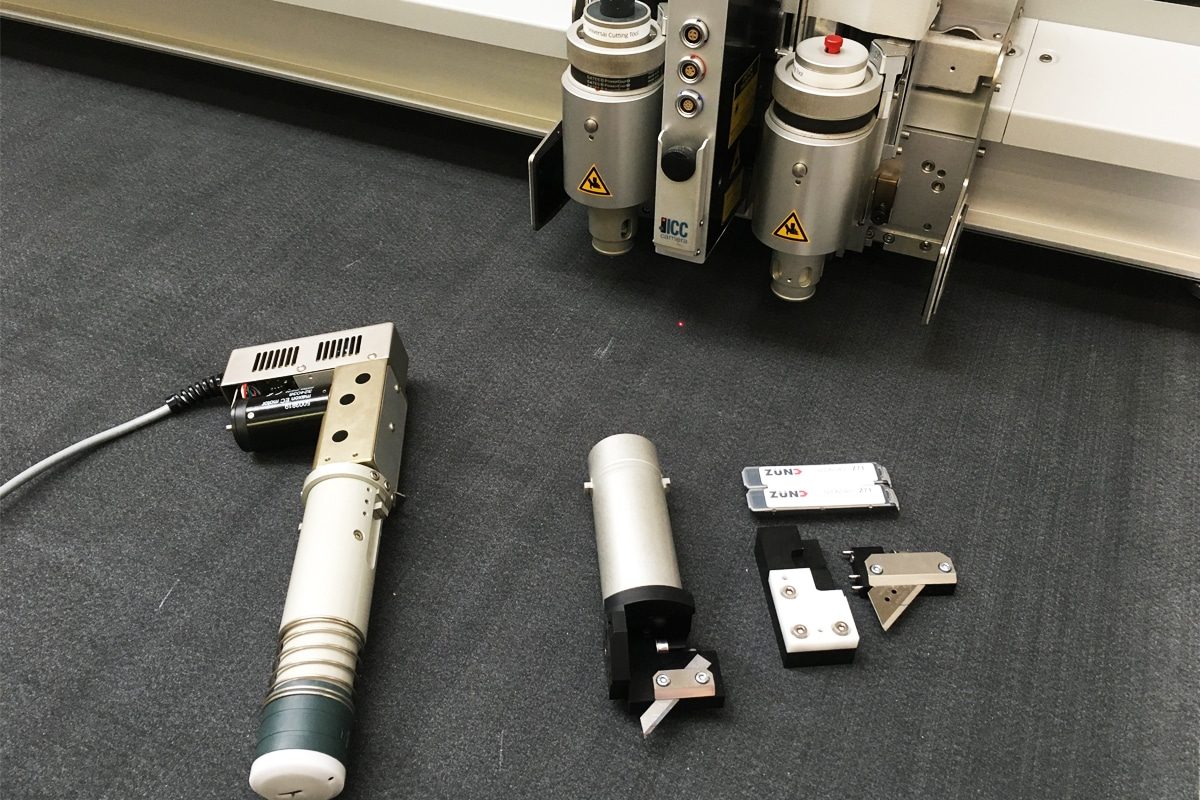
Overview of Oscillating Knife Cutting
Advantages of Oscillating Knife Cutting
Common Applications
Oscillating knife cutting is used in numerous industries, thanks to its versatility and precision. Some of the most common applications include:
- Textile and Apparel Industry: The oscillating knife is commonly used for cutting fabrics, synthetic textiles, and other flexible materials. It is particularly beneficial in garment manufacturing, where complex patterns, intricate cuts, and multi-layered materials are often involved. The precision of the oscillating knife ensures that patterns fit together perfectly, minimizing waste and maximizing the efficiency of production.
- Automotive and Aerospace Industries: In these sectors, oscillating knife cutting is often employed for cutting insulation materials, seals, gaskets, and composites. Materials such as rubber, foam, and advanced composites, which are commonly used in the production of automotive interiors, soundproofing, and aerospace components, can be cut with high accuracy. The precision ensures that components fit seamlessly, which is essential in these highly regulated industries.
- Foam Cutting: One of the most common uses of oscillating knife cutting is in foam processing. The ability of the oscillating knife to cut through various types of foam, including memory foam, polyethylene, and polyurethane, makes it a popular choice in industries that require foam products, such as bedding, packaging, and furniture. The method is ideal for cutting complex shapes, such as contours or curved edges, without causing deformation of the foam structure.
- Packaging Industry: Oscillating knife cutting is frequently used in the packaging sector, where it is applied to cut materials such as cardboard, corrugated sheets, and packaging foam. The precision cutting capability allows manufacturers to produce custom shapes and sizes of packaging materials, such as inserts, dividers, or protective cushioning. The ability to create precise, tailored packaging ensures that products are securely and efficiently packed.
- Medical Industry: Oscillating knives are also used in the medical field for cutting soft materials such as medical foams, sterilization wraps, and fabrics used in medical garments or equipment covers. The clean cuts achieved by oscillating knives ensure that materials maintain their integrity and remain safe for medical applications.
- Signage and Graphics Industry: In the signage industry, oscillating knives are used to cut through materials like vinyl, foam board, and other substrates commonly used for creating signs, graphics, and displays. The ability to handle fine details and curves makes the oscillating knife an essential tool for creating high-quality, customized signs.
How Oscillating Knife Cutting Works
Mechanism of Oscillation
Types of Materials
One of the significant advantages of oscillating knife cutting is its ability to handle a wide range of materials. The oscillating blade can cut through flexible, soft, and even thicker materials that might be challenging to process using conventional cutting methods. Some of the most common materials that can be cut using this method include:
- Textiles: Oscillating knives are frequently used to cut fabrics, both woven and non-woven, in industries such as apparel, upholstery, and medical garment manufacturing. The precision of the oscillating knife allows for intricate patterns and cuts without fraying or damaging the material.
- Foams: Soft materials like polyurethane, polyethylene, and memory foams are commonly cut with oscillating knives. The oscillation ensures that the foam is cut cleanly, with minimal compression or distortion of the material’s structure, which is crucial for applications like mattresses, cushions, and packaging inserts.
- Rubber: Oscillating knives are well-suited for cutting rubber materials used in industries such as automotive and industrial manufacturing. The ability to cut thick rubber sheets with clean edges is a significant benefit for creating gaskets, seals, and other rubber components.
- Composites and Laminates: Composite materials, which often consist of layers of different substances like fiberglass or carbon fiber, can be challenging to cut with other methods. Oscillating knives can easily slice through these materials without damaging their structure, making them ideal for aerospace, automotive, and marine applications.
- Plastics: Certain plastics, especially softer ones like PVC, can be cut using an oscillating knife. The precision provided by the oscillating action allows for clean cuts in plastic sheets and components, without the risk of cracking or warping that could occur with laser or die-cutting methods.
- Leather: Leather and synthetic leather materials are commonly cut with oscillating knives, particularly in the fashion and upholstery industries. The oscillating motion helps prevent the leather from stretching or being damaged during the cutting process, ensuring high-quality results for products like bags, shoes, and furniture.
Machine Components
The performance and efficiency of an oscillating knife cutting system are heavily dependent on the machine components that enable the oscillation and control of the cutting process. The key components in an oscillating knife cutting machine typically include the following:
- Oscillating Blade: The cutting blade is the primary component of the system, responsible for the actual cutting action. The blade is typically made of high-quality steel or other durable materials that can withstand the friction and forces involved in cutting. The oscillating motion of the blade is achieved through a motorized mechanism that drives the blade back and forth at high speeds.
- Motor and Drive Mechanism: A high-frequency motor is used to generate the rapid oscillating motion of the blade. The motor is typically attached to a drive system that converts rotational motion into the back-and-forth oscillations of the blade. The motor’s speed can be adjusted to control the cutting speed, and the amplitude of oscillation can be fine-tuned depending on the material being cut.
- CNC Controller: The cutting machine is often controlled by a CNC (Computer Numerical Control) system, which allows for precise programming of the cutting path. The CNC controller coordinates the movement of the blade along with the positioning of the material, enabling highly accurate cuts. It can be programmed to cut intricate designs, curves, or specific patterns with ease, making it ideal for applications that require customization.
- Cutting Bed: The cutting bed or work surface is where the material is placed and held during the cutting process. It is often equipped with a vacuum system to securely hold the material in place while the blade moves across it. The bed may also be adjustable to accommodate various material thicknesses, ensuring consistent cutting results.
- Guide and Support Systems: To ensure that the blade moves along the correct path and maintains its oscillation during the cutting process, guide rails and support systems are incorporated into the machine design. These components help maintain the stability of the blade and prevent deflection, ensuring that the cut is precise and clean.
- Material Feeding Mechanism: Oscillating knife cutting machines often feature an automatic material feeding system, which moves the material into position for each cut. This ensures that the material is fed evenly and consistently, which is especially important in high-volume production environments. The feeding mechanism helps optimize the machine’s throughput and reduces the chances of material misalignment.
- Cooling System: In some cases, especially when cutting denser materials, oscillating knife machines may be equipped with a cooling system to prevent overheating. While oscillating knives do not generate as much heat as laser cutters, maintaining the right temperature is essential to ensure consistent performance and prolong the life of the blade.
Common Defects in Oscillating Knife Cutting
Poor Cut Quality
Poor cut quality is one of the most noticeable and troublesome defects in oscillating knife cutting. It manifests as jagged, rough, or uneven edges on the material, which are often visible to the naked eye. Poor cut quality can significantly impact the final product, especially in industries like apparel, automotive, and aerospace, where precise cuts are essential. Several factors typically cause this defect:
- Incorrect Blade Selection: Using the wrong blade for a specific material can result in a poor cut. For example, using a blade with too few teeth or a blade that’s too thick for the material can result in rough edges or inconsistent cuts.
- Cutting Speed: If the cutting speed is too high, it can lead to incomplete cuts or rough edges due to insufficient cutting time. Conversely, cutting too slowly can increase friction and heat, which may deform the material or cause fraying at the edges.
- Improper Blade Maintenance: A dull blade can produce poor-quality cuts, as it won’t shear through the material effectively. Additionally, if the blade is not properly sharpened or maintained, it can cause excessive friction and heat buildup, further degrading cut quality.
- Material Properties: Materials that are too thick, too soft, or have inconsistent thickness can be more difficult to cut cleanly, resulting in poor cut quality.
Blade Wear and Dulling
Blade wear and dulling an inevitable issues when using oscillating knives over extended periods. As the blade cuts through materials, it gradually becomes dull, which affects the cutting efficiency and the quality of the cuts. Dulling can lead to rough edges, material deformation, and increased cutting resistance. Some causes of blade wear and dulling include:
- Frequent Cutting of Tough Materials: Cutting hard or abrasive materials, such as certain composites, thick rubber, or dense textiles, accelerates blade wear. Over time, the constant friction against these materials dulls the blade’s cutting edge.
- Improper Blade Maintenance: Failing to sharpen or replace the blade regularly can lead to diminished performance. A dull blade requires more force to cut through materials, which can affect the accuracy and quality of the cuts.
- High Cutting Speeds: Cutting at high speeds can increase the rate of wear on the blade, especially if the blade is not designed to handle such speeds. This can lead to premature dulling.
Excessive Material Friction
Excessive friction between the blade and the material being cut can result in several issues, including overheating, excessive wear on the blade, and material deformation. This defect typically occurs when the cutting blade is not optimized for the material being processed or when the cutting speed is too high. Some common causes of excessive friction include:
- Incorrect Blade Angle: The angle of the blade plays a significant role in how smoothly it cuts through the material. If the angle is too steep, it can increase the amount of friction during the cut, leading to a slower and less efficient process.
- Cutting High-Density Materials: Materials that are very dense or thick, such as rubber, foam, or certain plastics, can create more friction as the blade moves through them. This leads to higher cutting temperatures, which can degrade the material and cause wear on the blade.
- Poor Machine Calibration: Incorrect machine settings can result in higher friction levels. For instance, cutting pressure that is too high can increase friction, causing unnecessary wear on both the blade and the material.
Inconsistent Cut Depth
Inconsistent cut depth is a defect that occurs when the oscillating knife does not maintain a consistent cutting depth across the entire cutting path. This can result in cuts that are too shallow or too deep, which can lead to structural weaknesses in the final product or poor fitting of parts. Several factors can cause this defect:
- Improper Blade Adjustment: If the blade is not set to the correct depth for the material being cut, it can result in uneven cuts. For example, a blade set too deep will cut into the material more than necessary, while a blade set too shallow may not cut through the material completely.
- Material Shifting: If the material shifts or moves during the cutting process, it can lead to inconsistent cut depths. This is especially problematic with thicker materials or when cutting multi-layered materials.
- Machine Calibration: Incorrect machine calibration can cause the blade to move inconsistently, leading to uneven cut depth. This can be the result of worn-out machine components or improper machine settings.
Material Distortion
Material distortion refers to the warping, bending, or stretching of the material during the cutting process. It is particularly common when cutting flexible materials like foam, rubber, or textiles. Distortion can compromise the structural integrity and final appearance of the product. Common causes of material distortion include:
- Excessive Cutting Pressure: If the oscillating knife applies too much force on the material, it can cause the material to stretch or bend. This is especially true for softer or more flexible materials that do not have the strength to withstand high pressure.
- Inappropriate Blade Type: Using a blade that is too aggressive for the material can result in distortion. For example, a blade with too much force or a blade designed for cutting hard materials might deform soft or delicate materials.
- High Cutting Speeds: Cutting too quickly can also contribute to material distortion. The increased speed can cause the material to react by stretching or bending, particularly if the material is not properly supported.
Misfeed or Jamming
Misfeeding or jamming occurs when the material does not feed into the cutting area properly or when it becomes stuck during the cutting process. This defect can lead to delays in production, damage to the material, or even machine damage. Misfeeding or jamming can occur due to:
- Misalignment of Feeding System: If the rollers or feed mechanisms are not aligned properly, the material may be fed incorrectly into the cutting area, resulting in a misfeed.
- Incorrect Tension: If the material is fed with too much tension or not enough tension, it can cause the material to become stuck or misaligned, leading to jams.
- Clogged Feed Mechanisms: Dust, debris, or material buildup in the feed system can cause the material to stick or jam. This is particularly common when cutting materials like foam or textiles that generate a lot of dust.
Inadequate Blade Oscillation
Inadequate blade oscillation can lead to poor cutting performance, as the oscillation is what allows the blade to effectively shear through materials. If the oscillation speed is too slow or inconsistent, it can result in rough cuts or incomplete cuts. Some causes of inadequate blade oscillation include:
- Motor or Drive System Malfunction: If the motor or drive system responsible for generating the oscillation is malfunctioning or not calibrated correctly, the blade may fail to oscillate at the optimal speed or with enough force.
- Incorrect Settings: If the oscillation speed is set too low for the material being cut, it can lead to ineffective cutting. On the other hand, if the oscillation speed is set too high, it can cause excessive wear or result in imprecise cuts.
- Mechanical Wear: Over time, wear and tear on the motor or mechanical components of the oscillation mechanism can lead to a decrease in oscillation efficiency.
Dust and Debris Build-up
Dust and debris accumulation can cause a range of issues in oscillating knife cutting. Small particles of material or dust can accumulate on the blade, the cutting bed, or the surrounding area, which can lead to:
- Increased Friction: Dust and debris can create additional friction between the blade and the material, leading to overheating, increased wear, and poor cut quality.
- Misalignment: Dust buildup can interfere with the movement of the blade or material, potentially causing misalignments that lead to inaccurate cuts.
- Jamming: Dust and debris can clog the feeding system or cause material jams, disrupting the cutting process.
Incorrect Machine Settings
Incorrect machine settings can contribute to a variety of defects, including poor cut quality, excessive material distortion, and premature blade wear. Common causes of incorrect machine settings include:
- Inaccurate Blade Depth: Setting the blade depth too shallow or too deep can result in incomplete cuts or overly aggressive cuts.
- Wrong Cutting Speed: A cutting speed that is too fast or too slow can cause problems such as rough edges, material distortion, or inefficient cutting.
- Improper Cutting Pressure: If the cutting pressure is too high or too low, it can lead to material deformation, inconsistent cuts, or excessive wear on the blade.
Causes of Defects in Oscillating Knife Cutting
Material-Related Issues
Material-related issues are some of the most common causes of defects in oscillating knife cutting. The properties of the material being cut, such as thickness, texture, density, and flexibility, can all significantly influence the cutting quality. Materials that are difficult to cut or prone to stretching, tearing, or warping often result in imperfect cuts or material waste. Several material-related issues can cause defects:
- Material Thickness: If the material is too thick for the blade or machine settings, the blade may struggle to cut through it, leading to rough edges or incomplete cuts. On the other hand, cutting materials that are too thin for the settings may result in tearing or misalignment during the cutting process.
- Material Hardness and Density: Harder or denser materials, such as thick rubber or composite materials, generate more resistance to the blade. This can cause the blade to wear faster, overheat, or even fail to cut through the material effectively, resulting in uneven or incomplete cuts. The cutting speed or pressure might need adjustment based on the material’s density to avoid damaging the material or the blade.
- Material Inconsistency: Variability in the material’s structure, such as uneven thickness, texture, or softness, can lead to inconsistent cuts. For example, a foam material with irregular density can cause the blade to cut at varying depths, leading to material distortion or poor cut quality. Materials with inconsistent grain or fiber orientation, like textiles, may also produce irregular cuts if the blade is not aligned properly with the fibers.
- Moisture Content: Some materials, particularly textiles, rubber, and foams, can absorb moisture from the environment. If a material is too damp, it can become more prone to warping, sticking, or stretching during the cutting process. This can lead to poor cut quality, jagged edges, or material tearing.
Machine Malfunctions
Machine malfunctions are another leading cause of defects in oscillating knife cutting. The cutting machine’s components need to work in harmony to deliver precise, accurate cuts. When any part of the machine fails or operates outside of its specified parameters, it can introduce defects into the cutting process. Some common machine-related malfunctions that lead to defects include:
- Worn or Damaged Blade: Over time, blades experience wear due to friction and the physical demands of cutting. A dull or damaged blade may fail to maintain sharp, precise cuts, leading to rough edges, jagged lines, or even material distortion. A blade that is misaligned or chipped can also cause inconsistent cuts.
- Oscillation Issues: The oscillation mechanism is crucial for maintaining the speed and amplitude of the blade’s motion. If the motor that drives the oscillation is malfunctioning, the blade may not oscillate at the required speed or amplitude. This can lead to uneven cuts or cuts that are too shallow or too deep. Problems with the motor, drive components, or the mechanical system that controls oscillation are often the cause of this defect.
- Machine Calibration: Incorrect calibration of the machine can lead to inconsistent or incorrect cuts. For example, if the cutting depth is not calibrated correctly, the blade might cut too shallow or too deep, causing irregular cut quality. Machine calibration issues can also result from worn-out components, such as bearings, rails, or gears, which cause the blade to misalign or deviate from the intended cutting path.
- Feed System Malfunctions: Oscillating knife cutting machines often include a feeding mechanism that moves the material into place during cutting. A malfunctioning feed system can result in misaligned material, causing it to be fed incorrectly into the cutting area. This misalignment may result in uneven cuts or even jams and stoppages, significantly affecting production efficiency.
- Overheating or Motor Failure: Prolonged cutting sessions or improper machine settings can cause overheating, which in turn can lead to a decrease in performance or even motor failure. Overheating often results in cuts that are uneven or imprecise, especially in harder materials.
Operator Error
Operator error is one of the most common causes of defects in oscillating knife cutting, particularly in cases where the machine is complex or the operator is inexperienced. Mistakes made by operators can result in a variety of issues, including poor cut quality, machine malfunctions, or safety concerns. Some examples of operator errors include:
- Incorrect Settings: Improper machine settings, such as incorrect cutting speed, blade depth, or oscillation frequency, can result in poor-quality cuts, material distortion, or premature blade wear. Operators must ensure that they are using the correct settings for each material and cutting requirement.
- Improper Blade Installation: If the oscillating knife blade is not installed correctly or if it becomes misaligned during the cutting process, it can lead to uneven cuts or blade damage. Operators need to follow proper installation procedures and check that the blade is securely fixed before starting the cutting process.
- Lack of Calibration: Calibration is essential for ensuring the cutting machine operates at the correct specifications. If the operator fails to calibrate the machine correctly or does not check calibration regularly, it can lead to inconsistent or inaccurate cuts. Calibration of blade depth, cutting speed, and material feed alignment should be performed regularly.
- Material Handling Mistakes: Operators are responsible for properly positioning and securing the material on the cutting bed. If the material is not aligned correctly or if it shifts during the cutting process, it can cause miscuts, inconsistent cut depths, or even jamming. Additionally, improperly loaded material can lead to excessive tension, causing distortion or tearing.
- Failure to Monitor Machine Performance: Operators should monitor the cutting process to ensure the machine is performing correctly. Failure to detect issues such as blade wear, unusual noises, or vibration can lead to defects that go unnoticed until the production is completed.
Environmental Factors
Environmental conditions can also have a significant impact on the quality of cuts produced by oscillating knife cutting machines. Temperature, humidity, and cleanliness all influence material behavior and machine performance. Here are some key environmental factors that can cause defects:
- Temperature: Extreme temperatures, either too high or too low, can affect both the material and the machine. For instance, very cold temperatures can make certain materials more brittle, causing them to crack or break during cutting. On the other hand, excessive heat can cause some materials, such as plastics and rubber, to soften or warp, resulting in poor cut quality. Additionally, overheating of the machine components can lead to malfunctions.
- Humidity: High humidity can cause materials like textiles and foam to absorb moisture, leading to material distortion or irregular cutting. Moisture can make certain materials more flexible, causing them to stretch or deform during cutting. Conversely, low humidity levels may dry out certain materials, causing them to become brittle and prone to cracking.
- Dust and Debris: The accumulation of dust, fibers, or other debris in the machine’s components can create friction, leading to overheating, reduced cutting efficiency, and machine malfunctions. Dust can also accumulate on the blade, causing poor cut quality and increased wear. Keeping the work environment clean and regularly maintaining the machine can help mitigate the effects of dust and debris buildup.
- Air Quality: Poor air quality can affect both the material and the machine’s performance. For instance, if a material is exposed to chemicals or pollutants in the air, it may undergo changes in structure, which can affect the cutting process. Additionally, machines operating in environments with poor air circulation or ventilation may overheat more easily, leading to performance degradation.
Solutions and Preventive Measures
Regular Maintenance and Blade Replacement
Regular maintenance is one of the most critical factors in preventing defects in oscillating knife cutting. Over time, machine components, including the oscillating blade, motor, feed system, and cutting bed, experience wear and tear due to frequent use. This wear can lead to misalignment, reduced cutting efficiency, or even machine failure if not addressed promptly.
- Routine Inspections: Operators should perform regular checks on the machine, inspecting components such as the blade, motor, and oscillation system. Worn or damaged components should be replaced immediately to prevent defects like uneven cuts or poor material handling.
- Blade Maintenance: The blade is a vital part of the oscillating knife cutting process. A dull or damaged blade can result in poor cut quality and increased material waste. To prevent this, blades should be regularly inspected for signs of wear or dullness. Sharpening the blade or replacing it when necessary ensures sharp, precise cuts and minimizes the risk of defects due to poor cutting performance.
- Lubrication and Cleaning: The machine’s moving parts should be kept clean and properly lubricated to ensure smooth operation. Regular cleaning prevents the buildup of dust, debris, and material residue that can hinder performance and lead to overheating or mechanical failure.
- Scheduled Maintenance: Setting up a preventive maintenance schedule for the machine and blade ensures that all components are checked and serviced before they fail. Regular maintenance helps prevent unexpected downtimes and reduces the frequency of costly repairs.
Adjusting Machine Settings
Incorrect machine settings are one of the leading causes of defects in oscillating knife cutting. When the cutting speed, blade depth, oscillation frequency, or pressure is not adjusted correctly, it can result in issues such as rough edges, material distortion, or uneven cuts. To avoid such defects, operators must have a strong understanding of how machine settings affect the cutting process and make appropriate adjustments based on the material being used.
- Cutting Speed: The cutting speed must be adjusted to match the material’s properties. For softer materials, such as foam or textiles, a higher cutting speed may be appropriate, while harder materials, like rubber or composites, may require slower speeds to ensure precision and minimize friction.
- Oscillation Frequency: The speed at which the blade oscillates is critical for maintaining a smooth and efficient cutting process. If the oscillation is too slow, the blade may fail to cut effectively; if it’s too fast, it could cause excessive wear or result in imprecise cuts. Adjusting the oscillation frequency to suit the material type is essential.
- Blade Depth and Pressure: The cutting depth and pressure should be calibrated based on the material thickness and hardness. Too much pressure can cause material distortion, while insufficient pressure can lead to incomplete cuts. Maintaining the correct balance is crucial for consistent results.
- Material Feed Rate: Adjusting the feed rate ensures that the material is fed into the machine at the right pace, preventing misfeeds or jams. The rate should match the cutting speed to maintain smooth, uninterrupted operation.
Selecting the Correct Blade
The selection of the correct blade is paramount to achieving precise, clean cuts and preventing defects. Oscillating knives are available in various shapes, sizes, and materials, each suited for different types of materials. Choosing the right blade for the job ensures that the cutting process proceeds smoothly and effectively.
- Material-Specific Blades: Different materials have varying levels of resistance, flexibility, and thickness. For example, cutting through thick rubber or dense foam requires a different blade design than cutting lightweight fabrics or thin plastics. Using a blade that is specifically designed for the material being cut ensures better performance and fewer defects.
- Blade Condition: Regularly assess the blade’s condition to ensure it is sharp and free of damage. A dull or chipped blade can lead to poor cut quality, rough edges, and excessive material friction, all of which can lead to defects.
- Blade Type and Design: Some materials require special blades, such as those with serrated edges for cutting through thicker, tougher materials or blades with specific geometries that can handle certain material properties. Using the appropriate blade design for a given material improves cut precision and prevents defects caused by inappropriate blade characteristics.
- Blade Replacement: Over time, blades wear down and lose their ability to cut effectively. Regular blade replacement is necessary to avoid defects such as jagged edges or uneven cutting. Operators should monitor blade wear and replace it as needed to maintain optimal cutting performance.
Training and Operator Expertise
Operator error is a significant factor in the occurrence of defects, as improper handling, incorrect settings, or failure to properly monitor the machine can all lead to subpar results. Ensuring that operators are well-trained and knowledgeable about the nuances of oscillating knife cutting is essential for minimizing defects and ensuring consistent product quality.
- Comprehensive Training: Operators should receive detailed training on machine operation, including how to set the cutting parameters correctly, adjust blade depth, and troubleshoot common issues. Training should also include how to select the right blade for the material and maintain machine components for optimal performance.
- Understanding Material Properties: Operators need to understand the properties of different materials and how they affect the cutting process. Materials such as foam, rubber, and textiles require different cutting techniques, and an experienced operator will know how to adjust settings accordingly.
- Monitoring the Cutting Process: Operators should closely monitor the cutting process for any signs of defects, such as excessive vibration, unusual noise, or material distortion. Early detection of issues allows for timely intervention and helps prevent the escalation of defects.
- Troubleshooting: A skilled operator should also be capable of diagnosing problems that may arise during cutting, such as inconsistent cuts, misfeeds, or excessive blade wear. The ability to quickly address issues can reduce production downtime and ensure high-quality results.
Material Handling and Storage
Proper material handling and storage are essential to maintain the integrity of the material and prevent defects during cutting. Materials that are not stored correctly can absorb moisture, become damaged, or experience irregularities that make cutting more difficult.
- Moisture Control: Materials that are prone to moisture absorption, such as textiles, foam, and certain plastics, should be stored in dry, controlled environments. Excess moisture can cause materials to become soft, sticky, or prone to warping, leading to poor cut quality.
- Proper Material Positioning: Before cutting, materials should be placed on the cutting bed or table properly and aligned correctly. Misalignment or improper loading can lead to misfeeds, inaccurate cuts, and material distortion.
- Avoiding Material Damage: Materials should be handled with care to avoid scratches, tears, or deformations that can cause defects during cutting. Properly securing materials and using appropriate handling techniques can prevent damage.
- Temperature Control: Temperature fluctuations can cause certain materials to expand or contract, affecting the cutting process. Storing materials in a controlled temperature environment helps maintain their shape and consistency.
Using a Controlled Environment
Environmental factors such as temperature, humidity, and dust can have a significant impact on the performance of both the machine and the material. Implementing a controlled environment in the production area can help mitigate the effects of these factors and maintain consistent cutting results.
- Temperature and Humidity Control: Maintaining a stable temperature and humidity level in the workshop or production area can prevent material warping, brittleness, or moisture absorption. A controlled environment ensures that materials remain stable and that the machine components operate within optimal temperature ranges, reducing the risk of overheating or malfunction.
- Dust and Debris Management: Dust and debris can clog machine components, cause increased friction, and lead to defects like poor cut quality or jamming. A clean, dust-free environment is essential to prevent build-up that could negatively impact the cutting process. Installing air filtration systems or using vacuum extraction during cutting can help keep the work area clean.
- Air Quality: Controlling air quality, including preventing exposure to chemicals, fumes, or pollutants, helps ensure that the materials are not compromised during the cutting process. Clean air reduces the risk of contamination and ensures consistent results.