

How Do Vacuum Tables Work?
The Basic Mechanism
How Vacuum Tables Benefit CNC Routing
Components of the Vacuum Tables
Vacuum Pump
The vacuum pump is the heart of any vacuum table. It is responsible for removing air from beneath the workpiece to create a vacuum. The vacuum pump generates a powerful suction force, pulling air out of the table’s internal cavity and creating a pressure differential that holds the material down against the table surface. There are different types of vacuum pumps, including rotary vane pumps, diaphragm pumps, and liquid ring pumps, each with varying degrees of efficiency and power.
- Function: The vacuum pump pulls air from the table’s cavity, lowering the pressure beneath the material, and causes atmospheric pressure to push the workpiece down, securing it.
- Power: The size and power of the pump depend on the table’s surface area and the material being held. A larger pump is typically required for bigger tables or thicker, more rigid materials.
Table Surface
The table surface is the top layer of the vacuum table, and it serves as the platform where materials are placed during CNC routing. This surface is specifically designed to allow the vacuum pump to pull air through it effectively, often featuring a grid of perforations or channels.
- Grid System: The surface usually contains a series of perforated holes or channels that distribute the vacuum evenly across the material. These holes allow the vacuum pressure to be applied uniformly, preventing the material from shifting or lifting during the machining process.
- Material and Durability: The surface of the vacuum table is often made from durable materials like MDF (Medium Density Fiberboard), aluminum, or composite materials that can withstand the suction pressure and the wear from cutting operations.
- Customization: Depending on the CNC application, the table surface can be customized with varying hole sizes and spacing to suit specific materials, enhancing the suction performance and overall efficiency of the system.
Spoilboard
The spoilboard is an additional layer placed over the vacuum table surface. It acts as a sacrificial board, protecting the actual table surface from damage during machining operations. The spoilboard is typically made from a softer material, such as MDF or plywood, which can be easily replaced when it becomes worn down or damaged.
- Function: The spoilboard absorbs the wear and tear of the cutting tools, preventing the vacuum table’s surface from being damaged. It also helps distribute the suction force more evenly across the material.
- Maintenance: Over time, the spoilboard may become worn, scratched, or drilled into during cutting operations. It is easy to replace or resurface by sanding it down, ensuring that the vacuum table maintains optimal suction.
Gaskets or Seals
Gaskets or seals are essential components that ensure the integrity of the vacuum system by preventing air leaks. These seals are placed around the edges of the vacuum table and the material being worked on, ensuring that the vacuum pressure is maintained without loss. Without effective seals, the vacuum system would not work efficiently, as air would escape, reducing suction power and potentially causing the workpiece to become unstable.
- Function: Gaskets and seals ensure that the vacuum cavity remains airtight, maximizing the vacuum pressure and the efficiency of the system. They are typically made from materials like rubber or silicone that provide excellent sealing properties.
- Placement: Seals are applied along the perimeter of the vacuum table’s surface and sometimes around the edges of the workpiece to further ensure a tight seal. The placement of these seals is critical for the overall performance of the system.
Types of Vacuum Tables
Grid-style Tables
Grid-style vacuum tables are characterized by a series of rectangular or square grid patterns of perforated holes across the table surface. These grids are designed to provide even distribution of suction across the material being cut. The surface features distinct channels or grooves, allowing air to flow efficiently beneath the workpiece to create the vacuum hold.
- Functionality: In a grid-style table, the material is placed over the perforated grid, and when the vacuum pump is activated, air is drawn through the holes in the grid. This creates suction that holds the material firmly in place during machining. The grid pattern ensures that the suction is evenly distributed across the workpiece, preventing it from shifting or moving.
- Materials Suited: Grid-style tables are particularly useful for working with larger, flat materials like plywood, MDF, and plastics. The even suction makes it ideal for precise cutting and milling of standard, flat workpieces.
- Customization: The grid design can often be customized with different hole sizes and spacing depending on the material and application. Some grid-style tables also feature adjustable zones, allowing for more targeted suction in specific areas.
Porous Tables
Porous vacuum tables are made from materials that have a uniformly porous surface, such as MDF (Medium Density Fiberboard) or specialized composite materials. These tables rely on the inherent porosity of the surface to create suction. Air is drawn through the porous material itself, rather than through a grid or matrix of holes.
- Functionality: With a porous table, air is pulled through the surface material of the table, which acts as both the suction source and the base for holding the material. This ensures an even distribution of vacuum across the material. Because of the porosity, these tables can maintain a higher level of vacuum pressure over a larger surface area.
- Materials Suited: Porous tables are best suited for applications where the material may have uneven edges or require softer, more even support. They are commonly used for softer materials, such as wood, plastic, or composites.
- Advantages: One of the main benefits of porous vacuum tables is their ability to create a large, consistent vacuum hold across a wide area without the need for a complex grid or hole matrix. This design also allows for the effective holding of irregularly shaped materials, as the suction is more uniformly distributed.
- Maintenance: Over time, porous tables can become clogged with material debris, which can reduce suction effectiveness. Regular cleaning and maintenance are necessary to keep the table functioning optimally.
Hole Matrix Tables
Hole matrix tables use a more sophisticated design compared to grid-style and porous tables. These tables feature a matrix of holes or perforations in a specific pattern that is more precisely tailored to accommodate the workpiece. The matrix may consist of a series of smaller holes arranged in a way that ensures maximum suction coverage and efficiency.
- Functionality: The whole matrix table is equipped with a precise array of holes designed for specific vacuum patterns. The holes are often smaller and more densely packed than those in grid-style tables, allowing for more localized suction areas. The vacuum pump pulls air through these holes, providing suction exactly where it’s needed to hold the workpiece.
- Materials Suited: Hole matrix tables are especially useful for smaller or irregularly shaped workpieces or materials that require precise holding in specific areas. These tables are ideal for fine or detailed CNC work, such as engraving, cutting intricate shapes, or working with thin materials that need a tighter grip.
- Customization: The hole matrix design can be highly customizable, with the ability to adjust the number and placement of holes based on the material type and job requirements. Some tables even feature adjustable zones or vacuum chambers to provide variable suction levels for different parts of the workpiece.
- Advantages: One of the major benefits of hole matrix tables is their ability to provide highly localized and efficient vacuum support. The more tightly packed holes create a strong vacuum across the material, minimizing the chance of any lifting or shifting during processing.
Advantages of Using Vacuum Tables
Enhanced Precision
One of the most significant advantages of vacuum tables is their ability to provide exceptional precision in CNC routing. By securely holding the workpiece in place, the vacuum table eliminates the risk of material shifting, warping, or vibrating during the cutting, drilling, or engraving processes. This stability ensures that the CNC router can perform with greater accuracy, producing high-quality cuts with tight tolerances and clean edges.
- Stable Holding: The vacuum force creates an even, firm grip on the material, which is particularly important when working with thin, flexible, or irregularly shaped workpieces that are prone to movement under traditional clamping systems.
- Precision in Complex Cuts: Vacuum tables are especially beneficial for intricate or detailed work, where even the slightest movement can result in errors. The consistent suction helps maintain the material’s position throughout the entire machining process, allowing for more intricate and precise cuts.
Increased Efficiency
Vacuum tables significantly improve operational efficiency by reducing the time and effort required for setup, material handling, and part fixturing. Unlike traditional clamping systems, which require manual adjustment, tightening, and repositioning of clamps, vacuum tables allow for faster and more flexible material placement.
- Quick Setup: Materials are simply placed on the vacuum table, and once the vacuum is activated, they are securely held in place. There’s no need for additional fixtures or clamps, which saves valuable setup time.
- Versatile Applications: Vacuum tables can accommodate a wide range of materials, including wood, plastics, metals, and composites, without requiring different fixturing solutions for each material. This versatility streamlines production processes, allowing operators to switch between jobs with minimal downtime.
- Reduced Downtime: Since vacuum tables are quick to set up and adjust, operators can work more efficiently, reducing the time spent on changing over between different jobs or materials.
Reduced Material Damage
Vacuum tables offer a significant advantage when it comes to reducing the potential for material damage during CNC operations. Traditional clamping systems can sometimes cause deformation or marks on the material, particularly with softer or delicate workpieces. The uniform suction provided by vacuum tables eliminates the need for physical clamps, reducing the risk of damaging the material during the cutting process.
- No Physical Contact: Since vacuum tables hold the material using air pressure rather than mechanical clamps, there is no direct physical contact with the material. This reduces the risk of indentations, scratches, or other forms of damage that may occur from clamping.
- Preservation of Surface Integrity: With vacuum tables, especially those designed for delicate materials like veneers or thin sheets, the material remains undisturbed, preserving the surface quality throughout the machining process. This is especially beneficial for high-quality materials that require flawless surfaces.
Full Access to Workpiece
Unlike traditional clamping systems that often restrict access to certain parts of the workpiece, vacuum tables provide full access to the entire surface. This means that operators can machine the entire piece without obstruction, which is particularly beneficial for operations like engraving, cutting, or drilling where every area of the material needs to be accessed.
- Unobstructed Workflow: Without clamps or fixtures taking up space on the workpiece, operators have complete access to all areas of the material. This is particularly useful when performing detailed operations on both sides of the material, as there is no need to reposition or re-clamp the workpiece.
- Multiple Operations Simultaneously: Vacuum tables allow for multiple operations to be performed on the same piece without the need for repositioning, as the workpiece remains secure and stationary. This increases flexibility and minimizes the need for realigning materials during machining.
Applications of Vacuum Tables
Woodworking
In woodworking, vacuum tables are often used to securely hold sheets of wood, plywood, MDF, and other wood-based materials during CNC routing operations. These tables are especially useful for creating complex shapes, intricate designs, and detailed engravings, which require high levels of precision. The uniform suction provided by vacuum tables ensures that the material stays flat and stable, preventing shifting, bowing, or warping during the cutting process.
- Custom Furniture and Cabinetry: Vacuum tables allow for the precise cutting of custom furniture pieces, cabinet components, and paneling, ensuring tight-fitting joints and accurate dimensions.
- Panel Cutting: When working with large sheets of plywood or MDF, vacuum tables hold the material firmly in place, preventing shifting while performing complex cuts, dadoes, and grooves.
- Carving and Engraving: Vacuum tables are invaluable when performing detailed carving or engraving work, such as intricate designs on wood panels or decorative inlays. The stable hold provided by the vacuum ensures that there are no discrepancies or inaccuracies in the finished product.
Plastic Fabrication
Plastic fabrication benefits greatly from vacuum tables, especially when working with thinner, more flexible materials. Materials like acrylic, PVC, polycarbonate, and polyethylene can be difficult to work with using traditional clamping methods due to their tendency to bend or flex. Vacuum tables provide a secure, even hold without distorting or damaging the plastic.
- Signage and Displays: Vacuum tables are commonly used for fabricating custom signs, displays, and point-of-purchase (POP) materials. They allow for clean cuts and engravings without leaving marks, scratches, or distortions on the surface of the plastic.
- Prototyping: In the production of plastic prototypes, vacuum tables hold the material securely while precise cuts are made for functional testing or model building.
- Complex Shaping: For applications that require complex, curved, or angular cuts in plastic sheets, vacuum tables hold the material firmly in place, allowing for more precise shaping without the need for mechanical clamping systems that might interfere with the cutting process.
Composite Materials
Composite materials, such as fiberglass, carbon fiber, and laminated boards, are often used in industries like aerospace, automotive, and marine due to their strength-to-weight ratio. These materials are typically more difficult to work with than metals or plastics, requiring precision in cutting and shaping. Vacuum tables provide a consistent, secure hold for composite materials, ensuring that delicate layers or fibers are not disturbed during CNC routing.
- Aerospace Components: Vacuum tables are essential when fabricating parts for the aerospace industry, where precision and minimal material damage are paramount. The ability to securely hold composite sheets during cutting ensures that intricate components, such as wing parts, fuselage segments, or trim pieces, are fabricated to strict tolerances.
- Automotive Parts: In the automotive industry, vacuum tables are used to create parts such as body panels, trim, and interior components made from carbon fiber or fiberglass. These materials are often used for their lightweight and durable properties, and vacuum tables provide an efficient and damage-free cutting process.
- Marine Applications: Composite materials are frequently used in boat building, and vacuum tables ensure that even large, irregularly shaped components can be cut with precision and accuracy without warping or damaging the surface.
Sign Making
In the sign-making industry, vacuum tables are indispensable for producing high-quality, custom signs. Whether creating dimensional signs, etched graphics, or intricate logos, vacuum tables provide the stability and precision needed to produce clear, sharp cuts without the risk of material slippage or damage.
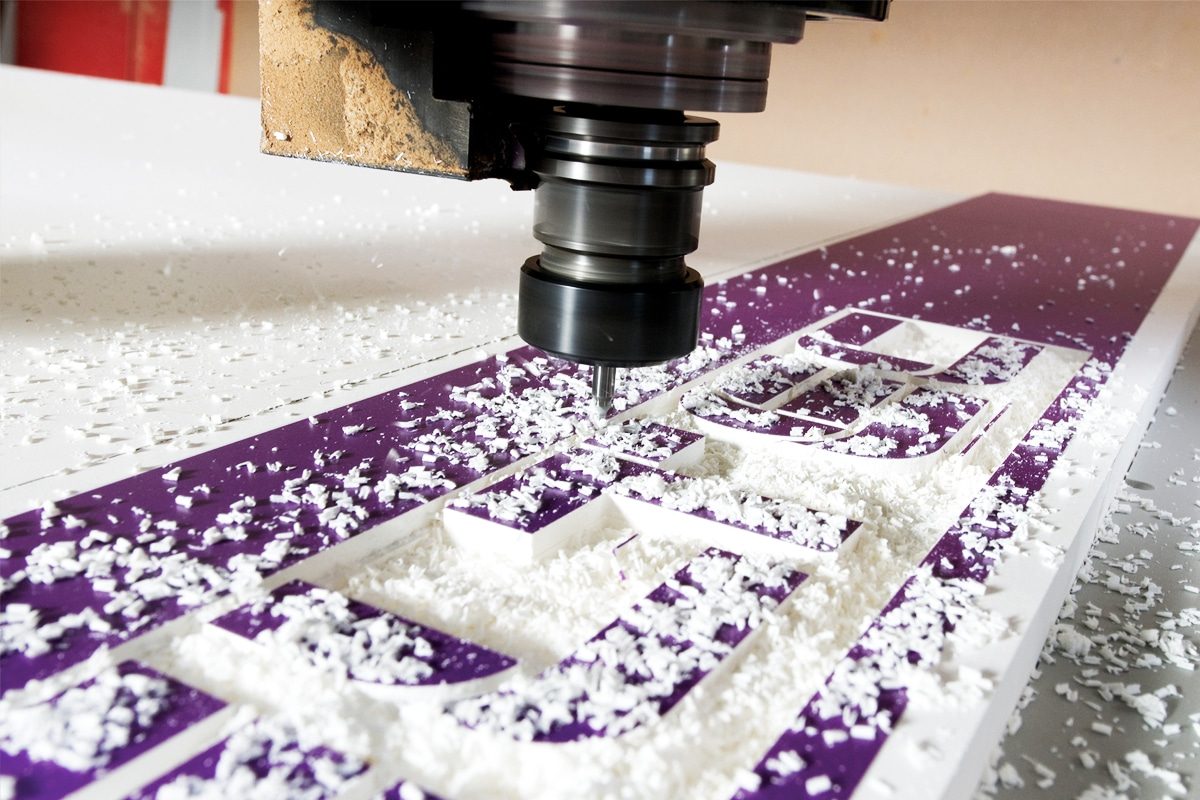
- Dimensional Signage: For three-dimensional signs, such as routed letters or logos, vacuum tables secure the material in place while the CNC router carves out complex shapes and contours. This prevents material movement and ensures that the depth and dimensions of the cut are consistent across all pieces.
- Engraving and Routing: Vacuum tables are ideal for engraving detailed patterns or logos into materials such as acrylic, PVC, or wood. The vacuum’s even hold prevents distortion, ensuring that engravings are crisp and well-defined.
- Custom and Large-Scale Signs: When creating custom signage or large-scale outdoor displays, vacuum tables help with holding large sheets of material securely while complex cuts and shapes are made. This reduces the risk of errors and ensures uniformity across multiple copies of the same design.
Maintenance and Troubleshooting
Regular Cleaning
Regular cleaning is vital to maintain the suction power of the vacuum table and prevent the buildup of dust, debris, and material particles that can obstruct the vacuum channels or perforated holes in the table surface. Dust and debris can accumulate on both the table surface and in the vacuum pump system, reducing airflow and vacuum efficiency.
- Cleaning the Table Surface: The surface of the vacuum table should be cleaned regularly using a vacuum cleaner, soft brush, or compressed air. This removes any dust, shavings, or residue from the surface and ensures that the perforated holes or grid channels remain clear. Cleaning the spoilboard and table surface frequently helps maintain even vacuum distribution across the material.
- Vacuum Pump and Filters: The vacuum pump itself also requires periodic cleaning. Over time, filters and internal components can become clogged with dust or contaminants, which can reduce suction power. Filters should be cleaned or replaced as needed to ensure the vacuum pump functions efficiently.
- Frequency: Depending on the materials being used and the frequency of operation, cleaning should be performed at least once a week or after heavy usage to prevent performance issues caused by material buildup.
Inspect Seals
The seals and gaskets on a vacuum table play a crucial role in maintaining the integrity of the vacuum system. If these seals become damaged, cracked, or worn over time, they can cause air leaks, reducing the suction power and overall efficiency of the vacuum table.
- Inspect for Damage: Seals and gaskets should be regularly inspected for signs of wear, cracking, or deterioration. These parts are typically made from rubber or silicone, which can degrade over time, especially in environments with high levels of dust, heat, or heavy use.
- Check for Air Leaks: A simple way to test the integrity of seals is to check for air leaks around the edges of the vacuum table or around the workpiece. Any gaps or leaks in the seals can drastically reduce the suction power, leading to unstable material positioning or inaccurate machining.
- Replacing Seals: If any seals are found to be damaged or worn, they should be replaced immediately to restore the vacuum table’s full functionality. Replacing seals is a relatively simple task, but it is crucial for maintaining optimal performance.
Monitor Vacuum Levels
The vacuum level in the table is a key indicator of its performance. Maintaining the right level of vacuum pressure is essential to secure material and ensure the CNC machine operates with precision. Low vacuum levels can result in improper material holding, leading to shifting or vibrating during machining, while excessively high vacuum levels can strain the system and cause energy inefficiency.
- Using Vacuum Gauges: Many vacuum tables are equipped with vacuum gauges that allow operators to monitor the pressure levels. Operators should check the vacuum pressure regularly to ensure that it is within the optimal range for the material being used. If the vacuum level is too low, it can result in poor material hold and subpar machining outcomes.
- Adjusting Vacuum Settings: If the vacuum pressure is not within the desired range, adjustments can be made to the vacuum pump settings or the valve system to regulate airflow and pressure. This ensures that the system is working at the optimal suction level for each specific task.
- Routine Monitoring: Operators should check the vacuum pressure at the beginning of each shift or before starting a new job to ensure proper functioning. Monitoring helps identify any inconsistencies early and allows for prompt corrective action.
Address Air Leaks Promptly
Air leaks in the vacuum table can significantly reduce its efficiency by allowing air to escape, which lowers the suction power. Leaks can occur due to damaged seals, loose connections, or holes in the table surface. Addressing air leaks promptly is essential to maintaining the vacuum table’s functionality and avoiding suboptimal machining results.
- Identifying Leaks: If the vacuum table is not holding material properly, the first step is to check for air leaks. This can be done by running the vacuum system and feeling around the edges of the table and the material for any escaping air. A more effective method is to use an air leak detector or a soapy water solution to identify leaks. If bubbles appear in areas where the vacuum pressure is applied, it indicates an air leak.
- Fixing Leaks: Once an air leak is identified, it should be addressed immediately. If the leak is due to a damaged seal, replacing or reseating the seal is the most straightforward solution. For leaks in the table surface, they may need to be repaired or resurfaced to restore suction.
- Sealing Connections: Inspect all hose connections, valve components, and other parts of the vacuum system to ensure they are tightly secured. Loose connections or improperly sealed joints can lead to air leakage, reducing suction efficiency.
Considerations for Vacuum Table Users
Material Compatibility
One of the primary considerations when using a vacuum table is ensuring that the materials being worked with are compatible with the vacuum system. Vacuum tables are designed to hold materials securely, but some materials may require specific settings or modifications to the table’s vacuum system for optimal performance.
- Material Porosity: Materials like wood, plastics, and composites typically work well with vacuum tables because they allow air to pass through the surface to create an effective suction. However, denser materials, such as metals, may require specialized vacuum systems or fixtures to create an adequate vacuum seal.
- Thickness and Surface Texture: Thicker materials may require a stronger vacuum to maintain stability, while thinner materials may need a more delicate suction system to prevent warping. Surfaces with irregular shapes or uneven textures can be more challenging to secure with a vacuum table, requiring additional considerations such as a porous spoilboard or adjustments to suction zones.
- Material Size: Larger or irregularly shaped materials may need additional vacuum zones or adjustable settings to ensure consistent suction. Smaller workpieces may require more localized vacuum zones to prevent them from shifting during machining.
Vacuum Pump Selection
The vacuum pump is a critical component of the vacuum table system, as it is responsible for generating the necessary suction to hold materials in place. Selecting the right vacuum pump is essential to achieving the required suction power for various materials and applications.
- Pump Size and Power: The size and power of the vacuum pump depend on the size of the vacuum table, the material being used, and the specific application. Larger tables or heavier materials may require a more powerful pump to ensure sufficient suction. It’s important to match the vacuum pump to the needs of the operation to avoid underperformance or excessive energy consumption.
- Flow Rate: The flow rate of the vacuum pump determines how quickly air is drawn out from the table. A higher flow rate is necessary for larger surfaces or materials that require strong suction, while smaller operations may require a lower flow rate. Matching the pump’s flow rate to the material and task at hand ensures that the system works efficiently.
- Pump Type: There are different types of vacuum pumps, such as rotary vane, diaphragm, and liquid ring pumps. Each type has its advantages, depending on the level of suction needed and the type of material being processed. For example, rotary vane pumps are commonly used for high-flow applications, while diaphragm pumps are quieter and may be used for smaller operations.
Maintenance and System Inspection
Maintaining the vacuum table and performing regular system inspections is essential to keeping the vacuum system running smoothly and preventing potential downtime or performance degradation.
- Regular Cleaning: Cleaning the vacuum table surface, vacuum pump, and filters regularly helps prevent material buildup, dust, and debris from obstructing airflow and reducing suction efficiency. Keeping the system clean ensures that the vacuum table can function at peak performance, particularly when working with fine or intricate details.
- Inspection of Seals and Gaskets: Seals and gaskets need to be checked periodically for damage or wear. Leaks around the seals can significantly reduce suction and cause the material to shift during the CNC routing process. Replacing worn seals and gaskets promptly helps maintain the integrity of the vacuum system.
- System Testing: Routine checks of the vacuum levels and pressure gauges are necessary to confirm that the vacuum pump is operating correctly. If suction levels are low, there could be issues with air leaks, clogged filters, or pump performance.
Safety Measures
Vacuum tables operate under pressure, and it’s essential to implement safety protocols to prevent accidents and injuries during operation.
- Proper Ventilation: Since vacuum tables rely on powerful suction, it’s important to ensure that the working environment is well-ventilated. Poor air circulation or an unclean environment can impact the performance of the vacuum system and lead to unsafe working conditions.
- Operator Training: Operators should be properly trained on how to use the vacuum system, perform routine maintenance, and handle potential safety hazards. Understanding the operation of the vacuum pump, recognizing air leaks, and safely handling materials can prevent accidents and improve overall efficiency.
- Pressure Relief Valves: It’s important to use pressure relief valves to regulate the vacuum pressure within safe operating limits. This can help avoid overpressurization, which can cause damage to the table or material, as well as safety risks to operators.
Integration with CNC Machines or Other Equipment
Integrating the vacuum table with a CNC router or other machinery is crucial for ensuring smooth operations. The vacuum table must be properly calibrated with the CNC system to allow for precise material handling and seamless workflow.
- Alignment with CNC Router: Ensure that the vacuum table is aligned with the CNC router’s movements. Misalignment can lead to uneven material holding or errors in the cutting process. Proper integration ensures that the vacuum system holds the material securely throughout the entire machining process.
- Compatibility with Other Equipment: In some cases, vacuum tables are integrated with other equipment, such as conveyor systems, automated feeders, or material handling systems. These systems must be compatible with the vacuum table to ensure that the workflow is efficient and uninterrupted.
- Control Systems: Many modern CNC systems include vacuum controls that allow operators to adjust suction levels directly from the CNC interface. Ensuring that the vacuum system integrates with the CNC machine’s control panel can streamline operations and provide greater flexibility in handling different materials and tasks.
Cost Considerations
When selecting a vacuum table, cost considerations play a significant role in the decision-making process. While vacuum tables can improve precision and efficiency, the initial investment and long-term maintenance costs should be evaluated carefully.
- Initial Investment: The cost of a vacuum table can vary depending on its size, design, and features. Custom-built tables or high-performance systems may come with a higher price tag, while smaller, simpler models may be more affordable. It’s important to balance the features required with the available budget to find the right system.
- Operating Costs: Vacuum pumps, filters, and seals need to be maintained and replaced over time. Additionally, energy consumption associated with the vacuum system should be considered, as larger, more powerful pumps may increase operational costs.
- Return on Investment: Despite the initial investment, vacuum tables offer significant benefits in terms of increased productivity, material savings, and improved machining precision. The cost of downtime and the need for rework can be much higher, making the vacuum table a wise investment in the long run.