

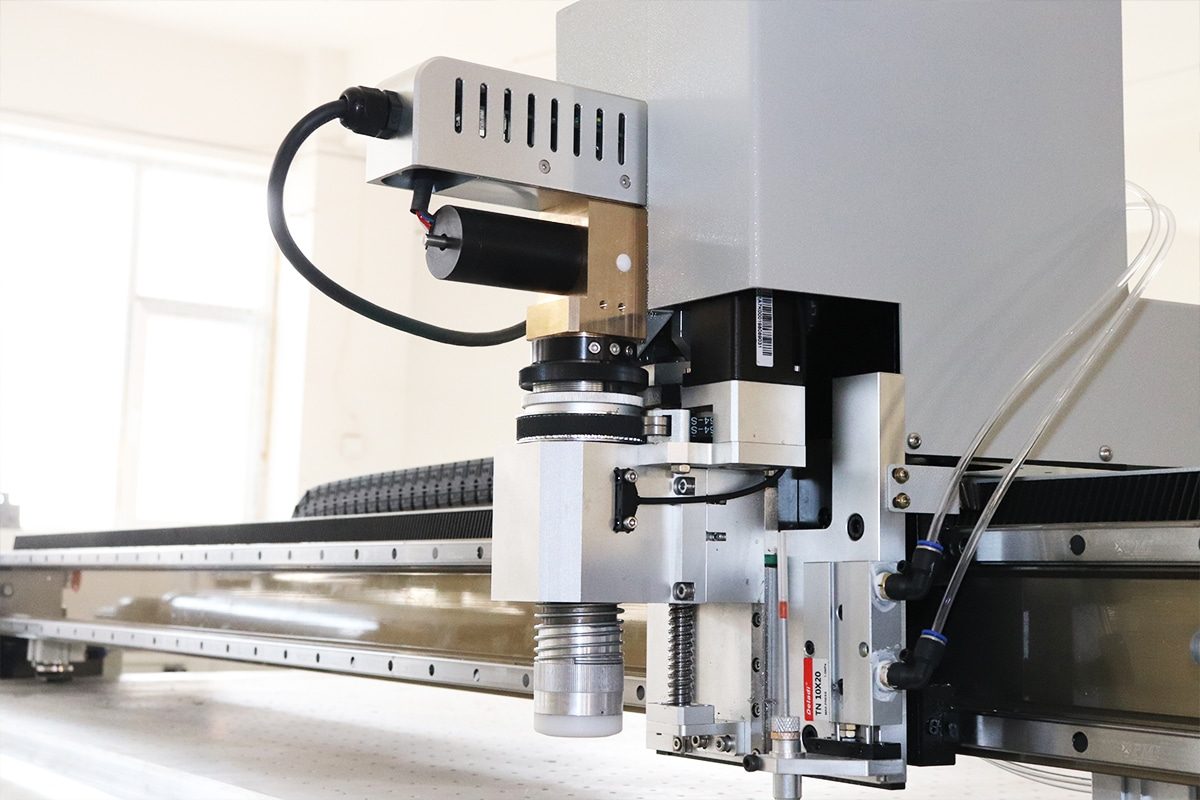
What Are The Reasons For Poor Cutting Quality With Oscillating Knife
Oscillating knife cutting systems are widely used in industries such as textiles, packaging, composites, foam processing, leather cutting, and sign making. These machines are valued for their ability to deliver precise, clean cuts on a wide variety of soft and semi-rigid materials without generating excessive heat or material deformation. By moving the blade rapidly up and down while the cutting head travels along a programmed path, the oscillating knife enables manufacturers to achieve high levels of efficiency, accuracy, and flexibility in digital cutting processes.
However, despite the advantages of oscillating knife technology, poor cutting quality can sometimes occur during operation. Problems such as rough edges, incomplete cuts, material tearing, fraying, burr formation, or inconsistent cutting depths can significantly affect product quality and production efficiency. When cutting performance declines, it not only leads to material waste but can also increase production costs, machine downtime, and customer dissatisfaction.
There are many possible reasons for poor cutting quality when using an oscillating knife. These factors may originate from the cutting tool itself, machine parameters, material characteristics, or improper machine maintenance. For example, blade wear or incorrect blade selection can reduce cutting efficiency and produce uneven edges. Similarly, inappropriate cutting speed, oscillation frequency, or cutting pressure may prevent the blade from penetrating the material cleanly. Material properties such as thickness, hardness, density, and fiber structure can also influence the final cutting result.
In addition, issues related to machine calibration, tool holder stability, vacuum suction strength, and software path settings may contribute to cutting defects. Even small deviations in machine setup can lead to noticeable declines in cutting precision.
Understanding the root causes of poor cutting quality is essential for optimizing oscillating knife cutting performance. By identifying the key factors that influence cutting results and applying proper troubleshooting methods, operators can improve cutting accuracy, extend blade life, and maintain consistent production quality. The following sections will explore the most common reasons behind poor oscillating knife cutting quality and provide insights into how these issues can be effectively addressed.
Table of Contents
Understanding Oscillating Knife Cutting Technology
Oscillating knife cutting technology is a highly precise digital cutting method widely used for processing flexible and semi-rigid materials. It has become an essential solution in industries such as textiles, packaging, automotive interiors, signage, composites, foam processing, and leather manufacturing. The technology is valued for its ability to produce clean edges, accurate contours, and minimal material distortion. Unlike thermal cutting methods such as laser or hot knife cutting, oscillating knife cutting relies on mechanical motion, which eliminates heat generation and prevents burning, melting, or discoloration of sensitive materials.
At the heart of this technology is the oscillating knife tool, which operates through a rapid vertical reciprocating motion. The blade moves up and down at high frequency—often several thousand strokes per minute—while the cutting head simultaneously travels along a programmed path across the material surface. This combined motion allows the blade to slice through materials with reduced resistance. Instead of dragging continuously through the material, the blade repeatedly penetrates and retracts, significantly reducing friction and improving cutting efficiency. This mechanism enables the machine to handle a wide range of materials, including foam, rubber, cardboard, corrugated board, fabrics, leather, fiberglass, and composite materials.
Oscillating knife cutting systems are typically integrated into computer-controlled cutting machines. These machines rely on digital design files created in CAD software and processed through CAM systems to generate precise cutting paths. The machine’s motion control system then guides the cutting head along the exact coordinates required to produce the desired shapes and patterns. This digital workflow allows manufacturers to achieve high levels of accuracy, repeatability, and production flexibility, making oscillating knife cutting ideal for both mass production and customized manufacturing.
Several technical factors influence the performance of oscillating knife cutting technology. One of the most important elements is the cutting blade itself. Oscillating knife blades come in various shapes, lengths, and angles, each designed for specific materials and cutting requirements. For example, thinner blades may be used for delicate fabrics, while stronger, thicker blades are necessary for dense materials such as rubber or composite boards. Blade sharpness is also critical. A dull blade increases cutting resistance and may cause tearing, rough edges, or incomplete cuts.
Another key parameter is the oscillation frequency of the blade. Higher oscillation frequencies typically allow smoother cutting, especially for tougher or thicker materials. However, the frequency must be properly matched with the cutting speed and material characteristics. If the cutting head moves too quickly relative to the oscillation frequency, the blade may not fully penetrate the material during each stroke, resulting in poor edge quality.
Cutting pressure and penetration depth are also important operational parameters. The machine must apply enough downward force to allow the blade to pass completely through the material while avoiding excessive pressure that could damage the cutting surface or deform the material. Advanced oscillating knife cutting systems often include automatic pressure control and depth adjustment to optimize cutting conditions for different materials.
Material fixation is another crucial aspect of the cutting process. Most oscillating knife cutting machines use a vacuum suction table to hold the material securely in place during cutting. This prevents the material from shifting, lifting, or vibrating while the blade is moving. If the material is not properly secured, even a highly accurate cutting system may produce misaligned or uneven cuts.
In addition to hardware components, software settings and toolpath planning also play a significant role in cutting quality. Proper path optimization ensures smooth machine movement, reduces unnecessary direction changes, and maintains consistent cutting conditions throughout the process. Incorrect toolpath settings can cause abrupt movements, inconsistent cutting pressure, or unnecessary blade wear.
Oscillating knife cutting technology combines high-frequency blade oscillation, precise motion control, and digital design integration to achieve efficient and accurate cutting of a wide variety of materials. The success of this technology depends on the proper coordination of multiple factors, including blade selection, oscillation parameters, cutting speed, material fixation, and software configuration. When all these elements are properly optimized, oscillating knife cutting systems can deliver exceptional cutting precision and productivity. However, if any component of the system is improperly configured, worn, or poorly maintained, cutting quality can quickly deteriorate. Therefore, a thorough understanding of how oscillating knife cutting technology works is essential for identifying the root causes of poor cutting performance and ensuring consistent production results.
Incorrect Blade Selection
Incorrect blade selection is one of the most common and critical causes of poor cutting quality in oscillating knife cutting systems. Because the blade is the direct contact point between the cutting tool and the material, its design and specifications determine how efficiently the material can be penetrated and separated. Even when the cutting machine is properly calibrated and the cutting parameters are correctly configured, using an unsuitable blade can lead to a wide range of quality problems. These may include rough or jagged edges, incomplete cuts, material tearing, deformation of soft materials, excessive vibration, and rapid blade wear. Therefore, selecting the correct blade type is essential for maintaining consistent cutting performance and ensuring high-quality production results.
Oscillating knife blades are manufactured in many different designs to accommodate the wide variety of materials used in industrial cutting applications. Materials such as textiles, foam, leather, rubber, cardboard, corrugated board, fiberglass, and composite materials all behave differently when subjected to mechanical cutting forces. As a result, a blade that performs well for one material may perform poorly for another. For example, a blade designed for cutting soft fabrics may not have the structural strength required to cut dense rubber or composite materials. When such a mismatch occurs, the blade may bend or deflect during operation, causing inaccurate cutting paths and uneven edges.
One of the most important characteristics of an oscillating knife blade is the blade angle. The blade angle refers to the sharpness of the cutting tip and directly affects how easily the blade can penetrate the material. Blades with smaller angles are typically sharper and are commonly used for cutting soft, thin, or delicate materials. These blades allow the cutting edge to slice through the material smoothly with minimal resistance, producing clean edges and high cutting precision. However, sharper blades with smaller angles are often more fragile and may wear out quickly or break when used on tougher materials.
In contrast, blades with larger angles are stronger and more durable, making them suitable for thicker or harder materials. These blades provide better structural support during cutting and are less likely to bend or break under heavy loads. However, because the cutting edge is less sharp, they may require more cutting force and may not produce the same level of fine detail when cutting delicate materials. If a blade with a large angle is used for thin fabrics or soft foam, it may compress the material before cutting it, which can result in rough edges or visible deformation.
Blade thickness and rigidity are also important considerations in blade selection. Thin blades are generally more flexible and are ideal for cutting intricate shapes or detailed patterns. Their flexibility allows them to follow complex tool paths accurately. However, when used on thicker or denser materials, thin blades may bend or twist during cutting, which reduces accuracy and leads to poor edge quality. On the other hand, thicker blades offer greater rigidity and stability, making them better suited for cutting heavy materials such as corrugated board or rubber sheets.
Blade length is another factor that must be carefully considered. The blade must be long enough to penetrate the full thickness of the material while maintaining stability during the oscillating motion. If the blade is too short, it may not fully cut through the material, resulting in partially cut sections that require additional processing. If the blade is excessively long, it may vibrate more during operation, which can reduce cutting precision and accelerate blade wear.
In addition to geometric characteristics, the material composition of the blade also plays an important role in cutting quality. High-quality oscillating knife blades are often made from hardened tool steel or carbide materials that provide superior durability and wear resistance. These materials allow the blade to maintain sharpness for longer periods, especially in high-volume production environments. Some specialized blades also feature protective coatings designed to reduce friction and increase resistance to abrasion when cutting materials containing fibers or fillers, such as fiberglass or composite fabrics.
Another important factor is the compatibility between the blade design and the structural characteristics of the material being cut. Certain materials have unique internal structures that require specialized blades. For example, woven textiles contain interlaced fibers that can easily fray if the blade does not cut cleanly. In such cases, blades designed to minimize fiber pulling and fraying are preferred. Similarly, multi-layer materials such as corrugated cardboard require blades capable of maintaining consistent penetration across varying densities within the material layers.
Operators sometimes attempt to correct poor cutting performance caused by incorrect blade selection by adjusting machine parameters such as cutting speed, oscillation frequency, or downward pressure. While these adjustments may temporarily improve cutting performance, they cannot fully compensate for an unsuitable blade. In many cases, continuing to use an inappropriate blade can lead to increased mechanical stress on the machine, faster blade wear, and higher maintenance costs.
Blade selection plays a fundamental role in determining the cutting quality of oscillating knife cutting systems. Factors such as blade angle, thickness, length, rigidity, and material composition must all be carefully matched to the specific material and cutting requirements. Choosing the correct blade ensures smoother cutting action, improved edge quality, and longer tool life. Conversely, incorrect blade selection can quickly lead to cutting defects, inefficient operation, and increased production costs. For this reason, understanding the relationship between blade characteristics and material properties is essential for optimizing oscillating knife cutting performance and maintaining consistent product quality.
Blade Wear and Dullness
Blade wear and dullness are among the most significant factors that contribute to poor cutting quality in oscillating knife cutting systems. Because the blade is the primary component responsible for penetrating and separating the material, its sharpness and structural condition directly influence the efficiency and precision of the cutting process. Over time, repeated use gradually degrades the blade’s cutting edge, making it less effective. When the blade becomes worn or dull, the oscillating knife can no longer cut smoothly through the material, resulting in a variety of quality issues such as rough edges, incomplete cuts, excessive material deformation, and increased mechanical strain on the machine.
During operation, an oscillating knife blade moves rapidly up and down at high frequencies while simultaneously traveling along the cutting path. This motion causes constant contact and friction between the blade and the material. Each oscillation creates microscopic wear on the cutting edge. Although this wear may not be immediately visible, it gradually reduces the blade’s sharpness and cutting efficiency. Over time, the once-sharp edge becomes rounded, which significantly reduces its ability to slice through materials cleanly.
The rate at which a blade becomes dull depends on several factors. One of the most important factors is the type of material being cut. Soft materials such as foam, thin fabrics, or lightweight cardboard typically cause slower blade wear because they offer relatively low resistance to the blade. In contrast, abrasive or dense materials such as fiberglass, composite panels, rubber sheets, and thick corrugated board can significantly accelerate blade wear. These materials may contain fibers, fillers, or hard particles that gradually erode the blade’s edge during repeated cutting cycles.
Cutting parameters also influence the speed of blade wear. High cutting speeds, excessive downward pressure, or incorrect oscillation frequency can increase friction between the blade and the material. This added friction generates additional stress on the blade edge, causing it to dull more quickly. In addition, improper cutting settings may cause the blade to drag against the material rather than slicing cleanly, which further accelerates edge degradation.
As a blade becomes dull, the cutting mechanism begins to change. A sharp blade slices through materials with minimal resistance, creating clean and precise edges. However, when the blade edge loses its sharpness, it can no longer penetrate the material efficiently. Instead of slicing, the blade begins to push, compress, or tear the material before cutting through it. This change in cutting behavior leads to several visible problems.
One common sign of blade dullness is the appearance of rough or uneven cut edges. Instead of smooth, clean lines, the cut edges may appear jagged or irregular. This problem is particularly noticeable when cutting materials that require high precision, such as textiles, packaging materials, or decorative components. In some cases, the blade may fail to fully penetrate the material, leaving partially cut sections that require manual finishing or additional cutting passes.
Another common issue caused by blade wear is material deformation. Soft materials such as foam, felt, or flexible rubber can be compressed by a dull blade before it manages to cut through them. This compression can distort the material shape, reduce dimensional accuracy, and negatively affect the final product quality. In applications where precise dimensions are critical, even small levels of deformation can create serious production problems.
Fibrous materials such as woven fabrics, carbon fiber composites, or fiberglass sheets are particularly sensitive to blade sharpness. When a blade is sharp, it cleanly separates the fibers with minimal disturbance. However, a dull blade tends to pull, stretch, or tear the fibers before cutting them. This results in frayed edges, loose fibers, and an overall reduction in cut quality. Such defects can compromise both the visual appearance and the structural integrity of the final product.
Blade wear can also affect cutting accuracy. As the blade edge deteriorates, the cutting resistance increases, which may cause the blade to deflect slightly during operation. Even small amounts of blade deflection can lead to deviations from the programmed cutting path, especially when cutting sharp corners or intricate patterns. Over time, these small inaccuracies can accumulate, leading to dimensional errors and inconsistent product quality.
In addition to gradual dulling, blades may experience other forms of damage during operation. For example, the blade edge may develop small chips or cracks if it encounters hard inclusions in the material or if excessive cutting force is applied. In some cases, the blade may bend slightly due to high resistance or improper cutting angles. Even minor physical damage can significantly reduce cutting performance and may introduce vibration or instability during the cutting process.
The quality and material composition of the blade itself also influence its resistance to wear. High-quality blades made from hardened tool steel or carbide materials generally provide longer service life and better abrasion resistance. Some specialized blades are also designed with protective coatings that reduce friction and improve durability when cutting abrasive materials. However, regardless of blade quality, all blades will eventually wear down with continuous use and must be replaced periodically.
To maintain optimal cutting quality, regular blade inspection and maintenance are essential. Operators should routinely examine blades for signs of dullness, edge rounding, chipping, or bending. Monitoring the visual quality of the cut edges can also help identify blade wear early. If cut edges begin to show roughness, tearing, or incomplete penetration, it is often a strong indication that the blade needs to be replaced.
Establishing a preventive blade replacement schedule is also an effective strategy for maintaining consistent cutting performance. In many production environments, blades are replaced after a certain number of cutting hours or after processing a specific volume of material. This proactive approach helps prevent unexpected declines in cutting quality and reduces the risk of machine downtime or material waste.
Blade wear and dullness are inevitable consequences of continuous oscillating knife operation, but their impact on cutting quality can be minimized through proper monitoring and maintenance. A sharp blade allows the cutting system to operate efficiently, producing clean edges, accurate shapes, and smooth material separation. Conversely, a worn or dull blade increases cutting resistance, reduces accuracy, and leads to defects such as rough edges, material deformation, and fraying. By regularly inspecting blade condition, selecting high-quality blades, and replacing worn blades promptly, operators can maintain optimal cutting performance and ensure consistent product quality throughout the production process.
Incorrect Cutting Parameters
Incorrect cutting parameters are one of the most common operational causes of poor cutting quality when using oscillating knife cutting systems. While blade selection and blade condition are extremely important, even a sharp and properly selected blade cannot perform well if the machine’s cutting parameters are not correctly configured. Cutting parameters determine how the oscillating knife interacts with the material during the cutting process. If these parameters are improperly adjusted, the cutting tool may not be able to penetrate the material efficiently, which can lead to problems such as rough edges, incomplete cuts, material deformation, inaccurate dimensions, or excessive blade wear.
Oscillating knife cutting relies on a precise combination of motion, force, and vibration. Several key parameters must work together in harmony to achieve clean and accurate cuts. The most critical parameters include cutting speed, oscillation frequency, cutting pressure, blade penetration depth, and machine acceleration. Each of these factors influences the cutting process in a different way, and an imbalance in any one of them can significantly affect the final cutting quality.
Cutting speed refers to the rate at which the cutting head moves along the programmed cutting path. This parameter plays a crucial role in determining how much time the blade has to interact with the material during each oscillation cycle. If the cutting speed is set too high, the blade may not have sufficient time to fully penetrate the material. Instead of slicing cleanly through the material, the blade may slide or drag across the surface, resulting in rough edges or incomplete cuts. This problem is particularly common when cutting thick materials or materials with high density.
Excessively high cutting speeds can also increase the mechanical load on the blade and the cutting system. When the blade is forced to move too quickly through resistant materials, it experiences greater stress and friction. Over time, this can accelerate blade wear and reduce overall cutting stability. In addition, high cutting speeds may reduce the accuracy of complex shapes or detailed patterns because the machine may struggle to maintain precise control when rapidly changing directions.
However, cutting speeds that are too slow can also create problems. When the cutting head moves too slowly, the blade remains in contact with the material for a longer period of time. This can increase friction and cause unnecessary compression of the material, particularly when cutting soft materials such as foam, rubber, or textiles. In some cases, extremely slow speeds can cause the material to deform before being cut, leading to inaccurate shapes and poor edge quality. Furthermore, slow cutting speeds reduce production efficiency and may increase operating costs in high-volume manufacturing environments.
Oscillation frequency is another critical parameter that strongly affects cutting performance. Oscillation frequency refers to the number of vertical strokes the blade performs per minute. Higher frequencies allow the blade to penetrate the material more easily because the rapid motion reduces friction between the blade and the material. This can be particularly beneficial when cutting tough or multi-layer materials.
If the oscillation frequency is too low, the blade may not generate enough cutting action to slice through the material effectively. As a result, the blade may begin to drag or tear the material rather than cutting it cleanly. This can lead to uneven edges, fraying of fibers, or incomplete cuts. On the other hand, excessively high oscillation frequencies may introduce additional vibration into the cutting system. Excessive vibration can reduce cutting accuracy, increase noise, and accelerate wear on both the blade and machine components.
Cutting pressure, also known as downward force, is another important parameter that influences cutting effectiveness. The blade must apply sufficient pressure to penetrate the material fully during each oscillation cycle. If the cutting pressure is too low, the blade may fail to cut completely through the material. This can result in partially cut sections that remain attached to the base material, requiring additional manual trimming or repeated cutting passes.
Conversely, applying excessive cutting pressure can also negatively affect cutting quality. High pressure may compress or deform soft materials before the blade cuts through them, which can lead to dimensional inaccuracies. In addition, excessive pressure increases friction between the blade and the material, accelerating blade wear and placing additional strain on the cutting system. In extreme cases, excessive force may even damage the blade or the cutting surface.
However, excessive penetration depth can cause the blade to strike the cutting table repeatedly. This repeated contact can dull the blade edge quickly and may also damage the cutting surface over time. Maintaining the correct penetration depth is therefore essential for balancing cutting efficiency and tool longevity.
Another parameter that often affects cutting quality is machine acceleration and deceleration. During complex cutting operations, the cutting head frequently changes direction, especially when cutting curves or sharp corners. If the machine accelerates or decelerates too abruptly, the blade may deviate slightly from the programmed path. This deviation can cause rounded corners, inaccurate edges, or uneven cuts. Properly optimized acceleration settings allow the machine to maintain smooth motion while preserving cutting accuracy.
Material characteristics must always be considered when setting cutting parameters. Different materials respond differently to mechanical cutting forces. For example, soft foam may require lower cutting pressure and moderate speed to avoid compression, while dense rubber or multi-layer cardboard may require slower cutting speeds, higher oscillation frequencies, and greater cutting pressure. Materials with fibrous structures, such as fabrics or composites, often require carefully balanced parameters to prevent fraying or tearing.
In many cases, poor cutting quality occurs when operators rely on default machine settings instead of optimizing parameters for specific materials. Default settings may work reasonably well for general applications, but they rarely provide optimal performance across a wide range of materials and thicknesses. Performing test cuts and gradually adjusting parameters is often necessary to determine the ideal settings for a particular material.
Modern digital cutting systems sometimes include parameter libraries or automated optimization features that help operators select suitable cutting conditions. However, understanding the fundamental relationship between cutting parameters and material behavior remains essential for achieving the best results.
Incorrect cutting parameters can significantly reduce the cutting quality of oscillating knife cutting systems, even when the blade and machine are in good condition. Parameters such as cutting speed, oscillation frequency, cutting pressure, penetration depth, and acceleration must be carefully balanced to match the characteristics of the material being processed. Improper parameter settings can lead to rough edges, incomplete cuts, material deformation, reduced accuracy, and accelerated blade wear. By carefully optimizing these parameters and adjusting them according to the specific cutting application, operators can greatly improve cutting efficiency, maintain consistent quality, and extend the service life of both the blade and the cutting equipment.
Material Instability During Cutting
Material instability during cutting is a critical but often underestimated factor that can lead to poor cutting quality when using oscillating knife cutting systems. Even if the cutting machine is properly calibrated, the blade is sharp, and the cutting parameters are optimized, unstable materials can still prevent the machine from achieving precise and consistent results. Oscillating knife cutting relies heavily on accurate positioning and firm support of the material throughout the cutting process. When the material shifts, lifts, stretches, or vibrates during cutting, the blade cannot maintain consistent contact with the intended cutting path. As a result, defects such as uneven edges, dimensional inaccuracies, incomplete cuts, or distorted shapes may occur.
Oscillating knife cutting systems operate through a combination of high-frequency vertical blade motion and controlled horizontal movement of the cutting head. During this process, the blade repeatedly penetrates the material while the cutting head travels along a programmed path. Although the forces generated by each oscillation are relatively small, the repeated motion can gradually influence the position of materials that are not firmly secured. If the material is free to move even slightly, the cutting path may deviate from its intended trajectory, particularly when producing intricate shapes or detailed patterns.
One of the most common causes of material instability is insufficient vacuum suction. Most digital oscillating knife cutting machines are equipped with a vacuum table designed to hold the material firmly against the cutting surface. The vacuum system generates negative pressure that prevents the material from sliding or lifting while the blade is cutting. However, if the vacuum system is not functioning properly, the holding force may become inadequate. Problems such as air leaks, clogged vacuum channels, damaged sealing surfaces, or weak vacuum pumps can reduce suction efficiency. When the holding force is insufficient, the blade may push the material slightly during cutting, leading to inaccurate cuts or rough edges.
The flatness of the material also plays an important role in maintaining stability. Many materials used in industrial cutting processes—such as fabrics, flexible plastics, thin foams, or rubber sheets—do not always lie perfectly flat on the cutting table. Wrinkles, waves, curls, or tension within the material can cause sections of the material to lift above the cutting surface. When the oscillating blade encounters these raised areas, it may push the material downward or shift it laterally before completing the cut. This can result in inconsistent cutting depth, jagged edges, or partially cut sections that require additional processing.
Material thickness and weight can further influence stability during cutting. Lightweight materials such as thin fabrics, paperboard, film, or soft foam are especially susceptible to movement because they offer little resistance to the forces generated by the oscillating blade. Even slight vibrations from the machine may cause these materials to shift. In contrast, heavier materials generally remain more stable due to their weight, but they can still move if the cutting forces exceed the holding capability of the vacuum system.
Elasticity and flexibility are additional characteristics that can contribute to instability. Some materials, including rubber sheets, silicone materials, stretch fabrics, or certain foams, have a high degree of elasticity. When the blade presses down on these materials, they may stretch, compress, or deform before the blade cuts through them. After the blade passes through the material, the material may partially return to its original shape. This elastic recovery can alter the final dimensions of the cut piece or produce irregular edges. In severe cases, the material may shift slightly due to the release of internal tension.
Layered materials introduce another set of stability challenges. In many manufacturing environments, multiple layers of material are stacked together to improve cutting efficiency and productivity. However, if these layers are not properly aligned or secured, they may slide relative to one another during cutting. This can lead to inconsistent cuts across the stack, with some layers being cut accurately while others are misaligned or incompletely cut. Such inconsistencies can create additional waste and reduce production efficiency.
Material surface characteristics can also affect stability. Materials with very smooth or low-friction surfaces—such as certain plastics or coated fabrics—may slide more easily across the cutting table if the vacuum force is insufficient. Similarly, materials that contain dust, debris, or loose particles on their surfaces may not adhere firmly to the vacuum table, which reduces stability during cutting.
Environmental conditions can further influence material behavior. Static electricity, for example, can cause lightweight materials such as plastic films or thin fabrics to lift or cling unevenly to surfaces. This may result in sections of the material being partially lifted away from the cutting table, which reduces the effectiveness of vacuum suction. Additionally, environmental factors such as temperature and humidity can affect the flexibility and mechanical properties of certain materials. Materials may expand, contract, soften, or stiffen under different environmental conditions, which may alter their stability during cutting.
Improper material preparation before cutting can also contribute to instability. Materials that are not carefully positioned, flattened, or aligned on the cutting table may contain internal stresses or irregularities that cause them to shift during the cutting process. In automated production environments that use roll-fed materials, improper tension control or uneven feeding of the material roll may introduce slight movement or distortion before the cutting process even begins.
To reduce material instability and improve cutting quality, several practical measures can be implemented. Maintaining a strong and consistent vacuum suction system is one of the most important steps. Regular inspection and cleaning of vacuum channels, filters, and sealing components can help ensure that the vacuum table provides a uniform holding force across the entire cutting surface. For materials that are particularly difficult to stabilize, additional mechanical clamps or specialized holding devices may be used to supplement the vacuum system.
Proper material preparation is equally important. Before cutting begins, operators should ensure that the material is fully flattened, properly aligned, and free of wrinkles or distortions. For extremely lightweight materials, additional support layers or protective films may be placed over the material to help stabilize it during cutting. In some cases, adjusting the cutting parameters—such as reducing cutting speed or pressure—can also help minimize material movement.
Material instability during cutting is a significant factor that can negatively affect the performance of oscillating knife cutting systems. When materials shift, vibrate, stretch, or lift during the cutting process, the blade cannot accurately follow the programmed cutting path. This leads to defects such as uneven edges, dimensional inaccuracies, incomplete cuts, and distorted shapes. Factors such as insufficient vacuum suction, uneven material surfaces, lightweight or elastic materials, multi-layer cutting, and improper material preparation can all contribute to instability. By ensuring secure material fixation, maintaining proper equipment conditions, and preparing materials carefully before cutting, operators can greatly improve cutting precision and achieve more consistent, high-quality results in oscillating knife cutting operations.
Machine Mechanical Issues
Machine mechanical issues are a critical but sometimes overlooked cause of poor cutting quality in oscillating knife cutting systems. While blade condition, cutting parameters, and material stability all play important roles, the mechanical performance of the cutting machine itself ultimately determines whether these elements can function effectively. Oscillating knife cutting relies on the precise, stable, and repeatable motion of the cutting head. If any mechanical component within the machine becomes worn, loose, misaligned, or damaged, the cutting process can quickly lose accuracy and consistency. As a result, problems such as rough edges, dimensional inaccuracies, inconsistent cutting depth, incomplete cuts, and irregular cutting paths may occur.
Oscillating knife cutting machines are complex systems composed of multiple mechanical subsystems working together. These include the oscillating mechanism that drives the blade, the tool holder and blade mounting assembly, the motion transmission system that controls the movement of the cutting head, the machine frame and structural components, and the cutting table that supports the material. Each of these components must operate with high precision to ensure reliable cutting performance. When mechanical issues arise in any of these areas, they can directly affect cutting quality.
One common mechanical issue is looseness or instability in the blade holder and tool assembly. The blade must be firmly secured within the tool holder so that it can maintain consistent orientation and position during high-frequency oscillation. If the blade holder becomes loose due to wear, vibration, or improper installation, the blade may wobble or shift slightly during operation. Even very small movements of the blade can lead to irregular cutting edges or inaccurate cutting paths. In severe cases, the blade may vibrate excessively, which can produce jagged edges or cause premature blade failure.
Another key component that can influence cutting quality is the oscillation mechanism itself. The oscillating knife operates through a reciprocating mechanism that drives the blade up and down at high speed, often thousands of times per minute. This mechanism typically includes internal components such as bearings, connecting rods, cams, or eccentric drives. Over time, these components may experience wear due to constant mechanical stress. Worn oscillation components can cause irregular blade movement, reduced oscillation amplitude, or inconsistent oscillation frequency. When the blade no longer moves smoothly and consistently, its ability to penetrate the material efficiently is reduced, which can lead to rough edges or incomplete cuts.
The motion transmission system of the cutting machine is another important factor affecting cutting accuracy. Most oscillating knife cutting machines use linear guide rails, ball screws, timing belts, or rack-and-pinion systems to control the movement of the cutting head along the X and Y axes. These components are designed to provide precise positioning and smooth motion. However, continuous use can gradually cause wear in these mechanical parts. When wear occurs, small gaps or looseness may develop within the transmission system, resulting in mechanical play or backlash.
Backlash occurs when there is a small delay or movement gap between mechanical components when the machine changes direction. This issue is particularly noticeable when cutting shapes that involve frequent directional changes, such as corners, curves, or detailed patterns. If backlash is present, the cutting head may overshoot or lag slightly behind the intended path when reversing direction. This can cause rounded corners, distorted shapes, or uneven cutting lines. For applications that require high precision, even small amounts of backlash can significantly affect product quality.
Guide rails and linear bearings also play an important role in ensuring smooth machine movement. These components allow the cutting head to travel accurately along predetermined paths. If guide rails become worn, contaminated with debris, or insufficiently lubricated, the motion of the cutting head may become less smooth. Increased friction or uneven movement can lead to vibration or inconsistent cutting speed, both of which negatively impact cutting quality.
Machine rigidity is another crucial mechanical factor. The structural frame of the cutting machine must be strong and stable enough to resist vibration and maintain alignment during operation. Oscillating knife cutting involves high-speed mechanical motion, which can generate dynamic forces within the machine structure. If the machine frame lacks sufficient rigidity or if structural components become loose over time, vibrations may increase during cutting. These vibrations can cause slight variations in blade pressure and cutting depth, resulting in uneven cuts or rough edges.
Misalignment of machine components can also reduce cutting precision. Proper alignment between the cutting head, guide rails, and cutting surface is essential for maintaining accurate tool movement. If any of these components become misaligned due to mechanical wear, improper installation, accidental impact, or prolonged operation, the cutting head may not move perfectly parallel to the cutting surface. This misalignment can cause the blade to tilt slightly while cutting, which may result in uneven penetration depth or irregular edge quality.
Another mechanical issue that can affect cutting performance is inadequate lubrication of moving parts. Mechanical components such as bearings, guide rails, ball screws, and transmission systems require proper lubrication to operate smoothly. If lubrication is insufficient or neglected, friction between components increases. This increased friction can lead to irregular motion, increased mechanical wear, and reduced machine responsiveness. Over time, lack of lubrication can accelerate component deterioration and lead to more severe mechanical problems.
The condition of the cutting table and support surface also plays a role in mechanical stability. The cutting table must remain flat and stable to ensure consistent blade penetration across the entire work area. If the cutting surface becomes uneven, warped, or damaged, certain areas of the material may not receive the same support as others. This can lead to inconsistent cutting depth, especially when cutting large sheets of material.
Drive motors and servo systems are additional mechanical elements that influence cutting quality. These motors control the precise movement of the cutting head along the machine axes. If a motor becomes worn, improperly calibrated, or overloaded, the machine may experience positioning errors or inconsistent movement speeds. Such issues can affect the accuracy of the cutting path and may lead to misaligned cuts or irregular shapes.
Regular machine maintenance is essential to prevent mechanical issues from affecting cutting quality. Operators should routinely inspect critical components such as blade holders, oscillation units, guide rails, belts, screws, and structural fasteners. Any signs of looseness, abnormal vibration, or unusual noise should be investigated promptly. Proper lubrication schedules should also be maintained to ensure that moving components operate smoothly.
Preventive maintenance programs are especially important in high-production environments where oscillating knife cutting machines operate continuously for extended periods. Replacing worn components before they fail and periodically recalibrating the machine can help maintain long-term cutting accuracy and reliability.
Machine mechanical issues can have a significant impact on the cutting performance of oscillating knife cutting systems. Problems such as loose tool assemblies, worn oscillation mechanisms, backlash in transmission systems, guide rail wear, structural vibration, misalignment, and inadequate lubrication can all reduce cutting precision and stability. These mechanical problems often develop gradually and may not be immediately noticeable until cutting quality begins to deteriorate. By implementing regular inspection, maintenance, and timely component replacement, operators can ensure that the cutting machine remains mechanically stable and capable of delivering consistent, high-quality cutting results.
Improper Blade Installation
Improper blade installation is a frequently overlooked but important cause of poor cutting quality in oscillating knife cutting systems. While many operators focus primarily on blade selection, cutting parameters, and machine performance, the way the blade is installed in the tool holder is equally critical. Even a high-quality blade cannot perform effectively if it is not mounted correctly. Oscillating knife cutting requires the blade to operate under high-frequency vertical motion and constant contact with the material. If the blade is not properly installed, the stability, alignment, and cutting efficiency of the tool can be compromised. This can result in a variety of cutting defects, including uneven edges, inaccurate cutting paths, inconsistent cutting depth, excessive vibration, and accelerated blade wear.
The oscillating knife blade must be installed with precise orientation and secure mounting so that it can maintain a stable cutting angle throughout the cutting process. One of the most common installation mistakes is incorrect blade orientation. Oscillating knife blades are designed with a specific cutting edge direction and tip angle that must face the correct direction relative to the cutting movement. If the blade is installed backwards or rotated incorrectly within the holder, the cutting edge may not engage the material properly. Instead of slicing through the material smoothly, the blade may drag, scrape, or push against the material surface. This not only reduces cutting efficiency but also produces rough edges, material tearing, and increased resistance during cutting.
Another common issue is improper tightening of the blade within the tool holder. The blade must be firmly clamped to prevent movement during the oscillation process. Oscillating knife tools often operate at thousands of strokes per minute, which creates continuous mechanical vibration. If the blade is not securely fixed in the holder, it may shift slightly during operation. Even a small amount of movement can cause the blade to deviate from the programmed cutting path, leading to irregular cutting lines or inconsistent edge quality. A loose blade may also create additional vibration in the cutting tool, which can reduce overall machine stability and increase the risk of blade breakage.
However, excessive tightening can also cause problems. Applying too much clamping force may slightly deform the blade or create unnecessary stress within the blade structure. This can alter the blade’s natural flexibility and cutting angle, which may affect cutting performance. In some cases, excessive tightening can damage the blade holder or make it difficult to remove the blade during maintenance. Therefore, the blade should always be tightened according to the manufacturer’s recommended torque or installation procedure.
Blade insertion depth is another critical factor during installation. The blade must extend from the tool holder by an appropriate amount so that it can penetrate the material effectively while maintaining structural support. If the blade is inserted too shallowly, it may not reach the full thickness of the material during cutting. This can result in incomplete cuts, leaving sections of material partially attached. On the other hand, if the blade extends too far beyond the holder, it becomes more susceptible to bending or deflection during cutting. Excessive blade extension can reduce cutting accuracy and increase the risk of blade damage when cutting dense or multi-layer materials.
Proper alignment of the blade within the tool holder is also essential. The blade must remain perfectly vertical and centered so that the cutting edge maintains even contact with the material. If the blade is tilted or misaligned during installation, the cutting edge may not penetrate the material uniformly. This can cause uneven cutting depth, irregular edge quality, or slight deviations from the intended cutting path. Misalignment may also increase friction between the blade and the material, which can accelerate blade wear and reduce overall cutting efficiency.
Contamination within the blade holder can further contribute to installation problems. During normal operation, small particles of dust, fibers, adhesive residue, or debris may accumulate inside the blade holder. If the holder is not cleaned before installing a new blade, these contaminants may prevent the blade from seating properly. As a result, the blade may be positioned slightly off-center or may not sit firmly within the holder. This can lead to instability during oscillation and negatively affect cutting accuracy.
Using incompatible blades can also create installation-related issues. Different oscillating knife cutting systems are designed to accommodate blades with specific dimensions, mounting shapes, and locking mechanisms. If a blade that does not match the tool holder specifications is used, it may not fit securely within the holder. This mismatch can create instability or improper blade positioning during operation, which can lead to poor cutting performance and increased mechanical stress on the tool assembly.
Operator handling during blade installation is another factor that can influence cutting quality. Blades are precision cutting tools with extremely sharp edges, and improper handling may damage the blade even before it is used. For example, dropping the blade, pressing the cutting edge against hard surfaces, or applying excessive force during installation can cause micro-chipping or bending of the blade tip. Although these defects may be difficult to see with the naked eye, they can significantly reduce cutting efficiency and lead to rough or inconsistent edges.
To avoid installation-related problems, it is essential to follow proper blade installation procedures. Before installing a blade, the operator should clean the blade holder and inspect it for signs of wear or debris. The correct blade type should be selected according to the machine specifications and the material being cut. The blade should then be inserted at the correct depth, aligned properly, and secured with the appropriate tightening force. After installation, a quick test cut can help confirm that the blade is functioning correctly and that the cutting path is accurate.
Operator training also plays a key role in preventing blade installation errors. When operators understand how improper installation can affect cutting quality, they are more likely to follow recommended procedures carefully. Regular maintenance of the blade holder and tool assembly can also help ensure that the blade remains stable and properly aligned during operation.
Improper blade installation is a common yet preventable cause of poor cutting quality in oscillating knife cutting systems. Errors such as incorrect blade orientation, loose or excessive tightening, improper insertion depth, blade misalignment, contamination within the holder, incompatible blade types, and careless handling can all reduce cutting precision and efficiency. These issues often result in rough edges, inaccurate cuts, increased vibration, and shorter blade life. By following correct installation procedures, maintaining clean and properly functioning tool holders, and ensuring careful handling of blades, operators can significantly improve cutting stability and achieve consistent, high-quality cutting results.
Incorrect Software Settings
Incorrect software settings are an often overlooked but highly influential factor that can lead to poor cutting quality in oscillating knife cutting systems. Modern oscillating knife cutting machines rely heavily on advanced software systems to control the cutting process. These systems translate digital design files into precise machine movements and operational commands. The software determines how the cutting head moves, how the blade oscillates, how deep the blade penetrates, and how the machine responds to curves, corners, and complex shapes. If the software settings are not properly configured, the machine may execute incorrect cutting paths or apply unsuitable cutting conditions. As a result, issues such as inaccurate dimensions, rough edges, incomplete cuts, and inconsistent cutting performance can occur. Therefore, correct software configuration is essential for ensuring optimal cutting quality and maintaining production efficiency.
One of the most common software-related issues involves incorrect toolpath generation. The cutting process begins with a digital design file created using CAD software. This file must be converted into a toolpath that the cutting machine can follow. The toolpath defines the exact route the cutting head will take during the cutting operation. If the toolpath is generated incorrectly due to improper file conversion, design errors, or incompatible formats, the cutting head may follow a path that does not accurately represent the original design. This can lead to distorted shapes, inaccurate contours, or overlapping cutting lines. Even small toolpath errors can significantly affect the quality and accuracy of the final product.
Another important software factor is tool compensation. Oscillating knife blades have a physical thickness and cutting angle that must be considered when generating toolpaths. Most cutting software includes compensation features that adjust the cutting path slightly to account for the blade geometry. If these compensation values are incorrect, the machine may cut either inside or outside the intended design boundary. This can result in parts that are either too large or too small. In precision applications where components must fit together accurately, even a small compensation error can lead to assembly problems or product rejection.
Incorrect corner processing settings can also affect cutting performance. When the cutting head encounters sharp corners or tight curves, the machine must slow down and adjust its movement to maintain accuracy. Many cutting software systems include features such as corner smoothing, deceleration control, or corner optimization. If these settings are not configured correctly, the cutting head may move too quickly through corners. This can cause the machine to round off sharp edges or overshoot the intended cutting path. As a result, the final shape may differ from the original design, especially when cutting complex patterns or intricate geometries.
Speed control parameters within the software also play a significant role in cutting quality. Most oscillating knife cutting systems allow operators to define different cutting speeds for straight lines, curves, and corners. If the speed settings are too high, the cutting head may move faster than the blade can effectively cut through the material. In such cases, the blade may drag along the material surface instead of slicing through it, producing rough edges or incomplete cuts. High speeds may also reduce the accuracy of detailed shapes. Conversely, excessively low speeds can increase friction between the blade and the material, which may lead to material deformation or unnecessary blade wear. Properly balancing cutting speed settings is therefore essential for maintaining both cutting quality and production efficiency.
Material parameter profiles stored within the cutting software are another important factor. Many modern oscillating knife cutting systems include built-in libraries containing recommended cutting parameters for different materials. These profiles typically specify appropriate values for cutting speed, oscillation frequency, blade pressure, and penetration depth. If the operator selects the wrong material profile or uses a generic profile that does not match the actual material characteristics, the cutting parameters may not be suitable for the task. For example, settings designed for soft foam may not work effectively when cutting dense rubber or multi-layer cardboard. Such mismatches can result in poor edge quality, incomplete cuts, or excessive blade wear.
Layer management within the cutting software can also introduce errors if not handled correctly. Design files often contain multiple layers representing different operations such as cutting, scoring, marking, or partial cutting. If layers are misconfigured or incorrectly assigned, the machine may perform operations in the wrong sequence or omit certain operations entirely. For instance, a scoring operation may be mistakenly interpreted as a full cut, or vice versa. These mistakes can damage the material or produce parts that do not meet design specifications.
Scaling and unit conversion errors are another potential source of software-related cutting problems. Design files may be created using different measurement units such as millimeters, inches, or centimeters. If the cutting software interprets the file using the wrong unit system, the resulting toolpath may be incorrectly scaled. This can cause parts to be significantly larger or smaller than intended. Even minor scaling errors can cause dimensional inaccuracies that affect product quality and assembly compatibility.
Software communication and calibration between the control software and the machine controller are also critical. The software must send accurate commands to the machine’s motion control system so that the cutting head moves precisely according to the programmed path. If there are communication delays, synchronization issues, or calibration errors, the machine may execute movements inaccurately. This can cause irregular cutting motion, inconsistent speeds, or slight positioning errors that affect the final cut quality.
Another factor related to software configuration is toolpath optimization. Advanced cutting software often includes algorithms designed to optimize the cutting sequence to improve efficiency and reduce machine movement. However, if these optimization settings are not properly configured, they may introduce unnecessary direction changes or inefficient cutting paths. Frequent direction changes can increase mechanical stress on the machine and reduce cutting accuracy, especially when dealing with detailed patterns.
Operator experience and familiarity with the software also play a significant role in preventing configuration errors. Modern digital cutting systems offer many adjustable parameters, which provide flexibility but also increase the potential for incorrect settings. Operators who are not fully trained may unintentionally modify critical parameters or overlook important settings that influence cutting performance.
To minimize software-related cutting problems, it is important to follow a structured workflow before starting the cutting process. Operators should carefully review the design file, confirm the correct units and scaling, and verify that the toolpath accurately represents the intended shape. Selecting the appropriate material profile and confirming the compensation settings can further ensure that the machine operates under optimal conditions. Performing a small test cut before full production can also help identify potential issues early.
Regular software updates and operator training are also important for maintaining cutting quality. Software updates often include improved toolpath algorithms, better parameter optimization, and enhanced compatibility with modern design formats. Well-trained operators are better equipped to identify potential configuration issues and adjust settings appropriately for different cutting applications.
Incorrect software settings can significantly reduce the cutting quality of oscillating knife cutting systems, even when the machine and blade are functioning properly. Problems such as incorrect toolpath generation, improper compensation values, unsuitable speed settings, wrong material profiles, layer management errors, and scaling mistakes can all lead to inaccurate cuts and poor edge quality. Because modern oscillating knife cutting machines depend heavily on digital control systems, software configuration plays a crucial role in the overall cutting process. By carefully verifying software settings, selecting appropriate parameters, and maintaining proper operator training, manufacturers can ensure precise toolpath execution and consistently achieve high-quality cutting results.
Material Properties and Variability
Material properties and variability are critical factors that can significantly influence the cutting quality of oscillating knife cutting systems. Even when the cutting machine is functioning correctly, the blade is properly installed and sharp, and the cutting parameters are well optimized, variations in the material itself can still cause inconsistent or poor cutting results. Materials commonly processed by oscillating knife cutting machines—such as textiles, foam, rubber, cardboard, leather, plastics, and composite materials—possess different physical and structural characteristics. These characteristics determine how the material reacts to the mechanical action of the oscillating blade. When these properties vary within or between material batches, the cutting performance may also vary, leading to issues such as rough edges, incomplete cuts, dimensional inaccuracies, or material deformation.
One of the most common material-related challenges is variation in thickness. Many industrial materials are produced in rolls or sheets, and during manufacturing processes, slight differences in thickness can occur across the material surface. For example, foam sheets, rubber materials, and textile fabrics may not maintain a perfectly uniform thickness throughout the entire sheet. When an oscillating knife cuts such materials, the blade may easily penetrate thinner areas while struggling to fully cut through thicker sections. This inconsistency can lead to uneven cutting depth or partially cut areas that remain attached to the base material. In high-precision applications where consistent dimensions are required, even small thickness variations can affect the quality and usability of the final product.
Material density and hardness also have a significant influence on cutting performance. Soft materials such as lightweight foam, felt, or thin fabric generally require less cutting force and allow the blade to pass through smoothly. In contrast, materials with higher density or hardness—such as thick rubber sheets, rigid foam boards, or reinforced composite materials—offer greater resistance to the blade. If the cutting parameters are not adjusted to match these characteristics, the blade may encounter excessive resistance. This can lead to rough edges, increased friction, or incomplete cuts. Harder materials may also cause higher levels of vibration during cutting, which can further affect cutting accuracy and stability.
The internal structure of a material is another important factor that affects cutting behavior. Many materials are not homogeneous but consist of fibers, layers, or reinforcing elements that create varying resistance during cutting. For instance, woven textiles contain interlaced fibers that can be easily pulled or frayed if the blade is not sharp enough or if the cutting action is not optimized. Similarly, composite materials such as fiberglass or carbon fiber fabrics contain reinforcing fibers embedded within a matrix. These fibers can resist cutting and may cause irregular edges if the blade cannot slice through them cleanly.
Layered materials present additional challenges. Materials such as corrugated cardboard, laminated fabrics, or multi-layer composite sheets contain different layers with varying densities and structures. When the oscillating knife passes through these materials, each layer may respond differently to the cutting action. The blade may cut smoothly through one layer but encounter resistance in another. This variation can lead to uneven cutting edges or incomplete separation between layers.
Elasticity and flexibility are also important material properties that can affect cutting quality. Highly elastic materials such as rubber sheets, silicone materials, or stretch fabrics can deform under the pressure of the cutting blade. Instead of being cut immediately, the material may stretch or compress before the blade penetrates it. Once the blade passes through, the material may partially return to its original shape. This elastic recovery can alter the final dimensions of the cut part and may produce edges that appear slightly distorted or uneven.
Surface characteristics of the material can also influence the cutting process. Some materials have very smooth or low-friction surfaces, such as certain plastics or coated fabrics. These surfaces may slide more easily across the cutting table if the vacuum holding system is not strong enough. As a result, the material may shift slightly during cutting, reducing accuracy. On the other hand, materials with rough or fibrous surfaces may increase friction between the blade and the material. This can lead to higher cutting resistance and accelerated blade wear.
Moisture content and environmental conditions can further contribute to material variability. Many materials, particularly paper-based products, textiles, and natural fibers, are sensitive to humidity and temperature changes. When exposed to high humidity, materials may absorb moisture and become softer or more flexible. In dry environments, the same materials may become stiffer or more brittle. These changes can influence how the material reacts during cutting. For example, paperboard may cut differently in humid conditions than in dry conditions, potentially requiring adjustments to cutting parameters.
Batch-to-batch variation is another common challenge in industrial production. Materials supplied by different manufacturers or produced in different production batches may exhibit slight differences in thickness, density, fiber composition, or surface treatment. Even when the materials appear similar, these subtle differences can affect how the blade interacts with the material during cutting. As a result, cutting parameters that work well for one batch of material may not produce the same results for another batch.
Multi-layer cutting operations can also amplify the effects of material variability. In order to improve efficiency, some manufacturers stack multiple layers of material and cut them simultaneously. However, if the individual layers differ slightly in thickness, density, or elasticity, the blade may not cut all layers evenly. The top layers may be cut cleanly, while the lower layers remain partially uncut or misaligned. This can lead to inconsistent product quality and increased material waste.
Proper evaluation of material characteristics is therefore essential before beginning the cutting process. Operators should consider factors such as thickness consistency, density, flexibility, and internal structure when selecting blades and configuring cutting parameters. Performing test cuts on new materials or new batches can help identify the most suitable cutting conditions. Adjustments to cutting speed, oscillation frequency, blade type, and cutting pressure may be necessary to achieve optimal results.
Material storage and handling also play an important role in maintaining consistency. Storing materials in controlled environmental conditions can reduce changes in moisture content and flexibility. Proper handling can also prevent deformation, wrinkles, or compression that might affect cutting performance. For certain sensitive materials, allowing them to acclimate to the production environment before cutting may help stabilize their properties.
Material properties and variability are significant factors that can influence the cutting quality of oscillating knife cutting systems. Variations in thickness, density, hardness, internal structure, elasticity, surface characteristics, moisture content, and production batches can all affect how the material responds to the cutting blade. These variations may lead to issues such as rough edges, incomplete cuts, dimensional inaccuracies, or inconsistent cutting results. By carefully evaluating material characteristics, conducting test cuts, adjusting cutting parameters, and maintaining proper material handling practices, manufacturers can better manage material variability and achieve more consistent, high-quality cutting performance.
Environmental Factors
Environmental factors are often underestimated as an important cause of poor cutting quality in oscillating knife cutting systems. While many cutting problems are typically attributed to blade condition, machine calibration, or incorrect cutting parameters, the surrounding working environment can also have a significant impact on cutting performance. Oscillating knife cutting is a precision process that relies on stable machine operation, consistent material properties, and controlled cutting conditions. Environmental conditions such as temperature, humidity, dust levels, static electricity, vibration, and airflow can influence how both the machine and the material behave during cutting. When these environmental factors are not properly controlled, they may lead to unstable cutting conditions, inconsistent results, or accelerated wear of machine components.
One of the most influential environmental factors is temperature. Temperature variations within the workshop or production area can affect both the cutting machine and the materials being processed. Many materials used in oscillating knife cutting—including foam, rubber, textiles, plastics, leather, and cardboard—are sensitive to temperature changes. When temperatures are low, certain materials may become stiffer or more brittle. This can make them more resistant to cutting and may cause the blade to produce rough edges or small cracks along the cut surface. Conversely, high temperatures may soften some materials, causing them to deform more easily under the pressure of the blade. In such cases, the material may compress or stretch before being cut, which can lead to dimensional inaccuracies and uneven cutting edges.
Temperature changes can also influence the mechanical performance of the cutting machine itself. Oscillating knife cutting machines contain many metal components, including guide rails, frames, drive shafts, and structural elements. These metal parts naturally expand and contract in response to temperature changes. Although the expansion or contraction is typically small, it can still affect machine alignment and positioning accuracy over time. In high-precision cutting applications, even slight dimensional changes in the machine structure may lead to small deviations in the cutting path.
Humidity is another environmental factor that can significantly influence cutting quality. Materials such as paperboard, corrugated cardboard, natural fabrics, leather, and certain composite materials can absorb moisture from the surrounding air. When humidity levels are high, these materials may become softer, heavier, or more flexible. Increased moisture content may cause the material to compress more easily under the cutting blade, leading to inconsistent cutting depth or irregular edges. For example, cardboard exposed to high humidity may lose stiffness and become more difficult to cut cleanly.
On the other hand, very low humidity levels can also create problems. When the air is extremely dry, materials may lose moisture and become brittle or fragile. Paper-based materials may crack more easily, while some plastics and synthetic materials may lose flexibility. These changes can affect the way the blade interacts with the material and may increase the risk of edge chipping or tearing during cutting.
Dust and airborne particles present in the workshop environment can also affect oscillating knife cutting performance. During continuous production processes, materials such as foam, textiles, cardboard, and composites can generate fine dust or small particles. Over time, these particles may accumulate on the machine components, guide rails, vacuum table, blade holder, and oscillation mechanism. Dust buildup can interfere with the smooth movement of mechanical parts and increase friction in the motion system.
Accumulated dust may also affect the vacuum holding system of the cutting table. Vacuum tables are designed to hold materials firmly in place by generating negative pressure beneath the material surface. If dust or debris blocks the vacuum channels or air holes, the suction force may decrease. As a result, the material may not remain fully secured during cutting, allowing it to shift slightly when the blade moves across it. Even small material movements can lead to cutting inaccuracies or irregular edges.
Static electricity is another environmental issue that can influence the cutting process, especially when cutting lightweight or synthetic materials such as plastic films, polyester fabrics, or thin packaging materials. Static charges can develop due to friction between materials or due to dry environmental conditions. When static electricity builds up, materials may cling to machine surfaces, lift away from the vacuum table, or stick unevenly to adjacent layers. This can prevent the material from lying flat on the cutting surface, which reduces cutting accuracy and stability.
Static electricity can also attract dust and debris to the material surface and machine components. This accumulation of particles can further reduce cutting precision and contribute to mechanical wear over time. In severe cases, static discharge may even interfere with sensitive electronic components within the machine control system.
Vibration within the production environment is another factor that may influence cutting quality. Oscillating knife cutting machines require stable positioning to maintain accurate tool movement. However, vibrations generated by nearby industrial equipment, heavy machinery, or building infrastructure can sometimes be transmitted through the floor to the cutting machine. Even minor vibrations may interfere with the precise positioning of the cutting head, especially when cutting detailed patterns or small components.
Airflow and ventilation conditions in the workspace can also affect cutting stability. Strong air currents from ventilation systems, fans, or open doors may cause lightweight materials—such as thin fabrics, plastic films, or paper sheets—to move slightly during cutting. This movement may be barely noticeable, but it can still affect cutting precision when working with delicate or flexible materials.
Lighting conditions and workspace organization may indirectly influence cutting quality as well. Adequate lighting is important for operators to inspect materials, monitor blade condition, and verify machine setup before starting the cutting process. Poor lighting may make it difficult to detect wrinkles in materials, small blade defects, or alignment issues, which can lead to cutting problems.
To minimize the impact of environmental factors, it is important to maintain a stable and well-controlled production environment. Regular cleaning of the workspace and machine components can help prevent dust accumulation. Maintaining proper temperature and humidity levels within the facility can also help stabilize material properties and machine performance.
In some production facilities, environmental control systems are installed to regulate temperature and humidity levels throughout the workspace. Anti-static devices, grounding systems, or ionizing air equipment may also be used to reduce static electricity when cutting sensitive materials. Additionally, placing cutting machines on vibration-damping platforms can help isolate them from external vibrations.
Environmental factors play an important role in determining the cutting quality of oscillating knife cutting systems. Conditions such as temperature fluctuations, humidity changes, dust accumulation, static electricity, external vibration, and airflow can all influence how the machine, blade, and material interact during the cutting process. These environmental influences may lead to issues such as rough edges, material deformation, inconsistent cutting depth, or reduced machine accuracy. By maintaining a clean, stable, and well-controlled working environment, manufacturers can reduce these risks and ensure more consistent, precise, and reliable cutting performance.
Operator Experience and Training
Operator experience and training are critical factors that greatly influence the cutting quality of oscillating knife cutting systems. Even with advanced cutting machines, high-quality blades, and optimized software, the effectiveness of the entire cutting process ultimately depends on the skill and knowledge of the person operating the equipment. Oscillating knife cutting is a precision process that requires careful machine setup, correct parameter configuration, proper material handling, and continuous monitoring during operation. If operators lack sufficient training or experience, they may unknowingly make mistakes that compromise cutting performance. These mistakes can lead to a variety of problems, including rough edges, incomplete cuts, inaccurate dimensions, excessive blade wear, or even damage to the machine itself. Therefore, the experience level and technical training of the operator are essential components in achieving consistent and high-quality cutting results.
One of the most important responsibilities of an operator is preparing the machine correctly before the cutting process begins. Proper machine setup involves selecting the correct blade, installing it correctly, setting appropriate cutting parameters, and ensuring that the material is positioned securely on the cutting table. Each of these steps requires knowledge of how the cutting machine interacts with different materials. Experienced operators understand that materials such as foam, rubber, textiles, leather, cardboard, and composites each require specific cutting conditions. They know how to adjust cutting speed, oscillation frequency, blade pressure, and penetration depth to match the characteristics of the material. In contrast, inexperienced operators may rely solely on default machine settings without considering the unique requirements of the material being processed, which often results in poor cutting quality.
Blade selection and blade management are areas where operator knowledge is particularly important. Oscillating knife blades are available in a variety of shapes, lengths, angles, and materials, each designed for specific cutting applications. Operators must understand which blade type is most suitable for the material being cut. For example, delicate materials such as thin fabrics require sharp, fine blades, while dense materials such as rubber or composite boards require stronger, more durable blades. If the wrong blade type is selected, the blade may not cut efficiently and may produce rough edges or incomplete cuts. Additionally, experienced operators regularly inspect blades for signs of wear, dullness, or damage and replace them at the appropriate time. Operators who lack experience may continue using worn blades for too long, which significantly reduces cutting quality and increases mechanical stress on the machine.
Another critical responsibility of the operator is adjusting and optimizing cutting parameters. Oscillating knife cutting machines allow many settings to be customized, including cutting speed, oscillation frequency, blade pressure, acceleration, and cutting depth. These parameters must be carefully balanced to ensure smooth and accurate cutting. Experienced operators develop the ability to recognize when the cutting conditions are not optimal. For instance, if the material begins to tear instead of cutting cleanly, the operator may reduce the cutting speed or increase the oscillation frequency. If the blade struggles to penetrate the material fully, the operator may increase the cutting pressure or adjust the blade depth. This ability to analyze cutting performance and make appropriate adjustments comes from experience and practical knowledge.
Material preparation and handling are also areas where operator skill is essential. Before cutting begins, the material must be properly positioned, flattened, and secured on the cutting table. Wrinkles, folds, or misalignment in the material can cause inaccurate cutting paths and poor edge quality. Operators must also ensure that the vacuum holding system is functioning properly so that the material remains stable during cutting. If the material shifts during operation, the blade may not follow the intended path accurately. Experienced operators carefully inspect the material and the vacuum table before starting the cutting process to ensure optimal stability.
Operators must also be proficient in using the cutting software that controls the machine. Modern oscillating knife cutting systems rely heavily on digital software to generate toolpaths, configure cutting parameters, and control machine movements. If the software settings are incorrect, the machine may execute inaccurate cutting paths. For example, incorrect scaling, improper tool compensation, or incorrect layer settings in the design file can result in dimensional errors or incomplete cuts. Skilled operators know how to verify design files, preview toolpaths, and ensure that the software settings match the material and cutting requirements before starting the cutting process.
Monitoring the machine during operation is another important responsibility. Experienced operators pay close attention to the behavior of the machine while it is running. They listen for unusual sounds, watch for excessive vibration, and observe the quality of the cut edges. If they detect any abnormal conditions, they can quickly stop the machine and correct the problem before it causes significant material waste or machine damage. Inexperienced operators may overlook early warning signs of problems, allowing cutting defects to continue until a large number of defective parts have already been produced.
Routine maintenance tasks are also influenced by operator awareness and training. Oscillating knife cutting machines require regular cleaning, inspection, and lubrication to maintain optimal performance. Operators should routinely check components such as guide rails, belts, blade holders, vacuum systems, and oscillation mechanisms. Dust and debris must be cleaned from the cutting table and machine components to prevent interference with machine movement. Failure to perform regular maintenance can allow mechanical wear or contamination to gradually reduce machine accuracy and cutting quality.
Proper training programs are therefore essential for ensuring that operators can use oscillating knife cutting machines effectively. Training should include both theoretical knowledge and hands-on practice. Operators should learn about machine operation, blade types, parameter optimization, software configuration, material characteristics, and preventive maintenance procedures. Hands-on training is especially valuable because it allows operators to observe how different materials respond to cutting and how parameter adjustments affect the final result.
In addition to initial training, ongoing learning and experience accumulation are important. As operators gain experience working with different materials and cutting applications, they develop a deeper understanding of the cutting process. This experience enables them to identify potential issues more quickly and apply effective solutions to maintain cutting quality.
Operator experience and training play a fundamental role in determining the cutting quality of oscillating knife cutting systems. Operators are responsible for machine setup, blade selection, parameter optimization, material preparation, software configuration, process monitoring, and routine maintenance. Lack of experience or insufficient training can easily lead to operational mistakes that negatively affect cutting performance. By investing in comprehensive operator training and encouraging continuous skill development, manufacturers can ensure that oscillating knife cutting machines are operated efficiently and that high standards of cutting quality are consistently maintained.
Lack of Preventive Maintenance
Lack of preventive maintenance is one of the most common yet often overlooked causes of poor cutting quality in oscillating knife cutting systems. Oscillating knife cutting machines are precision pieces of equipment that rely on the smooth interaction of mechanical components, control systems, cutting tools, and material handling mechanisms. Over time, normal machine operation naturally causes wear, accumulation of debris, and gradual misalignment of components. If these issues are not addressed through regular preventive maintenance, the machine’s cutting accuracy and efficiency will gradually decline. This deterioration may initially appear as minor defects, such as slightly rough edges or small dimensional inaccuracies, but over time it can develop into more serious problems such as incomplete cuts, unstable cutting motion, excessive vibration, and reduced machine reliability.
Preventive maintenance is designed to detect and correct potential issues before they significantly affect machine performance. It involves routine inspections, cleaning, lubrication, calibration, and timely replacement of worn components. When maintenance is neglected, small mechanical issues may remain unnoticed until they begin to impact cutting quality. By the time these problems become visible, they may already have caused damage to the blade, machine components, or production materials.
One of the most important aspects of preventive maintenance is regular inspection and replacement of the cutting blade. The oscillating knife blade is constantly exposed to friction, pressure, and mechanical stress during cutting operations. As the blade repeatedly penetrates different materials, its cutting edge gradually becomes dull or worn. A dull blade loses its ability to slice cleanly through materials and instead begins to drag or tear them. This often results in rough or frayed edges, incomplete cuts, and increased cutting resistance. If worn blades are not replaced promptly, the machine may require greater force to perform the cut, which places additional strain on the oscillation mechanism and motion system.
Cleaning the machine and the surrounding work area is another essential maintenance task. During cutting operations, many materials generate dust, fibers, or small particles. For example, foam materials produce fine particles, textiles release fibers, and cardboard or composite materials generate debris. Over time, this material residue can accumulate on the cutting table, guide rails, vacuum channels, blade holder, and internal machine components. Dust accumulation can interfere with the smooth movement of mechanical parts and reduce machine precision.
One particularly important area that requires regular cleaning is the vacuum cutting table. Oscillating knife cutting machines often rely on a vacuum system to hold the material securely in place during cutting. If the vacuum channels or holes in the cutting table become blocked by dust or debris, the suction force may decrease. Reduced suction may allow the material to shift or lift slightly during cutting, which can lead to inaccurate cutting paths and uneven edges. Regular cleaning of the vacuum table ensures that the holding force remains strong and consistent.
Lubrication of mechanical components is another critical element of preventive maintenance. Oscillating knife cutting machines contain several moving parts, including linear guide rails, bearings, ball screws, belts, and drive mechanisms. These components must move smoothly and precisely to maintain accurate cutting paths. Without proper lubrication, friction between moving parts increases, which can cause uneven machine movement, positioning errors, and excessive mechanical wear. Over time, insufficient lubrication may also lead to overheating of components or premature failure of mechanical parts.
In addition to lubrication, periodic inspection of mechanical components is necessary to detect signs of wear or looseness. Components such as belts, screws, bearings, and fasteners may gradually loosen or wear out due to continuous machine operation. If these components are not inspected and tightened or replaced when necessary, mechanical play or vibration may develop within the machine structure. Such instability can affect the precision of the cutting head and lead to inconsistent cutting quality.
The oscillation mechanism that drives the blade also requires regular maintenance. This mechanism operates at very high frequencies, often performing thousands of vertical movements per minute. Continuous operation places considerable stress on internal components such as bearings, cams, and connecting parts. If these components become worn or improperly lubricated, the oscillation motion may become unstable. Irregular oscillation can reduce the blade’s ability to penetrate materials efficiently and may produce uneven or rough cutting edges.
Calibration and alignment checks are also important parts of preventive maintenance. Oscillating knife cutting machines depend on precise positioning systems to follow programmed toolpaths accurately. Over time, mechanical wear, vibration, or accidental impacts may cause slight misalignment of machine components such as guide rails, tool holders, or cutting heads. Even minor misalignment can result in cutting deviations, dimensional errors, or inconsistent cutting depth. Regular calibration ensures that the machine continues to operate with the precision required for high-quality cutting.
Maintenance of the vacuum system itself is equally important. The vacuum pump, filters, hoses, and suction channels must be inspected regularly to ensure that they are functioning properly. Clogged filters or worn vacuum pumps may reduce suction strength, making it difficult to hold materials securely on the cutting table. If materials move during cutting, the blade may not follow the intended path accurately, resulting in cutting defects.
Electrical and control system components should also be included in preventive maintenance procedures. Sensors, cables, connectors, and control modules play an essential role in ensuring accurate communication between the software and the machine. Faulty sensors or loose connections can cause positioning errors or inconsistent machine behavior. Periodic inspection of electrical components helps prevent unexpected malfunctions and ensures stable machine operation.
Another important aspect of preventive maintenance is monitoring machine performance and identifying early warning signs of potential problems. Experienced operators often notice subtle changes in machine behavior, such as unusual noises, increased vibration, slower cutting speeds, or slight deterioration in cut quality. These symptoms may indicate developing mechanical issues that require attention. Addressing these issues early can prevent more serious damage and reduce costly production downtime.
Establishing a structured preventive maintenance schedule is one of the most effective ways to maintain consistent cutting quality. Maintenance activities can be organized into daily, weekly, monthly, and annual tasks. Daily tasks may include cleaning the cutting surface, checking blade condition, and ensuring proper material fixation. Weekly or monthly tasks may involve lubricating mechanical components, inspecting belts and guide rails, cleaning vacuum systems, and verifying machine calibration. Following a systematic maintenance routine helps ensure that the machine continues to operate at optimal performance levels.
Operator awareness and responsibility also play an important role in preventive maintenance. Well-trained operators understand the importance of maintaining equipment and are more likely to follow maintenance procedures consistently. They are also better equipped to identify early signs of wear or malfunction and report them before they become serious problems.
Lack of preventive maintenance can significantly reduce the cutting quality, accuracy, and reliability of oscillating knife cutting systems. Without regular inspection, cleaning, lubrication, and calibration, machine components may gradually wear out, accumulate debris, or lose alignment. These issues can lead to rough edges, inaccurate cuts, material movement, increased blade wear, and reduced production efficiency. Implementing a comprehensive preventive maintenance program not only helps maintain consistent cutting quality but also extends the service life of the machine and minimizes costly downtime. By combining proper maintenance procedures with trained operators and regular equipment inspections, manufacturers can ensure stable and reliable performance from their oscillating knife cutting systems.
Improper Cutting Strategy
Improper cutting strategy is another important factor that can significantly affect the cutting quality of oscillating knife cutting systems. While factors such as blade sharpness, machine condition, and parameter settings are often emphasized, the strategy used to execute the cutting process is equally critical. Cutting strategy refers to the overall planning and organization of how the machine performs the cutting task. This includes the order in which shapes are cut, the direction of tool movement, the handling of corners and curves, the segmentation of complex shapes, the management of material stability, and the optimization of cutting paths. If the cutting strategy is poorly designed or not adapted to the material characteristics and machine capabilities, even a well-maintained machine with proper parameters may still produce poor cutting results. Common problems associated with an improper cutting strategy include inaccurate dimensions, rough or uneven edges, incomplete cuts, material shifting, and inefficient production processes.
One of the most common issues related to cutting strategy is the incorrect sequencing of cutting paths. When multiple shapes are cut from a single sheet of material, the order in which these shapes are cut can have a significant impact on material stability. If the machine cuts large outer contours first, the remaining internal sections may lose structural support. This can cause the material to move, lift, or deform during subsequent cutting operations. Once the material becomes unstable, the cutting head may not follow the programmed path accurately, resulting in dimensional inaccuracies and poor edge quality. A well-designed cutting strategy typically prioritizes internal features and smaller cutouts first, while leaving the outer contours for the final stage of the process. This approach helps maintain the structural integrity of the material throughout the cutting operation.
The direction of the cutting path is another important element of cutting strategy. Many materials have internal structures or directional properties that influence how they respond to cutting forces. For example, woven fabrics have fiber orientations, corrugated cardboard has directional fluting, and composite materials may contain reinforcing fibers. If the cutting path moves in an unfavorable direction relative to these structures, the blade may pull or tear the material instead of slicing cleanly through it. This can lead to frayed edges, rough surfaces, or irregular cuts. Adjusting the cutting direction to align with the material’s internal structure can greatly improve cutting smoothness and reduce the risk of material damage.
Handling corners and complex geometries is another challenge that requires careful strategy planning. Oscillating knife cutting machines must adjust their speed and motion when cutting sharp corners or intricate patterns. If the cutting strategy does not allow sufficient deceleration or path optimization in these areas, the cutting head may move too quickly through the corner. This can cause the blade to overshoot the intended path, round off sharp corners, or produce distorted shapes. Proper cutting strategies incorporate smooth transitions and reduced speeds in complex areas to ensure that the blade maintains precise control over the cutting path.
Segmentation of large or complex shapes is also an important consideration. When long or complicated shapes are cut in a single continuous motion, the cutting head may experience increased mechanical load and slight deviations from the intended path. Breaking complex shapes into smaller segments allows the machine to maintain better control over blade movement and reduce the effects of mechanical stress. This approach is particularly useful when cutting thick materials or detailed patterns where precision is critical.
Material size and layout on the cutting table also influence the effectiveness of a cutting strategy. Large sheets of flexible materials, such as fabrics, rubber sheets, or plastic films, may change shape slightly as sections of the material are removed during cutting. If the cutting strategy does not account for this behavior, the remaining material may become unstable and shift during later cutting stages. Strategic placement of cutting paths and careful planning of the cutting sequence can help minimize these effects and maintain consistent cutting accuracy.
Multi-layer cutting operations introduce additional challenges for cutting strategy design. In many production environments, multiple layers of material are stacked together to increase productivity. However, when cutting through multiple layers, the blade must maintain consistent penetration and alignment across all layers. If the cutting strategy includes abrupt direction changes or sharp turns, the blade may not cut through all layers evenly. This can lead to incomplete cuts in lower layers or misalignment between layers. A carefully designed cutting strategy that emphasizes smooth paths and gradual transitions can help ensure consistent results in multi-layer cutting applications.
Another common problem associated with poor cutting strategy is inefficient toolpath planning. If the toolpath is not optimized, the cutting head may travel unnecessarily long distances between cutting segments. Excessive movement not only increases production time but also introduces additional mechanical wear on machine components. Frequent acceleration and deceleration may also reduce cutting accuracy, especially when transitioning between complex shapes. Optimizing the toolpath to minimize unnecessary movement can improve both cutting efficiency and machine longevity.
The relationship between cutting strategy and machine parameters must also be considered. Different sections of a cutting job may require different operating conditions. For example, long straight cuts may allow higher cutting speeds, while detailed curves or intricate patterns may require slower speeds and more controlled blade movement. If the cutting strategy does not account for these differences, uniform parameter settings may be applied to all sections of the cut. This can result in suboptimal performance, particularly in areas that require greater precision.
Modern digital cutting systems often include software tools that assist in developing optimized cutting strategies. Features such as automatic nesting, intelligent toolpath generation, and path optimization algorithms can help improve efficiency and accuracy. However, automated software solutions may not always account for all material characteristics or production requirements. Experienced operators often review and refine automatically generated toolpaths to ensure that the cutting strategy is suitable for the specific material and design.
Testing and refining cutting strategies is an important step in achieving optimal cutting performance. When working with new materials or unfamiliar product designs, performing test cuts can help identify potential issues in the cutting sequence or path configuration. Based on these results, operators can adjust the strategy to improve cutting stability, edge quality, and production efficiency.
Improper cutting strategy can significantly reduce the cutting quality and efficiency of oscillating knife cutting systems. Poorly planned cutting sequences, unfavorable cutting directions, inefficient toolpaths, and inadequate handling of corners or complex shapes can all lead to inaccuracies and unstable cutting conditions. A well-designed cutting strategy takes into account the characteristics of the material, the capabilities of the machine, and the complexity of the design. By carefully planning the cutting sequence, optimizing toolpaths, and adapting strategies to specific materials and applications, manufacturers can greatly improve cutting precision, reduce material waste, and ensure consistently high-quality cutting results.
Summary
Poor cutting quality in oscillating knife cutting systems is usually the result of multiple factors rather than a single isolated issue. Throughout the cutting process, the blade, machine, material, software, operating environment, and human operation all interact closely. If any one of these elements is not properly managed, the cutting performance of the system may decline. Therefore, understanding the common causes of poor cutting quality is essential for maintaining stable production and achieving precise, clean cutting results.
One of the most fundamental factors affecting cutting quality is the condition and selection of the blade. Using an incorrect blade type, installing the blade improperly, or continuing to use a dull or worn blade can greatly reduce cutting efficiency and lead to rough edges or incomplete cuts. Similarly, incorrect cutting parameters—such as unsuitable cutting speed, oscillation frequency, blade pressure, or penetration depth—can prevent the blade from interacting with the material effectively.
Material-related factors also play an important role. Variations in material thickness, density, elasticity, and internal structure can significantly influence how the material responds to the cutting process. In addition, instability of the material during cutting—caused by insufficient vacuum suction or improper material positioning—can result in inaccurate cutting paths and uneven edges.
Mechanical and technical aspects of the cutting system are equally important. Machine mechanical issues, lack of preventive maintenance, and improper blade installation can gradually reduce machine precision and stability. Software configuration also has a major impact, as incorrect toolpaths, compensation settings, or cutting strategies may lead to inaccurate cuts even when the hardware is functioning properly.
Environmental conditions and operator expertise should not be overlooked. Factors such as temperature, humidity, dust, and static electricity can affect both material behavior and machine performance. Meanwhile, operator experience and training are essential for ensuring proper machine setup, parameter adjustment, and maintenance practices.
In conclusion, achieving high-quality cutting with an oscillating knife cutting system requires a comprehensive approach that considers all aspects of the cutting process. By carefully selecting and maintaining blades, optimizing cutting parameters, stabilizing materials, maintaining equipment, and ensuring proper operator training, manufacturers can significantly reduce cutting defects and improve overall cutting accuracy, efficiency, and production reliability.
Get Oscillating Knife Cutting Solutions
When poor cutting quality occurs in oscillating knife cutting systems, identifying the root cause and implementing the right solutions is essential for restoring production efficiency and maintaining product quality. Because cutting performance is influenced by many factors—including blade selection, machine condition, cutting parameters, material characteristics, and operating practices—manufacturers often benefit from professional technical support and reliable cutting equipment. Choosing the right equipment supplier can make a significant difference in achieving consistent and precise cutting results.
AccTek Group, as a professional manufacturer of intelligent laser and digital cutting equipment, provides advanced oscillating knife cutting solutions designed to meet the needs of modern manufacturing industries. With extensive experience in cutting technology, AccTek Group focuses on delivering high-performance cutting machines that combine precision engineering, intelligent control systems, and reliable mechanical design. These features help ensure stable cutting performance across a wide range of materials such as foam, leather, textiles, cardboard, rubber, and composite materials.
AccTek Group‘s oscillating knife cutting systems are designed with powerful motion control systems, high-frequency oscillation tools, and intelligent software integration. The machines support precise toolpath generation and flexible parameter adjustment, allowing users to optimize cutting performance for different materials and applications. High-strength machine structures and precision guide systems also help reduce vibration and improve overall cutting accuracy.
In addition to providing advanced equipment, AccTek Group offers comprehensive technical support and cutting process optimization services. Professional engineers assist customers in selecting the most suitable cutting tools, configuring machine parameters, and developing effective cutting strategies. This support helps manufacturers avoid common issues such as poor edge quality, incomplete cuts, or material instability during cutting.
AccTek Group also emphasizes long-term reliability through proper training and after-sales service. Customers receive guidance on machine operation, maintenance procedures, and troubleshooting techniques to ensure that the equipment continues to operate at peak performance. Regular technical support and spare parts availability further help reduce downtime and maintain consistent production quality.
In summary, improving oscillating knife cutting quality requires both advanced equipment and professional expertise. By partnering with a trusted manufacturer like AccTek Group, businesses can access reliable cutting technology, professional guidance, and customized solutions that enhance cutting precision, increase productivity, and support long-term manufacturing success.