

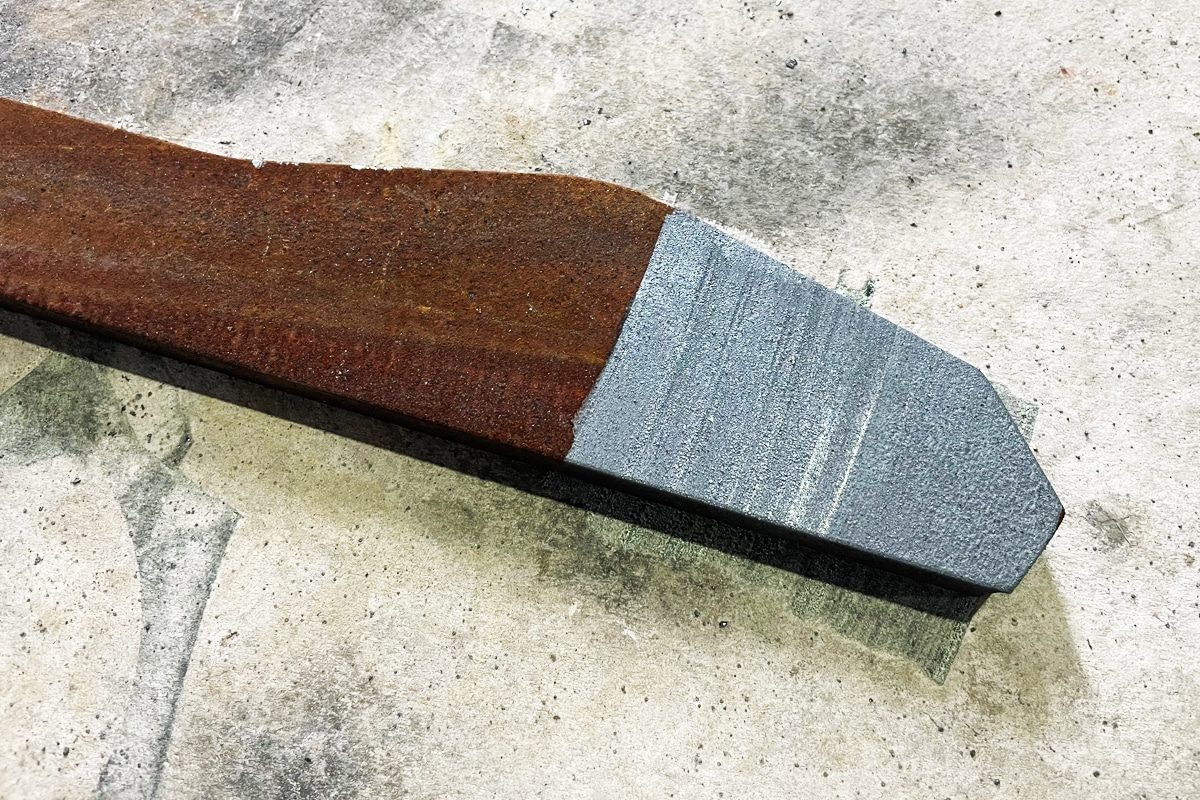
What Are the Common Problems With Laser Cleaning Machines
Laser cleaning machines have gained rapid popularity across industries for their precision, efficiency, and eco-friendly performance. From removing rust and paint to cleaning molds and preparing surfaces, they promise a cleaner, faster, and safer alternative to traditional methods like sandblasting or chemical cleaning. However, like any advanced technology, laser cleaning is not without its challenges.
Despite the impressive advantages, users often encounter practical issues that can affect performance, maintenance, and long-term reliability. These problems range from inconsistent cleaning results and high initial costs to equipment calibration errors, safety concerns, and limited compatibility with certain materials. In some cases, users also struggle with the learning curve associated with laser operation and system settings, which can lead to inefficiency or even damage to the material being cleaned.
Understanding these common problems is crucial for anyone considering investing in laser cleaning technology. It helps users set realistic expectations, make informed purchasing decisions, and implement proper maintenance and safety practices. In this article, we’ll explore the most frequent issues faced by operators of laser cleaning machines, explain their root causes, and provide practical insights on how to prevent or minimize them for better, more consistent performance.
Table of Contents
Power Instability and Laser Output Fluctuations
One of the most common issues users encounter with laser cleaning machines is power instability and laser output fluctuations. This problem occurs when the laser beam’s energy output is inconsistent—either dropping below or surging above the intended power level. Because laser cleaning depends on controlled, repeatable energy delivery to remove contaminants without damaging the base material, even slight fluctuations can have a noticeable impact on cleaning performance and safety.
Why Laser Output Fluctuates
Several factors can cause laser output instability. The most frequent culprit is thermal drift, which happens when internal components like laser diodes or optical fibers heat up during prolonged operation, altering beam intensity. Power supply fluctuations or unstable electrical input can also disrupt the consistency of the laser. Over time, optical component degradation, such as dirty lenses, misaligned mirrors, or worn-out fiber connectors, can reduce beam stability. Additionally, environmental factors like high humidity, dust, or sudden temperature changes may interfere with the laser’s internal cooling or optics, further amplifying the problem.
How It Affects Cleaning
When the laser output fluctuates, cleaning results become unpredictable. Too much power can cause surface damage, such as micro-cracks, discoloration, or substrate melting—especially on delicate materials. Too little power, on the other hand, leads to incomplete cleaning, leaving behind oxidation, paint, or contaminants that should have been removed. In industrial environments, inconsistent cleaning quality can disrupt production lines, increase rework, and shorten the equipment’s lifespan due to overcompensation or repeated passes.
How to Prevent It
Preventing power instability begins with routine maintenance and environmental control. Regularly inspect and clean optical components to remove dust or residue that can scatter or absorb laser energy. Ensure the power supply is stable by using voltage regulators or uninterruptible power supplies (UPS) to prevent surges or dips. Maintain adequate cooling—either through built-in systems or external chillers—to keep the laser source and optics at optimal operating temperatures. Calibrate the laser periodically according to manufacturer specifications, and operate it within recommended duty cycles to avoid thermal stress.
Ultimately, consistent laser output is essential for achieving precise, repeatable cleaning results. By addressing the causes of power instability through proper maintenance, stable electrical infrastructure, and environmental control, users can ensure their laser cleaning machines deliver peak performance and longevity.
Overheating and Cooling System Failures
Another critical issue that frequently affects laser cleaning machines is overheating and cooling system failure. Laser cleaning systems generate a significant amount of heat during operation, particularly when used for extended periods or at high power levels. If the internal temperature isn’t properly managed, the laser source, optics, and electronic components can degrade or fail prematurely. Maintaining an effective cooling system is essential not only for stable performance but also for protecting the machine’s overall lifespan and ensuring operator safety.
Symptoms of Overheating
Overheating often reveals itself through noticeable drops in cleaning efficiency or inconsistent beam quality. Users might observe a gradual reduction in laser output power, unstable cleaning patterns, or unexpected system shutdowns triggered by built-in thermal protection. Other warning signs include error messages on the control panel, excessive fan noise, or the cooling system running continuously without stabilizing the temperature. In severe cases, the machine may emit a burnt smell or display discoloration on internal components due to heat stress.
Causes of Cooling Problems
Cooling system issues can arise from various sources. The most common include blocked or dirty air filters, which restrict airflow and cause heat buildup. In water-cooled systems, insufficient coolant levels, leaks, or contaminated cooling fluid can drastically reduce cooling efficiency. Faulty pumps, clogged hoses, or malfunctioning temperature sensors can also prevent proper heat dissipation. Additionally, poor ventilation around the laser machine or operation in a hot, dusty, or humid environment can overwhelm the cooling system, accelerating internal wear and thermal fatigue.
Long-Term Risks
Ignoring overheating issues can lead to serious and costly consequences. Continuous exposure to excessive heat can damage laser diodes, optical fibers, and electronic boards, leading to performance degradation or total failure. Thermal stress may cause misalignment in optical components, resulting in reduced beam precision and cleaning consistency. Over time, repeated overheating cycles can shorten the lifespan of the laser source, increase downtime, and drive up maintenance and replacement costs. In extreme cases, uncontrolled overheating can even pose fire or safety hazards.
Prevention Strategies
Preventing overheating begins with regular inspection and proactive maintenance. Clean air filters and fans frequently to ensure proper airflow, and monitor coolant quality and levels in liquid-cooled systems. Replace coolant according to the manufacturer’s recommended schedule to prevent buildup or contamination. Keep the machine in a temperature-controlled, well-ventilated environment, away from dust and heat sources. Ensure the cooling system sensors, pumps, and thermostats are calibrated and functioning properly. Operators should also follow duty-cycle guidelines, allowing the system to cool between long cleaning sessions.
Overheating and cooling system failures are preventable but potentially destructive issues. By maintaining a clean, efficient cooling system and monitoring for early warning signs, users can preserve their laser machine’s performance, extend its operational life, and ensure reliable, safe cleaning results.
Fiber Cable Wear, Bending Damage, and Internal Breaks
The fiber optic cable is one of the most vital yet vulnerable components of laser cleaning machines. It serves as the conduit through which laser energy travels from the power source to the cleaning head. Because it’s constantly exposed to movement, bending, and environmental stress, fiber cables are prone to wear and damage over time. When fiber integrity is compromised, it directly affects the machine’s performance, safety, and reliability. Proper handling and maintenance of the fiber cable are essential for ensuring consistent laser delivery and preventing costly repairs or downtime.
Common Fiber Cable Problems
The most frequent issues include bending damage, internal fiber fractures, and outer sheath wear. Excessive twisting or sharp bending can cause micro-cracks inside the optical fiber, disrupting laser transmission. Over time, mechanical stress and abrasion from dragging or improper coiling can wear down the protective jacket, exposing internal fibers to moisture, dust, and impact. In severe cases, the fiber cable may experience complete signal loss, rendering the laser head inoperative.
Causes of Fiber Cable Failure
Several factors contribute to fiber cable degradation. The leading cause is improper handling—for example, bending the cable beyond its minimum bend radius or allowing it to kink during operation or storage. Frequent movement or vibration in industrial settings can also strain the internal fibers. Environmental exposure, such as contact with oil, dirt, or high humidity, accelerates material fatigue. Additionally, poor cable routing or insufficient strain relief can lead to uneven stress distribution, eventually resulting in internal breaks. Even small impacts or repeated coiling and uncoiling can gradually weaken the fiber core.
Symptoms of Fiber Cable Damage
When the fiber cable begins to fail, users may notice reduced laser power, uneven beam distribution, or inconsistent cleaning quality. The cleaning head might produce visible hot spots or fail to remove contaminants effectively. Some systems may trigger error warnings or automatic power reduction if internal sensors detect irregular signal transmission. In advanced stages of damage, the laser output may flicker, cut out intermittently, or stop completely. Physically, the cable may feel unusually warm during operation or display visible wear, such as cracks, cuts, or deformed areas.
How to Avoid Cable Damage
To prevent fiber cable wear and internal breaks, operators should follow strict handling and storage protocols. Always maintain the manufacturer’s recommended minimum bend radius and avoid sharp turns or twisting motions. Use cable management supports to keep the fiber properly routed and secured during operation. When not in use, coil the cable loosely and store it in a clean, dry, and temperature-stable environment. Regularly inspect the cable for signs of wear or deformation and clean the connectors carefully to avoid contamination. Implementing strain relief systems on moving parts of the machine can also reduce mechanical stress.
The health of the fiber cable directly determines the efficiency, stability, and lifespan of laser cleaning machines. By recognizing early signs of wear, handling the cable with care, and maintaining optimal storage and routing conditions, users can prevent costly failures and ensure consistent, high-quality cleaning performance.
Poor Cleaning Results or Inefficient Cleaning Speed
Even though laser cleaning machines are designed to deliver precise and efficient surface treatment, poor cleaning results or slow cleaning performance are among the most frequent complaints from users. When the system fails to remove contaminants effectively or operates more slowly than expected, it not only reduces productivity but can also damage confidence in the technology. These problems often stem from a combination of improper settings, contamination in the optical path, or operational errors rather than the laser itself being defective. Understanding these root causes is essential to restoring consistent cleaning quality and efficiency.
Root Causes
Inefficient or inconsistent cleaning performance can be traced back to three main areas: laser configuration, optical integrity, and operator technique. The laser may not be delivering energy effectively to the target surface due to misalignment or output issues. In other cases, the problem lies in the surface condition—such as heavy oxidation, layered coatings, or uneven contamination—that requires different laser parameters or multiple passes. Environmental factors like dust, humidity, or poor surface preparation can further reduce cleaning efficiency.
Parameter Misconfiguration
Laser cleaning depends heavily on precise parameter settings—especially power level, pulse frequency, scanning speed, and focal distance. If the power is too low, contaminants may not vaporize fully, leading to incomplete cleaning. Conversely, excessive power or slow scanning speed can overheat the surface, causing discoloration or micro-abrasion. An incorrect focal length can also reduce the laser’s energy density, making cleaning appear weak or patchy. In many cases, users simply rely on default factory settings instead of adjusting parameters to match the specific material or contamination type, resulting in suboptimal outcomes.
Optical Contamination
Dirty or misaligned optics are another common cause of poor cleaning performance. Dust, residue, or oil buildup on the protective lens, mirrors, or fiber connectors can scatter or absorb laser energy before it reaches the target. Even a thin layer of contamination can drastically reduce beam efficiency and distort the laser spot. Over time, this not only degrades cleaning quality but can also damage optical components due to localized heating. Regular inspection and careful cleaning of all optical surfaces are vital to maintaining stable output and consistent performance.
Improper Operation
Operator error is often an overlooked factor in cleaning inefficiency. Inconsistent hand movement, incorrect working distance, or neglecting to follow a proper cleaning pattern can all reduce effectiveness. For handheld systems, moving the laser head too quickly can result in uneven cleaning, while lingering too long in one area can cause surface burns. In automated systems, improper calibration or incorrect scanning path setup can lead to missed spots or overlapping passes that waste time and energy.
Solutions
To achieve optimal cleaning performance, users should begin by verifying laser calibration and confirming that optical components are clean and properly aligned. Adjust key parameters such as power, frequency, and scan speed according to the material and contaminant type—testing small samples when possible. Operators should be properly trained in handling both handheld and automated systems to ensure consistent cleaning patterns and correct focal distance. Establishing a routine maintenance schedule for optics, fiber cables, and cooling systems can also prevent recurring performance issues.
Poor cleaning results or slow cleaning speed rarely stem from a single fault. They are usually the result of parameter misconfiguration, dirty optics, or inconsistent operation. By combining correct laser setup, regular maintenance, and skilled handling, users can dramatically improve cleaning efficiency and achieve the high precision that laser cleaning is known for.
Galvanometer Vibrations, Scan Distortion, and Calibration Problems
The galvanometer (galvo) scanning system is the heart of laser cleaning machines’ precision. It’s responsible for directing the laser beam across the target surface using rapidly moving mirrors, translating digital control signals into physical beam movement. When functioning correctly, the galvo ensures accurate scanning paths, consistent energy distribution, and smooth cleaning coverage. However, when vibrations, distortions, or calibration errors occur, the entire cleaning process suffers—leading to uneven results, surface damage, or reduced cleaning speed. Understanding and managing these issues is crucial for maintaining both accuracy and efficiency.
Typical Galvo Problems
Common galvanometer issues include vibrations, scan pattern distortion, drift, and calibration loss. Vibrations often cause the laser beam to wobble or jitter, resulting in uneven energy delivery. Scan distortion occurs when the beam path deviates from the intended shape—straight lines appear warped, or cleaning passes overlap irregularly. Over time, mirror misalignment or servo motor wear can also lead to unstable beam positioning. Another frequent issue is calibration drift, where the laser’s digital control signals no longer correspond perfectly to the galvo’s mirror angles, causing positional inaccuracies.
Causes
Galvanometer problems can arise from mechanical, electrical, or environmental factors. Continuous high-speed operation generates mechanical stress and heat, which may loosen components or alter mirror alignment. Excessive vibration from the workbench, nearby equipment, or even the laser’s cooling fans can interfere with galvo stability. Electrical noise, unstable power supply, or faulty control boards may disrupt the galvo drivers’ feedback loop, leading to erratic mirror movements. Environmental issues such as dust infiltration or temperature fluctuations can also degrade galvo sensors or bearings, further reducing precision. Improper installation or lack of periodic calibration amplifies these effects over time.
How It Affects Surfaces
When the galvanometer is unstable or miscalibrated, the consequences are immediately visible on the cleaned surface. The laser beam may overlap inconsistently, leaving behind uncleaned streaks or scorch marks. Inaccurate scanning can cause overexposure in some areas and underexposure in others, producing an uneven finish. Fine details, such as engraving or delicate surface preparation, become distorted due to erratic beam positioning. In extreme cases, severe galvo vibration can result in localized overheating, causing micro-pitting, discoloration, or even damage to the substrate. The overall quality and repeatability of cleaning are compromised, especially in precision-demanding applications like aerospace, electronics, or mold maintenance.
Preventing Galvo Problems
Preventing galvanometer issues starts with proper installation and regular calibration. The galvo system should be mounted on a stable, vibration-free platform, isolated from heavy machinery or external movement. Routine calibration ensures the digital control coordinates align precisely with mirror angles, maintaining accurate scanning geometry. Environmental control is equally important—keep the operating area clean and maintain consistent temperature and humidity levels to protect sensitive optical components. Regularly inspect and clean the galvo mirrors to remove dust or residues that can unbalance movement. Use stable power sources with surge protection to prevent electrical interference, and monitor the galvo for unusual noise, heat, or response delays that might signal early mechanical wear.
Galvanometer vibrations, scan distortion, and calibration problems are subtle yet highly impactful issues that can undermine the precision and consistency of laser cleaning. By maintaining a stable operating environment, performing scheduled calibration, and addressing early warning signs, users can preserve scanning accuracy, achieve cleaner surfaces, and extend the operational life of their laser cleaning systems.
Smoke Pollution and Fume Extraction Problems
One of the often-overlooked issues in laser cleaning operations is smoke pollution and fume extraction problems. During cleaning, the laser beam vaporizes or ablates contaminants such as paint, rust, grease, or oxides from the surface. This process generates a mixture of smoke, fine dust particles, and chemical fumes, which can be harmful if not properly managed. A reliable fume extraction system is crucial not only for maintaining a clean workspace but also for protecting operators, preserving optical components, and ensuring consistent cleaning quality. When fume control systems fail or underperform, the entire cleaning process—and even the machine itself—can suffer.
Common Fume Problems
The most common fume-related issues include poor smoke capture, clogged filters, and airflow imbalance in the extraction system. When the exhaust hood or nozzle fails to capture fumes effectively, smoke can linger near the cleaning area, reducing visibility and contaminating the optics. Over time, airborne particles settle on critical components like lenses, mirrors, and sensors, causing beam distortion or overheating. In severe cases, toxic gases or micro-particles may escape into the workspace, creating a health hazard for operators. Systems that lack proper filtration or use worn-out filters can also release unpleasant odors and residue, contributing to workplace contamination.
Causes
Fume extraction problems usually arise from inadequate system design, poor maintenance, or improper operation. A common mistake is using an extraction unit that doesn’t match the power or cleaning area of the laser system. If the extraction nozzle is positioned too far from the cleaning zone, the airflow becomes ineffective, allowing smoke to spread. Clogged HEPA or activated carbon filters drastically reduce suction power, leading to weak or uneven air circulation. Additionally, bent or obstructed ductwork, air leaks, or malfunctioning fans can cause pressure loss and reduce extraction efficiency. Environmental conditions—like operating in confined or poorly ventilated spaces—can further trap fumes and increase their concentration.
Solutions
Effective fume management starts with proper system configuration and regular maintenance. Ensure the extraction unit is appropriately rated for the laser’s power and cleaning area. The suction nozzle should be positioned close to the laser focus point without obstructing the beam path, capturing fumes immediately as they are generated. Operators should inspect and replace filters regularly, following the manufacturer’s maintenance schedule, and check for signs of reduced airflow or odor buildup—indicators that the filters are saturated. Keep ducts clean, straight, and free of obstructions to maintain optimal airflow, and periodically test the fan’s performance. In enclosed environments, consider using supplementary air purification systems or localized exhaust ventilation to maintain air quality. Proper training also matters—operators should understand how to adjust the fume extractor’s position and power settings for different materials and cleaning tasks.
Smoke and fume extraction problems can quietly undermine both performance and safety in laser cleaning operations. Poor ventilation leads to optical contamination, inconsistent cleaning, and potential health risks. By investing in a well-designed fume extraction system, maintaining it diligently, and ensuring proper usage, operators can minimize pollution, protect their equipment, and create a cleaner, safer, and more efficient working environment.
Software Errors, Firmware Issues, and Parameter Corruption
While laser cleaning machines are known for their mechanical precision and technological sophistication, many operational failures originate not from hardware but from software errors, firmware glitches, and parameter corruption. Modern laser systems rely heavily on digital control platforms to manage laser output, galvo movement, power settings, and safety interlocks. When the software or firmware controlling these systems malfunctions, the entire operation can become unstable. Even small coding or configuration errors can cause cleaning inconsistencies, system crashes, or—in severe cases—complete loss of control. Understanding the root causes of these digital issues is essential for ensuring consistent, predictable performance.
Common Problems
Typical software and firmware issues include system freezes, communication errors, corrupted configuration files, and erratic parameter behavior. Users may experience unexpected shutdowns, unresponsive control panels, or cleaning patterns that do not match programmed settings. Parameter corruption—often caused by incomplete data saves or power interruptions—can result in the laser operating at incorrect power levels, frequencies, or scanning speeds. Firmware mismatches between components (such as between the galvo controller and the laser source) may cause synchronization delays, distorted scanning patterns, or nonfunctional safety interlocks. Additionally, compatibility problems between software versions or after updates can disrupt normal machine operation, making diagnostics and recalibration necessary.
Causes
Several underlying factors contribute to software and firmware instability. Power fluctuations or sudden shutdowns can interrupt system writes, leading to data corruption or incomplete parameter storage. Outdated or incompatible firmware is another frequent cause, especially when upgrades are performed incorrectly or skipped altogether. Viruses or file corruption from unsafe USB drives can also compromise control programs. In some cases, operator error—such as changing advanced settings without proper knowledge—can alter key parameters, causing erratic behavior. Network connectivity issues, insufficient memory, or poor grounding can further exacerbate communication errors between system modules. Over time, minor configuration mismatches or unlogged changes accumulate, leading to unpredictable system responses.
Prevention
Preventing software and firmware issues requires a combination of good digital hygiene, system maintenance, and disciplined configuration control. Always perform firmware updates using official files and tools provided by the manufacturer, and verify compatibility between all system components before installation. Maintain a stable and clean power supply using surge protectors or uninterruptible power systems (UPS) to prevent data corruption during power loss. Implement a regular backup routine for all machine parameters and configuration files, ensuring that known-good settings can be restored in case of failure. Restrict access to critical system settings, allowing only trained personnel to modify operational parameters. Keep the control software and drivers up to date, and perform periodic system diagnostics to detect early anomalies in communication or performance.
Finally, maintaining proper documentation and version control for firmware and configuration files can significantly reduce troubleshooting time. In summary, software errors, firmware issues, and parameter corruption are preventable but often overlooked causes of instability in laser cleaning machines. By following structured maintenance practices, keeping systems updated, and safeguarding data integrity, operators can ensure smoother performance, faster recovery from faults, and longer machine lifespan.
Material Compatibility Issues
One of the most misunderstood challenges in laser cleaning is material compatibility—the fact that not all surfaces respond equally well to laser ablation. Although laser cleaning is widely praised for being precise, contactless, and chemical-free, its effectiveness depends heavily on the material type, surface condition, and contaminant composition. Using inappropriate laser settings on incompatible materials can lead to poor cleaning results or even irreversible surface damage. Understanding how different materials interact with laser energy is critical to achieving consistent, high-quality outcomes.
Problems with Certain Materials
Laser cleaning performs exceptionally well on metals such as steel, aluminum, copper, and titanium, where contaminants can be vaporized without affecting the substrate. However, problems often arise when working with delicate, heat-sensitive, or composite materials. For instance, plastics, polymers, painted surfaces, and thin coatings can deform, melt, or discolor under excessive laser power. Reflective metals, such as polished aluminum or brass, can cause back-reflection that destabilizes the laser system or damages optical components. Similarly, porous or uneven surfaces (like cast iron, sandstone, or oxidized alloys) may absorb laser energy unevenly, leading to patchy cleaning or pitting. In layered materials—such as anodized aluminum or coated composites—the laser can unintentionally strip or etch protective layers along with the contamination. These issues can compromise not only aesthetics but also functional integrity, particularly in precision industries like aerospace or electronics.
Why Materials React Differently
The main reason materials react differently to laser cleaning lies in their optical, thermal, and physical properties. Each material has a unique absorption rate—the percentage of laser energy it absorbs versus reflects—depending on its surface roughness, color, and finish. Metals with high reflectivity, for example, reflect much of the laser’s energy, making cleaning less efficient unless specific wavelengths or pulse durations are used. Conversely, darker or oxidized surfaces absorb more energy and heat up faster, increasing the risk of surface melting or distortion. Thermal conductivity also plays a role: materials that conduct heat poorly (like plastics or ceramics) can overheat quickly, while those that dissipate heat efficiently (like copper or aluminum) require higher energy to achieve the same cleaning effect. Furthermore, the bond strength between the contaminant and substrate determines how easily the unwanted layer can be removed—some coatings or oxides require higher pulse energies that may exceed the material’s damage threshold.
Solutions
To address material compatibility problems, operators must customize laser parameters to each specific substrate. Adjusting variables such as laser power, pulse frequency, scanning speed, and focal distance allows fine-tuning of the cleaning intensity to match the material’s characteristics. Conducting test runs on sample sections before full-scale cleaning helps determine optimal settings without risking damage. Using shorter pulse durations (such as nanosecond or picosecond lasers) can minimize heat transfer and reduce the likelihood of melting or discoloration on sensitive materials. For reflective metals, anti-reflection coatings, beam attenuators, or specific laser wavelengths (like fiber lasers with 1064 nm output) can enhance efficiency and safety. Additionally, operators should maintain proper beam alignment and focus to ensure uniform energy distribution across the surface. In cases where laser cleaning proves unsuitable, hybrid methods—such as combining low-power laser cleaning with mild mechanical or chemical cleaning—can provide a safer alternative.
Material compatibility remains a key factor in the success of laser cleaning. Different substrates absorb and respond to laser energy in unique ways, influencing both cleaning efficiency and surface quality. By understanding these material-specific behaviors and adapting laser parameters accordingly, users can avoid surface damage, extend equipment lifespan, and achieve cleaner, more precise results across a wider range of applications.
Incorrect Parameter Selection and Inexperienced Operators
Even the most advanced laser cleaning machines depend heavily on one crucial factor: the skill and knowledge of the operator. Incorrect parameter selection and lack of operator experience are among the most common causes of poor cleaning performance, surface damage, and equipment wear. While laser cleaning technology is marketed as user-friendly, it still requires a clear understanding of how laser parameters interact with different materials. When operators fail to adjust these parameters correctly—or misunderstand how to apply the machine safely and efficiently—the results can range from inconsistent cleaning to irreversible material damage.
Frequent Operator Errors
Inexperienced operators often make mistakes in setting key parameters such as laser power, pulse frequency, scanning speed, and focal distance. For example, using excessive power or too slow a scanning speed can overheat the material, causing burns, warping, or micro-cracks. Conversely, too little power or overly fast scanning leads to incomplete cleaning, leaving rust, paint, or residue behind. Another frequent error is maintaining an incorrect focal position, which reduces energy concentration on the surface and results in uneven cleaning patterns. Some operators also neglect to adjust parameters when switching between materials—treating all surfaces the same, despite their differing optical and thermal properties. Improper cleaning patterns, inconsistent hand movements, or incorrect laser angles are other common mistakes that reduce efficiency and quality.
Additionally, a lack of awareness about maintenance routines can worsen the issue. Operators who fail to clean protective lenses, check the galvo system, or monitor fume extraction can unknowingly degrade performance over time. Misinterpreting visual cues—such as smoke color or surface reflectivity—can also cause over-cleaning or under-cleaning, further compromising results.
Why Operator Training Is Essential
Proper training is not just about learning to operate the machine—it’s about understanding laser-material interaction, safety protocols, and system calibration. Laser cleaning relies on precise control of high-energy pulses, and small adjustments can make a significant difference. Trained operators can recognize subtle signs of improper cleaning, such as discoloration, texture change, or incomplete ablation, and adjust parameters accordingly. They also understand the importance of beam focus, distance control, and cleaning sequence planning to ensure consistent results across different materials and contamination types.
Beyond performance, training is critical for safety. A lack of knowledge about proper protective equipment, safe laser zones, and reflective hazards can lead to serious injuries or equipment damage. Well-trained operators not only achieve better results but also help maintain machine longevity by avoiding operational stress and unnecessary wear. In industries like aerospace, automotive, or restoration—where surface integrity is vital—trained personnel are indispensable for maintaining quality standards.
Solutions
The most effective way to minimize operator-related problems is through comprehensive training and clear parameter documentation. Manufacturers and supervisors should ensure all users undergo structured training programs that cover both theoretical principles and hands-on practice. Operators should be provided with reference charts or parameter libraries that specify recommended settings for common materials and contaminants, reducing trial-and-error adjustments. Implementing standard operating procedures (SOPs) ensures consistency between shifts and across teams.
Regular refresher courses and performance evaluations help operators stay up to date with software updates, new materials, and advanced features. For more complex cleaning tasks, automated parameter optimization systems or AI-assisted control software can help maintain optimal settings, even for less experienced users. Finally, promoting a culture of attention to detail—encouraging operators to inspect surfaces before and after cleaning and to monitor system feedback—can greatly improve results and reduce the risk of costly mistakes.
Incorrect parameter selection and operator inexperience are leading causes of inefficiency and inconsistency in laser cleaning. The precision of the technology is only as good as the person using it. By investing in thorough training, clear process documentation, and smart support systems, users can maximize performance, extend machine lifespan, and ensure safe, high-quality cleaning every time.
Environmental Factors
Laser cleaning machines are highly precise instruments that rely on stable operating conditions to deliver consistent results. However, environmental factors—such as temperature, humidity, dust, and vibration—can significantly influence both cleaning performance and equipment longevity. Unlike traditional cleaning tools, laser systems use sensitive optics, electronics, and control mechanisms that must remain finely calibrated. When environmental conditions fall outside recommended ranges, the machine’s efficiency, accuracy, and safety can all be compromised. Understanding how these external elements affect operation is key to maintaining reliable, high-quality cleaning results.
How the Environment Affects Performance
Temperature plays a critical role in the stability of laser output. Extreme heat can cause thermal drift, leading to fluctuations in laser power and beam quality. Overheating may also stress electronic components, reduce cooling efficiency, and accelerate wear on optical coatings. Conversely, very low temperatures can cause condensation inside the machine, especially when it’s powered on after being idle, which can corrode circuits or cloud optical lenses. Maintaining a consistent ambient temperature—typically between 15℃ and 30℃—is essential for stable performance.
Humidity is another silent but damaging factor. Excess moisture in the air can lead to condensation on lenses and mirrors, distorting the laser beam or even causing short circuits in electrical systems. Over time, humidity accelerates corrosion on metallic components and degrades fiber connectors, leading to power loss or intermittent operation. In contrast, air that is too dry increases the risk of static electricity buildup, which can interfere with control electronics. Proper climate control and the use of dehumidifiers or air conditioners are crucial for regulating humidity levels, particularly in coastal or tropical environments.
Dust and airborne particles are among the most common contaminants in industrial environments and pose a serious risk to optical and mechanical components. Dust accumulation on lenses, galvo mirrors, or protective windows can scatter or absorb laser energy, reducing efficiency and potentially burning the optics. Inside the machine, dust can clog fans, block airflow, and impair cooling systems, leading to overheating. In severe cases, airborne particles can even ignite when exposed to intense laser energy, posing a safety hazard. To mitigate these risks, laser cleaning machines should be operated in clean, well-ventilated spaces with regular air filtration and maintenance checks.
Vibration, whether from nearby heavy machinery, foot traffic, or unstable flooring, can disrupt the delicate alignment of optical and galvanometer systems. Even minor vibrations can cause beam misalignment, scanning errors, or inconsistent cleaning lines, particularly in high-precision applications. Over time, persistent vibration can loosen fasteners, misalign mirrors, and accelerate wear on mechanical parts. Mounting the laser on a stable, vibration-damped platform and isolating it from industrial equipment are effective ways to minimize these effects.
Recommendations
To maintain optimal performance, operators should establish environmental control as part of regular maintenance. Keep the workspace clean, stable, and within the manufacturer’s recommended temperature and humidity range. Use air filtration systems to minimize dust and contaminants, and ensure that cooling systems are functioning efficiently. The laser should be powered on and off gradually in environments with fluctuating temperatures to prevent sudden condensation. Regularly inspect optics, fiber connections, and ventilation paths for signs of environmental damage.
For facilities with heavy machinery or high vibration levels, install anti-vibration mounts or isolation pads beneath the laser unit. Where possible, dedicate a separate, controlled area for laser cleaning operations to shield the system from harsh industrial conditions. Recording environmental data—such as temperature and humidity logs—can also help identify trends and prevent long-term degradation before it leads to system failure.
Temperature fluctuations, humidity, dust, and vibration may seem like external factors, but they can have a profound impact on the precision, safety, and durability of laser cleaning machines. By maintaining a controlled environment and implementing preventive measures, users can ensure consistent cleaning quality, protect sensitive components, and extend the service life of their equipment.
Rust Reappearing After Cleaning (Surface Re-Oxidation)
One of the most frustrating issues users encounter after laser cleaning is rust reappearing shortly after treatment, a problem known as surface re-oxidation. Although laser cleaning effectively removes rust, oxides, and contaminants without chemicals or abrasives, it doesn’t automatically prevent new oxidation from forming. When bare metal is exposed to air—especially in humid or polluted environments—it can begin to corrode again within hours or days. This problem often leads operators to question the effectiveness of laser cleaning, when in fact, the root cause lies in post-cleaning surface management and environmental exposure.
Causes
The primary cause of surface re-oxidation is exposure to oxygen and moisture immediately after cleaning. Laser cleaning removes not only the rust layer but also any protective coatings or passivation films that might have been shielding the metal. This leaves the freshly cleaned surface highly reactive and vulnerable to oxidation. Even small traces of humidity in the air or fingerprints from handling can trigger the corrosion process.
Another contributing factor is incomplete rust removal. If the laser parameters are not optimized—such as insufficient power, incorrect pulse frequency, or too fast a scanning speed—microscopic rust particles or oxide residues may remain embedded in the surface. These residues act as catalysts for renewed corrosion, accelerating rust formation once the material is exposed to air.
Environmental conditions play a major role as well. High humidity, condensation, or temperature fluctuations can accelerate oxidation. In coastal areas, the presence of salt in the air intensifies corrosion, while industrial environments with acidic or polluted air can cause even faster degradation. Additionally, metals that are not properly cooled after cleaning or are left in contact with contaminated surfaces may experience thermal oxidation—a heat-induced reaction between the freshly exposed metal and ambient air.
Prevention
Preventing re-oxidation requires a combination of proper cleaning technique, immediate post-treatment protection, and environmental control. First, ensure that the laser parameters are correctly configured for the specific metal type and rust thickness. Use appropriate power, pulse duration, and scanning speed to completely remove oxides without overheating the surface. Incomplete or uneven cleaning leaves active corrosion sites that quickly spread once exposed to moisture.
Immediately after cleaning, apply a protective coating or surface treatment to prevent oxygen and moisture contact. Common options include anti-rust oils, passivation agents, or clear protective films, depending on the application. For industrial use, some operators apply laser-compatible primers or sealants that provide a long-lasting barrier without interfering with downstream processes like painting or welding. When feasible, store cleaned components in low-humidity or climate-controlled environments until further processing.
Handling practices also matter—operators should wear gloves to prevent fingerprint-induced corrosion and avoid stacking or touching freshly cleaned parts with contaminated tools. For long-term protection, combining laser cleaning with surface conditioning treatments, such as nitriding or anodizing, can enhance corrosion resistance.
If re-oxidation persists, it’s worth examining the environmental conditions around the cleaning area. Installing dehumidifiers, proper ventilation, and air filtration can greatly reduce airborne moisture and corrosive agents. In some cases, integrating a controlled-atmosphere laser cleaning chamber—where cleaning occurs in an inert gas environment such as nitrogen or argon—can nearly eliminate re-oxidation, particularly for high-value or precision components.
Rust reappearing after laser cleaning is not a failure of the technology itself but a result of unprotected, freshly exposed metal reacting with its environment. Laser cleaning efficiently removes corrosion, but without immediate protection and proper environmental control, oxidation will return. By combining correct cleaning parameters with timely post-treatment and careful handling, users can achieve lasting results and preserve the pristine, corrosion-free finish that laser cleaning is designed to deliver.
Safety Problems and Misuse Risks
Laser cleaning machines, while highly efficient and environmentally friendly, are powerful tools that must be used with care. These systems emit intense, concentrated beams of light capable of vaporizing rust, paint, and contaminants from metal surfaces—but that same power can pose serious safety risks if handled improperly. Many laser cleaning-related incidents are not due to equipment failure, but to operator misuse, poor safety awareness, or inadequate protective measures. Understanding common safety problems and implementing preventive strategies is essential for ensuring both operator safety and equipment integrity.
Common Safety Issues
One of the most significant safety concerns is laser exposure to the eyes and skin. Direct or reflected laser beams can cause instant and irreversible eye damage, even from a brief moment of exposure. The risk is particularly high when cleaning reflective surfaces like polished metals, which can scatter or reflect the beam unpredictably. Skin exposure can result in burns or tissue damage, especially with high-power lasers operating in the infrared spectrum (commonly 1064 nm). Operators who underestimate the danger or neglect proper protective equipment often place themselves at risk.
Another frequent problem involves improper use or disabling of safety interlocks and sensors. Many modern laser cleaning systems include built-in safeguards—such as key switches, shutter locks, and motion sensors—that prevent accidental firing. However, inexperienced or careless users sometimes bypass these mechanisms to speed up work or troubleshoot issues, inadvertently creating hazardous conditions.
Fume exposure is another serious concern. When the laser ablates contaminants, it produces fine dust and vaporized particles that may include toxic compounds, especially when cleaning painted or coated surfaces. Without effective fume extraction, these airborne pollutants can pose respiratory risks and contaminate the workspace.
Electrical hazards are also possible. Laser systems rely on high-voltage power supplies and cooling circuits, making improper grounding, damaged cables, or wet environments potential sources of electric shock. Additionally, lack of awareness about thermal hazards—such as hot surfaces on the laser head or workpiece—can lead to accidental burns.
Finally, operator fatigue, poor training, and misuse often contribute to unsafe conditions. Untrained users may point the laser at unintended targets, overlook reflective surfaces, or fail to maintain the proper working distance. Even minor negligence, such as leaving the system powered on unattended, can cause serious accidents or damage nearby materials.
Prevention
The best defense against laser-related accidents is a strict adherence to safety protocols and comprehensive operator training. Every user should complete formal training on laser classification, hazard awareness, and emergency response before operating the system. Operators must always wear appropriate laser safety goggles designed for the specific wavelength of the laser in use. These goggles should meet certified optical density (OD) standards to ensure full protection from direct and reflected exposure.
Work areas should be clearly marked and restricted to authorized personnel only. Installing warning lights, interlocked doors, and visible laser hazard signage helps prevent accidental entry during operation. For handheld systems, maintaining a controlled cleaning zone with proper backdrops or beam stops is essential to prevent reflections.
To control fume and particle exposure, a proper fume extraction system should always be active during cleaning. Filters should be maintained and replaced regularly to ensure optimal air quality. Operators should wear respirators or masks if working in enclosed or poorly ventilated areas.
Electrical and thermal safety measures are equally important. Inspect power cables, connectors, and cooling hoses regularly for signs of wear or damage, and ensure the system is properly grounded. Avoid using the laser near water or in damp environments, and allow the equipment to cool down before handling any heated parts.
Administrative controls, such as routine safety inspections, maintenance schedules, and lockout/tagout procedures, further reduce risk. Manufacturers’ safety instructions and local laser safety standards (such as IEC 60825 or ANSI Z136) should always be followed. Supervisors should encourage a culture of safety awareness where operators report irregularities—such as flickering beams, overheating, or unusual sounds—before continuing operation.
The power and precision that make laser cleaning machines so effective also make them potentially hazardous when misused. Common safety problems—ranging from eye injuries and burns to toxic fume exposure—are entirely preventable with proper training, protective equipment, and adherence to operational guidelines. By fostering disciplined safety practices and respecting the power of laser technology, operators can enjoy the full benefits of laser cleaning while maintaining a safe, efficient, and compliant working environment.
Electrical Problems and Machine Shutdowns
Among the most disruptive issues faced by users of laser cleaning machines are electrical problems and unexpected shutdowns. These machines rely on stable electrical power to operate sensitive components such as laser diodes, control boards, galvanometers, and cooling systems. When electrical issues occur, they can lead not only to downtime and productivity loss but also to damage to expensive components or even safety hazards. Understanding the symptoms, causes, and preventive solutions to these electrical problems is essential for maintaining reliable, uninterrupted operation.
Symptoms
Electrical problems often manifest in several recognizable ways. The most common symptoms include sudden power loss, where the laser shuts down unexpectedly during operation, or failure to start when powered on. Users may also notice fluctuating laser output, intermittent control panel response, or error messages related to voltage instability. Other signs include the cooling system not activating, fans not running, or the machine rebooting repeatedly. In more subtle cases, electrical noise may cause communication errors between system components, leading to erratic beam control or inconsistent cleaning results. Occasionally, the system may trip a circuit breaker or show warning lights indicating grounding or current leakage problems.
Causes
Electrical failures can stem from several sources, ranging from external power issues to internal component faults. One of the most common causes is an unstable power supply. Voltage fluctuations, power surges, or brownouts can disrupt laser performance and damage sensitive electronics. Facilities with heavy machinery or inadequate electrical infrastructure are particularly prone to these problems.
Poor grounding or loose electrical connections are another frequent culprit. Without a stable ground path, electrical noise or static discharge can interfere with control signals or damage circuitry. Damaged or degraded cables, often from bending, heat exposure, or improper handling, can also cause intermittent connectivity or short circuits. In some cases, faulty power distribution boards, fuses, or relays within the machine lead to irregular power delivery or full system failure.
Environmental factors like humidity, dust, and vibration exacerbate electrical issues. Moisture can cause corrosion on connectors, while dust buildup increases the risk of overheating and short circuits. Continuous vibration may loosen electrical terminals over time, leading to arcing or inconsistent power flow. Overloaded circuits—for example, running the laser alongside other high-demand equipment—can cause breakers to trip or the laser to shut down as a protective measure.
Another often-overlooked cause is inadequate maintenance or firmware-related control errors. Sometimes, what appears to be an electrical failure is actually a software fault triggered by voltage irregularities or outdated system firmware misreading current flow.
Solutions
Addressing electrical problems requires a systematic approach that combines preventive measures, regular inspection, and stable infrastructure. The first and most important step is ensuring the machine is connected to a clean, stable power supply. Use voltage stabilizers, surge protectors, or uninterruptible power supplies (UPS) to buffer against fluctuations, surges, and short power interruptions. For facilities with unreliable grid power, installing a dedicated circuit or power conditioner can significantly improve stability.
Regularly inspect power cables, connectors, and terminals for signs of wear, corrosion, or heat damage. Tighten any loose fittings and replace damaged components immediately. The laser’s electrical cabinet should be kept clean, dust-free, and well-ventilated to prevent overheating. Periodically verify that the machine’s grounding system is functioning correctly—improper grounding is one of the leading causes of recurring electrical faults.
Ensure that the cooling system and fans are operating efficiently, as overheating can exacerbate electrical instability. Operators should avoid using the laser in humid or dusty environments without proper environmental controls. For facilities with high vibration levels, mount the laser and electrical components on shock-absorbing supports to prevent connection loosening over time.
On the software side, keep firmware and system software updated to ensure accurate monitoring and control of electrical parameters. Many modern laser cleaning machines feature built-in diagnostic systems—operators should review error logs and sensor data to identify potential electrical irregularities before they lead to shutdowns.
Finally, implement a preventive maintenance schedule that includes electrical inspections, power quality assessments, and safety checks. Partnering with qualified service technicians ensures that internal components—such as fuses, relays, and control boards—are tested and replaced at recommended intervals.
Electrical problems and machine shutdowns are among the most disruptive yet preventable issues in laser cleaning operations. Power instability, poor grounding, environmental stress, and neglected maintenance are often at the root of these failures. By ensuring stable power delivery, maintaining electrical integrity, and following disciplined maintenance practices, operators can prevent costly downtime, safeguard sensitive components, and extend the operational lifespan of their laser cleaning machines.
High Maintenance Costs When Neglected
Laser cleaning machines are built for durability and precision, but like any advanced technology, they require regular maintenance to stay reliable and efficient. When routine care is ignored, the result is often unexpected breakdowns, costly repairs, and reduced machine lifespan. Neglect doesn’t just impact performance—it compounds over time, turning small, easily preventable issues into major technical failures. The high cost of restoring or replacing critical components can quickly outweigh the savings from skipping scheduled maintenance. Understanding the consequences of neglect and adopting a disciplined preventive maintenance strategy is key to keeping long-term costs under control.
Neglect Consequences
The most immediate consequence of neglect is performance degradation. When lenses, mirrors, or protective glass aren’t cleaned regularly, dust and debris accumulate on the optics, reducing laser efficiency and causing inconsistent cleaning results. Over time, this contamination can lead to lens burnouts or optical coating damage, which are among the most expensive components to replace. Similarly, ignoring the cooling system can cause overheating, leading to thermal stress on laser diodes, fiber connectors, and electronic control boards.
Electrical systems also suffer from neglect. Loose or corroded connections, uninspected cables, and dust-covered control units can trigger power instability, short circuits, or random shutdowns. What might start as a small voltage irregularity can escalate into a full system failure, requiring professional repair and replacement parts. In addition, mechanical components such as galvanometer mirrors, fans, and moving assemblies wear out faster when dust or vibration is not controlled, resulting in calibration drift, misalignment, and precision loss.
Neglecting software updates and diagnostics contributes to parameter corruption, firmware mismatches, or unresponsive interfaces, which can shut down operations entirely. Even simple oversights—like failing to replace filters in the fume extraction system—can reduce air quality, contaminate optics, and increase operator health risks. Each of these problems adds up to longer downtime, higher repair costs, and reduced productivity. In some cases, neglected systems can deteriorate to the point where repairs exceed 30–50% of the machine’s original value, forcing premature replacement.
Preventive Maintenance Strategy
A well-structured preventive maintenance program is the most effective way to avoid high repair costs and ensure stable machine performance. Preventive maintenance isn’t about reacting to problems—it’s about identifying and eliminating risks before they cause damage. The foundation of a strong maintenance plan includes scheduled inspections, regular cleaning, and environmental control.
Operators should establish a routine for optics inspection and cleaning, using proper, non-abrasive materials to remove dust or residue from lenses and mirrors. Checking fiber connectors, power cables, and electrical terminals regularly helps detect early signs of corrosion, heat damage, or loose fittings. Cooling systems—whether air- or water-based—must be flushed, refilled, or serviced periodically to prevent blockages or pump failures. Monitoring coolant quality and temperature ensures consistent laser output and prevents overheating.
A good preventive maintenance strategy also includes firmware and software updates, ensuring all control systems operate efficiently and securely. Scheduled calibration checks for the galvanometer and laser parameters help maintain cleaning precision and avoid beam misalignment. Keeping the machine in a clean, vibration-free, temperature-controlled environment further extends its service life.
Equally important is operator training. Even the most advanced maintenance plan can fail if the users don’t understand how to detect and report early warning signs—such as power fluctuations, abnormal noises, or inconsistent cleaning results. Maintaining detailed service logs and following manufacturer-recommended intervals for part replacements ensures accountability and consistency.
For industrial users, partnering with certified service providers or adopting a maintenance contract can significantly reduce unexpected expenses. Professional technicians can perform deep diagnostics, replace aging parts before failure, and keep the system compliant with warranty conditions.
Neglecting maintenance may seem like a short-term cost-saving measure, but it almost always leads to greater financial losses in the long run. Dirty optics, overheated components, and neglected calibration gradually erode performance and reliability, resulting in expensive downtime and repairs. By adopting a proactive preventive maintenance strategy—supported by trained operators, routine inspections, and proper environmental care—users can ensure their laser cleaning machines operate at peak efficiency, minimize long-term costs, and maintain productivity for years to come.
Short Lifespan in Low-Quality or Counterfeit Machines
As laser cleaning technology becomes more widely known, the market has seen an influx of low-cost and counterfeit laser cleaning machines, often promoted as affordable alternatives to well-known brands. While these cheaper systems may appear attractive at first glance, their short operational lifespan and unreliable performance often lead to frustration and financial loss. Many of these machines are manufactured with substandard components, poorly designed cooling and optics systems, and inadequate safety or quality control standards. What starts as a cost-saving decision often turns into an expensive lesson in the importance of quality and certification.
Low-quality or counterfeit machines typically suffer from premature component failure. The laser source—often the most expensive part of the system—is where problems appear first. Inferior diodes or unstable fiber sources degrade quickly, resulting in inconsistent output power, unstable beam quality, or complete laser failure after only a few hundred hours of use. The optical path in such machines is frequently built with cheaply coated lenses and mirrors that cannot withstand prolonged exposure to high-energy beams. This leads to rapid lens burning, alignment drift, or beam scattering that severely reduces cleaning precision and consistency.
The cooling systems in counterfeit machines are another common weak point. Substandard pumps, undersized radiators, or poor fluid circulation can cause chronic overheating, damaging both electronic and optical components. Electrical reliability is also a concern—many imitation systems use low-grade wiring, weak insulation, and unstable power supplies, which increase the risk of voltage surges, electrical shorts, or complete system shutdowns. These flaws not only shorten the machine’s life but also pose serious safety hazards, including electrical fires and laser exposure risks.
Another major problem lies in inaccurate galvanometer systems. Cheap scanners or uncalibrated mirror assemblies cannot maintain consistent beam positioning, resulting in distorted cleaning patterns and uneven ablation. Over time, vibration and wear exacerbate the issue, causing the laser beam to drift or jitter uncontrollably. Moreover, many counterfeit systems are sold with pirated or unstable software, which lacks proper updates, technical support, and safety interlocks—making them both unreliable and dangerous to operate.
Even worse, after-sales service and technical support are typically nonexistent. Many low-cost manufacturers disappear after selling their products, leaving users without replacement parts, calibration tools, or guidance. When problems arise—such as lens failures, firmware corruption, or cooling leaks—repairs can become impossible or more expensive than the machine itself. This lack of support leads to high downtime, reduced productivity, and ultimately the need to replace the machine far sooner than expected.
The lifespan of a counterfeit or low-quality laser cleaning machine can be as short as a few months to a year, compared to five to ten years for a certified industrial-grade system. The total cost of ownership becomes much higher when frequent repairs, part replacements, and lost production time are factored in. Additionally, poor system stability and inconsistent results can damage valuable workpieces, eroding customer trust and production reliability.
How to Avoid Short-Lifespan Machines
The best way to avoid the pitfalls of low-quality laser cleaning machines is through careful research and supplier verification. Always purchase equipment from reputable manufacturers or certified distributors who provide clear documentation, such as CE, ISO, or FDA certifications, along with verifiable serial numbers. Check the technical specifications closely—an unusually low price for a machine with high listed power output is often a red flag.
Users should also consider service availability, spare part access, and warranty terms when making purchasing decisions. A genuine manufacturer will offer detailed training, ongoing software updates, and responsive technical support. Before investing, request a live demonstration or sample cleaning test to evaluate the system’s beam stability, cleaning consistency, and safety features.
Furthermore, maintaining proper operation and regular preventive maintenance—such as cleaning optics, ensuring correct cooling, and updating firmware—will maximize the lifespan of any legitimate laser cleaning machine. Investing in a high-quality system from a reputable brand might seem more expensive initially, but it ensures long-term reliability, consistent cleaning performance, and lower lifetime costs.
The short lifespan of low-quality or counterfeit laser cleaning machines is primarily due to poor construction, inferior components, and a lack of support. These systems often fail to meet industrial standards, resulting in performance instability, safety risks, and rapid wear. By choosing certified, well-supported machines from trusted manufacturers, users can protect their investment, maintain consistent cleaning quality, and ensure years of dependable service from their laser cleaning equipment.
Industrial Application Problems
While laser cleaning technology is rapidly transforming surface preparation and maintenance across industries, it is not without its practical limitations and challenges. In real-world industrial settings, laser cleaning machines often face application-specific problems that affect efficiency, consistency, and cost-effectiveness. Factors such as material composition, surface geometry, coating thickness, and production speed vary greatly across sectors, and each introduces its own set of technical hurdles.
Automotive Industry
In the automotive sector, laser cleaning is used for weld preparation, paint removal, rust elimination, and surface treatment before bonding or coating. However, the main challenge lies in balancing cleaning precision with production speed. Automotive manufacturing lines demand fast cycle times, but if the laser’s parameters are not optimized for each component, cleaning can become inefficient or incomplete.
Highly reflective or coated materials—such as aluminum panels, galvanized steel, or composite parts—present additional difficulties. Reflections from polished surfaces can reduce laser efficiency or even damage optics if not properly managed. Furthermore, uneven or curved surfaces (like car bodies or engine components) can cause inconsistent beam focus, leading to patchy cleaning or incomplete coating removal.
Another issue is integration. Many automotive plants rely on robotic systems, and synchronizing laser cleaning equipment with robotic arms requires precise calibration and reliable control software. Any misalignment between the beam path and the robotic trajectory can result in uneven cleaning or component damage. Maintenance also becomes critical in high-throughput environments—dust buildup, optical misalignment, or overheating can cause unexpected downtime, disrupting production schedules.
Aerospace Industry
In aerospace applications, laser cleaning is valued for its non-abrasive precision and ability to remove coatings or oxides without damaging delicate substrates such as titanium or carbon fiber composites. However, the strict quality and safety standards of the aerospace industry mean that even minor deviations in cleaning quality can be unacceptable.
A major challenge is achieving consistent results on complex geometries like turbine blades, wing panels, or composite joints. The intricate shapes and varying surface textures make it difficult to maintain uniform laser focus and energy density across the entire surface. Over-cleaning can weaken protective coatings or alter surface roughness, affecting bonding or aerodynamic performance. Under-cleaning, on the other hand, can leave residues that interfere with subsequent processes like painting or adhesive bonding.
Furthermore, laser calibration and documentation requirements in aerospace are extremely demanding. Every cleaning operation must be traceable and verified, increasing operational complexity. The need for high operator skill and detailed process validation makes implementation more challenging and costly compared to traditional methods.
Mold Cleaning
Laser cleaning is increasingly used in mold maintenance, particularly for rubber, plastic, and glass molds, where precision and surface preservation are essential. However, one of the biggest challenges is thermal management. Prolonged exposure to laser energy can cause localized overheating, leading to micro-cracks, surface discoloration, or dimensional distortion of the mold.
Molds with intricate cavities or fine textures can be difficult to clean uniformly because laser beams may not reach recessed or shadowed areas. Optical reflection within cavities can also lead to uneven cleaning or unwanted surface modification. Additionally, mold cleaning often involves removing stubborn residues such as carbon buildup, oils, or release agents, which vary greatly in composition. This inconsistency requires frequent parameter adjustment—something that inexperienced operators may struggle with.
In industrial environments, downtime is costly. If laser cleaning is not properly scheduled or if the process is too slow for production needs, it can interrupt manufacturing cycles and increase costs rather than reduce them.
Shipbuilding and Marine Maintenance
In the shipbuilding and maritime sector, laser cleaning is used for rust removal, coating stripping, and surface preparation on large steel structures. The most significant challenge here is scale and environment. Ships and marine components often require cleaning over vast surface areas, which makes handheld or stationary laser systems time-consuming compared to traditional methods like sandblasting.
Environmental conditions in shipyards—such as humidity, salt air, and vibration—also pose challenges. High humidity can cause immediate re-oxidation after cleaning, while dust and salt deposits can interfere with beam quality and optics. The large-scale metallic structures found in ships reflect laser energy unpredictably, increasing the risk of backscatter that can endanger optics or operators.
Moreover, the power demands for large-area cleaning are substantial. Using high-power lasers can accelerate the process but raises concerns about energy consumption, heat buildup, and safety control. Portable or mobile laser cleaning systems must also be ruggedized to handle outdoor environments, temperature fluctuations, and uneven work surfaces—all of which can affect system stability and beam consistency.
Each industrial sector presents unique challenges for laser cleaning machines. In automotive applications, the main issues involve speed, surface variation, and system integration. In aerospace, the emphasis is on precision, traceability, and surface integrity. For mold cleaning, the challenges center around heat control, access to fine details, and process consistency. In shipbuilding, the problems arise from scale, environmental conditions, and energy efficiency.
In all cases, the key to overcoming these challenges lies in proper parameter optimization, operator training, and machine customization. Tailoring laser wavelength, pulse duration, scanning patterns, and automation controls for each application can significantly improve results. Moreover, integrating real-time monitoring and feedback systems helps maintain consistent performance across diverse materials and environments.
Ultimately, while laser cleaning technology offers enormous advantages across industries—such as precision, sustainability, and reduced consumables—it is not a one-size-fits-all solution. Success depends on understanding each application’s technical demands and adapting the laser system accordingly to achieve safe, efficient, and high-quality cleaning results.
Misconceptions Leading to Problems
Despite its growing popularity and success across multiple industries, laser cleaning technology is often misunderstood. Many users—especially those new to the field—fall victim to common misconceptions that lead to performance issues, equipment damage, or even safety hazards. Laser cleaning is not a “plug-and-play” solution; it is a precision process that requires understanding, calibration, and care. The following are the most frequent misconceptions that cause operational problems, inefficiency, and premature system failure.
Higher Power = Always Better
One of the most widespread misconceptions is that increasing laser power automatically improves cleaning efficiency. In reality, higher power doesn’t always translate to better or faster cleaning—it can easily lead to surface damage, discoloration, or melting, especially on delicate materials. Each surface type—whether metal, composite, or coated—has an optimal energy threshold for effective cleaning. Exceeding that limit can cause micro-cracks, pitting, or texture changes that may compromise the component’s performance or aesthetics.
For example, when cleaning aluminum or brass, excessive power can cause oxidation or warping instead of improving cleanliness. Higher power also generates more heat, which increases the risk of thermal stress on both the substrate and internal machine components. Moreover, running the laser at maximum output for prolonged periods shortens the lifespan of optical and electronic parts, driving up maintenance costs. Effective laser cleaning relies on precision, not brute force—it’s about tuning parameters such as pulse frequency, duration, and scanning speed to the material, not simply increasing wattage.
Laser Cleaning Works on All Materials Identically
Another common misunderstanding is that laser cleaning performs equally well on every material. While it is a highly versatile technology, different materials interact with laser energy in very different ways. Metals like steel and copper absorb laser energy efficiently, but reflective surfaces (e.g., aluminum, gold, chrome) reflect much of the energy, requiring specific wavelengths or pulse settings to clean effectively. Plastics, polymers, and composites can deform, burn, or emit toxic fumes when exposed to the same laser intensity used for metals.
Even within the same material family, surface coatings, finishes, or contaminants alter the way the laser interacts. For instance, removing paint from anodized aluminum requires very different settings than removing rust from mild steel. Assuming that one laser setup will work across all materials leads to inconsistent results, potential damage, and unnecessary frustration. Proper material testing and parameter optimization are essential before performing large-scale cleaning operations.
Just Point and Clean—No Training Needed
Laser cleaning may appear simple on the surface—just aim the beam and remove contaminants—but in practice, it demands technical understanding and precision control. Inexperienced operators often assume that minimal training is sufficient, only to face issues like uneven cleaning, incomplete oxide removal, or substrate burns.
Proper training covers much more than just machine operation—it includes understanding laser-material interaction, beam focus adjustment, safety procedures, and environmental setup. Without this knowledge, users risk damaging components, contaminating optics, or creating unsafe working conditions due to incorrect parameter selection or poor fume extraction.
Additionally, different laser cleaning systems (handheld, robotic, pulsed, or continuous wave) behave differently under varying conditions. Trained operators know how to read surface responses in real time—such as color changes, texture variations, or plume behavior—to adjust the cleaning process dynamically. In short, operator expertise is just as critical as machine capability for achieving consistent, high-quality results.
No Maintenance Needed
A damaging misconception is that laser cleaning machines are “maintenance-free.” While they are indeed cleaner and less consumable-dependent than traditional methods like sandblasting or chemical stripping, they still require regular maintenance and environmental control. Neglecting upkeep can lead to lens contamination, power instability, and cooling failures, all of which degrade performance and shorten equipment life.
Key components such as optical lenses, galvanometer mirrors, and fiber connectors must be cleaned periodically using approved methods to prevent energy loss or beam distortion. The cooling system—whether air or water-based—needs to be checked and serviced to avoid overheating or condensation issues. Dust and fume buildup in filters, housings, and optics can cause severe long-term degradation if not managed properly.
Moreover, software and firmware updates are part of essential maintenance. These updates fix bugs, improve stability, and ensure compatibility between machine components. Operators who ignore maintenance or delay updates often encounter unexpected shutdowns, calibration drift, and even irreversible component failure.
These misconceptions—believing that higher power is always better, that laser cleaning works identically on all materials, that anyone can operate a laser without training, or that no maintenance is required—are among the main reasons users face problems with their laser cleaning machines. Laser cleaning is a high-precision process, not a one-size-fits-all tool.
To avoid these pitfalls, users must understand that successful laser cleaning depends on proper parameter tuning, operator expertise, and disciplined maintenance. Investing time in training, choosing the right machine for the application, and following recommended maintenance schedules will not only prevent damage but also ensure consistent, high-quality cleaning performance over the long term. In essence, mastering laser cleaning is about knowledge, control, and care—not shortcuts or assumptions.
Long-Term Degradation and Aging Components
Even the most advanced and well-maintained laser cleaning machines are not immune to long-term wear and component aging. Over time, exposure to high-intensity laser energy, thermal cycling, dust, and vibration inevitably causes gradual degradation in optical, electronic, and mechanical parts. These changes may start subtly—such as a slight drop in laser output or minor calibration drift—but if left unchecked, they can evolve into serious performance issues, costly repairs, or complete system failure. Understanding which components are most vulnerable to aging and how to extend their lifespan is essential for sustaining consistent cleaning quality and maximizing return on investment.
Components That Degrade
- Laser Source and Fiber Delivery System: The laser source, typically a fiber or solid-state laser, is the heart of the cleaning machine. Over years of use, internal components such as pump diodes and gain fibers gradually lose efficiency due to thermal fatigue, optical stress, and contamination. This results in declining output power, unstable beam quality, or irregular pulse energy. The fiber delivery cable—responsible for transmitting laser energy to the cleaning head—can also suffer from micro-cracks, bending fatigue, or connector degradation, especially if handled improperly. These issues often manifest as power loss, flickering output, or inconsistent cleaning performance.
- Optical Components (Lenses, Mirrors, and Protective Windows): The optical train—comprising focusing lenses, mirrors, and protective glass—is particularly sensitive to aging. Continuous exposure to high-energy beams can cause microscopic pitting, coating wear, or discoloration. Even with proper filtration, dust, fumes, and vaporized residues can settle on optical surfaces, gradually reducing transmission efficiency. Over time, these contaminants can burn into the optics, leading to lens clouding, hot spots, or alignment distortion. Protective windows, designed to shield high-value optics, often degrade faster and require periodic replacement.
- Cooling System Components: Cooling systems—essential for temperature regulation—also deteriorate with time. Pump wear, coolant contamination, and scale buildup in water-cooled systems can lead to poor heat transfer and localized overheating. In air-cooled systems, dust accumulation on fans and radiators reduces cooling efficiency. As the cooling performance declines, other components—especially the laser source and electronics—face increased thermal stress, accelerating their degradation.
- Electronic and Control Modules: The power supply, control boards, galvanometer drivers, and sensors are susceptible to aging due to prolonged exposure to heat, voltage fluctuations, and vibration. Capacitors dry out, solder joints weaken, and electronic noise increases. These effects can cause random shutdowns, unstable communication, or calibration drift over time. Software compatibility issues may also arise as firmware ages, leading to operational errors or unresponsive interfaces.
- Mechanical Assemblies and Moving Parts: Components such as galvanometer mirrors, motors, and scanning heads experience continuous movement and vibration during operation. Mechanical fatigue can lead to reduced accuracy, jitter, or scan pattern distortion. Bearings and mounts lose rigidity, making it difficult to maintain consistent beam alignment. These mechanical degradations often develop slowly, but once they reach a critical point, they can significantly affect cleaning precision and repeatability.
How to Extend Lifespan
Extending the life of laser cleaning machines requires a proactive approach centered on preventive maintenance, environmental control, and regular calibration.
- Scheduled Maintenance and Inspections: Follow a structured maintenance schedule that includes periodic cleaning of optics, checking fiber connectors, and inspecting cables for wear or contamination. Replace protective windows and filters at manufacturer-recommended intervals before they degrade enough to affect performance. Performing routine diagnostics—including power output checks and beam quality analysis—helps identify early signs of aging before they escalate into major failures.
- Environmental Control: The operating environment has a direct impact on component longevity. Maintain a clean, temperature-controlled workspace with stable humidity levels to prevent condensation, corrosion, and dust accumulation. Avoid excessive vibration by placing the machine on stable platforms away from heavy machinery. Proper ventilation and air filtration also reduce particulate buildup that could contaminate optics or cooling systems.
- Optimized Operation and Usage: Avoid running the laser continuously at maximum power unless necessary. Operating at moderate output levels significantly reduces thermal stress and extends diode and optical component life. Ensure operators follow correct procedures when handling fiber cables—avoid tight bends, twisting, or sharp pulls. When shutting down the system, allow it to cool gradually to prevent thermal shock to optical components.
- Software and Firmware Updates: Keeping control software and firmware up to date ensures compatibility with hardware and improves system stability. Manufacturers often release updates that enhance power regulation, improve cooling control, and fix operational bugs. Regular updates can prevent performance decline related to outdated algorithms or communication errors between system modules.
- Professional Servicing and Calibration: Schedule periodic servicing by authorized technicians for recalibration and component testing. Professional calibration ensures the laser beam, galvo system, and optics remain perfectly aligned, preserving cleaning accuracy and uniformity. Technicians can also perform predictive maintenance—using data from sensors and performance logs to forecast component replacement needs before a failure occurs.
- Proper Storage and Handling: When not in use, store the laser cleaning machine in a clean, dry environment. Protect optical and fiber connectors with caps, and avoid exposing the system to rapid temperature changes or high humidity. Following correct startup and shutdown procedures helps minimize electrical and thermal stress during transitions.
Long-term degradation in laser cleaning machines is inevitable, but it can be significantly slowed through careful maintenance and smart operation. The most vulnerable parts—such as the laser source, optics, cooling system, and electronics—deteriorate gradually due to heat, vibration, and contamination. Neglecting these factors leads to declining performance, inconsistent results, and expensive repairs.
By implementing a consistent maintenance routine, ensuring environmental stability, updating software, and operating the system within optimal parameters, users can extend the lifespan of their laser cleaning machines by several years. In essence, long-term reliability depends less on the brand or power rating and more on how well the machine is cared for over time. A well-maintained laser system not only delivers better results but also provides the durability and cost-efficiency that justify its investment.
Troubleshooting Guide
Even with proper operation and maintenance, laser cleaning machines can occasionally experience performance issues—from power fluctuations to inconsistent cleaning results or system shutdowns. When these problems occur, quick and accurate troubleshooting is essential to minimize downtime, prevent damage, and restore optimal performance. A structured troubleshooting process not only helps identify the root cause but also prevents misdiagnosis that could lead to unnecessary repairs or further system degradation.
Diagnosing laser cleaning machine problems involves a methodical inspection of electrical, optical, mechanical, and software systems, as well as environmental conditions. Since these machines rely on the seamless integration of all components, a failure in one area often manifests as symptoms in another. Understanding where to start—and how to interpret the signs—is the key to effective problem-solving.
Observe and Identify Symptoms
The first step in troubleshooting is accurate symptom recognition. Operators should take note of what exactly is happening: Is the laser failing to start, producing uneven power, overheating, or cleaning inconsistently? Are there any error codes or warning messages on the control panel? Subtle changes such as reduced cleaning speed, abnormal noises, or discoloration on the cleaned surface often indicate deeper issues.
Keeping a log of errors and operating conditions—including temperature, humidity, and recent parameter adjustments—can provide valuable clues. This documentation also helps technicians replicate the problem during diagnosis.
Check Power Supply and Connections
Many laser cleaning problems originate from electrical inconsistencies. Start by verifying that the machine is connected to a stable power source within the manufacturer’s voltage and current specifications. Inspect for loose cables, damaged connectors, or tripped breakers. Fluctuations or intermittent shutdowns may indicate grounding issues or faulty power distribution components.
If the machine frequently restarts or fails to power on, test the UPS or voltage regulator for performance. It’s also essential to ensure that all internal connections—especially those leading to the laser source and control boards—are secure.
Inspect the Cooling System
Overheating is one of the most common causes of automatic shutdowns and performance instability. Check whether cooling fans, pumps, or chillers are functioning correctly. For water-cooled systems, inspect coolant levels, fluid clarity, and temperature. Cloudy or low coolant may indicate leaks or contamination, reducing thermal efficiency.
If the machine overheats despite normal coolant flow, the issue may be with blocked heat exchangers, dust accumulation on radiators, or faulty temperature sensors. In air-cooled systems, remove dust and debris from air vents to restore airflow.
Evaluate Optical Components
Dirty or damaged optics are responsible for many cleaning inconsistencies. Examine the protective window, focusing lens, and mirrors for residue, burns, or discoloration. Even a thin film of dust or fume particles can scatter or absorb laser energy, leading to reduced beam power, irregular cleaning lines, or burned optics.
If cleaning quality has declined, it’s worth performing a beam quality test to assess alignment and intensity distribution. Misalignment between optical components can cause distorted scanning patterns or uneven ablation. Use only approved cleaning materials for optical maintenance, as improper handling can worsen damage.
Test Laser Output and Fiber Integrity
If the laser seems weak or inconsistent, measure the output power using a calibrated power meter. A significant drop may indicate aging pump diodes, contaminated fibers, or connector damage. Inspect the fiber cable for bends, kinks, or visible wear. Internal micro-cracks or fiber fractures can cause intermittent output loss or power flickering.
Make sure the fiber connectors are clean and fully seated—even slight misalignment can reduce transmission efficiency. In some cases, recalibration of the laser source or replacement of the protective window may restore full power.
Examine the Galvanometer and Scanning Head
If the laser’s scanning pattern appears distorted, incomplete, or jittery, the problem may lie within the galvo system. Check whether the mirrors are moving freely and that there are no vibrations or loose mounting screws. Software misconfiguration or outdated firmware can also cause scan distortion or lag. Performing a galvo calibration test ensures that the beam path aligns correctly with digital control signals.
Be aware that external vibration—such as from nearby heavy machinery—can also mimic galvo problems by causing beam instability.
Consider Environmental Factors
External environmental conditions can significantly affect performance. Excessive humidity, dust, or temperature fluctuations can cause power instability, optical contamination, and condensation. Inspect the workspace for signs of moisture or airborne debris. Ensure the laser is on a stable, vibration-free platform, away from heavy industrial machinery. Environmental control is often a simple yet highly effective troubleshooting measure.
Consult Diagnostics and Error Logs
Most modern laser cleaning machines include built-in diagnostics and log systems. Reviewing these logs can provide detailed information about fault codes, temperature trends, or sensor readings. These data points help narrow down the problem area without guesswork.
If the error persists and the root cause remains unclear, export these logs and share them with the manufacturer or service technician for expert analysis.
Seek Professional Service When Needed
While operators can handle routine inspections and cleaning, certain issues require professional servicing. Electrical repairs, laser source calibration, or replacement of internal optics should only be performed by certified technicians. Attempting advanced repairs without expertise can void warranties or create safety hazards.
Troubleshooting laser cleaning machines requires a systematic, evidence-based approach that addresses all potential causes—from power supply to optics, software, and environment. By carefully observing symptoms, checking each subsystem, and maintaining detailed records, operators can often resolve most problems before they lead to major failures.
Effective troubleshooting is not just about fixing immediate issues—it’s about understanding the machine’s behavior and preventing recurrence. Regular monitoring, preventive maintenance, and prompt response to warning signs ensure that small faults are corrected early, avoiding expensive downtime and preserving the system’s long-term reliability. In short, knowing how to diagnose problems is just as important as knowing how to operate the laser itself.
Summary
Laser cleaning machines have revolutionized surface treatment with their precision, eco-friendliness, and efficiency—but they are not without challenges. Common problems range from power instability, overheating, and optical degradation to software glitches, electrical faults, and improper operation. Many issues arise from neglect, environmental factors, or user misconceptions, such as believing that higher power always delivers better cleaning or that the machines require no maintenance. Over time, component aging, fiber wear, and galvanometer drift can also reduce performance if not properly managed.
Industrial users face additional application-specific challenges. In sectors like automotive, aerospace, mold maintenance, and shipbuilding, factors such as complex geometries, high throughput demands, and environmental exposure complicate cleaning consistency and efficiency. Moreover, a lack of operator training and improper parameter selection often lead to uneven results or even surface damage.
Ultimately, reliable laser cleaning depends on a combination of correct setup, preventive maintenance, and informed operation. Regular inspections, stable environmental conditions, and ongoing calibration help preserve performance and longevity. Investing in high-quality equipment, proper training, and professional servicing not only prevents most of these issues but also ensures the technology delivers its full potential—offering cleaner results, safer operation, and long-term cost efficiency.
Get Laser Cleaning Solutions
At AccTek Group, we understand that even the most advanced laser cleaning technology can face operational challenges when not properly configured, maintained, or supported. That’s why we go beyond manufacturing to deliver complete laser cleaning solutions—combining cutting-edge equipment with expert guidance, training, and technical support to ensure every system performs at its best.
Our intelligent laser cleaning machines are engineered for stability, precision, and durability, minimizing issues such as power fluctuations, overheating, or inconsistent cleaning results. Each system is thoroughly tested and calibrated before delivery, and our team provides customized setup and parameter optimization based on your materials, surface conditions, and cleaning applications.
AccTek Group’s professional service team offers on-site training, preventive maintenance programs, and remote diagnostics, helping operators quickly identify and resolve problems while extending equipment lifespan. Whether you need rust removal, paint stripping, mold cleaning, or precision surface preparation, we tailor the right laser cleaning system for your specific industrial needs.
By choosing AccTek Group, you’re not just purchasing equipment—you’re gaining a long-term partner in performance and innovation. Our goal is to help you achieve cleaner results, higher efficiency, and lower maintenance costs through reliable, intelligent laser cleaning solutions built to last.