

Introduction
Laser Welding Machines Suitable For Stainless Steel
Advantages of Laser Welding Stainless Steel
Precise Heat Input Control
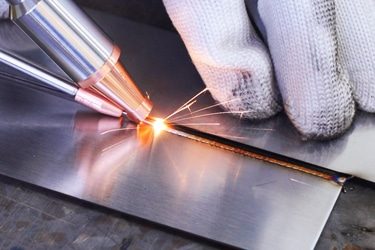
Laser welding stainless steel delivers highly focused and controllable heat. This precision minimizes overheating, reduces discoloration, and helps maintain corrosion resistance, making it ideal for components requiring a clean appearance and stable material properties.
Minimal Heat-Affected Zone
The concentrated laser beam creates a very small heat-affected zone. This reduces thermal distortion and residual stress, preserves the stainless steel’s microstructure, and ensures better dimensional accuracy, especially for thin or precision parts.
Clean and Attractive Weld Appearance
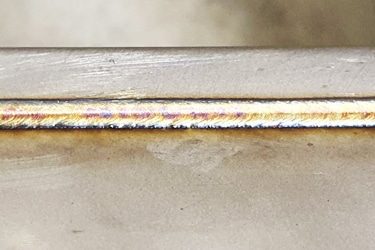
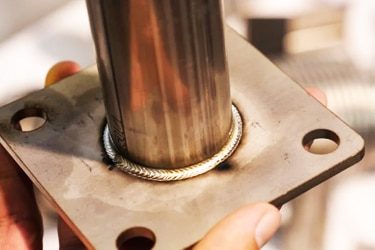
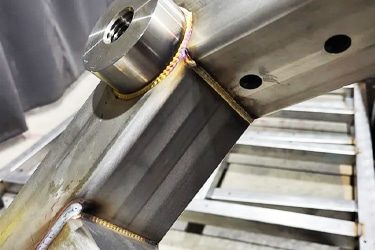
Laser welding produces narrow, smooth weld seams with minimal spatter. The clean appearance often eliminates the need for extensive post-weld grinding or polishing, which is especially important for visible or hygienic stainless steel applications.
High Welding Speed and Productivity
Laser welding stainless steel operates at high speeds, significantly improving production efficiency. Faster cycle times support automated manufacturing and high-volume production while maintaining consistent and reliable weld quality.
Strong and Consistent Weld Quality
The laser provides deep penetration and uniform energy distribution, resulting in strong metallurgical bonds. Laser welding delivers consistent weld strength and reduces defects such as porosity or cracking when proper parameters are used.
Excellent Automation Compatibility
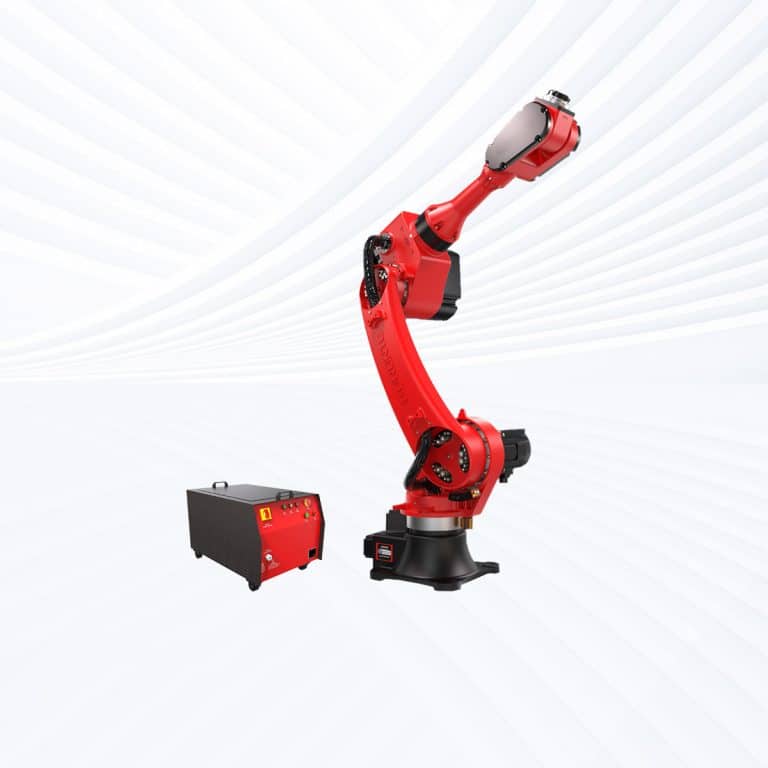
Laser welding integrates easily with robotic systems and automated production lines. This ensures repeatable weld quality, reduced dependence on manual skill, and stable process control in modern industrial manufacturing environments.
Compatible Materials
- AISI 201
- AISI 202
- AISI 301
- AISI 302
- AISI 303
- AISI 304
- AISI 304L
- AISI 305
- AISI 308
- AISI 309
- AISI 309S
- AISI 310
- AISI 310S
- AISI 316
- AISI 316L
- AISI 317
- AISI 321
- AISI 347
- AISI 409
- AISI 410
- AISI 416
- AISI 420
- AISI 430
- AISI 431
- AISI 439
- AISI 441
- AISI 444
- AISI 2205
- AISI 2507
- AISI 904L
- 17-4 PH
- 15-5 PH
- 13-8 PH
- ASTM S31803
- ASTM S32750
- EN 1.4301
- EN 1.4404
- EN 1.4541
- EN 1.4571
- EN 1.4462
Laser Welding VS Other Welding Methods
| Comparison Item | Laser Welding | TIG Welding | MIG Welding | Arc Welding (Stick) |
|---|---|---|---|---|
| Heat Input Control | Extremely precise | Moderate, operator-dependent | Higher heat input | High and difficult to control |
| Heat-Affected Zone (HAZ) | Very small | Medium | Large | Very large |
| Welding Speed | Very high | Slow | Moderate to high | Slow |
| Weld Precision | Excellent | High | Moderate | Low |
| Distortion Risk | Minimal | Moderate | Higher | Very high |
| Weld Appearance | Clean, narrow, smooth | Clean but wider | Wider with spatter | Rough, uneven |
| Automation Capability | Excellent | Limited | Good | Very limited |
| Repeatability | Extremely high | Operator-dependent | Moderate | Low |
| Thin Material Welding | Excellent | Good | Fair | Poor |
| Thick Material Capability | Good with high power | Very good | Very good | Very good |
| Porosity Control | Excellent | Good | Moderate | Poor |
| Post-Weld Finishing | Minimal | Moderate | Moderate to high | High |
| Corrosion Resistance Preservation | Excellent | Good | Moderate | Poor |
| Skill Requirement | Low after setup | Very high | Moderate | High |
| Production Efficiency | Very high | Low | Moderate | Low |
Laser Welding Capacity
| Laser Power | Welding Form | Thickness | Welding Speed | Defocus Amount | Protective Gas | Blowing Method | Flow | Welding Effect |
|---|---|---|---|---|---|---|---|---|
| 1000W | Butt Welding | 0.5mm | 80~90 mm/s | -1~1 | Ar | Coaxial/Paraaxial | 5~10 L/min | Welded Completely |
| Butt Welding | 1mm | 60~70 mm/s | -1~1 | Ar | Coaxial/Paraaxial | 5~10 L/min | Welded Completely | |
| Butt Welding | 1.5mm | 40~50 mm/s | -1~1 | Ar | Coaxial/Paraaxial | 5~10 L/min | Welded Completely | |
| Butt Welding | 2mm | 30~40 mm/s | -1~1 | Ar | Coaxial/Paraaxial | 5~10 L/min | Welded Completely | |
| 1500W | Butt Welding | 0.5mm | 90~100 mm/s | -1~1 | Ar | Coaxial/Paraaxial | 5~10 L/min | Welded Completely |
| Butt Welding | 1mm | 80~90 mm/s | -1~1 | Ar | Coaxial/Paraaxial | 5~10 L/min | Welded Completely | |
| Butt Welding | 1.5mm | 60~70 mm/s | -1~1 | Ar | Coaxial/Paraaxial | 5~10 L/min | Welded Completely | |
| Butt Welding | 2mm | 40~50 mm/s | -1~1 | Ar | Coaxial/Paraaxial | 5~10 L/min | Welded Completely | |
| Butt Welding | 3mm | 30~40 mm/s | -1~1 | Ar | Coaxial/Paraaxial | 5~10 L/min | Welded Completely | |
| Butt Welding | 4mm | 20~30 mm/s | -1~1 | Ar | Coaxial/Paraaxial | 5~10 L/min | Welded Completely | |
| 2000W | Butt Welding | 0.5mm | 100~110 mm/s | -1~1 | Ar | Coaxial/Paraaxial | 5~10 L/min | Welded Completely |
| Butt Welding | 1mm | 90~100 mm/s | -1~1 | Ar | Coaxial/Paraaxial | 5~10 L/min | Welded Completely | |
| Butt Welding | 1.5mm | 70~80 mm/s | -1~1 | Ar | Coaxial/Paraaxial | 5~10 L/min | Welded Completely | |
| Butt Welding | 2mm | 50~60 mm/s | -1~1 | Ar | Coaxial/Paraaxial | 5~10 L/min | Welded Completely | |
| Butt Welding | 3mm | 40~50 mm/s | -1~1 | Ar | Coaxial/Paraaxial | 5~10 L/min | Welded Completely | |
| Butt Welding | 4mm | 30~40 mm/s | -1~1 | Ar | Coaxial/Paraaxial | 5~10 L/min | Welded Completely | |
| 3000W | Butt Welding | 0.5mm | 110~120 mm/s | -1~1 | Ar | Coaxial/Paraaxial | 5~10 L/min | Welded Completely |
| Butt Welding | 1mm | 100~110 mm/s | -1~1 | Ar | Coaxial/Paraaxial | 5~10 L/min | Welded Completely | |
| Butt Welding | 1.5mm | 90~100 mm/s | -1~1 | Ar | Coaxial/Paraaxial | 5~10 L/min | Welded Completely | |
| Butt Welding | 2mm | 80~90 mm/s | -1~1 | Ar | Coaxial/Paraaxial | 5~10 L/min | Welded Completely | |
| Butt Welding | 3mm | 70~80 mm/s | -1~1 | Ar | Coaxial/Paraaxial | 5~10 L/min | Welded Completely | |
| Butt Welding | 4mm | 60~70 mm/s | -1~1 | Ar | Coaxial/Paraaxial | 5~10 L/min | Welded Completely | |
| Butt Welding | 5mm | 40~50 mm/s | -1~1 | Ar | Coaxial/Paraaxial | 5~10 L/min | Welded Completely | |
| Butt Welding | 6mm | 30~40 mm/s | -1~1 | Ar | Coaxial/Paraaxial | 5~10 L/min | Welded Completely | |
| 6000W | Butt Welding | 0.5mm | 110~120 mm/s | -1~1 | Ar | Coaxial/Paraaxial | 5~10 L/min | Welded Completely |
| Butt Welding | 1mm | 100~110 mm/s | -1~1 | Ar | Coaxial/Paraaxial | 5~10 L/min | Welded Completely | |
| Butt Welding | 1.5mm | 90~100 mm/s | -1~1 | Ar | Coaxial/Paraaxial | 5~10 L/min | Welded Completely | |
| Butt Welding | 2mm | 80~90 mm/s | -1~1 | Ar | Coaxial/Paraaxial | 5~10 L/min | Welded Completely | |
| Butt Welding | 3mm | 70~80 mm/s | -1~1 | Ar | Coaxial/Paraaxial | 5~10 L/min | Welded Completely | |
| Butt Welding | 4mm | 60~70 mm/s | -1~1 | Ar | Coaxial/Paraaxial | 5~10 L/min | Welded Completely | |
| Butt Welding | 5mm | 50~60 mm/s | -1~1 | Ar | Coaxial/Paraaxial | 5~10 L/min | Welded Completely | |
| Butt Welding | 6mm | 40~50 mm/s | -1~1 | Ar | Coaxial/Paraaxial | 5~10 L/min | Welded Completely | |
| Butt Welding | 7mm | 30~40 mm/s | -1~1 | Ar | Coaxial/Paraaxial | 5~10 L/min | Welded Completely |
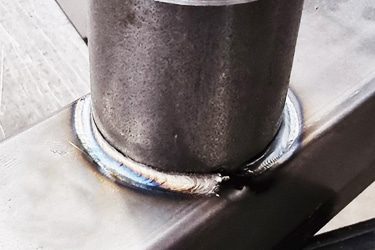
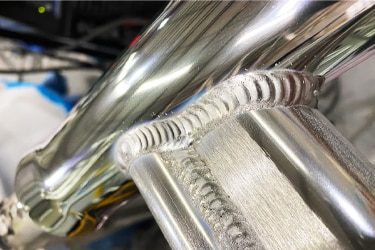
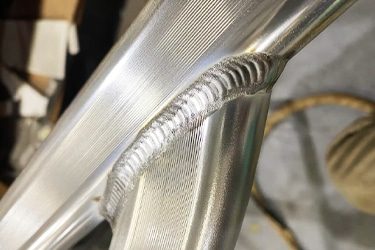
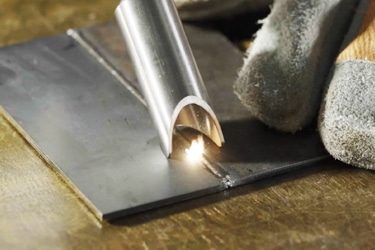
Applications of Laser Welding Stainless Steel
Customer Testimonials
Related Resources
What Is The Lifespan Of Laser Welding Machines
This article explores the lifespan of laser welding machines, including key components, influencing factors, industry applications, maintenance practices, and strategies to optimize performance and durability.
Comprehensive Guide to Choosing the Right Laser Welding Machines
Comprehensive guide to choosing the right laser welding machines, covering technology, key features, cost factors, safety requirements, maintenance practices, and supplier selection.
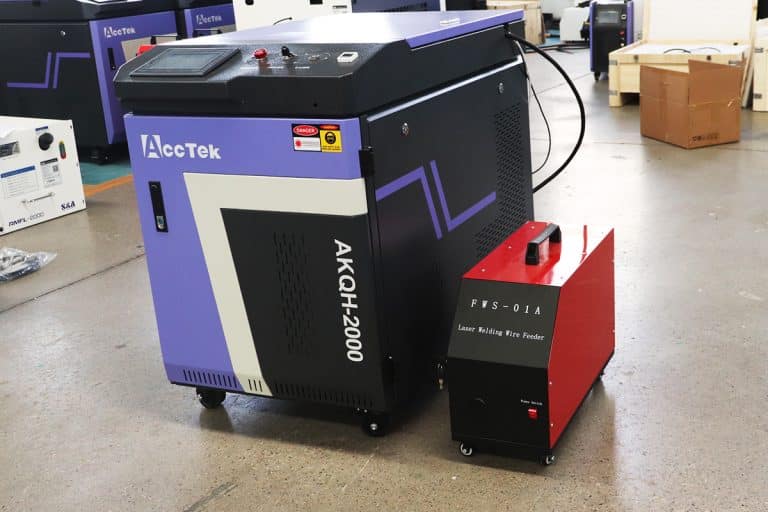
Are Welding Masks Required For Laser Welding
This article explains laser welding safety, including laser hazards, standards, PPE requirements, and practical scenarios that determine when welding masks and laser-rated eye protection are needed.
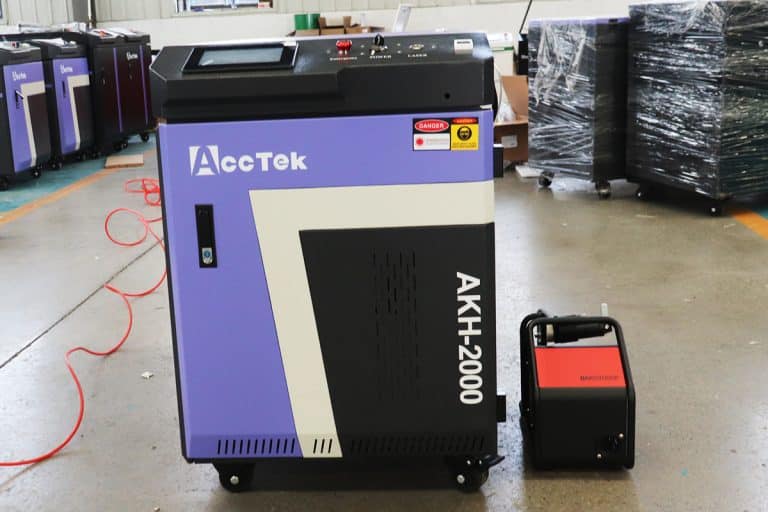
How To Select Laser Welding Power
This article teaches you how to select laser welding power and provides clear guidance on materials, thickness, welding modes, beam settings, defects, testing methods, and process optimization to achieve stable, high-quality welds.
Frequently Asked Questions
Why Is Stainless Steel Well-Suited For Laser Welding?
- Good Laser Energy Absorption: Compared with highly reflective metals such as aluminum or copper, stainless steel absorbs laser energy relatively efficiently, especially at the wavelengths used by modern fiber and CO2 lasers. This allows stable weld initiation, reliable keyhole formation, and consistent penetration without requiring excessively high laser power. Good absorption also makes the process less sensitive to small parameter variations.
- Moderate Thermal Conductivity: Stainless steel has lower thermal conductivity than materials like copper or aluminum. As a result, heat does not rapidly dissipate away from the weld zone. This helps maintain a stable molten pool and enables deep, narrow welds with lower overall heat input. The controlled heat flow also contributes to a small heat-affected zone (HAZ).
- Favorable Metallurgical Behavior: Many stainless steels, particularly austenitic grades, have excellent weldability. They are generally resistant to hydrogen-induced cracking and tolerate the rapid heating and cooling cycles typical of laser welding. This reduces the likelihood of cold cracking and other metallurgical defects compared to some carbon or low-alloy steels.
- High Strength at Elevated Temperatures: Stainless steel retains strength at high temperatures, which helps the weld pool maintain its shape during laser welding. This stability supports smooth bead formation and reduces issues such as excessive sagging or collapse, especially in thin sections.
- Low Distortion and Residual Stress: Laser welding introduces very localized heat compared to conventional arc welding. Stainless steel responds well to this low heat input, resulting in minimal distortion and reduced residual stresses. This is particularly important for precision components, thin sheets, and assemblies with tight dimensional tolerances.
- Compatibility With Various Joint Designs: Stainless steel can be laser-welded in a wide range of joint configurations, including butt, lap, edge, and corner joints. Its relatively forgiving weld pool behavior and good fusion characteristics make it suitable for both autogenous welding and filler-assisted or hybrid processes.
- Excellent Surface Quality and Appearance: Laser-welded stainless steel joints typically exhibit smooth, narrow beads with minimal spatter. This high aesthetic quality often eliminates the need for post-weld finishing, which is valuable in industries such as food processing, medical devices, and architectural fabrication.
- Strong Corrosion Resistance After Welding: With proper shielding and surface protection, stainless steel maintains its corrosion resistance after laser welding. The small HAZ limits chromium depletion, and post-weld cleaning or passivation can fully restore corrosion performance.
What Surface Preparation Is Required Before Laser Welding Stainless Steel?
- Removal of Oils, Grease, and Organic Contaminants: All oils, greases, machining fluids, fingerprints, and other organic residues must be completely removed from the weld area. Under laser heating, these contaminants decompose rapidly and release gases that can become trapped in the molten pool, leading to porosity or surface defects. Cleaning is typically done using solvents such as acetone, isopropyl alcohol, or approved industrial degreasers, followed by wiping with lint-free cloths.
- Elimination of Surface Oxides and Heat Tint: Stainless steel may carry surface oxides, mill scale, or heat tint from previous thermal processes. These oxides can interfere with laser energy absorption and may become inclusions in the weld metal, reducing corrosion resistance. Light mechanical cleaning—such as stainless steel wire brushing, fine grinding, or abrasive pads—is commonly used to remove oxides in the weld zone. Tools must be dedicated to stainless steel to avoid contamination.
- Avoidance of Iron and Carbon Steel Contamination: One of the most critical preparation steps is preventing cross-contamination from carbon steel. Iron particles transferred from shared tools, worktables, or grinding wheels can embed in the stainless steel surface and later cause rusting or corrosion around the weld. Dedicated stainless steel tools, clean fixtures, and protected work surfaces are essential.
- Control of Surface Roughness: A clean, uniform surface finish promotes consistent laser absorption and stable weld initiation. Extremely rough surfaces can trap contaminants and disturb shielding gas flow, while highly polished surfaces may slightly increase reflectivity. In practice, a smooth, matte finish achieved through light abrasion is ideal for laser welding.
- Removal of Moisture: Moisture on the surface or within joint gaps can contribute to hydrogen pickup and porosity. After cleaning, components should be kept dry and welded promptly. In humid environments, mild preheating or controlled storage may be used to prevent condensation.
- Joint Edge Preparation and Fit-Up: Edges should be precisely cut or machined to ensure a tight and consistent fit-up. Laser welding has limited tolerance for gaps, and poor edge quality can lead to a lack of fusion or inconsistent penetration. Burrs, sharp edges, and irregularities should be removed before welding.
- Final Inspection Before Welding: Immediately before welding, the joint area should be visually inspected to confirm cleanliness, dryness, and correct alignment. Even minor contamination can significantly affect weld quality due to the precision of laser welding.
What Joint Designs Are Best Suited For Laser Welding Stainless Steel?
- Square Butt Joints: Square butt joints are the most common and best-suited joint design for laser welding stainless steel. They allow direct access of the laser beam to the joint line and support efficient keyhole formation and deep penetration. For thin to medium thickness stainless steel, square butt joints can often be welded autogenously without filler metal. However, they require excellent edge preparation and a very tight fit-up, as even small gaps can cause a lack of fusion or penetration inconsistency.
- Butt Joints With Small Gaps or Lands: In some applications, a very small, controlled gap or a slight land is introduced to improve penetration consistency and accommodate minor fit-up variations. Stainless steel tolerates this approach well, provided the gap is carefully controlled. Excessive gaps should be avoided, as laser welding has a limited ability to bridge them without filler wire.
- Lap Joints: Lap joints are well-suited for thin stainless steel sheets, especially in automotive, appliance, and enclosure applications. The overlapping geometry helps retain heat, making weld pool formation more stable. Lap joints are also forgiving in terms of alignment compared to butt joints. However, they can increase restraint and may trap contaminants between sheets if surface preparation is inadequate.
- Edge Joints: Edge joints are commonly used for thin-gauge stainless steel components such as housings, covers, and tubing edges. Laser welding is particularly effective here due to its precision and low heat input. While edge joints typically offer lower mechanical strength than butt joints, they are suitable for non-structural or sealed applications.
- Corner Joints: Corner joints are frequently used in box or frame structures made from stainless steel sheet. Laser welding can produce clean, narrow corner welds with minimal distortion. Accurate fixturing and alignment are essential to maintain consistent penetration along the joint.
- T-Joints: T-joints are more challenging due to complex heat flow and increased restraint. Stainless steel T-joints can be laser-welded successfully by offsetting the laser beam toward the thicker section or using beam oscillation. In thicker sections or critical applications, filler wire may be added to improve fusion and reduce undercut.
- Avoidance of Complex Grooves: V-grooves and U-grooves are generally unnecessary for laser welding stainless steel unless welding very thick sections or using hybrid laser welding. Such grooves increase preparation effort and are not well matched to the narrow weld pool of pure laser welding.
What Shielding Gases Are Commonly Used For Laser Welding Stainless Steel?
- Argon: Argon is the most commonly used shielding gas for laser welding stainless steel. As an inert gas, it effectively displaces oxygen and nitrogen around the weld zone, preventing oxidation and minimizing porosity. Argon provides stable arc-free shielding, supports smooth keyhole formation, and produces clean weld beads with minimal spatter. It is suitable for most austenitic, ferritic, and martensitic stainless steels and is widely used in both thin- and medium-thickness applications.
- Helium: Helium is also used as a shielding gas, either alone or blended with argon. Compared to argon, helium has a higher ionization potential and thermal conductivity, which allows more laser energy to reach the weld pool. This can increase penetration depth and improve weld stability, especially in thicker stainless steel sections or high-speed welding. However, helium is more expensive and requires higher flow rates due to its low density, which limits its use in cost-sensitive applications.
- Argon–Helium Mixtures: Blends of argon and helium combine the stability of argon with the enhanced penetration and heat transfer of helium. These mixtures are commonly used when deeper penetration or higher welding speeds are required without sacrificing shielding effectiveness. The ratio can be adjusted depending on material thickness and weld requirements, making argon–helium mixtures a flexible option for demanding stainless steel laser welding applications.
- Nitrogen (Limited Use): Nitrogen is sometimes used as a shielding or backing gas for certain austenitic stainless steels. In controlled amounts, nitrogen can help stabilize the austenitic structure and improve corrosion resistance. However, excessive nitrogen absorption may cause porosity or alter mechanical properties. For this reason, nitrogen is typically used cautiously and is not recommended for ferritic or martensitic stainless steels.
- Forming Gas (Argon–Hydrogen Mixtures):In specialized applications, small amounts of hydrogen are added to argon to create a reducing atmosphere. This can improve surface appearance and reduce oxidation, particularly in high-purity stainless steel welding. Hydrogen-containing gases must be used carefully, as they may increase the risk of hydrogen-related cracking in certain grades.
- Backside Shielding Gases: For full-penetration welds, backside shielding is often required to protect the root side of the weld. Argon or nitrogen is commonly used to prevent oxidation, discoloration, and loss of corrosion resistance on the underside.
What Are The Most Common Defects In Laser-Welded Stainless Steel?
- Porosity: Porosity is one of the most common defects in laser welding. It appears as small gas bubbles trapped in the weld metal and is usually caused by surface contamination (oil, moisture, rust), inadequate shielding gas, or unstable keyhole behavior. Stainless steel is particularly sensitive to hydrogen and other gases, making proper cleaning and gas coverage essential.
- Cracking (Hot Cracks and Solidification Cracks): Cracks may form during solidification due to high thermal gradients and rapid cooling inherent to laser welding. Austenitic stainless steels with high sulfur or phosphorus content are more prone to hot cracking. Improper filler selection (if used) and excessive weld depth-to-width ratios can further increase cracking risk.
- Lack of Fusion: Lack of fusion occurs when the laser energy is insufficient to fully melt the joint interface or sidewalls. This defect often results from incorrect focus position, excessive welding speed, poor joint fit-up, or beam misalignment. It reduces joint strength and may not be visible on the surface.
- Incomplete Penetration: Incomplete penetration happens when the laser does not achieve full joint depth, especially in thicker sections. Common causes include low laser power, a defocused beam, or improper joint preparation. This defect is critical in load-bearing or pressure-containing applications.
- Undercut: Undercut appears as a groove along the weld toe where base material is melted away but not filled. It is typically caused by excessive laser power, slow travel speed, or improper beam positioning. Undercuts can act as stress concentrators and reduce fatigue life.
- Spatter: Although laser welding is generally low-spatter, stainless steel can still produce spatter due to unstable keyhole dynamics or excessive power density. Spatter affects surface quality and may require post-weld cleaning, especially for aesthetic or hygienic applications.
- Distortion and Residual Stress: While lower than conventional welding, distortion can still occur, particularly in thin stainless steel sheets. High heat input in localized areas and poor fixturing contribute to warping and residual stresses.
- Surface Oxidation and Discoloration: Insufficient shielding gas or poor gas flow can lead to oxidation, resulting in discoloration or reduced corrosion resistance. This is especially critical for food, medical, and chemical applications.
Can Filler Wire Be Used In Laser Welding Stainless Steel?
- Why Filler Wire Is Used in Laser Welding Stainless Steel: Filler wire is commonly introduced when joint gaps are larger than what autogenous laser welding can tolerate. Laser welding relies on a narrow, highly concentrated heat source, which makes it sensitive to fit-up accuracy. Adding filler wire helps bridge gaps, improve bead shape, and ensure consistent penetration in real-world production conditions.
- Improving Crack Resistance and Metallurgy: Certain stainless steels, especially fully austenitic grades, are prone to solidification cracking under rapid cooling. Filler wire allows control over weld metal composition, such as increasing ferrite content, which significantly reduces hot cracking risk. This is especially important in thicker sections or highly restrained joints.
- Enhancing Mechanical and Corrosion Properties: Using a properly matched or slightly over-alloyed filler wire can improve weld strength, toughness, and corrosion resistance. This is critical for applications in food processing, medical devices, chemical equipment, and pressure vessels, where weld integrity and surface performance are tightly regulated.
- Controlling Weld Geometry and Appearance: Filler wire helps produce smoother weld beads with better reinforcement and surface finish. This is beneficial for visible welds or components requiring minimal post-weld finishing. It also reduces undercut and improves toe blending, enhancing fatigue performance.
- Process Variants That Use Filler Wire: Laser welding with filler wire is often combined with techniques such as laser-MIG hybrid welding or cold-wire laser welding. In these setups, the laser provides deep penetration while the filler wire stabilizes the molten pool and increases deposition rate, making the process suitable for thicker stainless steel plates.
- Equipment and Process Considerations: Successful filler wire laser welding requires precise wire feeding, accurate wire-to-beam positioning, and synchronized process control. Wire diameter, feed angle, and feed speed must be carefully matched to laser power and travel speed to avoid defects like lack of fusion or excess buildup.
- When Filler Wire May Not Be Necessary: For thin stainless steel sheets with tight joint tolerances and low mechanical demands, autogenous laser welding remains efficient and cost-effective. In such cases, filler wire adds complexity without significant benefit.
What Operator Training Is Required For Laser Welding Stainless Steel?
- Laser Safety and Compliance Training: The first and most critical requirement is laser safety training. Operators must be certified or formally trained according to applicable laser safety standards, such as understanding laser classes, controlled areas, protective eyewear, interlocks, and emergency shutdown procedures. Since industrial laser welding systems typically fall into high-risk laser classes, safety awareness is mandatory before any hands-on operation.
- Fundamentals of Laser Welding Processes: Operators must be trained in laser welding principles, including how laser power, focal position, beam quality, and travel speed influence penetration and weld formation in stainless steel. Understanding keyhole versus conduction welding modes is essential, as stainless steel commonly requires stable keyhole welding for deeper penetration.
- Stainless Steel Metallurgy Awareness: Training should include basic metallurgy of stainless steels, such as differences between austenitic, ferritic, martensitic, and duplex grades. Operators need to recognize how thermal cycles affect microstructure, corrosion resistance, and cracking susceptibility. This knowledge helps prevent defects like hot cracking, excessive oxidation, or loss of corrosion performance.
- Equipment Setup and Parameter Control: Operators must learn proper system setup, including focusing optics, beam alignment, shielding gas selection, and flow optimization. Parameter adjustment skills are critical, as small changes in laser power or focus can significantly affect weld quality. Training also covers calibration routines and preventive maintenance checks.
- Joint Preparation and Fixturing: Because laser welding is sensitive to joint fit-up, operators should be trained in proper joint design, cleaning requirements, and fixturing techniques. Stainless steel surfaces must be free of oil, moisture, and contaminants to avoid porosity and oxidation.
- Quality Inspection and Defect Recognition: Operators need instruction on visual inspection and basic nondestructive evaluation methods. Recognizing common defects such as porosity, undercut, lack of fusion, and discoloration allows operators to correct parameters before defects become systemic.
- Automation and Process Monitoring Skills: For automated or robotic laser welding systems, operators should be trained in basic programming, seam tracking, and real-time monitoring tools. Understanding sensor feedback and process alarms helps maintain consistent weld quality.
- Ongoing Skill Development: Finally, refresher training and process-specific qualification are important, especially when welding new stainless steel grades or changing joint configurations.
What Safety Concerns Exist When Laser Welding Stainless Steel?
- Laser Radiation Hazards: The primary safety concern is exposure to high-power laser radiation. Industrial laser welding systems can cause severe eye and skin injuries, even from reflected or scattered beams. Stainless steel surfaces can reflect laser energy, increasing the risk of accidental exposure. Operators must work within enclosed systems or controlled laser safety zones and use certified protective eyewear when required.
- Fumes and Airborne Contaminants: Laser welding stainless steel generates metal fumes and fine particulates containing elements such as chromium and nickel. These fumes can be hazardous when inhaled, especially hexavalent chromium compounds formed during high-temperature welding. Effective local exhaust ventilation and fume extraction systems are critical to maintain safe air quality.
- Thermal and Burn Risks: Although laser welding is highly localized, molten stainless steel and hot workpieces can cause serious burns. Spatter, hot surfaces, and recently welded parts remain dangerous even after the laser stops. Operators should use heat-resistant gloves, protective clothing, and clearly marked cooling zones.
- Fire and Explosion Risks: The intense heat of laser welding can ignite nearby flammable materials such as oils, solvents, or packaging residues. Poor housekeeping or inadequate shielding gas control can increase fire risk. In enclosed systems, improper ventilation may also lead to the accumulation of flammable gases, making fire prevention measures essential.
- Electrical and Equipment Hazards: Laser welding machines operate with high-voltage power supplies and complex electrical systems. Improper maintenance, damaged cables, or bypassed interlocks can result in electric shock or equipment failure. Only trained personnel should perform maintenance or troubleshooting.
- Shielding Gas and Asphyxiation Risks: Shielding gases such as argon or helium are commonly used and can displace oxygen in confined spaces. Without proper ventilation and monitoring, this creates an asphyxiation hazard, particularly in enclosed welding cells.
- Noise and Mechanical Hazards: High-speed automation, moving axes, and robotic systems introduce pinch points and collision risks. Noise from extraction systems or auxiliary equipment may also require hearing protection in some environments.
- Process Control and Human Factors: Inadequate training or improper parameter settings can lead to unstable welding conditions, increasing the likelihood of spatter, reflections, or equipment damage. Clear operating procedures and regular safety audits help reduce human-related risks.