
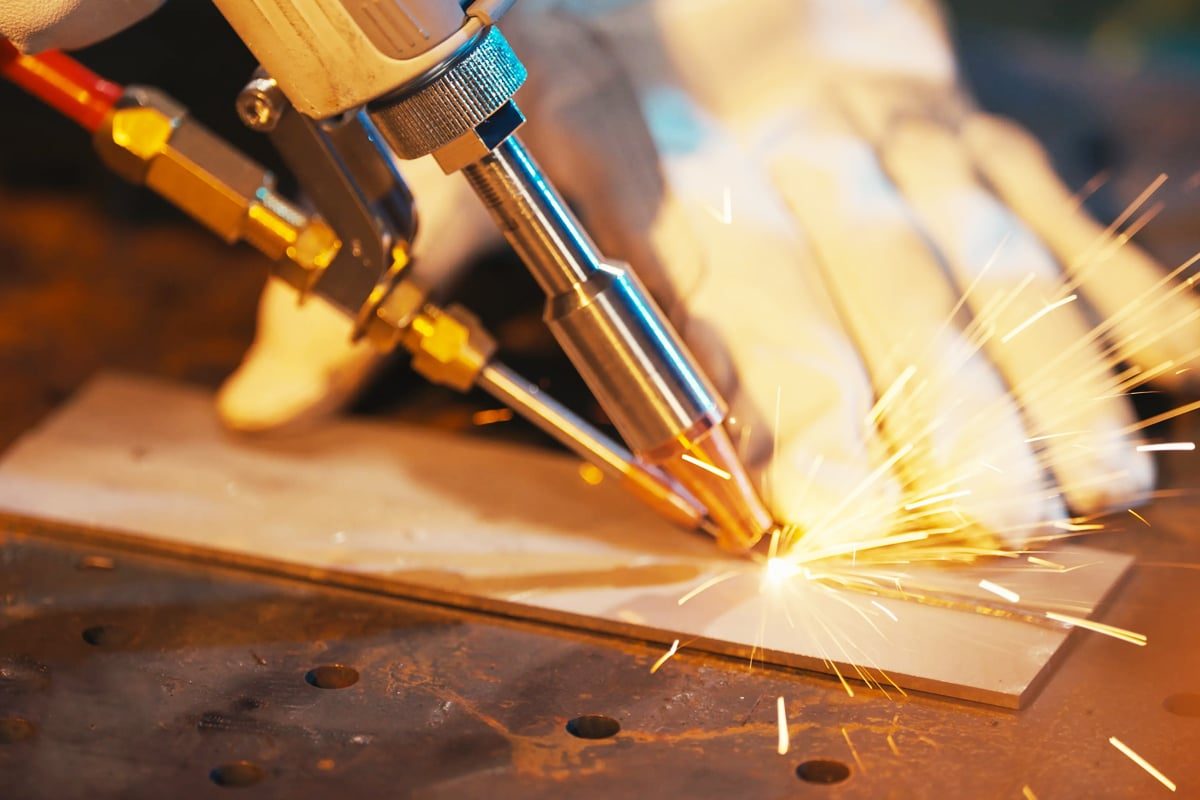
Laser Welding Aluminum Guide

This article explores the process of laser welding aluminum, including key techniques, material properties, safety measures, and productivity considerations for efficient and high-quality welding.
Home » Blog » Laser Welding Aluminum Guide
Laser Welding Aluminum Guide
Aluminum is one of the most widely used metals in industries ranging from automotive and aerospace to electronics and construction. Its combination of light weight, high strength-to-weight ratio, corrosion resistance, and excellent thermal and electrical conductivity makes it a preferred material for both structural and functional applications. However, these same properties also make aluminum notoriously challenging to weld. High thermal conductivity can cause rapid heat dissipation, thin oxide layers can interfere with fusion, and its tendency to crack or warp under improper heat control often complicates conventional welding methods.
Laser welding has emerged as a powerful solution to these challenges. By delivering a concentrated, high-energy beam with precision and speed, laser welding minimizes heat input, reduces distortion, and achieves clean, high-strength joints even in thin or complex aluminum parts. The process also supports automation, enabling consistent results in high-volume manufacturing environments. With growing demand for lightweight materials and high-efficiency joining technologies, laser welding aluminum is no longer a niche technique but a mainstream requirement across modern production lines.
This guide explores the fundamentals, benefits, challenges, and best practices of laser welding aluminum, providing a practical resource for manufacturers seeking to optimize their processes.
Table of Contents

Why Laser Welding for Aluminum?

Aluminum’s unique material properties make it both highly valuable and technically difficult to join. Traditional welding techniques such as TIG or MIG often struggle with issues like porosity, cracking, excessive heat input, and distortion. These challenges not only increase production costs but also compromise weld quality, especially in industries where strength, precision, and appearance matter. This is where laser welding becomes a game-changer.
Laser welding uses a highly concentrated beam of light to deliver energy directly to the weld zone. Unlike conventional methods, the process minimizes heat input while still achieving deep penetration, producing clean and reliable welds. For aluminum, this means reduced warping, minimal microcracking, and fewer defects caused by oxide layers or impurities. The precision of laser welding allows manufacturers to join thin aluminum sheets, intricate geometries, and even dissimilar metals with greater accuracy.
Beyond weld quality, laser welding offers speed and efficiency. Automated laser welding systems can produce consistent, repeatable results with little post-processing, reducing labor costs and improving overall productivity. This makes the technology especially valuable in high-demand industries such as automotive manufacturing, aerospace, electronics, and renewable energy, where lightweight aluminum components are central to innovation.
In summary, laser welding addresses aluminum’s welding difficulties head-on—improving quality, reducing waste, and enabling scalable production. It is not simply an alternative to traditional welding, but the preferred choice for manufacturers who need precision, efficiency, and reliability in joining aluminum components.

Aluminum Metallurgy Essentials You Must Understand

Before approaching aluminum with laser welding machines, it is essential to understand the metallurgical characteristics that influence its behavior under heat and during solidification. Aluminum is not a single material but a family of alloys with different responses to welding. Misunderstanding these factors often leads to weak joints, porosity, or cracking.

Alloy Families and Weldability

Aluminum alloys are grouped into two main categories: wrought and casting, and further divided into heat-treatable and non-heat-treatable.

  • 1xxx series (pure aluminum): Excellent weldability, very ductile, but low strength.
  • 5xxx series (Al-Mg): Good weldability, widely used in structural applications.
  • 6xxx series (Al-Mg-Si): Common in automotive and aerospace; weldable but prone to cracking without proper parameters or filler.
  • 2xxx (Al-Cu) and 7xxx (Al-Zn-Mg): High strength but poor weldability, highly crack-sensitive, often avoided or require special procedures.
Understanding the alloy type is the first step in selecting the right laser settings and filler materials.

Temper and Heat-Affected Zone (HAZ) Behavior

Aluminum alloys are supplied in different tempers (mechanical conditions like T6, O, H32), which dictate hardness and strength. During welding, heat can soften precipitation-hardened alloys (like 6xxx or 7xxx) in the HAZ, reducing strength locally even if the weld itself is sound. For non-heat-treatable alloys (like 1xxx or 5xxx), strength is less affected, but grain coarsening and distortion must still be considered. Managing laser energy input is essential to control HAZ size and retain as much mechanical integrity as possible.

Oxide Layer, Hydrogen, and Reflectivity

Aluminum naturally forms a thin but tough oxide layer (Al₂O₃) that melts at ~2050℃, much higher than aluminum’s base metal (~660℃). This mismatch makes fusion difficult if the oxide is not properly disrupted. Additionally, aluminum readily absorbs hydrogen during welding, which can lead to porosity as gas bubbles are trapped during solidification. Pre-cleaning and shielding gas are critical in mitigating these issues. Finally, aluminum’s high reflectivity (especially in polished or pure grades) reduces laser absorption, requiring careful choice of wavelength, power density, and surface preparation to achieve stable penetration.
Aluminum welding success depends not only on advanced equipment but also on a clear understanding of its metallurgy. Different alloy families respond differently to laser welding, temper conditions influence strength loss in the HAZ, and surface-related challenges like oxide layers, hydrogen absorption, and reflectivity must be controlled. By mastering these essentials, manufacturers can optimize parameters, minimize defects, and ensure strong, reliable welds.

Aluminum Metallurgy Essentials for Laser Welders

Laser welding aluminum presents distinct challenges compared to other materials, largely due to aluminum’s unique metallurgical properties. To achieve optimal weld quality and efficiency, understanding these properties is crucial for laser welding machines.

Oxide Behavior

One of the primary challenges when laser welding aluminum is the presence of the aluminum oxide layer (Al₂O₃). This oxide is tough and has a much higher melting point (around 2050℃) compared to aluminum’s base metal (around 660℃). Because of this, the oxide layer resists fusion and can cause poor weld penetration if not effectively broken down or removed. In laser welding, the high-intensity heat generated by the laser can help break through this oxide layer, but if not properly controlled, it can also lead to issues like porosity or lack of fusion at the weld interface. A proper pre-weld cleaning process, often utilizing laser cleaning machines, can help minimize oxide contamination, ensuring cleaner welds.

Thermal Conductivity and Reflectivity

Aluminum’s high thermal conductivity allows heat to dissipate quickly, which can make achieving consistent welds more challenging. This property requires precise control over the laser’s heat input to avoid defects like warping or excessive heat-affected zones (HAZ). Additionally, aluminum’s high reflectivity—especially in the case of pure aluminum—can reduce the absorption of laser energy, making it difficult to achieve deep penetration with lower power settings. For successful laser welding, using the appropriate laser wavelength (typically around 1 micron) and optimizing the power density can help ensure efficient absorption of the laser energy and effective weld formation.

Solubility of Hydrogen

Aluminum has a high solubility for hydrogen in its molten state, which can lead to hydrogen porosity if the metal absorbs hydrogen during the welding process. This can happen when moisture is present on the surface of the material or in the shielding gas. Hydrogen trapped in the weld pool during solidification forms gas bubbles that can create voids or weaken the weld. To mitigate this, welders should ensure that the aluminum surface is clean and dry before welding and use proper shielding gas to minimize hydrogen contamination. In some cases, preheating the material or using high-purity gases can reduce hydrogen solubility and prevent porosity issues.

Alloy Families and Weldability

Understanding the aluminum alloy family is essential for determining the right welding approach. Aluminum alloys are categorized based on their primary alloying elements, each exhibiting different welding characteristics:

  • 1xxx Series (Pure Aluminum): Excellent weldability but low strength. Typically used for applications where strength is not a critical factor.
  • 5xxx Series (Aluminum-Magnesium): Excellent weldability and good strength, often used in structural applications, especially in marine environments.
  • 6xxx Series (Aluminum-Magnesium-Silicon): Common in automotive and aerospace industries. These alloys are highly weldable, but sensitivity to cracking in the heat-affected zone (HAZ) can be a concern.
  • 2xxx Series (Aluminum-Copper): High strength, but poor weldability due to increased susceptibility to cracking and porosity. Special techniques are required, and filler materials are essential for good results.
  • 7xxx Series (Aluminum-Zinc): Used for high-strength applications such as aircraft parts. These alloys are particularly prone to cracking during welding and require special consideration, such as lower heat input and the use of specific filler metals.
Each of these alloys requires different welding parameters, filler materials, and heat treatments, so understanding the alloy type is crucial for selecting the right approach and ensuring a high-quality weld.

Joint and Part Design

Effective joint and part design is essential when laser welding aluminum. Unlike conventional welding processes, laser welding demands precision not only in the welding parameters but also in the design of the joint and the part itself. Proper joint design minimizes welding difficulties, reduces defects, and maximizes weld strength.

Joint Types and Thickness Ranges

The type of joint used significantly affects the ease of welding and the quality of the final product. For aluminum, common joint types include butt joints, lap joints, corner joints, and tee joints. Each joint type requires different considerations:

  • Butt Joints: Used when joining two pieces of aluminum edge-to-edge. Butt joints typically require precise alignment and are well-suited for laser welding due to their simplicity and the ability to achieve deep penetration with minimal filler metal.
  • Lap Joints: Overlapping sheets of aluminum are joined in a lap joint, often used when joining different thicknesses or in applications requiring a higher strength weld. While lap joints offer ease of alignment, they can lead to increased heat input and distortion if not properly managed.
  • Corner and Tee Joints: These joints are commonly used in structural applications. They provide good strength but can be more challenging to weld due to the angles involved, requiring optimized parameters to avoid defects such as undercutting.
The thickness of the aluminum to be welded is another important factor. Laser welding excels in joining thinner materials, typically ranging from 0.5 mm to 6 mm, but welding thicker sections may require multi-pass techniques or the use of filler materials to ensure good penetration and joint strength. Thicker materials may also require more advanced thermal management to avoid excessive heat build-up and distortion.

Fit-up and Gap Tolerance

Proper fit-up is crucial for achieving high-quality laser welds. Inaccurate fit-up, such as gaps that are too wide or misaligned surfaces, can cause defects such as porosity, weak fusion, or poor penetration. The gap tolerance for aluminum laser welding is typically quite tight, with 0.1 mm to 0.2 mm being ideal for most cases. Gaps larger than this can result in incomplete fusion or inconsistent penetration, which can weaken the weld. In cases where the gap tolerance cannot be controlled, filler metal may be used to compensate for slight discrepancies, but this still requires precise control to ensure a good joint.
Additionally, the fit-up should allow for optimal alignment of the joint edges to ensure a smooth flow of molten material during the welding process. This requires careful part preparation and, in many cases, pre-weld cleaning to remove any contaminants that could impact the fit-up or the weld quality.

Fixturing, Clamping, and Thermal Management

Effective fixturing and clamping play a critical role in controlling part distortion during laser welding. Laser welding generates high temperatures locally in the weld zone, and the surrounding material can expand and contract, leading to distortion. Proper fixturing holds the parts in place, preventing movement and ensuring that the joint remains aligned throughout the process. Clamping is particularly important for thin aluminum sheets, which are more prone to warping under heat.
Thermal management is equally important to prevent excessive heat build-up and control the heat-affected zone (HAZ). In some cases, cooling systems or heat sinks are employed to absorb excess heat and maintain precise control over the weld area. These cooling methods can help to reduce the risk of cracking, warping, and distortion, especially in thick or complex parts. Fixturing systems should also account for thermal expansion and contraction during welding, so that parts are not deformed during or after the process.

Optical Access and Back-Reflection

One of the unique challenges of laser welding is ensuring the laser beam has unobstructed optical access to the joint. Since laser welding relies on focused light to deliver energy, the design of the joint and part should consider access for the laser, especially when welding in tight spaces or complex geometries. This is particularly important in automated or robotic welding applications, where part positioning can be critical.
Back-reflection from the aluminum surface can pose another challenge. Aluminum’s high reflectivity means that a significant portion of the laser energy is reflected from the material, especially if the surface is not properly prepared. This back-reflection can damage the laser optics and reduce welding efficiency. To mitigate this, the part design should ensure that the surface is clean and that the laser is directed at a suitable angle to minimize reflection. Additionally, using high-power lasers with the appropriate wavelength can help overcome the reflectivity issue by increasing the absorption of laser energy in the aluminum.
When designing joints and parts for aluminum laser welding, it is essential to consider factors such as joint types, material thickness ranges, fit-up and gap tolerance, fixturing, clamping, thermal management, and optical access. Each of these elements plays a critical role in ensuring strong, consistent, and defect-free welds. Proper joint design minimizes potential challenges and ensures that the aluminum parts can be welded efficiently with minimal distortion and maximum strength. By optimizing these design considerations, manufacturers can improve the overall quality and productivity of their laser welding processes.

Surface Preparation and Cleanliness

Surface preparation is one of the most crucial aspects of laser welding aluminum. Unlike other metals, aluminum readily forms an oxide layer on its surface that has a much higher melting point than the base metal, which can prevent proper fusion during welding. Additionally, contaminants like oils, grease, moisture, and dirt can further compromise the weld quality by causing porosity, poor penetration, or incomplete fusion.

Degrease

Before welding, aluminum surfaces must be thoroughly cleaned of any oils, greases, or other contaminants. These can originate from handling, manufacturing processes, or even environmental exposure. Degreasing should be done using non-chlorinated solvents that are safe for aluminum. Common methods include wiping the surface with a clean cloth soaked in a degreasing solvent, using ultrasonic cleaners, or employing vapor degreasing systems. It is essential to ensure that no residues from the cleaning solvents remain on the surface after the process, as these residues can interfere with the welding process and lead to defects such as porosity or weak welds.

Mechanically Remove Oxides

Aluminum naturally forms a thin but dense oxide layer (Al₂O₃) almost immediately when exposed to air. This oxide layer is a major challenge in welding, as it has a much higher melting point (~2050℃) than the aluminum itself (~660℃), preventing effective fusion. To ensure proper weld quality, this oxide layer must be removed before welding.
Mechanical methods for oxide removal include wire brushing, grinding, or using abrasive discs. These techniques effectively remove the oxide layer without leaving any residues that might cause weld contamination. It’s essential to use clean tools when mechanically removing oxides to avoid cross-contamination with other metals or materials. Additionally, abrasive tools should be used carefully to avoid introducing surface scratches or imperfections that could affect the strength and appearance of the weld.
For highly critical applications, chemical oxide removers or acid-based cleaners can be used to eliminate the oxide layer, though care must be taken to thoroughly rinse and dry the parts afterward.

Weld Promptly

After surface cleaning, the aluminum should be welded as soon as possible to prevent the reformation of the oxide layer. Aluminum’s oxide layer begins to form almost immediately upon exposure to air, and any delay between preparation and welding will increase the chances of the oxide forming again and interfering with the weld. For this reason, it is important to minimize the time between cleaning and welding.
In some cases, specialized surface treatments like applying a thin layer of flux or using an inert atmosphere during welding can delay the reformation of oxides. However, prompt welding remains the most effective strategy to maintain a clean surface.

Dry Everything

Moisture is another contaminant that can affect the quality of aluminum welds. If moisture is present on the surface or trapped in the material (especially in porous regions), it can vaporize during welding, creating hydrogen gas. This hydrogen can dissolve into the molten weld pool, leading to the formation of hydrogen porosity—small gas bubbles that weaken the weld. To avoid this, all aluminum parts must be thoroughly dried before welding.
Methods of drying include using compressed air, heating the material in an oven, or exposing it to a drying chamber at controlled temperatures to remove any moisture from the surface. No moisture must remain, especially in the weld area, as even small amounts can lead to significant defects.

Gloves and Handling

Proper handling of aluminum parts is critical to prevent contamination from oils, dirt, and other residues. When moving or positioning aluminum components, welders should always wear clean, lint-free gloves to avoid transferring skin oils and other contaminants. It is also recommended that the parts be handled with care to avoid introducing scratches or gouges that could affect the weld quality.
Additionally, gloves and other protective gear help maintain a clean working environment and reduce the chances of contamination from workers. Handling should be kept to a minimum, and any direct contact with the welding zone should be avoided to ensure a clean surface for the laser to work on.

Gas System Hygiene

The shielding gas used in laser welding is crucial for protecting the molten weld pool from oxidation and contamination during the welding process. If the gas system is not properly maintained or if it contains impurities, it can compromise weld quality. It is important to ensure that the gas cylinders, regulators, and hoses are free from oil, moisture, or debris.
Purging the gas lines before use is an important practice to eliminate any residual moisture or contamination. Gas purity is particularly important for laser welding aluminum, as even small amounts of impurities in the shielding gas can cause defects such as porosity or inconsistent weld appearance. Additionally, ensuring proper flow rates and using the correct type of shielding gas—usually an argon or helium mixture—can help maintain a stable, clean weld atmosphere.
Surface preparation and cleanliness are paramount when laser welding aluminum. Proper degreasing, mechanical oxide removal, and prompt welding after preparation are essential to achieving high-quality welds. Drying the material, using clean handling techniques, and maintaining a clean gas system also play a significant role in preventing contamination and defects. By adhering to these best practices, manufacturers can ensure the creation of strong, reliable aluminum welds with minimal defects and maximum strength. With proper surface preparation, the laser welding process can produce high-precision results, even in complex or demanding applications.

Filler Metals and Wire Feeding

In laser welding aluminum, filler metals are an essential component when it comes to ensuring strong, high-quality welds, particularly when welding thicker materials or when the joint design requires additional material to complete the weld. Filler materials can improve the mechanical properties of the weld, ensure proper joint formation, and help reduce the risk of defects such as cracks or porosity.

When to Use Filler

Not all laser welding applications require filler material. For butt joints or thin sheet metal welding, it is often possible to achieve a strong, full penetration weld without filler material. However, there are several scenarios where filler material becomes necessary or advantageous:

  • Thicker materials: When welding thicker sections of aluminum, the laser beam’s ability to penetrate deeply is limited, making it difficult to fill the joint without filler material. The addition of filler metal ensures the gap is properly filled, providing better strength and integrity to the weld.
  • Gap bridging: In cases where there is a gap between the parts being welded, filler material can help bridge that gap, ensuring the weld pool forms properly and the joint is filled.
  • Welding dissimilar thicknesses: When welding aluminum parts with different thicknesses, filler metal can help balance the weld pool, prevent undercutting, and achieve a more uniform fusion across the joint.
  • Repair and reinforcement: Filler metals are also essential in repair welding, where they provide additional material to repair damaged or worn-out components.
In these situations, choosing the right filler metal type and size is crucial for achieving the desired weld quality and strength.

Common Aluminum Filler Choices

The choice of filler metal depends on the aluminum alloy being welded and the specific properties required in the final weld. Here are some of the most common aluminum filler materials:

  • 4045 (Al-Si): This is one of the most widely used filler metals for welding 5xxx and 6xxx series aluminum alloys. It provides good fluidity, reduces the risk of cracking, and has a good balance of strength and corrosion resistance. It is particularly popular in automotive and aerospace applications.
  • 5356 (Al-Mg): Commonly used with 5xxx series alloys, especially for applications where high strength and corrosion resistance are required. This filler is known for its excellent strength properties and is often used in structural welding, marine environments, and heavy-duty applications.
  • 4047 (Al-Si): Often used for higher strength applications, 4047 offers better fluidity and is ideal for welding high-strength 6xxx alloys. It is particularly suited for welding aluminum components that require good joint integrity and is frequently used in applications such as heat exchangers and engine parts.
  • 2319 (Al-Cu): This filler metal is used for welding 2xxx and 7xxx series aluminum alloys. It offers high strength and good stress resistance, but it is more prone to cracking and needs careful heat input control during welding.
  • 5183 (Al-Mg): Often used for welding 5xxx series alloys, particularly in marine environments, 5183 offers improved weld strength and excellent resistance to corrosion. It is commonly chosen for welded structures that will be exposed to harsh, wet conditions.
When selecting filler metal, it is essential to match the filler’s composition with the parent material to ensure compatibility and to achieve the desired mechanical properties.

Wire Delivery

The wire feeding system plays an integral role in the laser welding process, especially when filler metal is required. Consistent and controlled wire delivery ensures a smooth welding process, preventing problems such as inconsistent bead formation, weld spatter, and incomplete fusion. Several methods are commonly used for wire delivery in laser welding of aluminum:

  • Manual Wire Feeding: In manual or semi-automated systems, the welder feeds the filler wire directly into the weld pool by hand. This method requires a high level of skill to maintain the correct wire feed rate, which must be synchronized with the laser welding speed.
  • Automated Wire Feeding: For fully automated or robotic laser welding systems, the filler wire is fed using a motorized wire feeder. These systems provide more consistent wire feeding and can be adjusted for different welding speeds and material thicknesses. The wire feed rate can be programmed to match the required material input for specific welds, ensuring better control and higher-quality welds.
  • Wire Diameter and Speed: The choice of wire diameter and feeding speed depends on the weld size, joint design, and material thickness. For thin aluminum materials, a smaller diameter wire (typically 0.8 mm to 1.2 mm) is often preferred, while thicker materials may require larger wire diameters (up to 2.4 mm). The wire feed speed must be carefully matched to the laser welding speed to ensure proper melting and fusion of the wire with the base material.
  • Wire Feeding Angle: The angle at which the filler wire is introduced into the weld pool is also important. Ideally, the filler wire should be fed at a slight angle to the weld pool to promote consistent deposition and avoid disturbing the molten weld pool.
Proper wire feeding ensures that filler material is deposited evenly and accurately into the weld pool, leading to smooth, uniform welds with minimal spatter and defects.
Filler metals and wire feeding are essential elements in laser welding aluminum, particularly when welding thicker materials or bridging gaps in the joint. The choice of filler metal should be tailored to the aluminum alloy being welded and the specific mechanical requirements of the application. Common aluminum filler metals such as 4045, 5356, and 2319 are chosen for their strength, fluidity, and compatibility with different alloys. The wire delivery system, whether manual or automated, plays a key role in maintaining consistency and ensuring high-quality welds. By selecting the appropriate filler material and wire feeding method, manufacturers can achieve strong, defect-free aluminum welds that meet the demanding standards of industries like automotive, aerospace, and construction.

Shielding Gases and Gas Delivery

In laser welding, the choice of shielding gas plays a crucial role in protecting the weld pool from atmospheric contamination. Aluminum, being highly reactive, is especially sensitive to oxygen, nitrogen, and moisture, all of which can lead to defects such as oxidation, porosity, and weld contamination. Shielding gases are used to create a protective atmosphere around the weld zone, ensuring that the molten metal remains clean and free from contamination during the welding process.

Argon

Argon is the most commonly used shielding gas for laser welding aluminum due to its inert nature and its ability to effectively shield the weld pool from atmospheric contamination. It is particularly effective in providing a stable arc and minimizing the risk of oxidation, which is essential when working with aluminum alloys. Argon is a heavier gas compared to air, which means it has a good ability to stay in place around the weld zone, providing effective coverage.

The advantages of using argon as a shielding gas include:

  • High purity: Argon is a noble gas, meaning it does not react with the molten metal, ensuring minimal contamination.
  • Stable arc and consistent welds: Argon helps to create a stable and smooth arc, which is crucial for producing high-quality welds, especially when working with thin aluminum materials.
  • Cost-effectiveness: Argon is relatively affordable and readily available, making it a cost-effective choice for many aluminum welding applications.
While argon alone is highly effective, in some cases, it may be supplemented with other gases (e.g., helium) to enhance certain aspects of the weld process, such as heat input or penetration.

Helium

Helium is a lighter gas than argon, and its use in laser welding aluminum offers several distinct benefits, particularly when higher heat input or deeper weld penetration is required. Helium is more reactive than argon and has higher thermal conductivity, which increases the energy input to the weld pool. This can be beneficial when welding thicker aluminum materials or when deep penetration is needed for the weld joint.

The advantages of using helium as a shielding gas include:

  • Increased heat input and penetration: Due to its higher thermal conductivity, helium increases the heat in the weld pool, which can be useful for welding thicker materials or achieving deeper penetration with a smaller focused laser beam.
  • Faster welding speeds: With the additional heat provided by helium, the welding process can be faster, which increases productivity, particularly in high-volume manufacturing.
  • Improved arc stability: Helium provides better arc stability, which is beneficial for producing smooth, consistent welds, especially on highly reflective metals like aluminum.
However, helium is generally more expensive than argon, and it may not always be necessary for every application. It is often used in combination with argon to strike a balance between performance and cost.

Argon/Helium Mixes (Ar/He)

Argon/helium mixtures are often used in laser welding aluminum when both the benefits of argon and the advantages of helium are needed. By combining these two gases, welders can optimize their shielding gas for specific applications, balancing between cost-effectiveness and weld performance. The most common mix is 75% argon and 25% helium, but the exact ratio can vary depending on the desired effect.

The advantages of using Ar/He mixes include:

  • Optimized heat input and penetration: The mixture allows for better control over heat input and penetration. The addition of helium increases the overall heat, making it easier to weld thicker materials or achieve deeper penetration.
  • Cost-effectiveness: A mix of argon and helium is more cost-effective than using pure helium while still benefiting from some of the performance enhancements that helium provides.
  • Improved weld bead appearance: The combination of argon’s inert properties and helium’s increased heat input can lead to a smoother, more uniform weld bead with reduced spatter and porosity.
This gas mixture is a versatile option for applications that require a balance between welding performance and cost. It is widely used in industries such as automotive and aerospace, where precision and efficiency are critical.

Special Gas Mixes

In some specific applications, particularly in industries such as aerospace, automotive, and high-tech manufacturing, specialized gas mixtures are used to optimize the welding process further. These mixtures may contain additional gases like nitrogen, hydrogen, or CO2 to achieve particular welding characteristics.

For example:

  • Argon/Nitrogen Mixes: A mixture of argon and nitrogen may be used to improve weld strength and reduce porosity, particularly when welding aluminum alloys that are more prone to oxidation.
  • Argon/Hydrogen Mixes: Adding a small percentage of hydrogen (typically 1% to 5%) to an argon mixture can improve the weld penetration and heat input, particularly for certain types of aluminum alloys. However, care must be taken to avoid hydrogen-related porosity or cracking.
  • CO2 and O2 Mixes: These mixes are more commonly used for welding steel, but can sometimes be applied to aluminum in niche applications. The addition of CO2 or oxygen can help improve penetration, but requires careful management to avoid creating oxides or other impurities in the weld.
These special gas mixes are typically used for high-performance applications where the standard gas options (argon or Ar/He) do not meet the required criteria for penetration, heat input, or weld appearance.

Gas Delivery

The delivery of shielding gas is just as important as choosing the right gas. The gas must be delivered consistently and evenly to the weld pool to maintain the protective atmosphere and prevent contamination. Gas delivery is typically done through nozzles or gas cups positioned around the laser welding head, ensuring that the gas covers the entire weld zone.

To optimize gas delivery:

  • Flow Rate: The shielding gas flow rate must be adjusted to ensure sufficient coverage of the weld pool without causing turbulence or disrupting the arc. A flow rate that is too low can result in insufficient shielding, while a flow rate that is too high can cause instability in the weld pool.
  • Gas Nozzle Design: The design of the nozzle or gas cup can impact how effectively the shielding gas is delivered. For laser welding, a small, precise nozzle is typically used to direct the gas flow precisely around the weld zone.
The choice of shielding gas plays a pivotal role in achieving high-quality laser welds on aluminum. Argon is the most commonly used gas due to its inert properties, while helium provides increased heat input and penetration for deeper welds. Ar/He mixtures offer a balance between cost-effectiveness and weld performance, making them ideal for a wide range of applications. Special gas mixes, such as those containing nitrogen or hydrogen, are used for specific requirements in high-performance industries. Proper gas delivery, including adjusting flow rates and ensuring consistent coverage, is essential to prevent contamination and ensure the stability of the weld pool. By selecting the appropriate shielding gas and ensuring optimal delivery, manufacturers can produce clean, strong, and defect-free aluminum welds with consistent results.

Managing Porosity, Cracking, and Other Defects

Laser welding aluminum, while offering many advantages in terms of precision and speed, also presents specific challenges due to the material’s unique properties. Aluminum is prone to certain welding defects that can compromise the strength, appearance, and performance of the final product. Common defects include porosity, hot cracking, lack of fusion and underfill, spatter and smoke, and distortion.

Porosity

Porosity is one of the most common defects encountered when welding aluminum. It occurs when gas (often hydrogen) becomes trapped in the weld pool as it solidifies, forming small holes or voids within the weld. Hydrogen is particularly problematic for aluminum because it has a high solubility in the molten state and can easily be absorbed during the welding process, especially when moisture is present on the material surface or in the shielding gas.

To manage porosity:

  • Ensure Clean, Dry Surfaces: Moisture on the aluminum surface or within the material itself is the primary cause of hydrogen porosity. Proper cleaning and drying of the material before welding is essential. This can include using heat to remove moisture and ensuring the surface is free from oils, grease, and contaminants.
  • Use High-Purity Shielding Gas: The use of high-purity argon or argon/helium mixtures as shielding gases can minimize the risk of hydrogen contamination. It’s crucial that the shielding gas is clean and dry, and the gas delivery system should be regularly maintained to prevent contamination.
  • Optimize Weld Parameters: Ensuring that the laser welding parameters are set correctly—such as laser power, travel speed, and heat input—can help minimize the risk of porosity by allowing for efficient outgassing of the molten weld pool.

Hot Cracking

Hot cracking, also known as solidification cracking, occurs when the aluminum weld solidifies too quickly, leading to the formation of cracks in the weld bead. This is especially common in high-strength aluminum alloys (like 2xxx and 7xxx series), which are more prone to cracking due to their composition. Hot cracking happens when the alloy’s solidification temperature range is too wide or when the weld pool cools too rapidly, causing stress concentrations at the grain boundaries.

To manage hot cracking:

  • Optimize Heat Input: Proper control of the laser’s heat input is essential to slow down the cooling rate of the weld pool and reduce the risk of cracking. The use of helium in the shielding gas can also help increase heat input, reducing the cooling rate and improving the flow characteristics of the molten pool.
  • Use Filler Materials: Selecting the correct filler material can reduce the susceptibility to hot cracking. For example, filler wires like 2319 or 5356 are often used to mitigate cracking issues in certain aluminum alloys.
  • Control Joint Design: Proper joint preparation and design can reduce the likelihood of hot cracking. Ensuring that there is minimal gap or misalignment between the parts being welded can help prevent stress buildup in the weld zone.

Lack of Fusion and Underfill

Lack of fusion occurs when the base metal does not fully melt and fuse with the filler metal or adjacent material, resulting in weak or incomplete joints. Underfill refers to a situation where the weld metal does not fill the joint adequately, leaving voids or reducing the overall strength of the weld. These defects are often caused by insufficient heat input or improper welding technique.

To manage lack of fusion and underfill:

  • Adjust Heat Input: Ensure that the laser welding parameters, including power, speed, and spot size, are set to provide enough heat for full penetration and fusion.
  • Correct Wire Feeding: If filler material is used, ensure that the wire is fed at the correct rate and angle, maintaining a consistent flow of material into the weld pool.
  • Proper Joint Fit-Up: Proper fit-up and gap tolerance are crucial for ensuring that the molten weld pool can fully penetrate the joint and achieve good fusion.

Spatter and Smoke

Spatter refers to the ejection of molten droplets from the weld pool, which can land on surrounding areas and cause a messy appearance, as well as potential defects in the final weld. Smoke is produced when impurities in the weld zone (such as oil or moisture) vaporize and create visible fumes. Both spatter and smoke can affect the quality and aesthetics of the weld.

To manage spatter and smoke:

  • Control Laser Power and Speed: High laser power or too slow a travel speed can lead to excessive spatter. Finding the correct balance between power and speed will help reduce spattering.
  • Use Proper Shielding Gas: Low-quality shielding gas or incorrect gas flow rates can result in an unstable arc, leading to more spatter. Ensure the gas flow is consistent and correctly adjusted to reduce spatter.
  • Use Clean Material: Contaminants on the aluminum surface, such as oil, grease, or dirt, can cause excessive smoke and spatter when they vaporize during the welding process. Thoroughly clean and degrease the material before welding.

Distortion

Distortion occurs when the heat from the laser welding process causes uneven expansion and contraction of the material, resulting in warping or bending. Aluminum, due to its high thermal conductivity, is particularly prone to distortion, especially in thin sheets. Distortion can lead to dimensional inaccuracies and may complicate further assembly steps.

To manage distortion:

  • Use Fixturing and Clamping: Proper fixturing and clamping help control the parts during welding, preventing them from moving or warping under heat. This ensures accurate part alignment and minimizes distortion.
  • Control Heat Input: Minimizing the heat input by adjusting the laser power, speed, and pulse frequency can help reduce distortion. If needed, use multiple passes with lower heat to prevent the entire part from overheating.
  • Preheat or Post-Heat: In some cases, preheating the aluminum or applying controlled post-heat treatments can reduce thermal stresses and help manage distortion.
Managing welding defects such as porosity, hot cracking, lack of fusion, underfill, spatter, smoke, and distortion is essential for achieving high-quality laser welds on aluminum. By ensuring proper surface preparation, selecting the correct welding parameters, using the right shielding gases, and implementing effective heat management techniques, many of these defects can be minimized or eliminated. Understanding the specific causes of these defects and how to address them will lead to stronger, more reliable welds, improving both the performance and appearance of the final product. Effective management of these common welding defects ensures the success of aluminum laser welding, especially in industries where precision and durability are paramount.

Preheat, Interpass, and Heat Input Control

In laser welding aluminum, controlling the heat input is one of the most crucial aspects to ensure high-quality welds, especially given the material’s high thermal conductivity and tendency to be sensitive to heat. Excessive heat can lead to defects like distortion, cracking, or incomplete fusion, while too little heat may result in weak welds or poor penetration. Properly managing preheat, interpass temperature, and overall heat input is vital for producing strong, consistent, and defect-free welds.

Preheat

Preheating is the process of warming the aluminum base material before welding. While aluminum has excellent thermal conductivity, it also tends to cool rapidly, which can cause the weld to solidify too quickly, potentially leading to cracking or other defects. Preheating the material helps reduce thermal stresses during the welding process by maintaining more uniform heat distribution, allowing for better fusion between the base metal and filler material.

Preheat is particularly beneficial for thicker materials or high-strength aluminum alloys, which may have a narrower weldability window. Some of the primary advantages of preheating include:

  • Reduced cracking risk: By raising the temperature of the material before welding, preheating can reduce the temperature gradient between the weld zone and the surrounding material, minimizing the risk of hot cracking or solidification cracking.
  • Improved penetration: Preheating helps to reduce the heat dissipation from the laser beam, making it easier to achieve deeper penetration without excessive heat input.
  • Smoother bead formation: Preheating can enhance the flow of the molten weld pool, leading to a more uniform and aesthetically pleasing weld bead.
Preheating should be controlled, as excessive temperature can lead to other issues, such as excessive grain growth or loss of mechanical properties in some alloys. Typically, preheat temperatures for aluminum range from 100℃ to 200℃, depending on the material thickness and alloy type.

Heat Input

Heat input is the amount of thermal energy delivered to the weld area during the welding process. It is a critical factor in determining weld quality, particularly for aluminum, due to its high thermal conductivity. If the heat input is too low, it can result in poor penetration, weak fusion, or an incomplete joint. On the other hand, excessive heat input can lead to defects such as distortion, excessive heat-affected zone (HAZ), or cracking.

Heat input is determined by three factors:

  • Laser power (W): The amount of energy delivered by the laser beam.
  • Travel speed (mm/s): The speed at which the laser moves along the joint.
  • Beam focus (spot size): The size of the laser beam’s focal point, which determines the concentration of heat in the weld pool.
For aluminum, controlling the heat input ensures that the material receives enough energy to form a strong weld but does not overheat, causing distortion or weakening the surrounding metal. The key is to achieve a balance between achieving deep penetration and controlling the width of the heat-affected zone. Laser welding aluminum typically involves a moderate heat input, avoiding the high heat concentrations used in welding steels.
Control of heat input is crucial when welding thicker sections or high-strength alloys, as improper heat management can result in brittleness or reduced weld strength.

Interpass Temperature

Interpass temperature refers to the temperature of the weld area between consecutive welding passes. It is particularly important when performing multi-pass welds or when welding thicker materials. If the interpass temperature is too high, it can lead to overheating of the material, resulting in excessive grain growth, reduced mechanical properties, or distortion. On the other hand, if the interpass temperature is too low, it can cause issues with the fusion of subsequent passes, potentially resulting in a lack of fusion or weak welds.

Managing the interpass temperature is essential for maintaining weld consistency and integrity, especially when welding high-strength or heat-sensitive aluminum alloys.

  • Maintaining consistent interpass temperature: For aluminum, keeping the interpass temperature within a controlled range (typically 150℃ to 250℃) helps to avoid issues related to distortion and ensures good bonding between passes.
  • Cooling between passes: After each welding pass, it is important to allow the material to cool to a proper temperature before proceeding with the next pass. If the temperature is too high, it can lead to overheating of the material and a larger heat-affected zone.
  • Monitoring and controlling interpass temperature: In automated laser welding systems, interpass temperature can be monitored with infrared cameras or thermal sensors to ensure the temperature remains within the optimal range. Manual welding processes may require frequent temperature checks using infrared thermometers or thermocouples.
Properly controlling preheat, heat input, and interpass temperature is essential to achieve high-quality welds when laser welding aluminum. Preheating the base material can help reduce thermal stresses and cracking, improve penetration, and create smoother weld beads. Heat input must be carefully balanced to ensure enough energy is delivered to achieve a strong, consistent weld without causing defects like distortion or cracking. Managing interpass temperature between passes helps maintain weld consistency and prevents excessive grain growth or loss of mechanical properties. By carefully controlling these factors, manufacturers can optimize the welding process, achieve defect-free welds, and ensure the structural integrity of aluminum components.

Mechanical Properties, Corrosion, and Post-Processing

Laser welding aluminum offers excellent precision and efficiency, but it can also have an impact on the mechanical properties, corrosion resistance, and aesthetics of the material. Understanding these factors is crucial for ensuring the strength and longevity of aluminum components, as well as for achieving the desired appearance of the final weld.

Strength and Temper

Aluminum alloys come in various tempers (heat-treated forms), and their strength is a direct result of the tempering process. The strength of a welded aluminum joint can be significantly influenced by the heat generated during laser welding, which affects the heat-affected zone (HAZ) and can alter the material’s properties.

  • Heat-Affected Zone (HAZ): The HAZ is the region surrounding the weld where the material has been heated but not melted. During welding, the high temperatures cause changes in the microstructure, leading to alterations in the material’s strength. In aluminum alloys, the strength of the HAZ can be reduced, especially if the alloy was initially in a higher-strength temper, such as T6 (precipitation-hardened aluminum). The HAZ typically experiences softening, and in some cases, it may lose as much as 50% of its original strength, making the welded joint weaker than the surrounding base material.
  • Strength Loss: The extent of strength loss due to welding depends on the alloy type and the temper. For instance, high-strength alloys like 2xxx and 7xxx series (used in aerospace and structural applications) are more likely to experience significant strength reductions. In contrast, non-heat-treatable alloys like the 5xxx series may experience minimal strength loss, as they do not rely as much on heat treatment for strength.
  • Restoring Strength: Post-weld heat treatment, such as artificial aging, can restore the strength of the HAZ, especially for alloys that rely on precipitation hardening. However, care must be taken to ensure the weld area is treated correctly to avoid excessive grain growth or distortion.

Fatigue

Fatigue strength is the ability of a material to withstand cyclic loading over extended periods without failing. This is an essential consideration in many applications, particularly in industries like automotive, aerospace, and marine, where aluminum components are often subjected to repeated loading cycles. Welding can have a profound impact on fatigue resistance, as it creates a localized region with different mechanical properties compared to the surrounding material.

  • Weld Defects: Defects such as porosity, cracks, or lack of fusion can act as stress concentrators and significantly reduce the fatigue life of the weld. These defects can initiate cracks under cyclic loading, leading to early failure. Proper control of welding parameters, filler materials, and post-weld treatments can minimize these defects and improve the fatigue performance of the welded joint.
  • Residual Stresses: Welding introduces residual stresses into the material due to thermal expansion and contraction during the cooling process. These stresses can further reduce the fatigue life of the welded joint. Techniques such as post-weld stress relief (e.g., low-temperature heat treatment) can help mitigate these residual stresses and improve fatigue performance.

Corrosion

Aluminum is naturally resistant to corrosion due to the formation of a protective oxide layer on its surface. However, welding can disrupt this oxide layer and expose the material to potential corrosion, especially in the heat-affected zone (HAZ). Aluminum alloys are also susceptible to galvanic corrosion when exposed to dissimilar metals or harsh environmental conditions.

  • Localized Corrosion: The HAZ is often more prone to corrosion after welding because the protective oxide layer may be destroyed by the high temperatures, and the material may not immediately form a new protective layer. Additionally, the presence of impurities or dissimilar alloys in the weld can create conditions conducive to galvanic corrosion.
  • Prevention: To prevent corrosion, it is important to use appropriate shielding gases to protect the weld area from atmospheric contamination during the welding process. Post-weld cleaning (including laser cleaning) can also help remove contaminants and restore the oxide layer. After welding, applying a protective coating or anodizing the weld area can further enhance corrosion resistance.

Cosmetic Finishing

Aesthetics play an important role in many aluminum welding applications, especially in industries such as automotive, aerospace, and architecture. Aluminum welds, especially on visible surfaces, must not only be mechanically sound but also have a clean and smooth appearance.

  1. Weld Appearance: Laser welding aluminum typically produces a clean and neat weld with minimal spatter. However, factors such as inconsistent heat input, oxidation, or the presence of contaminants can affect the weld’s appearance. For high-quality cosmetic finishes, careful control of the welding parameters, clean surfaces, and appropriate shielding gases is essential.
  2. Surface Treatment: After welding, aluminum components may require cosmetic post-processing to improve the appearance of the weld and surrounding areas. Common post-processing treatments include:
  • Grinding and Polishing: This can help remove any surface imperfections, such as spatter or oxidation, and smooth out the weld bead to achieve a polished finish.
  • Anodizing: This is a process that creates a thick oxide layer on the aluminum surface, improving corrosion resistance and allowing for color finishes. Anodizing can also improve the appearance of the welded joints, giving them a uniform, metallic look.
  • Laser Cleaning: Laser cleaning is a valuable post-weld process to remove oxides, contaminants, and residues from the weld area. This not only enhances the cosmetic appearance but also improves the corrosion resistance by restoring the protective oxide layer on the material.
The mechanical properties, corrosion resistance, and appearance of welded aluminum parts are critical factors for many applications. Laser welding can affect the strength of the aluminum, particularly in the heat-affected zone (HAZ), and can reduce fatigue resistance if defects like cracks or porosity are present. Corrosion resistance can be compromised by welding, but proper shielding and post-weld treatments can mitigate these risks. Cosmetic finishing, such as grinding, polishing, and anodizing, plays a significant role in industries where aesthetic quality is important. By understanding how welding affects aluminum’s properties and implementing appropriate post-processing techniques, manufacturers can achieve high-quality, durable, and visually appealing welds.

Environmental and Operational Controls

Effective environmental and operational controls are essential for optimizing the performance of laser welding systems and ensuring consistent, high-quality welds. Factors such as ambient conditions, consumable management, and regular maintenance play a crucial role in the efficiency of the process, the quality of the final product, and the longevity of the equipment.

Ambient Conditions

The environment in which laser welding is performed has a significant impact on the quality and consistency of the welds. Ambient conditions, such as temperature, humidity, and airflow, can influence both the laser system and the material being welded. For aluminum welding, maintaining optimal conditions is critical to ensure the integrity of the weld and to prevent defects such as porosity, oxidation, or warping.

  • Temperature: Extreme temperatures, either too hot or too cold, can negatively affect the laser welding process. High temperatures can lead to increased thermal distortion and difficulty in controlling the heat input, while low temperatures can cause premature cooling of the weld pool, potentially leading to poor fusion or cracking. Ideally, the work area should be maintained at a temperature between 18℃ and 25℃ (64℉ to 77℉), though this can vary depending on the specific application.
  • Humidity: High humidity levels can contribute to moisture absorption by aluminum, which increases the likelihood of hydrogen porosity. When welding aluminum, moisture on the material’s surface or in the surrounding environment can introduce hydrogen into the molten weld pool, causing gas bubbles and compromising the weld’s integrity. Maintaining a low-humidity environment is key to preventing moisture-related issues. This is particularly important in areas with high ambient moisture or in conditions where the aluminum is not adequately dried before welding.
  • Airflow: Proper ventilation and airflow are necessary to ensure that the shielding gas flows effectively around the weld pool. If the shielding gas is disrupted by air drafts or turbulence, it may fail to protect the weld pool adequately, leading to oxidation, spatter, or other defects. A clean and controlled environment, free from excessive dust and contaminants, is essential for maintaining consistent gas flow and ensuring weld quality.

Consumable Management

Laser welding systems rely on various consumables, including laser lenses, nozzles, and filler wires. Proper consumable management is essential to maintain the efficiency of the welding process, prevent defects, and reduce operational downtime. Effective management ensures that consumables are in optimal condition, reducing the likelihood of damage or performance degradation over time.

  • Laser Lenses: Laser lenses focus the laser beam to deliver the appropriate energy to the weld pool. Over time, lenses can accumulate debris, soot, or oxidation, reducing the beam quality and weld precision. Regular inspection and cleaning of the lenses, as well as replacing them when they become damaged or worn, are essential for maintaining high-quality welds. In the case of aluminum welding, special care should be taken to avoid contaminating the lenses with aluminum oxide or other residues that could impact the focus and efficiency of the beam.
  • Nozzles: The nozzle used to deliver shielding gas to the weld pool should be checked regularly for wear, damage, or clogging. A damaged or improperly aligned nozzle can disrupt the shielding gas flow, leading to oxidation and other defects in the weld. Ensuring that the nozzle is correctly aligned and free from contaminants will help maintain consistent shielding gas coverage around the weld.
  • Filler Wire: The quality and type of filler wire used can significantly impact the weld’s mechanical properties and appearance. Filler wires should be stored in a dry environment to prevent moisture absorption, which can lead to hydrogen-induced porosity in the weld. It is important to use filler wire that is compatible with the aluminum alloy being welded, ensuring good fusion and strong joint integrity. Regular inspection of the filler wire for any signs of damage, contamination, or inconsistencies is crucial for maintaining weld quality.

Maintenance

Regular maintenance of the laser welding system is vital for preventing equipment failure, ensuring consistent performance, and extending the lifespan of the system. Laser welding machines are complex systems with numerous components that require routine checks and maintenance to ensure proper operation.

  • Laser Source Maintenance: The laser source is the heart of the laser welding system, and regular maintenance is required to keep it operating efficiently. Maintenance tasks include cleaning the optics and mirrors, checking the alignment of the beam, and ensuring that the cooling systems are functioning properly. Over time, the laser source may require recalibration or replacement of certain components to maintain optimal performance.
  • Cooling System Maintenance: Proper cooling is essential to prevent overheating of the laser system and other critical components. Regular maintenance of the cooling system, such as checking coolant levels, cleaning filters, and inspecting hoses for leaks, is necessary to ensure that the system operates at the right temperature. If the cooling system fails or becomes inefficient, it can lead to overheating, which can damage the laser components and reduce the quality of the welds.
  • Welding Head and Motion System: The welding head and the motion system (such as robotic arms or linear actuators) should be checked for wear, alignment, and smooth operation. Any misalignment or mechanical failure in these components can result in inaccurate laser positioning, poor welds, or downtime. Lubrication, tightening, and alignment checks should be performed regularly to ensure smooth movement and precision.
  • Electrical and Power Systems: Regular inspection of the electrical components, including the power supply, wiring, and control systems, is crucial to ensure the system operates safely and efficiently. Faulty electrical connections or power fluctuations can lead to inconsistent laser performance and quality issues in the weld.
Environmental and operational controls play a vital role in ensuring the success of the laser welding process, particularly for aluminum. Ambient conditions such as temperature, humidity, and airflow must be carefully controlled to prevent defects like hydrogen porosity and ensure stable gas coverage. Proper consumable management ensures that key components like laser lenses, nozzles, and filler wire remain in optimal condition, preventing disruptions in the welding process. Regular maintenance of the laser welding system—covering the laser source, cooling systems, motion systems, and electrical components—is essential for maintaining consistent performance, minimizing downtime, and prolonging the life of the equipment. By implementing strict environmental controls and proactive operational management, manufacturers can achieve high-quality, reliable aluminum welds while reducing the risk of defects and increasing the efficiency of the welding process.

Safety Considerations Specific to Aluminum Laser Welding

Laser welding aluminum involves complex processes and equipment that, while highly efficient, also introduce several safety hazards. These hazards must be carefully managed to protect the health and well-being of workers and ensure the safe operation of laser systems. Understanding these risks and implementing the proper safety measures is critical for maintaining a safe welding environment and achieving high-quality results.

Laser Safety

Laser systems used in aluminum welding operate at extremely high power levels, and improper handling or exposure to the laser beam can cause severe injury. The intense light and radiation emitted by the laser can burn skin, damage eyes, or even cause permanent blindness if not properly managed. In laser welding, the primary concern is often the direct exposure to the laser beam, but reflected light and scattered radiation can also pose risks.

To ensure laser safety, the following measures should be implemented:

  • Laser Protective Equipment: All workers involved in the welding process should wear appropriate personal protective equipment (PPE), including laser safety goggles or face shields that are specifically rated to protect against the wavelength of the laser in use. The PPE should have a filtering capability that blocks the harmful wavelengths of light produced during aluminum laser welding.
  • Safety Interlocks and Shields: Laser welding systems should be equipped with safety interlocks and physical barriers to prevent unauthorized access to the laser area. These interlocks automatically shut down the system if someone approaches the welding zone, ensuring that workers are protected from accidental exposure. Laser safety shields should be used to isolate the laser welding process, providing an additional layer of protection for operators and other personnel in the vicinity.
  • Signage and Warning Systems: Clear and visible signage indicating the presence of laser hazards should be placed around the welding area. Warning lights or auditory signals can be used to alert workers when the system is operating, reducing the risk of accidental exposure.
  • Training: Workers should undergo laser safety training that includes knowledge of potential hazards, safe operating procedures, and emergency response measures in case of accidental exposure. Ensuring proper training will enhance awareness and reduce the risk of accidents.

Fume and Particulate Exposure

During the laser welding process, particularly with aluminum, fumes and particulates are produced as the material is heated to high temperatures. These emissions can be hazardous to health if inhaled over prolonged periods. The main sources of fume and particulate production in aluminum welding include the breakdown of the aluminum oxide layer and the release of various metallic and non-metallic fumes as the metal is vaporized.

Key considerations for managing fume and particulate exposure include:

  • Ventilation and Fume Extraction: It is essential to have an efficient fume extraction system in place to capture the hazardous fumes and particulates at the source before they can disperse into the work environment. These systems should be designed to effectively draw air from the welding area and filter out harmful particles, preventing exposure to workers. The extraction system should be regularly maintained to ensure it is operating at full capacity.
  • Local Exhaust Ventilation (LEV): LEV systems, such as fume arms or hoods, can be positioned near the weld zone to directly capture the welding fumes as they are emitted. The system should have a high airflow rate to handle the fumes effectively.
  • Air Purification and Filtration: Depending on the scale of operations and the size of the workspace, an air purification system may be required to further clean the air before it is recirculated into the room. HEPA (High-Efficiency Particulate Air) filters can remove fine particulates, while activated carbon filters can adsorb harmful gases and fumes.
  • Respiratory Protection: In cases where ventilation systems cannot adequately control fume exposure, workers may need to wear respiratory protection, such as PAPR (Powered Air-Purifying Respirators) or half/full-face respirators, depending on the type and concentration of fumes present.

Fire Risk

Aluminum, while relatively non-flammable in its solid state, becomes highly reactive at high temperatures and can pose a significant fire hazard during laser welding. The intense heat generated by the laser welding process can cause molten aluminum to ignite if exposed to flammable materials or if the material is overheated. Additionally, the process may create sparks or molten metal that can spread and ignite nearby combustible materials.

Strategies to mitigate fire risk include:

  • Fire-Resistant Materials: Ensure that the workspace is free from flammable materials such as oils, lubricants, or paper. Work surfaces should be made of fire-resistant materials, and any combustible materials should be kept away from the laser welding area.
  • Fire Suppression Systems: Install an automatic fire suppression system in the welding area, particularly if the laser welding setup is located in an enclosed environment. These systems can detect fires early and suppress them before they spread.
  • Fire Extinguishers: Have appropriate fire extinguishers (Class D for metal fires) available and easily accessible in the area. Ensure that workers are trained in how to use them effectively.
  • Monitoring and Control: Continuously monitor the welding process to ensure that overheating or excessive heat buildup does not occur. The use of infrared thermometers or thermal imaging cameras can help detect excessive heat in the welding zone, providing an early warning of potential fire risks.
  • Safe Handling of Molten Metal: Ensure that molten aluminum and waste metal byproducts are safely collected and disposed of in appropriate containers designed to withstand high temperatures and prevent accidental ignition.
Safety is paramount in aluminum laser welding, given the potential hazards associated with laser exposure, fume and particulate emissions, and fire risks. By implementing laser safety protocols, such as using appropriate PPE and maintaining safety interlocks, the risk of accidental exposure to the laser beam can be minimized. Effective fume and particulate management, including the use of fume extraction and air purification systems, ensures that the workplace remains safe and free from harmful emissions. Finally, fire risks can be managed through the use of fire-resistant materials, fire suppression systems, and careful handling of molten metal. By adhering to these safety measures, manufacturers can ensure a safe working environment and protect workers from potential hazards while performing aluminum laser welding.

Cost and Productivity Considerations

Laser welding aluminum is renowned for its precision, speed, and ability to achieve high-quality results. However, as with any manufacturing process, cost and productivity are key considerations that influence the overall success of the operation. Understanding the factors that impact these considerations is crucial for ensuring that the process is both efficient and cost-effective.

Cycle Time

Cycle time, or the time required to complete a welding operation from start to finish, is one of the most important factors affecting productivity in laser welding. With laser welding, the process itself is inherently fast, thanks to the high energy density of the laser and the precision with which it can focus the welding beam. However, cycle time can be influenced by several factors:

  • Material Thickness: Thicker aluminum materials generally require more time for welding, as more energy must be delivered to achieve proper penetration. For thinner sections, the cycle time can be much shorter, allowing for faster production.
  • Weld Size and Complexity: More complex joint designs or larger welds will naturally take longer to complete. For example, welding intricate geometries or multi-pass welds can extend cycle times. Optimizing the weld design and minimizing unnecessary complexity can help reduce cycle time.
  • Laser Power and Speed: The power of the laser and the speed of the welding head directly impact cycle time. Higher power settings can increase the speed of the welding process, but careful balance is needed to prevent overheating and defects. Optimizing the laser parameters ensures that the welding process is as efficient as possible, while still achieving the desired weld quality.
  • Automation: Automated systems, such as robotic arms, can significantly reduce cycle time by maintaining precise, repeatable movements and minimizing the downtime associated with manual intervention. With automation, a higher volume of aluminum welds can be completed in less time, leading to improved throughput.
By optimizing these factors, manufacturers can achieve faster cycle times without compromising weld quality, leading to increased throughput and reduced operational costs.

Rework Avoidance

Rework is a significant contributor to increased costs and reduced productivity in any manufacturing process. In laser welding, rework often arises from weld defects such as porosity, lack of fusion, cracking, or distortion. Each instance of rework not only incurs additional costs but also leads to production delays and potential material wastage.

Key strategies for avoiding rework include:

  • Precise Control of Welding Parameters: By optimizing parameters such as laser power, speed, focal length, and shielding gas flow, manufacturers can minimize the risk of defects. Regular calibration and testing of the laser system help ensure that these parameters are consistently within the desired range.
  • Quality Control and Inspection: Implementing robust quality control measures, such as automated inspection systems or manual post-weld inspections, allows manufacturers to catch defects early in the process. Non-destructive testing methods like X-ray inspection, ultrasonic testing, or visual inspection can be used to identify potential issues before they require costly rework.
  • Surface Preparation: Thorough cleaning and surface preparation of aluminum components before welding can significantly reduce the risk of contamination-related defects, such as porosity or oxidation. Using laser cleaning systems can be particularly effective for ensuring that aluminum parts are free from grease, oils, and oxides before welding.
  • Training and Operator Expertise: Well-trained operators who are familiar with the nuances of aluminum laser welding can quickly identify and mitigate potential issues. Training in the proper use of equipment, understanding material behavior, and recognizing early signs of welding problems can help prevent the need for rework.
By minimizing rework, manufacturers can significantly reduce both direct and indirect costs, ultimately improving the profitability of the welding process.

Consumables

Although laser welding is known for being a relatively low-consumption process compared to other welding techniques, consumables still contribute to the overall cost of operation. The main consumables involved in laser welding aluminum are the laser lenses, nozzles, shielding gases, and filler metals (when required).

  • Laser Lenses and Optics: Over time, the laser lenses and other optical components can accumulate debris, oxidation, or contamination, affecting beam quality and, in turn, the quality of the weld. Regular maintenance or replacement of lenses is necessary to avoid suboptimal welding performance. This involves both labor and material costs, but with proper maintenance and care, the lifespan of the optics can be extended.
  • Shielding Gases: The use of high-purity shielding gases such as argon or helium is essential for preventing oxidation and maintaining the integrity of the weld pool. The cost of these gases, particularly when used in large quantities for high-volume operations, can add up over time. Optimizing the flow rate and minimizing gas wastage is key to reducing gas consumption.
  • Filler Materials: While not always necessary, filler metals are used in specific welding applications to bridge gaps or add material to the weld. The cost of filler metals can vary based on the alloy type and diameter. Choosing the right filler material that matches the parent alloy ensures strong welds and minimizes excess use of filler material.
  • Nozzles and Consumables for Gas Delivery: Welding nozzles and other consumables associated with the gas delivery system also wear out over time and must be replaced periodically. Ensuring proper nozzle alignment and maintaining a clean gas delivery system can help reduce the frequency of replacements.
By managing consumables efficiently, manufacturers can optimize costs and ensure the long-term sustainability of the laser welding process.

Scalability

One of the key advantages of laser welding, especially when applied to aluminum, is its scalability. Laser welding systems, particularly those used in automated or robotic applications, can be easily scaled up to meet the demands of high-volume production without sacrificing quality. Scalability allows manufacturers to take full advantage of laser welding’s speed and precision as production volumes increase.

Factors that influence the scalability of laser welding include:

  • Automation: Integrating laser welding systems into automated production lines allows manufacturers to increase throughput and reduce cycle times without requiring additional labor. Automated systems can also operate around the clock, maximizing machine utilization and efficiency.
  • System Flexibility: Laser welding systems that can be easily adjusted to accommodate different material thicknesses, joint types, and weld sizes offer greater flexibility in meeting the demands of various production runs. This adaptability is especially important when scaling operations to accommodate new product lines or changing customer needs.
  • Multi-Pass Welding: For thicker materials or complex welds, multi-pass welding can be used to ensure consistent weld quality. Laser systems that allow for rapid and precise multi-pass welding can increase scalability by enabling high-quality welds in a wide range of applications.
  • Batch vs. Continuous Production: Laser welding can be scaled for both batch production and continuous production systems. In batch production, multiple parts can be welded in a single cycle, while continuous systems can accommodate high-volume, uninterrupted welding, offering advantages for large-scale manufacturing.
By investing in scalable laser welding systems and integrating them into flexible, automated production lines, manufacturers can efficiently increase production capacity, reduce labor costs, and maintain consistent weld quality as their production needs grow.
Cost and productivity considerations are essential for optimizing the laser welding of aluminum. By reducing cycle times, avoiding rework, managing consumables, and ensuring scalability, manufacturers can improve both the cost-effectiveness and efficiency of their operations. Optimizing welding parameters, implementing effective quality control measures, and investing in automation are key strategies to reduce operational costs and enhance throughput. Additionally, careful management of consumables and ensuring system scalability allows manufacturers to respond quickly to changing production needs while maintaining high-quality welds. By focusing on these areas, companies can leverage the full potential of laser welding to achieve both cost savings and enhanced productivity in aluminum welding applications.

Summary

Laser welding aluminum offers numerous advantages in terms of precision, speed, and efficiency, making it an ideal choice for high-quality welds in various industries, including automotive, aerospace, and electronics. By utilizing a focused laser beam, manufacturers can achieve deep penetration, minimal distortion, and clean, strong joints even in thin or complex geometries. However, successful laser welding of aluminum requires careful attention to several critical factors.
Key considerations include understanding aluminum’s unique metallurgical properties, such as its high thermal conductivity, oxide behavior, and sensitivity to hydrogen. Proper joint and part design, effective surface preparation, and appropriate filler metal selection are essential for ensuring strong, defect-free welds. Additionally, managing environmental factors, such as ambient conditions and consumable wear, and implementing efficient operational controls can significantly impact both cost and productivity.
Safety is paramount, as laser welding involves high-power lasers and generates potentially hazardous fumes and particulates. Proper safety protocols, including laser protective equipment, fume extraction, and fire risk management, must be in place to protect workers.
By optimizing welding parameters, minimizing defects, and ensuring appropriate post-processing, manufacturers can achieve the best results, ensuring both high-quality aluminum welds and cost-effective, scalable production. With these best practices, laser welding aluminum can provide a competitive edge in precision manufacturing, driving innovation and enhancing product quality.

Get Laser Welding Solutions

To stay ahead in today’s competitive manufacturing landscape, choosing the right laser welding solution is crucial for achieving high-quality, efficient, and cost-effective production. Whether you are looking to weld thin aluminum sheets for automotive parts or thick components for aerospace applications, selecting the appropriate system and strategy is key to meeting your specific needs.
At AccTek Group, we provide advanced laser welding machines that offer precision, high energy efficiency, and minimal thermal distortion—ideal for working with aluminum and other metals. Our laser welding systems are designed to handle a wide range of material thicknesses, joint configurations, and part sizes, ensuring versatility across various industries.
We understand the challenges associated with aluminum welding, including issues like oxide layers, hydrogen porosity, and thermal conductivity. That’s why our laser welding solutions come with built-in features like advanced optical systems, real-time monitoring, and automatic parameter adjustments to guarantee perfect results every time.
Moreover, we offer customized solutions to suit specific production environments, whether you’re running high-volume manufacturing or need high-precision welds for complex geometries. Our team of experts will work closely with you to determine the best system configuration and provide training and ongoing support to ensure you achieve the best possible results.
Invest in the right laser welding solution with AccTek Group and experience improved productivity, reduced costs, and high-quality, durable welds that meet the most demanding standards.
AccTek Logo
Privacy Overview

This website uses cookies so that we can provide you with the best user experience possible. Cookie information is stored in your browser and performs functions such as recognising you when you return to our website and helping our team to understand which sections of the website you find most interesting and useful.