

Product Introduction
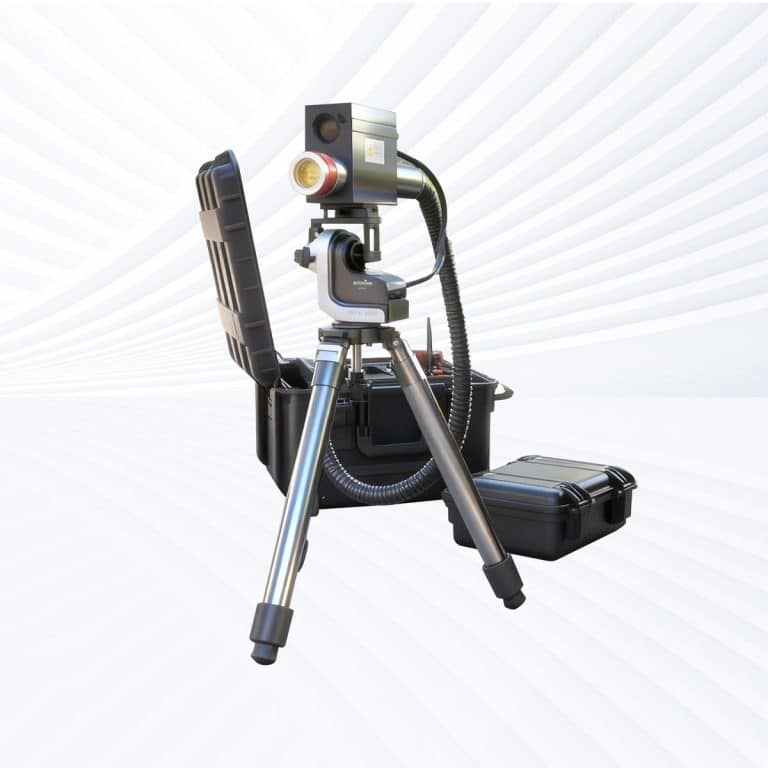
Application of Laser Obstacle Removers

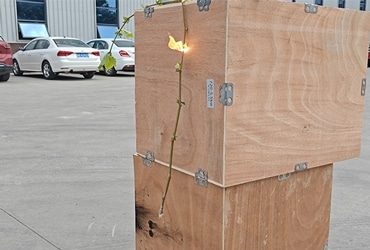


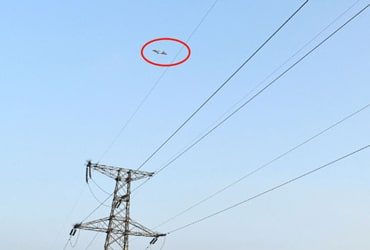

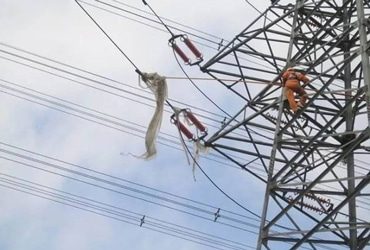
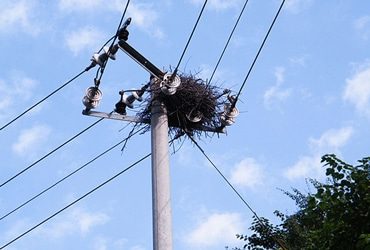
Customer Testimonials
Comparison VS Other Obstacle Removal Technologies
| Comparison Item | Laser Obstacle Remover | Water Jet Cleaning | Infrared Ablation System | Shockwave Removal |
|---|---|---|---|---|
| Precision Control | Extremely high precision with adjustable beam focus | Moderate; water pressure control only | Moderate; difficult to focus on small areas | Low; affects a broader zone |
| Material Contact | Completely contact-free | Direct contact with surface | Non-contact | Non-contact |
| Surface Damage Risk | Minimal, highly controlled | Moderate; can erode soft materials | Low to moderate | High; potential for micro-cracks |
| Cleaning Speed | Fast and consistent | Moderate; slower on thick buildup | Slower; limited by energy density | Fast but inconsistent |
| Energy Efficiency | High efficiency, low power consumption | High water and energy use | High electrical demand | High energy bursts required |
| Consumables Required | None | Requires water and abrasives | Occasional optical components | None, but frequent maintenance |
| Maintenance Needs | Low; self-cleaning optics | High; nozzle and pump wear | Moderate; lens recalibration needed | High; component fatigue |
| Waste Generation | No secondary waste | Large volume of contaminated wastewater | Minimal; some debris | Minimal physical waste |
| Environmental Impact | Eco-friendly and dry | Requires filtration and disposal system | Low emissions, but heat output | Loud and can generate vibration impact |
| Operator Safety | High; enclosed and automated systems | Risk of splashback and noise | Safe if shielded | Requires high safety measures |
| Operating Noise Level | Very low | High | Moderate | Extremely high |
| Versatility (Material Range) | Works on metal, stone, concrete, glass, composites | Mostly on metal and hard surfaces | Limited to heat-tolerant materials | Restricted to brittle or layered materials |
| Portability | Compact and mobile | Heavy, water-dependent system | Moderate; requires stable setup | Bulky and complex setup |
| Cost Over Time | Low total cost; minimal consumables | High due to consumables and water | High initial and energy costs | High due to maintenance and safety |
| Typical Applications | Industrial cleaning, surface prep, coating removal | Rust removal, paint stripping | Thin coating removal, micro-processing | Large-scale detachment, rock or coating breakage |
Why Choose Us
Efficient Performance
Our laser obstacle removers deliver fast, high-precision results with minimal heat impact or waste. They outperform traditional methods like grinding or water jetting, allowing operators to complete tasks quickly and accurately without consumables or surface wear.
Safe & Eco-Friendly
Designed with operator safety and sustainability in mind, our systems operate without chemicals, water, or abrasive media. They produce no harmful residues or dust, reducing environmental impact while maintaining a clean and quiet workspace.
Stable & Reliable Operation
Each unit is built with premium laser sources, intelligent cooling systems, and advanced control software to ensure consistent output, stable performance, and long service life—even in demanding industrial environments.
Proven Expertise & Support
Backed by years of experience in laser technology and industrial automation, AccTek Group delivers not just equipment, but complete solutions. We help clients optimize efficiency, lower maintenance costs, and stay ahead with cutting-edge laser technology.
Related Resources
Comprehensive Guides to Choosing the Right Laser Cleaning Parameters
This comprehensive guide explores the key factors in choosing the right laser cleaning parameters, including material types, contamination levels, and practical considerations for optimal results.

What Training Is Required to Operate Laser Cleaning Machines
This article is a comprehensive guide outlining the safety, operation, maintenance, and certification training required for operators of modern industrial laser cleaning machines.
What Are the Common Problems With Laser Cleaning Machines
This article addresses the most common problems with laser cleaning machines, including performance issues, maintenance challenges, and practical solutions for reliable operation.
What Precautions Should Be Taken During Laser Cleaning
This article explains key precautions for safe laser cleaning, covering equipment setup, operator protection, ventilation, maintenance, and compliance with safety standards.
Frequently Asked Questions
What Power Levels Are Available For Laser Obstacle Removers?
- 500W: The 500-watt laser obstacle remover is ideal for light-duty clearing tasks. It effectively removes small debris, vegetation, or minor obstructions like thin wires, low branches, or surface coatings. It offers high precision and minimal energy consumption, making it well-suited for routine maintenance and low-intensity operations.
- 1000W: At 1000 watts, the laser delivers stronger cutting and ablation power. It can handle denser materials such as thicker branches, small metallic obstacles, or hard coatings on surfaces. This power level balances energy efficiency with enhanced performance, commonly used for general obstacle removal in moderate field conditions.
- 1500W: The 1500-watt system provides robust cutting force for more demanding applications. It effectively clears larger or tougher obstacles, including thicker metal objects, cables, and composite materials. It’s suitable for environments where higher penetration and faster clearing speeds are necessary without compromising precision.
- 2000W: The 2000-watt laser obstacle remover represents the high end of performance. It’s engineered for heavy-duty clearing, capable of rapidly removing thick metal barriers, dense vegetation, or high-resistance obstacles. This level of power ensures deep penetration, faster processing speeds, and superior effectiveness in complex or large-scale operational zones.
What Is The Price Of Laser Obstacle Removers?
- 500W: The 500-watt laser obstacle remover is priced between $13,000 and $14,000. It’s the most economical option, offering sufficient power for light-duty clearing and maintenance tasks. This model is ideal for users who require reliable performance on smaller-scale or precision operations without significant investment.
- 1000W: Falling in the $17,000 to $18,000 range, the 1000-watt model offers a balance between affordability and cutting strength. It delivers noticeably higher efficiency and faster processing speeds than the 500W version, making it suitable for medium-intensity obstacle removal in various field conditions.
- 1500W: The 1500-watt laser obstacle remover, priced between $24,000 and $25,000, is built for heavy-duty applications. It handles larger and tougher obstacles with enhanced speed and penetration. This mid-to-high-tier option appeals to users who need more power and durability for regular, demanding use.
- 2000W: At the top end, the 2000-watt model costs $33,000 to $34,000. It offers maximum performance for industrial or tactical environments where high-intensity laser clearing is required. The investment reflects its superior cutting capacity, faster operation, and capability to manage complex, large-scale tasks efficiently.
Is Laser Obstacle Removal Safe?
- Operator Safety: Laser obstacle removers emit high-intensity beams capable of cutting or ablating materials, so operators must always wear certified laser protective eyewear rated for the laser’s wavelength and power. Proper shielding and beam enclosures are essential to prevent accidental exposure. Only trained personnel should operate or maintain these systems.
- Controlled Operation Zones: Safety zones should be clearly marked during operation. Unauthorized entry should be restricted, and reflective surfaces near the laser path must be minimized to prevent beam scattering or unintentional reflections, which can pose risks to nearby personnel or equipment.
- Thermal and Fire Risks: Since laser beams generate intense localized heat, there’s potential for ignition of flammable materials near the working area. Maintaining clean surroundings, avoiding dry vegetation or fuel sources, and having fire suppression tools on hand significantly reduce this risk.
- Environmental Considerations: Laser obstacle removal produces vaporized particles and fumes depending on the type of material being ablated. Adequate ventilation or localized exhaust systems should be used to prevent inhalation hazards and maintain clear visibility during operations.
- System Safety Features: Modern laser obstacle removers include built-in safety interlocks, emergency shutoff mechanisms, and power controls to prevent overexposure or malfunction. Regular calibration and maintenance ensure the system performs reliably and safely.
- Operational Training: Operators must receive proper training in laser safety standards (such as IEC 60825 or ANSI Z136.1) and understand the potential hazards of direct, reflected, or scattered beams. Following manufacturer safety guidelines is critical to safe operation.
What Is The Difference Between Laser Cleaning And Laser Obstacle Removal?
- Purpose and Application
- Laser Cleaning: Designed for surface treatment, laser cleaning removes contaminants like rust, paint, oxidation, oil, or coatings from material surfaces without damaging the underlying substrate. It’s widely used in manufacturing, restoration, and maintenance industries for precise and non-contact cleaning.
- Laser Obstacle Removal: Built for material elimination, this technology is used to clear physical obstructions such as metal debris, cables, branches, or other objects blocking paths or equipment. Its function is not cleaning but the complete removal or ablation of unwanted material.
- Laser Power and Intensity
- Laser Cleaning: Typically operates in the 100W to 6000W range. The laser’s energy is carefully controlled to vaporize surface contaminants while preserving the base material. The process relies on differences in absorption rates between the contaminant and substrate.
- Laser Obstacle Removal: Uses high-power lasers (500W to 2000W or more) capable of cutting, burning, or vaporizing solid obstacles. The focus is on penetration and disintegration, not surface refinement, requiring significantly greater beam intensity and energy density.
- Operational Precision
- Laser Cleaning: Extremely precise, allowing selective removal of micron-thick layers. It’s ideal where surface preservation is crucial, such as on historical artifacts, molds, or machinery parts.
- Laser Obstacle Removal: While still accurate, it prioritizes power over precision, targeting and eliminating obstacles rapidly across larger or denser materials like metals, composites, or vegetation.
- End Result
- Laser Cleaning: Produces a clean, residue-free surface ready for coating, bonding, or inspection. The material underneath remains intact and undamaged.
- Laser Obstacle Removal: Results in the complete clearance of obstructive material, often leaving behind exposed surfaces or open paths rather than refined finishes.
- Safety and Control
- Laser Cleaning: Generally safer, since it operates at lower power levels and within controlled environments.
- Laser Obstacle Removal: Requires stricter safety measures due to higher power, potential beam reflections, and thermal effects in open or variable conditions.
Does Laser Obstacle Removal Produce Toxic Fumes Or Dust?
- Emission Formation: When the laser beam strikes a material, its intense energy causes rapid heating, vaporization, or ablation of the obstacle’s surface. This process releases fine dust particles, metal oxides, and gaseous byproducts. The type and concentration of these emissions depend on the obstacle’s composition—metal, vegetation, plastic, or paint coatings all produce different vapors or particulates.
- Dust and Particulate Control: High-powered laser obstacle removers are often equipped with air extraction or filtration systems to capture fumes and particulates at the source. In field applications, portable air filters or vacuum systems can significantly reduce airborne contamination.
- Environmental Safety: The vaporized or oxidized residues are generally localized, but in confined or enclosed environments, adequate airflow and respiratory protection are essential. Regular maintenance of optical and ventilation components helps prevent contamination buildup and ensures safe performance.
- Operator Precautions: Using protective eyewear, respiratory masks, and localized fume extraction is standard practice. Operators should also position themselves upwind when working outdoors and follow safety data guidelines for any materials being processed.
Can Laser Obstacle Removers Be Operated Outdoors?
- Operational Suitability: Laser obstacle removers are engineered for field and outdoor applications, such as clearing debris, vegetation, or metallic obstacles from equipment paths, transmission lines, or tactical zones. Their rugged design allows stable performance under various environmental conditions, including variable terrain and open-air environments.
- Weather Conditions: While outdoor use is common, laser systems should not operate in heavy rain, fog, or high humidity, as moisture and suspended water particles can scatter or absorb the laser beam, reducing efficiency and potentially causing beam instability. Dust storms or strong winds may also interfere with targeting accuracy and should be avoided when possible.
- Lighting and Visibility: Optimal performance is achieved in conditions with moderate to low ambient light, where beam visibility and targeting precision are clearer. Direct sunlight does not damage the system but can reduce beam visibility for the operator, so proper targeting aids or shielding may be used when necessary.
- Thermal and Environmental Protection: Outdoor laser removers are typically built with weather-resistant housings and temperature control systems that protect internal optics and electronics from dust, heat, and cold. However, extreme temperatures (below freezing or above 40℃/104°F) can impact performance if the system is not rated for those conditions.
- Power Supply and Mobility: Field-grade units may be battery-powered, generator-assisted, or vehicle-mounted, ensuring mobility and continuous operation even in remote areas. Stable power delivery is critical for maintaining consistent beam output during extended outdoor use.
- Safety Protocols: Outdoor operation requires careful beam path management to prevent unintentional exposure. Operators must secure a controlled working perimeter and ensure that reflective surfaces—such as metal poles, mirrors, or wet objects—are kept outside the laser’s range to prevent scattered reflections.
- Fume and Dust Dispersion: One advantage of outdoor use is natural ventilation—fumes and particulates generated by obstacle removal disperse quickly in open air. This reduces the need for extraction systems, though operators should remain upwind of the beam path for safety.
- Maintenance Considerations: Regular cleaning of the laser lens, cooling vents, and sensors is essential after outdoor use to remove dust, dirt, or residue. Protective covers should be applied when the system is idle to prevent contamination.
What PPE Is Required When Operating Laser Obstacle Removers?
- Laser Safety Glasses: The most critical piece of PPE is laser protective eyewear specifically rated for the wavelength and power of the laser in use. These glasses prevent retinal injury from direct, reflected, or scattered laser light. Each pair must match the laser’s optical density (OD) requirements to ensure full protection. Operators should inspect lenses regularly for scratches or damage that could compromise safety.
- Protective Clothing: Operators should wear non-reflective, flame-resistant clothing that covers exposed skin. This minimizes the risk of burns from accidental beam contact or exposure to hot debris. Natural fibers like cotton are preferred over synthetic fabrics, which can melt under high heat. Long sleeves, full-length pants, and closed collars are recommended during operation.
- Gloves: Heat-resistant or leather gloves protect hands from radiant heat, sparks, and material fragments created during obstacle removal. When handling recently cut or vaporized materials, gloves prevent direct contact with hot surfaces or residue.
- Respiratory Protection: Depending on the material being removed, fume and particulate respirators may be necessary. Laser ablation can produce metal oxides, carbonized particles, or chemical vapors, so operators should use N95 or P100 respirators when working near the beam path or in enclosed environments without sufficient ventilation.
- Face Shield (Optional but Recommended): In high-power or outdoor applications where debris or particles may scatter, a clear face shield worn over safety glasses provides added protection from physical impacts, sparks, or dust.
- Hearing Protection: While lasers themselves are silent, some models use air-assist systems or mechanical cooling units that produce moderate noise levels. In these cases, ear protection such as earplugs or earmuffs helps reduce prolonged exposure to operational noise.
- Safety Footwear: Closed-toe, non-slip, and heat-resistant boots protect feet from falling debris, molten residue, or sparks. Steel-toe boots may be required in industrial or field environments where heavy equipment is used alongside the laser system.
- High-Visibility or Field Gear (Outdoor Use): When operating outdoors, especially in tactical or field conditions, operators should wear high-visibility vests or tactical protective gear to maintain situational awareness and visibility among team members.
How Should Laser Obstacle Removers Be Maintained?
- Optical System Maintenance: The optical components—such as the lens, mirrors, and focusing head—must remain clean and free from dust, residue, or condensation. Contamination can scatter or absorb the laser beam, reducing power efficiency and potentially damaging optics. Use lint-free wipes and approved optical cleaning solutions to gently remove particles. Avoid touching lenses directly, and always inspect them before and after use.
- Cooling System Inspection: Laser obstacle removers use air or water cooling systems to regulate internal temperatures during operation. Check coolant levels, flow rates, and hose integrity regularly. Replace coolant fluid as specified by the manufacturer to prevent scaling, corrosion, or bacterial buildup. For air-cooled systems, clean intake filters and vents to maintain proper airflow and prevent overheating.
- Electrical and Power Components: Inspect all cables, power connectors, and grounding points for signs of wear, corrosion, or loosened fittings. Ensure stable power input and avoid voltage fluctuations that can affect beam consistency. Routine testing of safety interlocks, emergency shutoff switches, and control circuits ensures reliable performance and operator safety.
- Mechanical Parts and Alignment: Over time, mechanical supports, alignment rails, and beam delivery components can drift or loosen due to vibration or transport. Perform alignment checks using manufacturer-recommended calibration tools to ensure the laser beam remains centered and properly focused. Tighten mounts and inspect all moving parts for wear or imbalance.
- Lens and Nozzle Care (If Applicable): If the system includes a protective nozzle or focusing assembly, remove and clean it periodically to prevent the buildup of carbonized particles or metallic residues. Replace protective windows if they become scratched or cloudy, as this can reduce beam transmission efficiency.
- Software and Firmware Updates: Keep the system’s control software and firmware up to date. Manufacturers often release updates that improve beam stability, targeting accuracy, and safety performance. Always back up operational parameters before applying updates to prevent configuration loss.
- Environmental Control: Store and operate the system in a clean, dry, and temperature-stable environment. Avoid direct sunlight, humidity, and airborne dust. When used outdoors, protect the equipment with weather-resistant casings and clean it after exposure to wind, dust, or vegetation.
- Regular Calibration: Scheduled power calibration and beam profiling maintain accuracy over time. Using diagnostic tools, measure beam power output and spot quality to ensure the laser operates within specified limits. Calibration should be performed by trained personnel or certified technicians.
- Safety System Checks: Verify that all safety interlocks, protective covers, and sensors function correctly before operation. Inspect warning labels and ensure that all safety indicators are visible and legible.
- Record Keeping: Maintain a logbook of all maintenance, calibration, and inspections. This record helps identify patterns of wear and simplifies troubleshooting.