

Introduction
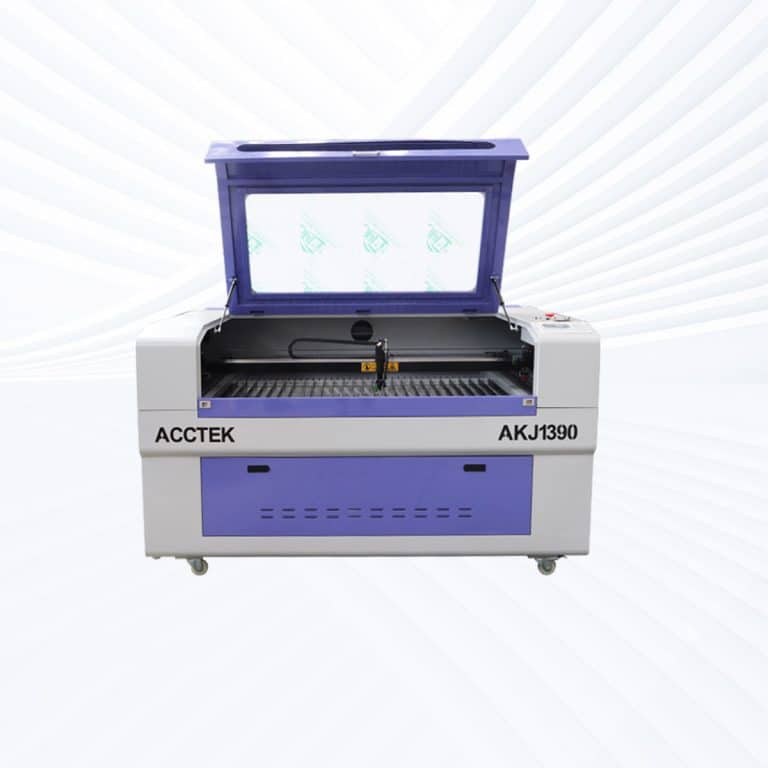
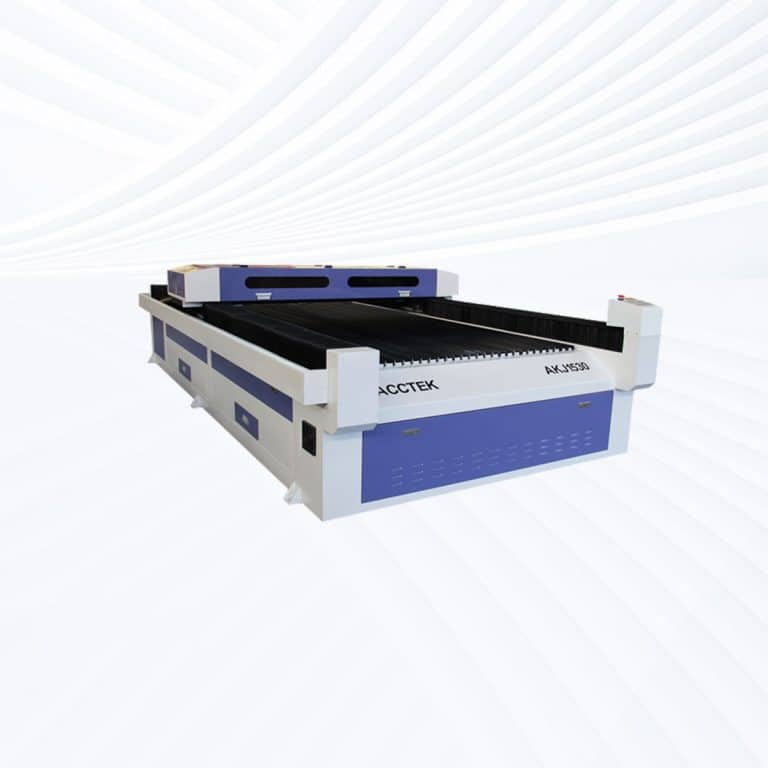
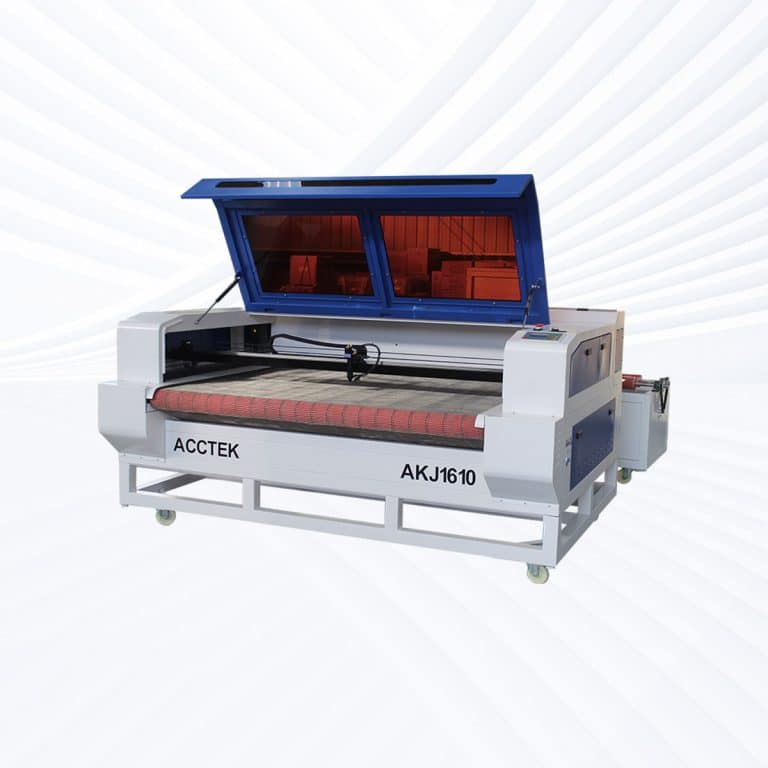
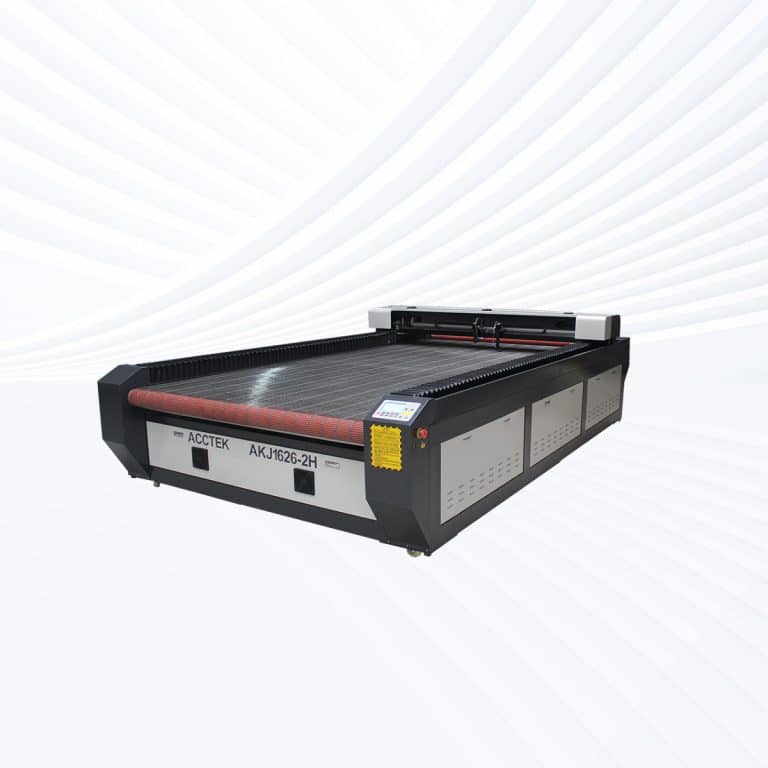
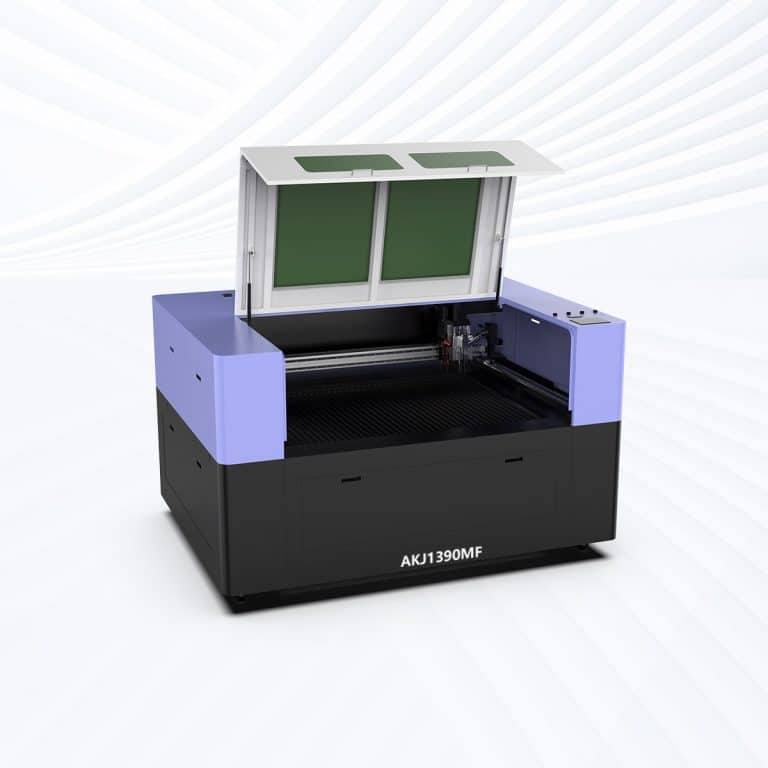
Advantages of Laser Cutting Wood
High Precision and Detail
Laser cutting wood delivers excellent accuracy, allowing intricate patterns, fine text, and complex shapes to be cut consistently. Digital control ensures repeatable results, making it ideal for decorative designs, crafts, and detailed wood components.
Non-Contact Cutting Process
Because laser cutting wood is a non-contact method, no mechanical force is applied to the material. This reduces the risk of cracking, splintering, or tool marks, especially when working with thin or delicate wood sheets.
Clean and Accurate Cuts
Laser cutting wood produces clean, precise cuts with smooth edges. With optimized settings, edge quality is consistent, reducing the need for extensive sanding or secondary finishing processes and improving overall production efficiency.
High Design Flexibility
Laser cutting wood allows quick changes to designs through digital files without new tooling. Complex patterns, custom shapes, and detailed engravings can be easily produced, supporting prototyping and customized wood products.
Reduced Material Waste
The narrow kerf width of laser cutting wood enables efficient nesting of parts on wood panels. This maximizes material usage, reduces scrap, and helps lower production costs, particularly when using high-quality wood materials.
Fast Setup and Efficient Production
Laser cutting wood requires minimal setup time and supports automated operation. High cutting speeds and consistent output improve productivity, making it suitable for both small batch production and scalable manufacturing.
Compatible Materials
- Plywood
- Birch Plywood
- Maple Plywood
- Poplar Plywood
- MDF
- HDF
- Balsa Wood
- Basswood
- Birch
- Cherry
- Maple
- Oak
- Walnut
- Ash
- Beech
- Pine
- Cedar
- Redwood
- Fir
- Spruce
- Bamboo
- Teak
- Mahogany
- Alder
- Hickory
- Sycamore
- Rosewood
- Ebony
- Veneer Sheets
- Exotic Wood Veneers
- Cork
- Engineered Wood
- Reclaimed Wood
- Particle Board
- Luan Plywood
- Melamine-Coated MDF
- Painted Wood
- Stained Wood
- Composite Plywood Panels
- Live Edge Slabs
Laser Cutting Wood VS Other Cutting Methods
| Comparison Item | Laser Cutting | CNC Routing | Knife Cutting | Waterjet Cutting |
|---|---|---|---|---|
| Suitability for Wood Materials | Highly suitable | Very suitable | Limited | Suitable |
| Cutting Precision | Very high | High | Medium | High |
| Edge Quality | Clean, fine edges | Good, may need sanding | Rough edges | Clean but wet |
| Material Deformation | None (non-contact) | Low to medium | Medium | None |
| Heat-Affected Zone (HAZ) | Small and controllable | None | None | None |
| Kerf Width | Very narrow | Medium | Narrow | Wide |
| Detail and Intricate Cutting | Excellent | Good | Poor | Good |
| Cutting Speed | High for thin wood | Moderate | High for thin sheets | Slow |
| Thickness Capability | Thin to medium wood | Medium to thick wood | Thin sheets only | Thin to very thick |
| Tool Wear | No tool wear | High tool wear | Blade wear | Nozzle wear |
| Material Waste | Very low | Medium | Medium | High |
| Setup and Changeover Time | Very fast | Moderate | Fast | Long |
| Design Flexibility | Excellent | Good | Limited | Good |
| Automation and Repeatability | Excellent | Excellent | Good | Good |
| Overall Efficiency for Wood Processing | Excellent | Very good | Fair | Good |
Laser Cutting Capacity
| Power/Material | 60W | 80W | 90W | 100W | 130W | 150W | 180W | 220W | 260W | 300W | 500W | 600W |
|---|---|---|---|---|---|---|---|---|---|---|---|---|
| Plywood | Limited Cut | Cut | Cut | Cut | Cut | Cut | Cut | Cut | Cut | Cut | Cut | Cut |
| MDF | Limited Cut | Cut | Cut | Cut | Cut | Cut | Cut | Cut | Cut | Cut | Cut | Cut |
| Solid Wood | Limited Cut | Limited Cut | Cut | Cut | Cut | Cut | Cut | Cut | Cut | Cut | Cut | Cut |
| Cork Sheet | Cut | Cut | Cut | Cut | Cut | Cut | Cut | Cut | Cut | Cut | Cut | Cut |
| Bamboo Board | Limited Cut | Cut | Cut | Cut | Cut | Cut | Cut | Cut | Cut | Cut | Cut | Cut |
| Laminates | Engrave Only | Limited Cut | Limited Cut | Cut | Cut | Cut | Cut | Cut | Cut | Cut | Cut | Cut |
| Acrylic (PMMA) | Limited Cut | Cut | Cut | Cut | Cut | Cut | Cut | Cut | Cut | Cut | Cut | Cut |
| ABS | Engrave Only | Engrave Only | Engrave Only | Engrave Only | Limited Cut | Limited Cut | Cut | Cut | Cut | Cut | Cut | Cut |
| Delrin (POM) | Engrave Only | Limited Cut | Limited Cut | Cut | Cut | Cut | Cut | Cut | Cut | Cut | Cut | Cut |
| Composite | Engrave Only | Limited Cut | Limited Cut | Cut | Cut | Cut | Cut | Cut | Cut | Cut | Cut | Cut |
| EVA Foam | Cut | Cut | Cut | Cut | Cut | Cut | Cut | Cut | Cut | Cut | Cut | Cut |
| Depron Foam | Cut | Cut | Cut | Cut | Cut | Cut | Cut | Cut | Cut | Cut | Cut | Cut |
| Gator Foam | Limited Cut | Cut | Cut | Cut | Cut | Cut | Cut | Cut | Cut | Cut | Cut | Cut |
| Cardboard | Cut | Cut | Cut | Cut | Cut | Cut | Cut | Cut | Cut | Cut | Cut | Cut |
| Stone | Engrave Only | Engrave Only | Engrave Only | Engrave Only | Engrave Only | Engrave Only | Engrave Only | Engrave Only | Engrave Only | Engrave Only | Engrave Only | Engrave Only |
| Leather | Limited Cut | Cut | Cut | Cut | Cut | Cut | Cut | Cut | Cut | Cut | Cut | Cut |
| Textile | Cut | Cut | Cut | Cut | Cut | Cut | Cut | Cut | Cut | Cut | Cut | Cut |
| Nylon | Engrave Only | Limited Cut | Limited Cut | Cut | Cut | Cut | Cut | Cut | Cut | Cut | Cut | Cut |
| Felt | Cut | Cut | Cut | Cut | Cut | Cut | Cut | Cut | Cut | Cut | Cut | Cut |
| Rubber | Limited Cut | Cut | Cut | Cut | Cut | Cut | Cut | Cut | Cut | Cut | Cut | Cut |
| Ceramic | Engrave Only | Engrave Only | Engrave Only | Engrave Only | Engrave Only | Engrave Only | Engrave Only | Engrave Only | Engrave Only | Engrave Only | Engrave Only | Engrave Only |
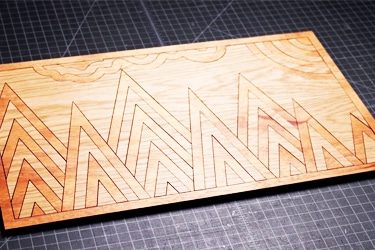
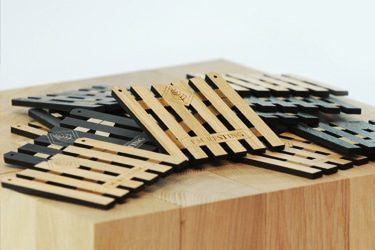
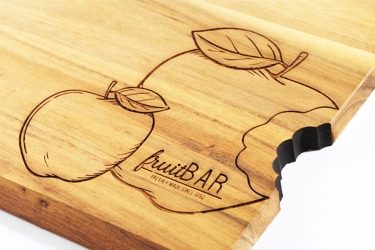
Applications of Laser Cutting Wood

Customer Testimonials
Related Resources
Understanding The Odors Associated With Laser Cutting
This article provides a comprehensive guide to laser cutting odors, explaining the causes of odors, material-specific odors, health risks, and practical strategies for effectively controlling odors and ensuring safer operation.
What Safety Measures Should Be Taken When Operating Laser Cutting Machines
This article teaches the basic safety measures for operating a laser cutting machine, including hazard awareness, engineering controls, PPE, fire prevention, ventilation, training, and emergency response drills.
Addressing the Challenges of Fiber Laser Cutting: Common Problems and Solutions
This article explores common challenges in fiber laser cutting, including material-related issues, machine performance, and operator-related problems, offering practical solutions to optimize cutting quality and efficiency.
Precautions for Operating Laser Cutting Machines
This article provides a detailed overview of basic precautions for operating laser cutting machines, covering safety risks, proper setup, operating guidelines, maintenance procedures, and emergency preparedness.
Frequently Asked Questions
How Does Wood Type Affect The Laser Cutting Process?
- Hardwoods vs. Softwoods: Hardwoods (like oak, maple, and cherry) are denser and more resistant to cutting than softwoods (such as pine or cedar). Hardwoods tend to require more power and slower cutting speeds to achieve clean cuts. On the other hand, softwoods are easier to cut, but they may be more prone to charring or burning due to their lower density. Adjusting the laser settings to account for the specific type of wood is crucial to ensure optimal cutting results.
- Plywood and MDF: Plywood and MDF (Medium-Density Fiberboard) are often used in laser cutting, but these materials present their own unique challenges. Plywood, depending on the type of wood used and the adhesive holding the layers together, can produce uneven cuts. Additionally, the adhesives in plywood can emit unpleasant fumes and even create a risk of fire if not properly ventilated. MDF, being a composite material, often results in a smoother cut but may produce a lot of fine dust, which can be hazardous if not managed properly.
- Veneer: Thin wood veneers are often laser cut with high precision, but because they are so thin, they may burn or scorch easily. This is particularly true with woods that have a high resin content. Careful adjustments to the power settings and the use of an air assist system can help minimize charring or burning at the cut edges.
- Charring and Smoke Production: Different woods have varying levels of resin and moisture, which directly affect how they react to the heat of the laser. Hardwoods with high resin content, for example, can result in more charring and smoke, requiring effective ventilation systems to remove the smoke and reduce the risk of fire. Proper settings, including adjusting speed and power, can help manage this.
- Cutting Speed and Power Settings: The laser cutting settings (speed, power, and frequency) must be adjusted based on the wood type. Denser woods require slower speeds and higher power to cut cleanly, while lighter woods may cut more quickly but with more risk of burns.
How Does The Moisture Content Of Wood Affect The Quality Of Laser Cutting?
- Cutting Efficiency: Wood with high moisture content tends to be more resistant to the laser beam. When wood contains more water, it requires more energy to heat up and vaporize, which can slow down the cutting process. This increased energy demand can lead to inefficient cuts and longer processing times, as the laser struggles to penetrate the material. On the other hand, wood with low moisture content tends to cut more efficiently because less energy is required to vaporize the material.
- Quality of the Cut: Wood with a higher moisture content may produce uneven cuts. The water within the wood can interfere with the laser’s ability to make smooth, precise cuts, leading to more charring or irregular edges. In contrast, dry wood tends to result in cleaner, more defined edges, especially when the cutting settings (speed and power) are properly calibrated.
- Risk of Smoke and Fume Production: Higher moisture levels in wood can lead to greater production of smoke and steam as the water in the wood evaporates during the cutting process. This can not only hinder the cutting process by creating additional heat, but can also make the cutting environment more hazardous. The moisture can also cause the release of undesirable fumes, potentially containing volatile organic compounds (VOCs), which can affect air quality and the operator’s health.
- Charring and Burning: Moist wood may experience more burning or charring on the cut edges. The excess moisture can create steam, which may not be vented adequately, leading to increased surface burning. In contrast, drier wood is less likely to cause such issues, allowing for cleaner cuts with less charring.
- Wood Warping: Wood that is too moist may warp or distort under the heat of the laser, especially when the cutting area is uneven. This warping can lead to inconsistent cutting quality and may cause the laser to miss parts of the material or create an uneven cut pattern.
Why Does Laser-Cut Wood Burn?
- High Heat Concentration: The CO2 laser focuses a powerful beam of light onto the wood’s surface, generating intense heat. As the laser vaporizes or melts the material, it can cause the wood to catch fire if the heat is not properly managed. The temperature can become high enough to ignite the wood, especially in areas where the laser remains stationary for longer periods.
- Flammability of Wood: Wood, being an organic material, is naturally flammable. The laser’s focused energy can quickly elevate the temperature of the wood to the point where it begins to burn. Hardwoods, in particular, are more likely to experience this issue as they tend to retain more heat and are denser, which can result in more prolonged exposure to high temperatures at the cutting surface.
- Type of Wood and Resin Content: Some woods, especially softwoods like pine, contain high levels of resin or sap. These resins are flammable and can combust more easily when exposed to heat from the laser. This increases the likelihood of charring or even ignition during the cutting process. The presence of natural oils in the wood can also fuel the burning.
- Laser Settings and Cutting Speed: If the laser’s power or cutting speed settings are not correctly adjusted for the type of wood, the cutting process can generate excessive heat. When cutting too slowly or with too much power, the laser may overheat the wood, causing it to burn, especially at the edges. Faster cutting speeds and lower power settings are typically used to minimize burning by reducing heat buildup.
- Lack of Air Assist or Ventilation: Air assist is crucial in the laser cutting process. It involves blowing air onto the cutting area to cool the material and remove smoke and debris. Without proper air assist or ventilation, the heat from the laser can build up, increasing the risk of fire. The lack of airflow also prevents the smoke from dissipating, which can further contribute to combustion.
- Moisture Content: Dry wood is more likely to burn when laser cut, as the heat is less likely to be absorbed by moisture in the wood. Wood with higher moisture content may experience less burning, but this can affect the quality of the cut, making moisture content another factor that influences burning.
Why Does Laser-Cut Wood Produce Smoke?
- Vaporization of Material: When the laser beam is focused on the wood’s surface, it heats the material to the point where it vaporizes. As the laser cuts through the wood, it causes the cellulose and other components of the wood to break down into gases and particulates, which form smoke. This is a natural result of the material being exposed to intense heat.
- Combustion of Wood: In addition to vaporizing the wood, the laser also generates enough heat to ignite and burn parts of the material, particularly at the edges or if the settings are too high. The combustion process releases both smoke and volatile organic compounds (VOCs), which contribute to the smoke produced during laser cutting.
- Presence of Resin and Oils: Many types of wood, especially softwoods like pine, contain high levels of resin and natural oils. These substances are flammable and release additional smoke when exposed to the heat of the laser. As the resin breaks down during the cutting process, it produces thicker, more visible smoke.
- Wood Moisture Content: Wood with higher moisture content tends to produce more smoke than drier wood. As the laser cuts through the moist wood, the water in the material evaporates, contributing to steam and smoke. The interaction of water vapor with the heat from the laser can increase the volume of smoke and even cause a smoldering effect in some cases.
- Inadequate Ventilation: Laser cutting wood without proper ventilation can exacerbate smoke production. The smoke and fumes created during the cutting process need to be effectively extracted from the cutting area. Without an efficient air assist or exhaust system, the smoke remains in the cutting chamber, creating an unpleasant and potentially hazardous working environment.
- Type of Wood: The type of wood also plays a role in smoke production. Hardwoods, with their denser composition, may burn and smoke differently from softwoods. Certain woods, like MDF and plywood, can release additional chemicals due to the adhesives and resins used in their production, leading to more smoke.
Why Do The Edges Of Laser-Cut Wood Turn Black?
- Heat and Combustion: The CO2 laser focuses a concentrated beam of energy onto the wood, generating intense heat. As the laser cuts through the material, the wood burns at the edges. The heat can cause incomplete combustion of the wood, leading to carbonization. This carbonized material appears as blackened, scorched edges. This is particularly noticeable when cutting denser woods or those with higher resin content.
- Resin and Sap Content: Many types of wood, especially softwoods like pine, contain high levels of natural resins and saps. When the laser hits these areas, the resins tend to burn more easily, causing a darker, more pronounced blackening along the edges. The presence of these substances in the wood exacerbates the burning process, contributing to the blackened appearance.
- Inadequate Cutting Speed and Power Settings: If the laser cutting machine’s speed is too slow or the power too high, the wood can be exposed to excessive heat for too long. This prolonged exposure causes more combustion and darkening of the cut edges. Finding the right balance in cutting speed and power is essential to prevent over-burning and reduce the amount of blackening.
- Material Thickness and Density: Thicker or denser woods, such as hardwoods, are more resistant to cutting, requiring more heat to penetrate. This increased heat exposure can lead to more combustion at the edges, resulting in darker burn marks. Conversely, thinner or less dense woods may experience less blackening, as the laser can cut through more efficiently with less heat buildup.
- Air Assist and Ventilation: Air assist systems blow a stream of air onto the cutting surface to help remove smoke and heat, promoting a cleaner cut. Without proper air assist or ventilation, the smoke and heat may not be adequately evacuated, leading to an accumulation of carbonized particles on the edges of the cut, which causes the blackened effect.
Why Are Assist Gases Required For Laser-Cut Wood?
- Cooling the Cutting Area: The high energy density from the laser beam generates significant heat as it cuts through the wood. Without proper cooling, this heat can cause excessive burning, charring, or even ignition of the wood. Assist gases, such as compressed air or nitrogen, help cool the cutting area by directing a stream of gas onto the material. This cooling effect reduces the risk of combustion and minimizes unwanted burning along the edges of the cut.
- Removing Smoke and Debris: As the laser cuts through the wood, it vaporizes the material, releasing smoke, dust, and particulates. These byproducts can obstruct the laser beam, reducing cutting efficiency and precision. The assist gas helps to blow away the smoke and debris from the cutting area, ensuring that the laser path remains clear and the cut quality stays high. This also prevents the smoke from accumulating and interfering with the operator’s visibility and safety.
- Improving Cut Quality: When cutting wood, assist gases help create cleaner, smoother edges by reducing the formation of burn marks or residue. For example, air assist helps to blow away the carbonized particles created during the cutting process, ensuring the wood is cut more precisely. The gas stream also prevents molten material from sticking to the cut edges, leading to cleaner results and reducing the need for post-processing work.
- Preventing Fire Hazards: Wood is naturally flammable, and when laser cutting, there is a risk of it igniting due to the high temperatures involved. Assist gases can help to mitigate this risk by providing a constant flow of air or gas over the cutting surface, which cools the material and limits the potential for spontaneous combustion. The assist gas essentially acts as a fire suppressant by reducing the heat concentration in the cutting area.
- Enhanced Machine Performance: Using the correct assist gas can also help maintain the efficiency and longevity of the laser cutting machine. By ensuring that the cutting area is clear of smoke and debris, the laser cutting machine operates more efficiently and with fewer maintenance issues. This not only improves the overall performance of the machine but also extends its lifespan.
Why Does Laser-Cut Wood Produce Tapered Kerfs?
- Laser Beam Divergence: A CO2 laser beam is not perfectly parallel, meaning it slightly spreads out as it travels from the laser head to the material. This phenomenon, known as beam divergence, results in the laser cutting a wider path at the top of the material compared to the bottom. As the laser beam moves through the material, it gradually loses focus, creating a wider cut opening near the surface and a narrower one as it penetrates deeper into the wood.
- Material Interaction with Heat: When the laser beam strikes the wood, it heats the material intensely. The heat causes the wood to vaporize, and this vaporization process is more efficient at the top of the cut where the laser has direct contact with the material. As the laser cuts deeper, the material below the surface may absorb more heat, causing some of the vaporized material to condense back into the cut. This results in a narrower kerf at the bottom as compared to the top.
- Variations in Cutting Speed: The laser’s cutting speed also affects kerf width. At higher cutting speeds, the laser has less time to interact with the material, which can cause the cut to be less uniform, especially near the bottom. Slower speeds allow more time for the laser to penetrate the material more evenly, but this may still result in some tapering if the settings are not perfectly balanced.
- Wood Grain and Moisture Content: The density and moisture content of the wood can cause variations in how the laser interacts with the material. Softer areas of the wood, or those with higher moisture content, may vaporize more quickly, while denser or drier sections may resist the laser’s heat, causing slight tapering as the laser moves through different parts of the material.
- Focus Position of the Laser: The position of the laser’s focal point plays a significant role in kerf formation. If the laser is not focused correctly on the material surface, it can cause the cut to be wider at the top and narrower at the bottom. Proper focusing of the laser is essential to minimizing tapering and ensuring a consistent kerf width.
Why Does Laser-Cut Wood Warp?
- Heat Distribution: CO2 lasers generate intense heat when cutting through wood. This heat is concentrated at the point of the laser beam, causing the material to expand in that area. However, the rest of the wood, not being exposed to the laser, does not expand at the same rate. The uneven heating can create internal stresses within the wood, which, as the material cools, can lead to warping. This effect is especially noticeable with thicker pieces of wood, which take longer to heat and cool evenly.
- Moisture Content: Wood naturally contains moisture, and this moisture is distributed unevenly throughout the material. When exposed to the high heat of a laser, the moisture begins to evaporate. Areas with higher moisture content will experience more evaporation, causing them to shrink more than the surrounding drier areas. This uneven shrinkage leads to warping, as the material distorts in response to the moisture loss.
- Grain Direction: The direction and pattern of the wood grain can significantly influence how the wood reacts to the laser. Wood with irregular or highly pronounced grain is more likely to warp, as the laser cuts through the material at different rates depending on the grain structure. Wood fibers that run in different directions will expand or contract differently when exposed to heat, leading to warping in areas where the grain structure is uneven.
- Cutting Speed and Power Settings: If the laser settings (speed and power) are not optimized for the specific type of wood, the heat generated by the laser can be uneven. For instance, too much power or a slow cutting speed can result in excessive heat buildup, causing localized areas of the wood to warp. Conversely, faster cutting speeds with lower power may not provide enough heat to cut through thicker wood cleanly, leading to incomplete cuts and additional stress on the material.
- Material Thickness and Density: Thicker and denser woods tend to warp more easily when laser-cut. These woods require more heat to penetrate, which can cause greater heat buildup. The outer layers of the wood cool faster than the interior, creating internal tension that leads to warping.