

Introduction
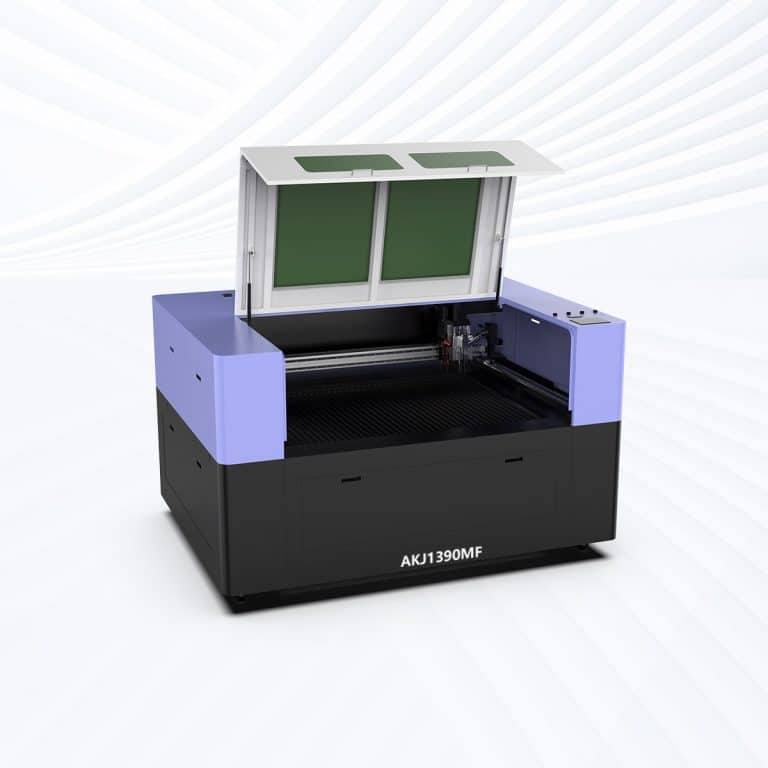
Advantages of Laser Cutting Leather
High Precision and Detail
Laser cutting leather allows extremely accurate cuts and fine details that are difficult to achieve with manual or die cutting. Complex patterns, small holes, and decorative designs can be produced consistently with excellent repeatability and dimensional accuracy.
Non-Contact Cutting Process
Because laser cutting leather is a non-contact process, the material is not stretched, compressed, or damaged during cutting. This helps preserve the natural texture and shape of the leather, especially for soft, thin, or delicate materials.
Clean and Sealed Edges
The laser seals the edges as it cuts, reducing fraying and loose fibers. This creates smooth, clean edges that improve the appearance and durability of leather products while minimizing the need for additional edge finishing processes.
High Design Flexibility
Laser cutting leather supports quick design changes through digital files without the need for new tools or dies. This makes it ideal for custom designs, small batch production, and rapid prototyping in fashion and product development.
Improved Production Efficiency
Laser cutting leather offers fast cutting speeds and minimal setup time. Automated operation increases productivity, reduces labor requirements, and ensures consistent quality, helping manufacturers meet tight deadlines and large order volumes.
Reduced Material Waste
With precise control and narrow kerf width, laser cutting leather allows efficient nesting of parts. This maximizes material usage, reduces scrap, and lowers production costs, which is especially important when working with high-quality leather materials.
Compatible Materials
- Full Grain Leather
- Top Grain Leather
- Genuine Leather
- Suede
- Nubuck
- Split Leather
- Corrected Grain Leather
- Embossed Leather
- Aniline Leather
- Semi-Aniline Leather
- Pigmented Leather
- Oil-Tanned Leather
- Vegetable-Tanned Leather
- Chrome-Tanned Leather
- Combination-Tanned Leather
- Rawhide
- Patent Leather
- Bonded Leather
- Reconstituted Leather
- Synthetic Leather
- Microfiber Leather
- Eco-Leather
- Faux Leather
- Vegan Leather
- PVC Leather
- Perforated Leather
- Laser-Ready Leather Sheets
- Dyed Leather
- Metallic-Finish Leather
- Soft Glove Leather
- Upholstery Leather
- Automotive Leather
- Garment Leather
- Tooling Leather
- Saddle Leather
- Bag Leather
- Belt Leather
- Watch Strap Leather
- Footwear Leather
- Decorative Embossed Leather
Laser Cutting Leather VS Other Cutting Methods
| Comparison Item | Laser Cutting | CNC Routing | Knife Cutting | Waterjet Cutting |
|---|---|---|---|---|
| Suitability for Leather | Highly suitable | Limited | Very suitable | Poor |
| Cutting Precision | Very high | Medium | Medium | High |
| Edge Quality | Clean, sealed edges | Rough edges | Clean but unsealed | Clean but wet |
| Material Deformation | None (non-contact) | High risk | Medium | None |
| Heat-Affected Zone (HAZ) | Small and controlled | None | None | None |
| Kerf Width | Very narrow | Medium | Narrow | Wide |
| Cutting Speed | High | Moderate | High | Slow |
| Thickness Capability | Thin to medium leather | Medium | Thin to medium | Thin to thick |
| Tool Wear | No tool wear | High tool wear | Blade wear | Nozzle wear |
| Material Waste | Very low | Medium | Medium | High |
| Setup and Changeover Time | Very fast | Moderate | Fast | Long |
| Design Flexibility | Excellent | Good | Limited | Good |
| Automation and Repeatability | Excellent | Good | Good | Good |
| Operating Cost | Moderate | Moderate | Low | High |
| Overall Efficiency for Leather Processing | Excellent | Good | Good | Poor |
Laser Cutting Capacity
| Power/Material | 60W | 80W | 90W | 100W | 130W | 150W | 180W | 220W | 260W | 300W | 500W | 600W |
|---|---|---|---|---|---|---|---|---|---|---|---|---|
| Plywood | Limited Cut | Cut | Cut | Cut | Cut | Cut | Cut | Cut | Cut | Cut | Cut | Cut |
| MDF | Limited Cut | Cut | Cut | Cut | Cut | Cut | Cut | Cut | Cut | Cut | Cut | Cut |
| Solid Wood | Limited Cut | Limited Cut | Cut | Cut | Cut | Cut | Cut | Cut | Cut | Cut | Cut | Cut |
| Cork Sheet | Cut | Cut | Cut | Cut | Cut | Cut | Cut | Cut | Cut | Cut | Cut | Cut |
| Bamboo Board | Limited Cut | Cut | Cut | Cut | Cut | Cut | Cut | Cut | Cut | Cut | Cut | Cut |
| Laminates | Engrave Only | Limited Cut | Limited Cut | Cut | Cut | Cut | Cut | Cut | Cut | Cut | Cut | Cut |
| Acrylic (PMMA) | Limited Cut | Cut | Cut | Cut | Cut | Cut | Cut | Cut | Cut | Cut | Cut | Cut |
| ABS | Engrave Only | Engrave Only | Engrave Only | Engrave Only | Limited Cut | Limited Cut | Cut | Cut | Cut | Cut | Cut | Cut |
| Delrin (POM) | Engrave Only | Limited Cut | Limited Cut | Cut | Cut | Cut | Cut | Cut | Cut | Cut | Cut | Cut |
| Composite | Engrave Only | Limited Cut | Limited Cut | Cut | Cut | Cut | Cut | Cut | Cut | Cut | Cut | Cut |
| EVA Foam | Cut | Cut | Cut | Cut | Cut | Cut | Cut | Cut | Cut | Cut | Cut | Cut |
| Depron Foam | Cut | Cut | Cut | Cut | Cut | Cut | Cut | Cut | Cut | Cut | Cut | Cut |
| Gator Foam | Limited Cut | Cut | Cut | Cut | Cut | Cut | Cut | Cut | Cut | Cut | Cut | Cut |
| Cardboard | Cut | Cut | Cut | Cut | Cut | Cut | Cut | Cut | Cut | Cut | Cut | Cut |
| Stone | Engrave Only | Engrave Only | Engrave Only | Engrave Only | Engrave Only | Engrave Only | Engrave Only | Engrave Only | Engrave Only | Engrave Only | Engrave Only | Engrave Only |
| Leather | Limited Cut | Cut | Cut | Cut | Cut | Cut | Cut | Cut | Cut | Cut | Cut | Cut |
| Textile | Cut | Cut | Cut | Cut | Cut | Cut | Cut | Cut | Cut | Cut | Cut | Cut |
| Nylon | Engrave Only | Limited Cut | Limited Cut | Cut | Cut | Cut | Cut | Cut | Cut | Cut | Cut | Cut |
| Felt | Cut | Cut | Cut | Cut | Cut | Cut | Cut | Cut | Cut | Cut | Cut | Cut |
| Rubber | Limited Cut | Cut | Cut | Cut | Cut | Cut | Cut | Cut | Cut | Cut | Cut | Cut |
| Ceramic | Engrave Only | Engrave Only | Engrave Only | Engrave Only | Engrave Only | Engrave Only | Engrave Only | Engrave Only | Engrave Only | Engrave Only | Engrave Only | Engrave Only |
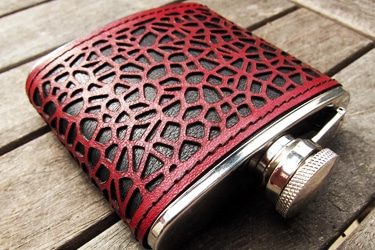
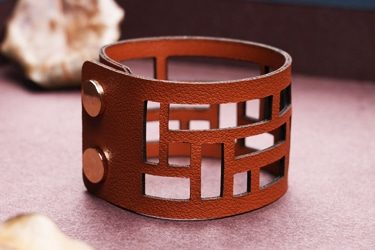
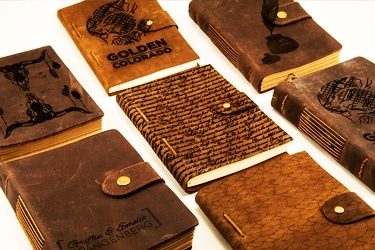
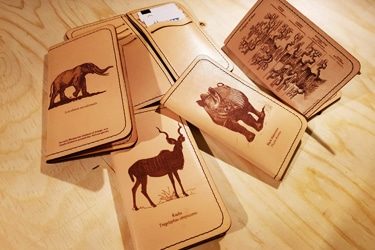
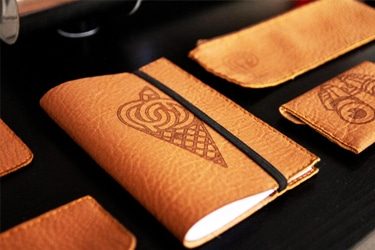
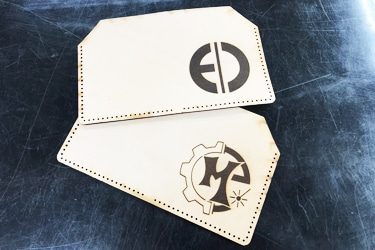
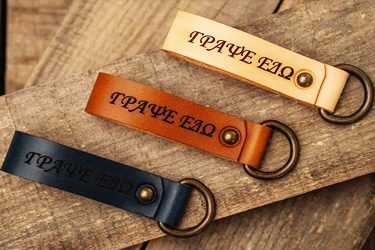
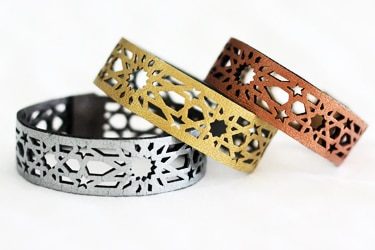
Applications of Laser Cutting Leather
Customer Testimonials
Related Resources
Understanding The Odors Associated With Laser Cutting
This article provides a comprehensive guide to laser cutting odors, explaining the causes of odors, material-specific odors, health risks, and practical strategies for effectively controlling odors and ensuring safer operation.
What Safety Measures Should Be Taken When Operating Laser Cutting Machines
This article teaches the basic safety measures for operating a laser cutting machine, including hazard awareness, engineering controls, PPE, fire prevention, ventilation, training, and emergency response drills.
Addressing the Challenges of Fiber Laser Cutting: Common Problems and Solutions
This article explores common challenges in fiber laser cutting, including material-related issues, machine performance, and operator-related problems, offering practical solutions to optimize cutting quality and efficiency.
Precautions for Operating Laser Cutting Machines
This article provides a detailed overview of basic precautions for operating laser cutting machines, covering safety risks, proper setup, operating guidelines, maintenance procedures, and emergency preparedness.
Frequently Asked Questions
Why Does Leather Absorb Laser Energy Unevenly?
- Natural Variations in Fiber Structure: Leather is composed of interwoven collagen fibers whose density, thickness, and orientation vary across a single hide. Areas with tightly packed fibers absorb and retain more laser energy, heating rapidly and cutting or engraving more deeply. Looser fiber regions absorb less energy, resulting in lighter engraving or incomplete cuts. These structural differences cause uneven laser-material interaction.
- Inconsistent Thickness Across the Hide: Leather rarely has uniform thickness. Even after processing, the thickness can vary significantly from one area to another. Thicker regions require more energy to cut through, while thinner areas absorb excess energy and may scorch or burn. This variation directly leads to uneven cutting depth and edge quality.
- Variable Moisture Content: Leather naturally absorbs and releases moisture from the environment. Moisture affects laser absorption because water absorbs heat and changes thermal response. Damp areas may resist burning initially, while dry areas heat rapidly and char more easily. This difference creates visible inconsistencies in laser cutting and engraving results.
- Effects of Tanning and Chemical Treatments: Different tanning processes—such as vegetable tanning or chrome tanning—alter the chemical composition of leather. Tanning agents, oils, dyes, and finishes are not always evenly distributed, which changes how specific areas absorb laser energy. Finished or coated surfaces may reflect or partially block laser energy compared to untreated sections.
- Surface Texture and Grain Differences: Leather surfaces vary in smoothness, grain pattern, and porosity. Rough or porous areas trap more laser energy and heat faster, while smoother surfaces may reflect some energy. These micro-level surface differences further contribute to uneven absorption.
- Thermal Insulation Behavior: Leather is a poor thermal conductor, so heat does not spread evenly away from the laser impact zone. Once an area begins heating faster than others, the temperature difference grows, amplifying uneven absorption and burn patterns.
- Dynamic Changes During Cutting: As the laser heats leather, it shrinks, stiffens, and chars. These changes alter the local structure in real time, causing already-heated regions to absorb even more energy while adjacent areas lag.
How Does The Natural Texture Of Leather Affect The Consistency Of Laser Cutting?
- Surface Grain Irregularities: Leather surfaces vary in grain pattern, ranging from smooth, tight grains to rough, open textures. Areas with a coarse or porous grain trap more laser energy and heat up faster, resulting in deeper or wider cuts. Smoother grain regions may reflect or dissipate some laser energy, producing shallower cuts. This variation causes inconsistent kerf width and cutting depth along the same toolpath.
- Localized Differences in Fiber Density: The texture of leather reflects the underlying collagen fiber structure. Regions with denser, tightly packed fibers resist laser penetration more than looser areas. As the laser encounters these differences, cutting speed and effectiveness change locally, which can lead to incomplete cuts in dense areas or excessive burning in less dense regions.
- Thickness Fluctuations Tied to Texture: Natural texture often correlates with thickness variation. Raised or heavily grained sections tend to be thicker, while smoother areas may be thinner. Since laser cutting relies on precise energy input, these thickness changes affect how much energy is required to fully cut through the leather, reducing consistency across a single piece.
- Moisture Retention in Textured Areas: Rough or porous textures can retain more moisture than smooth areas. Moisture alters the thermal response of leather by absorbing heat before the fibers begin to char or cut. As a result, moist, textured regions may cut less effectively than dry, smooth areas, creating uneven edges.
- Effect of Natural Marks and Imperfections: Scars, wrinkles, stretch marks, and pores are common in natural leather and contribute to texture variation. These imperfections disrupt uniform laser interaction, often causing localized overburning, edge roughness, or incomplete cutting.
- Dynamic Thermal Response: As the laser cuts, textured areas may shrink, harden, or char at different rates compared to smoother regions. This real-time structural change further alters how subsequent laser energy is absorbed, compounding inconsistencies during longer cuts.
- Edge Quality Variations: Textured leather often produces uneven edge finishes, with some areas appearing smooth while others look darkened, brittle, or slightly fused. These differences are directly linked to how the natural texture affects energy absorption and heat buildup.
Why Is Laser-Cut Leather Prone To Combustion?
- Organic Composition and High Carbon Content: Leather is primarily composed of collagen fibers derived from animal hide. These fibers are rich in carbon and other combustible elements. When exposed to the focused heat of a laser beam, the collagen structure breaks down rapidly, producing char and flammable gases that can ignite easily.
- Low Ignition Threshold Under Laser Heating: Although leather is durable under normal use, its ignition temperature can be quickly exceeded during laser cutting. The laser delivers energy to a very small area in a short time, causing temperatures to rise sharply. If the heat input surpasses the point where thermal decomposition transitions into combustion, the leather can catch fire.
- Poor Heat Dissipation: Leather has low thermal conductivity, meaning it does not efficiently spread heat away from the cutting zone. This causes localized heat buildup, increasing the likelihood of ignition. Even after the laser moves on, residual heat can remain trapped in the material, allowing smoldering to develop into open flames.
- Porous and Fibrous Structure: Leather’s fibrous structure creates small air pockets within the material. These pockets allow oxygen to penetrate the heated zone easily, supporting combustion. Once ignition begins, the fibers can sustain burning along the cut path or within the interior of the material.
- Surface Oils, Fats, and Finishing Chemicals: Natural oils retained in leather, along with tanning agents, dyes, and surface finishes, can be flammable. When heated by a laser, these substances vaporize and may ignite, intensifying flames or causing flare-ups during cutting.
- Extended Heat Exposure During Cutting: To achieve clean cuts, especially on thicker leather, slower cutting speeds are often used. This increases the duration of heat exposure at the cut edge, raising the risk of sustained burning rather than brief charring.
- Airflow and Oxygen Supply: Laser cutting is typically performed in ambient air. Assist air or ventilation systems, while necessary for smoke removal, can inadvertently supply additional oxygen to the hot cutting zone, accelerating combustion once ignition starts.
- Delayed Smoldering Risk: Even if open flames are not immediately visible, leather can smolder internally after cutting. This hidden combustion may reignite minutes later, posing a serious fire hazard if not closely monitored.
Why Does Laser-Cut Leather Emit Strong Odors?
- Thermal Breakdown of Organic Proteins: Leather is primarily made of collagen, a protein-based structure rich in nitrogen, sulfur, and carbon compounds. During laser cutting, temperatures rapidly exceed the decomposition point of collagen. Instead of clean vaporization, the protein chains break down into smaller molecules, releasing strong-smelling gases commonly associated with burning hair or animal tissue.
- Release of Sulfur-Containing Compounds: Collagen and natural fats in leather contain sulfur-based amino acids. When heated intensely, these compounds decompose and release sulfurous gases, which are responsible for sharp, unpleasant, and lingering odors. Even small amounts of these gases are easily detected by the human nose.
- Effects of Tanning Chemicals: Leather undergoes chemical tanning processes—such as chrome tanning or vegetable tanning—to stabilize the hide. These tanning agents, along with dyes, oils, and finishing chemicals, are embedded throughout the material. Laser heat volatilizes these substances, producing additional odors that can be metallic, acrid, or chemical in nature, depending on the tanning method used.
- Partial Combustion and Charring: Laser cutting often causes surface charring rather than full combustion. This incomplete burning produces smoke and odorous byproducts instead of cleaner combustion gases like carbon dioxide. The charred organic residue continues to emit odors even after the cutting has stopped.
- Poor Heat Dissipation and Prolonged Decomposition: Leather has low thermal conductivity, so heat remains localized at the cut edge. This trapped heat allows continued decomposition of organic material beyond the moment of laser exposure, prolonging odor release during and after cutting.
- Moisture and Natural Oils: Residual moisture and oils within leather contribute to odor formation. When heated, oils vaporize and oxidize, producing strong, sometimes rancid smells. Moisture can also promote uneven heating, increasing localized burning and odor intensity.
- Accumulation Without Adequate Ventilation: If fume extraction is insufficient, odors concentrate in the cutting area, making them seem stronger and more persistent. Odor molecules can also settle on nearby surfaces, prolonging the smell in the workspace.
Why Are The Edges Of Laser-Cut Leather So Rough?
- Fibrous Collagen Structure: Leather is made of interwoven collagen fibers rather than a solid, homogeneous matrix. When the laser beam cuts through the material, it burns and severs these fibers unevenly instead of slicing them cleanly. Some fibers are fully burned away, while others are only partially cut, leaving behind frayed, protruding strands that create a rough edge texture.
- Thermal Decomposition Instead of Clean Melting: Laser cutting relies on heat, but leather does not melt smoothly. Instead, it thermally decomposes and chars. This decomposition causes irregular material removal, producing jagged edges rather than smooth, polished ones. The charred residue left behind adds to the coarse, brittle feel of the cut edge.
- Inconsistent Fiber Density and Thickness: Leather varies naturally in thickness and fiber density across a single hide. Dense regions resist cutting more than softer areas, leading to uneven penetration by the laser. Thinner or less dense sections may overburn, while thicker areas may undercut, resulting in inconsistent edge profiles along the same cut path.
- Shrinkage and Curling During Cutting: As leather heats up, it shrinks and stiffens due to collagen contraction. This shrinkage can pull fibers away from the cut line or distort the material during cutting. The resulting movement disrupts the laser’s focal precision and contributes to uneven, torn-looking edges.
- Heat-Affected Zone Damage: The heat-affected zone around the cut experiences structural changes, including embrittlement and fiber hardening. These changes reduce cohesion between fibers, making the edge more prone to cracking and roughness once the cut is complete.
- Moisture and Oil Variations: Leather contains varying amounts of moisture and natural oils. Areas with higher moisture content may resist burning initially, while drier areas char quickly. This uneven thermal response creates inconsistent burning and rough edge finishes.
- Assist Air Effects: Air assist used to clear smoke can also disturb loose fibers at the cut edge. As fibers are softened by heat, airflow can push or lift them, increasing fraying and roughness.
Why Does Laser-Cut Leather Deform?
- Thermal Shrinkage of Collagen Fibers: Leather is composed of collagen fibers that contract when heated. During laser cutting, temperatures at the cut edge rise rapidly, causing these fibers to shrink and tighten. This localized contraction creates internal stresses that pull the surrounding material toward the cut line, resulting in warping, curling, or uneven deformation.
- Uneven Heat Distribution: Laser energy is concentrated in a narrow zone, producing steep temperature gradients across the leather. Areas near the cut become very hot, while adjacent regions remain relatively cool. This uneven heating causes differential expansion and contraction, which leads to bending and distortion of the leather sheet.
- Loss of Moisture During Cutting: Leather naturally contains moisture, which helps maintain flexibility. The heat from laser cutting drives moisture out of the material near the cut edge. As moisture evaporates, the leather stiffens and shrinks unevenly, amplifying deformation. Regions with higher initial moisture content may deform more than drier areas.
- Changes in Fiber Structure and Stiffness: Thermal degradation and charring alter the collagen structure, making the heat-affected zone stiffer and more brittle than the surrounding material. This stiffness mismatch causes the leather to bend or curl as it cools, especially along long or intricate cut paths.
- Variable Thickness and Density: Natural variations in leather thickness and fiber density cause different areas to respond differently to laser heat. Thinner or less dense regions heat up faster and shrink more, while thicker sections resist deformation. This imbalance leads to localized warping and uneven shapes.
- Mechanical Release of Internal Stresses: Leather contains residual stresses from tanning, stretching, and finishing processes. Laser cutting removes material and introduces heat, allowing these internal stresses to relax unevenly. The sudden stress release can cause the leather to twist or distort once the cut is complete.
- Assist Air and Material Movement: Air assist used to clear smoke can also influence deformation. As the leather softens under heat, airflow can lift or shift flexible sections, contributing to curling or misalignment during cutting.
Why Do The Edges Of Laser-Cut Leather Need To Be Sealed?
- Exposed and Weakened Fibers: Laser cutting burns through leather by thermally decomposing collagen fibers rather than slicing them cleanly. This process leaves behind exposed, partially charred fibers at the edge. These fibers are structurally weakened and prone to fraying, shedding, or breaking off with use. Sealing binds these loose fibers together and stabilizes the edge.
- Increased Moisture Absorption: The heat-affected zone along a laser-cut edge becomes more porous and hygroscopic. Without sealing, the exposed fibers readily absorb moisture from the air or direct contact. Moisture absorption can cause swelling, staining, mildew growth, and accelerated deterioration of the leather. Edge sealing creates a protective barrier that reduces water uptake.
- Prevention of Ongoing Charring and Odor Release: Charred residues left by laser cutting can continue to oxidize and release odors over time. Sealing the edge isolates these residues from oxygen, slowing further degradation and minimizing lingering smells associated with burnt leather.
- Improved Edge Smoothness and Comfort: Laser-cut leather edges are often rough and brittle. Sealing fills microvoids, smooths protruding fibers, and softens the edge. This is especially important for products like straps, bags, or garments where the edge may contact skin or be handled frequently.
- Enhanced Aesthetic Consistency: Unsealed laser-cut edges may appear darkened, uneven, or ashy compared to the rest of the leather. Edge sealing provides a uniform color and finish, improving the overall visual quality of the product and giving it a more professional appearance.
- Protection Against Mechanical Wear: Edges are high-wear zones in leather products. Unsealed laser-cut edges are more likely to crack, chip, or delaminate under repeated bending and abrasion. A sealed edge distributes mechanical stresses more evenly and extends the service life of the item.
- Stabilization After Thermal Damage: Laser cutting introduces localized thermal damage that alters flexibility and stiffness at the edge. Sealing helps rebalance these properties by reinforcing the damaged zone and preventing further structural breakdown.
Why Does Laser-Cut Leather Carbonize?
- Organic, Carbon-Rich Composition: Leather is primarily made of collagen, a protein-based material rich in carbon. When exposed to the high temperatures generated by a laser beam, collagen does not melt; instead, it breaks down chemically. This breakdown drives off volatile components such as water, oils, and gases, leaving behind a carbon-rich residue. This residue appears as blackened or darkened edges, commonly referred to as carbonization.
- Extreme Localized Heating: Laser cutting concentrates a large amount of energy into a very small area. Temperatures at the cut edge rise extremely quickly, often exceeding the point where organic materials undergo pyrolysis—a process in which material decomposes in the presence of heat but limited oxygen. Pyrolysis favors carbon formation rather than complete burning, leading directly to carbonized edges.
- Limited Oxygen at the Cut Interface: Although laser cutting is performed in ambient air, oxygen availability at the exact laser-material interface can be limited. Smoke, vapors, and decomposed material form a localized barrier that restricts oxygen flow. With insufficient oxygen for full combustion, the leather chars instead of burning cleanly, resulting in carbon buildup.
- Poor Thermal Conductivity of Leather: Leather does not conduct heat efficiently, so thermal energy remains concentrated near the cut line. This sustained high temperature promotes prolonged pyrolysis and deepens carbonization rather than allowing heat to dissipate quickly into surrounding material.
- Influence of Natural Oils and Fats: Leather contains residual oils and fats that decompose when heated. These substances contribute to incomplete combustion and soot formation, intensifying the blackened appearance of the cut edge and increasing carbon residue.
- Effect of Cutting Parameters: Slower cutting speeds, higher laser power, or multiple passes increase heat exposure time. This extended thermal input drives more complete decomposition of collagen fibers, producing thicker and darker carbonized layers along the edge.
- Surface Charring vs. Material Removal: Unlike acrylic or some plastics that vaporize cleanly, leather tends to char before material is fully removed. The charred layer can remain attached to the edge, reinforcing the carbonized look.