

Introduction
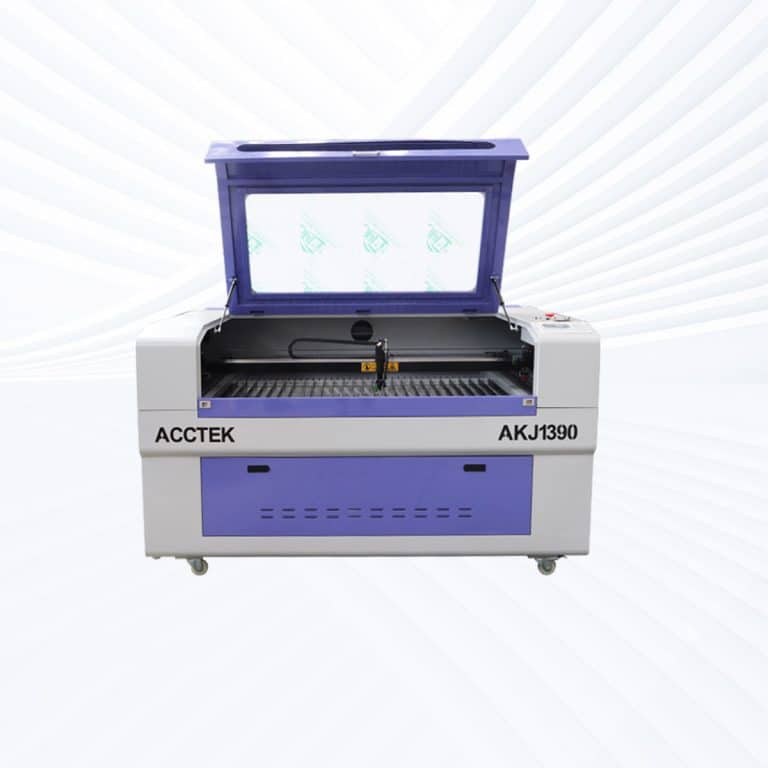
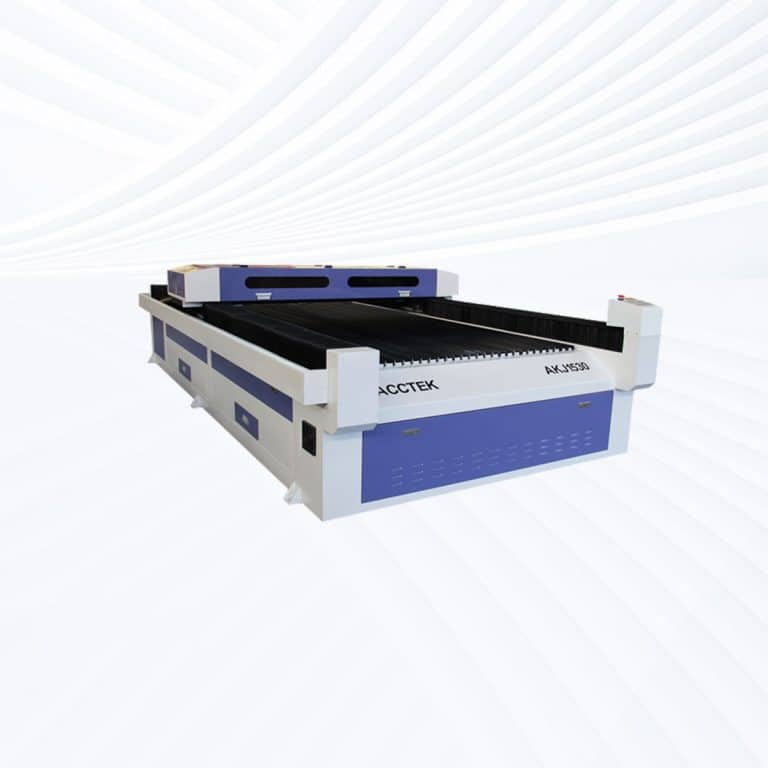
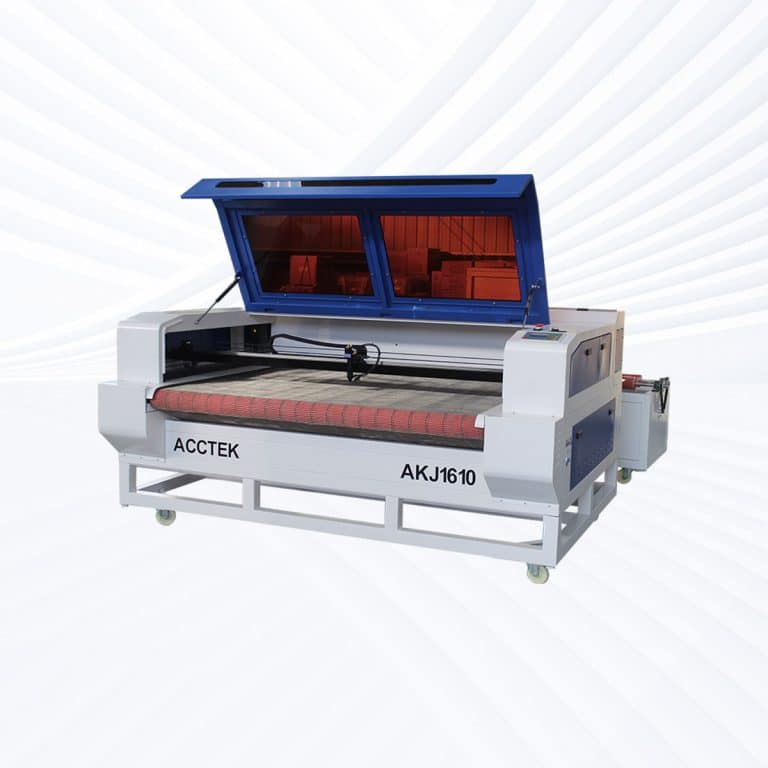
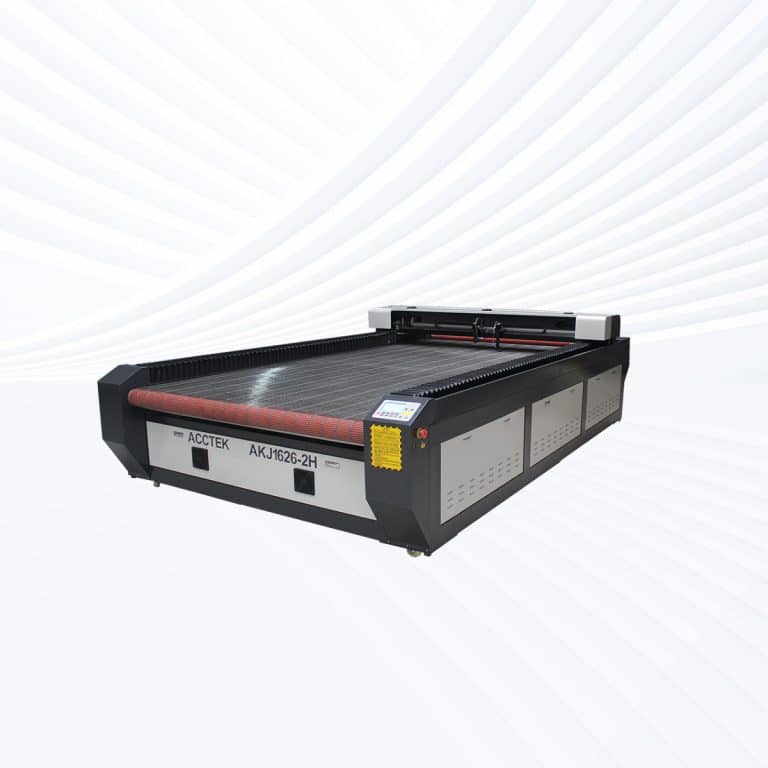
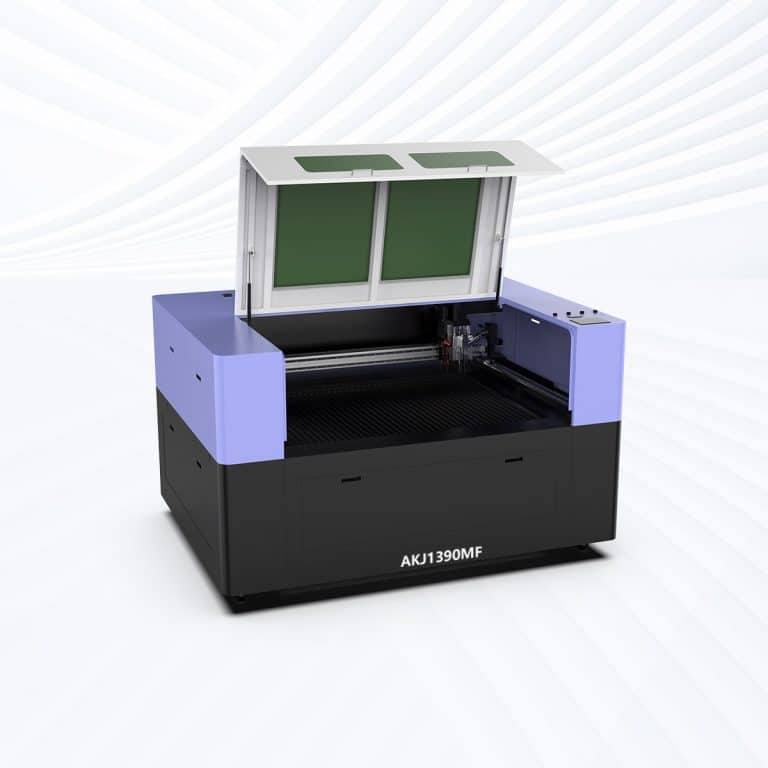
Advantages of Laser Cutting Foam
High Cutting Precision
Laser cutting foam provides excellent accuracy, allowing complex shapes and fine details to be produced consistently. The focused laser beam follows digital designs precisely, ensuring uniform dimensions and repeatable results across multiple foam parts and production batches.
Non-Contact Processing
Because laser cutting foam is a non-contact process, the material is not compressed or stretched during cutting. This prevents deformation, tearing, or surface damage, which is especially important when working with soft, flexible, or low-density foam materials.
Clean and Smooth Edges
Laser cutting foam creates clean, sealed edges without fraying or rough surfaces. This reduces the need for additional finishing and improves the appearance, fit, and performance of foam components used in packaging, insulation, and protective applications.
Minimal Material Waste
The narrow kerf width of laser cutting foam allows parts to be nested closely together. This efficient material usage reduces scrap, lowers production costs, and maximizes yield, particularly when working with large foam sheets or high-volume orders.
High Design Flexibility
Laser cutting foam supports quick design changes without new tooling. Digital control makes it easy to modify shapes, sizes, and patterns, making the process ideal for prototyping, customization, and short-to-medium production runs.
Fast and Efficient Production
Laser cutting foam offers rapid cutting speeds and minimal setup time. The automated process increases productivity, ensures consistent quality, and enables manufacturers to meet tight deadlines while maintaining reliable and repeatable cutting performance.
Compatible Materials
- EVA Foam
- PE Foam
- PU Foam
- EPE Foam
- EPDM Foam
- Neoprene Foam
- PVC-Free Foam Sheets
- Sponge Rubber
- Cross-Linked PE Foam
- Open-Cell Polyurethane Foam
- Closed-Cell Polyethylene Foam
- Acoustic Foam
- Foam Rubber
- Memory Foam
- Latex Foam
- Anti-Static Foam
- Conductive Foam
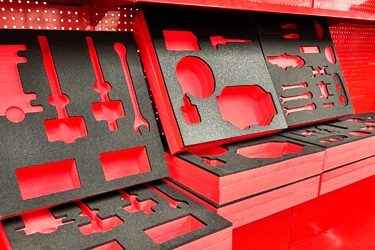
- Tool Control Foam
- Fire-Retardant Foam
- High-Density EVA Foam
- Low-Density PU Foam
- Medical-Grade Foam
- Packaging Foam Inserts
- Charcoal Foam
- Convoluted Foam
- Laminated Foam Sheets
- Colored EVA Foam
- Craft Foam Sheets
- Silicone Foam
- Flame-Laminated Foam
- Rebonded Foam
- Microcellular Foam
- Insulating Foam
- Industrial Foam Pads
- Custom Foam Composites
- Thermoformable Foam Sheets
- Gasket Foam
- Helmet Liner Foam
- Foam Core board
- Aerospace-Grade Foam
Laser Cutting Foam VS Other Cutting Methods
| Comparison Item | Laser Cutting | CNC Routing | Knife Cutting | Waterjet Cutting |
|---|---|---|---|---|
| Suitability for Foam Materials | Highly suitable for most foams | Suitable but limited for soft foams | Very suitable for soft foams | Suitable but often excessive |
| Cutting Precision | Very high precision | High | Medium | High |
| Edge Quality | Clean, sealed edges | Rougher, may need finishing | Clean but can compress | Very clean |
| Material Compression | None (non-contact) | High risk | Medium | None |
| Heat-Affected Zone (HAZ) | Small and controllable | None | None | None |
| Kerf Width | Very narrow | Medium | Narrow | Wide |
| Cutting Speed | High | Moderate | High | Slow |
| Thickness Capability | Thin to medium foam | Medium to thick foam | Thin foam sheets | Thin to very thick foam |
| Tool Wear | No tool wear | High tool wear | Blade wear | Nozzle wear |
| Material Waste | Very low | Medium | Medium | High |
| Setup and Changeover Time | Very fast | Moderate | Fast | Long |
| Design Flexibility | Excellent for complex shapes | Good | Limited | Good |
| Automation and Repeatability | Excellent | Excellent | Good | Good |
| Operating Cost | Moderate | Moderate | Low | High |
| Overall Efficiency for Foam Processing | Excellent | Good | Fair | Good |
Laser Cutting Capacity
| Power/Material | 60W | 80W | 90W | 100W | 130W | 150W | 180W | 220W | 260W | 300W | 500W | 600W |
|---|---|---|---|---|---|---|---|---|---|---|---|---|
| Plywood | Limited Cut | Cut | Cut | Cut | Cut | Cut | Cut | Cut | Cut | Cut | Cut | Cut |
| MDF | Limited Cut | Cut | Cut | Cut | Cut | Cut | Cut | Cut | Cut | Cut | Cut | Cut |
| Solid Wood | Limited Cut | Limited Cut | Cut | Cut | Cut | Cut | Cut | Cut | Cut | Cut | Cut | Cut |
| Cork Sheet | Cut | Cut | Cut | Cut | Cut | Cut | Cut | Cut | Cut | Cut | Cut | Cut |
| Bamboo Board | Limited Cut | Cut | Cut | Cut | Cut | Cut | Cut | Cut | Cut | Cut | Cut | Cut |
| Laminates | Engrave Only | Limited Cut | Limited Cut | Cut | Cut | Cut | Cut | Cut | Cut | Cut | Cut | Cut |
| Acrylic (PMMA) | Limited Cut | Cut | Cut | Cut | Cut | Cut | Cut | Cut | Cut | Cut | Cut | Cut |
| ABS | Engrave Only | Engrave Only | Engrave Only | Engrave Only | Limited Cut | Limited Cut | Cut | Cut | Cut | Cut | Cut | Cut |
| Delrin (POM) | Engrave Only | Limited Cut | Limited Cut | Cut | Cut | Cut | Cut | Cut | Cut | Cut | Cut | Cut |
| Composite | Engrave Only | Limited Cut | Limited Cut | Cut | Cut | Cut | Cut | Cut | Cut | Cut | Cut | Cut |
| EVA Foam | Cut | Cut | Cut | Cut | Cut | Cut | Cut | Cut | Cut | Cut | Cut | Cut |
| Depron Foam | Cut | Cut | Cut | Cut | Cut | Cut | Cut | Cut | Cut | Cut | Cut | Cut |
| Gator Foam | Limited Cut | Cut | Cut | Cut | Cut | Cut | Cut | Cut | Cut | Cut | Cut | Cut |
| Cardboard | Cut | Cut | Cut | Cut | Cut | Cut | Cut | Cut | Cut | Cut | Cut | Cut |
| Stone | Engrave Only | Engrave Only | Engrave Only | Engrave Only | Engrave Only | Engrave Only | Engrave Only | Engrave Only | Engrave Only | Engrave Only | Engrave Only | Engrave Only |
| Leather | Limited Cut | Cut | Cut | Cut | Cut | Cut | Cut | Cut | Cut | Cut | Cut | Cut |
| Textile | Cut | Cut | Cut | Cut | Cut | Cut | Cut | Cut | Cut | Cut | Cut | Cut |
| Nylon | Engrave Only | Limited Cut | Limited Cut | Cut | Cut | Cut | Cut | Cut | Cut | Cut | Cut | Cut |
| Felt | Cut | Cut | Cut | Cut | Cut | Cut | Cut | Cut | Cut | Cut | Cut | Cut |
| Rubber | Limited Cut | Cut | Cut | Cut | Cut | Cut | Cut | Cut | Cut | Cut | Cut | Cut |
| Ceramic | Engrave Only | Engrave Only | Engrave Only | Engrave Only | Engrave Only | Engrave Only | Engrave Only | Engrave Only | Engrave Only | Engrave Only | Engrave Only | Engrave Only |
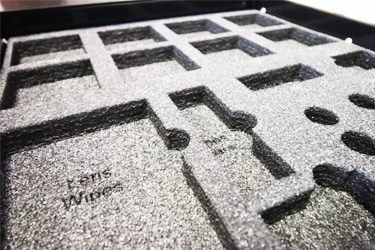
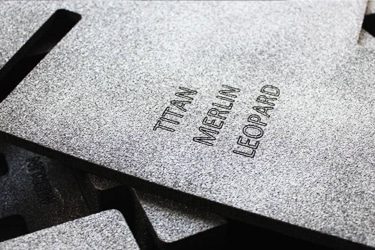
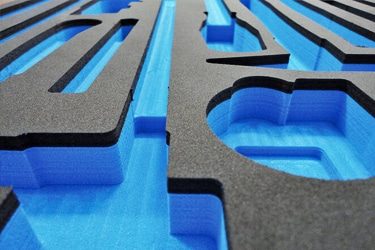
Applications of Laser Cutting Foam
Customer Testimonials
Related Resources
Understanding The Odors Associated With Laser Cutting
This article provides a comprehensive guide to laser cutting odors, explaining the causes of odors, material-specific odors, health risks, and practical strategies for effectively controlling odors and ensuring safer operation.
What Safety Measures Should Be Taken When Operating Laser Cutting Machines
This article teaches the basic safety measures for operating a laser cutting machine, including hazard awareness, engineering controls, PPE, fire prevention, ventilation, training, and emergency response drills.
Addressing the Challenges of Fiber Laser Cutting: Common Problems and Solutions
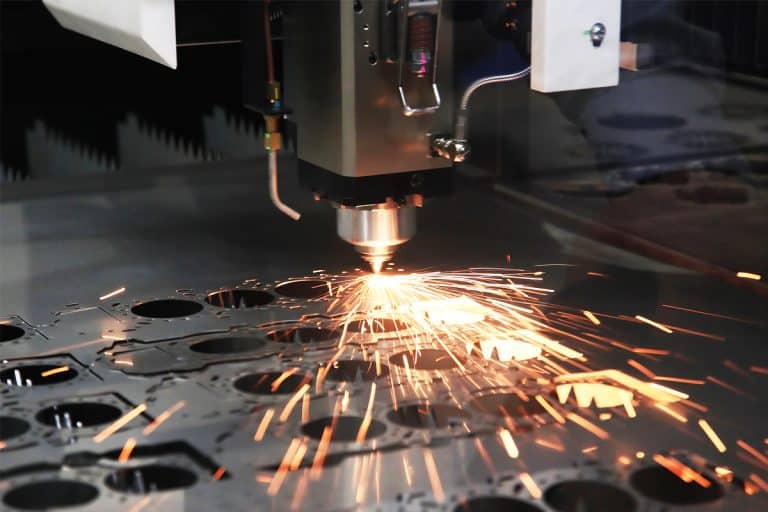
This article explores common challenges in fiber laser cutting, including material-related issues, machine performance, and operator-related problems, offering practical solutions to optimize cutting quality and efficiency.
Precautions for Operating Laser Cutting Machines
This article provides a detailed overview of basic precautions for operating laser cutting machines, covering safety risks, proper setup, operating guidelines, maintenance procedures, and emergency preparedness.
Frequently Asked Questions
Why Does The Foam Absorb Laser Energy Unevenly?
- Non-Uniform Density and Cell Structure: Foam materials such as EVA or polyethylene foam are made up of closed or open cells that vary in size, shape, and distribution. These variations create local differences in material density. When a laser beam strikes the surface, denser regions absorb more energy, while areas with larger air pockets absorb significantly less. This uneven density leads directly to irregular heating and inconsistent cutting behavior.
- Presence of Air Gaps and Scattering Effects: The air trapped inside foam cells does not absorb laser energy efficiently. As the laser beam enters the foam, part of the energy is scattered, reflected, or refracted at the boundaries between solid polymer and air. This scattering reduces the amount of energy delivered uniformly through the thickness of the foam, causing some regions to heat rapidly while others remain relatively cool.
- Variable Optical Properties: Foams often contain additives, pigments, or blowing agents that are not evenly distributed throughout the material. These additives alter local absorption characteristics, making certain areas more responsive to the laser wavelength than others. As a result, laser energy coupling varies across the foam surface and depth.
- Thermal Insulation Effects: Foam is an excellent thermal insulator due to its high air content. Once a region begins to heat, the surrounding material does not readily conduct heat away. This causes localized overheating in some spots while neighboring regions remain underheated, amplifying the uneven energy absorption.
- Surface Irregularities and Thickness Variations: Foam surfaces are rarely perfectly flat or uniform in thickness. Small surface undulations change the focal distance between the laser and the material, altering the energy density at the surface. Even minor variations can significantly affect how much laser energy is absorbed locally.
- Dynamic Material Response During Cutting: As the foam heats, it can shrink, melt, or collapse in localized areas, changing the structure in real time. These changes further disrupt energy absorption, creating a feedback loop where already-heated regions continue to absorb more energy while cooler regions lag.
How Does Foam Density Variation Affect Laser Cutting Consistency?
- Uneven Laser Energy Absorption: Denser foam regions contain more solid polymer and less trapped air, allowing them to absorb more laser energy. These areas heat up faster and cut more easily. In contrast, lower-density regions have larger air pockets that reflect or scatter the laser beam, reducing effective energy absorption. As the laser moves across areas of varying density, the cutting response changes, leading to inconsistent kerf widths and cut depths.
- Inconsistent Cutting Speed and Penetration: When laser parameters are set for an average foam density, denser areas may cut cleanly, while less dense regions may not fully penetrate. This results in uncut sections, rough edges, or the need for multiple passes. Alternatively, settings optimized for low-density foam can cause excessive melting or burning in higher-density areas, reducing overall consistency.
- Localized Overheating and Undercutting: Foam is a poor thermal conductor, so heat tends to remain localized. In denser regions, absorbed energy accumulates quickly, potentially causing excessive melting, edge rounding, or shrinkage. Lower-density areas may remain cooler and resist cutting, creating an uneven edge profile along the same cut path.
- Structural Collapse During Cutting: Density variations affect how foam mechanically responds to heat. Low-density foam can soften and collapse as the polymer melts, altering the focal distance between the laser and the material mid-cut. This shifting geometry changes energy density at the surface, further reducing cutting consistency.
- Edge Quality and Surface Finish Variations: Denser foam typically produces smoother, more defined edges because the material structure supports cleaner material removal. Lower-density regions are more prone to tearing, charring, or jagged edges due to incomplete melting and unstable cell walls. This leads to visibly inconsistent edge quality along a single part.
- Challenges in Parameter Optimization: Because density can vary not only between foam sheets but also within a single sheet, selecting universal laser settings becomes difficult. A parameter set that works well in one area may perform poorly just a few centimeters away.
How Does Gas Selection Affect Laser Cutting-Edge Quality?
- Control of Oxidation and Surface Chemistry: Different gases create different chemical environments at the cut edge. Oxygen-rich gases promote oxidation and combustion, which can increase cutting speed but often lead to rough edges, discoloration, and brittle surfaces—especially in polymers and composites. In contrast, inert gases such as nitrogen or argon displace oxygen, significantly reducing oxidation and burning. This results in cleaner, smoother edges with less discoloration and improved mechanical integrity.
- Efficiency of Molten and Decomposed Material Removal: The pressure and density of the assist gas affect how effectively molten material, char, and vaporized byproducts are expelled from the kerf. Gases with appropriate flow characteristics help prevent redeposition on the cut edge, reducing slag, residue, and edge roughness. Poor gas selection or insufficient pressure can allow debris to adhere to the edge, degrading surface finish.
- Influence on Heat-Affected Zone (HAZ): Assist gases also affect thermal management. Inert gases can help moderate heat buildup by carrying away thermal energy from the cutting zone. This reduces the size of the heat-affected zone and minimizes thermal damage such as charring, melting, or embrittlement at the edge. Oxygen-assisted cutting, while efficient, often increases heat input and enlarges the HAZ.
- Stability of the Laser-Material Interaction: Smoke, plasma, and vaporized material can interfere with laser energy delivery. Proper gas selection ensures efficient clearing of these byproducts, maintaining a stable laser beam path. A stable interaction leads to uniform energy absorption and more consistent edge quality along the entire cut.
- Material-Specific Effects: Different materials respond better to different gases. For example, nitrogen is commonly preferred for cutting polymers, composites, and foams because it prevents oxidation and burning. Compressed air may be sufficient for low-precision applications, but it can introduce variability due to moisture and oxygen content.
- Trade-Off Between Speed and Quality: While reactive gases can increase cutting speed, they often compromise edge quality. Inert gases generally produce superior edges but may require higher power or slower cutting speeds.
Why Does Laser-Cut Foam Melt?
- Low Melting Temperature of Foam Polymers: Common laser-cut foams such as EVA and polyethylene are thermoplastics designed to soften and melt when heated. The energy density of a laser beam rapidly raises the temperature of the foam above its melting point. Instead of cleanly vaporizing, the polymer transitions into a molten state, causing visible melting along the cut edges.
- Highly Concentrated Laser Energy: Laser cutting delivers a large amount of energy into a very small area over a short time. This concentrated heat overwhelms the foam’s ability to dissipate thermal energy. As a result, the polymer melts faster than it can decompose or be blown away, especially at slower cutting speeds or higher power settings.
- Poor Thermal Conductivity: Foam is an excellent thermal insulator due to its high air content. Heat generated at the laser interaction zone cannot spread quickly into the surrounding material. This causes extreme localized overheating, which promotes melting rather than controlled material removal.
- Porous Structure and Cell Collapse: Foam consists of thin polymer walls surrounding gas-filled cells. When heated by a laser, these walls soften and collapse, allowing molten material to flow and pool at the cut edge. This structural collapse contributes to rounded, fused, or glossy edges often seen after laser cutting.
- Incomplete Material Ejection: Unlike metals, molten foam does not flow cleanly out of the kerf. If assist gas pressure is insufficient, melted polymer remains near the cut, resolidifying as the material cools. This re-solidified melt gives the appearance of excessive edge melting.
- Extended Heat Exposure: To cut through foam completely, especially thicker sections, slower cutting speeds are often used. This increases the duration of heat exposure, giving the polymer more time to melt and spread before the laser moves on.
- Influence of Laser Settings: High power, poor focus, or multiple passes can significantly increase melting. Even small deviations in parameters can push the foam from clean cutting into excessive melting.
Why Is The Kerf Width Difficult To Control When Laser-Cutting Foam?
- Porous and Non-Uniform Structure: Foam consists of gas-filled cells separated by thin polymer walls. Cell size and distribution vary throughout the material, leading to local differences in density. As the laser passes through these regions, some areas absorb more energy than others, causing uneven material removal and variable kerf widths along the same cut path.
- Melting and Flow of Material: Most foams used in laser cutting are thermoplastics that melt readily when heated. Instead of being cleanly ejected, molten foam can flow, spread, and then re-solidify along the cut edge. This melt flow can either widen the kerf or partially close it, making precise kerf control extremely challenging.
- Thermal Insulation and Localized Overheating: Foam’s low thermal conductivity prevents heat from dissipating away from the cut zone. This causes localized overheating that extends beyond the laser spot size. As the surrounding material softens or collapses, the effective cutting width increases unpredictably.
- Structural Collapse During Cutting: As foam heats up, its cell walls lose stiffness and collapse. This collapse changes the foam’s geometry in real time, altering the focal distance between the laser and the material surface. Even slight changes in focus significantly affect energy density, leading to kerf width fluctuations.
- Assist Gas Interaction: Assist gases are used to clear debris and cool the cut zone, but in foam cutting, gas flow can physically deform the softened material. This can push molten foam outward or inward, further altering the kerf width in an uncontrolled manner.
- Sensitivity to Cutting Parameters: Foam is highly sensitive to changes in laser power, speed, and focus. Small parameter variations that would be insignificant for rigid materials can cause large changes in kerf width when cutting foam.
- Thickness Variations: Foam sheets often have non-uniform thickness. As the laser encounters thicker or thinner sections, the amount of energy required to cut changes, leading to kerf width variation.
Why Does Laser-Cutting Foam Produce Excessive Smoke?
- Thermal Decomposition of Foam Polymers: Most foams used in laser cutting, such as EVA and polyethylene foam, are thermoplastics. When exposed to the intense heat of a laser beam, these polymers rapidly exceed their decomposition temperature. Instead of vaporizing cleanly, the polymer chains break down into smaller hydrocarbon fragments, producing dense smoke made up of vapors, aerosols, and fine particulate matter.
- High Surface Area and Porous Structure: Foam has a very high surface-area-to-volume ratio due to its network of thin cell walls and internal pores. This structure allows a large amount of material to be exposed to heat simultaneously. As the laser interacts with both the surface and internal cell walls, more polymer is heated and decomposed at once, increasing smoke production.
- Partial Combustion in Air: Laser cutting is usually performed in ambient air, where oxygen is readily available. The heated foam can undergo partial combustion, especially at slower cutting speeds or higher laser power. This incomplete burning produces visible smoke, soot, and unpleasant odors rather than clean combustion products.
- Poor Heat Dissipation: Foam is an excellent thermal insulator, so heat remains concentrated in the cutting zone. Prolonged localized heating encourages sustained decomposition and smoldering of the polymer, which continues to release smoke even after the laser has moved on.
- Molten Material and Re-Solidification: As foam melts, some of the molten polymer does not leave the kerf and instead overheats further. This overheated melt releases additional fumes as it degrades, contributing to prolonged smoke generation.
- Influence of Additives and Blowing Agents: Foams often contain additives, pigments, plasticizers, and residual blowing agents from manufacturing. When heated by the laser, these compounds volatilize or break down, adding to the volume and complexity of the smoke produced.
- Insufficient Fume Extraction: If fume extraction is not properly configured, smoke accumulates around the cutting area, making it appear more excessive and allowing further thermal degradation due to trapped heat.
Why Does Laser-Cutting Foam Pose Fire Hazards?
- Low Ignition Temperature of Foam Materials: Most foams used in laser cutting, such as EVA and polyethylene foam, are polymer-based materials with relatively low ignition temperatures. The focused laser beam delivers enough energy to rapidly exceed these ignition thresholds. If cutting parameters are too aggressive or the laser dwells too long in one area, the foam can ignite rather than simply melt or decompose.
- Highly Porous Structure and High Surface Area: Foam’s cellular structure exposes a large surface area to heat and oxygen. Once ignition begins in a small region, the porous network allows flames to spread rapidly through interconnected cells. This structure also makes smoldering likely, where combustion continues slowly even after the laser moves away.
- Poor Heat Dissipation and Heat Accumulation: Foam is an excellent thermal insulator, so heat remains localized at the cutting zone. This trapped heat can cause sustained high temperatures that promote ignition. Nearby areas may continue heating even after cutting has stopped, increasing the risk of delayed fires.
- Molten Polymer as a Fuel Source: During laser cutting, foam melts and forms pools of molten polymer. This molten material is highly flammable and can drip or spread beyond the cut path. If it contacts hot surfaces or sparks, it can ignite and feed a growing fire.
- Presence of Oxygen and Airflow Effects: Laser cutting is typically performed in ambient air, providing ample oxygen for combustion. Assist gases or air extraction systems can unintentionally supply additional airflow, which may intensify flames once ignition occurs, rather than suppress them.
- Accumulation of Combustible Byproducts: Smoke, char, and partially decomposed foam residues can accumulate in the cutting area if extraction is insufficient. These byproducts are combustible and can ignite suddenly, especially if exposed to lingering heat or laser reflections.
- Rapid Flame Spread and Limited Early Warning: Foam fires can escalate quickly with little visible warning. Flames may start inside the material structure and become noticeable only after significant ignition has occurred.
Why is Personal Protective Equipment Required When Laser-Cutting Foam?
- Protection From Harmful Fumes and Vapors: Laser cutting foam causes thermal decomposition of polymer materials such as EVA or polyethylene. This process releases volatile organic compounds (VOCs), irritating gases, and fine aerosols. Inhaling these fumes can cause respiratory irritation, dizziness, headaches, or long-term health issues with repeated exposure. Respiratory PPE, such as properly rated masks or respirators, helps protect operators when fumes escape localized extraction systems.
- Defense Against Airborne Particulates: In addition to gases, laser-cut foam can release fine particulate matter from decomposed polymers and additives. These microscopic particles can remain suspended in the air and enter the lungs or irritate the eyes. Safety goggles and respiratory protection reduce the risk of inhalation and eye exposure, especially during extended cutting operations.
- Fire and Burn Hazard Mitigation: Foam is highly flammable and can ignite suddenly during laser cutting. Molten polymer may splatter, drip, or flare up unexpectedly. Flame-resistant gloves and protective clothing help shield the operator from burns caused by hot debris, sparks, or sudden ignition near the cutting bed.
- Eye Protection From Laser Reflections and Debris: Although laser cutting machines are typically enclosed, reflections from shiny surfaces or unexpected machine access can pose a risk to eyesight. Safety glasses designed for laser environments protect against accidental exposure to reflected laser radiation and flying debris from collapsing foam structures.
- Skin Contact With Hot or Degraded Material: Freshly cut foam edges can retain heat and may also be coated with sticky, degraded residues. Direct skin contact can cause burns or chemical irritation. Gloves prevent accidental contact with hot material and potentially harmful residues.
- Added Safety During Equipment Interaction: Handling foam sheets, removing cut parts, or cleaning residue from the cutting bed exposes operators to sharp edges, hot surfaces, and contaminated debris. PPE provides consistent protection during all phases of the process, not just active cutting.