

Introduction
Advantages of Laser Cutting Aluminum
High Precision and Accuracy
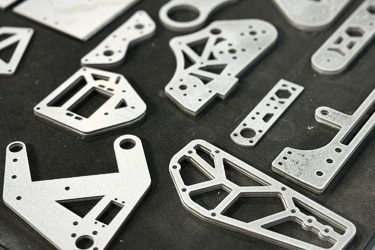
Laser cutting aluminum delivers exceptional precision, enabling tight tolerances and intricate designs. The focused laser beam produces narrow kerf widths, ensuring consistent part dimensions and excellent repeatability for both prototypes and high-volume production.
Clean Edges and Superior Finish
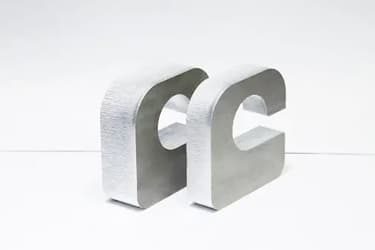
The laser process creates smooth, burr-free edges that often require little to no secondary finishing. This improves overall part quality, reduces post-processing time, and enhances the appearance of aluminum components used in visible applications.
Minimal Heat-Affected Zone
Laser cutting concentrates heat in a small area, minimizing thermal distortion. This preserves aluminum's mechanical properties and flatness, making it ideal for thin sheets and parts requiring high dimensional stability.
Fast Cutting Speeds and Efficiency
High-powered fiber lasers cut aluminum quickly, even for complex geometries. Faster processing times increase productivity, shorten lead times, and lower per-part costs compared to many traditional cutting methods.
Design Flexibility and Complexity
Laser cutting easily handles intricate shapes, fine features, and internal cutouts without tooling changes. This design flexibility supports rapid prototyping, easy design updates, and customized aluminum parts with minimal setup.
Reduced Material Waste
Advanced nesting software and narrow kerf widths maximize material utilization. Less scrap and optimized sheet layouts reduce aluminum waste, helping control costs while supporting more sustainable manufacturing practices.
Compatible Materials
- 1100 Aluminum
- 2024 Aluminum
- 3003 Aluminum
- 5052 Aluminum
- 6061 Aluminum
- 6063 Aluminum
- 7075 Aluminum
- 5083 Aluminum
- 2011 Aluminum
- 2014 Aluminum
- 3004 Aluminum
- 4045 Aluminum
- 1050 Aluminum
- 5005 Aluminum
- 6061-T6 Aluminum
- 7050 Aluminum
- 2219 Aluminum
- 2024-T351 Aluminum
- 1100-H14 Aluminum
- 6063-T5 Aluminum
- 6063-T52 Aluminum
- 3005 Aluminum
- 5086 Aluminum
- 5754 Aluminum
- 5082 Aluminum
- 6013 Aluminum
- 7055 Aluminum
- 7475 Aluminum
- 5182 Aluminum
- 2017 Aluminum
- 2014-T6 Aluminum
- 3105 Aluminum
- 4130 Aluminum
- 3003-H14 Aluminum
- 7072 Aluminum
- 4045-T6 Aluminum
- 7075-T651 Aluminum
- 6005 Aluminum
- 5083-H321 Aluminum
- 4004 Aluminum
Laser Cutting Aluminum VS Other Cutting Methods
| Comparison Item | Laser Cutting | Plasma Cutting | Waterjet Cutting | Flame Cutting |
|---|---|---|---|---|
| Cutting Precision | Extremely high precision with tight tolerances | Moderate precision | Very high precision | Low precision |
| Edge Quality | Smooth, burr-free edges | Rougher edges, slag possible | Very smooth edges | Rough edges, heavy cleanup |
| Heat-Affected Zone | Minimal heat-affected zone | Large heat-affected zone | No heat-affected zone | Very large heat-affected zone |
| Aluminum Suitability | Excellent for aluminum | Good, but less refined | Excellent | Not suitable for aluminum |
| Cutting Speed | Very fast, especially for thin sheets | Fast for thicker materials | Slower cutting speeds | Slow and inefficient |
| Material Thickness Range | Best for thin to medium thickness | Medium to thick materials | Thin to very thick materials | Thick steel only |
| Detail & Complexity | Handles intricate and fine details | Limited detail capability | Excellent for complex shapes | Very limited detail |
| Kerf Width | Very narrow kerf | Wider kerf | Moderate kerf | Wide kerf |
| Secondary Finishing | Minimal or none required | Often required | Usually not required | Always required |
| Operating Cost | Moderate to high initial investment | Lower initial cost | High operating cost | Low equipment cost |
| Material Waste | Minimal waste due to nesting | Moderate waste | Moderate waste | High waste |
| Automation Capability | Highly automated and CNC-controlled | CNC-capable | CNC-capable | Mostly manual |
| Production Volume | Ideal for high-volume production | Medium-volume production | Low to medium volume | Low volume |
| Environmental Impact | Clean process, low emissions | Produces fumes and slag | Uses large amounts of water | Produces smoke and gases |
| Overall Efficiency | Excellent balance of speed and quality | Good for rough cuts | Best for cold cutting needs | Poor efficiency for aluminum |
Laser Cutting Capacity For Aluminum
| Laser Power | Material Thickness (mm) | Cutting Speed (m/min) | Actual Laser Power (W) | Gas | Pressure (bar) | Nozzle Size (mm) | Focus Position (mm) | Cutting Height (mm) |
|---|---|---|---|---|---|---|---|---|
| 1KW | 1 | 10 | 1000 | N2 | 12 | 1.5S | 0 | 0.5 |
| 2 | 5 | 1000 | N2 | 14 | 2.0S | -1 | 0.5 | |
| 1.5KW | 1 | 18 | 1500 | N2 | 12 | 1.5S | 0 | 0.5 |
| 2 | 6 | 1500 | N2 | 14 | 2.0S | -1 | 0.5 | |
| 3 | 2.5 | 1500 | N2 | 14 | 2.5S | -1.5 | 0.5 | |
| 2KW | 1 | 20 | 2000 | N2 | 12 | 1.5S | 0 | 0.8 |
| 2 | 10 | 2000 | N2 | 12 | 2.0S | -1 | 0.5 | |
| 3 | 4 | 2000 | N2 | 14 | 2.0S | -1.5 | 0.5 | |
| 4 | 1.5 | 2000 | N2 | 14 | 2.5S | -2 | 0.5 | |
| 5 | 0.9 | 2000 | N2 | 16 | 3.0S | -2.5 | 0.5 | |
| 3KW | 1 | 25-30 | 3000 | N2 | 12 | 1.5S | 0 | 0.8 |
| 2 | 15-18 | 3000 | N2 | 12 | 2.0S | 0 | 0.5 | |
| 3 | 7-8 | 3000 | N2 | 14 | 2.0S | -1 | 0.5 | |
| 4 | 5-6 | 3000 | N2 | 14 | 2.5S | -2 | 0.5 | |
| 5 | 2.5-3 | 3000 | N2 | 16 | 3.0S | -3 | 0.5 | |
| 6 | 1.5-2 | 3000 | N2 | 16 | 3.0S | -3.5 | 0.5 | |
| 4KW | 1 | 25-30 | 4000 | N2 | 12 | 1.5S | 0 | 0.6 |
| 2 | 16-20 | 4000 | N2 | 12 | 2.0S | -1 | 0.5 | |
| 3 | 10-13 | 4000 | N2 | 14 | 2.0S | -1.5 | 0.5 | |
| 4 | 6-7 | 4000 | N2 | 14 | 2.5S | -2 | 0.5 | |
| 5 | 4-5 | 4000 | N2 | 14 | 2.5S | -2.5 | 0.5 | |
| 6 | 2.5-3 | 4000 | N2 | 16 | 3.0S | -3 | 0.5 | |
| 8 | 1-1.3 | 4000 | N2 | 16 | 3.0S | -4 | 0.5 | |
| 6KW | 1 | 30-45 | 6000 | N2 | 12 | 1.5S | 0 | 1 |
| 2 | 20-25 | 6000 | N2 | 12 | 2.0S | -1 | 0.5 | |
| 3 | 14-16 | 6000 | N2 | 14 | 2.5S | -1.5 | 0.5 | |
| 4 | 8-10 | 6000 | N2 | 14 | 2.5S | -2 | 0.5 | |
| 5 | 5-6 | 6000 | N2 | 14 | 3.0S | -3 | 0.5 | |
| 6 | 3.5-4 | 6000 | N2 | 16 | 3.0S | -3 | 0.5 | |
| 8 | 1.5-2 | 6000 | N2 | 16 | 3.0S | -4 | 0.5 | |
| 10 | 1-1.2 | 6000 | N2 | 18 | 3.5S | -4.5 | 0.5 | |
| 12 | 0.6-0.7 | 6000 | N2 | 18 | 4.0S | -5 | 0.5 | |
| 14 | 0.4-0.6 | 6000 | N2 | 18 | 4.0S | -5 | 0.3 | |
| 12KW | 1 | 45-50 | 12000 | N2 | 12 | 2.0S | 0 | 0.8 |
| 2 | 30-35 | 12000 | N2 | 12 | 2.0S | -1 | 0.5 | |
| 3 | 20-25 | 12000 | N2 | 12 | 2.0S | -1 | 0.5 | |
| 4 | 18-20 | 12000 | N2 | 12 | 2.0S | -2 | 0.5 | |
| 5 | 14-16 | 12000 | N2 | 14 | 2.5S | -3 | 0.5 | |
| 6 | 10-12 | 12000 | N2 | 14 | 2.5S | -3 | 0.5 | |
| 8 | 6-8 | 12000 | N2 | 14 | 2.5S | -4 | 0.5 | |
| 10 | 4-6 | 12000 | N2 | 14 | 5.0B | -5 | 0.5 | |
| 12 | 2-3 | 12000 | N2 | 16 | 5.0B | -5 | 0.5 | |
| 14 | 1.5-2.5 | 12000 | N2 | 16 | 5.0B | -5 | 0.5 | |
| 16 | 1.3-2 | 12000 | N2 | 16 | 5.0B | -5 | 0.5 | |
| 18 | 1-1.6 | 12000 | N2 | 16 | 5.0B | -5 | 0.5 | |
| 20 | 0.8-1.2 | 12000 | N2 | 16 | 7.0B | -5 | 0.3 | |
| 25 | 0.5-0.7 | 12000 | N2 | 16 | 7.0B | -5 | 0.3 | |
| 20KW | 1 | 55-60 | 20000 | N2 | 8 | 2.0S | 0 | 0.8 |
| 2 | 40-45 | 20000 | N2 | 8 | 2.0S | -1 | 0.5 | |
| 3 | 30-35 | 20000 | N2 | 10 | 2.5S | -1 | 0.5 | |
| 4 | 25-30 | 20000 | N2 | 12 | 2.5S | -2 | 0.5 | |
| 5 | 18-20 | 20000 | N2 | 14 | 3.0S | -3 | 0.5 | |
| 6 | 16-18 | 20000 | N2 | 14 | 3.0S | -3 | 0.5 | |
| 8 | 10-12 | 20000 | N2 | 14 | 3.5S | -4 | 0.5 | |
| 10 | 9-10 | 20000 | N2 | 14 | 3.5S | -5 | 0.5 | |
| 12 | 5-6 | 20000 | N2 | 16 | 5.0B | -6 | 0.3 | |
| 14 | 4-5 | 20000 | N2 | 16 | 5.0B | -7 | 0.3 | |
| 16 | 3-4 | 20000 | N2 | 16 | 5.0B | -7 | 0.3 | |
| 18 | 2-3 | 20000 | N2 | 16 | 5.0B | -7 | 0.3 | |
| 20 | 1.5-2 | 20000 | N2 | 18 | 6.0B | -7 | 0.3 | |
| 25 | 1-1.2 | 20000 | N2 | 18 | 6.0B | -7.5 | 0.3 | |
| 30 | 0.8-1 | 20000 | N2 | 20 | 7.0B | -7.5 | 0.3 | |
| 30KW | 1 | 55-60 | 12000 | N2 | 8 | 2.0S | 0 | 0.8 |
| 2 | 40-45 | 12000 | N2 | 8 | 2.0S | -1 | 0.5 | |
| 3 | 30-35 | 30000 | N2 | 10 | 2.5S | -1 | 0.5 | |
| 4 | 25-30 | 30000 | N2 | 12 | 2.5S | -2 | 0.5 | |
| 5 | 18-25 | 30000 | N2 | 14 | 3.0S | -3 | 0.5 | |
| 6 | 18-20 | 30000 | N2 | 14 | 3.0S | -3 | 0.5 | |
| 8 | 15-18 | 30000 | N2 | 14 | 3.5S | -4 | 0.5 | |
| 10 | 12-15 | 30000 | N2 | 14 | 3.5S | -5 | 0.5 | |
| 12 | 10-12 | 30000 | N2 | 16 | 5.0B | -6 | 0.3 | |
| 14 | 8-10 | 30000 | N2 | 16 | 5.0B | -7 | 0.3 | |
| 16 | 6-8 | 30000 | N2 | 16 | 5.0B | -7 | 0.3 | |
| 18 | 3-4 | 30000 | N2 | 16 | 5.0B | -7 | 0.3 | |
| 20 | 2-3 | 30000 | N2 | 18 | 6.0B | -7 | 0.3 | |
| 25 | 1.5-2 | 30000 | N2 | 18 | 6.0B | -7.5 | 0.3 | |
| 30 | 0.8-1 | 30000 | N2 | 20 | 7.0B | -7.5 | 0.3 | |
| 40KW | 5 | 25-30 | 40000 | N2 | 8 | 3.0S | 0 | 0.3 |
| 6 | 20-25 | 40000 | N2 | 8 | 3.5B | 0 | 0.3 | |
| 8 | 18-22 | 40000 | N2 | 10 | 5.0B | 0 | 0.3 | |
| 10 | 14-17 | 40000 | N2 | 12 | 5.0B | 0 | 0.3 | |
| 12 | 11-13 | 40000 | N2 | 14 | 6.0B | -1 | 0.3 | |
| 14 | 9-11 | 40000 | N2 | 14 | 6.0B | -1 | 0.3 | |
| 16 | 7-9 | 40000 | N2 | 14 | 6.0B | -2 | 0.3 | |
| 18 | 5-7 | 40000 | N2 | 14 | 6.0B | -3 | 0.3 | |
| 20 | 4-5 | 40000 | N2 | 16 | 6.0B | -5 | 0.3 | |
| 25 | 3-3.5 | 40000 | N2 | 16 | 7.0B | -7 | 0.3 | |
| 30 | 2-3 | 40000 | N2 | 16 | 7.0B | -9 | 0.3 | |
| 40 | 1-1.5 | 40000 | N2 | 16 | 7.0B | -9 | 0.3 | |
| 50 | 0.4-0.6 | 40000 | N2 | 18 | 8.0B | -11 | 0.3 | |
| 60 | 0.2-0.3 | 40000 | N2 | 18 | 8.0B | -11 | 0.3 | |
| 70 | 0.2-0.25 | 40000 | N2 | 20 | 8.0B | -11 | 0.3 |
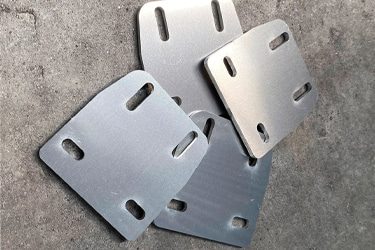
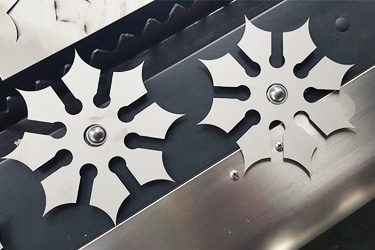
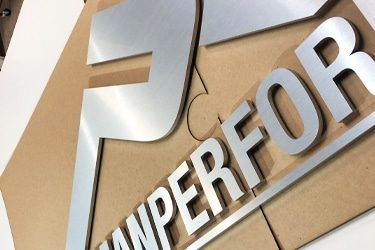
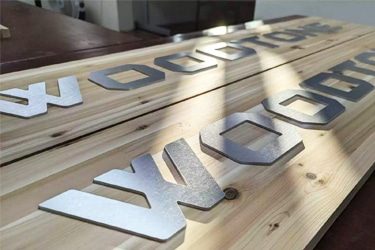
Applications of Laser Cutting Aluminum
Customer Testimonials
Related Resources
What Cutting Defects Might Occur With Laser Cutting
This article outlines common laser cutting defects, detailing their causes, characteristics, and effects, along with practical methods to identify, prevent, and control them in manufacturing processes.
Comprehensive Guide to Choosing the Right Laser Cutting Machines
This comprehensive guide provides essential insights on selecting the right laser cutting machine, covering key factors like machine types, features, supplier evaluation, and installation considerations.
Understanding The Odors Associated With Laser Cutting
This article provides a comprehensive guide to laser cutting odors, explaining the causes of odors, material-specific odors, health risks, and practical strategies for effectively controlling odors and ensuring safer operation.
What Safety Measures Should Be Taken When Operating Laser Cutting Machines
This article teaches the basic safety measures for operating a laser cutting machine, including hazard awareness, engineering controls, PPE, fire prevention, ventilation, training, and emergency response drills.
Frequently Asked Questions
Does The High Reflectivity Of Aluminum Affect Laser Cutting?
- Laser Energy Reflection and Absorption: Aluminum reflects a significant portion of incident laser energy, especially at common laser wavelengths. This reflection reduces the amount of energy absorbed by the material, making it harder to initiate and maintain a clean cut. As a result, higher laser power or optimized parameters are often required compared to cutting steel of similar thickness.
- Risk to Laser Components: Reflected laser beams can travel back toward the cutting head and optical components. If not properly managed, this back-reflection can damage sensitive parts such as lenses or fiber sources. Modern laser cutting systems designed for aluminum typically include optical isolators, protective windows, or back-reflection sensors to minimize this risk.
- Cut Quality and Edge Consistency: Because aluminum dissipates heat quickly and reflects energy, achieving consistent kerf width and smooth edges can be more difficult. Inadequate absorption may lead to incomplete cuts, excessive burrs, or dross formation. Fine-tuning parameters like cutting speed, focus position, and assist gas pressure is critical to maintaining quality.
- Material Thickness Limitations: The reflectivity issue becomes more pronounced with thicker aluminum sheets. While thin aluminum can usually be cut efficiently, thicker sections may require significantly more power or slower speeds, which can impact productivity and operating costs.
- Laser Type Selection: Different laser technologies respond differently to aluminum’s reflectivity. Fiber lasers, with higher beam quality and efficiency, are generally better suited for aluminum than older CO2 lasers. Their wavelength is absorbed more effectively, reducing reflection-related issues and improving cutting stability.
- Surface Condition Considerations: Highly polished aluminum reflects more laser energy than brushed or coated surfaces. In some cases, surface treatments or protective films can slightly improve energy absorption and cutting reliability, especially for demanding applications.
What Gas Is Used For Laser Cutting Aluminum?
- Nitrogen (N2): Nitrogen is the most widely used gas for laser cutting aluminum. It is an inert gas, meaning it does not react chemically with molten aluminum during cutting. This prevents oxidation and results in clean, bright edges with a natural metallic finish. Nitrogen-assisted cutting is ideal for applications where appearance, corrosion resistance, or downstream processes such as welding and anodizing are important. However, nitrogen is typically used at high pressure, which can increase operating costs.
- Oxygen (O2): Oxygen is commonly used for cutting carbon steel, but it is generally avoided for aluminum. Oxygen reacts with molten aluminum, causing oxidation, rough edges, and excessive dross buildup. While oxygen can increase cutting speed due to the exothermic reaction, the resulting edge quality is often unacceptable for most aluminum applications. For this reason, oxygen is only used in very limited or non-critical scenarios.
- Compressed Air: Compressed air is sometimes used for cutting thin aluminum sheets, especially in cost-sensitive environments. Air is composed mainly of nitrogen but also contains oxygen, which can cause minor oxidation on the cut edge. While edge quality is not as clean as nitrogen cutting, air cutting significantly reduces gas costs and can be suitable for non-aesthetic or internal components.
- Argon (Ar): Argon is another inert gas that can be used for aluminum laser cutting, though it is less common due to its higher cost. It provides excellent oxidation protection and stable cutting conditions, making it suitable for specialized or high-precision applications. However, most industrial users prefer nitrogen because it offers a better balance of performance and cost.
What Are The Risks Of Aluminum To Laser Cutting Machines?
- Back Reflection Damage: One of the most significant risks is aluminum’s high reflectivity. A large portion of the laser beam can reflect toward the cutting head and laser source. This back reflection may damage sensitive optical components such as lenses, collimators, and fiber connections. Without protective systems like optical isolators or back-reflection sensors, the laser source itself can be compromised.
- Thermal Instability and Inconsistent Cutting: Aluminum conducts heat very efficiently, which can cause rapid heat dissipation away from the cutting zone. This makes maintaining a stable melt pool more difficult and can result in interrupted cuts. Frequent restarts or unstable cutting conditions increase mechanical stress on motion components and may shorten the lifespan of drive systems and bearings.
- Molten Material Splash and Optics Contamination: During cutting, molten aluminum can splatter and adhere to the nozzle, protective glass, or focusing lens. Over time, this buildup reduces beam quality and cutting accuracy. If not cleaned regularly, contaminated optics may overheat or crack, leading to costly downtime and component replacement.
- Dross Buildup and Table Damage: Improper cutting parameters can cause excessive dross formation, which may fall onto the cutting bed or slag trays. Accumulated aluminum dross can bond to machine surfaces, damage slats, and increase maintenance requirements. In severe cases, molten aluminum can fuse to support grids, making cleanup difficult and time-consuming.
- Increased Wear on Consumables: Cutting aluminum often requires higher gas pressures and precise nozzle alignment. This leads to faster wear of consumables such as nozzles, protective windows, and seals. Frequent replacement increases operating costs and requires stricter maintenance schedules.
- Fire and Safety Hazards: Fine aluminum particles and dust generated during cutting can be flammable under certain conditions. If proper extraction and filtration systems are not in place, there is an elevated risk of fire or explosion within the dust collection system.
Why Does Laser Cutting Aluminum Produce Burrs?
- High Thermal Conductivity of Aluminum: Aluminum conducts heat very quickly, drawing energy away from the cutting zone. This can prevent the material from fully melting through in a clean, uniform manner. When molten aluminum does not completely eject from the kerf, it can resolidify along the bottom edge, forming burrs.
- Improper Cutting Speed: Cutting too fast does not allow enough energy to fully melt and expel the material, while cutting too slowly can cause excessive melting and reattachment of molten aluminum. In both cases, incomplete material removal increases the likelihood of burr formation, especially on thicker sheets.
- Insufficient Laser Power or Focus Errors: If the laser power is too low for the material thickness, the beam cannot maintain a stable cut. Likewise, incorrect focal position reduces energy density at the cut edge. These conditions lead to uneven melting and poor melt ejection, leaving rough edges and burrs behind.
- Assist Gas Pressure and Type: Assist gas plays a critical role in clearing molten material from the kerf. Low gas pressure or improper nozzle alignment reduces the ability to blow molten aluminum out of the cut. Additionally, using compressed air instead of high-pressure nitrogen can introduce oxidation and reduce cutting efficiency, increasing burr formation.
- Material Thickness and Alloy Composition: Thicker aluminum sheets are more prone to burrs due to greater heat dissipation and melt volume. Certain aluminum alloys also melt over a wider temperature range, making clean separation more difficult and increasing the chance of edge buildup.
- Surface Condition and Cleanliness: Oxidized or contaminated aluminum surfaces reflect more laser energy and interfere with stable cutting. Inconsistent absorption can cause localized melting issues that contribute to burr formation along the cut edge.
Why Does Laser Cutting Aluminum Produce Excessive Sparks?
- High Reflectivity and Energy Instability: Aluminum reflects a significant portion of the laser energy, especially at the initial stage of cutting. This reflection causes fluctuating energy absorption at the cut front, leading to unstable melting. As molten aluminum is intermittently expelled from the kerf, it appears as excessive sparks rather than a smooth, downward spark flow.
- Low Melting Point and Fluid Molten State: Compared to steel, aluminum melts at a lower temperature and becomes highly fluid when molten. This liquid metal is easily blown out of the cut zone by assist gas, breaking into fine droplets. These hot droplets oxidize in the air and are visually perceived as bright sparks.
- Improper Cutting Speed: If the cutting speed is too slow, excessive heat accumulates in the material, creating a large molten pool. When this pool is suddenly expelled, it produces intense and scattered sparks. Conversely, cutting too fast can cause incomplete penetration, forcing molten material to eject irregularly and increasing spark intensity.
- Assist Gas Type and Pressure: High gas pressure is typically required to cut aluminum effectively, especially when using nitrogen. If the pressure is too high or the nozzle is misaligned, molten aluminum can be violently ejected from the kerf, resulting in excessive sparks. Using compressed air introduces oxygen, which promotes oxidation and increases visible sparking.
- Focus Position and Beam Quality: An incorrect focal point reduces energy concentration at the cutting front. This causes uneven melting and turbulent material ejection, both of which contribute to erratic spark patterns. Dirty or damaged optics can further degrade beam quality and worsen sparking.
- Surface Condition and Contamination: Oxide layers, oil, or surface coatings on aluminum can burn off during cutting. These contaminants ignite under laser heat, adding to spark intensity and making the process appear more aggressive than it actually is.
Why Does Laser Cutting Aluminum Produce Rounded Edges?
- High Thermal Conductivity: Aluminum rapidly conducts heat away from the laser interaction zone. Instead of concentrating energy sharply at the cut edge, heat spreads into the surrounding material. This broader heat-affected zone causes the edge to soften and melt slightly beyond the intended kerf, leading to a rounded rather than sharp edge profile.
- Low Melting Point and Molten Fluidity: Once aluminum reaches its melting temperature, it becomes very fluid. This molten material tends to flow along the cut edge before being expelled by the assist gas. As it cools and solidifies, it smooths and rounds the edge, especially on the top surface where molten metal can linger longer.
- Excessive Heat Input or Slow Cutting Speed: When the cutting speed is too slow or the laser power is higher than necessary, excess heat builds up. This prolonged exposure increases melting at the edge rather than clean vaporization or ejection. The result is edge washout, where corners and sharp profiles lose definition and appear rounded.
- Focus Position and Beam Diameter: An incorrect focal position widens the effective beam diameter at the material surface. A broader beam distributes energy over a larger area, melting more material than required at the cut boundary. This reduces edge sharpness and contributes to rounded contours, particularly on thin aluminum sheets.
- Assist Gas Efficiency: Assist gas is responsible for removing molten aluminum from the kerf. If gas pressure is insufficient or nozzle alignment is off-center, molten metal is not fully blown away. Residual melt clings to the cut edge and solidifies smoothly, rounding the edge instead of leaving a crisp cut.
- Material Thickness and Alloy Type: Thicker aluminum and certain alloys are more prone to rounded edges due to greater heat retention and longer solidification times. Alloys with wider melting ranges tend to soften gradually, which further reduces edge definition.
Why Does Laser Cutting Aluminum Change Color?
- Oxidation at High Temperatures: Aluminum naturally forms a thin oxide layer when exposed to air. During laser cutting, temperatures rise rapidly and significantly at the cut edge, accelerating oxidation. As the oxide layer thickens unevenly, it refracts light differently, creating color variations such as yellow, brown, blue, or gray near the cut zone.
- Heat-Affected Zone (HAZ) Formation: The area surrounding the cut, known as the heat-affected zone, experiences elevated temperatures without fully melting. These thermal changes alter the microstructure and surface finish of the aluminum. The larger or hotter the HAZ, the more pronounced the discoloration becomes, especially on thin sheets or during slow cutting speeds.
- Assist Gas Selection: The type of assist gas strongly influences color change. Using nitrogen minimizes oxidation and helps preserve the natural silver appearance of aluminum. In contrast, cutting with compressed air or oxygen introduces more oxygen into the process, promoting surface oxidation and darker edge coloration.
- Surface Contaminants and Coatings: Oils, protective films, or residues on the aluminum surface can burn or chemically react when exposed to laser heat. These reactions leave behind stains or uneven color patches that are often mistaken for material defects but are actually surface-level effects.
- Excessive Heat Input: High laser power, slow cutting speed, or improper focus can cause prolonged heating. This not only expands the heat-affected zone but also increases oxidation intensity, resulting in more visible color changes along the cut edge and adjacent surfaces.
- Alloy Composition Differences: Different aluminum alloys respond differently to heat. Some alloys contain elements such as magnesium or silicon that oxidize at varying rates, leading to inconsistent color patterns after cutting.
Why Does Laser Cutting Aluminum Produce More Slag?
- High Thermal Conductivity: Aluminum conducts heat away from the cutting zone very efficiently. This rapid heat dissipation reduces the stability of the melt pool, making it harder for the laser to maintain a clean, continuous cut. When the molten aluminum does not stay fully fluid long enough to be expelled, it solidifies at the bottom of the cut as slag.
- Low Melting Point and High Fluidity: Once aluminum melts, it becomes extremely fluid. This molten metal can flow along the cut edge rather than being completely blown out of the kerf. As it cools, it reattaches to the underside of the part, forming stubborn slag deposits that require secondary cleanup.
- Insufficient Assist Gas Pressure or Poor Gas Flow: Assist gas is essential for removing molten material during laser cutting. If gas pressure is too low, nozzle alignment is off, or gas purity is insufficient, molten aluminum cannot be effectively expelled. This allows excess material to accumulate and solidify as slag on the cut edge.
- Improper Cutting Speed: Cutting too fast prevents complete melting and ejection of aluminum, while cutting too slowly causes excessive melting. Both conditions increase the likelihood that molten metal will cling to the cut surface and solidify as slag, especially on thicker sheets.
- Focus Position and Beam Quality Issues: An incorrect focal point spreads laser energy over a wider area, reducing cutting efficiency. This leads to uneven melting and poor material ejection. Dirty or damaged optics can further degrade beam quality, worsening slag buildup.
- Material Thickness and Alloy Variations: Thicker aluminum sheets naturally generate more molten material, increasing the chance of slag formation. Additionally, some aluminum alloys have wider melting ranges, which makes clean separation more difficult and encourages re-solidification at the cut edge.