

Product Introduction
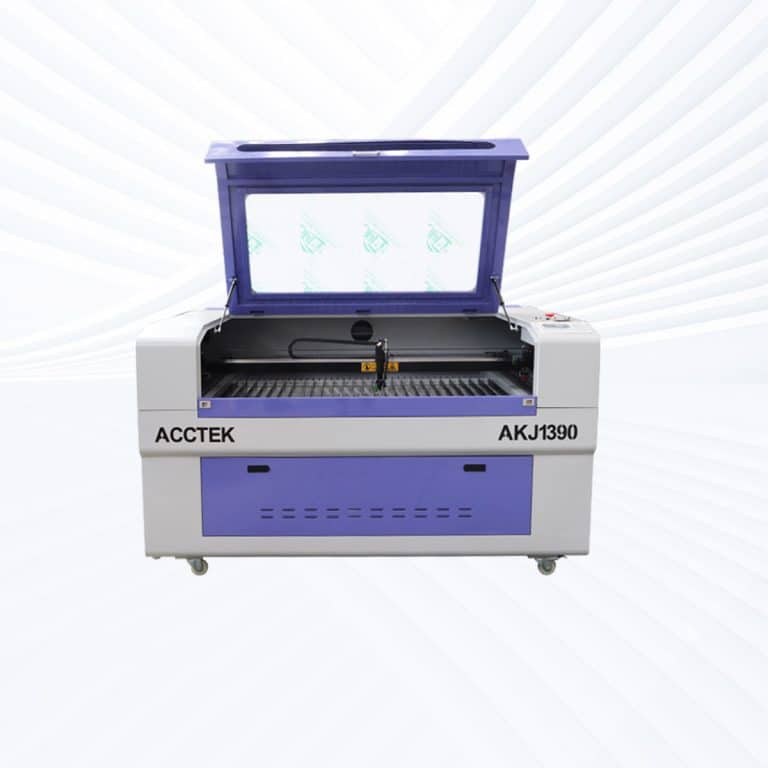
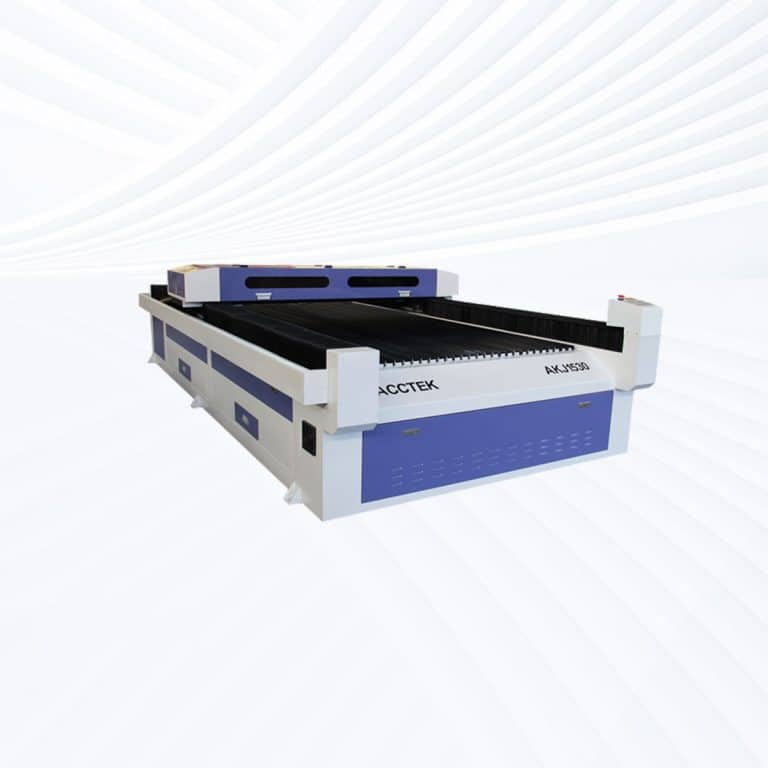
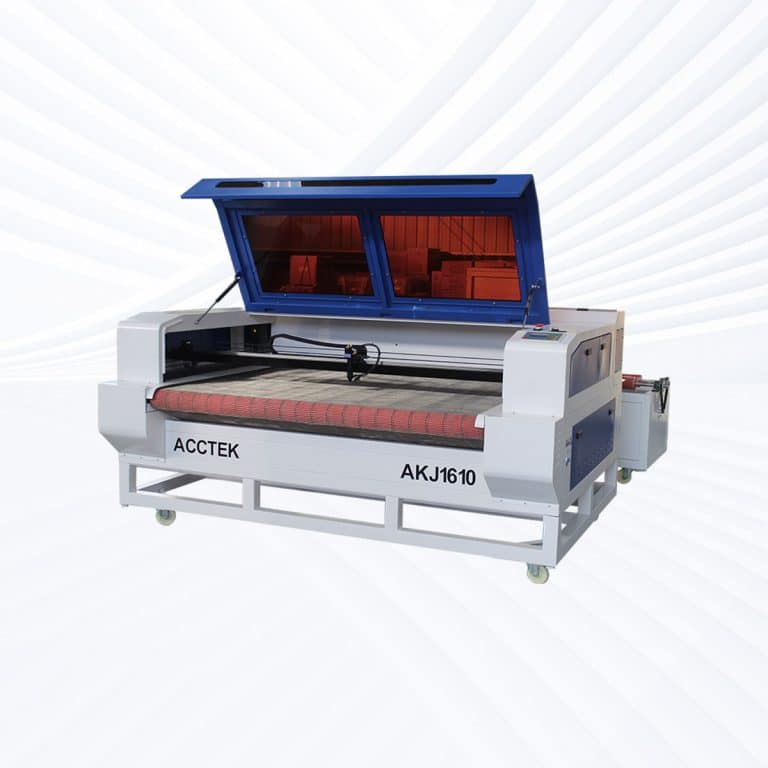
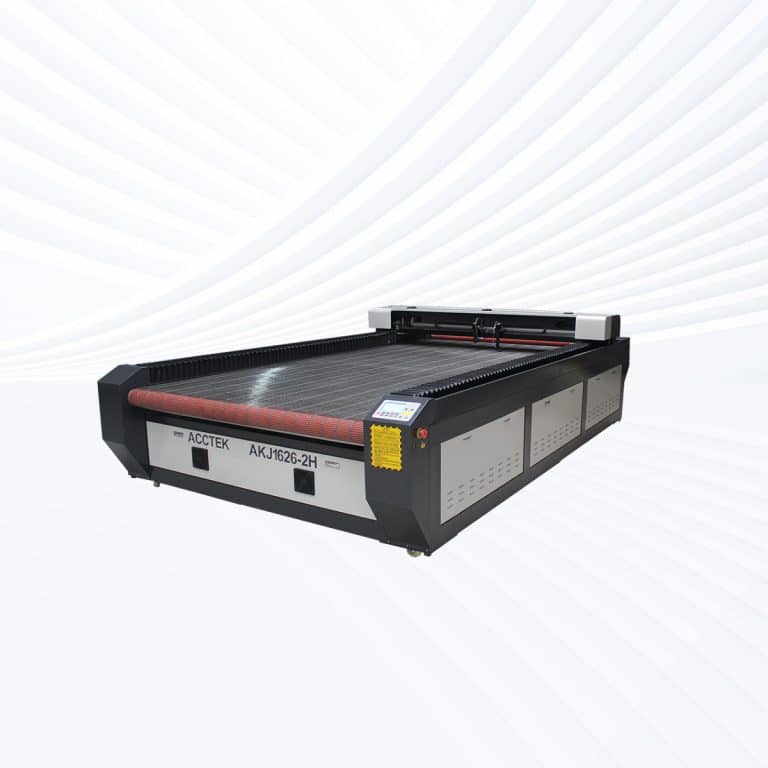
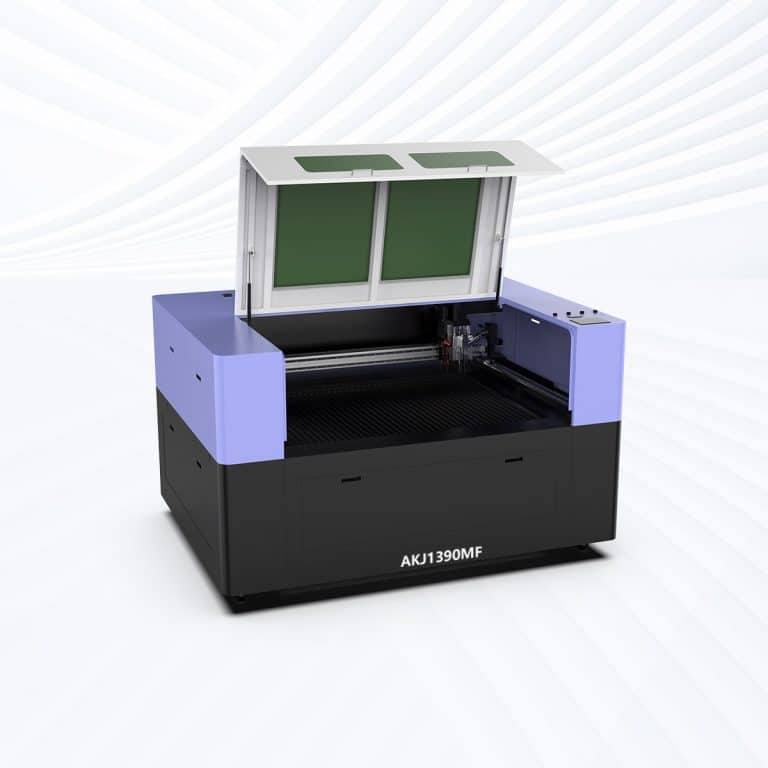
CO2 Laser Cutting Capabilities
| Material Type | 60W | 80W | 90W | 100W | 130W | 150W | 180W | 220W | 260W | 300W | 500W | 600W |
|---|---|---|---|---|---|---|---|---|---|---|---|---|
| Acrylic | 0-8mm | 0-10mm | 0-12mm | 0-15mm | 0-18mm | 0-20mm | 0-22mm | 0-25mm | 0-28mm | 0-30mm | 0-35mm | 0-40mm |
| Plywood | 0-6mm | 0-8mm | 0-9mm | 0-10mm | 0-12mm | 0-15mm | 0-15mm | 0-18mm | 0-20mm | 0-22mm | 0-25mm | 0-28mm |
| MDF | 0-5mm | 0-6mm | 0-8mm | 0-9mm | 0-12mm | 0-15mm | 0-15mm | 0-18mm | 0-20mm | 0-22mm | 0-25mm | 0-25mm |
| Solid Wood | 0-5mm | 0-6mm | 0-8mm | 0-10mm | 0-12mm | 0-15mm | 0-15mm | 0-18mm | 0-20mm | 0-22mm | 0-25mm | 0-25mm |
| Bamboo Board | 0-5mm | 0-6mm | 0-8mm | 0-10mm | 0-12mm | 0-15mm | 0-15mm | 0-18mm | 0-20mm | 0-22mm | 0-25mm | 0-25mm |
| Leather | 0-4mm | 0-5mm | 0-5mm | 0-6mm | 0-6mm | 0-8mm | 0-8mm | 0-8mm | 0-10mm | 0-10mm | 0-12mm | 0-12mm |
| Textile | Any Cutting | Any Cutting | Any Cutting | Any Cutting | Any Cutting | Any Cutting | Any Cutting | Any Cutting | Any Cutting | Any Cutting | Any Cutting | Any Cutting |
| Rubber | 0-3mm | 0-4mm | 0-5mm | 0-5mm | 0-6mm | 0-6mm | 0-8mm | 0-8mm | 0-8mm | 0-10mm | 0-10mm | 0-10mm |
| EVA | 0-5mm | 0-6mm | 0-8mm | 0-10mm | 0-12mm | 0-15mm | 0-15mm | 0-18mm | 0-20mm | 0-25mm | 0-30mm | 0-30mm |
| Cardboard | 0-3mm | 0-4mm | 0-4mm | 0-5mm | 0-6mm | 0-6mm | 0-8mm | 0-8mm | 0-8mm | 0-10mm | 0-10mm | 0-10mm |
| Cork Sheet | 0-3mm | 0-4mm | 0-5mm | 0-5mm | 0-6mm | 0-6mm | 0-8mm | 0-8mm | 0-8mm | 0-10mm | 0-10mm | 0-10mm |
| ABS | 0-3mm | 0-4mm | 0-5mm | 0-6mm | 0-8mm | 0-8mm | 0-10mm | 0-10mm | 0-12mm | 0-12mm | 0-15mm | 0-15mm |
| Delrin | 0-3mm | 0-4mm | 0-5mm | 0-6mm | 0-8mm | 0-8mm | 0-10mm | 0-10mm | 0-12mm | 0-12mm | 0-15mm | 0-15mm |
| Foam Board | 0-5mm | 0-6mm | 0-8mm | 0-10mm | 0-12mm | 0-15mm | 0-18mm | 0-20mm | 0-25mm | 0-25mm | 0-30mm | 0-30mm |
| PCB | 0-1mm | 0-1.5mm | 0-2mm | 0-2mm | 0-3mm | 0-3mm | 0-3mm | 0-4mm | 0-4mm | 0-5mm | 0-5mm | 0-5mm |
| Laminates | 0-3mm | 0-4mm | 0-5mm | 0-6mm | 0-8mm | 0-8mm | 0-10mm | 0-10mm | 0-12mm | 0-12mm | 0-15mm | 0-15mm |
| Stone | Engraving Only | Engraving Only | Engraving Only | Engraving Only | Engraving Only | Engraving Only | Engraving Only | Engraving Only | Engraving Only | Engraving Only | Engraving Only | Engraving Only |
| Ceramic | Engraving Only | Engraving Only | Engraving Only | Engraving Only | Engraving Only | Engraving Only | Engraving Only | Engraving Only | Engraving Only | Engraving Only | Engraving Only | Engraving Only |
Compatible Materials
- Rubber
- Delrin
- ABS Plastic
- Polystyrene
- Polycarbonate
- PETG
- EVA Foam
- Neoprene
- Mylar
- Nylon
- Canvas
- Suede
- Fleece
- Cardstock
- Veneer
- Latex
- Foam Board
- Pressboard
- Melamine
- Carbon Fiber
- Linoleum
- Birch Plywood
- Walnut Plywood
- Alder Wood
- Basswood
- Chipboard
- Hardboard
- Synthetic Felt
- Wool Fabric
- Polyurethane Foam
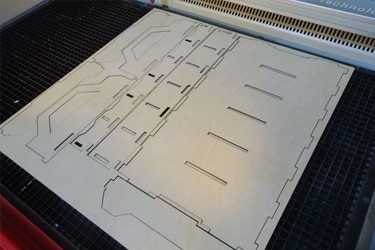
Application of 600W CO2 Laser Cutting Machines
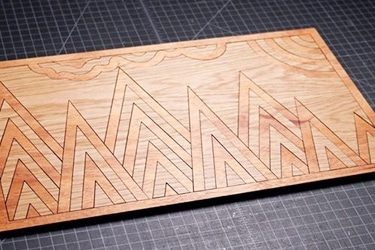



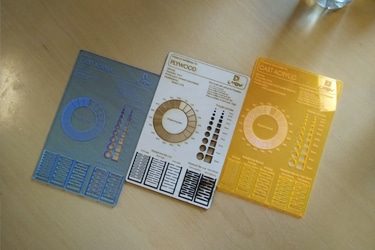
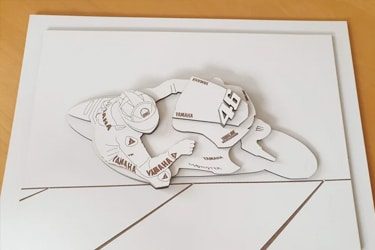

Customer Testimonials
Comparison VS Other Cutting Technologies
| Comparison Item | CO2 Laser Cutting | CNC Routing | Knife Cutting | Waterjet Cutting |
|---|---|---|---|---|
| Cutting Principle | Uses a focused laser beam to vaporize material | Uses rotating cutting bits to remove material | Uses a sharp blade to slice through material | Uses a high-pressure jet of water (with or without abrasive) |
| Suitable Materials | Non-metals like wood, acrylic, leather, fabric, rubber | Wood, plastics, composites, soft metals | Soft materials like foam, leather, textiles, and paper | Almost all materials, including metal, stone, glass, and composites |
| Cutting Precision | Very high (±0.05 mm) | Moderate (±0.2 mm) | Moderate to high (±0.1 mm) | High (±0.1 mm) |
| Edge Quality | Smooth, sealed edges (especially on acrylic and wood) | May require sanding or finishing | Clean for soft materials | Smooth but can be slightly rough on thick cuts |
| Cutting Speed | Fast for thin to medium materials | Slower due to mechanical resistance | Fast on soft materials | Slower, especially for thick or hard materials |
| Maintenance | Low — no physical contact with material | Medium — bits wear out regularly | Low — blades replaced periodically | High — pumps, nozzles, and abrasive handling required |
| Noise Level | Quiet operation | Noisy (due to motor and bit contact) | Very quiet | Very loud (requires sound enclosure) |
| Heat Effect | Generates localized heat (may char some materials) | Minimal heat | No heat | No heat |
| Tool Wear | None — non-contact process | High — cutting tools dull quickly | Moderate — blades wear over time | High — nozzles and pumps wear from abrasive use |
| Material Waste | Minimal (thin kerf <0.2 mm) | Moderate | Low | Moderate to high (especially with abrasives) |
| Operating Cost | Low — mostly electricity and maintenance | Medium — bits and material waste | Low — inexpensive blades | High — abrasives, water, and power costs |
| Environmental Impact | Clean, no water waste | Minimal | Clean | Generates slurry and consumes large amounts of water |
| Software Compatibility | Compatible with most CAD/CAM and design files | Standard CNC software | Basic vector design software | Specialized CAD/CAM software |
| Cutting Thickness Range | Best up to ~15 mm (material-dependent) | Varies widely by bit and material | Best for soft, thin materials | Can cut very thick materials (>100 mm) |
| Ideal Applications | Signage, crafts, packaging, engraving, prototyping | Woodworking, furniture, 3D carving | Soft goods, packaging, leatherwork | Industrial metal, stone, and glass cutting |
Why Choose Us
Advanced Technology
Our laser cutting machines feature high-speed, precision cutting with the latest laser technology, ensuring smooth edges, minimal waste, and superior efficiency across various materials and thicknesses.
Reliable Quality
Each machine undergoes rigorous quality control and durability testing to ensure long-term stability, low maintenance, and consistent high performance, even under demanding industrial conditions.
Comprehensive Support
We provide full technical support, including installation guidance, operator training, and after-sales service, ensuring smooth machine operation and minimal downtime for your business.
Cost-Effective Solutions
Our machines offer high performance at competitive prices, with customizable options to fit different production needs, helping businesses maximize their investment without compromising on quality.
Related Resources
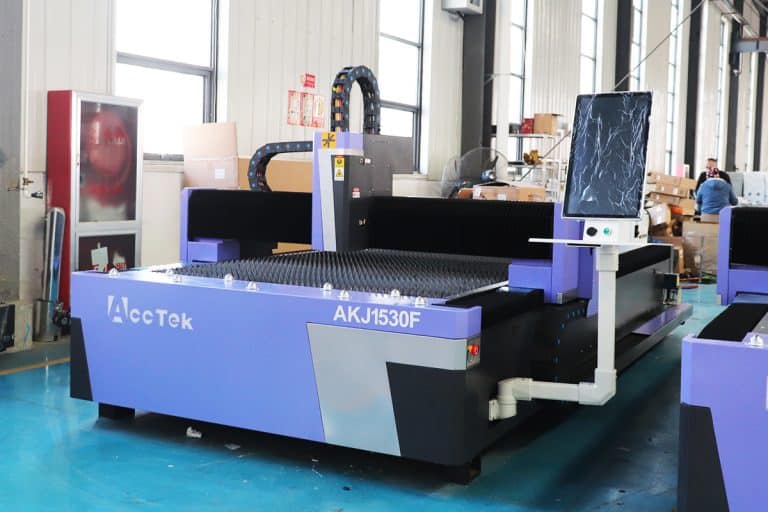
Understanding The Odors Associated With Laser Cutting
This article provides a comprehensive guide to laser cutting odors, explaining the causes of odors, material-specific odors, health risks, and practical strategies for effectively controlling odors and ensuring safer operation.
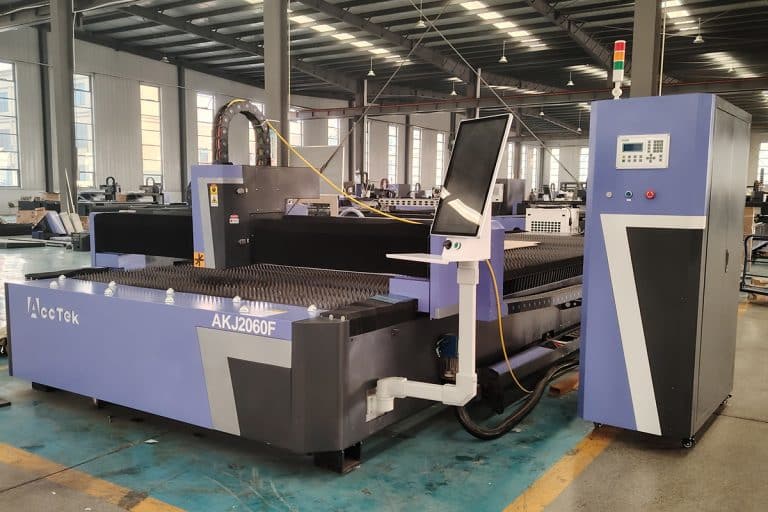
What Safety Measures Should Be Taken When Operating Laser Cutting Machines
This article teaches the basic safety measures for operating a laser cutting machine, including hazard awareness, engineering controls, PPE, fire prevention, ventilation, training, and emergency response drills.
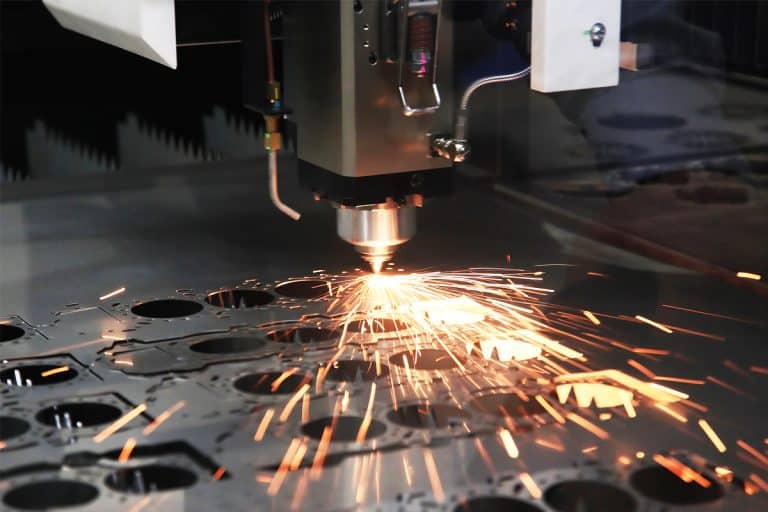
Addressing the Challenges of Fiber Laser Cutting: Common Problems and Solutions
This article explores common challenges in fiber laser cutting, including material-related issues, machine performance, and operator-related problems, offering practical solutions to optimize cutting quality and efficiency.
Precautions for Operating Laser Cutting Machines
This article provides a detailed overview of basic precautions for operating laser cutting machines, covering safety risks, proper setup, operating guidelines, maintenance procedures, and emergency preparedness.
Frequently Asked Questions
What Is The Price Of 600W CO2 Laser Cutting Machines?
- Working Area Size: The machine’s working area directly affects the price, as larger beds require more steel, stronger frames, and longer guide rails. Standard configurations range from 1300×900mm to 1500×3000mm, suitable for cutting large-format materials such as acrylic, MDF, plywood, leather, and fabric. Compact models (e.g., 900×600mm) are more affordable and optimized for detailed engraving, while industrial users favor larger formats for batch production and full-sheet cutting.
- Laser Tube Brand and Quality: The laser tube is the most critical and cost-defining component. Premium brands like RECI (W8/W10), EFR (Z6/Z8), or SPT TR series provide stable power output, long lifespan (8,000–12,000 hours), and consistent beam quality. High-end tubes with water-cooled, high-efficiency designs ensure precise, deep cuts on thick materials. Budget tubes may reduce upfront cost but require more frequent replacements, increasing long-term expenses.
- Motion Control and Transmission System: Machines using servo motors, HIWIN or PMI linear guide rails, and rack-and-pinion drive systems deliver faster speeds and smoother motion than stepper-based models. These precision components minimize vibration, enhancing accuracy during long production cycles. High-speed industrial models can achieve cutting speeds up to 1,000mm/s while maintaining tight tolerances of ±0.03mm.
- Automation and Advanced Features: 600W CO2 laser cutting machines often integrate autofocus heads, dual laser tubes, CCD camera recognition, motorized Z-axis lifting platforms, and smart controllers (such as Ruida or Trocen). These systems improve ease of operation, support mixed-material processing, and significantly enhance workflow efficiency.
- Cooling and Exhaust System: Given the higher thermal output of 600W lasers, machines are equipped with CW-6600 or CW-6800 industrial chillers for effective temperature control. Efficient air-assist compressors and multi-stage exhaust blowers prevent smoke buildup and ensure stable beam focus during continuous operation.
- Build Quality and Frame Design: Industrial-grade machines employ reinforced steel frames, vibration-damping structures, and dust-proof enclosures to sustain cutting accuracy under heavy workloads. These structural enhancements increase cost but guarantee long-term stability and durability.
- Software and Support: High-end 600W CO2 laser cutting systems are typically compatible with Ruida RDWorks, LightBurn, or Trocen AWC controllers, offering intuitive operation and flexible control. Comprehensive after-sales support, training, and spare parts availability from reputable manufacturers further influence price.
What Are The Working Areas Of 600W CO2 Laser Cutting Machines?
- Working Area Size: Smaller worktables, like 600×400mm or 900×600mm, are compact, affordable, and suitable for light applications such as engraving, prototyping, and signage production. These models are ideal for users with limited workspace or small-format materials. Mid-sized configurations, including 1300×900mm, 1600×1000mm, and 1800×1000mm, strike a balance between versatility and efficiency—large enough to process medium-sized sheets while maintaining precision for fine details. Industrial-scale systems with extended beds such as 1300×2500mm, 1600×2600mm, and 1500×3000mm are engineered for mass production and oversized material processing, allowing users to cut large acrylic panels, MDF boards, or textiles in a single pass.
- Machine Frame and Construction: Larger working areas require heavier and reinforced welded steel frames to ensure stability during high-speed operations. Machines with extended motion ranges use rigid gantry designs and linear guide rails (HIWIN or PMI) to minimize vibration and maintain cutting precision. Industrial models also include steel honeycomb or knife strip beds to support larger materials while improving airflow and cutting efficiency.
- Motion and Drive System: As the cutting area increases, the drive system must deliver smooth, accurate motion over longer travel distances. High-end 600W CO2 laser cutting systems typically feature servo motors and rack-and-pinion drives, which provide consistent precision and speed across the full cutting field—critical for detailed patterns and continuous production.
- Cooling and Exhaust Requirements: With powerful 600W laser tubes, efficient cooling and ventilation systems are essential, especially for machines with larger platforms. These systems often use CW-6600 or CW-6800 chillers to prevent overheating and maintain optimal beam performance. Larger enclosures also integrate multi-point exhaust ports for effective fume removal.
- Applications by Size: Smaller tables excel in precision engraving and small product fabrication, while mid-range and large-format models are designed for advertising displays, packaging, furniture panels, and textile cutting.
Does CO2 Laser Cutting Release Toxic Fumes?
- Material Composition: The type of material being cut is the primary factor influencing fume toxicity. Organic materials like wood, leather, paper, and fabrics mainly produce carbon dioxide, water vapor, and fine particulates, which are relatively low in toxicity. However, plastics such as PVC, ABS, or polycarbonate release chlorine gas, hydrogen cyanide, and other harmful chemicals when burned, which are highly toxic and corrosive. Cutting painted or coated surfaces may also release volatile organic compounds (VOCs), requiring enhanced filtration.
- Cutting Parameters and Power: The intensity of fume release depends on laser power, cutting speed, and focus settings. Higher wattage systems like 300W–600W CO2 lasers vaporize material more rapidly, increasing fume concentration. Slower cutting speeds or excessive power can overheat materials, causing incomplete combustion and producing dense, sticky smoke that can coat optics and reduce beam quality over time.
- Exhaust and Filtration Systems: Modern CO2 laser cutting machines are equipped with industrial-grade exhaust blowers and air filtration systems to safely remove fumes from the cutting area. A well-designed exhaust system typically includes activated carbon filters, HEPA filtration, and metal ducts to capture both gaseous and solid pollutants. Machines with larger cutting beds (e.g., 1300×2500mm or 1500×3000mm) require high-capacity extraction units for uniform air circulation.
- Ventilation and Environmental Control: Adequate workshop ventilation is crucial for maintaining air quality. Operators should ensure that exhaust ducts are directed outdoors and that the workspace maintains consistent airflow to prevent the accumulation of harmful gases. For enclosed environments, air purification systems or fume scrubbers are recommended for continuous operation.
- Safety and Maintenance: Regular cleaning of exhaust filters, replacement of carbon cartridges, and inspection of air-assist systems help maintain efficiency. Operators should avoid cutting PVC or unknown plastics and always wear appropriate PPE, such as respirators or masks, in poorly ventilated spaces.
How To Choose The Focal Length For 600W CO2 Laser Cutting Machines?
- Material Type and Thickness: The focal length directly affects how the laser energy interacts with the material. Thicker materials require longer focal lengths to ensure that the laser beam can penetrate deeply and cut effectively, while shorter focal lengths are ideal for cutting thinner materials. The goal is to optimize the focus point so that the energy is concentrated efficiently on the material’s surface without causing excessive heat buildup or rough edges.
- Shorter focal lengths (2″ or 4″) are best for cutting thin materials like acrylic, wood, and paper. These provide a smaller, more concentrated beam, which ensures cleaner, more precise cuts.
- Longer focal lengths (5″ to 6″) work better for cutting thicker materials like metal or dense plastics, where deeper focus and better penetration are necessary.
- Desired Cutting Precision: If you need high precision for intricate designs or detailed engraving, a shorter focal length will provide a finer beam focus. The smaller spot size from a short focal length allows for sharper cuts and more detailed engravings, making it ideal for fine work on thin materials.
- Cutting Speed and Efficiency: Longer focal lengths generally improve cutting speed on thicker materials because they offer a wider depth of focus, allowing for faster movement of the laser head without compromising the quality of the cut. For materials that are non-homogeneous or have variations in thickness, a longer focal length helps maintain a consistent cut quality across the entire material.
- Cut Quality: The focus point of the laser beam significantly affects the edge quality of the cut. With shorter focal lengths, the beam is more concentrated and delivers a cleaner, sharper edge with less heat distortion, which is essential for thin materials. For thicker materials, a longer focal length provides better beam control, helping to prevent excessive kerf (cutting width) and material wastage, which can occur with shorter focal lengths that overheat the material.
- Machine Compatibility: The type of lens and optical system that your machine uses will also impact the focal length choice. Higher-end 600W CO2 laser cutting machines may allow for interchangeable lenses, so you can adapt the focal length depending on your project. Additionally, some machines are equipped with motorized Z-axis systems for easy focus adjustment, allowing greater flexibility in choosing the focal length as needed.
What PPE Is Needed To Operate 600W CO2 Laser Cutting Machines?
- Safety Glasses or Goggles
- Laser protection eyewear is one of the most critical pieces of PPE. The laser beam emitted by the cutting machine can cause serious eye damage. Even with safety enclosures, it’s important to wear laser-specific protective eyewear that filters out harmful wavelengths of light emitted by the CO2 laser, typically around 10,600nm.
- Always choose glasses with the appropriate optical density (OD) rating to ensure proper protection against high-intensity laser light.
- Protective Clothing
- Long-sleeve shirts and long pants made from non-flammable materials (such as cotton) are recommended to protect against burns or accidental laser exposure.
- Flame-retardant clothing is essential, particularly when working with flammable materials like wood or plastics that may catch fire from the intense heat of the laser.
- Gloves
- Heat-resistant gloves should be worn when handling materials after cutting, as they may still be hot and could cause burns.
- Cut-resistant gloves are also advised for handling sharp-edged materials, especially after cutting operations.
- Hearing Protection
- Although laser cutting machines themselves are not typically very loud, hearing protection like earplugs or earmuffs is recommended if working in an environment with high noise levels, such as when there is additional equipment running (e.g., air compressors, exhaust systems, etc.).
- Respiratory Protection
- Laser cutting generates fumes, particularly when working with plastics or metals. To avoid inhaling harmful particulate matter, smoke, and toxic gases, operators should use a respirator mask rated for such fumes or ensure that the workspace has adequate ventilation and an exhaust system to filter the air.
- Specific N95 or P100 respirators may be necessary, depending on the material being cut.
- Face Shields
- In addition to safety glasses, face shields offer extra protection for the face, particularly when operating a high-powered laser machine. They can prevent sparks, debris, or splinters from getting into the eyes or face during the cutting process.
- Foot Protection
- Steel-toed boots or safety shoes are essential to protect the feet from heavy objects or sharp material debris that might fall during the loading or unloading of the material. These boots also provide additional comfort when standing for long hours.
- Proper Ventilation Systems
- While not technically PPE, a well-ventilated workspace or exhaust system is crucial for ensuring the safety of operators. Fumes and gases from laser cutting can be hazardous to health, so always ensure there is an efficient exhaust system in place.
What Are The Environmental Requirements For 600W CO2 Laser Cutting Machines?
- Ventilation and Exhaust Systems
- Fume Extraction: CO2 lasers produce toxic fumes and gases when cutting materials, particularly plastics, wood, and metals. Proper fume extraction systems, such as industrial-grade exhaust blowers and fume filters, are required to safely remove these harmful substances from the work area.
- The exhaust system must be able to filter out potentially dangerous gases and particulates that may arise during cutting. An activated carbon filter or a HEPA filter is commonly used in these systems to capture and neutralize fumes and particles.
- Adequate ventilation is crucial to ensure that the air quality remains safe for operators. This could involve direct ducting to the outside or air purification systems that treat the air before it is released back into the room.
- Temperature and Humidity Control
- Cooling Systems: Laser cutting machines, especially those operating at high power like the 600W CO2 laser, generate a lot of heat. Cooling systems, such as water chillers (e.g., CW-5200 or CW-6000 chillers), are essential to prevent overheating of the laser tube and other critical components.
- A stable operating temperature in the workspace ensures that the laser cutting machine operates efficiently and avoids the risk of thermal damage. The temperature should be maintained between 20℃ to 25℃ (68℉ to 77℉).
- Humidity levels should be controlled as excessive moisture can damage electronics and lead to rust on metal parts. Ideally, humidity levels should be kept at 40-60% for optimal machine performance.
- Dust and Particulate Management
- Airborne particles can be produced during the laser cutting process, especially when cutting metallic or composite materials. It’s important to minimize the accumulation of dust in the machine’s internal components to prevent clogging and reduce the risk of fire.
- A dust collection system should be installed to capture the fine particles. This is particularly important in industrial settings where cutting involves high volumes of material. Dust-proof covers for the machine are also recommended.
- Noise Management
- CO2 laser cutting machines can generate significant noise, particularly if equipped with high-power motors or air assist systems. Noise levels can range from 70 to 90 dB, which may require hearing protection for operators in the immediate area.
- To mitigate this, soundproofing or noise-dampening materials can be added to the work area to reduce exposure to high noise levels.
- Workplace Safety
- Ensure that the work area complies with local safety regulations regarding the use of high-powered equipment. This includes fire prevention measures due to the high temperatures produced by the laser.
- Proper lighting in the work area is essential for safe operation, as operators need to clearly see the cutting area for accurate alignment and troubleshooting.
What Is The Lifespan Of 600W CO2 Laser Cutting Machines?
- Laser Tube Lifespan
- The laser tube is responsible for generating the laser beam used for cutting. High-quality laser tubes, such as those from reputable brands like RECI or SPT, can last up to 10,000 hours or more with proper use and care. However, budget or lower-end tubes might only last around 2,000-3,000 hours.
- Regular use, high-intensity cutting, and improper cooling can lead to a shorter lifespan of the tube. For continuous operation, machines with dual laser tubes can last longer by distributing the wear between the two tubes.
- Cooling and Maintenance Systems
- Cooling systems, such as water chillers (e.g., CW-5200 or CW-6000), are essential for maintaining the temperature of the laser tube and other components. These systems help prevent overheating, which can significantly extend the life of the machine.
- Routine maintenance, such as cleaning lenses, mirrors, and ensuring that the cooling system functions efficiently, can also play a vital role in prolonging the machine’s lifespan. Machines with well-maintained cooling and exhaust systems tend to last longer.
- Motion Control and Structural Components
- The motion control system, including servo motors, rails, and guides, can last for many years with proper care. These components often have a lifespan that matches or exceeds the lifespan of the laser tube, especially if high-quality components like HIWIN rails are used.
- Regular checks for mechanical wear, lubrication, and adjustment will help maintain the motion system’s efficiency.
- Usage Patterns
- Frequent use at high speeds and power settings can lead to more wear on the laser tube and other components, shortening the overall lifespan. Light usage with regular maintenance will extend the machine’s useful life.
What Training Is Required To Operate 600W CO2 Laser Cutting Machines?
- Basic Machine Operation
- Understanding the Machine’s Features: Operators must be trained on how to start, stop, and reset the machine safely. This includes familiarizing themselves with the interface, control panel, and emergency stop functions.
- Understanding Cutting Settings: The 600W CO2 laser cutting machine allows for customization of power settings, speed, and cutting modes. Operators should understand how to set the correct parameters for different materials (such as wood, acrylic, or metal) to ensure clean and accurate cuts.
- Material Handling and Setup
- Material Selection and Loading: Training should cover the proper handling and loading of materials onto the cutting bed. This includes selecting the appropriate thickness, type, and size of the material, ensuring it’s flat and correctly aligned to prevent miscuts.
- Material Safety: Some materials, such as PVC or polycarbonate, can release harmful gases when cut. Operators should be trained on which materials are safe to cut with the laser and how to handle materials safely.
- Laser Cutting Technology
- Focal Length Adjustments: Operators should be trained on how to adjust the focal length of the laser depending on the material thickness and cutting complexity. A proper focal length ensures the laser’s power is concentrated for optimal cutting or engraving.
- Lens and Mirror Maintenance: Proper training in lens and mirror maintenance is essential for ensuring maximum beam efficiency and preventing damage. This includes cleaning, alignment, and replacing lenses when necessary.
- Safety Procedures
- Personal Protective Equipment (PPE): Operators must be trained on the use of appropriate PPE, such as protective eyewear, hearing protection, and fire-resistant clothing. This protects them from laser exposure, noise, and potential fire hazards.
- Fire Safety: Laser machines generate significant heat, especially at 600W. Training in fire safety protocols, such as using fire extinguishers and ensuring the machine has fire suppression systems in place, is crucial.
- Ventilation Systems: Operators should understand how to properly maintain exhaust systems that remove fumes and gases produced during cutting, ensuring a safe working environment.
- Software and Control Systems
- Using Design Software: Most 600W CO2 laser cutting machines are controlled via software like Ruida RDWorks or LightBurn. Operators need training on how to create, import, and adjust designs, as well as how to troubleshoot common software issues.
- Machine Calibration and Troubleshooting: Operators should know how to calibrate the machine and perform basic troubleshooting if issues arise during operation.