

Product Introduction
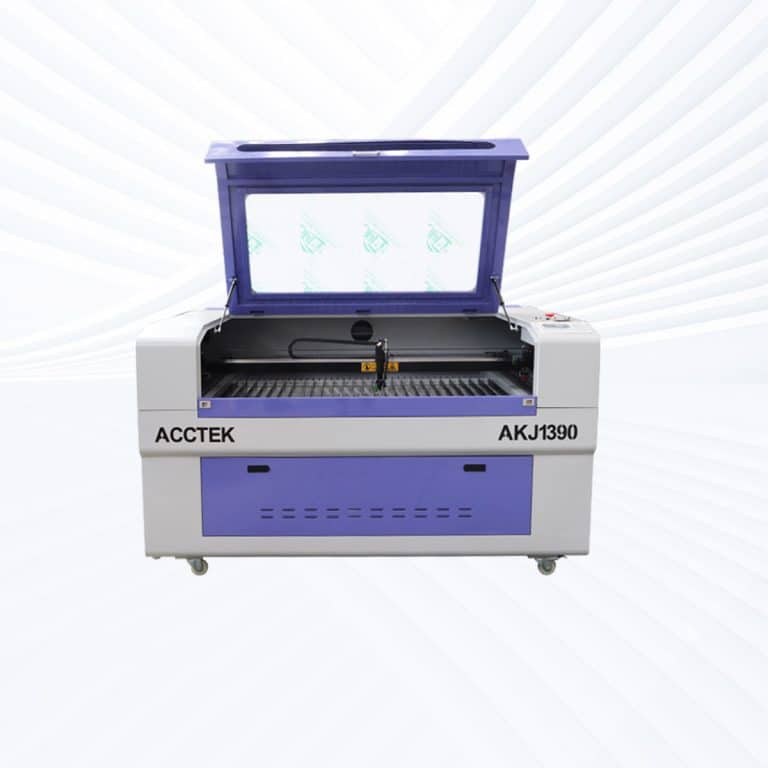
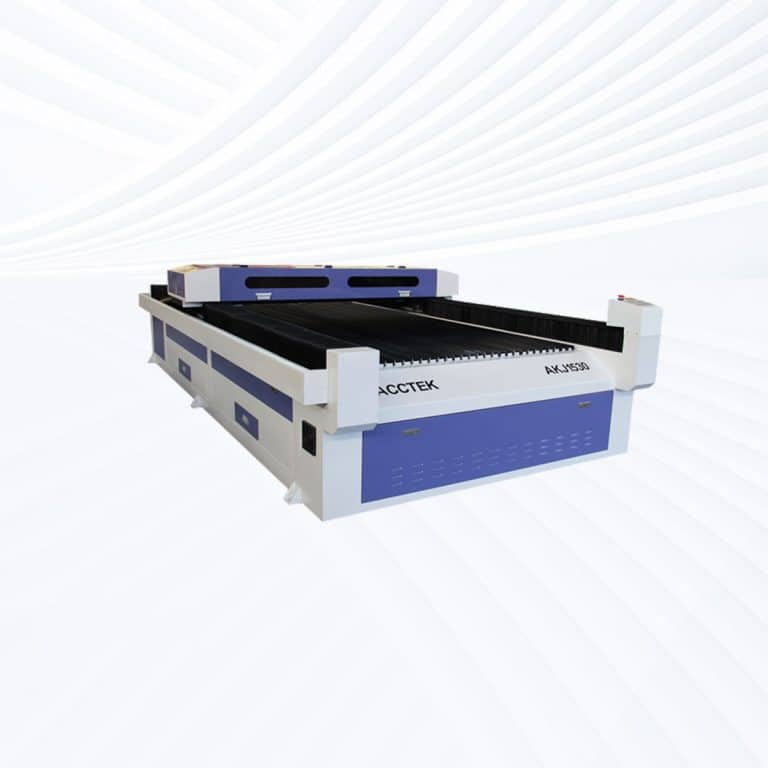
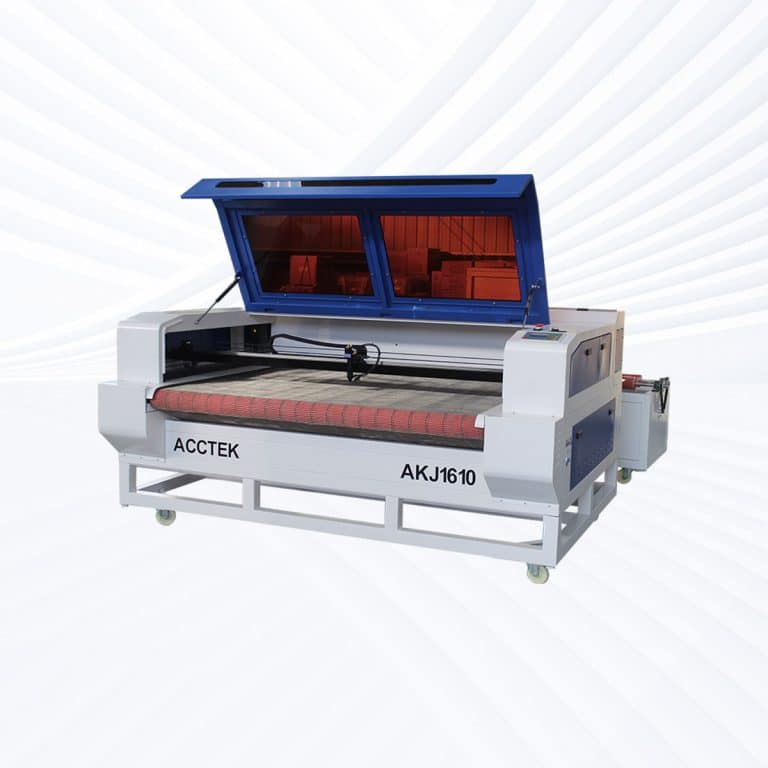
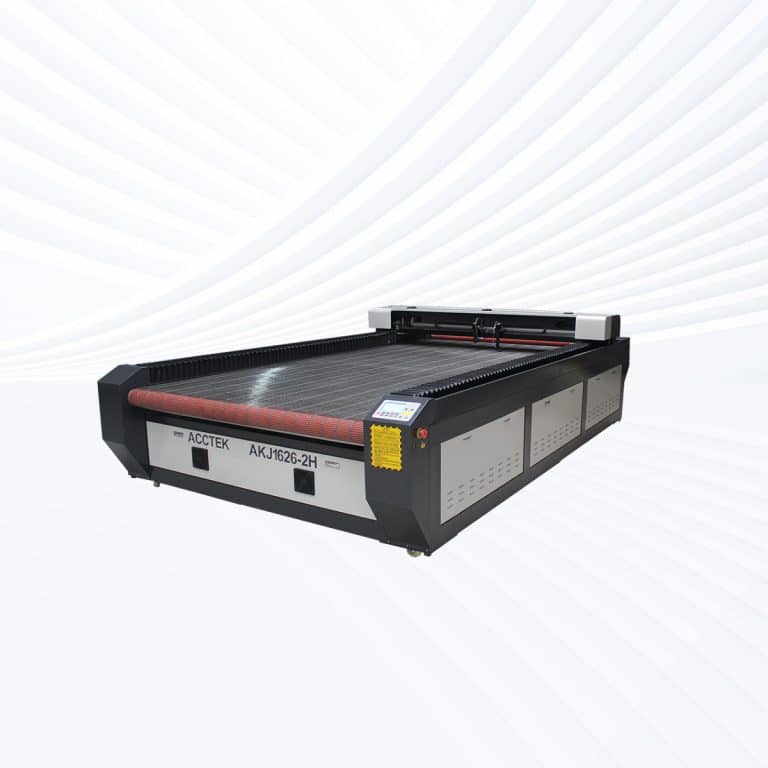
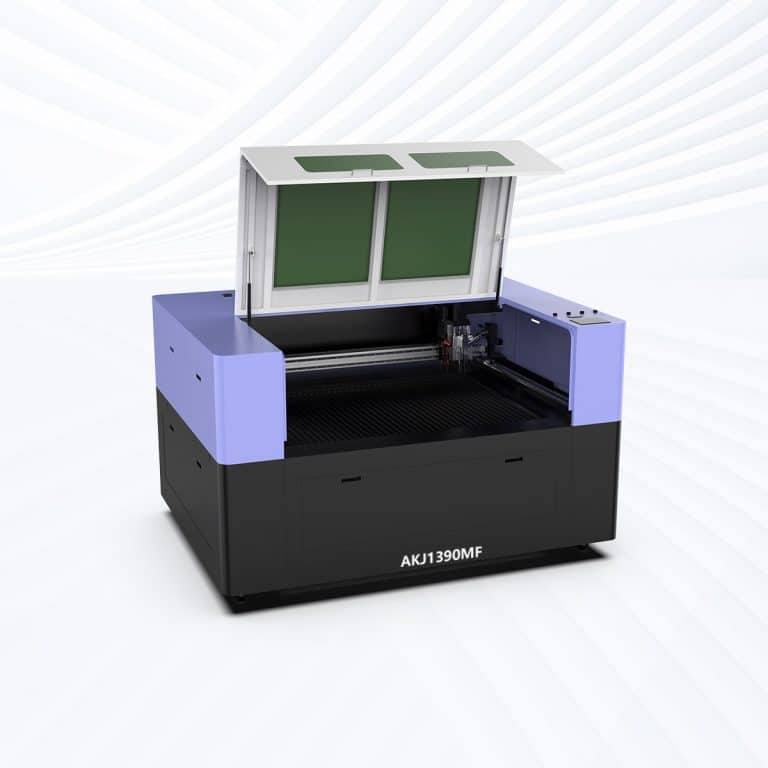
CO2 Laser Cutting Capabilities
| Material Type | 60W | 80W | 90W | 100W | 130W | 150W | 180W | 220W | 260W | 300W | 500W | 600W |
|---|---|---|---|---|---|---|---|---|---|---|---|---|
| Acrylic | 0-8mm | 0-10mm | 0-12mm | 0-15mm | 0-18mm | 0-20mm | 0-22mm | 0-25mm | 0-28mm | 0-30mm | 0-35mm | 0-40mm |
| Plywood | 0-6mm | 0-8mm | 0-9mm | 0-10mm | 0-12mm | 0-15mm | 0-15mm | 0-18mm | 0-20mm | 0-22mm | 0-25mm | 0-28mm |
| MDF | 0-5mm | 0-6mm | 0-8mm | 0-9mm | 0-12mm | 0-15mm | 0-15mm | 0-18mm | 0-20mm | 0-22mm | 0-25mm | 0-25mm |
| Solid Wood | 0-5mm | 0-6mm | 0-8mm | 0-10mm | 0-12mm | 0-15mm | 0-15mm | 0-18mm | 0-20mm | 0-22mm | 0-25mm | 0-25mm |
| Bamboo Board | 0-5mm | 0-6mm | 0-8mm | 0-10mm | 0-12mm | 0-15mm | 0-15mm | 0-18mm | 0-20mm | 0-22mm | 0-25mm | 0-25mm |
| Leather | 0-4mm | 0-5mm | 0-5mm | 0-6mm | 0-6mm | 0-8mm | 0-8mm | 0-8mm | 0-10mm | 0-10mm | 0-12mm | 0-12mm |
| Textile | Any Cutting | Any Cutting | Any Cutting | Any Cutting | Any Cutting | Any Cutting | Any Cutting | Any Cutting | Any Cutting | Any Cutting | Any Cutting | Any Cutting |
| Rubber | 0-3mm | 0-4mm | 0-5mm | 0-5mm | 0-6mm | 0-6mm | 0-8mm | 0-8mm | 0-8mm | 0-10mm | 0-10mm | 0-10mm |
| EVA | 0-5mm | 0-6mm | 0-8mm | 0-10mm | 0-12mm | 0-15mm | 0-15mm | 0-18mm | 0-20mm | 0-25mm | 0-30mm | 0-30mm |
| Cardboard | 0-3mm | 0-4mm | 0-4mm | 0-5mm | 0-6mm | 0-6mm | 0-8mm | 0-8mm | 0-8mm | 0-10mm | 0-10mm | 0-10mm |
| Cork Sheet | 0-3mm | 0-4mm | 0-5mm | 0-5mm | 0-6mm | 0-6mm | 0-8mm | 0-8mm | 0-8mm | 0-10mm | 0-10mm | 0-10mm |
| ABS | 0-3mm | 0-4mm | 0-5mm | 0-6mm | 0-8mm | 0-8mm | 0-10mm | 0-10mm | 0-12mm | 0-12mm | 0-15mm | 0-15mm |
| Delrin | 0-3mm | 0-4mm | 0-5mm | 0-6mm | 0-8mm | 0-8mm | 0-10mm | 0-10mm | 0-12mm | 0-12mm | 0-15mm | 0-15mm |
| Foam Board | 0-5mm | 0-6mm | 0-8mm | 0-10mm | 0-12mm | 0-15mm | 0-18mm | 0-20mm | 0-25mm | 0-25mm | 0-30mm | 0-30mm |
| PCB | 0-1mm | 0-1.5mm | 0-2mm | 0-2mm | 0-3mm | 0-3mm | 0-3mm | 0-4mm | 0-4mm | 0-5mm | 0-5mm | 0-5mm |
| Laminates | 0-3mm | 0-4mm | 0-5mm | 0-6mm | 0-8mm | 0-8mm | 0-10mm | 0-10mm | 0-12mm | 0-12mm | 0-15mm | 0-15mm |
| Stone | Engraving Only | Engraving Only | Engraving Only | Engraving Only | Engraving Only | Engraving Only | Engraving Only | Engraving Only | Engraving Only | Engraving Only | Engraving Only | Engraving Only |
| Ceramic | Engraving Only | Engraving Only | Engraving Only | Engraving Only | Engraving Only | Engraving Only | Engraving Only | Engraving Only | Engraving Only | Engraving Only | Engraving Only | Engraving Only |
Compatible Materials
- Rubber
- Delrin
- ABS Plastic
- Polystyrene
- Polycarbonate
- PETG
- EVA Foam
- Neoprene
- Mylar
- Nylon
- Canvas
- Suede
- Fleece
- Cardstock
- Veneer
- Latex
- Foam Board
- Pressboard
- Melamine
- Carbon Fiber
- Linoleum
- Birch Plywood
- Walnut Plywood
- Alder Wood
- Basswood
- Chipboard
- Hardboard
- Synthetic Felt
- Wool Fabric
- Polyurethane Foam
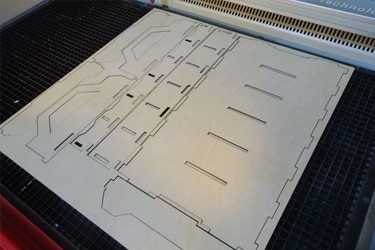
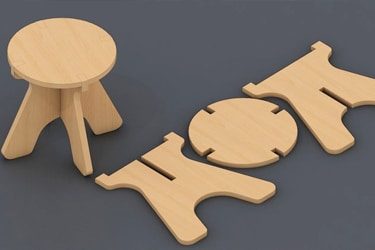
Application of 300W CO2 Laser Cutting Machines
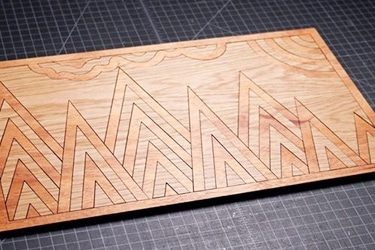



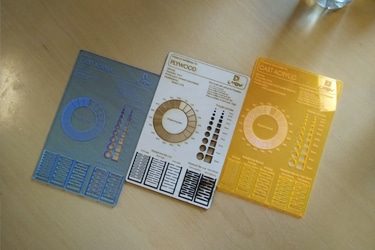
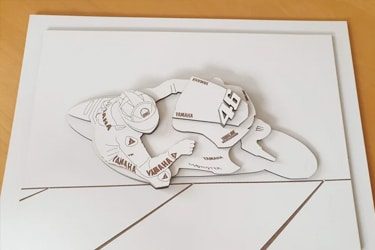
Customer Testimonials
Comparison VS Other Cutting Technologies
| Comparison Item | CO2 Laser Cutting | CNC Routing | Knife Cutting | Waterjet Cutting |
|---|---|---|---|---|
| Cutting Principle | Uses a focused laser beam to vaporize material | Uses rotating cutting bits to remove material | Uses a sharp blade to slice through material | Uses a high-pressure jet of water (with or without abrasive) |
| Suitable Materials | Non-metals like wood, acrylic, leather, fabric, rubber | Wood, plastics, composites, soft metals | Soft materials like foam, leather, textiles, and paper | Almost all materials, including metal, stone, glass, and composites |
| Cutting Precision | Very high (±0.05 mm) | Moderate (±0.2 mm) | Moderate to high (±0.1 mm) | High (±0.1 mm) |
| Edge Quality | Smooth, sealed edges (especially on acrylic and wood) | May require sanding or finishing | Clean for soft materials | Smooth but can be slightly rough on thick cuts |
| Cutting Speed | Fast for thin to medium materials | Slower due to mechanical resistance | Fast on soft materials | Slower, especially for thick or hard materials |
| Maintenance | Low — no physical contact with material | Medium — bits wear out regularly | Low — blades replaced periodically | High — pumps, nozzles, and abrasive handling required |
| Noise Level | Quiet operation | Noisy (due to motor and bit contact) | Very quiet | Very loud (requires sound enclosure) |
| Heat Effect | Generates localized heat (may char some materials) | Minimal heat | No heat | No heat |
| Tool Wear | None — non-contact process | High — cutting tools dull quickly | Moderate — blades wear over time | High — nozzles and pumps wear from abrasive use |
| Material Waste | Minimal (thin kerf <0.2 mm) | Moderate | Low | Moderate to high (especially with abrasives) |
| Operating Cost | Low — mostly electricity and maintenance | Medium — bits and material waste | Low — inexpensive blades | High — abrasives, water, and power costs |
| Environmental Impact | Clean, no water waste | Minimal | Clean | Generates slurry and consumes large amounts of water |
| Software Compatibility | Compatible with most CAD/CAM and design files | Standard CNC software | Basic vector design software | Specialized CAD/CAM software |
| Cutting Thickness Range | Best up to ~15 mm (material-dependent) | Varies widely by bit and material | Best for soft, thin materials | Can cut very thick materials (>100 mm) |
| Ideal Applications | Signage, crafts, packaging, engraving, prototyping | Woodworking, furniture, 3D carving | Soft goods, packaging, leatherwork | Industrial metal, stone, and glass cutting |
Why Choose Us
Advanced Technology
Our laser cutting machines feature high-speed, precision cutting with the latest laser technology, ensuring smooth edges, minimal waste, and superior efficiency across various materials and thicknesses.
Reliable Quality
Each machine undergoes rigorous quality control and durability testing to ensure long-term stability, low maintenance, and consistent high performance, even under demanding industrial conditions.
Comprehensive Support
We provide full technical support, including installation guidance, operator training, and after-sales service, ensuring smooth machine operation and minimal downtime for your business.
Cost-Effective Solutions
Our machines offer high performance at competitive prices, with customizable options to fit different production needs, helping businesses maximize their investment without compromising on quality.
Related Resources
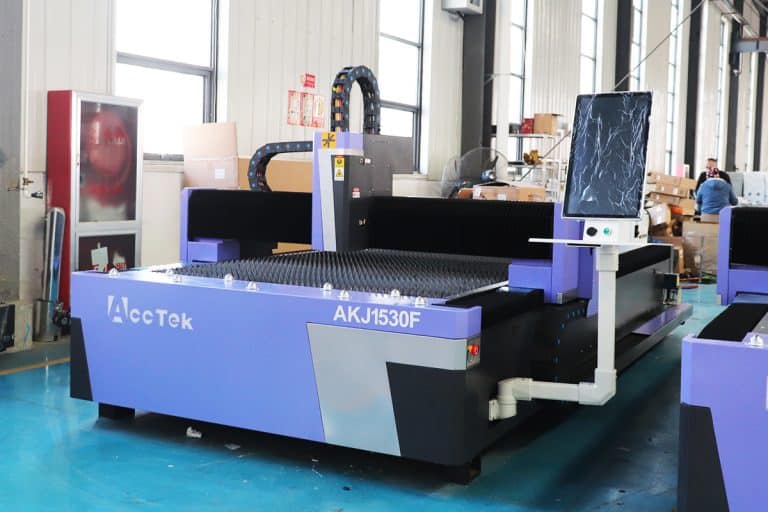
Understanding The Odors Associated With Laser Cutting
This article provides a comprehensive guide to laser cutting odors, explaining the causes of odors, material-specific odors, health risks, and practical strategies for effectively controlling odors and ensuring safer operation.
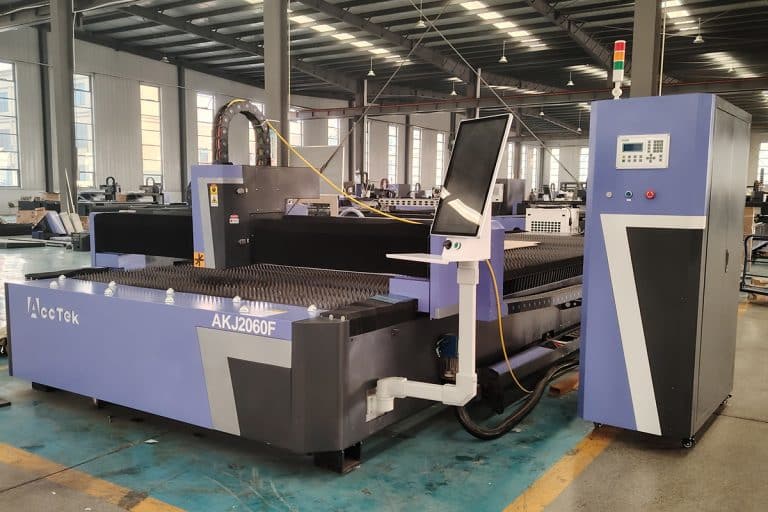
What Safety Measures Should Be Taken When Operating Laser Cutting Machines
This article teaches the basic safety measures for operating a laser cutting machine, including hazard awareness, engineering controls, PPE, fire prevention, ventilation, training, and emergency response drills.
Addressing the Challenges of Fiber Laser Cutting: Common Problems and Solutions
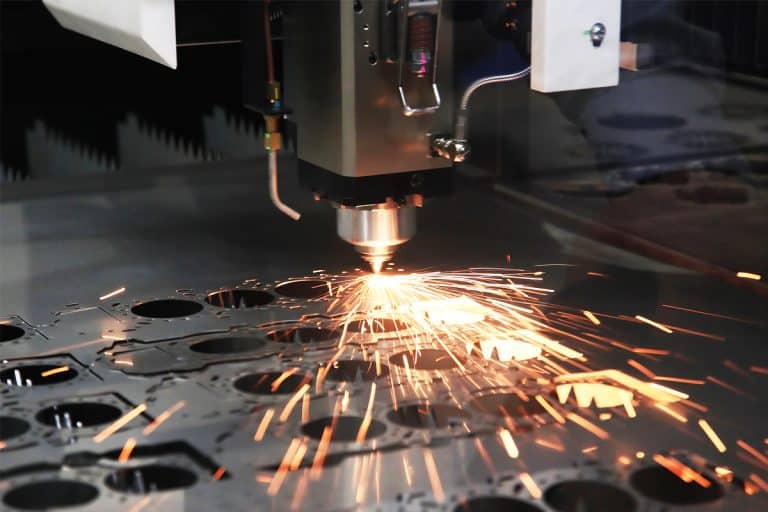
This article explores common challenges in fiber laser cutting, including material-related issues, machine performance, and operator-related problems, offering practical solutions to optimize cutting quality and efficiency.
Precautions for Operating Laser Cutting Machines
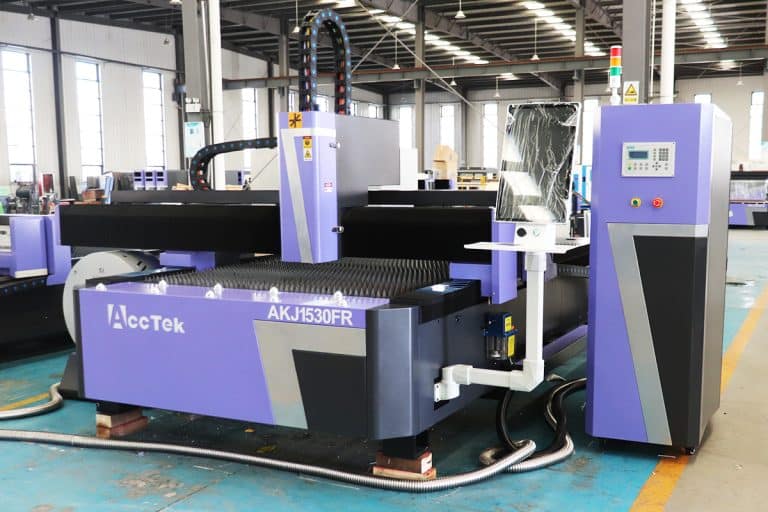
This article provides a detailed overview of basic precautions for operating laser cutting machines, covering safety risks, proper setup, operating guidelines, maintenance procedures, and emergency preparedness.
Frequently Asked Questions
What Is The Price Of 300W CO2 Laser Cutting Machines?
- Working Area Size: The working area size is one of the largest cost drivers. Larger formats such as 1300×2500mm, 1600×2600mm, or 1500×3000mm require stronger frames, longer guide rails, and larger mechanical assemblies, which increase manufacturing costs. Smaller platforms like 900×600mm or 1300×900mm are more affordable and better suited for compact workshops or precision cutting tasks. Industrial users prefer larger beds for handling oversized sheets and improving production throughput.
- Laser Tube Brand and Quality: The laser tube significantly affects both performance and price. Premium brands such as RECI (W10/W12), EFR (F10/F12), and SPT TR series deliver high beam stability and lifespans up to 10,000 hours. They maintain consistent cutting power over long-term use, which is vital for industrial productivity. Cheaper or generic laser tubes may have shorter lifespans (2,000–4,000 hours) and require more frequent replacements, adding to long-term operational costs.
- Motion Control System: Machines featuring servo motors, HIWIN or PMI linear guide rails, and rack-and-pinion drives achieve superior precision, faster acceleration, and smoother motion compared to stepper motor systems. These high-precision components are essential for clean edges and detailed contour cutting, especially at high speeds. The inclusion of servo-driven systems typically raises the price but ensures better long-term stability and cutting accuracy.
- Automation and Intelligent Features: Advanced features such as autofocus, motorized Z-axis tables, dual laser heads, or CCD camera recognition systems improve efficiency and usability. Autofocus allows precise adjustment for materials of varying thicknesses, while dual heads increase productivity by enabling simultaneous cutting. These intelligent systems make machines more expensive but significantly boost output and ease of operation.
- Cooling and Exhaust Systems: 300W CO2 lasers generate substantial heat and require reliable cooling and ventilation. Machines equipped with CW-6000 or CW-6200 chillers, high-pressure air-assist compressors, and industrial exhaust systems cost more but ensure consistent cutting quality and protect components from thermal damage.
- Build Quality and Frame Construction: Industrial-grade 300W machines are built with welded steel frames to resist vibration and maintain precision over extended use. Reinforced optical alignment systems, dust-proof rails, and heavy-duty beds add durability but increase cost.
- Software, Controller, and After-Sales Support: Top-tier machines typically use Ruida, Trocen, or LightBurn controllers for intuitive operation and compatibility with various file types. Reliable after-sales support, training, and spare parts availability also impact overall pricing, as strong service infrastructure ensures minimal downtime.
What Are The Working Areas Of 300W CO2 Laser Cutting Machines?
- Small Working Areas (600×400mm, 900×600mm, 1300×900mm): These compact machines are ideal for small workshops, studios, and educational environments where precision and space efficiency are key. They are commonly used for cutting and engraving non-metal materials such as acrylic, wood, leather, paper, and fabric. The smaller workbed size reduces cost and power consumption while offering excellent detail accuracy. Although limited in material size, these machines excel in sign-making, model fabrication, and custom engraving applications that require fine control.
- Medium Working Areas (1600×1000mm, 1800×1000mm, 1300×1800mm): Machines in this range are highly versatile, balancing capacity and cost-effectiveness. They can process larger sheets while maintaining high cutting precision, making them suitable for furniture production, display fabrication, and advertising industries. The extended workbed supports efficient material utilization and faster throughput for medium-volume production. Many models in this category include motorized Z-axis tables and autofocus systems, enhancing ease of operation and cut consistency across varying material thicknesses.
- Large Working Areas (1300×2500mm, 1600×2600mm, 1500×3000mm): These configurations are designed for industrial applications that require processing oversized materials or continuous operation. Common in sectors like construction, packaging, and sign manufacturing, these machines handle full-size sheets and thick materials with ease. The larger working platform requires a reinforced steel frame, extended motion systems, and high-precision linear guide rails to maintain stability and accuracy across long distances. Industrial-grade cooling and exhaust systems—such as CW-6200 chillers and high-pressure air assist—are standard to ensure consistent performance under heavy workloads.
- Performance Considerations: The choice of working area impacts not only cost but also workflow efficiency. Larger machines offer higher productivity and flexibility, but they demand more floor space, power, and maintenance. Smaller models are more affordable and easier to operate, ideal for custom or batch production.
What Are The Disadvantages Of 300W CO2 Laser Cutting Machines?
- High Initial Investment: A major drawback of 300W CO2 laser cutting machines is their high purchase cost, typically ranging from $5,500 to $11,300. The cost increases further with larger working areas, advanced motion systems, and automation features like autofocus and dual heads. This high initial expense can be difficult for small workshops or startups to justify unless there is consistent production demand.
- Maintenance and Operating Costs: The laser tube is a consumable component and has a limited lifespan, generally between 5,000 and 10,000 hours for high-end brands such as RECI or EFR. Replacement costs for 300W tubes are significantly higher than those of lower-wattage machines. Regular maintenance—such as mirror cleaning, lens replacement, optical alignment, and chiller upkeep—adds to ongoing expenses. Additionally, higher power output leads to increased electricity consumption, especially during continuous operation.
- Large Space Requirements: Due to their size and heavy-duty frame, industrial-grade 300W CO2 laser cutting machines require ample installation space, proper ventilation, and sufficient clearance for maintenance. Workshops with limited floor area may find these machines difficult to accommodate. The machine’s weight also demands a stable foundation to prevent vibration and misalignment during high-speed cutting.
- Complex Operation and Training Needs: Operating 300W CO2 laser cutting machine safely requires technical knowledge and experience. Operators must understand material parameters, software setup, and machine calibration to avoid errors or material waste. Incorrect settings can lead to poor edge quality, excessive burning, or even component damage. Comprehensive training is essential, especially for multi-layer cutting and thick-material processing.
- Material Limitations: Despite its high power, CO2 lasers is most effective on non-metal materials such as wood, acrylic, leather, and certain plastics. While it can engrave or cut thin metals, it is less efficient and precise than a fiber laser when working with stainless steel or aluminum. This limits its usefulness in metal-intensive industries.
- Environmental and Safety Concerns: Cutting materials like MDF, plastics, or synthetic fabrics produces smoke, fumes, and particulates that require robust exhaust and filtration systems. Without proper ventilation, toxic gases can accumulate, creating unsafe working conditions. Operators must also wear laser safety goggles and follow strict safety protocols to avoid exposure to laser radiation.
How To Choose 300W CO2 Laser Cutting Machines?
- Working Area Size: The working area directly affects both cost and productivity. Compact models such as 900×600mm or 1300×900mm are suitable for small workshops or custom fabrication projects requiring fine details. In contrast, large-format models like 1300×2500mm, 1600×2600mm, or 1500×3000mm are ideal for industrial applications, allowing full-sheet cutting and mass production. Larger machines, however, require stronger frames, longer rails, and more space, which increases both the initial investment and operating costs.
- Laser Tube Brand and Quality: The laser tube is the heart of any CO2 laser cutting system and determines cutting power, stability, and lifespan. High-end brands like RECI (W10/W12), EFR (F10/F12), or SPT TR series offer excellent beam quality and lifespans up to 10,000 hours, ensuring consistent performance for demanding workloads. Cheaper tubes may reduce upfront cost but degrade faster, leading to reduced efficiency and higher replacement expenses. For heavy-duty continuous production, always prioritize top-tier laser tubes with robust cooling compatibility.
- Motion Control System: Precision, speed, and cut quality depend heavily on the motion system. Machines equipped with servo motors, HIWIN or PMI linear guide rails, and rack-and-pinion transmission systems provide smoother and more stable motion than those with basic stepper motors. These premium components reduce vibration and enable fine contour cutting, especially for thick materials or intricate patterns, making them essential for industrial-grade performance.
- Automation and Intelligent Features: Modern 300W CO2 laser cutting machines often include autofocus, motorized Z-axis lifting tables, dual laser heads, or CCD camera recognition. Autofocus ensures the laser beam maintains optimal focal distance for different materials, while dual heads double cutting efficiency. Though these features increase cost, they enhance accuracy, productivity, and ease of operation.
- Cooling and Exhaust Systems: 300W lasers generate substantial heat during operation. Reliable cooling—using CW-6000 or CW-6200 industrial chillers—and efficient air-assist compressors and exhaust systems are vital for continuous cutting stability. These systems prevent overheating, maintain beam consistency, and extend laser tube life.
- Build Quality and Frame Construction: Industrial 300W CO2 machines are built with heavy-duty welded steel frames for enhanced stability and vibration resistance. Reinforced optical paths, precision-ground beds, and sealed guide protection improve accuracy and longevity. While these structural improvements increase machine cost, they ensure long-term reliability under 24/7 operation.
- Software and After-Sales Support: Controllers like Ruida, Trocen, or LightBurn provide user-friendly operation and excellent compatibility with design software. Strong after-sales support—covering spare parts, training, and technical assistance—is critical for minimizing downtime and ensuring a smooth learning curve.
Is It Safe To Use 300W CO2 Laser Cutting Machines?
- Laser Radiation Safety: 300W CO2 lasers emit an infrared beam (10.6 μm wavelength), which is invisible to the human eye but powerful enough to cause severe burns or eye damage. To ensure safety, operators must always wear certified laser safety goggles designed for CO2 laser wavelengths. Machines should have a fully enclosed or shielded design, preventing beam exposure during operation. Open-bed models should include interlock systems that automatically disable the laser if the enclosure is opened.
- Fume and Smoke Extraction: Laser cutting materials such as acrylic, MDF, leather, or plastic produces smoke and toxic fumes that can harm respiratory health and contaminate optics. A powerful exhaust and filtration system is essential for removing airborne particles and maintaining clean air in the workspace. Industrial setups typically use external ducting with high-capacity blowers and activated carbon filters to ensure compliance with workplace safety standards.
- Fire and Heat Hazards: At 300W, the laser beam generates high temperatures capable of igniting flammable materials. Operators should never leave the machine unattended while cutting. A fire extinguisher (CO2 or dry chemical) must be kept nearby, and fire alarms or flame sensors can be installed for additional safety. Proper airflow and an air-assist system help minimize flare-ups by directing compressed air toward the cutting area to cool materials and disperse debris.
- Electrical and Cooling Safety: The machine’s high-voltage power supply and water-cooling system (typically CW-6000 or CW-6200 chillers) require proper maintenance. Operators should inspect wiring and coolant connections regularly to avoid electrical shorts, water leaks, or tube overheating. The chiller should use distilled or deionized water to prevent mineral buildup and maintain consistent temperature control.
- Training and Supervision: Operators must receive comprehensive training in laser system operation, material handling, and emergency shutdown procedures. Understanding software like Ruida RDWorks or LightBurn, along with correct power and speed settings, ensures safe and effective performance.
- Material Restrictions: Avoid cutting PVC, polycarbonate, or other chlorine-based materials, as these emit toxic gases when burned. Only use materials certified for laser processing.
What PPE Is Needed To Operate 300W CO2 Laser Cutting Machines?
- Laser Safety Glasses: The most critical piece of PPE for operating 300W CO2 laser cutting machines is laser safety eyewear. Since CO2 lasers emit an invisible infrared beam (10.6 μm wavelength), even brief exposure can cause irreversible eye damage. Operators must wear certified laser safety goggles rated specifically for CO2 laser wavelengths. The glasses should have optical density (OD) protection of at least 6+ to ensure full shielding from scattered or reflected laser radiation. For added safety, the machine should also have an enclosed laser area with viewing windows made from IR-absorbing materials.
- Respiratory Protection: Laser cutting generates smoke, fumes, and vaporized particulates, especially when cutting materials like acrylic, MDF, or leather. Even with a strong exhaust system, operators should wear respiratory masks or respirators (e.g., N95 or half-face respirators with activated carbon filters) when handling materials that emit chemical vapors. This minimizes exposure to airborne pollutants and prevents respiratory irritation or long-term health issues.
- Protective Clothing: Operators should wear flame-resistant clothing to protect against heat, sparks, and minor fires caused by flammable materials. Avoid synthetic fabrics like nylon or polyester, which can melt when exposed to high temperatures. Instead, use cotton or specialized heat-resistant garments that minimize static buildup and provide adequate coverage of arms and legs.
- Hand Protection: When handling materials or freshly cut parts, operators should wear heat-resistant and cut-resistant gloves. Laser cutting can leave sharp edges or hot surfaces on metal and non-metal components. Gloves protect against burns and cuts during material loading, unloading, or cleaning.
- Hearing Protection: While CO2 laser cutting machines are generally quieter than mechanical cutting machines, some high-power industrial models may generate noise from the air-assist system, exhaust blowers, or cooling units. In these cases, operators should use earplugs or earmuffs to maintain safe hearing levels in continuous-use environments.
- Foot Protection: Industrial settings require safety boots with steel toes to prevent foot injuries from heavy material sheets or falling components. Anti-slip soles are also recommended to reduce the risk of accidents near water-cooled systems.
- Face and Skin Protection: For open-bed laser systems, a face shield can provide additional protection from heat, dust, and debris generated during cutting. Long sleeves and gloves help prevent skin exposure to infrared radiation and hot particles.
What Are The Environmental Requirements For 300W CO2 Laser Cutting Machines?
- Ambient Temperature and Humidity: The ideal working temperature for 300W CO2 laser cutting machines is between 15℃ and 30℃ (59℉–86℉). Excessive heat can lead to laser tube overheating and reduced efficiency, while temperatures below 10°C may cause condensation inside electrical components or optical paths. Maintaining humidity levels between 40–70% is equally important. High humidity accelerates corrosion of optical mirrors, lenses, and control circuits, whereas extremely low humidity increases static buildup, potentially damaging electronics. Installing an air conditioner or dehumidifier in the workshop helps maintain stable environmental conditions.
- Ventilation and Fume Extraction: Laser cutting of materials such as acrylic, MDF, and plastics produces smoke, particulates, and potentially harmful gases. A powerful exhaust system or industrial fume extractor is required to remove these emissions and prevent air contamination. Proper ducting should vent fumes outdoors or through an activated carbon filtration unit. Inadequate ventilation can degrade cutting quality, contaminate optics, and pose serious health risks to operators. For optimal performance, the exhaust outlet should be at least 5–10 meters away from air inlets or occupied areas.
- Cooling and Water Circulation: 300W CO2 laser tubes generate significant heat and require an industrial-grade chiller, such as the CW-6000 or CW-6200, to maintain water temperature between 20–25℃. The cooling unit should be installed in a dust-free, well-ventilated space to ensure consistent performance. Only distilled or deionized water should be used to prevent mineral buildup, which can damage the tube and optical path. Continuous monitoring of coolant flow and temperature is essential for safe operation.
- Cleanliness and Dust Control: Dust and debris in the workspace can interfere with optical alignment and precision. The cutting environment should be clean, dry, and free of excessive dust or oil mist. Installing air filters or maintaining regular cleaning routines helps preserve mirror reflectivity and lens transparency. Avoid placing the machine near woodworking equipment or open-air sanding areas.
- Power Supply and Grounding: The 300W CO2 laser requires a stable electrical supply, ideally supported by a voltage stabilizer or UPS system to prevent power fluctuations. All components must be properly grounded to avoid static discharge and electrical interference.
- Space and Installation Surface: The machine should be placed on a flat, vibration-free surface with sufficient clearance (at least 1 meter) on all sides for cooling airflow, material handling, and maintenance. The environment must also be free from moisture and corrosive gases.
How To Maintain 300W CO2 Laser Cutting Machines?
- Laser Tube Maintenance: The laser tube is the core of the system and requires careful handling. Regularly check for dust, condensation, or residue buildup around the tube and cooling ports. Always use distilled or deionized water in the cooling system to prevent scale formation inside the tube. Maintain the chiller temperature between 20–25℃ for stable operation. Inspect the tube every 500 hours for signs of power decline or unstable beam output—these are early indicators of aging or internal damage.
- Optical System Cleaning: The mirrors and focusing lens must be kept clean to ensure optimal beam transmission. Dust, smoke, and debris from cutting can accumulate quickly, reducing cutting power and precision. Use a lint-free optical wipe and isopropyl alcohol (≥99%) to gently clean the optics once every few days or after extended use. Avoid touching the lens surface directly. Regularly check mirror alignment to maintain a consistent beam focus across the working area.
- Cooling System Inspection: A CW-6000 or CW-6200 water chiller is typically required for 300W lasers. Inspect coolant levels daily and replace the water every 2–3 months. Check hoses and fittings for leaks and ensure a steady flow to prevent overheating. Install the chiller in a well-ventilated, dust-free area to avoid temperature fluctuations that can destabilize laser output.
- Exhaust and Air-Assist Maintenance: Smoke and debris can clog exhaust systems over time, affecting air quality and cutting performance. Clean the exhaust fan, air filters, and ducting weekly. Ensure the air-assist compressor delivers consistent pressure to prevent material flare-ups and maintain clean edge finishes. Replacing air filters periodically also prevents contamination inside the optical path.
- Mechanical and Motion Components: Lubricate the linear guide rails, belts, and rack systems monthly with non-dusty lubricants to reduce friction and wear. Inspect for loose screws, misalignment, or vibrations that could affect accuracy. Servo motors and drive belts should be checked for smooth operation and calibrated regularly for precision cutting.
- Electrical and Software Checks: Inspect power connections and grounding systems every few weeks to ensure electrical safety. Keep the control system software (Ruida RDWorks, Trocen, or LightBurn) updated for optimal compatibility and workflow efficiency. Back up configuration files periodically.
- General Cleaning and Environment: Maintain a clean, dry, and dust-free workspace. Cover the machine when not in use to protect optical and mechanical components from contaminants.