

Product Introduction
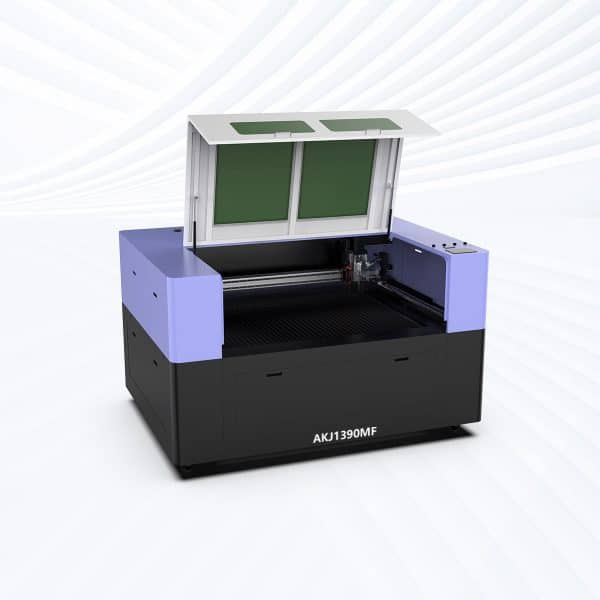
CO2 Laser Cutting Capabilities
| Material Type | 60W | 80W | 90W | 100W | 130W | 150W | 180W | 220W | 260W | 300W | 500W | 600W |
|---|---|---|---|---|---|---|---|---|---|---|---|---|
| Acrylic | 0-8mm | 0-10mm | 0-12mm | 0-15mm | 0-18mm | 0-20mm | 0-22mm | 0-25mm | 0-28mm | 0-30mm | 0-35mm | 0-40mm |
| Plywood | 0-6mm | 0-8mm | 0-9mm | 0-10mm | 0-12mm | 0-15mm | 0-15mm | 0-18mm | 0-20mm | 0-22mm | 0-25mm | 0-28mm |
| MDF | 0-5mm | 0-6mm | 0-8mm | 0-9mm | 0-12mm | 0-15mm | 0-15mm | 0-18mm | 0-20mm | 0-22mm | 0-25mm | 0-25mm |
| Solid Wood | 0-5mm | 0-6mm | 0-8mm | 0-10mm | 0-12mm | 0-15mm | 0-15mm | 0-18mm | 0-20mm | 0-22mm | 0-25mm | 0-25mm |
| Bamboo Board | 0-5mm | 0-6mm | 0-8mm | 0-10mm | 0-12mm | 0-15mm | 0-15mm | 0-18mm | 0-20mm | 0-22mm | 0-25mm | 0-25mm |
| Leather | 0-4mm | 0-5mm | 0-5mm | 0-6mm | 0-6mm | 0-8mm | 0-8mm | 0-8mm | 0-10mm | 0-10mm | 0-12mm | 0-12mm |
| Textile | Any Cutting | Any Cutting | Any Cutting | Any Cutting | Any Cutting | Any Cutting | Any Cutting | Any Cutting | Any Cutting | Any Cutting | Any Cutting | Any Cutting |
| Rubber | 0-3mm | 0-4mm | 0-5mm | 0-5mm | 0-6mm | 0-6mm | 0-8mm | 0-8mm | 0-8mm | 0-10mm | 0-10mm | 0-10mm |
| EVA | 0-5mm | 0-6mm | 0-8mm | 0-10mm | 0-12mm | 0-15mm | 0-15mm | 0-18mm | 0-20mm | 0-25mm | 0-30mm | 0-30mm |
| Cardboard | 0-3mm | 0-4mm | 0-4mm | 0-5mm | 0-6mm | 0-6mm | 0-8mm | 0-8mm | 0-8mm | 0-10mm | 0-10mm | 0-10mm |
| Cork Sheet | 0-3mm | 0-4mm | 0-5mm | 0-5mm | 0-6mm | 0-6mm | 0-8mm | 0-8mm | 0-8mm | 0-10mm | 0-10mm | 0-10mm |
| ABS | 0-3mm | 0-4mm | 0-5mm | 0-6mm | 0-8mm | 0-8mm | 0-10mm | 0-10mm | 0-12mm | 0-12mm | 0-15mm | 0-15mm |
| Delrin | 0-3mm | 0-4mm | 0-5mm | 0-6mm | 0-8mm | 0-8mm | 0-10mm | 0-10mm | 0-12mm | 0-12mm | 0-15mm | 0-15mm |
| Foam Board | 0-5mm | 0-6mm | 0-8mm | 0-10mm | 0-12mm | 0-15mm | 0-18mm | 0-20mm | 0-25mm | 0-25mm | 0-30mm | 0-30mm |
| PCB | 0-1mm | 0-1.5mm | 0-2mm | 0-2mm | 0-3mm | 0-3mm | 0-3mm | 0-4mm | 0-4mm | 0-5mm | 0-5mm | 0-5mm |
| Laminates | 0-3mm | 0-4mm | 0-5mm | 0-6mm | 0-8mm | 0-8mm | 0-10mm | 0-10mm | 0-12mm | 0-12mm | 0-15mm | 0-15mm |
| Stone | Engraving Only | Engraving Only | Engraving Only | Engraving Only | Engraving Only | Engraving Only | Engraving Only | Engraving Only | Engraving Only | Engraving Only | Engraving Only | Engraving Only |
| Ceramic | Engraving Only | Engraving Only | Engraving Only | Engraving Only | Engraving Only | Engraving Only | Engraving Only | Engraving Only | Engraving Only | Engraving Only | Engraving Only | Engraving Only |
Compatible Materials
- Rubber
- Delrin
- ABS Plastic
- Polystyrene
- Polycarbonate
- PETG
- EVA Foam
- Neoprene
- Mylar
- Nylon
- Canvas
- Suede
- Fleece
- Cardstock
- Veneer
- Latex
- Foam Board
- Pressboard
- Melamine
- Carbon Fiber
- Linoleum
- Birch Plywood
- Walnut Plywood
- Alder Wood
- Basswood
- Chipboard
- Hardboard
- Synthetic Felt
- Wool Fabric
- Polyurethane Foam
Application of 220W CO2 Laser Cutting Machines
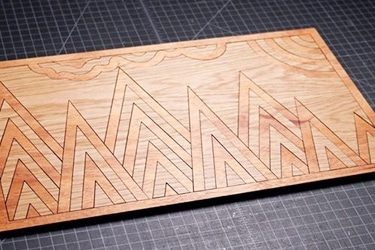



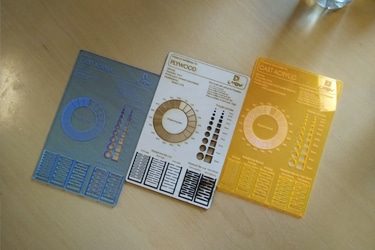
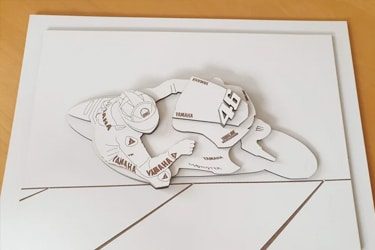
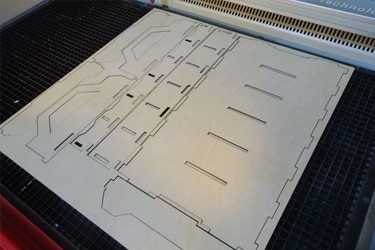
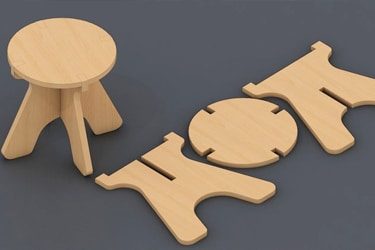
Customer Testimonials
Comparison VS Other Cutting Technologies
| Comparison Item | CO2 Laser Cutting | CNC Routing | Knife Cutting | Waterjet Cutting |
|---|---|---|---|---|
| Cutting Principle | Uses a focused laser beam to vaporize material | Uses rotating cutting bits to remove material | Uses a sharp blade to slice through material | Uses a high-pressure jet of water (with or without abrasive) |
| Suitable Materials | Non-metals like wood, acrylic, leather, fabric, rubber | Wood, plastics, composites, soft metals | Soft materials like foam, leather, textiles, and paper | Almost all materials, including metal, stone, glass, and composites |
| Cutting Precision | Very high (±0.05 mm) | Moderate (±0.2 mm) | Moderate to high (±0.1 mm) | High (±0.1 mm) |
| Edge Quality | Smooth, sealed edges (especially on acrylic and wood) | May require sanding or finishing | Clean for soft materials | Smooth but can be slightly rough on thick cuts |
| Cutting Speed | Fast for thin to medium materials | Slower due to mechanical resistance | Fast on soft materials | Slower, especially for thick or hard materials |
| Maintenance | Low — no physical contact with material | Medium — bits wear out regularly | Low — blades replaced periodically | High — pumps, nozzles, and abrasive handling required |
| Noise Level | Quiet operation | Noisy (due to motor and bit contact) | Very quiet | Very loud (requires sound enclosure) |
| Heat Effect | Generates localized heat (may char some materials) | Minimal heat | No heat | No heat |
| Tool Wear | None — non-contact process | High — cutting tools dull quickly | Moderate — blades wear over time | High — nozzles and pumps wear from abrasive use |
| Material Waste | Minimal (thin kerf <0.2 mm) | Moderate | Low | Moderate to high (especially with abrasives) |
| Operating Cost | Low — mostly electricity and maintenance | Medium — bits and material waste | Low — inexpensive blades | High — abrasives, water, and power costs |
| Environmental Impact | Clean, no water waste | Minimal | Clean | Generates slurry and consumes large amounts of water |
| Software Compatibility | Compatible with most CAD/CAM and design files | Standard CNC software | Basic vector design software | Specialized CAD/CAM software |
| Cutting Thickness Range | Best up to ~15 mm (material-dependent) | Varies widely by bit and material | Best for soft, thin materials | Can cut very thick materials (>100 mm) |
| Ideal Applications | Signage, crafts, packaging, engraving, prototyping | Woodworking, furniture, 3D carving | Soft goods, packaging, leatherwork | Industrial metal, stone, and glass cutting |
Why Choose Us
Advanced Technology
Our laser cutting machines feature high-speed, precision cutting with the latest laser technology, ensuring smooth edges, minimal waste, and superior efficiency across various materials and thicknesses.
Reliable Quality
Each machine undergoes rigorous quality control and durability testing to ensure long-term stability, low maintenance, and consistent high performance, even under demanding industrial conditions.
Comprehensive Support
We provide full technical support, including installation guidance, operator training, and after-sales service, ensuring smooth machine operation and minimal downtime for your business.
Cost-Effective Solutions
Our machines offer high performance at competitive prices, with customizable options to fit different production needs, helping businesses maximize their investment without compromising on quality.
Related Resources
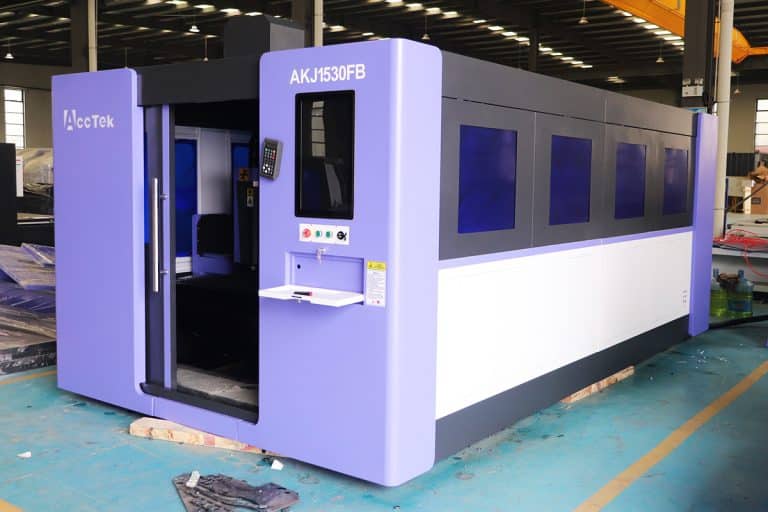
Can Laser Cutting Cause Fires?
This article explores how laser cutting fires can start, which materials and machine areas carry higher risks, and how proper settings, maintenance, monitoring, and fire protection reduce hazards.
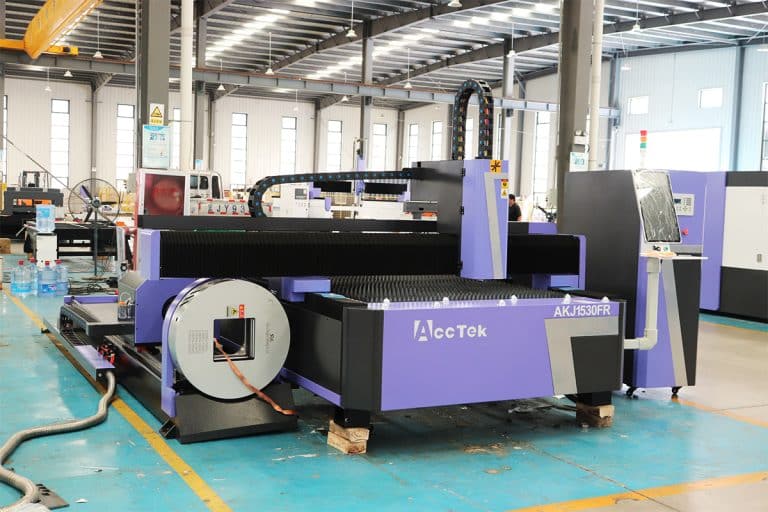
What Factors Affect Laser Cutting Speed?
This article explores the key factors that affect laser cutting speed, including material type and thickness, laser power, beam quality, focus, assist gas, machine condition, motion control, and automation.
What Are The Main Hazards Of Laser Cutting Machines
This article explores the main hazards of laser cutting machines, including laser radiation, fire, fumes, gases, electrical risks, moving parts, material hazards, and key safety controls.
Power Consumption of Laser Cutting Machines
This article explores the factors affecting power consumption in laser cutting machines, including technology, material thickness, auxiliary systems, and strategies for energy-efficient operation.
Frequently Asked Questions
What Is The Price Of 220W CO2 Laser Cutting Machines?
- Working Area Size: Larger working areas allow for cutting larger sheets and more intricate designs without having to reposition the material. Machines with larger beds (e.g., 1300×2500mm, 1500×3000mm) will naturally cost more due to the increased material and structural reinforcement required. Smaller models, like those with a 900×600mm or 1300×900mm working area, are more affordable but may not be suitable for industrial-scale operations.
- Laser Tube Brand and Quality: The laser tube is one of the most important factors influencing both price and performance. High-quality brands like RECI, EFR, and SPT offer more durable tubes that can last up to 10,000 hours, ensuring better cutting consistency and longer operational life. Cheaper tubes may result in reduced cutting performance and a shorter lifespan. Machines with dual laser tubes or those designed for continuous operation will be priced higher due to the increased efficiency and longer work cycles.
- Motion Control System: Machines with advanced servo motors, HIWIN or PMI linear guide rails, and precision transmission belts offer smoother, faster cutting and better precision, which is crucial for complex cuts and engraving. These systems enhance cutting speed and reduce vibration, which directly influences the cost, as they allow for higher-quality results and more reliable performance.
- Automation and Intelligent Features: The inclusion of features like autofocus systems, motorized Z-axis tables, dual laser heads, and CCD camera recognition can significantly increase a machine’s price. These systems improve cutting accuracy, productivity, and ease of operation, making them more attractive to industrial users who need to maximize throughput.
- Cooling and Exhaust Systems: The 220W CO2 laser tube generates more heat, requiring more powerful cooling systems. Machines with CW-6000 chillers, air-assist compressors, and high-efficiency exhaust blowers are typically priced higher due to their role in maintaining a stable, consistent cutting environment, preventing overheating, and ensuring smooth operation.
- Build Quality and Frame Structure: Machines with heavy-duty steel frames provide better stability and reduce vibration during cutting, resulting in more precise cuts. Industrial-grade machines often include features like dust-proof guide protection and reinforced beds, which also contribute to the cost.
- Software, Controller, and After-Sales Support: Machines that come with more intuitive software, like Ruida RDWorks or LightBurn, along with strong after-sales support, usually come at a higher price. The level of support, availability of spare parts, and training can also influence the overall cost, particularly for businesses that rely on the machine for continuous, high-demand operations.
What Are The Working Areas Of 220W CO2 Laser Cutting Machines?
- Smaller Working Areas (600×400mm, 900×600mm, 1300×900mm): These compact machines are ideal for small workshops, hobbyists, or businesses requiring precise cuts on smaller materials. Their limited working area makes them more affordable and easier to fit into tight spaces, and they are often used for cutting or engraving smaller items like signs, jewelry, or small parts. The price for such machines is typically lower compared to larger models, making them ideal for entry-level users or those focused on niche, low-volume production.
- Medium Working Areas (1300×1800mm, 1300×2500mm, 1600×1000mm, 1600×2600mm): These machines are suited for medium-sized businesses that need a balance between affordability and capability. They can handle larger sheets of material, such as those used in signage, industrial parts, and custom designs. These models allow for greater flexibility in terms of material handling, offering a good compromise for users who may need to process larger items without going for the largest and most expensive machines. The cost for these models increases due to their enhanced capabilities, including the need for stronger frames, more advanced motion systems, and larger workbeds.
- Larger Working Areas (1500×3000mm, 1300×1800mm): Machines with large working areas are best suited for high-volume industrial applications where oversized sheets need to be cut with precision. These machines can handle large-format materials, allowing for cutting or engraving on wide boards used in cabinetry, construction, automotive, or other large-scale industries. They require robust frames, longer motion systems, and advanced cooling and exhaust systems, which significantly raise their price. These machines are designed for continuous operation and are often equipped with features like dual laser heads or automated material handling systems, improving efficiency and throughput.
What Are The Disadvantages Of 220W CO2 Laser Cutting Machines?
- High Initial Cost: One of the most significant disadvantages of 220W CO2 laser cutting machines is the relatively high initial investment. These machines are typically more expensive than lower-powered models, which can be a barrier for small businesses or startups. Larger working areas, advanced features, and high-quality components contribute to the overall cost, making them less accessible for users with limited budgets.
- Maintenance and Operational Costs: While 220W CO2 laser cutting machines can offer high performance, they also require regular maintenance to ensure consistent cutting quality and machine longevity. The laser tube, being one of the most important components, can degrade over time, necessitating replacement (often after 2,000 to 3,000 hours of use). Additionally, other components like the cooling system, motion components, and lens also require upkeep, adding to the operational cost.
- Cooling and Power Consumption: CO2 laser cutting machines with higher wattage, such as the 220W, generate a significant amount of heat during operation. To manage this heat, they require robust cooling systems, such as water chillers (CW-5200 or CW-6000), which increase power consumption and add to the cost of operation. The energy demands and cooling needs can make these machines less energy-efficient compared to other cutting technologies, leading to higher electricity costs.
- Size and Space Requirements: Larger machines with 220W power output often require substantial space for installation and operation. For businesses with limited workshop space, these machines may pose logistical challenges. The machine’s size may also restrict mobility, making it difficult to relocate or reconfigure the workspace. For users operating in smaller environments, this could be a major concern.
- Complexity and Learning Curve: Operating 220W CO2 laser cutting machines requires a certain level of expertise. Users must be proficient in setting up and calibrating the machine, choosing the right settings for different materials, and troubleshooting technical issues. The learning curve can be steep, especially for those new to laser cutting, and improper settings can lead to material wastage, equipment damage, or subpar cutting results.
- Safety Concerns: As with any powerful industrial equipment, CO2 laser cutting machines present safety risks, including the potential for burns from laser exposure, fumes from cutting materials, and mechanical hazards. Proper safety precautions, including protective eyewear and ventilation, are essential to avoid accidents. For businesses without the necessary safety infrastructure, operating a 220W CO2 laser cutter could pose significant risks.
Is It Safe To Use 220W CO2 Laser Cutting Machines?
- Laser Radiation Hazards: The most significant safety concern with CO2 laser cutting machines is the potential for eye damage. The laser operates at a wavelength that is not visible to the naked eye but can still cause severe eye injuries if proper protective eyewear is not used. Users should wear certified laser safety goggles specifically designed to protect against the wavelength emitted by CO2 lasers. It’s also essential to ensure that the machine’s safety enclosure is intact to contain any potential laser exposure.
- Fume and Smoke Emissions: During the cutting process, especially with certain materials like plastics, metals, or composites, harmful fumes and smoke are generated. These fumes can be toxic and irritate the respiratory system. It is crucial to have a reliable exhaust system in place, such as an industrial-grade fume extractor, to remove these emissions from the workspace. Adequate ventilation is essential to avoid the accumulation of harmful gases in the air.
- Fire Risk: CO2 laser cutting machines produce a concentrated beam of light capable of igniting materials, especially when cutting flammable substances like wood, acrylic, or certain fabrics. The cutting process can result in high temperatures, increasing the risk of fire. A proper fire suppression system, such as automatic extinguishers, and constant monitoring of the machine during operation, are essential for fire safety.
- High-Voltage Electrical Components: The 220W CO2 laser cutting machine uses high-voltage components, including the power supply and laser tube. Handling these parts requires caution. Any electrical maintenance should only be done by qualified personnel who understand the risks associated with electrical shock. Disconnecting the power supply before maintenance and ensuring the machine is powered down is critical for preventing electrical accidents.
- Mechanical Hazards: The motion components of a laser cutting machine, such as the gantry and moving parts, can pose mechanical risks. Users should avoid placing their hands near the moving parts while the machine is operating. Emergency stop buttons and safety interlocks should be easily accessible to halt the machine quickly in case of an emergency.
- Material Handling: Improperly handling materials, especially large sheets, can lead to accidents or injuries. Training in safe material handling practices is necessary to prevent injuries during loading and unloading.
How To Choose 220W CO2 Laser Cutting Machines?
- Working Area Size: The size of the working area determines the material you can cut and the types of projects you can handle. Smaller working areas, such as 600×400mm or 900×600mm, are suited for intricate designs or smaller production volumes, ideal for smaller workshops. On the other hand, larger areas, like 1300×2500mm or 1600×2600mm, provide more flexibility for larger projects and higher throughput, but come at a higher cost. It’s essential to choose a machine with a working area that fits the size of the materials you plan to process regularly.
- Laser Tube Quality and Brand: The quality of the laser tube significantly affects both the price and the performance of the machine. High-end laser tubes from brands like RECI, EFR, or SPT offer longer lifespans (up to 10,000 hours), consistent beam quality, and more stable performance. Budget options may require more frequent replacements, so investing in a top-tier brand can reduce long-term maintenance costs and improve cutting efficiency.
- Motion Control System: Machines equipped with advanced motion systems, such as servo motors and high-quality linear guide rails (e.g., HIWIN or PMI), provide faster cutting speeds, higher precision, and smoother operation. These features are crucial for achieving fine details and handling complex cuts. While these systems add to the cost, they contribute significantly to reducing vibration and enhancing overall cutting quality.
- Automation and Intelligent Features: Machines with advanced features, such as autofocus systems, motorized Z-axis tables, or dual laser heads, improve efficiency, precision, and ease of operation. These features are particularly beneficial for industrial users or businesses with high production volumes. However, they come with a higher price tag. Evaluate whether these features align with your needs or if a more basic setup would suffice.
- Cooling and Exhaust Systems: CO2 lasers generate significant heat during operation, and an efficient cooling system (e.g., CW-5200 or CW-6000 chillers) is crucial for maintaining performance. In addition, powerful exhaust blowers or air-assist systems help maintain optimal cutting conditions and remove fumes generated during the cutting process. High-quality cooling and exhaust systems ensure the machine runs continuously without overheating, making them vital for extended operations.
- Build Quality and Frame Structure: Machines with durable, heavy-duty welded steel frames offer enhanced stability, vibration resistance, and long-term durability. A sturdy frame contributes to better precision and reliability, particularly for industrial-grade applications. Be mindful that these robust frames may increase the cost, but they are essential for ensuring consistent cutting results.
- Software and After-Sales Support: The software and controller system play a critical role in machine operation. Popular systems like Ruida RDWorks or LightBurn provide user-friendly interfaces and compatibility with various materials. Additionally, strong after-sales support, including technical assistance and readily available spare parts, can reduce downtime and extend the lifespan of your machine.
How Clean Is The Cut Edge Of 220W CO2 Laser Cutting Machines?
- Edge Cleanliness: One of the primary benefits of using 220W CO2 laser cutting machines is the clean, smooth edge it produces. The laser’s focused energy melts the material along the cut line, and the rapid cooling prevents burrs or rough edges from forming. This results in a neat, polished finish that often requires little to no post-processing. The cutting edge is typically smooth, with minimal oxidation, particularly when cutting materials like acrylic, wood, or certain metals. This level of precision is especially important for applications where the appearance of the cut is crucial.
- Material Type: The cleanliness of the cut edge depends significantly on the material being processed. For non-metals like acrylic or wood, CO2 lasers generally produce very clean cuts with minimal charring or burn marks. However, cutting metals, particularly thicker ones, can lead to some edge oxidation or dross, especially if the machine is not configured correctly or if the cutting speed is too high. For metals, using an air assist system or selecting the appropriate gas (like oxygen or nitrogen) can help achieve cleaner edges by minimizing oxidation and debris buildup.
- Cutting Parameters: The settings on 220W laser cutting machines, such as the cutting speed, power, and focus, play a crucial role in determining the cleanliness of the cut. If the laser power is too high or the cutting speed is too slow, it can result in an excessively melted or burnt edge. Conversely, if the settings are optimized—especially with the help of automation features like autofocus and motorized Z-axis tables—the cut edges will be cleaner and more precise.
- Air Assist and Cooling Systems: The air assist system helps to blow away molten material and debris from the cutting area, resulting in cleaner cuts. Additionally, using an effective cooling system, such as a CW-5200 or CW-6000 chiller, helps to prevent overheating, which can lead to rough edges or thermal distortion in the material.
- Material Thickness: The thickness of the material being cut also affects the cleanliness of the edge. Thicker materials require more power and slower cutting speeds, which can sometimes result in more heat input and potentially less clean edges. In contrast, thinner materials typically achieve sharper, cleaner edges due to the faster cutting process and lower heat input.
What Is The Lifespan Of 220W CO2 Laser Cutting Machines?
- Laser Tube Lifespan: The most significant factor influencing the machine’s overall lifespan is the CO2 laser tube itself. The laser tube generally has a lifespan of 2,000 to 10,000 hours of operation, depending on its brand and quality. High-end brands such as RECI or EFR offer laser tubes that can last up to 10,000 hours, while more budget-friendly options may need replacement after around 2,000 to 4,000 hours. Replacing the laser tube is one of the most common maintenance tasks for CO2 laser cutting machines, and the cost of a new tube can vary based on the brand and power level.
- Regular Maintenance and Upkeep: Proper maintenance significantly extends the lifespan of the machine. Regular tasks such as cleaning the optics, replacing worn-out components (e.g., belts, bearings), checking the alignment, and ensuring the cooling system is functioning properly are crucial for maximizing machine longevity. A well-maintained system can continue operating efficiently for many years, while neglecting maintenance can lead to faster wear and tear, reducing the machine’s useful life.
- Cooling and Exhaust Systems: The cooling system and exhaust components are vital for maintaining the stability of the laser and preventing overheating. Machines with high-quality cooling systems (such as CW-5200 or CW-6000 chillers) and efficient air-assist compressors will run smoother for longer periods, minimizing thermal stress and preventing overheating, which can damage the laser tube and other parts. Poorly maintained cooling or exhaust systems can result in more frequent breakdowns and a shortened lifespan.
- Frequency and Intensity of Use: The more frequently a machine is used, the faster its components, particularly the laser tube, will wear out. A machine used for heavy-duty, industrial operations may need parts replaced more often compared to one used for occasional tasks in smaller shops. However, even with regular use, a properly maintained machine can remain productive for a decade or more.
- Machine Quality and Features: Higher-quality machines, with better motion control systems, robust frames, and advanced features, are built to withstand years of use. Machines that are well-constructed from materials like heavy-duty steel, with quality components, typically have a longer operational life.
What PPE Is Needed To Operate 220W CO2 Laser Cutting Machines?
- Laser Safety Glasses: The most critical piece of PPE for operating CO2 laser cutting machines is laser safety goggles. These specialized glasses protect the eyes from the intense laser radiation that can cause permanent damage to vision. CO2 lasers emit light in a wavelength that is invisible to the human eye, which makes it even more critical to wear appropriate eye protection. The glasses should be rated to block or filter out the specific wavelengths used by the laser (typically around 10.6 microns for CO2 lasers).
- Flame-Resistant Clothing: Laser cutting generates high temperatures, particularly when cutting materials like wood, acrylic, and metals. While the laser itself is highly controlled, operators should wear flame-resistant clothing to reduce the risk of burns in the event of an accidental fire. Cotton or polyester clothing can catch fire quickly, so it is essential to choose materials designed for heat protection.
- Respiratory Protection: During laser cutting, materials like plastics, wood, and metals can release harmful fumes, gases, and particulate matter. Inadequate ventilation can lead to respiratory issues over time. A proper exhaust system should be in place, but in environments with poor airflow, or when working with materials that release more hazardous fumes (e.g., PVC), operators should wear a high-quality N95 mask or a respirator with cartridges designed to filter out harmful gases and particulates.
- Hearing Protection: While CO2 laser cutting machines are not excessively loud, noise levels can be elevated in busy industrial environments with multiple machines running. Prolonged exposure to high levels of noise can lead to hearing loss. In such environments, earplugs or earmuffs can help protect hearing.
- Protective Gloves: While gloves are not always necessary for operating the machine, they are useful when handling materials that are sharp or hot after being cut. Heat-resistant gloves can provide protection when removing cut parts from the machine, and cut-resistant gloves may be needed when handling sharp-edged materials.
- Foot Protection: Industrial-grade safety boots or shoes with steel toes are recommended, particularly in environments where heavy materials are handled or there is a risk of falling objects. These boots help protect the feet from accidents or injuries.
- Face Shields: In some cases, a face shield may be necessary, particularly if there is a higher risk of sparks, flying debris, or heat exposure from the cutting process. A face shield provides an added layer of protection to the face and eyes, especially when working with certain materials.