

Product Introduction
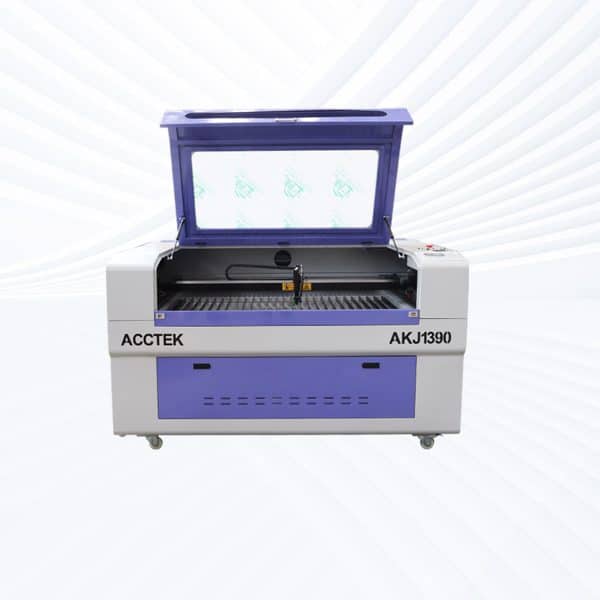
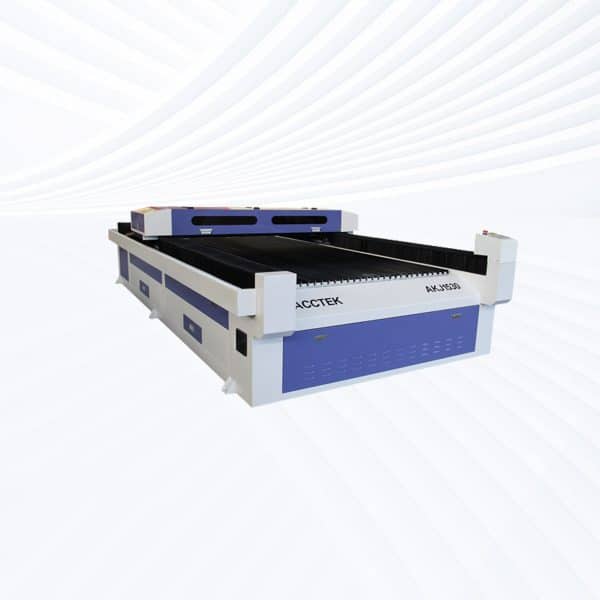
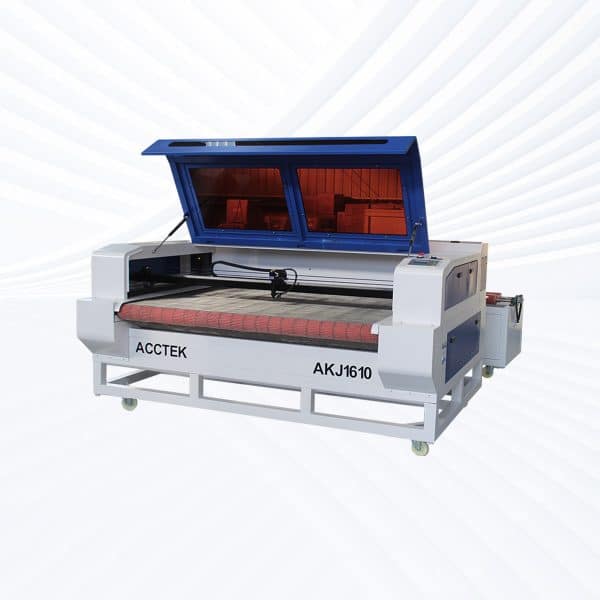
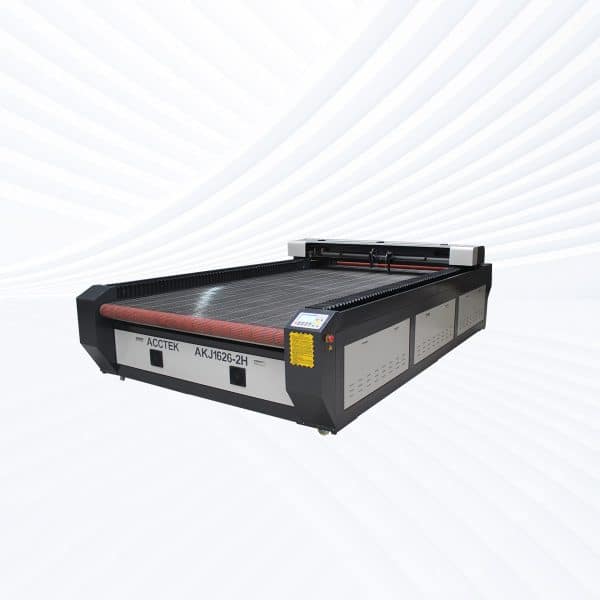
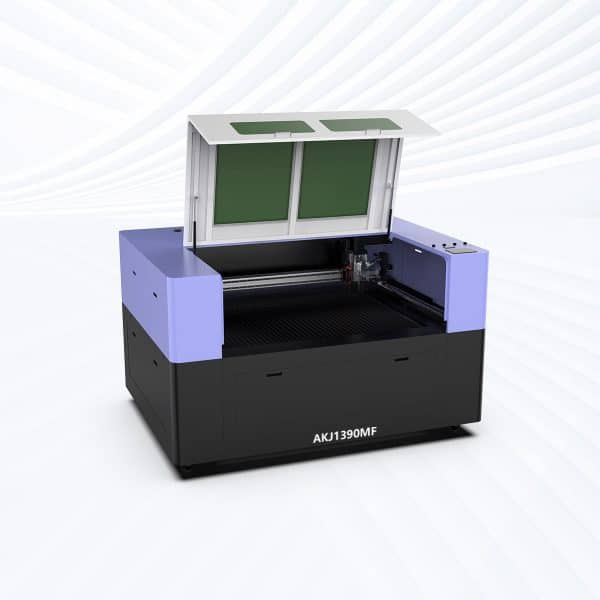
CO2 Laser Cutting Capabilities
| Material Type | 60W | 80W | 90W | 100W | 130W | 150W | 180W | 220W | 260W | 300W | 500W | 600W |
|---|---|---|---|---|---|---|---|---|---|---|---|---|
| Acrylic | 0-8mm | 0-10mm | 0-12mm | 0-15mm | 0-18mm | 0-20mm | 0-22mm | 0-25mm | 0-28mm | 0-30mm | 0-35mm | 0-40mm |
| Plywood | 0-6mm | 0-8mm | 0-9mm | 0-10mm | 0-12mm | 0-15mm | 0-15mm | 0-18mm | 0-20mm | 0-22mm | 0-25mm | 0-28mm |
| MDF | 0-5mm | 0-6mm | 0-8mm | 0-9mm | 0-12mm | 0-15mm | 0-15mm | 0-18mm | 0-20mm | 0-22mm | 0-25mm | 0-25mm |
| Solid Wood | 0-5mm | 0-6mm | 0-8mm | 0-10mm | 0-12mm | 0-15mm | 0-15mm | 0-18mm | 0-20mm | 0-22mm | 0-25mm | 0-25mm |
| Bamboo Board | 0-5mm | 0-6mm | 0-8mm | 0-10mm | 0-12mm | 0-15mm | 0-15mm | 0-18mm | 0-20mm | 0-22mm | 0-25mm | 0-25mm |
| Leather | 0-4mm | 0-5mm | 0-5mm | 0-6mm | 0-6mm | 0-8mm | 0-8mm | 0-8mm | 0-10mm | 0-10mm | 0-12mm | 0-12mm |
| Textile | Any Cutting | Any Cutting | Any Cutting | Any Cutting | Any Cutting | Any Cutting | Any Cutting | Any Cutting | Any Cutting | Any Cutting | Any Cutting | Any Cutting |
| Rubber | 0-3mm | 0-4mm | 0-5mm | 0-5mm | 0-6mm | 0-6mm | 0-8mm | 0-8mm | 0-8mm | 0-10mm | 0-10mm | 0-10mm |
| EVA | 0-5mm | 0-6mm | 0-8mm | 0-10mm | 0-12mm | 0-15mm | 0-15mm | 0-18mm | 0-20mm | 0-25mm | 0-30mm | 0-30mm |
| Cardboard | 0-3mm | 0-4mm | 0-4mm | 0-5mm | 0-6mm | 0-6mm | 0-8mm | 0-8mm | 0-8mm | 0-10mm | 0-10mm | 0-10mm |
| Cork Sheet | 0-3mm | 0-4mm | 0-5mm | 0-5mm | 0-6mm | 0-6mm | 0-8mm | 0-8mm | 0-8mm | 0-10mm | 0-10mm | 0-10mm |
| ABS | 0-3mm | 0-4mm | 0-5mm | 0-6mm | 0-8mm | 0-8mm | 0-10mm | 0-10mm | 0-12mm | 0-12mm | 0-15mm | 0-15mm |
| Delrin | 0-3mm | 0-4mm | 0-5mm | 0-6mm | 0-8mm | 0-8mm | 0-10mm | 0-10mm | 0-12mm | 0-12mm | 0-15mm | 0-15mm |
| Foam Board | 0-5mm | 0-6mm | 0-8mm | 0-10mm | 0-12mm | 0-15mm | 0-18mm | 0-20mm | 0-25mm | 0-25mm | 0-30mm | 0-30mm |
| PCB | 0-1mm | 0-1.5mm | 0-2mm | 0-2mm | 0-3mm | 0-3mm | 0-3mm | 0-4mm | 0-4mm | 0-5mm | 0-5mm | 0-5mm |
| Laminates | 0-3mm | 0-4mm | 0-5mm | 0-6mm | 0-8mm | 0-8mm | 0-10mm | 0-10mm | 0-12mm | 0-12mm | 0-15mm | 0-15mm |
| Stone | Engraving Only | Engraving Only | Engraving Only | Engraving Only | Engraving Only | Engraving Only | Engraving Only | Engraving Only | Engraving Only | Engraving Only | Engraving Only | Engraving Only |
| Ceramic | Engraving Only | Engraving Only | Engraving Only | Engraving Only | Engraving Only | Engraving Only | Engraving Only | Engraving Only | Engraving Only | Engraving Only | Engraving Only | Engraving Only |
Compatible Materials
- Rubber
- Delrin
- ABS Plastic
- Polystyrene
- Polycarbonate
- PETG
- EVA Foam
- Neoprene
- Mylar
- Nylon
- Canvas
- Suede
- Fleece
- Cardstock
- Veneer
- Latex
- Foam Board
- Pressboard
- Melamine
- Carbon Fiber
- Linoleum
- Birch Plywood
- Walnut Plywood
- Alder Wood
- Basswood
- Chipboard
- Hardboard
- Synthetic Felt
- Wool Fabric
- Polyurethane Foam
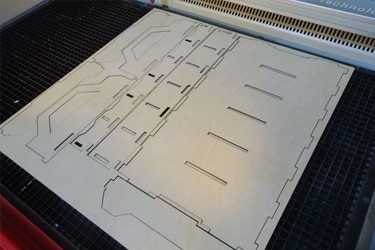
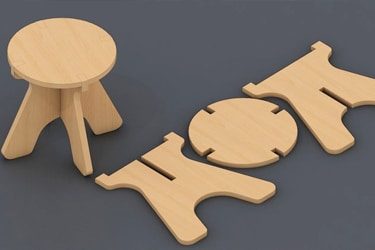
Application of 150W CO2 Laser Cutting Machines
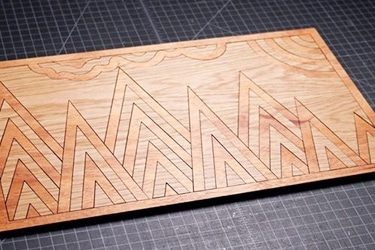



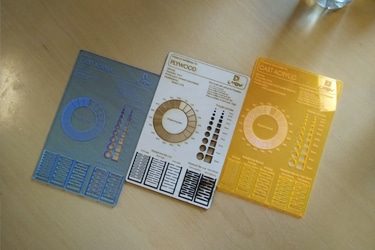
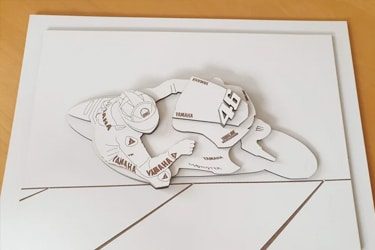
Customer Testimonials
Comparison VS Other Cutting Technologies
| Comparison Item | CO2 Laser Cutting | CNC Routing | Knife Cutting | Waterjet Cutting |
|---|---|---|---|---|
| Cutting Principle | Uses a focused laser beam to vaporize material | Uses rotating cutting bits to remove material | Uses a sharp blade to slice through material | Uses a high-pressure jet of water (with or without abrasive) |
| Suitable Materials | Non-metals like wood, acrylic, leather, fabric, rubber | Wood, plastics, composites, soft metals | Soft materials like foam, leather, textiles, and paper | Almost all materials, including metal, stone, glass, and composites |
| Cutting Precision | Very high (±0.05 mm) | Moderate (±0.2 mm) | Moderate to high (±0.1 mm) | High (±0.1 mm) |
| Edge Quality | Smooth, sealed edges (especially on acrylic and wood) | May require sanding or finishing | Clean for soft materials | Smooth but can be slightly rough on thick cuts |
| Cutting Speed | Fast for thin to medium materials | Slower due to mechanical resistance | Fast on soft materials | Slower, especially for thick or hard materials |
| Maintenance | Low — no physical contact with material | Medium — bits wear out regularly | Low — blades replaced periodically | High — pumps, nozzles, and abrasive handling required |
| Noise Level | Quiet operation | Noisy (due to motor and bit contact) | Very quiet | Very loud (requires sound enclosure) |
| Heat Effect | Generates localized heat (may char some materials) | Minimal heat | No heat | No heat |
| Tool Wear | None — non-contact process | High — cutting tools dull quickly | Moderate — blades wear over time | High — nozzles and pumps wear from abrasive use |
| Material Waste | Minimal (thin kerf <0.2 mm) | Moderate | Low | Moderate to high (especially with abrasives) |
| Operating Cost | Low — mostly electricity and maintenance | Medium — bits and material waste | Low — inexpensive blades | High — abrasives, water, and power costs |
| Environmental Impact | Clean, no water waste | Minimal | Clean | Generates slurry and consumes large amounts of water |
| Software Compatibility | Compatible with most CAD/CAM and design files | Standard CNC software | Basic vector design software | Specialized CAD/CAM software |
| Cutting Thickness Range | Best up to ~15 mm (material-dependent) | Varies widely by bit and material | Best for soft, thin materials | Can cut very thick materials (>100 mm) |
| Ideal Applications | Signage, crafts, packaging, engraving, prototyping | Woodworking, furniture, 3D carving | Soft goods, packaging, leatherwork | Industrial metal, stone, and glass cutting |
Why Choose Us
Advanced Technology
Our laser cutting machines feature high-speed, precision cutting with the latest laser technology, ensuring smooth edges, minimal waste, and superior efficiency across various materials and thicknesses.
Reliable Quality
Each machine undergoes rigorous quality control and durability testing to ensure long-term stability, low maintenance, and consistent high performance, even under demanding industrial conditions.
Comprehensive Support
We provide full technical support, including installation guidance, operator training, and after-sales service, ensuring smooth machine operation and minimal downtime for your business.
Cost-Effective Solutions
Our machines offer high performance at competitive prices, with customizable options to fit different production needs, helping businesses maximize their investment without compromising on quality.
Related Resources
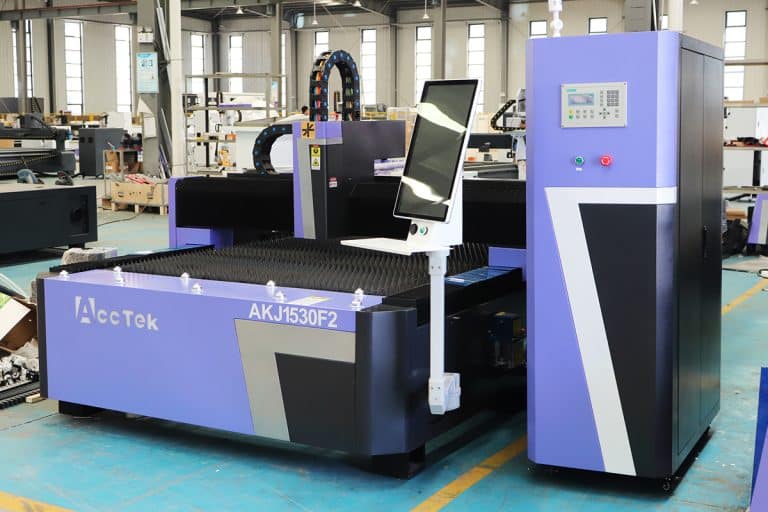
Understanding Laser Cutting Radiation
This article explores the types, sources, risks, health effects, exposure routes, safety standards, protective measures, and operating practices associated with laser cutting radiation.
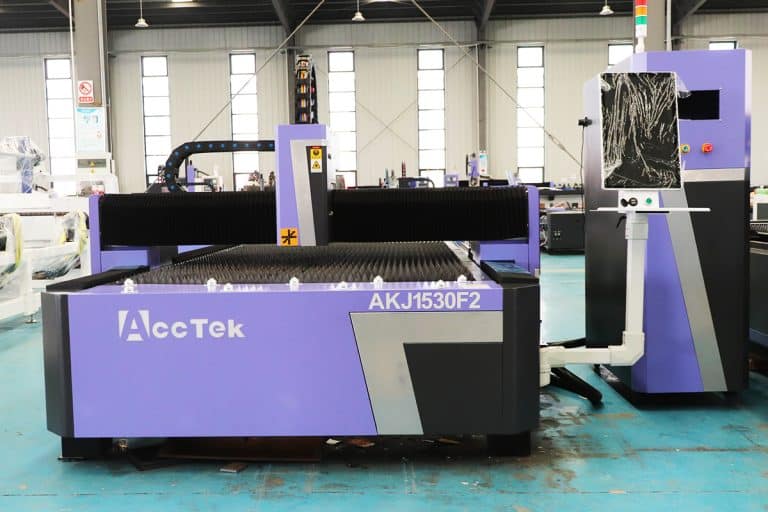
How To Maintain Laser Cutting Machines?
This article explores how laser cutting reduces material waste through accurate processing, narrow kerfs, optimized nesting, automated cutting, and improved material utilization.
Can Laser Cutting Cause Fires?
This article explores how laser cutting fires can start, which materials and machine areas carry higher risks, and how proper settings, maintenance, monitoring, and fire protection reduce hazards.
What Factors Affect Laser Cutting Speed?
This article explores the key factors that affect laser cutting speed, including material type and thickness, laser power, beam quality, focus, assist gas, machine condition, motion control, and automation.
Frequently Asked Questions
What Is The Price Of 150W CO2 Laser Cutting Machines?
- Entry-Level Models ($3,550–$4,800): Machines in this range are designed for small workshops, studios, or entry-level industrial users. They typically feature working areas between 900×600mm and 1300×900mm, ideal for cutting wood, acrylic, and leather. These units often come with stepper motors, standard Ruida controllers, and RECI W4 or EFR F4 laser tubes, providing consistent performance and a lifespan of 3,000–5,000 hours. While they lack high-end automation, they still deliver excellent precision for signage, crafts, and prototype fabrication.
- Mid-Range Models ($4,800–$7,200): Mid-tier 150W CO2 laser cutting machines are the most popular choice among professional users and small manufacturers. They usually feature larger worktables (1300×1800mm or 1600×1000mm) and include motorized Z-axis platforms, autofocus systems, and upgraded cooling units (CW-5200 chillers) for stable, continuous operation. These machines often incorporate imported guide rails, high-speed motion control systems, and air assist compressors that improve cutting efficiency and edge quality. At this level, operators can cut thicker materials such as 25–30mm acrylic or 18–20mm MDF cleanly and efficiently.
- High-End Industrial Models ($7,200–$9,350): Premium machines are built for large-scale production and heavy-duty applications. They often provide working areas of 1300×2500mm, 1600×2600mm, or 1500×3000mm, suitable for large-format cutting in furniture, advertising, and packaging industries. Equipped with servo motors, dual laser heads, and CCD camera systems, these machines deliver exceptional precision for contour cutting, fabric processing, and multilayer materials. Enhanced frame rigidity, advanced exhaust systems, and automation options make them ideal for continuous industrial use.
What Are The Working Areas Of 150W CO2 Laser Cutting Machines?
- Small to Medium Work Areas (600×400mm – 1300×900mm): Compact models such as 600×400mm and 900×600mm are ideal for small businesses, schools, and design studios. These machines are easy to install, require less space, and are suited for cutting wood, acrylic, leather, and fabrics for crafts, signage, and prototypes. The 1300×900mm format is one of the most popular mid-range sizes, offering an excellent balance between workspace and footprint. It allows efficient processing of medium-sized sheets, making it suitable for furniture detailing, custom engraving, and advertising displays.
- Large Work Areas (1600×1000mm – 1800×1000mm): Machines with 1600×1000mm and 1800×1000mm beds are favored in workshops that handle bigger sheets of MDF, plywood, or acrylic without the need for multiple repositionings. The extended surface increases productivity and ensures a smoother workflow for industries requiring precision cutting of packaging templates, architectural models, or interior design components. These configurations also allow for thicker material processing while maintaining accuracy and edge quality.
- Industrial Work Areas (1300×1800mm – 1500×3000mm): For large-scale manufacturing, heavy-duty 150W CO2 laser cutting machines come with oversized tables such as 1300×1800mm, 1300×2500mm, 1600×2600mm, and 1500×3000mm. These industrial systems can handle full-size boards and continuous sheet materials, making them ideal for automotive interiors, furniture production, and advertising fabrication. The large bed also supports dual-head or pass-through designs, enabling users to cut multiple pieces simultaneously or process materials longer than the machine length.
- Application and Efficiency: Selecting the right working area depends on material dimensions, production scale, and workspace capacity. Smaller machines provide flexibility and low operating costs, while larger ones maximize output and reduce labor time.
What Are The Disadvantages Of 150W CO2 Laser Cutting Machines?
- Limited Metal Cutting Ability: One of the most significant disadvantages of 150W CO2 laser cutting machines is their inability to efficiently process metals, particularly reflective materials such as aluminum, copper, and brass. The infrared wavelength (10.6 μm) of CO2 lasers is poorly absorbed by metals, resulting in low efficiency and potential beam reflection that can damage optical components. Although these machines can engrave or mark coated metals, cutting is limited to very thin or painted sheets. For users primarily working with metals, a fiber laser is a better long-term investment.
- High Maintenance and Consumable Costs: CO2 lasers rely on gas-filled glass tubes, mirrors, and focusing lenses, all of which require regular maintenance. The laser tube has a finite lifespan (typically 3,000–8,000 hours), after which replacement costs can be substantial. Optics must be cleaned frequently to maintain beam quality, and alignment adjustments are often needed. Dust, smoke, and residue buildup from materials like wood or acrylic can also degrade performance and shorten component life if proper air filtration isn’t used.
- Energy Consumption and Cooling Requirements: Compared to newer solid-state laser technologies, CO2 laser cutting systems are less energy efficient. The laser tube consumes significant electrical power and generates heat that must be dissipated using a water chiller system. This adds both operational complexity and higher electricity costs. Improper cooling can lead to tube damage or unstable output power.
- Safety and Fume Concerns: When cutting or engraving organic materials, CO2 lasers produce smoke and potentially toxic fumes, especially from plastics or synthetic materials. A well-designed ventilation and exhaust system is essential to protect operators and maintain indoor air quality.
- Slower Speed on Thin Materials: Although 150W power handles thick materials effectively, it can overburn thin or delicate substrates, reducing edge quality and requiring parameter adjustments.
What Is The Cutting Precision Of 150W CO2 Laser Cutting Machines?
- Nominal Precision and Repeatability: Under ideal conditions, 150W CO2 laser cutting machines typically offer a positioning accuracy of ±0.01 mm and a repeatability of ±0.01 mm. This high precision results from advanced motion systems, precise focusing lenses, and stable beam control. Such accuracy allows for intricate patterns and clean edges when cutting materials like acrylic, wood, MDF, leather, and plastics. However, these values represent laboratory or manufacturer test data, achieved only with well-calibrated equipment and optimal environmental conditions.
- Material and Thickness Influence: Actual cutting precision varies significantly depending on the material and its thickness. For example, thin acrylic or plywood can maintain tolerances within ±0.02 mm, while thicker or denser materials like MDF or rubber may widen the tolerance to ±0.05 mm due to heat accumulation and wider kerf width. Because CO2 lasers have a 10.6 μm wavelength, they are more suitable for non-metal materials; reflective metals, such as aluminum or copper, not only reflect energy but may also distort edge accuracy.
- Mechanical and Optical Factors: Machine rigidity, belt tension, and optical alignment greatly influence precision. A minor misalignment in mirrors or focusing lenses can reduce accuracy, while dirty optics or inconsistent air assist pressure can alter the kerf shape. Furthermore, temperature fluctuations may cause thermal drift, affecting the repeatability of long production runs.
- Operational Optimization: Precision can be maximized through consistent calibration, stable worktable surfaces, quality linear guide rails, and controlled motion speeds. Using high-quality mirrors, focus lenses, and an efficient cooling system ensures beam stability and consistent focal depth.
- Practical Expectation: In real production environments, users should expect practical cutting precision between ±0.02 mm and ±0.05 mm, depending on material and setup quality. This level of accuracy is sufficient for sign-making, acrylic fabrication, woodcraft, model design, and other fine applications.
Is It Safe To Use 150W CO2 Laser Cutting Machines?
- Laser Radiation Exposure: The 150W CO2 laser emits an invisible infrared beam at a wavelength of 10.6 μm, which can cause severe burns or permanent eye damage upon direct or reflected exposure. Even diffuse reflections can be harmful at this power level. Therefore, these machines must be operated with proper enclosures, interlocks, and laser safety goggles rated for CO2 laser wavelengths. Operators should never open the protective cover during operation or attempt manual adjustments near the beam path.
- Electrical and Thermal Risks: The laser tube, power supply, and water chiller operate under high voltage, which poses a significant electrical hazard if improperly maintained. Loose connections or damaged insulation can cause electric shocks. Additionally, the laser tube and optics generate substantial heat during operation; without proper water cooling, the tube may overheat, crack, or even burst. Regular inspection of cables, grounding, and cooling flow ensures both electrical and thermal safety.
- Fume and Fire Hazards: Cutting materials like plastics, leather, or wood produces smoke, particulates, and potentially toxic gases (such as chlorine from PVC). Inadequate ventilation can expose operators to harmful fumes and damage machine optics. A well-designed exhaust system with activated carbon filters or external ventilation is essential. Since laser cutting can also ignite flammable materials, operators must never leave the machine unattended and should keep a CO2 fire extinguisher nearby.
- Mechanical and Operational Safety: Moving gantries, belts, and guide rails pose mechanical risks if operators reach into the cutting area during motion. Proper training, interlocked access panels, and clearly labeled emergency stop buttons are mandatory.
How Clean Is The Cut Edge Of 150W CO2 Laser Cutting Machines?
- Edge Smoothness on Different Materials: For acrylic, the 150W CO2 laser produces exceptionally clean and polished edges due to localized melting and re-solidification, eliminating the need for post-processing. On wood, MDF, and plywood, cuts are typically sharp but may show mild darkening or charring because of the material’s organic content. Paper, leather, and fabric cut edges are generally clean, though excessive power or slow speeds can cause slight burn marks. In contrast, cutting rubber or composites may result in residue buildup or rougher edges if air assist and ventilation are insufficient.
- Influence of Cutting Parameters: The cleanliness of the cut edge is heavily influenced by focus position, power level, and speed settings. A properly focused beam with optimized power and feed rate minimizes kerf width and heat-affected zones. Excessive power or slow motion can cause overburning and discoloration, while insufficient power leads to incomplete cuts and rough edges. Using high-quality lenses, stable air assist, and an efficient exhaust system helps maintain beam stability and cleaner edges.
- Impact of Material Thickness and Composition: Thinner sheets (below 10 mm) yield the best edge quality since heat penetration is controlled and minimal residue forms. Thicker materials, especially dense wood or layered composites, can exhibit tapered edges or uneven finishes due to heat diffusion and beam divergence. Furthermore, resin-rich or laminated boards may produce slight edge roughness or residue buildup that requires light sanding or cleaning.
- Environmental and Maintenance Factors: Regular cleaning of optics and mirrors prevents beam distortion that can cause edge irregularities. Stable air flow, proper alignment, and dust extraction also ensure consistent results.
How To Choose The Focal Length For 150W CO2 Laser Cutting Machines?
- Short Focal Length (38.1 mm / 1.5” Lens): A short focal length lens creates a small, concentrated laser spot, offering high energy density and fine detail. It’s ideal for engraving and cutting thin materials such as paper, fabric, leather, or acrylic up to 6 mm thick. The narrow depth of focus allows for crisp, detailed cuts but limits performance on thicker substrates. Overuse of thicker materials may cause defocus or increased kerf width due to beam divergence.
- Medium Focal Length (50.8 mm / 2.0” Lens): This is the most versatile and commonly used lens for 150W CO2 laser cutting machines. It balances focus depth and precision, making it suitable for general-purpose cutting of acrylic, wood, MDF, rubber, and plastics up to around 15–20 mm thick. The 2.0” lens delivers clean edges with good kerf consistency, maintaining sharp focus even when materials have slight warping or unevenness. For most workshop and production users, this is the ideal default choice.
- Long Focal Length (63.5 mm / 2.5” or 101.6 mm / 4.0” Lens): A longer focal length increases the beam’s focus depth, making it better suited for cutting thicker materials such as 20–30 mm acrylic, dense wood, or foam. Although the beam spot becomes larger and precision slightly decreases, the extended focal range helps maintain focus throughout the material’s thickness, reducing taper and improving edge verticality. However, long lenses require more power and may leave wider kerf lines on fine details.
- Practical Selection Guidelines: For engraving and thin materials, use a 1.5” lens; for all-purpose cutting, choose a 2.0” lens; and for thick materials or high-power deep cuts, opt for a 2.5”–4.0” lens.
How To Maintain 150W CO2 Laser Cutting Machines?
- Optical System Cleaning and Alignment: The laser tube, mirrors, and focusing lens are the heart of CO2 laser cutting systems. Dust, smoke, and residue buildup can scatter or weaken the beam, leading to poor cutting quality and loss of power. Operators should clean mirrors and lenses with lens paper and isopropyl alcohol at least once daily or after heavy use. Beam alignment must be checked weekly; misaligned optics can cause uneven cuts and potential mirror cracking. Always wear gloves and avoid touching optical surfaces directly.
- Laser Tube and Cooling System Maintenance: 150W CO2 laser tubes have an average lifespan of 3,000–8,000 hours, depending on operating temperature and current stability. To extend service life, maintain cooling water between 18℃ and 25℃ using a reliable water chiller. Regularly inspect water quality and flow rate—impurities or air bubbles can reduce cooling efficiency and cause tube overheating. Replace coolant every 2–3 months and ensure hoses remain free of kinks or leaks.
- Air Assist and Exhaust System: Air assist prevents flare-ups and clears debris from the cutting path, while an exhaust system removes smoke and fumes. Clean air filters weekly and confirm sufficient airflow to prevent residue buildup on optics and the work surface. Without proper ventilation, fume deposits can corrode components and reduce beam clarity.
- Motion and Mechanical Parts: Linear rails, guide rods, and belts should be lubricated and tightened regularly to prevent backlash or vibration. Accumulated dust can hinder smooth motion, reducing accuracy. Use non-sticky lubricants and wipe away debris before re-application.
- Electrical and Software Checks: Inspect cables, grounding connections, and control boards for loose or frayed wires. Firmware and software should be updated periodically to maintain compatibility and performance.