

Product Introduction
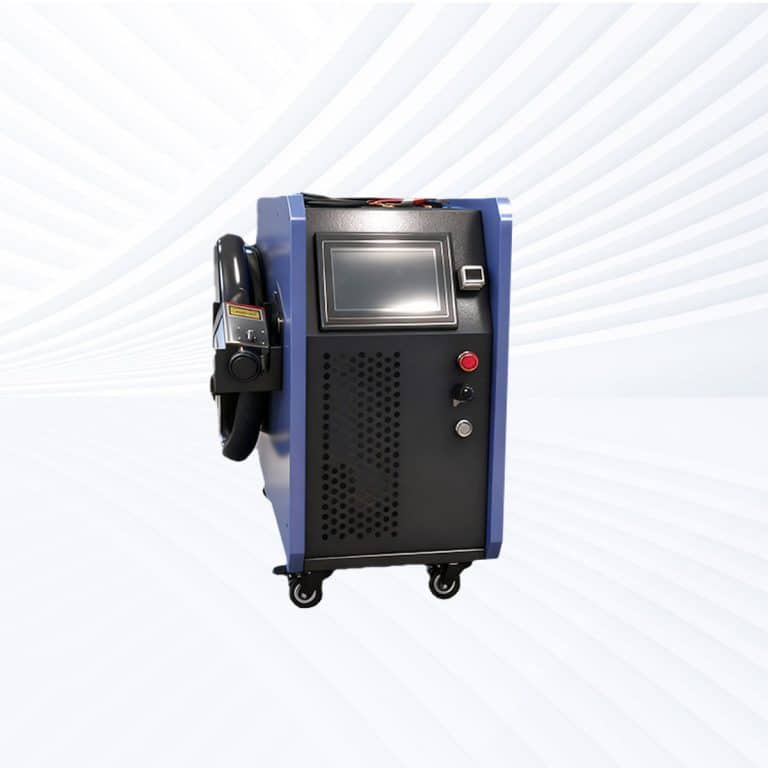
Contaminant Removal Capability
| Contaminant Type | 100W | 200W | 300W | 500W | 1kW | 2kW |
|---|---|---|---|---|---|---|
| Light Rust / Oxide Film | Excellent | Excellent | Excellent | Excellent | Excellent | Excellent |
| Heavy Rust / Deep Corrosion | Light Removal | Moderate | Good | Excellent | Excellent | Excellent |
| Paint / Thin Coating | Moderate | Good | Excellent | Excellent | Excellent | Excellent |
| Thick Paint / Oxide Layer | Light Removal | Moderate | Good | Excellent | Excellent | Excellent |
| Oil / Grease / Mold Release | Excellent | Excellent | Excellent | Excellent | Excellent | Excellent |
| Resin / Rubber / Adhesive Film | Moderate | Good | Excellent | Excellent | Excellent | Excellent |
| Carbon Deposits / Burn Marks | Moderate | Good | Excellent | Excellent | Excellent | Excellent |
| Weld Oxidation / Heat Tint | Excellent | Excellent | Excellent | Excellent | Excellent | Excellent |
| Polishing Compound / Buffing Paste | Good | Excellent | Excellent | Excellent | Excellent | Excellent |
| Oxide Scale after Heat Treatment | Light Removal | Moderate | Good | Excellent | Excellent | Excellent |
| Dust / Environmental Contamination | Excellent | Excellent | Excellent | Excellent | Excellent | Excellent |
| Tarnish / Discoloration | Excellent | Excellent | Excellent | Excellent | Excellent | Excellent |
| Paint Underlayer / Primer | Moderate | Good | Excellent | Excellent | Excellent | Excellent |
| Thin Coating / Oxide on Precision Components | Excellent | Excellent | Excellent | Excellent | Excellent | Excellent |
Compatible Materials
- Carbon Steel
- Stainless Steel
- Mild Steel
- Tool Steel
- Alloy Steel
- Aluminum
- Aluminum Alloys
- Copper
- Brass
- Bronze
- Nickel
- Nickel Alloys
- Titanium
- Titanium Alloys
- Zinc
- Chromium
- Chrome-Plated Parts
- Gold
- Silver
- Platinum
- Lead
- Tin
- Iron
- Cast Iron
- Galvanized Steel
- Inconel
- Magnesium
- Molybdenum
- Tungsten
- Metal Molds
- Soldered Joints
- Anodized Aluminum
- Painted Metal Parts
- Oxidized Copper and Brass
- Composite Materials
- Plastic
- Rubber Molds
- Stone
- Glass
- Ceramic
Application of 2kW Pulsed Laser Cleaning Machines
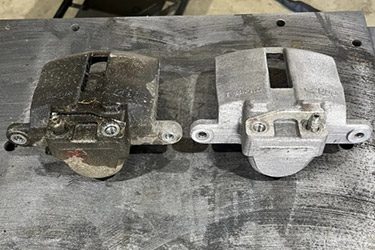
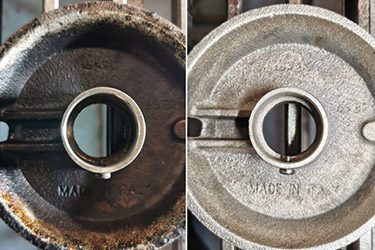

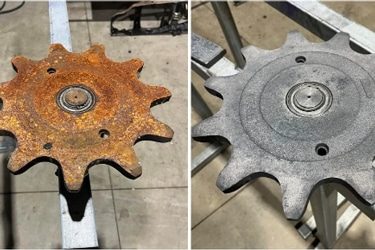
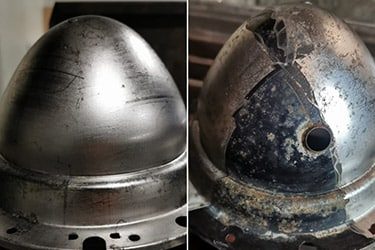

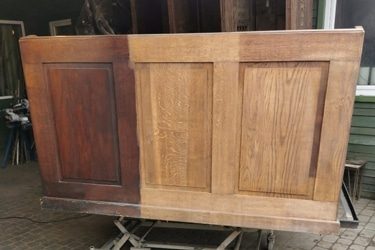
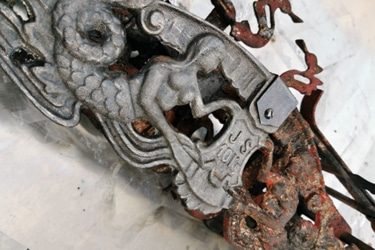
Customer Testimonials
Comparison VS Other Cleaning Technologies
| Comparison Item | Pulsed Laser Cleaning | Chemical Cleaning | Mechanical Grinding | Dry Ice Cleaning |
|---|---|---|---|---|
| Cleaning Method | Laser ablation using pulsed light energy | Chemical reaction/dissolution | Physical abrasion | CO2 pellet impact and sublimation |
| Surface Damage Risk | None (non-contact) | Possible corrosion or etching | High (abrasive wear) | Low |
| Precision Cleaning | Very high | Moderate | Low | Moderate |
| Thermal Impact | Minimal (pulsed laser control) | None | Friction heat possible | None |
| Suitable for Delicate Materials | Excellent | Limited | Poor | Good |
| Environmental Impact | Eco-friendly, no waste | Hazardous chemicals & fumes | Dust and debris | CO2 emissions (moderate) |
| Consumables Required | None | Chemical solutions | Grinding media | Dry ice pellets |
| Operating Costs | Low (no consumables) | High (chemical purchase & disposal) | Medium | High (dry ice supply) |
| Maintenance Requirements | Minimal | Frequent (chemical handling) | Frequent (tool wear) | Moderate |
| Cleaning Speed | Moderate to fast | Slow to moderate | Fast | Moderate |
| Surface Finish Quality | Excellent | Variable | Rough | Smooth |
| Operator Safety | High | Low (chemical exposure) | Medium (dust, noise) | High |
| Automation Capability | Easily automated | Limited | Difficult | Limited |
| Waste Generation | None | Chemical waste | Solid debris | CO2 gas only |
| Typical Applications | Fine rust, oxide, and oil removal | Grease and coating removal | Scale, rust, and weld prep | Residue and oil removal |
Why Choose Us
Efficient Cleaning
Our machines offer fast, precise cleaning without chemicals or abrasion, making them ideal for delicate surfaces and complex materials across various industries.
Safe & Eco-Friendly
Laser cleaning eliminates the need for harsh chemicals and generates no secondary pollution, creating a safer and more environmentally friendly workspace.
Stable Performance
Built with high-quality components and advanced control systems, our machines ensure consistent cleaning results with minimal maintenance and long service life.
Custom Solutions
We provide flexible configurations and tailored options to match different cleaning requirements, helping customers achieve optimal performance for their specific applications.
Related Resources
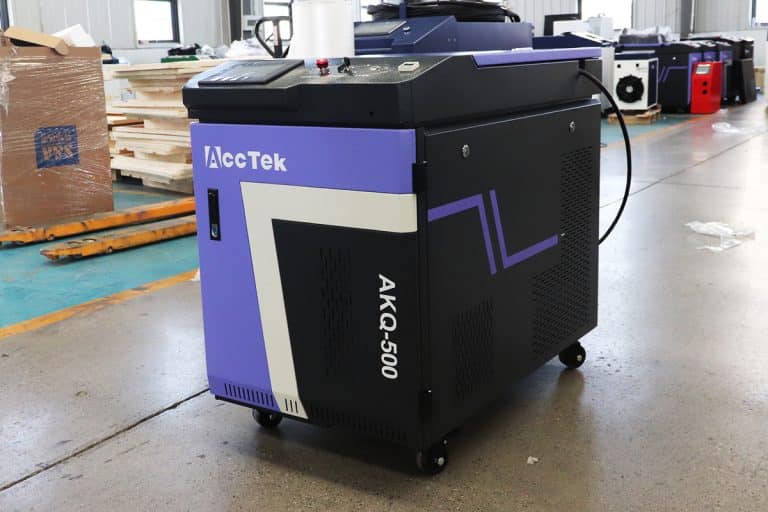
Comprehensive Guide to Choosing the Right Laser Cleaning Machines
This comprehensive guide provides essential insights into selecting the right laser cleaning machine, covering key factors like machine capabilities, cost, efficiency, and maintenance for optimal results.
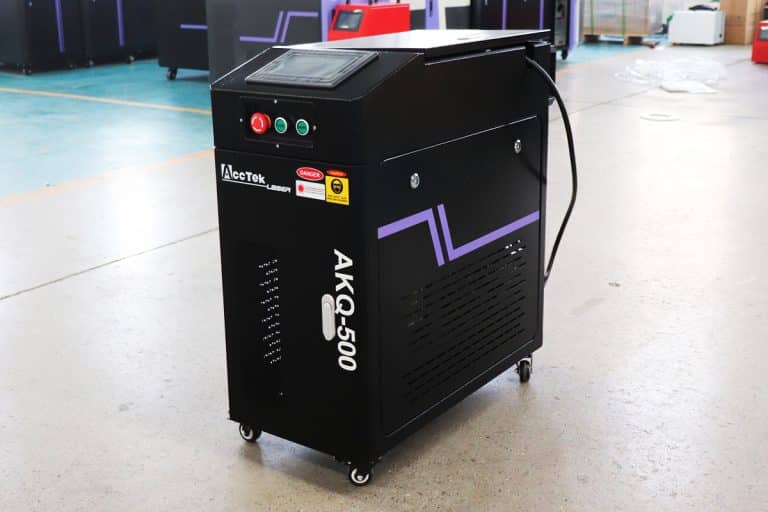
How Effective Is Laser Cleaning At Removing Contaminants
This article explores how effective laser cleaning is at removing contaminants, covering mechanisms, materials, system types, real-world applications, limitations, and optimization factors for reliable results.
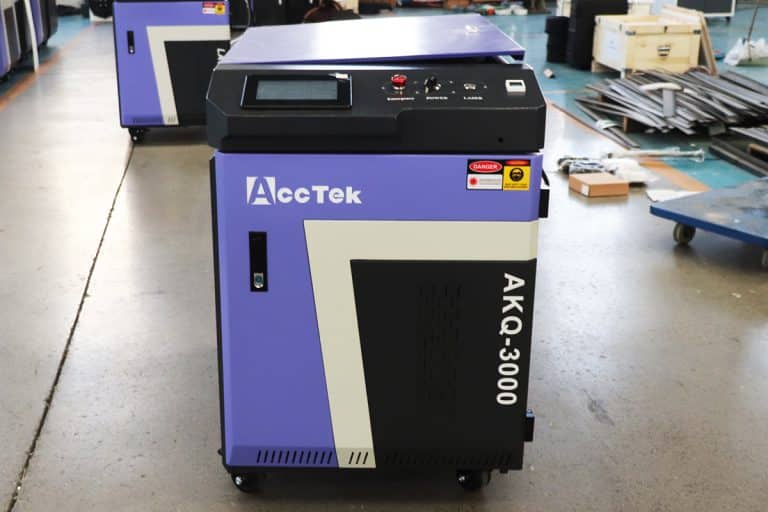
Will Laser Cleaning Damage The Substrate
This article explains whether laser cleaning damages substrates, examining damage mechanisms, material risks, process control, and verification methods for safe, effective laser cleaning.
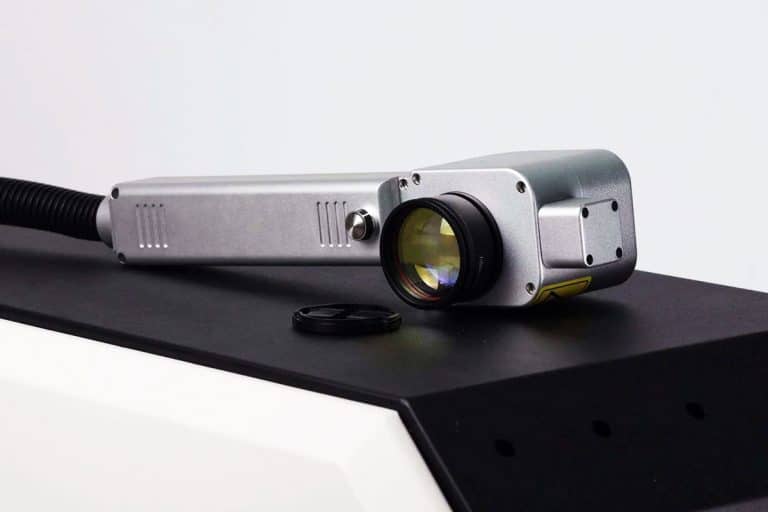
Comprehensive Guides to Choosing the Right Laser Cleaning Parameters
This comprehensive guide explores the key factors in choosing the right laser cleaning parameters, including material types, contamination levels, and practical considerations for optimal results.
Frequently Asked Questions
How Much Do 2kW Pulsed Laser Cleaning Machines Cost?
- High-Energy Pulsed Fiber Laser Source: The 2kW pulsed fiber laser is the core reason for the high cost. It produces ultrashort, high-peak-power laser pulses capable of removing thick rust, oxides, coatings, and even weld residues from metal surfaces with exceptional precision. Building a stable, high-energy fiber laser requires advanced doped-fiber materials, temperature-regulated diode pumps, and precise optical coupling. These modules must handle enormous pulse energy while maintaining stable frequency and beam quality — processes that demand costly components, cleanroom assembly, and rigorous testing.
- Advanced Water-Cooling System: At 2kW output, air cooling is no longer viable. A closed-loop industrial water-cooling system is essential to dissipate the significant heat generated by the laser source, optical head, and power electronics. The cooling unit includes compressors, pumps, radiators, flow sensors, and automatic control valves. It maintains diode temperatures within tight limits to prevent thermal drift or damage. The cost of the cooling system alone adds several thousand dollars, but it is critical for continuous, high-duty-cycle operation in industrial environments.
- High-Precision Optical Components: The scanning head, F-Theta lens, and optical connectors are made from high-purity quartz and fused silica, coated with advanced anti-reflective and heat-resistant materials. These optics must endure repeated high-energy pulses without distortion or reflection losses. The galvanometer mirrors move at extreme speeds while maintaining micron-level precision, and each optical assembly undergoes strict quality calibration — a major contributor to the machine’s price.
- Industrial-Grade Power and Control Electronics: Delivering 2kW of pulsed energy requires robust power supplies and fast-response digital control systems. These electronic modules regulate pulse width, frequency, and beam stability in real time to ensure uniform cleaning results. The integration of intelligent pulse modulation technology, automatic diagnostics, and protection circuits increases both performance and production cost.
- Rugged Industrial Construction and Automation Compatibility: 2kW pulsed laser cleaning machines are built for continuous industrial use in sectors such as shipbuilding, aerospace, and heavy manufacturing. The housing is made from reinforced steel or aluminum alloy for durability and vibration resistance. Many models include interfaces for robotic arms, CNC motion systems, or conveyor-based cleaning automation. These structural and integration features increase both design complexity and overall cost.
- Safety and Certification Requirements: At 2kW output, these systems are classified as Class IV industrial lasers, requiring extensive safety engineering. Interlocks, key switches, emergency stops, optical shields, and CE/FDA/ISO 11553 certification processes are mandatory. The strict compliance testing and documentation further add to manufacturing costs.
- Long-Term Performance and Reliability: The 2kW laser module is designed for 50,000–100,000 hours of operation with minimal maintenance. Its high upfront price reflects a long lifecycle, consistent performance, and reduced operational costs compared to abrasive, chemical, or manual cleaning methods.
What Cooling Method Do 2kW Pulsed Laser Cleaning Machines Use?
- Laser Source Thermal Management: The 2kW pulsed fiber laser emits extremely high-energy pulses, each producing significant localized heat within the laser’s doped fiber core and diode pump modules. Water cooling circulates deionized water through dedicated channels around these components, efficiently absorbing and transferring the excess heat to a chiller unit. This constant temperature regulation prevents diode overheating, wavelength drift, and power instability, which could otherwise degrade beam quality and reduce cleaning efficiency.
- Optics and Scanning Head Protection: The scanning galvanometer, focusing lenses, and optical connectors are directly exposed to high pulse energy and continuous beam movement. Without adequate cooling, these precision optical components could deform, delaminate, or suffer coating damage from sustained heat exposure. Water cooling keeps the optics thermally stable, ensuring precise focusing, consistent beam alignment, and long-lasting optical performance during extended cleaning cycles.
- Power Supply and Control System Stability: The high-power control boards, frequency drivers, and pulse modulation circuits in 2kW pulsed laser cleaning systems handle substantial electrical loads. These components naturally generate heat, and water cooling maintains their operating temperature within safe limits. Stable electronic performance prevents electrical noise, voltage fluctuation, and potential circuit damage, ensuring consistent pulse output and safe operation.
- Why Water Cooling Is Necessary
- Superior Heat Dissipation: Water can absorb and transfer heat up to 30 times more efficiently than air, making it essential for managing the thermal output of a 2kW laser.
- Pulse Energy Stability: Temperature fluctuations directly affect pulse energy and frequency. Water cooling keeps the laser’s performance consistent for long periods.
- Component Longevity: Preventing thermal stress protects diodes, fibers, and optics, greatly extending the system’s lifespan.
- Continuous Industrial Operation: Water cooling enables 24/7 heavy-duty operation in manufacturing, aerospace, and shipbuilding environments without overheating or shutdowns.
- Cooling System Operation: A closed-loop industrial chiller circulates deionized water through the laser and optical modules. The heated water flows to a condenser, where the absorbed heat is dissipated via a radiator and compressor before the cooled water re-enters the system. Sensors and thermostats constantly monitor temperature, pressure, and flow rate to maintain optimal cooling performance automatically.
What Are The Disadvantages Of 2kW Pulsed Laser Cleaning Machines?
- High Initial Cost: The purchase price of 2kW pulsed laser cleaning machines can be significantly higher than traditional cleaning methods or lower-powered lasers. This initial investment can be a barrier for small businesses or users with budget constraints.
- Complexity and Training Requirements: Operating and maintaining 2kW pulsed laser cleaning machines requires specialized knowledge and training. The technology can be complex to set up and optimize for specific tasks, and improper use can lead to inefficiencies or even damage to the machine.
- Power Consumption: With higher power comes higher energy consumption. 2kW pulsed laser cleaning machines require more electricity than lower-powered models, which can lead to increased operational costs, especially if the machine is used frequently.
- Limited Material Compatibility: Although laser cleaning is effective on many surfaces, there are still limitations. Some materials, especially highly reflective metals, may not respond well to laser cleaning. Additionally, certain coatings or surface finishes may be damaged by the laser, making material compatibility a crucial factor in the decision-making process.
- Heat Build-up and Overheating Risk: A 2kW laser generates significant heat, which can pose risks of overheating if the cooling system is not properly maintained or if the machine operates for prolonged periods without sufficient cooling. Overheating can affect both the machine’s efficiency and the material being cleaned.
- Environmental Concerns with Fume Generation: Laser cleaning can produce fumes, dust, or other byproducts depending on the material being cleaned. For materials like paint or coatings, this can be hazardous, requiring effective fume extraction systems to ensure operator safety. Failure to adequately capture and filter fumes can result in health risks or environmental concerns.
- Limited Portability: 2kW pulsed laser cleaning machines are typically not as portable as smaller models. Its size, weight, and power requirements mean it is more suited for stationary industrial or workshop environments, limiting its flexibility for mobile cleaning applications.
- Maintenance Costs: Maintenance of a high-powered laser cleaning system can be costly. Components such as optics, cooling systems, and power supplies may need regular maintenance or replacement, which can add to the ongoing operational costs.
- Risk of Surface Damage: If not used correctly, the intensity of a 2kW laser can potentially damage the surface being cleaned. Inappropriate settings or incorrect technique could lead to unwanted effects such as surface erosion or even material distortion, especially on delicate or thin materials.
- Safety Hazards: Laser cleaning machines operate at very high intensities, which can pose safety risks such as eye damage, burns, or other injuries if proper safety precautions are not followed. Laser protective eyewear, proper shielding, and safety training for operators are essential to minimize these risks.
What Problems Might Occur When Using 2kW Pulsed Laser Cleaning Machines?
- Overheating and Thermal Damage
- Problem: If the laser is used for extended periods without proper cooling or if the cooling system is inefficient, the machine may overheat. This can lead to thermal damage to both the machine itself and the surface being cleaned.
- Solution: Ensure that the cooling system is maintained properly, coolant levels are monitored, and the machine is not overworked beyond its thermal limits.
- Surface Damage
- Problem: The high power of a 2kW pulsed laser can cause unintended surface damage. If the machine is not correctly calibrated or if the laser intensity is too high, it may burn or erode the material being cleaned.
- Solution: Always test on a small, inconspicuous area before full-scale cleaning, and adjust the settings according to the material’s tolerance to heat and laser exposure.
- Inconsistent Cleaning Results
- Problem: Variability in the cleaning process can occur if the machine is not properly calibrated or aligned. Misalignment of the laser or improper settings may result in uneven cleaning or missed spots.
- Solution: Regularly check the alignment and calibration of the machine. Perform periodic tests and adjust settings to ensure uniform cleaning results.
- Fume and Debris Accumulation
- Problem: Laser cleaning produces fumes, dust, or particulate matter, especially when cleaning coatings or contaminants. Without proper fume extraction, these byproducts can accumulate and pose health risks or contaminate the work area.
- Solution: Use an efficient fume extraction system and regularly clean the filters to ensure that fumes and debris are safely removed from the workspace.
- Power Supply Issues
- Problem: A 2kW pulsed laser requires a stable power supply. Any fluctuations in voltage or power surges can cause interruptions in cleaning or damage to the internal components of the machine.
- Solution: Ensure the machine is connected to a stable and regulated power supply. Use surge protectors and periodically check the electrical connections for any issues.
- Laser Misfire or Instability
- Problem: A malfunctioning or unstable laser beam can occur due to a variety of factors, such as degraded components, improper settings, or environmental influences. This can cause uneven cleaning or a failure to clean certain areas of the material.
- Solution: Regularly inspect the laser components for wear, such as the optics, mirrors, and laser diodes. Replace any damaged or worn parts, and recalibrate the laser if necessary.
- Material Compatibility Issues
- Problem: Not all materials are suitable for laser cleaning. Some materials, especially highly reflective metals or certain coatings, may not respond well to laser cleaning or could damage the machine.
- Solution: Ensure that the material to be cleaned is compatible with the laser cleaning process. For highly reflective materials like aluminum, special care and settings may be required to avoid damage to both the machine and the material.
- Complexity in Operation
- Problem: 2kW pulsed laser cleaning machines can be complex to operate, especially for users without prior experience. Incorrect settings or misuse of the system can lead to ineffective cleaning or potential damage to the machine or material.
- Solution: Provide adequate training to operators and ensure they are familiar with the machine’s features, settings, and maintenance procedures. It’s important to follow the manufacturer’s guidelines closely.
- Maintenance Requirements
- Problem: Regular maintenance is necessary to keep the system functioning at its best. Over time, components such as lenses, mirrors, and the cooling system may wear out or become clogged, leading to reduced performance or machine failure.
- Solution: Implement a scheduled maintenance routine to inspect and replace worn-out components, clean optical parts, and check the cooling system for blockages or leaks.
- Safety Hazards
- Problem: Laser cleaning machines emit high-intensity laser beams that can be dangerous if proper safety precautions are not followed. There is a risk of eye injury, burns, or other accidents, particularly in an uncontrolled environment.
- Solution: Always ensure that proper safety protocols are followed. Operators should wear appropriate protective gear, including laser safety glasses, and work in an area equipped with proper shielding and safety systems.
How Should I Choose 2kW Pulsed Laser Cleaning Machines?
- Material Compatibility
- What to Consider: Ensure the machine is compatible with the materials you plan to clean. Laser cleaning is most effective on metals, rust, coatings, and contaminants. Some materials, especially highly reflective ones, may need special settings or might not be suitable for laser cleaning at all.
- Example: If you plan to clean metals such as steel, aluminum, or copper, ensure the system is optimized for those materials. Similarly, if you need to clean delicate surfaces or non-metals, check the system’s capabilities.
- Laser Power and Cleaning Efficiency
- What to Consider: The 2kW power level is suitable for many industrial cleaning tasks, but consider whether this is adequate for your cleaning requirements. Higher power machines can clean faster and handle larger areas or more challenging contaminants. However, if your needs are less demanding, a lower-powered machine might be sufficient.
- Example: If you need to clean large industrial equipment or machinery, a 2kW laser might be ideal. For smaller, precision cleaning tasks, you may want to evaluate whether this power level suits your needs or if a different model would be more efficient.
- Cooling System and Overheating Protection
- What to Consider: High-powered lasers generate significant heat. Choose a machine with an effective cooling system to avoid overheating and ensure consistent performance. Some machines come with water-cooled or air-cooled systems, which can influence the overall effectiveness and reliability.
- Example: If the machine is running continuously, such as in a production environment, an efficient cooling system is crucial to prevent downtime and potential damage.
- Fume and Debris Extraction
- What to Consider: Laser cleaning generates fumes and debris that can be hazardous to both the environment and operators. Ensure the machine includes an effective fume extraction system to capture and filter out harmful particles during operation.
- Example: In environments where the cleaning process involves coatings, paints, or contaminants that release toxic fumes, having a high-quality fume extraction system is essential for worker safety and compliance with environmental regulations.
- Portability and Flexibility
- What to Consider: Consider whether you need a portable or a stationary machine. While a 2kW laser is typically more suited for stationary industrial environments, some models offer portability features that can help with cleaning larger, heavier items or hard-to-reach surfaces.
- Example: If your cleaning tasks involve machinery or structures that are difficult to move, look for a laser cleaning machine with a flexible arm or a portable design that allows for ease of use in different positions.
- Ease of Operation and User Interface
- What to Consider: Evaluate how easy it is to operate the machine. A user-friendly interface with clear controls can reduce the learning curve and minimize the risk of operator error. Look for a machine with programmable settings or pre-set cleaning modes tailored to specific materials.
- Example: Machines with intuitive touchscreens, easy parameter adjustments, and safety features are generally more practical for operators with limited technical expertise.
- Maintenance and Service Requirements
- What to Consider: Ensure that the machine you choose has a simple maintenance process and that spare parts are readily available. High-maintenance machines can increase downtime and lead to higher operational costs. Regular cleaning of optics and lenses, as well as checking the cooling system, should be straightforward.
- Example: Check with the manufacturer about the expected maintenance schedule and how easy it is to source parts like laser diodes, lenses, and cooling systems.
- Safety Features
- What to Consider: Laser cleaning machines should be equipped with proper safety measures, such as protective housing or enclosures, to prevent exposure to high-intensity laser beams. Additionally, look for machines that include safety features such as automatic shut-off, warning lights, or emergency stop functions.
- Example: If the machine is used in an environment with multiple operators or open spaces, having clear laser safety protocols and protective shields can prevent accidents.
- Cost and Total Ownership
- What to Consider: Apart from the initial purchase price, consider the total cost of ownership, including maintenance, energy consumption, and consumables (e.g., lenses, cooling fluids). Higher-powered machines might have higher operating costs, so ensure the benefits justify the investment.
- Example: If you are a small business or a company with a limited budget, weigh the upfront cost against the long-term operational savings that a more efficient system may offer.
- Customer Support and Warranty
- What to Consider: Choose a manufacturer that offers solid customer support and a comprehensive warranty. A warranty will provide peace of mind in case of equipment failure, and good customer service ensures that any issues can be resolved quickly.
- Example: Look for reviews or testimonials about the support services of the manufacturer to gauge their responsiveness and the quality of their after-sales service.
What Is The Service Life Of 2kW Pulsed Laser Cleaning Machines?
- Laser Diode Lifespan
- The laser diode, which is a core component, typically lasts between 10,000 to 30,000 hours of operation depending on its quality and the operating conditions. Over time, the diode’s efficiency may degrade, leading to reduced laser output.
- Tip: Proper usage and ensuring the machine doesn’t overheat can help extend the diode’s lifespan.
- Cooling System
- The cooling system is critical for preventing overheating during prolonged use. With proper maintenance, such as regular coolant replacement and checking for leaks, the cooling system can last for the life of the machine.
- Tip: Periodic maintenance of the cooling system can help avoid overheating, which might otherwise damage the machine or reduce its lifespan.
- Optical Components
- The optical components, such as mirrors and lenses, are subject to wear from laser exposure and require periodic cleaning. Over time, these components may degrade and need replacement, typically around 5-10 years, depending on the usage and maintenance.
- Tip: Regular cleaning and inspection of the optical system can significantly extend its life.
- Maintenance Frequency
- The more frequently the machine is maintained (e.g., cleaning lenses, replacing worn-out parts, and ensuring proper calibration), the longer its lifespan will be. Failure to maintain the machine properly can reduce the effective service life.
- Tip: Implement a regular preventive maintenance schedule to check and replace parts before they fail.
- Operating Conditions
- Machines operated in clean, controlled environments will generally last longer. High dust levels, extreme temperatures, or high humidity can accelerate wear and tear on the system, especially on components like the laser diode and optics.
- Tip: Ensure the machine is operated in a clean and stable environment to maximize its lifespan.
- Frequency of Use
- The frequency of machine use also impacts its lifespan. Machines used for continuous operation will likely experience more wear and tear than those used intermittently. Frequent, high-power usage can reduce the lifespan of the laser and cooling system.
- Tip: If the machine is used continuously, ensure that it is not operating beyond its recommended duty cycle.
What Training Is Required To Operate 2kW Pulsed Laser Cleaning Machines?
- Understanding Laser Safety
- Why It’s Important: High-powered lasers can cause serious injuries, especially to the eyes and skin. Proper safety protocols are essential for operators to minimize risks.
- Training Focus: Operators must be trained to understand laser safety standards, including the use of personal protective equipment (PPE) such as laser safety glasses, gloves, and protective clothing. They should also know how to operate safety features like emergency stop buttons, safety enclosures, and interlocks.
- Machine Setup and Calibration
- Why It’s Important: Proper setup and calibration are crucial for ensuring optimal cleaning performance and preventing damage to the material or machine.
- Training Focus: Operators should be taught how to correctly set up the machine, calibrate the laser intensity, adjust the focal length, and configure cleaning parameters based on the material being cleaned. They should also be familiar with adjusting the system for different cleaning tasks.
- Material Compatibility and Application
- Why It’s Important: Not all materials are compatible with laser cleaning, and incorrect material handling can lead to inefficiency or damage.
- Training Focus: Operators need to understand the types of materials that can be safely cleaned with a 2kW pulsed laser (such as metals, rust, coatings, and contaminants) and those that may be unsuitable or require special attention. This includes knowing how to adjust settings for different materials to achieve the best results without causing damage.
- Fume and Dust Extraction System Operation
- Why It’s Important: Laser cleaning can produce harmful fumes and debris, especially when cleaning coatings or contaminants. Proper extraction is necessary for both safety and environmental compliance.
- Training Focus: Operators should be trained to use and maintain the fume extraction system, ensuring it’s functioning properly and that all safety measures are in place to handle harmful byproducts. This includes understanding when and how to change filters and ensuring that air quality standards are met.
- Routine Maintenance and Troubleshooting
- Why It’s Important: Regular maintenance is crucial for the longevity and effective performance of the machine. Operators should be able to handle minor troubleshooting to avoid costly repairs.
- Training Focus: Operators should be instructed on how to maintain and clean critical parts of the machine, such as lenses, mirrors, and the cooling system. They should also know how to troubleshoot basic issues like system errors, cooling problems, or alignment issues, and when to contact a technician for more serious issues.
- Safety Protocols for Handling High-Voltage and Cooling Systems
- Why It’s Important: 2kW pulsed laser cleaning machines involve high-voltage electrical systems and cooling mechanisms that need to be handled with care to avoid electrical hazards or overheating.
- Training Focus: Operators must be trained on the safe handling and maintenance of electrical components and cooling systems, including ensuring proper connections, inspecting wiring for wear, and managing coolant levels. They should also know how to safely shut down the system in case of an emergency.
- Data Logging and Software Use
- Why It’s Important: Modern laser cleaning machines are equipped with software that tracks performance data, adjusts settings, and monitors the system’s health.
- Training Focus: Operators should be familiar with the software interface, how to input cleaning parameters, and how to monitor system performance. This includes understanding how to access diagnostic information and interpret data logs for troubleshooting.
- Environmental and Legal Compliance
- Why It’s Important: Laser cleaning machines may produce hazardous fumes, and improper disposal of waste materials can lead to environmental and legal issues.
- Training Focus: Operators must understand the legal regulations and safety standards surrounding laser cleaning, including handling waste materials, complying with emissions regulations, and ensuring that the workplace meets environmental and safety standards.
How Should 2kW Pulsed Laser Cleaning Machines Be Maintained?
- Laser Optics and Lens Cleaning
- Why It’s Important: The laser optics, such as lenses and mirrors, can accumulate dust, soot, or debris over time. Any buildup on the optical surfaces can affect the performance of the laser, leading to inefficiency or damage.
- How to Maintain: Regularly clean the optics with a soft, lint-free cloth and an appropriate optical cleaner. Be gentle when cleaning to avoid scratching or damaging the lenses. Always ensure that the machine is powered off and cool before cleaning the optics.
- Cooling System Maintenance
- Why It’s Important: The cooling system ensures the laser operates at an optimal temperature. Overheating can degrade the performance of the laser and cause long-term damage to the machine.
- How to Maintain: Regularly check the coolant levels and ensure that the cooling system is working effectively. For water-cooled systems, replace the coolant periodically to prevent contamination and ensure efficient heat dissipation. Inspect the water pump and cooling lines for leaks or blockages.
- Air Assist and Fume Extraction System
- Why It’s Important: The laser cleaning process can produce fumes and debris that must be extracted to maintain a safe working environment. A well-functioning air assist system ensures a consistent flow of air to help with cleaning and debris removal.
- How to Maintain: Check and clean the air assist nozzles regularly to ensure they are not clogged. The fume extraction system should also be maintained by cleaning or replacing filters, checking airflow, and ensuring that the system is efficiently removing fumes and debris.
- Alignment Checks
- Why It’s Important: Misalignment of the laser head or optical system can lead to uneven cleaning results or even damage to both the material and the machine.
- How to Maintain: Regularly inspect the laser beam alignment using the built-in alignment tools. Ensure that the laser is properly focused and aligned with the material being cleaned. Adjust the machine if misalignment occurs to restore optimal performance.
- Power Supply and Electrical System
- Why It’s Important: Laser cleaning machines require a stable power supply to function properly. Voltage fluctuations or power surges can damage internal components.
- How to Maintain: Periodically check the electrical system for loose connections, signs of wear, or any visible damage. Ensure the power supply is stable and operates within the recommended voltage range. It’s also advisable to use surge protectors to prevent electrical damage.
- Routine Software and Firmware Updates
- Why It’s Important: Laser cleaning machines often come with software and firmware that control their operation. Keeping these updated ensures optimal functionality and prevents software glitches or errors.
- How to Maintain: Regularly check for software and firmware updates from the manufacturer. Update the machine’s software as needed to improve performance, fix bugs, or add new features.
- Component Inspections
- Why It’s Important: Over time, components like the laser diode, mirrors, and seals can degrade or wear out, affecting the machine’s performance.
- How to Maintain: Inspect these components regularly. Replace any parts that show signs of wear or degradation. Use only genuine replacement parts to maintain the machine’s functionality and avoid damage.
- Cleaning the Exterior and Surrounding Areas
- Why It’s Important: Dust and dirt can accumulate on the exterior of the machine and in surrounding areas, affecting overall cleanliness and the functionality of moving parts.
- How to Maintain: Keep the machine clean by wiping down the exterior with a soft, damp cloth. Clean around the machine to prevent the buildup of dust and debris, which could potentially enter the system.
- Check the Safety Features
- Why It’s Important: The safety features of the machine (such as emergency stops, interlocks, and protective enclosures) are critical to ensuring operator safety during laser cleaning operations.
- How to Maintain: Regularly test the safety features to ensure they are functioning correctly. Ensure that protective covers and enclosures are in place to prevent exposure to the laser beam during operation.
- Troubleshooting and Operational Testing
- Why It’s Important: Regular testing ensures that the machine is operating at full capacity and helps to identify potential issues before they become serious problems.
- How to Maintain: Run periodic diagnostic checks, such as system performance tests and laser output checks, to ensure everything is functioning properly. Address any irregularities or system errors immediately.