

Product Introduction
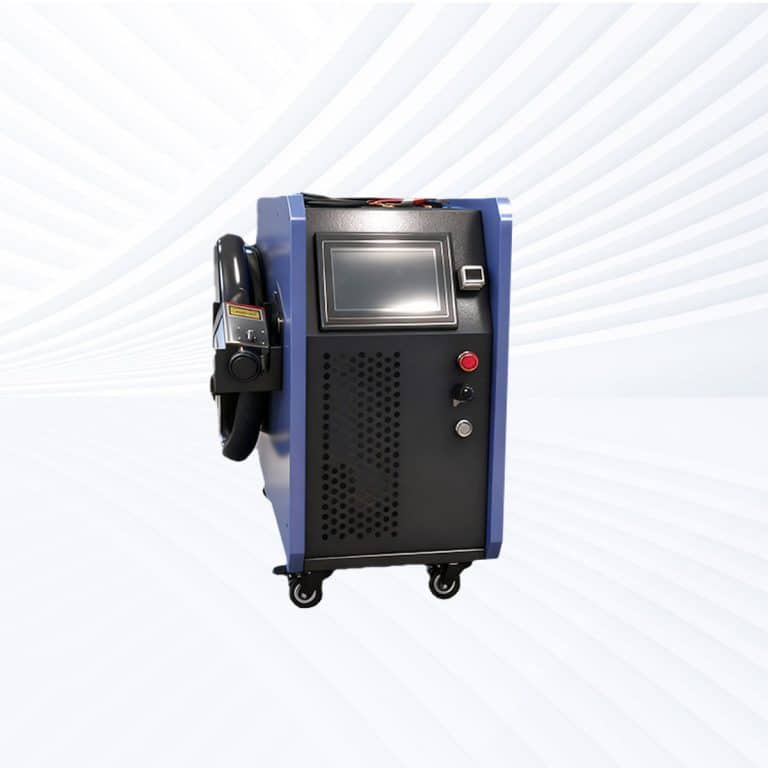
Contaminant Removal Capability
| Contaminant Type | 100W | 200W | 300W | 500W | 1kW | 2kW |
|---|---|---|---|---|---|---|
| Light Rust / Oxide Film | Excellent | Excellent | Excellent | Excellent | Excellent | Excellent |
| Heavy Rust / Deep Corrosion | Light Removal | Moderate | Good | Excellent | Excellent | Excellent |
| Paint / Thin Coating | Moderate | Good | Excellent | Excellent | Excellent | Excellent |
| Thick Paint / Oxide Layer | Light Removal | Moderate | Good | Excellent | Excellent | Excellent |
| Oil / Grease / Mold Release | Excellent | Excellent | Excellent | Excellent | Excellent | Excellent |
| Resin / Rubber / Adhesive Film | Moderate | Good | Excellent | Excellent | Excellent | Excellent |
| Carbon Deposits / Burn Marks | Moderate | Good | Excellent | Excellent | Excellent | Excellent |
| Weld Oxidation / Heat Tint | Excellent | Excellent | Excellent | Excellent | Excellent | Excellent |
| Polishing Compound / Buffing Paste | Good | Excellent | Excellent | Excellent | Excellent | Excellent |
| Oxide Scale after Heat Treatment | Light Removal | Moderate | Good | Excellent | Excellent | Excellent |
| Dust / Environmental Contamination | Excellent | Excellent | Excellent | Excellent | Excellent | Excellent |
| Tarnish / Discoloration | Excellent | Excellent | Excellent | Excellent | Excellent | Excellent |
| Paint Underlayer / Primer | Moderate | Good | Excellent | Excellent | Excellent | Excellent |
| Thin Coating / Oxide on Precision Components | Excellent | Excellent | Excellent | Excellent | Excellent | Excellent |
Compatible Materials
- Carbon Steel
- Stainless Steel
- Mild Steel
- Tool Steel
- Alloy Steel
- Aluminum
- Aluminum Alloys
- Copper
- Brass
- Bronze
- Nickel
- Nickel Alloys
- Titanium
- Titanium Alloys
- Zinc
- Chromium
- Chrome-Plated Parts
- Gold
- Silver
- Platinum
- Lead
- Tin
- Iron
- Cast Iron
- Galvanized Steel
- Inconel
- Magnesium
- Molybdenum
- Tungsten
- Metal Molds
- Soldered Joints
- Anodized Aluminum
- Painted Metal Parts
- Oxidized Copper and Brass
- Composite Materials
- Plastic
- Rubber Molds
- Stone
- Glass
- Ceramic
Application of 1kW Pulsed Laser Cleaning Machines
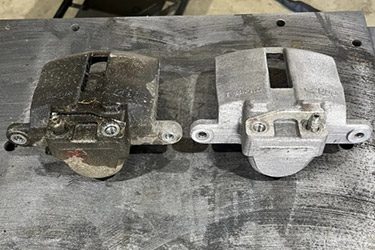
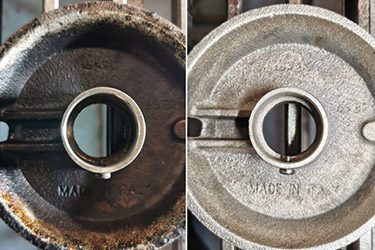

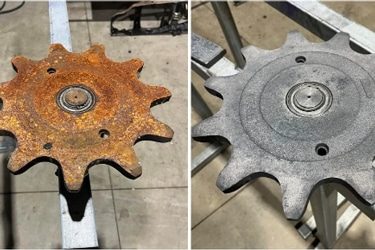
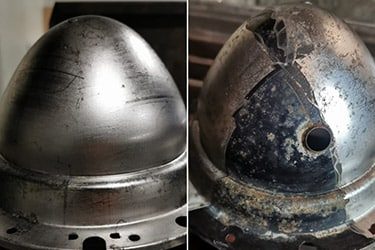


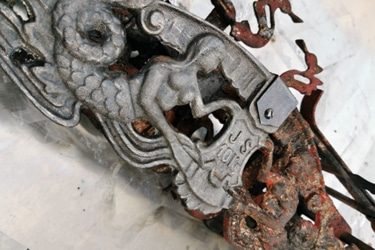
Customer Testimonials
Comparison VS Other Cleaning Technologies
| Comparison Item | Pulsed Laser Cleaning | Chemical Cleaning | Mechanical Grinding | Dry Ice Cleaning |
|---|---|---|---|---|
| Cleaning Method | Laser ablation using pulsed light energy | Chemical reaction/dissolution | Physical abrasion | CO2 pellet impact and sublimation |
| Surface Damage Risk | None (non-contact) | Possible corrosion or etching | High (abrasive wear) | Low |
| Precision Cleaning | Very high | Moderate | Low | Moderate |
| Thermal Impact | Minimal (pulsed laser control) | None | Friction heat possible | None |
| Suitable for Delicate Materials | Excellent | Limited | Poor | Good |
| Environmental Impact | Eco-friendly, no waste | Hazardous chemicals & fumes | Dust and debris | CO2 emissions (moderate) |
| Consumables Required | None | Chemical solutions | Grinding media | Dry ice pellets |
| Operating Costs | Low (no consumables) | High (chemical purchase & disposal) | Medium | High (dry ice supply) |
| Maintenance Requirements | Minimal | Frequent (chemical handling) | Frequent (tool wear) | Moderate |
| Cleaning Speed | Moderate to fast | Slow to moderate | Fast | Moderate |
| Surface Finish Quality | Excellent | Variable | Rough | Smooth |
| Operator Safety | High | Low (chemical exposure) | Medium (dust, noise) | High |
| Automation Capability | Easily automated | Limited | Difficult | Limited |
| Waste Generation | None | Chemical waste | Solid debris | CO2 gas only |
| Typical Applications | Fine rust, oxide, and oil removal | Grease and coating removal | Scale, rust, and weld prep | Residue and oil removal |
Why Choose Us
Efficient Cleaning
Our machines offer fast, precise cleaning without chemicals or abrasion, making them ideal for delicate surfaces and complex materials across various industries.
Safe & Eco-Friendly
Laser cleaning eliminates the need for harsh chemicals and generates no secondary pollution, creating a safer and more environmentally friendly workspace.
Stable Performance
Built with high-quality components and advanced control systems, our machines ensure consistent cleaning results with minimal maintenance and long service life.
Custom Solutions
We provide flexible configurations and tailored options to match different cleaning requirements, helping customers achieve optimal performance for their specific applications.
Related Resources
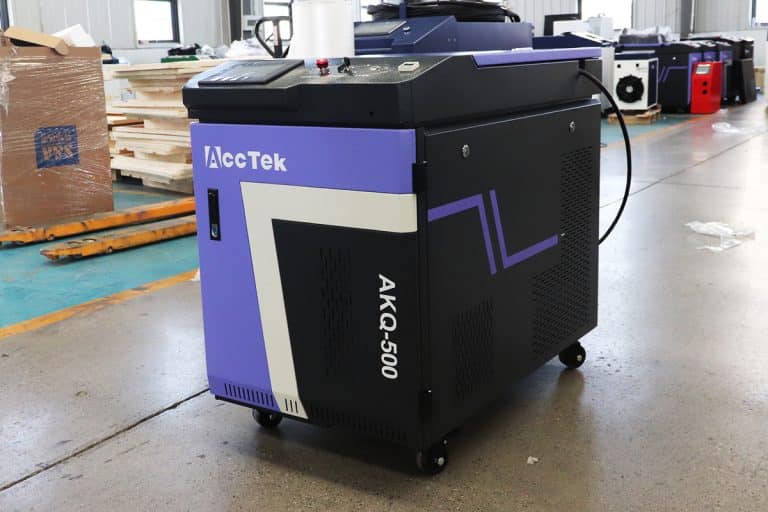
Comprehensive Guide to Choosing the Right Laser Cleaning Machines
This comprehensive guide provides essential insights into selecting the right laser cleaning machine, covering key factors like machine capabilities, cost, efficiency, and maintenance for optimal results.
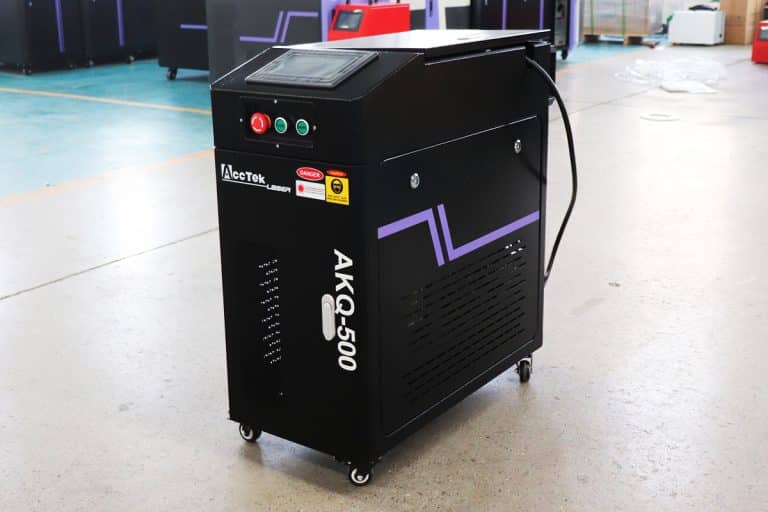
How Effective Is Laser Cleaning At Removing Contaminants
This article explores how effective laser cleaning is at removing contaminants, covering mechanisms, materials, system types, real-world applications, limitations, and optimization factors for reliable results.
Will Laser Cleaning Damage The Substrate
This article explains whether laser cleaning damages substrates, examining damage mechanisms, material risks, process control, and verification methods for safe, effective laser cleaning.
Comprehensive Guides to Choosing the Right Laser Cleaning Parameters
This comprehensive guide explores the key factors in choosing the right laser cleaning parameters, including material types, contamination levels, and practical considerations for optimal results.
Frequently Asked Questions
How Much Do 1kW Pulsed Laser Cleaning Machines Cost?
- High-Power Pulsed Fiber Laser Source: The core component of the 1kW pulsed laser cleaning machine is a high-energy pulsed fiber laser, capable of delivering powerful bursts of light energy with peak power reaching tens of kilowatts per pulse. To achieve such output, the system uses multiple high-end diode pump modules, doped optical fibers, and precision coupling technology. Manufacturing these lasers involves strict optical alignment, active thermal management, and quality control — all of which significantly increase production cost.
- Advanced Water-Cooling System: At this power level, air cooling is no longer sufficient. The 1kW pulsed laser requires a closed-loop industrial water chiller to manage heat from the laser source, optics, and galvanometer scanning head. This chiller includes compressors, condensers, flow sensors, and deionized-water circulation systems to maintain precise thermal stability. The water-cooling infrastructure adds several thousand dollars to the overall cost but is essential for continuous, stable, and safe operation.
- Precision Optics and Beam Control: The scanning head, mirrors, and focusing lenses are built to handle extremely high laser energy densities. They are coated with high-durability anti-reflective and heat-resistant layers to prevent optical distortion or burn damage. Each optical assembly must be calibrated for beam alignment accuracy, which requires costly materials and advanced manufacturing equipment.
- High-Performance Power Electronics: Delivering 1kW of pulsed power requires advanced electronic control systems. High-frequency pulse drivers, power regulators, and digital control boards maintain consistent pulse energy and frequency during operation. These precision electronics ensure beam stability and protect against voltage fluctuations, adding substantial engineering and component costs.
- Industrial Structure and Durability: The machine housing and frame are designed for industrial use, featuring reinforced steel or aluminum enclosures with dustproof and heat-insulated compartments. The laser cleaning head is often made from aviation-grade aluminum for better heat dissipation and long-term durability. The entire system is designed to withstand high-duty cycles in harsh environments, which raises both material and production costs.
- Software and Automation Integration: 1kW pulsed laser cleaning systems often include digital control software that allows operators to adjust pulse width, frequency, scanning patterns, and power output with precision. Many models are also compatible with robotic arms, CNC systems, and automated cleaning lines. This level of software and hardware integration increases development and configuration expenses.
- Safety and Certification Requirements: High-power lasers are classified as Class IV, requiring multiple safety features — interlocks, emergency stop systems, shielding, and certified control circuitry. Compliance with CE, FDA, and ISO 11553 laser safety standards adds both time and cost to the manufacturing process.
What Cooling Method Do 1kW Pulsed Laser Cleaning Machines Use?
- Laser Source Temperature Control: The 1kW pulsed fiber laser emits thousands of high-energy pulses per second, each producing intense localized heat within the laser diodes and doped fiber core. Water cooling circulates through closed-loop channels surrounding these components, absorbing excess heat and transferring it away via a chiller. This keeps the diode and fiber temperatures stable, preventing overheating, pulse energy fluctuations, or premature wear.
- Optical and Scanning Head Protection: At 1kW power, the galvanometer scanning head, mirrors, and focusing lenses are exposed to high beam intensity. Continuous water circulation prevents optical distortion and protects coatings from thermal stress and delamination. Consistent cooling ensures that the beam remains stable and focused during long cleaning cycles, preserving precision and uniformity.
- Power Supply and Electronics Cooling: The power driver and pulse modulation circuits handle large electrical currents to deliver high peak power. These electronics also generate considerable heat. The integrated water-cooling system keeps them within safe operating limits, ensuring efficient energy transfer and stable pulse repetition without electrical overload.
- Why Water Cooling Is Necessary
- Thermal Stability: Water has far greater heat capacity than air, allowing it to absorb and transfer more heat over time. This is essential for maintaining a constant laser wavelength and pulse quality.
- Performance Reliability: Stable operating temperature prevents laser drift, energy loss, and optical misalignment, ensuring uniform cleaning results.
- Component Longevity: Cooling reduces thermal fatigue on diodes, optics, and control boards, extending the lifespan of the entire system.
- Continuous Operation: Water cooling allows the 1kW pulsed laser to work continuously in industrial settings without shutdowns caused by overheating.
- System Design and Operation: A closed-loop water chiller circulates deionized water through the laser unit and optical head. The heated water passes through a condenser and radiator before cooling down and returning to the system. Flow sensors, thermostats, and automatic protection functions ensure that the temperature remains constant, even under prolonged high-load conditions.
What Problems Might Occur When Using 1kW Pulsed Laser Cleaning Machines?
- Overheating of Components
- Cause: If the cooling system is insufficient or malfunctioning, the laser cleaning system can overheat, especially during extended cleaning sessions.
- Consequence: Overheating can cause damage to sensitive components like the laser diode, optics, and electrical circuits.
- Solution: Ensure the cooling system is functioning correctly and that the temperature is monitored. Regular maintenance and water changes for the cooling system are crucial.
- Optical Lens or Mirror Contamination
- Cause: During cleaning, particulates from the material being cleaned (such as rust, coatings, or dirt) can settle on the laser optics.
- Consequence: Contaminated lenses or mirrors reduce laser beam quality, leading to inefficient cleaning or potential damage to the optics.
- Solution: Regularly clean the optical components with appropriate methods to maintain performance. Use a protective cover during non-operation to reduce dust exposure.
- Beam Misalignment
- Cause: If the laser head or optics become misaligned, the beam will not be focused on the target area.
- Consequence: This results in poor cleaning performance or the need for excessive passes, which can also waste energy.
- Solution: Regularly check and calibrate the laser system to ensure proper beam alignment.
- Material Surface Damage
- Cause: The intensity of a 1kW pulsed laser can be too high for certain delicate materials if not properly adjusted.
- Consequence: Overexposure to the laser can burn or etch the underlying material, leading to surface damage.
- Solution: Ensure the correct power and pulse frequency settings are selected for the specific material being cleaned. Perform trial runs before cleaning the main workpiece.
- Electrical Fluctuations or Power Supply Issues
- Cause: Variability in the electrical supply can affect the consistency of the laser power.
- Consequence: Inconsistent laser output can result in uneven cleaning or failure to remove contaminants effectively.
- Solution: Use a stable, regulated power supply and consider using a UPS (uninterruptible power supply) to prevent power surges or interruptions.
- Fume and Dust Buildup
- Cause: Cleaning produces fumes, particulates, and smoke, especially when removing coatings or contaminants like paint or rust.
- Consequence: This can damage sensitive components, like the cooling system or sensors, and create a hazardous environment for operators.
- Solution: Proper fume extraction systems should be used, including HEPA and activated carbon filters, to keep the environment safe and prevent contamination of the equipment.
- Reflective Surfaces and Material Compatibility Issues
- Cause: Cleaning metals with highly reflective surfaces (e.g., aluminum, copper) can lead to energy inefficiency or laser damage.
- Consequence: A laser beam directed at reflective surfaces can bounce off, damaging the optics and reducing the cleaning efficiency.
- Solution: Avoid direct cleaning of highly reflective metals or use coatings that diffuse the laser beam. Use laser settings optimized for reflective materials.
- Laser Safety Hazards
- Cause: Improper use of protective measures, such as inadequate safety barriers or failing to wear laser safety glasses.
- Consequence: Exposure to direct or reflected laser radiation can cause severe eye damage or burns.
- Solution: Ensure all personnel wear appropriate laser safety goggles and that proper laser barriers are in place. Only trained personnel should operate the system within a designated Class IV laser safety zone.
- Inconsistent Cleaning Results
- Cause: Inconsistent performance can arise from issues like varying cleaning speeds, power settings, or insufficient focal length adjustments.
- Consequence: The uneven distribution of laser energy may lead to partial or inconsistent cleaning, requiring more time and energy to complete the job.
- Solution: Regularly calibrate the machine and adjust the settings based on the material and the thickness of contaminants to ensure consistent and effective cleaning results.
- Failure of Internal Components
- Cause: The laser cleaning system relies on multiple sensitive internal components such as the laser source, sensors, and control systems.
- Consequence: Malfunction or failure of these parts could cause the system to become inoperable, requiring costly repairs and downtime.
- Solution: Perform regular inspections and maintenance on internal components, including checking connections, cleaning sensors, and ensuring there is no internal dust accumulation.
- Costly Consumables and Maintenance
- Cause: Some laser cleaning machines may require expensive consumables such as lenses or specific cooling liquids.
- Consequence: Ongoing maintenance and the replacement of consumables can significantly increase operating costs.
- Solution: Keep track of consumable lifespans and factor this into the overall operational budget. Invest in high-quality consumables for long-term reliability.
How Should I Choose 1kW Pulsed Laser Cleaning Machines?
- Material Types to Clean
- Metal Surfaces (Rust Removal): Pulsed lasers are highly effective for cleaning metals like steel, aluminum, and titanium. They can remove rust, oxidation, and coatings without damaging the underlying metal. Ensure the machine you choose can target the specific type of metal you plan to work with.
- Industrial Equipment and Machinery: Laser cleaning machines are ideal for cleaning parts of heavy machinery, engines, and other industrial components that have accumulated grime, oils, or corrosion. Consider the machine’s compatibility with the parts you typically clean.
- Concrete and Stone: While less common, laser cleaning can also be used on porous materials like concrete and stone for surface restoration or graffiti removal. Choose a laser system with the right power and pulse frequency to avoid damage to delicate surfaces.
- Cleaning Efficiency
- Size of the Area: 1kW pulsed laser cleaning machines are ideal for medium-sized cleaning applications. If you are working with large surfaces or equipment, look for systems with larger scanning areas or the ability to adjust focal length for flexibility.
- Surface Contaminants: Different types of contaminants (e.g., rust, oil, paint, or organic material) require varying cleaning approaches. Ensure the machine has adjustable parameters like pulse frequency, energy, and scan speed to cater to different contaminants and surface types.
- Cleaning Speed: Pulsed laser cleaning machines should offer high efficiency. Machines with higher frequency and pulse repetition rates are typically faster in cleaning, saving time in industrial operations.
- Laser Power and Pulse Duration
- 1kW Power: A 1kW pulsed laser is suitable for a wide range of cleaning tasks, but may not be powerful enough for extremely tough contaminants or very thick coatings. Consider whether your cleaning tasks require more power or if a 1kW machine will suffice for most needs.
- Pulse Duration and Frequency: Adjusting the pulse duration and frequency is crucial for cleaning different materials. Shorter pulses are ideal for delicate surfaces, while longer pulses might be necessary for tougher materials or deep cleaning tasks.
- Ease of Use and Automation
- Control Interface: A user-friendly interface with intuitive controls can significantly reduce setup time and operational complexity. Machines with pre-set programs for specific tasks (e.g., rust removal, paint stripping) make the operation easier.
- Automation Features: Automated systems with robotic arms or motion control capabilities can improve efficiency and precision, especially for repetitive tasks. Consider a machine with automation features if you need continuous operation or high precision.
- Safety and Environmental Concerns
- Fume Extraction and Ventilation: Laser cleaning produces fumes and particulate matter depending on the material being cleaned. Ensure the machine is equipped with an effective fume extraction system to prevent hazardous exposure.
- Safety Features: Pulsed laser cleaning involves high-intensity lasers, so safety features like protective enclosures, interlocks, and automatic shutdown in case of malfunctions are essential.
- Environmentally Friendly: Laser cleaning is a more environmentally friendly alternative to traditional methods such as sandblasting or chemical cleaning, which produce waste and harmful runoff. Check for any additional environmental certifications or eco-friendly features.
- Cost and Maintenance
- Initial Cost vs. Long-Term Savings: While 1kW pulsed laser cleaning machines may have a higher initial investment, they can save money in the long term due to their low maintenance costs, no need for consumables (e.g., chemicals or abrasives), and energy efficiency.
- Maintenance and Service: Consider the ease of maintenance and the availability of customer service or technical support. Machines with modular designs may be easier to maintain and repair.
- Brand and Warranty
- Brand Reputation: Choose a reputable brand known for quality, durability, and after-sales support.
- Warranty and Service Plans: Ensure the machine comes with a reliable warranty and that service plans are available in case of breakdowns.
What Is The service Life Of 1kW Pulsed Laser Cleaning Machines?
- Laser Source Lifetime
- Fiber Lasers: Most 1kW pulsed laser cleaning machines use fiber lasers, which are known for their longevity. The laser source, if properly maintained, can last anywhere from 20,000 to 30,000 operating hours or more. Fiber lasers are solid-state and typically require less maintenance than gas-based lasers, contributing to a longer overall service life.
- Pulsed Laser Frequency: The frequency at which the laser pulses are used also impacts the life of the laser. High-frequency usage over long durations may cause wear on the laser components, potentially shortening their lifespan.
- System and Component Durability
- Cooling System: The cooling system plays a vital role in the longevity of the laser cleaning machine. If the cooling system fails or is not properly maintained, it can lead to overheating and early failure of the laser source and other internal components. Regular checks and fluid changes are crucial for extending the service life.
- Optical Components: Lenses, mirrors, and other optical components can experience wear or damage over time, especially if the machine is used intensively or in harsh environments. These components generally have a lifespan of several years but may need to be replaced or cleaned periodically to maintain optimal performance.
- Maintenance and Operational Conditions
- Regular Maintenance: Proper maintenance, including cleaning, calibration, and checking for any signs of wear or damage, can significantly extend the lifespan of a laser cleaning machine. Well-maintained systems can operate for up to 15 years or longer.
- Environmental Conditions: Machines operated in clean, dry, and controlled environments tend to last longer than those in harsh conditions with high levels of dust, moisture, or corrosive substances. Ensuring that the machine operates within the manufacturer’s recommended environment will contribute to a longer service life.
- Machine Usage and Workload
- Operational Hours: The more frequently and intensively a machine is used, the shorter its lifespan will be. However, with proper care, 1kW pulsed laser cleaning machines can last between 10 to 15 years under moderate use. Machines used in high-demand industries (e.g., continuous industrial cleaning) may have a shorter life expectancy if not well-maintained.
- Duty Cycle: The duty cycle (the amount of time the machine is running in relation to how much time it should rest) is also crucial for longevity. Machines operated continuously at high loads may experience a reduction in lifespan compared to those used within their recommended duty cycle.
- Warranty and Support
- Manufacturer Warranty: Most laser cleaning machines come with a warranty that covers parts and labor for a certain period (usually 1-2 years). This warranty often includes the laser source, cooling system, and essential components. After the warranty expires, manufacturers often provide extended service agreements or support packages.
- Availability of Spare Parts: Machines from well-known brands generally have good support for spare parts, which can help extend the life of the equipment. Availability of spare parts and service support is critical for long-term machine health.
- Advances in Technology
- Technological Advancements: Over time, technological improvements may lead to more efficient and durable components. While the machine’s core functionality may remain intact, newer laser technologies may provide better performance, potentially leading to a gradual shift in machine longevity as users upgrade to more advanced systems.
What Are The Environmental Requirements For 1kW Pulsed Laser Cleaning Machines?
- Temperature and Humidity Control
- Ambient Temperature: Most 1kW pulsed laser cleaning machines are designed to operate within a specific temperature range, typically between 18℃ (64℉) and 30℃ (86℉). Operating outside this range can lead to overheating, reduced efficiency, or potential damage to internal components.
- Humidity Levels: The ideal humidity for operating a laser cleaning machine is typically between 40% and 70%. Excessive humidity can lead to condensation within the machine, potentially damaging the electrical components and laser source. Conversely, low humidity can lead to static buildup, which may interfere with the machine’s electronics and performance.
- Air Quality and Ventilation
- Fume Extraction System: Laser cleaning generates fumes, especially when working with materials like rust, paint, and oil. An effective fume extraction system is essential to safely remove harmful fumes and particles from the workspace. These systems often include filters that prevent contaminants from spreading throughout the environment, ensuring compliance with safety regulations and protecting the health of operators.
- Ventilation: Adequate ventilation is important to maintain airflow in the area. Proper air circulation helps cool the equipment, prevents the buildup of harmful gases, and ensures that no toxic byproducts linger in the work environment. In some cases, external air extraction systems are used for increased efficiency, especially in confined spaces.
- Dust and Contaminants
- Clean Work Environment: Laser cleaning is most effective in a controlled, clean environment. High levels of dust or airborne debris can interfere with the laser’s optics and reduce cleaning efficiency. Therefore, it’s important to keep the area around the machine free of contaminants.
- Corrosive Environments: Environments with high levels of corrosive gases or substances can cause premature wear on the laser machine. For example, operating in environments with salty air or high industrial emissions can lead to the degradation of sensitive components, especially optical lenses and mirrors.
- Electrical Power Supply
- Stable Power Supply: A stable and clean electrical power supply is critical for the proper functioning of 1kW pulsed laser cleaning machines. Voltage fluctuations, power surges, or poor grounding can affect the machine’s performance and may cause malfunctions or damage to sensitive components.
- Dedicated Power Circuit: It’s advisable to have a dedicated power circuit for the laser cleaning machine to avoid interference from other equipment. This ensures that the machine receives the necessary power for efficient operation and minimizes the risk of electrical issues.
- Safety and Protective Measures
- Laser Safety: Since pulsed lasers are used in cleaning, the machine must be operated in a safe environment with adequate safety measures in place. The machine should be equipped with proper shielding, safety interlocks, and automatic shutdown systems to prevent accidental exposure to the laser beam.
- Personal Protective Equipment (PPE): Operators should wear appropriate PPE, including laser safety goggles designed for the wavelength of the laser being used, to prevent eye injury from stray laser light.
- Warning Signage: Adequate warning signs should be displayed in the workspace to alert operators and nearby personnel about the presence of lasers and other potential hazards, such as fumes and heat.
- Space and Installation Requirements
- Space for Operation: 1kW pulsed laser cleaning machines require sufficient space for both operation and maintenance. The workspace should allow for proper handling of materials and the safe operation of the equipment, with space for fume extraction and ventilation systems.
- Weight and Size Considerations: These machines can be large and heavy, depending on the configuration, so the floor should be capable of supporting the machine’s weight. It is important to place the machine on a stable, level surface to ensure optimal operation.
- Accessibility: Ensure that there is easy access to the machine for maintenance, servicing, and adjustments. A clutter-free workspace around the machine enhances safety and operational efficiency.
- Noise Control
- Noise Level: Laser cleaning machines, especially in industrial settings, can produce significant noise during operation due to cooling fans, exhaust systems, and the cleaning process itself. Noise levels should be monitored to ensure they do not exceed the regulatory limits for workplace noise. In high-noise environments, additional soundproofing or noise reduction solutions may be necessary.
- Regulatory Compliance
- Environmental Standards: Be sure that the laser cleaning machine complies with local environmental regulations regarding emissions, waste disposal, and noise levels. Compliance with these standards ensures that the machine operates within legal requirements and avoids potential fines or penalties.
- Certification and Approvals: Check if the machine has any certifications, such as CE or UL, which guarantee that the equipment meets international safety and environmental standards.
What PPE Is Required When Operating 1kW Pulsed Laser Cleaning Machines?
- Laser Safety Goggles/Glasses
- Purpose: These are critical to protecting your eyes from the laser radiation that can cause severe damage, especially with pulsed lasers that release high-energy bursts.
- Specifications: The goggles should be specifically designed to protect against the wavelength of the laser being used (usually around 1064 nm for fiber lasers). Ensure that the goggles comply with safety standards such as ANSI Z136 or CE EN207.
- Recommendation: Goggles should offer high optical density (OD) ratings that match the power and wavelength of the laser to block both direct and scattered laser light.
- Protective Clothing
- Purpose: Protective clothing is essential to shield the skin from accidental laser exposure, heat, and flying debris generated during the cleaning process.
- Type of Clothing: Long-sleeve shirts and pants made from non-flammable materials (such as cotton or polyester) to prevent burns and injuries from direct laser light or reflected beams. Flame-resistant clothing may be needed in environments where there’s a high risk of sparks or the presence of combustible materials.
- Foot Protection: Steel-toe boots or other heavy-duty footwear should be worn to protect the feet from falling objects or potential hot debris.
- Respiratory Protection
- Purpose: The laser cleaning process can generate fumes, dust, and particulate matter that could be harmful if inhaled, especially when cleaning rust, paints, or other coated materials.
- Type of Respirators: A half-face or full-face respirator with appropriate filters (e.g., particulate filters and chemical vapor cartridges) is required to protect against inhaling toxic fumes. It is also important to use an effective fume extraction system to remove airborne particles and gases from the workspace to maintain air quality.
- Face Shield
- Purpose: A face shield provides additional protection for the face, eyes, and neck, which may be exposed to laser radiation, flying debris, or heat.
- Specifications: The face shield should be made of laser-safe material to protect against scattered laser light and potential sparks or debris that may be generated during the cleaning process.
- Recommendation: The face shield should be worn over laser safety goggles for comprehensive facial protection.
- Hearing Protection
- Purpose: Laser cleaning machines, especially in industrial environments, can produce high noise levels due to cooling fans, exhaust systems, and the machinery itself.
- Type of Hearing Protection: If the noise levels exceed safe thresholds (typically around 85 dB), operators should wear earplugs or earmuffs to protect against long-term hearing damage.
- Work Area Shielding
- Purpose: Ensuring that the work area is adequately shielded prevents laser radiation from escaping the designated cleaning zone and protects bystanders from accidental exposure.
- Materials: Laser-safe curtains or physical barriers should be used around the machine to block the laser beam and reduce the risk of exposure to others in the vicinity.
- Recommendation: Enclosures or barriers should be placed around the laser cleaning zone, especially if the machine operates at high power levels or generates significant scattered laser light.
- Fire Safety Gear (if applicable)
- Purpose: Certain materials being cleaned may pose a fire risk, particularly if they contain flammable coatings, rust, or paint.
- Fire Extinguishers: Class C and Class D fire extinguishers should be readily available to handle electrical fires or chemical fires.
- Flame-resistant clothing is recommended when working with potentially combustible materials that might ignite during the cleaning process.
- First Aid Kit
- Purpose: A first aid kit should be accessible in case of emergencies like burns, eye injuries, or respiratory issues.
- Contents: The kit should include supplies for treating burns, eye injuries, and cuts from debris or machinery.
How Should 1kW Pulsed Laser Cleaning Machines Be Maintained?
- Regular Inspection of the Laser Source
- Check Laser Power and Pulse Performance: Regularly inspect the laser source for any signs of degradation. Check the power output to ensure it is within the manufacturer’s specifications. Over time, lasers may lose their efficiency, especially after extended use.
- Cleaning of the Laser Source: Depending on the design, the laser source may need periodic cleaning to remove dust or debris from its surface. Always follow the manufacturer’s guidelines when cleaning the laser module to avoid damage.
- Cooling System Inspection: Pulsed lasers generate significant heat. Ensure that the cooling system (usually air or water-cooled) is functioning properly. Inspect the cooling system for leaks, blockages, or low coolant levels. Regularly replace the coolant fluid as specified by the manufacturer to avoid damage to internal components.
- Clean and Maintain Optical Components
- Lenses and Mirrors: The lenses and mirrors that direct the laser beam can accumulate dust or residue from the cleaning process, which can reduce efficiency. Use only recommended cleaning materials (e.g., soft cloths or wipes) to avoid scratching or damaging these components.
- Alignment Check: Regularly check the alignment of the optics to ensure that the laser is properly focused and directed. Misalignment can lead to decreased performance or even damage to the machine.
- Replace Worn Optical Components: Over time, optical components like mirrors and lenses can wear out, especially when exposed to high-energy laser beams. Replace them as needed to maintain laser efficiency.
- Inspect and Maintain the Fume Extraction System
- Check Filters: The fume extraction system is crucial for removing harmful fumes and particles generated during cleaning. Regularly inspect and clean or replace filters to ensure that the system works efficiently.
- Ventilation System Maintenance: Ensure that ducts, fans, and other components of the ventilation system are free from blockages or damage. Poor ventilation can result in unsafe working conditions and reduced cleaning performance.
- Regular Cleaning of the Machine’s Exterior
- Dust and Debris Removal: The machine’s exterior should be regularly cleaned to prevent dust buildup. Use a vacuum cleaner or a soft cloth to remove dust, ensuring that sensitive electrical components remain free from contaminants.
- Check for Leaks and Damage: Inspect hoses, electrical connections, and seals for any signs of wear, leaks, or damage. Any issues should be addressed immediately to prevent further damage or operational downtime.
- Software and Firmware Updates
- Check Software Settings: Keep the machine’s software updated, as software improvements may enhance performance and provide additional features. Periodically check settings for laser power, frequency, and scan speed to ensure they are configured correctly for the materials being cleaned.
- Update Firmware: Manufacturers may release firmware updates that improve the performance of the laser cleaning system. Ensure the firmware is updated as per the manufacturer’s recommendations to avoid operational issues.
- Power Supply Maintenance
- Check Electrical Connections: Ensure that all electrical connections are secure and free from corrosion. Inspect power cables and connectors for any signs of wear or damage.
- Surge Protection: Ensure that the machine is connected to a surge protector to protect against power surges, which can damage the internal electronics of the laser system.
- Calibration and Alignment
- Calibrate the Laser Cleaning System: Regularly calibrate the laser system to ensure consistent performance. This may include adjusting the focus, power, or beam direction to maintain the desired cleaning results.
- Check Scan Head: The scan head should be calibrated to ensure the laser beam is accurately directed. Misalignment can lead to uneven cleaning and damage to surfaces.
- Maintenance of Moving Parts
- Lubrication of Moving Parts: Laser cleaning systems often use moving parts like scanning mirrors or robotic arms. Regularly lubricate these parts as per the manufacturer’s instructions to prevent wear and ensure smooth operation.
- Check for Wear and Tear: Inspect moving components for signs of wear, such as loose parts, grinding sounds, or difficulty moving. Replace any damaged components immediately to avoid further damage.
- Keep Safety Features in Check
- Safety Interlocks: Ensure that all safety interlocks are functioning properly. These are essential for preventing accidental exposure to the laser beam or unsafe machine operation.
- Emergency Stops: Test the emergency stop functionality regularly to ensure that the system can be quickly shut down in case of an emergency.
- Operator Training and Records
- Train Operators: Ensure that all operators are properly trained in both the operation and maintenance of the machine. A trained operator is more likely to spot issues early and maintain the system properly.
- Keep Maintenance Logs: Maintain a detailed log of all maintenance activities, including inspections, repairs, part replacements, and software updates. This helps track the machine’s health and ensures that maintenance is performed on time.