

Product Introduction
Types of 1.5kW Pulsed Laser Cleaning Machines
-
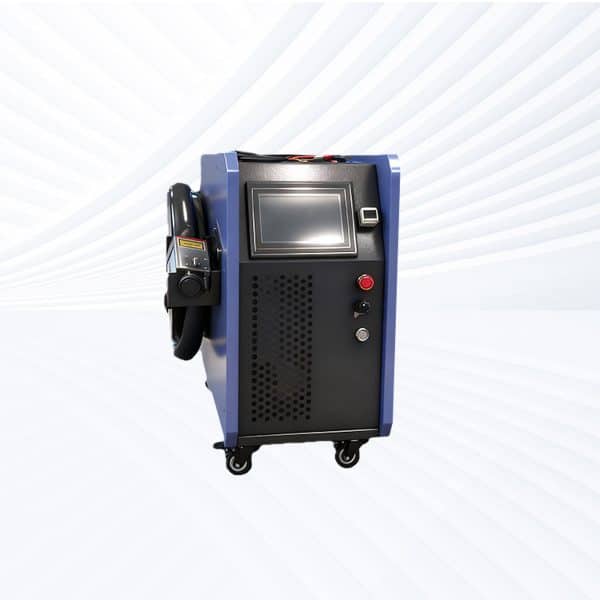
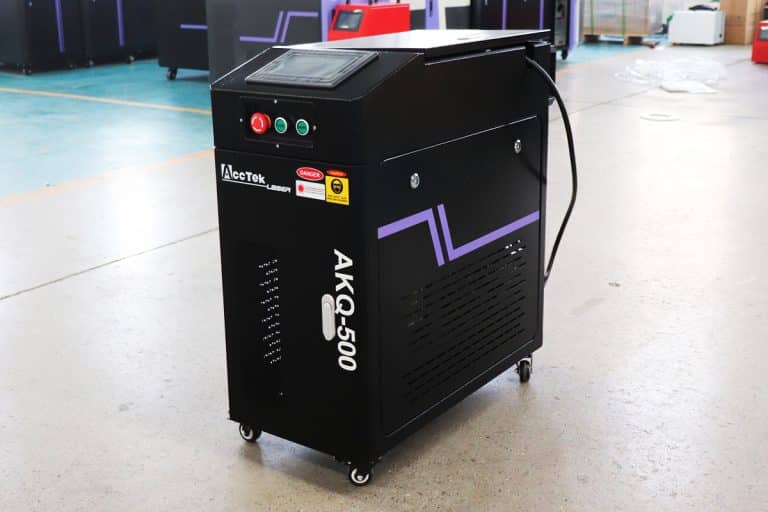
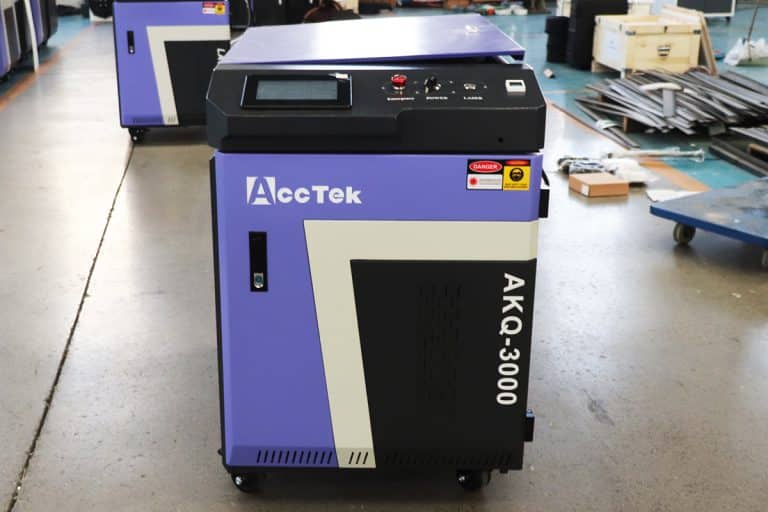
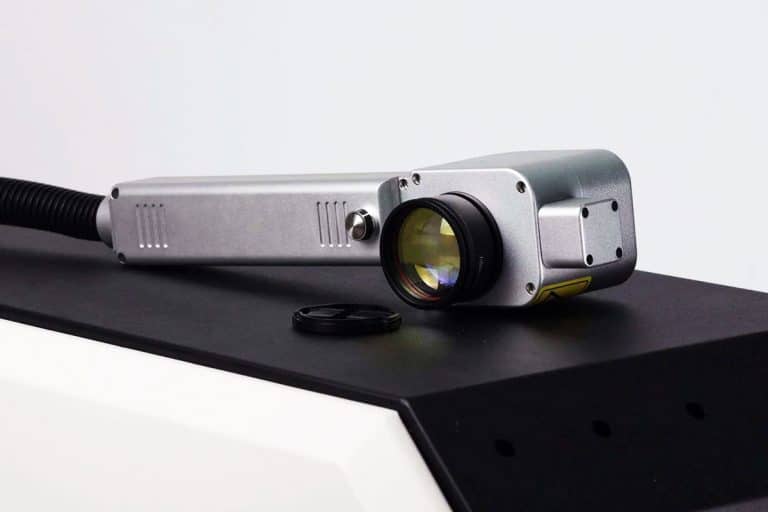
Standard Pulse Laser Cleaning Machine
Rated 5.00 out of 5$4,900.00 – $47,000.00Price range: $4,900.00 through $47,000.00 This product has multiple variants. The options may be chosen on the product page
Contaminant Removal Capability
| Contaminant Type | 100W | 200W | 300W | 500W | 1kW | 2kW |
|---|---|---|---|---|---|---|
| Light Rust / Oxide Film | Excellent | Excellent | Excellent | Excellent | Excellent | Excellent |
| Heavy Rust / Deep Corrosion | Light Removal | Moderate | Good | Excellent | Excellent | Excellent |
| Paint / Thin Coating | Moderate | Good | Excellent | Excellent | Excellent | Excellent |
| Thick Paint / Oxide Layer | Light Removal | Moderate | Good | Excellent | Excellent | Excellent |
| Oil / Grease / Mold Release | Excellent | Excellent | Excellent | Excellent | Excellent | Excellent |
| Resin / Rubber / Adhesive Film | Moderate | Good | Excellent | Excellent | Excellent | Excellent |
| Carbon Deposits / Burn Marks | Moderate | Good | Excellent | Excellent | Excellent | Excellent |
| Weld Oxidation / Heat Tint | Excellent | Excellent | Excellent | Excellent | Excellent | Excellent |
| Polishing Compound / Buffing Paste | Good | Excellent | Excellent | Excellent | Excellent | Excellent |
| Oxide Scale after Heat Treatment | Light Removal | Moderate | Good | Excellent | Excellent | Excellent |
| Dust / Environmental Contamination | Excellent | Excellent | Excellent | Excellent | Excellent | Excellent |
| Tarnish / Discoloration | Excellent | Excellent | Excellent | Excellent | Excellent | Excellent |
| Paint Underlayer / Primer | Moderate | Good | Excellent | Excellent | Excellent | Excellent |
| Thin Coating / Oxide on Precision Components | Excellent | Excellent | Excellent | Excellent | Excellent | Excellent |
Compatible Materials
- Carbon Steel
- Stainless Steel
- Mild Steel
- Tool Steel
- Alloy Steel
- Aluminum
- Aluminum Alloys
- Copper
- Brass
- Bronze
- Nickel
- Nickel Alloys
- Titanium
- Titanium Alloys
- Zinc
- Chromium
- Chrome-Plated Parts
- Gold
- Silver
- Platinum
- Lead
- Tin
- Iron
- Cast Iron
- Galvanized Steel
- Inconel
- Magnesium
- Molybdenum
- Tungsten
- Metal Molds
- Soldered Joints
- Anodized Aluminum
- Painted Metal Parts
- Oxidized Copper and Brass
- Composite Materials
- Plastic
- Rubber Molds
- Stone
- Glass
- Ceramic
Application of 1.5kW Pulsed Laser Cleaning Machines
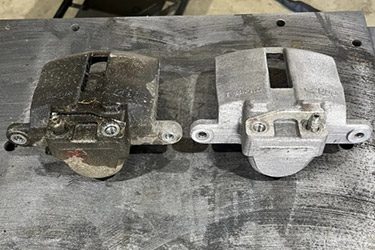
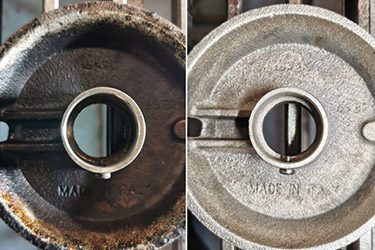

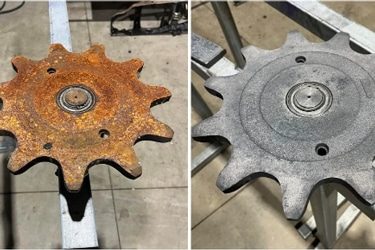
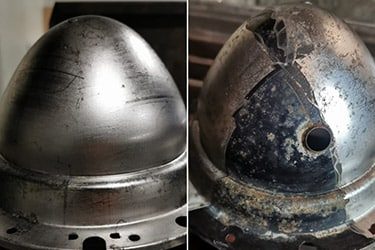

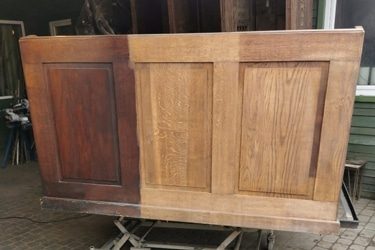
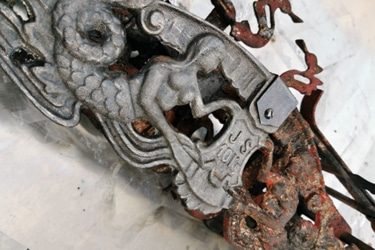
Customer Testimonials
Comparison VS Other Cleaning Technologies
| Comparison Item | Pulsed Laser Cleaning | Chemical Cleaning | Mechanical Grinding | Dry Ice Cleaning |
|---|---|---|---|---|
| Cleaning Method | Laser ablation using pulsed light energy | Chemical reaction/dissolution | Physical abrasion | CO2 pellet impact and sublimation |
| Surface Damage Risk | None (non-contact) | Possible corrosion or etching | High (abrasive wear) | Low |
| Precision Cleaning | Very high | Moderate | Low | Moderate |
| Thermal Impact | Minimal (pulsed laser control) | None | Friction heat possible | None |
| Suitable for Delicate Materials | Excellent | Limited | Poor | Good |
| Environmental Impact | Eco-friendly, no waste | Hazardous chemicals & fumes | Dust and debris | CO2 emissions (moderate) |
| Consumables Required | None | Chemical solutions | Grinding media | Dry ice pellets |
| Operating Costs | Low (no consumables) | High (chemical purchase & disposal) | Medium | High (dry ice supply) |
| Maintenance Requirements | Minimal | Frequent (chemical handling) | Frequent (tool wear) | Moderate |
| Cleaning Speed | Moderate to fast | Slow to moderate | Fast | Moderate |
| Surface Finish Quality | Excellent | Variable | Rough | Smooth |
| Operator Safety | High | Low (chemical exposure) | Medium (dust, noise) | High |
| Automation Capability | Easily automated | Limited | Difficult | Limited |
| Waste Generation | None | Chemical waste | Solid debris | CO2 gas only |
| Typical Applications | Fine rust, oxide, and oil removal | Grease and coating removal | Scale, rust, and weld prep | Residue and oil removal |
Why Choose Us
Efficient Cleaning
Our machines offer fast, precise cleaning without chemicals or abrasion, making them ideal for delicate surfaces and complex materials across various industries.
Safe & Eco-Friendly
Laser cleaning eliminates the need for harsh chemicals and generates no secondary pollution, creating a safer and more environmentally friendly workspace.
Stable Performance
Built with high-quality components and advanced control systems, our machines ensure consistent cleaning results with minimal maintenance and long service life.
Custom Solutions
We provide flexible configurations and tailored options to match different cleaning requirements, helping customers achieve optimal performance for their specific applications.
Related Resources
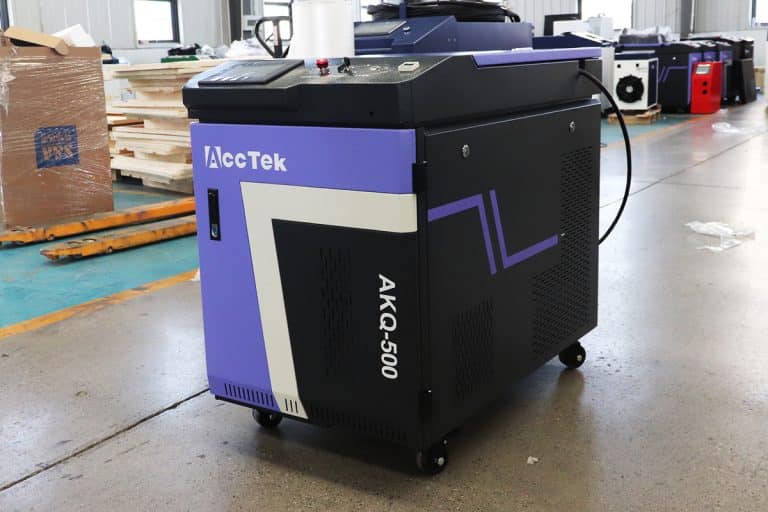
Comprehensive Guide to Choosing the Right Laser Cleaning Machines
This comprehensive guide provides essential insights into selecting the right laser cleaning machine, covering key factors like machine capabilities, cost, efficiency, and maintenance for optimal results.
How Effective Is Laser Cleaning At Removing Contaminants
This article explores how effective laser cleaning is at removing contaminants, covering mechanisms, materials, system types, real-world applications, limitations, and optimization factors for reliable results.
Will Laser Cleaning Damage The Substrate
This article explains whether laser cleaning damages substrates, examining damage mechanisms, material risks, process control, and verification methods for safe, effective laser cleaning.
Comprehensive Guides to Choosing the Right Laser Cleaning Parameters
This comprehensive guide explores the key factors in choosing the right laser cleaning parameters, including material types, contamination levels, and practical considerations for optimal results.
Frequently Asked Questions
How Much Do 1.5kW Pulsed Laser Cleaning Machines Cost?
- High-Power Pulsed Fiber Laser Source: The largest cost factor is the 1.5kW pulsed fiber laser generator. This type of laser delivers ultra-short, high-peak-power pulses capable of instantly vaporizing surface contaminants without damaging the substrate. Producing such a powerful yet stable laser requires high-quality diode pump arrays, rare-earth-doped fibers, and precision optical alignment systems. Each laser module must be temperature-regulated and vibration-resistant to ensure stable beam output, dramatically increasing manufacturing costs.
- Advanced Water-Cooling System: At this high power level, water cooling is essential. A closed-loop chiller circulates deionized water around the laser source, optical head, and power electronics to remove heat efficiently. The chiller includes compressors, condensers, sensors, and smart control valves for precise thermal regulation. This subsystem adds thousands of dollars to the total price but is vital for maintaining pulse consistency and preventing thermal drift or diode burnout during long industrial cleaning operations.
- Precision Optics and Beam Delivery Components: The scanning galvanometer, focusing lens, and fiber connectors must handle high-intensity energy without distortion. These components are made from high-purity fused silica and coated with advanced anti-reflective and heat-resistant layers. Each optical assembly is aligned with micron-level precision to prevent back-reflection damage and maintain uniform cleaning results. The strict optical tolerances and use of premium materials greatly increase production costs.
- Power Electronics and Digital Control Systems: Delivering 1.5kW of pulsed power requires industrial-grade power supplies and high-frequency control boards. These electronics regulate pulse width, frequency, and energy in real time, ensuring smooth operation and preventing overload. Advanced digital control software allows users to adjust parameters with extreme accuracy — a level of sophistication that adds substantial engineering expense.
- Industrial Structure and Automation Capability: 1.5kW pulsed laser cleaning systems are often integrated into automated production environments such as automotive or aerospace maintenance lines. Their frames are made from reinforced steel or aluminum alloy to handle vibration and heat. Many units are compatible with robotic arms and motion systems, requiring additional sensors, connectors, and control modules that raise the total system cost.
- Safety and Certification Requirements: Because of their high energy output, these machines must comply with Class IV laser safety standards and international certifications such as CE, FDA, and ISO 11553. They are equipped with key switches, interlocks, emergency stops, and shielding to protect operators. The testing, certification, and safety hardware all contribute significantly to the final price.
- Durability and Service Life: While the upfront cost is high, 1.5kW pulsed laser cleaning machines are built for 50,000–100,000 hours of continuous use. The long lifespan of their fiber laser source and minimal maintenance requirements make them a cost-effective investment over time compared to abrasive or chemical cleaning systems.
What Cooling Method Do 1.5kW Pulsed Laser Cleaning Machines Use?
- Laser Source Temperature Regulation: The 1.5kW pulsed fiber laser emits extremely high-energy pulses, each producing intense localized heat inside the laser’s doped fiber core and diode pump modules. A closed-loop water-cooling system circulates deionized water around these components to absorb and transfer excess heat. By maintaining optimal diode temperature, water cooling prevents overheating, wavelength drift, and energy fluctuation that could affect cleaning quality or damage the laser source.
- Optical System and Scanning Head Protection: At 1.5kW output, the optical pathway—including the galvanometer scanning head, lenses, and mirrors—is exposed to high thermal stress. The water-cooling system ensures these components remain stable, preventing lens distortion and coating damage caused by sustained exposure to heat. Consistent cooling allows the beam to remain precisely focused, ensuring even cleaning results across large or complex surfaces.
- Electronic and Power Module Stability: The power supply and pulse control circuits in 1.5kW pulsed laser cleaning systems handle high electrical loads to generate and modulate the laser pulses. These components also generate heat during operation. Water cooling helps maintain consistent temperatures in the electronic control boards and pulse drivers, ensuring smooth operation, accurate pulse timing, and electrical safety.
- Why Water Cooling Is Necessary
- High Heat Dissipation Efficiency: Water has a far greater capacity for heat absorption and transfer than air, allowing it to cool large, high-energy components quickly and evenly.
- Performance Stability: Constant temperature control ensures the laser maintains uniform pulse energy, frequency, and beam quality throughout long cleaning cycles.
- Extended Equipment Life: Reducing thermal stress prevents diode degradation, optical warping, and electronic failure—greatly extending machine lifespan.
- Continuous Industrial Operation: Water cooling supports uninterrupted operation in manufacturing, ship maintenance, and aerospace applications, where long-duty cycles and consistent results are required.
- How the System Works: A high-precision chiller circulates deionized water through cooling channels in the laser module, optics, and electronics. The heated water is then cooled via a compressor and radiator before re-entering the system. Flow sensors, thermostats, and alarms continuously monitor temperature and flow rate, ensuring safe, automatic operation without overheating.
How Should I Choose 1.5kW Pulsed Laser Cleaning Machines?
- Material Type and Cleaning Requirements
- Metal Surfaces: A 1.5kW pulsed laser is ideal for cleaning metal surfaces, including steel, aluminum, and titanium. This power level allows for more efficient removal of rust, oxides, coatings, and other contaminants. If you’re dealing with thicker coatings or heavily corroded metals, 1.5kW pulsed laser cleaning machines are preferable over lower power models.
- Non-Metal Surfaces: For cleaning of organic or non-metal materials like stone, concrete, wood, or plastics, 1.5kW pulsed laser cleaning machines may be overpowered, leading to excessive energy usage. Choose a machine based on the material you most often clean.
- Surface Area Size: Larger surfaces or more robust parts (e.g., large industrial machinery or equipment) will benefit from the increased power of a 1.5kW laser, which can clean larger areas more effectively and quickly.
- Power and Performance
- Laser Power (1.5kW): With 1.5kW of power, the laser can operate at higher pulse frequencies and greater energy levels, making it capable of cleaning tough contaminants such as thick coatings, heavy corrosion, or industrial residues.
- Pulsed vs. Continuous Operation: Pulsed lasers offer high energy in short bursts, which is particularly useful for cleaning materials without causing heat buildup. If you anticipate long cleaning sessions, ensure the system is designed to handle continuous operation while maintaining cooling efficiency.
- Pulse Duration and Frequency: A 1.5kW pulsed laser provides flexibility in pulse duration, which is critical for different cleaning applications. Shorter pulses are useful for delicate materials, while longer pulses work better for tougher contaminants. You can adjust settings depending on the surface and type of dirt or oxidation being removed.
- Efficiency and Speed
- Cleaning Speed: The higher power of 1.5kW pulsed laser cleaning systems typically means faster cleaning times, especially when dealing with tougher materials. However, this increased speed should not come at the cost of precision. Look for machines that offer adjustable parameters, allowing you to fine-tune for both speed and quality.
- Beam Scanning Technology: A machine with advanced scanning technology, such as galvanometer-based scanning heads or robotic arms, will improve efficiency by allowing for precise, automated movement during the cleaning process.
- Environmental Considerations
- Fume Extraction and Ventilation: Laser cleaning produces fumes and particles, particularly when cleaning metals, coatings, and contaminants that release volatile compounds. A high-efficiency fume extraction system is essential, especially with the added power of a 1.5kW laser, to ensure that the operator and workspace remain safe.
- Energy Efficiency: Ensure that the system is energy efficient to minimize operating costs. Some advanced laser cleaning systems come with features designed to optimize energy use, such as adjustable power settings or eco-friendly cooling systems.
- Machine Size and Space Requirements
- Footprint: 1.5kW pulsed laser cleaning machines will likely have a larger footprint compared to a 1kW model due to the higher power components and cooling systems. Ensure that the machine fits within your workspace and that you have sufficient space for it, including any auxiliary equipment like fume extractors or robotic arms.
- Portability and Flexibility: If the cleaning tasks require mobility (e.g., cleaning different parts in different locations), consider whether the system offers portability or if it is a fixed installation machine.
- Maintenance and Serviceability
- Cooling System Maintenance: A more powerful 1.5kW laser will generate more heat, so the cooling system (either air-cooled or water-cooled) must be maintained properly to prevent overheating. Regular inspections of cooling units and replacement of coolant (if applicable) are necessary.
- Ease of Service: Choose a system with easily replaceable parts (e.g., lenses, mirrors, filters), and check for availability of customer service and spare parts. Some manufacturers provide extended warranty options or maintenance contracts, which can help ensure smooth operation.
- Software Maintenance and Updates: Make sure that the software used to control the laser cleaning system is easy to update and has user-friendly controls to adjust settings for different cleaning jobs. Look for systems that allow for remote troubleshooting or diagnostics.
- Safety Features
- Safety Enclosures: With higher power, the potential for laser exposure to unintended areas increases. Ensure that the machine is equipped with safety enclosures or shielding to prevent accidental exposure to the laser.
- Interlocks and Emergency Stops: These safety features will help protect operators and nearby personnel from accidental laser exposure or malfunctions during operation.
- Operator Training: 1.5kW pulsed laser cleaning machines require careful handling, so ensure the machine comes with proper training resources or is backed by training programs provided by the manufacturer.
- Cost and ROI
- Initial Investment vs. Long-Term Savings: While 1.5kW pulsed laser cleaning machines may have a higher upfront cost, they will often pay off in the long run due to their enhanced cleaning capabilities, reduced labor costs, and improved cleaning efficiency.
- Consumables and Maintenance Costs: Consider the long-term costs associated with consumables (e.g., laser optics, filters) and maintenance. Some systems are designed to be low-maintenance, which will reduce operating costs.
- Warranty and Customer Support
- Warranty: Ensure that the machine comes with a solid warranty, especially for critical components like the laser source and cooling system. Look for systems that offer extended warranties or comprehensive service packages.
- Customer Support: A reliable customer support system is essential, especially for troubleshooting or assistance with any machine downtime. Choose a manufacturer that provides responsive technical support and readily available spare parts.
What Problems Might Occur When Using 1.5kW Pulsed Laser Cleaning Machines?
- Overheating
- Problem: The higher power output of a 1.5kW laser means it generates more heat during operation. If the cooling system (air or water-cooled) is inadequate, the machine may overheat, leading to system failure or reduced performance.
- Solution: Regularly inspect the cooling system to ensure it’s functioning optimally. Maintain the cooling fluid levels, check for leaks or blockages, and clean any filters in the cooling system. Additionally, ensure the machine operates within the specified temperature range to prevent thermal damage.
- Laser Beam Misalignment
- Problem: Over time, the laser optics (mirrors and lenses) can become misaligned, leading to inefficient or inconsistent cleaning. Misalignment can cause the beam to deviate from the target area, affecting the quality of the cleaning job.
- Solution: Periodically check the alignment of the laser and optical components. Many systems include automatic alignment features, but manual calibration might still be necessary. Ensure the mirrors and lenses are clean, as dirt or debris can also distort the beam path.
- Fume and Smoke Accumulation
- Problem: Laser cleaning can produce significant amounts of smoke, fumes, and particulate matter, especially when cleaning metal surfaces, coatings, or rust. If the fume extraction system is not working efficiently, harmful fumes can accumulate in the work area, posing health risks to operators.
- Solution: Ensure that the fume extraction system is functioning properly and that filters are regularly replaced. Proper ventilation in the workspace is crucial. Consider adding external air filtration systems if needed, especially in large cleaning areas.
- Excessive Wear of Optical Components
- Problem: The high-intensity laser pulses can cause wear on optical components such as lenses and mirrors. Over time, this wear can result in a loss of power, inaccurate beam focusing, and reduced cleaning effectiveness.
- Solution: Regularly inspect optical components for damage or wear. Clean lenses and mirrors using recommended methods, and replace components that are showing signs of wear. Opt for high-quality optics designed to withstand high-powered lasers.
- Inconsistent Cleaning Results
- Problem: If the laser parameters (such as power, pulse duration, and scan speed) are not properly adjusted, you may experience inconsistent cleaning results. Some areas may be over-cleaned, while others are not cleaned effectively.
- Solution: Ensure that the laser settings are correctly calibrated for the material being cleaned. Adjust the pulse duration, energy level, and scanning speed based on the type of contamination and the material’s surface. Conduct regular tests and fine-tune settings as necessary.
- Power Fluctuations or Instability
- Problem: Fluctuations in power output can lead to uneven cleaning results, where some areas are under-cleaned or over-cleaned. This can occur if the power supply or the laser source is unstable or malfunctioning.
- Solution: Monitor the power supply to ensure it provides a consistent voltage. Check for any issues with the power circuitry or connections. If power instability persists, consult the manufacturer for a possible inspection or replacement of components.
- Dust and Debris on Machine Components
- Problem: Dust, dirt, and debris can accumulate on various parts of the laser cleaning machine, including the lenses, mirrors, and cooling systems. This can reduce the effectiveness of the cleaning process and even damage sensitive components.
- Solution: Regularly clean the machine, paying particular attention to the optical components and cooling system. Use soft, lint-free cloths or compressed air to remove dust and debris. Avoid using harsh chemicals that could damage the components.
- Increased Wear on Mechanical Parts
- Problem: Mechanical parts such as robotic arms or scanning heads may experience wear over time, especially if the system operates in a high-intensity or high-duty cycle environment. This wear can lead to inaccurate movements or slower operation.
- Solution: Inspect moving components for signs of wear or damage. Lubricate mechanical parts as recommended by the manufacturer, and replace any parts that show significant wear. Ensure that the machine operates within its recommended duty cycle to reduce strain on these components.
- Safety Risks
- Problem: With increased power, there are higher risks associated with safety. Accidental exposure to the laser beam or failure of safety interlocks can result in injuries or damage.
- Solution: Regularly test safety features like emergency stop buttons, safety interlocks, and beam enclosures. Ensure that operators wear the appropriate PPE (goggles, gloves, etc.) and that the workspace is properly shielded from the laser beam. Implement regular safety training for operators and ensure that the machine is only used by trained personnel.
- Poor Material Compatibility
- Problem: Not all materials are compatible with laser cleaning, and using the wrong material or surface type may lead to suboptimal results. Some materials might be too delicate for the intensity of a 1.5kW laser, while others may release harmful fumes or gases.
- Solution: Always verify that the material being cleaned is suitable for laser cleaning. For sensitive materials, consider reducing the power settings or using alternative cleaning methods. Ensure proper ventilation and safety measures are in place when cleaning materials that release hazardous fumes.
- Software or Control System Malfunctions
- Problem: Software glitches or malfunctions in the control system can cause the laser to behave unpredictably, affecting the efficiency and quality of the cleaning process.
- Solution: Ensure that the software controlling the laser is regularly updated and free of bugs. Perform regular system checks and diagnostics to ensure proper function. If issues arise, consult with the manufacturer’s support team for troubleshooting and fixes.
- Increased Operating Costs
- Problem: 1.5kW pulsed laser cleaning machines consume more power than lower-powered models, which could increase operating costs if not used efficiently.
- Solution: Monitor energy consumption and optimize laser settings for each cleaning task to avoid unnecessary energy usage. Choose a machine with energy-saving features and adjust parameters based on material thickness and contamination levels.
How Should I Choose 1.5kW Pulsed Laser Cleaning Machines?
- Material Type and Cleaning Needs
- Metals (Rust, Paint, and Oxides): A 1.5kW pulsed laser is well-suited for cleaning metals, including steel, aluminum, and titanium, especially for removing rust, oxidation, and coatings. This power is ideal for medium to heavy contamination and corrosion.
- Non-Metallic Materials: If you plan to clean non-metallic surfaces like concrete, stone, or wood, be sure that the laser has adjustable power settings. While 1.5kW provides more intensity, it may be too strong for delicate materials. Choose a machine that allows for fine adjustments in power to avoid surface damage.
- Large or Heavily Contaminated Surfaces: If you’re cleaning large industrial parts, machinery, or thick layers of coating, a 1.5kW laser will clean more effectively and efficiently than lower-powered machines. It will also reduce cleaning time and increase productivity.
- Laser Power and Performance
- 5kW Power Output: The 1.5kW laser is powerful enough to handle challenging tasks such as deep rust removal or the cleaning of heavily painted surfaces. Ensure that the machine allows you to adjust the power settings depending on the material and the level of contamination.
- Pulsed Laser Characteristics: Pulsed lasers deliver high-energy bursts at specific intervals. The adjustable pulse duration and frequency are important for customizing the cleaning process for various materials. Longer pulses are good for tough contamination, while shorter pulses help with delicate or precise cleaning tasks.
- Cleaning Speed and Efficiency
- Speed: A higher power (1.5kW) allows for faster cleaning, which is a key advantage if you’re working with large parts or require a quick turnaround time. Faster cleaning leads to reduced downtime and higher overall efficiency.
- Scan Head and Automation: Look for a machine that includes advanced scanning technology, such as galvanometer scanning heads or robotic arms. These features ensure high-speed cleaning while maintaining precision. Automated systems can significantly improve productivity, especially in continuous or repetitive cleaning tasks.
- Environmental Considerations
- Fume and Dust Extraction: Laser cleaning generates fumes and particulates, especially when cleaning metal surfaces or coatings. A high-quality fume extraction system is essential to remove harmful particles from the air, ensuring a safe working environment.
- Energy Efficiency: With 1.5kW pulsed laser cleaning machines, the machine will consume more energy than lower-powered models. Look for features that optimize energy usage, such as automatic power adjustments or eco-friendly cooling systems, to minimize operating costs.
- Cooling System
- Cooling Requirements: 1.5kW pulsed laser cleaning systems generate more heat, so ensure that the machine has an adequate cooling system (typically air or water-cooled). Poor cooling can lead to overheating and performance issues. Regularly check the coolant levels, inspect cooling pipes for leaks, and maintain the cooling system according to the manufacturer’s guidelines.
- Cooling Maintenance: Over time, the cooling system’s efficiency may degrade due to dirt or debris buildup. Regular maintenance, such as cleaning the filters and replacing coolant fluids, will ensure the machine runs efficiently.
- Safety Features
- Laser Safety: Higher power levels mean increased risk for accidental exposure to the laser. Ensure the machine comes with appropriate safety enclosures or beam protection. The system should include safety interlocks that automatically shut the machine off if the enclosure is opened.
- Emergency Stop: The machine should be equipped with a clear and easily accessible emergency stop button to halt operations immediately in case of a malfunction or hazard.
- Operator Training: Since 1.5kW pulsed laser cleaning machines can be dangerous if not handled correctly, operators must receive proper training on safe machine operation, setup, and maintenance.
- Space and Installation Requirements
- Footprint: The 1.5kW pulsed laser cleaning machines may be larger and require more space compared to lower-powered models. Check the machine’s physical size and ensure that you have adequate space in your facility for both the laser system and its associated components, like cooling and fume extraction systems.
- Installation Flexibility: If the machine needs to be moved between locations, consider one with mobility options or modular designs. However, if the cleaning task is fixed, ensure the machine can be securely installed in a stable location.
- Control and Software Features
- Ease of Use: The machine should come with an intuitive control interface, preferably with touchscreen capabilities for easy operation. The software should allow you to adjust key parameters like laser power, pulse duration, and scan speed easily.
- Programmability: Choose a system with programmable cleaning parameters for various tasks. Pre-set programs for specific materials or contaminants can save time and increase cleaning efficiency.
- Software Integration: If you are already using automated systems in your facility, look for a laser cleaning machine that integrates well with existing software or automation systems.
- Maintenance and Longevity
- Maintenance Requirements: As with any industrial machine, regular maintenance is essential for long-term performance. Look for a laser cleaning system with easily replaceable components like mirrors, lenses, and filters. A user-friendly design that allows for easy access to key components can make maintenance tasks more manageable.
- Manufacturer Support: Check the warranty and customer support offered by the manufacturer. A solid warranty can help mitigate long-term costs, and access to customer support is vital in case of technical issues.
- Cost and ROI
- Initial Investment: 1.5kW pulsed laser cleaning machines will have a higher upfront cost than lower-power models. However, it may offer better cleaning performance and efficiency, which justifies the investment in the long term.
- Operating Costs: Keep in mind the costs associated with energy consumption, consumables (coolant, filters), and regular maintenance. Choosing a machine with energy-saving features and low maintenance requirements can help reduce operational costs.
- Return on Investment (ROI): Consider how the machine’s higher efficiency and speed will reduce labor costs and increase throughput. Calculate the potential savings over time, which will contribute to a faster ROI.
- Warranty and Support
- Warranty: Ensure the machine comes with a comprehensive warranty, especially for critical components like the laser source and cooling system. Many manufacturers offer extended warranty options, which can provide peace of mind.
- Customer Support: Good customer support is essential, particularly for troubleshooting and technical issues. Look for manufacturers with strong after-sales service, technical support, and readily available spare parts.
What Is The Service Life Of 1.5kW Pulsed Laser Cleaning Machines?
- Laser Source Lifespan
- Fiber Lasers: Most 1.5kW pulsed laser cleaning machines use fiber lasers, which are known for their longevity and reliability. Fiber lasers can typically last between 20,000 to 30,000 operating hours if maintained properly. However, this depends on the frequency and intensity of use.
- Laser Degradation: Over time, the laser’s power output may degrade, particularly if the machine is used heavily. Regular maintenance and proper cooling can help extend the lifespan of the laser source.
- Cooling System Maintenance
- Cooling System Importance: The cooling system plays a critical role in extending the life of the machine. For high-power lasers like 1.5kW pulsed laser cleaning systems, proper cooling (whether air or water-cooled) is essential to prevent overheating.
- Maintenance: If the cooling system is maintained properly—by regularly checking coolant levels, cleaning filters, and ensuring there are no leaks—this can prevent overheating and extend the lifespan of the laser source and other components.
- Cooling Lifespan: Cooling systems may require more frequent maintenance compared to other components, but with proper care, they can last the lifetime of the laser machine.
- Optical Components Lifespan
- Lenses and Mirrors: The optical components (such as mirrors and lenses) that focus and direct the laser beam can wear out due to constant exposure to high-powered laser pulses. The lifespan of these components depends on factors like usage intensity, material cleanliness, and the types of surfaces being cleaned.
- Regular Cleaning and Replacement: With regular cleaning and care, these components can last several years. However, expect to replace mirrors and lenses every 1-3 years, depending on usage.
- Mechanical Parts and Moving Components
- Robotic Arms and Scan Heads: Laser cleaning machines often use robotic arms or scan heads to direct the laser beam. These moving parts are subject to wear and tear, especially in systems with high usage.
- Maintenance Needs: Regular lubrication and checking for wear on moving parts can extend their service life. If maintained properly, these parts can last 5-10 years, but might require part replacements sooner if the machine is used at high duty cycles.
- Overall Machine Lifespan
- General Longevity: With proper maintenance, 1.5kW pulsed laser cleaning machines can last anywhere from 10 to 15 years. This assumes the machine is properly serviced, and components like the laser source, optics, and cooling system are well-maintained throughout its life.
- Heavy Use: If the machine operates at full capacity for extended periods (e.g., in heavy industrial environments), the lifespan may be on the lower end of the spectrum due to increased wear and tear on components.
- Maintenance Practices
- Routine Inspections: Performing regular inspections and addressing issues early can help extend the machine’s operational life. This includes checking the alignment of optical components, verifying power settings, inspecting cooling systems, and replacing consumables as needed.
- Proper Calibration and Settings: Ensuring that the machine is calibrated correctly and operated within the recommended parameters will prevent overuse of components and ensure optimal performance.
- Manufacturer Support and Warranty
- Warranty Coverage: Many manufacturers offer warranties of 1-3 years, and some may provide extended warranty options. Be sure to understand the warranty terms and what parts are covered (such as the laser source and cooling system). Extended service agreements may also help ensure long-term support and maintenance.
- Spare Parts Availability: Choosing a machine from a well-known brand can ensure the availability of spare parts and access to customer support, which can extend the lifespan of the machine through timely repairs and component replacements.
What Training Is Required To Operate 1.5kW Pulsed Laser Cleaning Machines?
- Understanding Laser Technology
- Laser Operation Basics: Operators need to understand how pulsed laser cleaning works, including how laser energy is used to remove contaminants from surfaces. They should be familiar with terms like pulse frequency, pulse duration, beam focus, and laser intensity.
- Laser Types: Operators should know the differences between different laser types (e.g., fiber lasers, CO2 lasers) and how the 1.5kW pulsed laser is optimized for cleaning specific materials.
- Power Settings and Adjustments: Training should include understanding how to adjust the laser’s power, pulse rate, and duration to suit the type of material being cleaned (e.g., metals, concrete, or coatings).
- Material Compatibility and Application
- Materials to Be Cleaned: Training must cover the various materials that can be cleaned with a 1.5kW pulsed laser, such as metals, coatings, rust, and certain non-metallic surfaces. Operators need to understand how different materials respond to the laser’s power and the importance of adjusting settings accordingly.
- Material-Specific Settings: Operators should be trained on setting the correct parameters for different materials to avoid damage. For instance, metals like aluminum and steel may require different power settings compared to softer materials like plastics or ceramics.
- Cleaning Techniques for Different Contaminants: Knowledge of how to handle different types of contaminants, such as heavy rust, paint, or oils, is essential. Operators should understand how pulsed lasers remove contaminants without affecting the underlying material.
- Safety Protocols and PPE
- Laser Safety: Operators must be thoroughly trained in laser safety. This includes understanding the risks of direct and scattered laser radiation and how to protect against it. The training should cover the use of protective eyewear (laser goggles) and laser safety standards (such as ANSI Z136 or CE EN207).
- Safety Enclosures and Interlocks: Operators should know how to properly use laser safety enclosures and ensure interlocks are functioning to prevent accidental exposure.
- Emergency Procedures: Operators must be trained in emergency protocols, including how to stop the machine in case of malfunction (emergency stop button) and how to deal with any potential laser-related injuries or accidents.
- Personal Protective Equipment (PPE): Training should also emphasize the use of the appropriate PPE, including gloves, hearing protection, face shields, and flame-resistant clothing, depending on the materials being cleaned.
- Machine Setup and Operation
- Setup and Calibration: Operators should be trained on how to properly set up the machine before each cleaning task, including calibrating the laser to ensure optimal performance. This includes adjusting the focal point and ensuring the correct alignment of the scanning heads or robotic arms.
- Laser Parameters: Training on selecting the appropriate laser power, pulse duration, and scan speed is critical to ensure the laser cleaning process is efficient and effective.
- Control Interface: Operators need to be familiar with the machine’s control interface (whether a touchscreen or PC-based system). They should know how to program specific tasks, adjust settings for various materials, and monitor the progress of cleaning jobs.
- Maintenance and Troubleshooting
- Routine Maintenance: Operators should receive training on routine maintenance tasks, such as checking and replacing optical components (e.g., lenses, mirrors), cleaning and maintaining the cooling system, and ensuring proper calibration of the laser system.
- Fume and Dust Extraction Systems: Operators must be trained to check and maintain fume extraction systems to ensure that harmful fumes and particulates are safely removed from the working environment.
- Troubleshooting: Operators should be able to recognize common issues (e.g., loss of power, overheating, misalignment of optics) and know how to address minor issues. They should also understand when to call for professional service or technical support.
- Environmental and Health Considerations
- Fume and Particle Management: Since laser cleaning can generate fumes and particles that may be harmful to health, training should include fume extraction techniques and the importance of maintaining good ventilation.
- Energy Efficiency and Waste Management: Operators should be trained on how to optimize the machine for energy efficiency and minimize waste, including proper disposal of filters and other consumables.
- Environmental Impact: Operators should be aware of the environmental impact of laser cleaning, particularly when cleaning materials like paint or industrial coatings that might contain hazardous chemicals. They should be trained on environmentally safe disposal practices.
- Software and Programming
- Control Software Use: Training should cover how to use the machine’s software to program specific cleaning jobs, adjust parameters, and monitor the cleaning process in real time. Operators should be able to create presets for specific materials and contaminants.
- Job Programming and Automation: Operators should learn how to automate repetitive cleaning tasks using programmable settings, improving workflow efficiency and consistency in results.
- Post-Cleaning Evaluation
- Inspection of Results: Operators need to be trained on how to evaluate the quality of the cleaning job, looking for areas that may need further cleaning or adjustments. This includes visual inspection and understanding how to interpret surface quality after cleaning.
- Documentation and Reporting: Training should include how to document cleaning parameters, job results, and any issues encountered for quality control, record-keeping, and maintenance scheduling.
- Regulatory Compliance
- Industry Standards and Regulations: Operators must be familiar with any industry-specific regulations and standards that apply to laser cleaning. This might include occupational health and safety standards, environmental regulations, and any required certifications for operating laser equipment.
How Should 1.5kW Pulsed Laser Cleaning Machines Be Maintained?
- Laser Optics and Lens Cleaning: Laser optics, such as lenses and mirrors, should be regularly cleaned to prevent the accumulation of dust or debris, which can reduce the efficiency of the laser. Use a soft, lint-free cloth and optical lens cleaner designed for laser systems. Cleaning should be done carefully to avoid scratching the lenses or mirrors.
- Cooling System Maintenance: The cooling system ensures that the laser system remains at an optimal temperature. Check the coolant levels periodically and replace them as required. Also, inspect the water pump and cooling lines to ensure no blockages or leaks exist. If the system has a chiller, make sure it is functioning efficiently, as overheating can lead to poor performance and damage.
- Air Assist and Fume Extraction: Air assist nozzles should be checked and cleaned regularly to ensure a consistent flow of air. The laser cleaning process can produce fumes and particulates that need to be extracted efficiently. Regular maintenance of the fume extraction system ensures that harmful substances are safely removed and prevents any buildup of dust in the machine.
- Regular Alignment Checks: Ensure the laser head, mirrors, and beam path are properly aligned. Misalignment can result in inefficient cleaning, and prolonged misalignment could damage the components. Laser cleaning systems may come with alignment tools or features to help in this process.
- Power Supply and Electrical Maintenance: Inspect the power supply and electrical components regularly to avoid electrical failures that could disrupt operations or cause damage to the system. Ensure all cables are properly connected and that there are no frayed or exposed wires. Also, check the laser’s power output to ensure it remains consistent and within specifications.
- Preventive Maintenance Schedule: Adhere to the manufacturer’s recommended maintenance schedule. This includes checking the overall functionality of components such as the laser control panel, cooling systems, and the internal wiring for signs of wear and tear. Lubricate any moving parts and replace any components that show signs of degradation.
- Regular Software and Firmware Updates: Software and firmware should be kept up to date to ensure the machine operates with the latest improvements and fixes. These updates may optimize the laser’s performance, fix bugs, and ensure the system runs more efficiently.
- Replacing Worn-Out Parts: Replace worn or damaged components, such as the laser’s lenses, mirrors, or seals. Regular inspections will allow you to detect and address issues before they cause major damage or performance degradation. Always use original parts from the manufacturer for replacements to ensure compatibility and maintain system integrity.
- Checking the Beam Intensity: Periodically measure the beam intensity and ensure it is functioning at the desired levels. If the intensity has dropped significantly, it could indicate an issue with the laser diode or the optical path. Ensure any changes in beam intensity are addressed quickly to maintain cleaning effectiveness.