

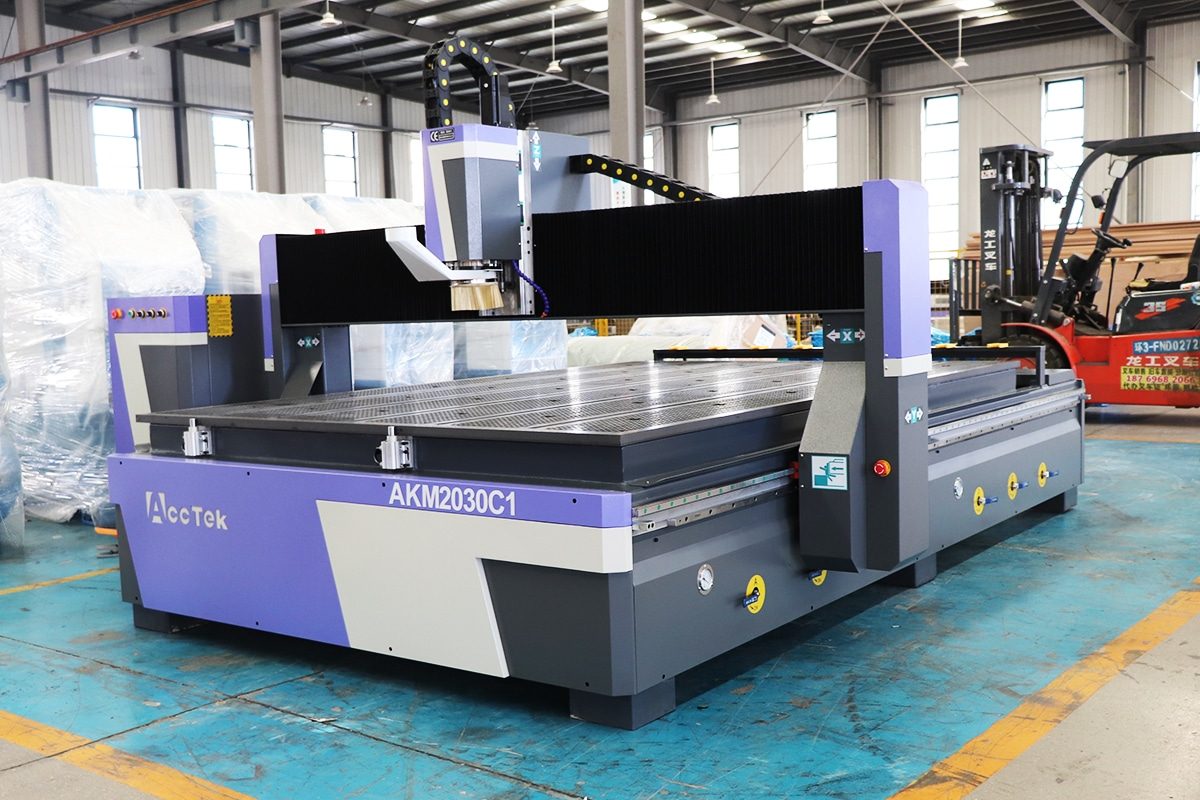
How to Choose CNC Routers
Choosing the right CNC router is a crucial decision for anyone involved in woodworking, sign making, metal fabrication, or industrial manufacturing. CNC (Computer Numerical Control) routers are a powerful machine that automates cutting, carving, engraving, and shaping processes with high precision and efficiency. With the rapid advancement of manufacturing technology, CNC routers have become essential tools for both small workshops and large production facilities. However, with so many models, specifications, and configurations available on the market, selecting the most suitable CNC router can be challenging, especially for beginners.
Understanding how to choose CNC routers requires more than simply comparing prices or machine sizes. Buyers must carefully evaluate several key factors, including the materials they plan to process, the required working area, spindle power, control systems, machine structure, and overall production needs. Each of these elements plays an important role in determining the machine’s performance, durability, and long-term value. For example, a small hobbyist working with wood and plastics may require compact desktop CNC routers, while an industrial manufacturer cutting aluminum or composite panels may need a heavy-duty machine with higher spindle power and greater rigidity.
In addition, modern CNC routers come with a wide range of optional features, including automatic tool changers, vacuum tables, dust collection systems, and advanced software integration. While these features can significantly improve efficiency and productivity, they also affect the overall cost of the machine. Therefore, understanding which features are necessary—and which are optional—can help buyers make smarter investment decisions.
This guide will walk you through the essential considerations when selecting CNC routers. By understanding the key components, technical specifications, and application requirements, you will be better equipped to choose a machine that fits your workflow, budget, and long-term production goals. Whether you are a hobbyist, a small business owner, or an industrial manufacturer, making an informed choice will ensure you get the most value and performance from your CNC router investment.
Table of Contents
Understanding CNC Routers
Before choosing the right machine, it is essential to develop a clear understanding of what CNC routers are and how they function. CNC routers are advanced manufacturing tools that combine mechanical engineering, computer programming, and automation technology to perform precise cutting and shaping tasks. These machines have transformed many industries by improving productivity, reducing manual labor, and enabling complex designs to be produced with high accuracy and consistency.
Understanding CNC routers also helps buyers evaluate machine quality, performance capabilities, and long-term value. Many first-time buyers focus mainly on price or machine size, but the true performance of CNC routers depends on their working principles and the quality of their key components. By learning the basic concepts behind CNC routers, users can make more informed purchasing decisions and select equipment that matches their production requirements.
What Are CNC Routers
CNC routers are computer-controlled cutting machines designed to process materials such as wood, plastics, foam, acrylic, composites, and certain non-ferrous metals like aluminum. The term CNC stands for Computer Numerical Control, meaning that the machine’s movements and operations are directed by digital instructions rather than manual control.
The machining process begins with the creation of a digital design using CAD (Computer-Aided Design) software. This design is then converted into machine instructions through CAM (Computer-Aided Manufacturing) software. The instructions are usually expressed in a programming language known as G-code, which tells the CNC router exactly how to move its cutting tool along different axes, how fast to cut, and how deep the tool should penetrate the material.
Once the program is loaded into the machine’s control system, the CNC router automatically follows the programmed path. The cutting tool, mounted on a rotating spindle, moves across the workpiece to carve shapes, cut parts, engrave patterns, or drill holes with exceptional precision. This automation allows operators to produce complex designs repeatedly with minimal variation.
CNC routers are widely used across numerous industries. In woodworking and furniture manufacturing, they are commonly used to produce cabinets, doors, decorative panels, and custom furniture components. In the advertising industry, CNC routers are used to cut signage, acrylic letters, and display boards. They are also frequently used in mold making, plastic fabrication, aerospace prototyping, and composite material processing.
One of the major advantages of CNC routers is their ability to handle intricate designs that would be extremely difficult to achieve using manual tools. Curved shapes, detailed engravings, and repeated patterns can be produced with high accuracy and efficiency. Additionally, CNC routers significantly reduce production time and material waste, making them an important tool in modern digital manufacturing.
CNC routers come in a variety of configurations to suit different applications. Small desktop machines are commonly used by hobbyists, small workshops, and educational institutions. Mid-size machines are popular among small and medium-sized businesses that require moderate production capacity. Large industrial CNC routers are designed for heavy-duty manufacturing and continuous operation in factories.
Some advanced machines also feature additional capabilities such as automatic tool changers (ATC), rotary axes for cylindrical carving, multi-spindle configurations, and smart control systems. These features allow manufacturers to improve efficiency, reduce manual intervention, and expand the range of tasks the machine can perform.
Key Components of CNC Routers
CNC routers are made up of several critical components that work together to perform precise machining operations. Each component plays a unique role in ensuring the machine operates accurately, efficiently, and reliably. Understanding these components helps buyers evaluate machine quality and determine whether a particular model is suitable for their intended applications.
One of the most fundamental parts of the machine is the machine frame. The frame forms the structural base that supports the entire system. It must be strong and rigid enough to withstand the forces generated during cutting. High-quality CNC routers often use welded steel frames or cast iron structures to minimize vibration and maintain stability. A rigid frame helps improve cutting accuracy and prolongs the life of the machine.
The gantry system is another major structural component. The gantry is the bridge-like structure that spans across the machine and supports the spindle assembly. It moves along the X and Y axes to position the cutting tool over the workpiece. A well-designed gantry ensures smooth movement and precise positioning, which is essential for producing high-quality machining results.
The spindle is one of the most important functional components of CNC routers. It is responsible for rotating the cutting tool at high speeds. The spindle’s power rating directly affects the machine’s cutting capability. Low-power spindles are suitable for soft materials and light-duty tasks, while high-power spindles are required for cutting harder materials or performing heavy machining operations. Spindles also vary in speed range and cooling methods, with air-cooled and water-cooled spindles being the most common types.
Another critical element is the motion system, which controls the movement of the machine along its three main axes: X, Y, and Z. The motion system typically consists of linear guide rails, ball screws or rack-and-pinion mechanisms, and motors such as stepper motors or servo motors. High-precision linear guides allow smooth and stable movement, while accurate drive mechanisms ensure precise positioning of the cutting tool.
The control system functions as the brain of the CNC router. It interprets the G-code instructions and coordinates the movements of the motors and spindle. Modern CNC routers may use computer-based controllers, DSP handheld controllers, or advanced industrial control systems. A good control system should provide reliable performance, easy operation, and compatibility with commonly used design and manufacturing software.
The worktable is the surface where materials are placed during machining. Worktables can vary in design depending on the application. Some machines use simple clamping systems to secure materials, while others use vacuum tables that hold materials firmly in place through suction. Vacuum tables are especially useful in high-volume production because they allow materials to be quickly loaded and removed without manual clamping.
In addition to the primary components, CNC routers often include several supporting systems that improve machine performance and working conditions. For example, dust collection systems remove wood chips and debris generated during cutting, helping keep the workspace clean and protecting the machine components. Cooling systems may be used to regulate spindle temperature and prevent overheating. Electrical control cabinets house the machine’s electronic components and ensure stable power distribution.
CNC routers are sophisticated manufacturing machines that integrate computer technology with mechanical cutting systems. By following digital instructions, these machines can perform precise and repeatable machining tasks on a wide range of materials. Their ability to automate complex cutting processes has made them indispensable in industries such as woodworking, advertising, furniture manufacturing, and industrial fabrication.
The overall performance of CNC routers depends heavily on the quality and design of their key components. The frame and gantry provide structural stability, the spindle delivers cutting power, the motion system controls accurate positioning, and the control system manages the machine’s operations. Supporting systems such as worktables, cooling units, and dust collection equipment further enhance efficiency and reliability.
Understanding these components allows users to evaluate CNC routers more effectively when comparing different models. A machine with a strong structure, reliable motion system, and well-designed control system will typically offer better accuracy, durability, and long-term performance. By learning how these parts work together, buyers can select CNC routers that not only meet their current production needs but also support future growth and manufacturing efficiency.
Types of CNC Routers
CNC routers are available in a variety of configurations designed to meet different manufacturing needs, levels of complexity, and production environments. As CNC technology has evolved, manufacturers have developed multiple types of machines that vary in size, structural design, and the number of axes they can move along. Each type of CNC router is suited for specific tasks and industries, ranging from small creative workshops to large-scale industrial manufacturing facilities.
Understanding the different types of CNC routers is essential when selecting the right machine. The type of CNC router you choose will directly influence the kinds of materials you can process, the complexity of the parts you can produce, and the efficiency of your production workflow. Some machines are designed primarily for simple cutting and engraving tasks, while others are capable of producing highly complex three-dimensional shapes.
CNC routers are commonly categorized based on their machine size and axis configuration. Machine size determines the scale of materials that can be processed, while the axis configuration determines how the cutting tool moves and what kinds of geometries the machine can create. Among the most widely used types are desktop CNC routers, 3-axis CNC routers, 4-axis CNC routers, and 5-axis CNC routers. Each of these machines offers distinct advantages and is used in different production scenarios.
Desktop CNC Routers
Desktop CNC routers are compact machines designed for small-scale machining tasks. As the name suggests, these machines are small enough to be placed on a workbench or desktop, making them ideal for environments where space is limited. Despite their smaller size, desktop CNC routers provide impressive functionality and can perform a wide range of cutting and engraving operations.
These machines are commonly used by hobbyists, small business owners, designers, educational institutions, and research laboratories. They are particularly popular in environments where users want to experiment with CNC technology without investing in large industrial equipment. Desktop CNC routers are often used for engraving signs, carving decorative items, creating prototypes, and producing small custom products.
Most desktop CNC routers are designed to process relatively soft materials. Common materials include wood, plywood, MDF, plastics, acrylic, foam, and printed circuit boards (PCBs). Because of their lower spindle power and lighter machine structure, they are generally not suitable for cutting thick metal materials or performing heavy-duty industrial machining tasks.
One of the main advantages of desktop CNC routers is their accessibility. They are typically more affordable than larger machines, making them an attractive option for beginners or small workshops with limited budgets. Many models also feature simplified control systems and beginner-friendly software, which helps new users quickly learn how to operate the machine.
Another advantage is their low power consumption and easy installation. Unlike large industrial CNC routers, desktop machines usually do not require specialized electrical setups or large working spaces. They can be installed in small workshops, classrooms, or even home studios.
However, desktop CNC routers also have limitations. Their working areas are usually small, which restricts the size of the workpieces that can be processed. In addition, their lighter structures may result in lower rigidity, which can affect cutting accuracy when working with harder materials. For these reasons, desktop CNC routers are generally best suited for light-duty machining, prototyping, and creative applications rather than mass production.
Despite these limitations, desktop CNC routers play an important role in the CNC industry. They allow individuals and small businesses to explore digital fabrication, develop prototypes quickly, and produce customized products with relatively low investment.
3-Axis CNC Routers
The 3-axis CNC router is the most common and widely used type of CNC router in manufacturing. It operates along three linear axes: the X-axis, Y-axis, and Z-axis. The X-axis controls movement from left to right, the Y-axis controls movement from front to back, and the Z-axis controls vertical movement up and down.
This three-axis motion system allows the cutting tool to move across the surface of the workpiece and adjust its depth during machining. As a result, 3-axis CNC routers are capable of performing a wide range of tasks, including cutting shapes, engraving designs, drilling holes, and carving relief patterns.
Because of their versatility, 3-axis CNC routers are used in many industries. In woodworking, they are widely used to produce cabinets, furniture components, decorative panels, and wooden doors. In the advertising industry, they are used to create signs, acrylic letters, and display boards. They are also commonly used in plastic processing, mold making, and composite material fabrication.
One of the main advantages of 3-axis CNC routers is their balance between capability and simplicity. These machines are powerful enough to handle most common machining tasks while remaining relatively easy to program and operate. Many operators can learn to use 3-axis CNC routers within a short period of time, especially with modern CAD/CAM software that simplifies the programming process.
Another advantage is cost efficiency. Compared with multi-axis machines, 3-axis CNC routers are typically less expensive to purchase, maintain, and operate. This makes them an ideal choice for small and medium-sized businesses that need reliable CNC machining capabilities without the complexity of advanced multi-axis systems.
However, 3-axis machines do have some limitations. Since the cutting tool approaches the material mainly from a vertical direction, it may be difficult to machine certain complex shapes, undercuts, or multi-sided components without repositioning the workpiece. When multiple surfaces need to be machined, the operator may need to manually rotate or re-clamp the material, which can increase production time.
Despite these limitations, the 3-axis CNC router remains the industry standard for many manufacturing applications due to its reliability, versatility, and affordability.
4-Axis CNC Routers
4-axis CNC routers are an upgraded version of the traditional 3-axis machine. In addition to the X, Y, and Z axes, it includes an additional rotational axis, commonly known as the A-axis. This axis allows the workpiece or the cutting tool to rotate during machining, enabling the machine to process cylindrical or multi-sided objects.
The addition of the fourth axis significantly expands the machine’s capabilities. With rotational movement, the CNC router can carve around curved surfaces and produce detailed three-dimensional structures that would be difficult to achieve with a standard 3-axis machine.
4-axis CNC routers are widely used in industries that require machining of cylindrical or rounded objects. In woodworking, they are commonly used to produce table legs, chair legs, stair railings, columns, and decorative sculptures. In the artistic and architectural industries, these machines are used to create intricate carvings, statues, and ornamental elements.
Another advantage of 4-axis machining is improved efficiency. When producing parts that require machining on multiple sides, the machine can rotate the workpiece automatically instead of requiring the operator to reposition it manually. This reduces setup time, improves accuracy, and increases production efficiency.
There are generally two configurations of 4-axis CNC routers. One configuration uses the fourth axis mainly as an indexing axis, where the machine rotates the workpiece to a fixed angle before machining. The other configuration allows continuous rotation, enabling more complex carving operations on cylindrical surfaces.
Although 4-axis CNC routers provide greater flexibility than 3-axis machines, they also require more advanced programming and operator knowledge. The tool paths used in multi-axis machining are more complex, and operators may need additional training to fully utilize the machine’s capabilities.
Nevertheless, for manufacturers that frequently produce cylindrical or multi-sided components, 4-axis CNC routers can significantly expand production capabilities and improve machining efficiency.
5-Axis CNC Routers
The 5-axis CNC router represents the most advanced level of CNC routing technology. These machines operate along five different axes simultaneously, allowing the cutting tool to approach the workpiece from nearly any direction.
In addition to the three linear axes (X, Y, and Z), 5-axis CNC routers include two additional rotational axes, typically referred to as the A-axis and B-axis or the B-axis and C-axis. These rotational movements allow the spindle or the workpiece to tilt and rotate, enabling the machine to create highly complex three-dimensional geometries.
5-axis CNC routers are widely used in industries that require extremely precise and intricate machining. These include aerospace manufacturing, automotive design, mold and die production, medical device manufacturing, and high-end product prototyping.
One of the greatest advantages of 5-axis machining is the ability to produce complex shapes in a single setup. Traditional machining processes often require multiple setups and repositioning of the workpiece, which increases the risk of alignment errors and extends production time. 5-axis CNC routers can machine multiple surfaces and angles without repositioning the material, resulting in higher efficiency and improved accuracy.
Another benefit is improved surface quality. Because the cutting tool can approach the material from optimal angles, it can maintain better contact with the surface during machining. This results in smoother finishes and more precise details, which is especially important in industries where product quality and aesthetics are critical.
However, 5-axis CNC routers are significantly more complex and expensive than other types of CNC routers. They require advanced control systems, specialized CAD/CAM software, and highly skilled operators. For this reason, these machines are typically used in high-end manufacturing environments where their advanced capabilities justify the higher investment.
CNC routers are available in several different types, each designed to meet specific production requirements and machining complexities. Understanding these types is essential when choosing the right machine for your business or project.
Desktop CNC routers are compact and affordable machines that are well-suited for hobbyists, educational environments, and small workshops. They are ideal for light-duty tasks such as engraving, prototyping, and crafting small customized products.
3-axis CNC routers are the most widely used machines in the industry. They offer a reliable combination of versatility, simplicity, and affordability, making them suitable for a wide range of applications such as woodworking, sign making, and plastic processing.
4-axis CNC routers provide additional flexibility by introducing a rotational axis that allows cylindrical and multi-sided objects to be machined more efficiently. These machines are particularly useful for producing furniture components, sculptures, and decorative architectural elements.
5-axis CNC routers represent the highest level of CNC machining capability. Their ability to move along multiple axes simultaneously allows them to produce extremely complex shapes with exceptional precision and surface quality. These machines are commonly used in advanced manufacturing industries where precision and efficiency are critical.
By understanding the differences between these types of CNC routers, buyers can better evaluate which machine is most suitable for their production needs. The best choice depends on factors such as machining complexity, material type, production volume, available workspace, and budget. Selecting the appropriate type of CNC router ensures efficient production, higher product quality, and long-term operational success.
Determining Your Application Requirements
Before selecting CNC routers, one of the most important steps is carefully defining your specific application requirements. While machine specifications such as spindle power, working area, and price are important, these factors only become meaningful when evaluated in the context of how the machine will actually be used. CNC routers that perform well in one industry or workflow may not be suitable for another. Therefore, understanding your operational needs is essential for making a smart purchasing decision.
Determining your application requirements involves analyzing several critical aspects of your production process. These include the materials you intend to machine, the scale and frequency of your production, and the level of precision and surface quality required for your finished products. Each of these factors directly influences the type of CNC router you should choose, as well as the machine’s structure, spindle power, motion system, and control capabilities.
Failing to evaluate these requirements properly can lead to costly mistakes. For example, purchasing a machine with insufficient power may result in slow cutting speeds and poor machining quality, while investing in an overly advanced system may lead to unnecessary expenses if the machine’s capabilities exceed your actual needs. By carefully assessing your application requirements before purchasing CNC routers, you can ensure that the machine you choose will provide optimal performance, efficiency, and long-term value.
Identifying Materials to Be Processed
The type of material you plan to process is one of the most fundamental considerations when selecting CNC routers. Different materials have unique physical properties such as hardness, density, and thermal behavior. These characteristics directly influence the cutting forces, spindle speed requirements, and structural strength needed for effective machining.
Wood is one of the most commonly processed materials in CNC routing. Materials such as hardwood, softwood, MDF (medium-density fiberboard), plywood, and particleboard are widely used in industries like furniture manufacturing, cabinetry, and decorative woodworking. These materials are relatively easy to cut and typically do not require extremely high spindle power. For many woodworking applications, CNC routers with a moderate spindle power and a stable frame structure can provide excellent performance.
Plastics and synthetic materials are also frequently processed with CNC routers. Materials such as acrylic, PVC, polycarbonate, and ABS are commonly used in signage, product design, and advertising displays. Although these materials are softer than metals, they require careful control of spindle speed and feed rates. Excessive heat generated during cutting can cause plastics to melt or deform, which can affect product quality. Therefore, CNC routers used for plastic machining must provide accurate control of cutting parameters.
Composite materials, including fiberglass, carbon fiber panels, and aluminum composite panels, present additional challenges. These materials are often abrasive and can cause increased tool wear during machining. In such cases, CNC routers with durable components and high-quality cutting tools are necessary to maintain efficiency and accuracy.
Metal processing represents a more demanding application. While many CNC routers are capable of machining non-ferrous metals such as aluminum, brass, and copper, these materials require greater cutting forces and higher machine rigidity. Machines used for metal machining typically require more powerful spindles, stronger frames, and high-precision motion systems to ensure stability and accuracy.
Another important consideration is the thickness and size of the materials you plan to process. Thick materials require deeper cutting capabilities and may require multiple machining passes. Large sheet materials, such as plywood panels or plastic boards, require CNC routers with larger working areas and stable workholding systems.
By clearly identifying the types of materials you will process, you can determine the level of machine power, rigidity, and cutting capability required. This ensures that the CNC router you select will operate efficiently and produce high-quality results.
Production Volume and Workflow
Production volume and workflow structure are also key factors in determining the most suitable CNC router for your needs. The scale of your manufacturing operations influences not only the type of machine required but also the level of automation and efficiency needed to maintain productivity.
For small workshops, startup businesses, or custom fabrication operations, production volumes are often relatively low. These businesses may focus on producing customized products, prototypes, or limited batches of items. In such cases, standard CNC routers without advanced automation features may be sufficient. Simpler machines are typically easier to operate, require less maintenance, and involve lower initial investment costs.
However, as production volume increases, efficiency becomes increasingly important. Businesses that manufacture large quantities of products require CNC routers capable of operating continuously and maintaining consistent output. In these environments, machines with higher spindle power, faster cutting speeds, and durable structural components are essential.
Automation features can significantly improve productivity in high-volume production environments. For example, CNC routers equipped with automatic tool changers (ATC) allow the machine to switch between different cutting tools during a machining program. This eliminates the need for manual tool changes and reduces downtime between operations.
Another important feature for high-volume production is the vacuum worktable. Vacuum tables hold materials securely using suction, allowing operators to load and unload workpieces quickly without using mechanical clamps. This is particularly useful when processing large sheets of wood, plastic, or composite materials.
Efficient workflow planning is also essential. Consider how materials move through your production process, how often setups need to be changed, and how the CNC router will integrate with other equipment in your workshop or factory. Choosing a machine that fits seamlessly into your existing workflow can significantly reduce labor costs and improve production efficiency.
In addition, businesses should consider their long-term growth plans. If you expect production demand to increase in the future, it may be wise to invest in a machine with greater capacity or additional features that support scalability. This approach can help avoid the need for frequent equipment upgrades as your business expands.
Required Precision and Surface Quality
Precision and surface quality requirements are another critical aspect of selecting the right CNC router. Different industries and applications demand different levels of machining accuracy, and the machine you choose must be capable of meeting these standards consistently.
For example, decorative woodworking and sign-making applications often require smooth curves, detailed engravings, and visually appealing finishes. In these cases, the CNC router must be capable of producing clean cuts and fine details without leaving noticeable tool marks.
In contrast, industries such as mold manufacturing, engineering component fabrication, and precision product design require extremely tight dimensional tolerances. Even small deviations from the design specifications can affect the functionality of the final product. CNC routers used in these industries must deliver exceptional accuracy and repeatability.
Several machine components influence precision and surface quality. One of the most important is the motion system, which includes the guide rails, drive mechanisms, and motors that control the movement of the cutting tool. High-quality linear guide rails and precision ball screws ensure smooth and accurate motion along each axis.
The type of motor used also affects machine accuracy. Servo motors typically provide higher precision, faster response times, and smoother motion compared to standard stepper motors. For applications requiring extremely high accuracy, servo-driven systems are often preferred.
Machine rigidity also plays a crucial role. CNC routers with a weak or flexible frame may experience vibration during machining, which can negatively affect both accuracy and surface finish. High-quality machines are constructed using reinforced steel frames or cast iron structures that provide excellent stability during cutting operations.
In addition to machine structure, cutting parameters such as spindle speed, feed rate, and tool selection also influence surface quality. Properly optimized machining settings help produce smooth finishes and reduce the need for additional manual finishing processes such as sanding or polishing.
The machine frame and structural design form the foundation of CNC routers’ performance. While features such as spindle power, control systems, and software capabilities are important, the physical structure of the machine ultimately determines its stability, accuracy, and durability. A well-designed frame provides the rigidity needed to withstand cutting forces and maintain precise tool positioning during machining operations.
Structural rigidity is essential for achieving consistent machining accuracy, high-quality surface finishes, and long-term machine reliability. CNC routers with strong steel or cast iron frames are better equipped to handle demanding workloads and maintain stable performance over time. Proper manufacturing processes, such as stress-relief treatments, further enhance the stability and durability of the machine structure.
The gantry design also plays a critical role in CNC router performance. As the component responsible for supporting and moving the spindle, the gantry must be strong enough to resist deformation while remaining light enough to allow efficient movement. High-quality materials, precision guide rails, and reliable drive systems all contribute to a stable and accurate gantry system.
By carefully evaluating the frame construction and gantry design of CNC routers, buyers can better assess the machine’s structural quality and long-term reliability. Choosing a machine with a rigid frame and well-engineered gantry ensures improved machining accuracy, smoother operation, and greater overall productivity.
Machine Frame and Structural Design
When choosing CNC routers, many buyers focus on specifications such as spindle power, software compatibility, and machine size. However, one of the most fundamental factors that determines the machine’s long-term performance is its frame and structural design. The structural components of CNC routers form the physical foundation that supports all machining operations. A strong and well-engineered structure ensures stability, accuracy, and durability, while a poorly designed structure can lead to vibration, inaccurate cuts, and increased maintenance over time.
During the machining process, the cutting tool applies continuous forces to the material being processed. These forces travel through the spindle, gantry, motion system, and eventually into the machine frame. If the structure is not strong enough to absorb and distribute these forces effectively, the machine may experience unwanted movement or deformation. Even very small structural deflections can significantly affect cutting precision, especially when working with intricate designs or tight tolerances.
Therefore, evaluating the machine frame and structural design is an essential step when selecting CNC routers. Two of the most critical aspects of structural design are structural rigidity and gantry design. These elements determine how well the machine can maintain stability during operation and how accurately it can position the cutting tool.
Importance of Structural Rigidity
Structural rigidity refers to the ability of the CNC router’s frame and supporting components to resist bending, flexing, or vibrating during machining operations. High rigidity ensures that the machine maintains its shape and alignment even when subjected to heavy cutting forces.
A rigid structure is particularly important because CNC machining involves high-speed spindle rotation and continuous tool movement. As the cutting tool engages with the material, it generates forces that can cause vibrations within the machine. If the frame lacks sufficient strength or stability, these vibrations may amplify, resulting in reduced accuracy and poor surface finish.
The base frame of CNC routers is typically constructed from welded steel, cast iron, or heavy-duty steel tubing. These materials are chosen because they provide excellent strength and vibration absorption. Industrial CNC routers often use thick welded steel frames that are designed to support large workpieces and withstand continuous machining operations.
Manufacturing techniques also play a significant role in ensuring structural rigidity. After welding the frame components, many manufacturers perform stress-relief treatments to eliminate internal stresses within the metal. Without this process, the frame may gradually deform over time as internal stresses are released during machine operation. Stress-relieved frames maintain their alignment and dimensional stability even after years of use.
In addition to the base frame, other structural elements such as support columns, crossbeams, and machine beds contribute to overall rigidity. Well-designed CNC routers distribute mechanical forces evenly across the entire structure, minimizing localized stress and reducing the risk of deformation.
The benefits of high structural rigidity are significant. First, it greatly improves machining accuracy. When the machine structure remains stable, the cutting tool follows the programmed tool path precisely, producing parts that closely match the intended design dimensions.
Second, structural rigidity enhances surface finish quality. Vibrations during cutting can cause chatter marks or rough surfaces on the workpiece. A rigid machine structure minimizes vibration, allowing the cutting tool to move smoothly through the material and produce clean, consistent surfaces.
Third, a strong machine frame contributes to long-term reliability and durability. CNC routers are often used in demanding production environments where they operate for many hours each day. A robust structure reduces mechanical wear on critical components such as bearings, guide rails, and drive systems, ultimately extending the machine’s service life.
Structural rigidity becomes even more important when machining harder materials such as aluminum, copper, or composite materials. These materials generate higher cutting forces compared to wood or plastic, requiring a machine with greater structural strength to maintain precision.
Gantry Design
The gantry is another key structural component of CNC routers. It is the horizontal bridge that spans across the machine and carries the spindle assembly. The gantry moves along the machine’s axes to position the cutting tool over the workpiece during machining operations.
Because the gantry supports the spindle, motors, and other moving components, its design has a major impact on the machine’s overall stability and accuracy. A poorly designed gantry can flex or vibrate during operation, leading to positioning errors and reduced machining quality.
A well-engineered gantry must achieve an optimal balance between strength, rigidity, and weight. If the gantry is too heavy, it may reduce the machine’s acceleration and movement speed. This can slow down production and reduce efficiency. On the other hand, if the gantry is too lightweight or poorly reinforced, it may lack the rigidity needed to maintain stability during high-speed cutting operations.
Manufacturers typically construct gantries from materials such as steel, cast iron, or aluminum alloys. Steel gantries provide excellent rigidity and are commonly used in heavy-duty CNC routers designed for industrial applications. Aluminum gantries are lighter and allow faster movement, making them suitable for machines that prioritize high-speed machining. However, the structural design must ensure that the gantry remains sufficiently rigid despite its lighter weight.
Another important aspect of gantry design is how it is supported and guided. The gantry usually moves along precision linear guide rails mounted on both sides of the machine frame. These guide rails ensure smooth and accurate movement along the X-axis and Y-axis. High-quality guide rails reduce friction and help maintain precise positioning during machining.
The drive system used to move the gantry also affects machine performance. Two common drive mechanisms are ball screw systems and rack-and-pinion systems. Ball screw drives offer very high precision and are often used in smaller machines where extreme accuracy is required. Rack-and-pinion drives are more commonly used in large CNC routers because they allow faster movement over longer distances while maintaining good accuracy.
Gantry stability is especially important during high-speed machining. When the spindle rotates at high speeds and the cutting tool moves rapidly across the workpiece, any structural weakness in the gantry can lead to vibration or deflection. A well-designed gantry minimizes these effects and ensures smooth, accurate movement.
Some industrial CNC routers use a double-column gantry design, where the gantry is supported by two strong vertical columns on either side of the machine. This configuration significantly increases rigidity and reduces bending or twisting during operation. Double-column gantry structures are often used in heavy-duty CNC routers designed for machining large or dense materials.
In addition to structural strength, gantry alignment is also critical. The gantry must remain perfectly square relative to the machine bed to ensure accurate tool positioning. Advanced CNC routers often include precision calibration systems to maintain proper alignment and minimize positioning errors.
The machine frame and structural design form the backbone of any CNC router. While features such as spindle power, control systems, and software capabilities are important, the physical structure of the machine ultimately determines its stability, accuracy, and durability. A strong frame and well-designed gantry ensure that the machine can handle the mechanical forces generated during machining while maintaining precise tool positioning.
Structural rigidity is essential for achieving consistent machining results. A rigid frame prevents vibration and deformation, allowing the cutting tool to follow its programmed path accurately. This results in improved dimensional accuracy, smoother surface finishes, and reduced wear on mechanical components. Machines built with heavy-duty steel or cast iron frames and treated with stress-relief processes generally provide superior stability and longevity.
The gantry design also plays a critical role in machine performance. Because the gantry supports the spindle and moves the cutting tool across the workpiece, it must be both strong and precisely engineered. High-quality materials, precision guide rails, and reliable drive systems all contribute to stable and accurate gantry movement.
By carefully evaluating the frame construction and gantry design when choosing CNC routers, buyers can gain valuable insight into the machine’s overall build quality. CNC routers with a rigid frame and robust gantry structure will deliver more reliable performance, greater machining accuracy, and longer service life, making it a more valuable investment for both small workshops and large manufacturing facilities.
Working Area and Table Configuration
When choosing CNC routers, the working area and table configuration are critical factors that directly influence productivity, efficiency, and the types of projects the machine can handle. While many buyers pay close attention to features such as spindle power or control systems, the size and structure of the worktable are equally important because they determine how materials are positioned, secured, and processed during machining.
The working area defines the maximum dimensions of the material that can be machined in a single setup. If the machine’s working area is too small, it may limit the types of products you can manufacture or require additional preparation steps, such as cutting materials into smaller sections. On the other hand, selecting a machine with an excessively large working area may lead to unnecessary costs, increased space requirements, and higher energy consumption.
Equally important is the method used to secure the workpiece to the table. During CNC machining, the cutting tool moves rapidly across the work surface while applying cutting forces to the material. If the workpiece is not held firmly in place, it may shift during machining, resulting in inaccurate cuts, damaged materials, or poor surface quality. Therefore, choosing the correct table configuration and workholding method is essential for achieving consistent and reliable machining results.
Two of the most important considerations when evaluating CNC router tables are selecting the appropriate table size and choosing an effective workpiece holding system, such as vacuum tables or mechanical clamping solutions.
Selecting the Appropriate Table Size
The table size of CNC routers determines the maximum dimensions of materials that can be processed in a single operation. This working area is typically defined by the machine’s X-axis and Y-axis travel, which represent the horizontal movement range of the cutting tool. Selecting the right table size ensures that the CNC router can accommodate the materials used in your production process without unnecessary limitations.
For hobbyists, small workshops, or prototyping environments, compact CNC routers with smaller working areas may be sufficient. These machines are often used for engraving, small carvings, jewelry design, sign making, and custom craft production. Because the materials used in these applications are relatively small, a compact machine can provide adequate performance while occupying minimal workspace.
However, many commercial and industrial applications require significantly larger working areas. Industries such as furniture manufacturing, cabinet production, and signage fabrication often use large sheet materials such as plywood, MDF, acrylic, and composite panels. These materials are commonly available in standardized sheet sizes, and selecting CNC routers with a matching table size allows the entire sheet to be processed in a single operation.
Processing full sheets of material offers several advantages. It reduces the need for pre-cutting materials into smaller sections, which saves time and reduces material waste. It also simplifies production workflows by allowing operators to load a full sheet onto the machine and complete all required machining operations in one setup.
Another factor to consider when selecting table size is production flexibility. Even if your current projects involve relatively small workpieces, choosing a slightly larger working area can provide greater flexibility for future projects. As businesses grow and production needs evolve, having additional capacity allows manufacturers to expand their product offerings without replacing existing equipment.
Workspace limitations should also be considered when selecting CNC routers with a larger table. Larger machines require more floor space, not only for the machine itself but also for safe material handling and operator movement. Adequate clearance around the machine is necessary for loading large sheets, performing maintenance, and ensuring safe operation.
In some production environments, manufacturers use CNC routers with extended or pass-through table designs. These machines allow long materials to be fed through the machine gradually, enabling the processing of workpieces that exceed the nominal working area. This configuration is particularly useful in industries that produce long components such as architectural panels or structural elements.
Ultimately, selecting the appropriate table size involves balancing production requirements, workspace availability, and future growth considerations. A well-chosen working area ensures efficient material handling and allows the CNC router to support a wide range of machining tasks.
Vacuum Tables and Workpiece Holding
In addition to selecting the correct table size, it is equally important to choose an effective method for securing the workpiece during machining. The workholding system must keep the material firmly in place while the cutting tool performs operations such as cutting, drilling, or engraving. Any movement of the workpiece during machining can lead to inaccurate dimensions, damaged parts, or safety risks.
Traditional CNC routers often rely on mechanical clamps, fixtures, or screws to secure materials to the worktable. These methods provide a strong holding force and are particularly useful when working with thick or irregularly shaped materials. Mechanical clamping systems are also relatively simple and inexpensive to implement.
However, mechanical clamps have several limitations. They require manual positioning and adjustment, which increases setup time. In addition, clamps may occupy space on the worktable and restrict the cutting tool’s movement, requiring operators to reposition clamps during machining operations.
To overcome these limitations, many modern CNC routers are equipped with vacuum table systems. Vacuum tables use suction to hold the material firmly against the surface of the worktable. A vacuum pump removes air from beneath the workpiece, creating negative pressure that pulls the material downward and secures it in place.
Vacuum tables provide several significant advantages. One of the most important benefits is faster setup and improved efficiency. Operators can simply place the material on the table and activate the vacuum system, eliminating the need to manually position clamps or fixtures. This is especially valuable in production environments where materials must be loaded and unloaded frequently.
Another advantage is uniform holding pressure across the entire surface of the material. Because the vacuum force is distributed evenly, the workpiece remains flat and stable during machining. This is particularly important when working with thin or flexible materials, which may warp or shift if held unevenly.
Vacuum tables are widely used in industries that process large sheet materials. Furniture manufacturers, for example, often use CNC routers to cut cabinet panels from large plywood or MDF sheets. In the signage industry, acrylic or plastic sheets are commonly processed using vacuum tables to ensure stable positioning during cutting.
Many advanced CNC routers use zoned vacuum tables, where the table surface is divided into multiple independent sections. Each zone can be activated separately depending on the size and position of the workpiece. This design improves vacuum efficiency and allows operators to concentrate suction only where it is needed.
Despite their advantages, vacuum tables require proper maintenance and adequate vacuum pump capacity. Materials with porous surfaces, such as certain types of wood or MDF, may allow air to pass through the material, reducing the effectiveness of the vacuum system. In such cases, operators may use sealing techniques or vacuum pods to improve holding performance.
In some applications, manufacturers combine vacuum tables with additional mechanical clamps or fixtures to provide extra stability during heavy machining operations. This hybrid approach ensures that the workpiece remains securely fixed even when cutting thicker or harder materials.
The working area and table configuration of CNC routers play a fundamental role in determining the machine’s productivity, flexibility, and overall machining performance. Selecting the appropriate table size ensures that the machine can accommodate the materials used in production while providing sufficient capacity for future projects. Well-sized working areas allow operators to process materials efficiently without unnecessary preparation or repositioning.
Equally important is the workholding system used to secure materials during machining. Reliable workpiece holding prevents movement during cutting operations and ensures that the machine maintains accurate tool paths. Traditional mechanical clamps provide a strong holding force and are suitable for many applications, but they can increase setup time and limit tool movement.
Vacuum table systems offer a more efficient solution for many modern manufacturing environments. By using suction to hold materials securely in place, vacuum tables allow faster setup, improved material stability, and greater operational efficiency, especially when processing large sheet materials.
By carefully evaluating both the working area and the workholding system, buyers can choose CNC routers that support their production workflow and ensure consistent machining quality. A properly configured table setup not only improves operational efficiency but also contributes to better accuracy, reduced setup time, and more reliable manufacturing results.
Spindle Selection
The spindle is one of the most critical components of CNC routers because it directly performs the cutting, engraving, drilling, and carving operations on the material. In simple terms, the spindle is the motor that rotates the cutting tool at high speeds, allowing the machine to remove material accurately and efficiently. The performance of the spindle greatly influences cutting speed, machining precision, surface quality, and overall production efficiency. For this reason, selecting the appropriate spindle is an essential step when choosing CNC routers.
A well-matched spindle ensures that the machine can process materials smoothly while maintaining stable performance during long machining cycles. If the spindle power is too low, the machine may struggle to cut harder materials or thicker workpieces, leading to slower production speeds and increased tool wear. On the other hand, choosing a spindle that is too powerful for the intended application may increase costs unnecessarily and consume more energy without providing significant practical benefits.
In addition to power, factors such as spindle speed, torque, durability, and cooling methods also affect machining performance. Spindles operate at very high rotational speeds and generate substantial heat during operation, so proper cooling and temperature control are essential to maintain stability and prevent damage.
When evaluating spindle options for CNC routers, two of the most important aspects to consider are spindle power and spindle cooling methods. Understanding these factors helps ensure that the machine can deliver the cutting performance, reliability, and longevity required for your production environment.
Spindle Power
Spindle power is usually measured in kilowatts (kW) and indicates the amount of mechanical power the spindle motor can deliver to rotate the cutting tool. The appropriate spindle power depends primarily on the type of materials being processed, the thickness of those materials, and the speed and efficiency required for the machining operation.
For light-duty applications such as engraving, sign making, or small decorative carving projects, lower-power spindles are often sufficient. Small desktop CNC routers or hobby machines typically use spindles ranging from 0.8 kW to 1.5 kW. These spindles can effectively process materials such as soft wood, foam, plastics, and thin acrylic sheets. Because the cutting forces involved in these applications are relatively low, a smaller spindle can provide adequate performance while keeping energy consumption and machine costs relatively low.
For more demanding woodworking tasks, such as cabinet manufacturing, furniture production, and large decorative carvings, a 2.2 kW to 4.5 kW spindle is commonly used. These mid-range spindles offer greater cutting power and can handle thicker wooden materials, MDF boards, and plywood panels more efficiently. They also allow faster cutting speeds, which helps improve productivity in commercial workshops.
Industrial CNC routers designed for heavy-duty production often use high-power spindles ranging from 5.5 kW to 9 kW or even higher. These spindles are capable of machining dense hardwoods, composite materials, and certain non-ferrous metals such as aluminum and brass. Higher spindle power allows deeper cuts, higher feed rates, and improved machining efficiency when processing challenging materials.
In addition to power, spindle speed and torque also play important roles in machining performance. Most CNC router spindles operate at speeds between 12,000 and 24,000 revolutions per minute (RPM). Higher spindle speeds are ideal for cutting softer materials such as wood or plastic because they produce smoother finishes and faster cutting performance. However, when machining metals or dense materials, lower spindle speeds combined with higher torque may be required to prevent excessive heat and tool wear.
Selecting the correct spindle power also affects tool life and machining stability. If the spindle does not provide sufficient power, the cutting tool may experience excessive resistance during machining. This can cause overheating, vibration, and premature tool wear. In extreme cases, it may even cause the cutting tool to break.
Another consideration is the duty cycle of the spindle. Industrial-grade spindles are designed to operate continuously for long periods, making them suitable for high-volume manufacturing environments. Smaller spindles may be more appropriate for intermittent use in small workshops or hobby settings.
Ultimately, selecting the right spindle power involves balancing machining requirements, production speed, and operational costs. A spindle that is properly matched to the application will ensure efficient cutting performance, improved surface quality, and reliable long-term operation.
Spindle Cooling Methods
Because CNC router spindles operate at extremely high rotational speeds, they generate significant amounts of heat during operation. If this heat is not properly dissipated, it can lead to overheating, reduced machining accuracy, and potential damage to the spindle bearings and internal components. To maintain stable performance and extend the lifespan of the spindle, effective cooling systems are essential.
The two most common cooling methods used in CNC router spindles are air cooling and water cooling. Each method offers different advantages and is suitable for different working environments.
Air-cooled spindles use built-in fans to circulate air around the spindle housing, allowing heat to dissipate naturally into the surrounding environment. This cooling method is relatively simple and does not require additional equipment such as pumps or coolant reservoirs. Because of their straightforward design, air-cooled spindles are generally easier to install and maintain.
Air-cooled spindles are commonly used in small and medium-sized CNC routers, especially in woodworking and light machining applications. They are particularly suitable for workshops where simplicity and portability are important considerations. Since these spindles rely only on airflow for cooling, they can operate effectively in a variety of environments without requiring a complex cooling system.
Another advantage of air-cooled spindles is that they can perform well in colder environments where water-based cooling systems might face freezing issues. This makes them a practical choice for workshops located in colder climates.
However, air-cooled spindles typically generate more noise due to the cooling fan. Additionally, their cooling efficiency may be slightly lower than that of water-cooled spindles during prolonged high-speed machining operations.
Water-cooled spindles use circulating liquid coolant to regulate spindle temperature. A water pump circulates coolant through internal channels within the spindle housing, absorbing heat and carrying it away from the motor components. This method provides more efficient and stable temperature control compared to air cooling.
One of the main advantages of water-cooled spindles is consistent temperature regulation. Because the coolant continuously removes heat from the spindle, the operating temperature remains stable even during extended machining cycles. This stability helps maintain machining accuracy and protects internal components from thermal damage.
Another benefit of water-cooled spindles is quieter operation. Since these systems do not rely on high-speed cooling fans, they produce significantly less noise during operation. This makes them particularly suitable for indoor workshops or production environments where noise reduction is important.
Water-cooled spindles are often used in industrial CNC routers that operate continuously for long periods. Their efficient cooling systems allow them to handle heavy workloads without overheating, making them ideal for demanding manufacturing applications.
However, water-cooled systems require additional equipment such as pumps, tubing, and coolant reservoirs. These components must be properly maintained to ensure reliable operation. Operators must regularly check the coolant level and ensure that the circulation system remains clean and free from blockages. In colder climates, antifreeze solutions may also be necessary to prevent the coolant from freezing.
When choosing between air-cooled and water-cooled spindles, buyers should consider the working environment, maintenance capabilities, production workload, and noise requirements.
The spindle is the heart of CNC routers and plays a decisive role in determining the machine’s cutting performance, efficiency, and reliability. Selecting the appropriate spindle ensures that the CNC router can process the intended materials effectively while maintaining stable operation and consistent machining quality.
Spindle power determines the machine’s cutting capability and should be selected based on the hardness and thickness of the materials being processed. Lower-power spindles are suitable for light-duty tasks such as engraving and soft material processing, while higher-power spindles are required for heavy-duty applications involving dense woods, composites, or metals.
Cooling methods are equally important for maintaining spindle stability and extending its service life. Air-cooled spindles offer simple installation and minimal maintenance, making them suitable for many general-purpose applications. Water-cooled spindles provide superior temperature control and quieter operation, which makes them ideal for continuous production environments and precision machining tasks.
By carefully evaluating spindle power and cooling methods, buyers can select a spindle that matches their specific machining requirements and working conditions. A well-chosen spindle not only improves cutting efficiency and product quality but also enhances the overall reliability and longevity of the CNC router.
Motion System and Drive Components
The motion system is one of the most important technical aspects of CNC routers because it determines how accurately and smoothly the machine can move during machining operations. While the spindle performs the cutting work, the motion system ensures that the cutting tool follows the programmed tool path with precision. Every movement along the X, Y, and Z axes depends on the coordination of mechanical components such as guide rails, drive mechanisms, and motors.
In CNC machining, even very small positioning errors can affect the final product. If the motion system is not precise or stable, the cutting tool may deviate slightly from the programmed path. This can lead to dimensional inaccuracies, poor surface finish, and wasted materials. Therefore, high-quality motion components are essential for maintaining consistent machining accuracy and improving production efficiency.
Typical CNC routers’ motion system consists of three key components: linear guide rails, drive mechanisms such as ball screws or rack-and-pinion systems, and motor systems that control the movement of the machine axes. These components work together to convert digital instructions from the control system into precise mechanical motion.
Understanding how these motion components function and how they influence machine performance is essential when choosing CNC routers.
Linear Guide Rails
Linear guide rails are critical components that guide the movement of the CNC router’s moving parts, including the gantry and spindle assembly. They provide a stable and precise path along which the machine components travel during machining operations.
In typical CNC routers, linear guide rails are installed along the X-axis and Y-axis to guide the movement of the gantry across the machine bed. Additional guide rails are mounted along the Z-axis to control the vertical movement of the spindle. These rails work together with sliding blocks or bearing carriages that move smoothly along the rail surfaces.
The primary purpose of linear guide rails is to ensure accurate and stable movement while minimizing friction. High-quality guide rails are usually manufactured from hardened steel and machined with extremely tight tolerances. This ensures that the rails remain perfectly straight and maintain consistent alignment across the entire length of the machine.
Modern linear guide systems typically use recirculating ball bearings or roller bearings inside the sliding blocks. These rolling elements allow the carriage to move smoothly along the rail while supporting heavy loads. Because rolling contact produces much less friction than sliding contact, the machine can move efficiently while maintaining precise positioning.
One of the most important benefits of linear guide rails is their high rigidity and load-bearing capacity. During machining, the cutting tool generates forces that are transmitted through the spindle and gantry to the guide rails. High-quality guide rails distribute these forces evenly and maintain structural stability, which helps prevent vibration or deflection.
Linear guide rails also contribute significantly to machining accuracy and repeatability. Since the rails maintain precise alignment of the machine components, the cutting tool can follow the programmed tool path with minimal deviation. This ensures that repeated machining operations produce consistent results.
Another advantage is improved surface finish quality. When the motion system moves smoothly and without vibration, the cutting tool can engage the material evenly, producing clean edges and smooth surfaces. Poor-quality guide rails, on the other hand, may introduce small vibrations that lead to visible tool marks on the workpiece.
Because linear guide rails operate under continuous movement and heavy loads, proper lubrication and maintenance are essential to ensure long service life. Well-maintained guide rails can operate reliably for many years while maintaining high levels of accuracy.
Ball Screws and Rack Systems
The drive mechanism of CNC routers converts the rotational motion produced by the motors into linear motion along the machine axes. Two of the most widely used drive systems in CNC routers are ball screw drives and rack-and-pinion drives. Each system offers different advantages depending on the size of the machine and the required machining performance.
Ball screw systems are commonly used in CNC machines that require high precision and smooth motion. A ball screw consists of a threaded shaft and a ball nut that contains recirculating ball bearings. As the screw rotates, the ball bearings roll along the threads, causing the nut to move linearly along the shaft.
One of the main advantages of ball screw systems is their exceptional positioning accuracy. Because the ball bearings reduce friction and maintain constant contact between the nut and the screw threads, the system can achieve very precise linear movement. This makes ball screws ideal for applications where tight tolerances and detailed machining are required.
Ball screw systems also provide minimal backlash, which refers to the small amount of free movement that can occur when the direction of motion changes. In CNC machining, minimizing backlash is essential for maintaining accurate tool positioning and preventing dimensional errors.
Another benefit of ball screw drives is their high mechanical efficiency. Since rolling ball bearings are used instead of sliding surfaces, energy loss due to friction is minimized. This allows the motor’s power to be transmitted more efficiently to the machine axis.
However, ball screw systems are generally more suitable for smaller or medium-sized CNC routers. In machines with very large working areas, long ball screws may experience vibration or reduced stability at high speeds. For this reason, large CNC routers often use rack-and-pinion systems instead.
Rack-and-pinion systems consist of a straight gear rack mounted along the machine axis and a rotating pinion gear attached to the motor. As the motor rotates the pinion, the gear moves along the rack, producing linear motion.
Rack-and-pinion drives are particularly effective for large-format CNC routers with long travel distances. They allow the machine to move quickly and efficiently across large worktables without the limitations associated with long ball screws.
Another advantage of rack systems is their ability to support high-speed movement, which is important for improving production efficiency. Large CNC routers used in industries such as furniture manufacturing or signage production often require rapid movement between machining positions, and rack-and-pinion systems enable faster axis travel.
Although rack systems may not always achieve the same ultra-high precision as ball screws, modern high-quality rack-and-pinion systems can still deliver excellent accuracy for most industrial applications.
Motor Systems
The motor system provides the driving force that moves the CNC router along its axes. Motors work in coordination with the drive mechanisms and control system to ensure that the machine follows the programmed tool path accurately and efficiently.
Two main types of motors are commonly used in CNC routers: stepper motors and servo motors.
Stepper motors are widely used in entry-level and mid-range CNC routers because they are relatively simple, reliable, and affordable. These motors move in discrete steps, meaning the motor rotates a fixed angle for each control signal it receives. By controlling the number of steps, the system can accurately position the machine axis.
One advantage of stepper motors is their simplicity of control. They do not require complex feedback systems, making them easier to implement and maintain. For applications such as woodworking, engraving, and light machining tasks, stepper motors provide adequate accuracy and performance.
However, stepper motors also have certain limitations. At high speeds or under heavy loads, they may lose synchronization with the control system and skip steps. This can result in positioning errors if the system does not detect the lost steps.
Servo motors offer a more advanced motion control solution. Unlike stepper motors, servo motors operate using a closed-loop feedback system that continuously monitors the motor’s position, speed, and torque. This feedback allows the control system to adjust the motor’s movement in real time, ensuring highly accurate positioning.
Servo motors provide several important advantages. They deliver higher speeds, greater torque, and improved accuracy compared to stepper motors. Because they constantly monitor their own position, they can detect and correct errors immediately, which improves machining reliability.
Another benefit of servo motors is their smooth acceleration and deceleration. This reduces mechanical stress on the machine components and allows the CNC router to move more efficiently during high-speed machining operations.
Due to their advanced performance and reliability, servo motors are commonly used in industrial-grade CNC routers that require high precision and continuous operation.
The motion system and drive components of CNC routers play a vital role in determining the machine’s precision, speed, and overall performance. These components translate the digital instructions generated by the control system into accurate mechanical movement along the machine’s axes.
Linear guide rails provide the stable pathways that guide the movement of the gantry and spindle assembly. Their precision and rigidity help maintain accurate positioning while minimizing vibration and friction during machining operations.
Drive mechanisms such as ball screws and rack-and-pinion systems convert motor rotation into linear motion. Ball screw systems offer exceptional accuracy and smooth movement, making them ideal for precision machining applications. Rack-and-pinion systems, on the other hand, provide faster movement and greater efficiency for large-format CNC routers.
Motor systems supply the power that drives the machine’s movement. Stepper motors offer a cost-effective solution for many general machining tasks, while servo motors deliver superior performance, higher speeds, and greater accuracy for demanding industrial environments.
By carefully evaluating these motion system components when choosing CNC routers, buyers can ensure that the machine delivers the precision, reliability, and efficiency required for their specific production needs. A well-designed motion system ultimately contributes to better machining quality, higher productivity, and longer machine lifespan.
Control System and Software
The control system and software environment are fundamental components of any CNC router because they determine how efficiently and accurately the machine can execute machining operations. While the mechanical structure of the machine—such as the frame, spindle, and motion system—provides the physical capability for cutting and carving materials, the control system acts as the central command unit that coordinates all machine functions.
In CNC machining, every movement of the machine must be precisely controlled according to digital instructions generated from design software. The control system interprets these instructions and converts them into signals that drive the machine’s motors, regulate spindle speed, and control tool movement. Without a reliable control system, even the most advanced mechanical components cannot perform effectively.
Modern CNC routers rely heavily on the integration of hardware controllers and specialized software tools. The control system must process large amounts of data in real time while maintaining accurate synchronization between different machine axes. At the same time, the software used to design and generate machining instructions must be compatible with the machine’s controller to ensure seamless communication.
When evaluating CNC routers, it is important to consider both the CNC controller and the software ecosystem that supports the machine. Two key aspects of this evaluation include the capabilities of the CNC controller itself and the machine’s compatibility with commonly used CAD (Computer-Aided Design) and CAM (Computer-Aided Manufacturing) software.
CNC Controllers
The CNC controller is the core component responsible for managing all machine operations. It receives digital machining instructions—typically in the form of G-code—and translates them into precise commands that control the motion of the machine’s motors, the rotation speed of the spindle, and the coordination of multiple axes.
In essence, the CNC controller functions as the brain of the CNC router, ensuring that the machine executes the programmed tool path accurately and efficiently. It continuously calculates axis movements and sends signals to the drive systems, ensuring that each movement occurs at the correct speed, position, and timing.
There are several types of CNC controllers available, each designed for different levels of machining complexity and production environments.
One common type is the PC-based controller, which relies on software running on an external computer to control the CNC machine. In this configuration, the operator loads the G-code file into the control software, which then communicates with the machine through a control interface. PC-based systems are widely used in entry-level and mid-range CNC routers because they are relatively affordable and easy to configure.
Another widely used option is the DSP (Digital Signal Processing) controller, often provided as a handheld device. DSP controllers allow the CNC router to operate independently without requiring a dedicated computer connection. The machining program is typically transferred to the controller through a USB drive or memory card. Operators can then control the machine directly using the handheld interface.
DSP controllers are particularly popular in woodworking and signage applications because they are easy to use, portable, and reliable. Their standalone operation also reduces the risk of communication interruptions that may occur when using computer-based control systems.
For industrial CNC routers, manufacturers often use advanced industrial controllers that offer greater processing power and enhanced motion control capabilities. These controllers are designed for high-speed machining and complex multi-axis operations. They typically include touchscreen interfaces, advanced programming features, and integrated diagnostics that allow operators to monitor machine performance in real time.
Industrial controllers also support advanced automation features such as automatic tool changers (ATC), spindle speed optimization, and dynamic feed rate adjustments. These capabilities help improve productivity and enable the machine to perform more complex machining operations.
A high-quality CNC controller provides several important benefits. First, it ensures precise motion control by accurately coordinating the movement of all machine axes. This is essential for producing parts with tight dimensional tolerances and intricate design details.
Second, it improves operational stability. CNC routers often run continuously for long production cycles, and a reliable controller ensures consistent machine performance without unexpected system errors or communication failures.
Third, advanced controllers provide user-friendly interfaces that simplify machine operation. Clear graphical displays, intuitive menus, and programmable shortcuts help operators quickly set up machining tasks and monitor machine performance.
CAD and CAM Software Compatibility
In addition to the CNC controller, the software used to design and generate machining instructions is equally important. CNC routers rely on a combination of CAD and CAM software to convert digital designs into machine-readable instructions.
The CNC machining workflow typically begins with CAD (Computer-Aided Design) software. Designers use CAD programs to create detailed drawings or three-dimensional models of the parts they want to produce. These designs define the shape, dimensions, and structural features of the final product.
CAD software is widely used across many industries, including woodworking, furniture manufacturing, product design, and engineering. Popular CAD programs include AutoCAD, SolidWorks, Fusion 360, and other professional design tools. These programs allow designers to create highly detailed digital models that can be easily modified or optimized before manufacturing begins.
Once the design is completed, it is imported into CAM (Computer-Aided Manufacturing) software. The CAM software converts the digital model into machining instructions by calculating the tool paths required to produce the part. The program determines factors such as cutting direction, feed rate, spindle speed, and tool selection.
CAM software also allows users to simulate the machining process before running the program on the CNC router. Simulation tools display how the cutting tool will move across the material and identify potential issues such as tool collisions or inefficient cutting paths. This helps reduce errors and ensures that the machining process runs smoothly.
After generating the tool path, the CAM software exports the instructions as G-code, which is the standard programming language used by most CNC machines. This G-code file is then transferred to the CNC controller, which executes the instructions during machining.
Compatibility between the CNC router and CAD/CAM software is extremely important. A machine that supports widely used software platforms allows operators to integrate the CNC router into existing design and production workflows without additional complications.
Many CNC routers are designed to support standard G-code formats, which allows them to work with a wide range of CAD/CAM programs such as Fusion 360, VCarve, Aspire, Mastercam, and ArtCAM. This flexibility enables users to choose software that best fits their specific applications and level of experience.
Another important consideration is the post-processor used by the CAM software. The post-processor converts the tool path data into G-code that is compatible with a specific CNC controller. Most CAM software packages provide multiple post-processors designed for different controllers, making it easier to integrate the software with the machine.
Some CNC router manufacturers also provide proprietary software solutions that are optimized for their machines. These software packages may include simplified design tools, automatic nesting functions for sheet materials, and specialized features tailored for specific industries.
In industries such as furniture manufacturing and cabinet production, nesting software is particularly useful because it automatically arranges multiple parts within a sheet of material to maximize material usage and minimize waste.
The control system and software environment are essential elements that determine how effectively CNC routers can convert digital designs into finished products. While mechanical components provide the physical capability for machining, the control system ensures that the machine executes each movement with precision and reliability.
CNC controllers serve as the central command unit of the machine. They interpret G-code instructions, coordinate motor movements, control spindle speed, and manage advanced automation functions. A high-quality controller ensures stable operation, accurate motion control, and efficient machining performance.
Equally important is compatibility with CAD and CAM software. These software tools allow users to design parts, generate tool paths, and convert digital models into machine instructions. CNC routers that support widely used design and manufacturing software provide greater flexibility and easier integration into modern production workflows.
By selecting CNC routers with a reliable control system and strong software compatibility, buyers can ensure smooth operation, improved productivity, and greater efficiency in their manufacturing processes.
Tooling and Cutting Tools
In CNC routing, the cutting tools—commonly referred to as router bits—are the components that directly interact with the material during machining. While the CNC router itself provides the structure, motion control, and spindle power necessary for cutting operations, the actual quality of the machining process depends heavily on the cutting tools used. The geometry, material composition, and surface treatment of a router bit determine how efficiently it removes material, how smooth the finished surface will be, and how long the tool can operate before wearing out.
Selecting the right tooling is therefore essential for achieving optimal machining performance. Using an inappropriate tool for a particular material or operation can lead to rough edges, excessive heat generation, increased tool wear, and even damage to the workpiece. Conversely, choosing the correct cutting tool can significantly improve machining efficiency, enhance product quality, and reduce operating costs.
CNC router tooling must also match the characteristics of the material being processed. Different materials—such as wood, plastics, composites, and metals—require different cutting geometries and tool materials to achieve the best results. Additionally, factors such as spindle speed, feed rate, and cutting depth must be coordinated with the chosen tool to ensure stable machining.
Two of the most important considerations when selecting CNC router tooling are the type of router bit used for the machining operation and the material and protective coatings applied to the cutting tool. Understanding these aspects helps operators maximize cutting performance while extending tool life.
Types of CNC Router Bits
CNC router bits are available in a wide range of shapes and cutting geometries, each designed for specific machining operations and materials. The geometry of the cutting edges influences chip removal, cutting efficiency, and the overall quality of the finished surface.
One of the most basic and widely used router bits is the straight bit. Straight bits feature cutting edges that run parallel to the shaft of the tool. They are commonly used for general-purpose machining tasks such as cutting grooves, slots, and simple shapes in wood or plastic materials. Straight bits are often chosen for their simplicity and versatility, especially in woodworking applications.
Another commonly used type is the spiral bit, which features helical cutting edges similar to those found on drill bits. Spiral bits are widely used in CNC machining because their design improves chip removal and reduces cutting resistance. There are two main types of spiral bits: upcut spiral bits and downcut spiral bits.
Upcut spiral bits pull chips upward and away from the cutting area as the tool rotates. This design improves chip evacuation and helps keep the cutting area clean. Upcut bits are particularly useful when cutting deeper slots or pockets because they allow chips to escape easily from the machining area. However, they may sometimes cause slight splintering on the top surface of certain materials.
Downcut spiral bits push chips downward into the material during cutting. This downward pressure helps prevent surface tearing and produces clean edges on the top surface of the workpiece. Downcut bits are commonly used when machining laminated materials, plywood, or veneers, where surface appearance is important.
A variation that combines the benefits of both designs is the compression bit. Compression bits feature an upcut design at the lower portion of the tool and a downcut design at the upper portion. This combination compresses the material from both directions during cutting, resulting in clean edges on both the top and bottom surfaces of the workpiece. Compression bits are widely used in industries such as cabinet manufacturing and furniture production, where laminated boards and plywood are commonly processed.
For detailed engraving and decorative work, V-bits are frequently used. These bits have a pointed tip and angled cutting edges that allow them to carve sharp lines and intricate patterns into the material. V-bits are commonly used in sign making, decorative woodworking, and artistic engraving.
For three-dimensional machining and contouring, ball nose bits are often the preferred choice. These bits feature a rounded tip that allows the tool to move smoothly along curved surfaces. Ball nose bits are widely used in applications such as mold making, 3D carving, and sculptural work where smooth, flowing contours are required.
Other specialized router bits include chamfer bits, which are used to create beveled edges on workpieces, and flush trim bits, which allow materials to be trimmed precisely along a template or reference surface. Each of these specialized tools plays an important role in specific machining tasks.
Choosing the appropriate router bit for each operation helps ensure efficient cutting, reduced tool wear, and high-quality machining results.
Tool Material and Coatings
In addition to tool geometry, the material used to manufacture CNC router bits greatly influences their durability, cutting performance, and resistance to wear. Cutting tools must be strong enough to withstand the forces generated during machining while maintaining sharp cutting edges over extended periods of use.
One of the most commonly used tool materials is high-speed steel (HSS). HSS tools are relatively affordable and provide good cutting performance for softer materials such as wood, plastics, and certain soft metals. They are often used in light-duty applications and smaller CNC routers where cost efficiency is an important consideration.
However, high-speed steel tools tend to lose their sharpness more quickly when used for heavy machining tasks or when cutting harder materials. As a result, many CNC router applications rely on carbide cutting tools for improved durability.
Carbide tools are typically made from tungsten carbide, a material known for its exceptional hardness and wear resistance. Carbide cutting tools can maintain sharp edges for much longer than HSS tools, making them well-suited for high-speed machining and continuous production environments.
CNC router bits are often available as solid carbide tools or carbide-tipped tools. Solid carbide tools are made entirely from tungsten carbide and offer excellent rigidity and durability. Carbide-tipped tools consist of a steel body with carbide cutting edges attached to the tip, providing a balance between strength and cost.
To further enhance performance, many CNC router bits are treated with protective coatings. These coatings improve the tool’s resistance to wear, reduce friction during cutting, and help manage heat generated during machining.
One common coating is titanium nitride (TiN). This coating increases the hardness of the tool surface and reduces friction between the cutting tool and the workpiece. Tools coated with TiN typically have a longer lifespan and improved cutting efficiency.
Another advanced coating is titanium aluminum nitride (TiAlN). This coating offers excellent resistance to heat and oxidation, making it particularly useful for high-speed machining applications. TiAlN-coated tools can maintain their cutting performance even at elevated temperatures.
For machining highly abrasive materials, specialized coatings such as diamond-like carbon (DLC) or polycrystalline diamond (PCD) are sometimes used. These coatings provide extremely high wear resistance and are particularly useful when machining composite materials, laminates, and abrasive plastics.
Selecting the correct combination of tool material and coating ensures that the cutting tool can withstand the specific conditions of the machining process while maintaining consistent performance.
Tooling and cutting tools are essential components of CNC routing because they directly determine how materials are cut, shaped, and finished during machining operations. While the CNC router provides the mechanical motion and power needed for machining, the cutting tools ultimately define the efficiency and quality of the cutting process.
Different types of CNC router bits are designed for specific machining tasks. Straight bits are commonly used for general cutting operations, spiral bits improve chip removal and cutting efficiency, compression bits produce clean edges on laminated materials, and specialized tools such as V-bits and ball nose bits enable detailed engraving and three-dimensional carving.
The materials used to manufacture cutting tools also play a significant role in tool performance. High-speed steel tools offer a cost-effective option for light-duty machining, while carbide tools provide superior durability and cutting performance for demanding applications. Protective coatings further enhance tool life by reducing friction, increasing heat resistance, and protecting the cutting edges from wear.
By carefully selecting the appropriate router bit type, tool material, and coating, CNC operators can improve machining efficiency, extend tool life, and achieve higher-quality finished products. Proper tooling selection ultimately maximizes the capabilities of the CNC router while reducing operating costs and improving overall manufacturing productivity.
Dust Collection and Chip Management
Dust collection and chip management are essential considerations when operating and selecting CNC routers. During machining operations, the cutting tool removes material from the workpiece in the form of chips, dust, or fine particles. Depending on the type of material being processed—such as wood, MDF, plastics, composites, or soft metals—large quantities of debris can be generated within a short period of time. If this debris is not properly removed from the cutting area, it can negatively affect machining performance, damage machine components, and create an unsafe working environment.
An effective dust collection and chip management system ensures that waste materials generated during machining are efficiently captured and removed from the machine. Proper chip evacuation improves cutting accuracy, protects the CNC router’s mechanical components, and helps maintain consistent machining quality. In addition, dust extraction systems play a crucial role in improving workplace safety by reducing airborne particles that could harm operators.
Because CNC routers often operate at high speeds and generate significant amounts of debris, modern machines are typically equipped with dedicated dust collection systems. These systems are designed to capture dust and chips directly at the source and transport them away from the machine using powerful airflow.
Understanding how dust collection and chip management systems work—and why they are important—can help buyers choose CNC routers that operate more efficiently, require less maintenance, and provide a safer working environment.
Importance of Dust Collection in CNC Routing
During CNC routing, the cutting tool rotates at very high speeds while removing material from the workpiece. This process produces chips and fine dust that can quickly accumulate around the cutting area. Without proper removal, these particles may interfere with machining operations and reduce the overall quality of the finished product.
One of the main problems caused by poor chip management is chip recutting. This occurs when previously cut material remains in the cutting path and is repeatedly struck by the cutting tool. Chip recutting increases cutting resistance and can lead to rough surfaces, uneven cuts, or burn marks on the workpiece. Removing chips efficiently helps maintain smooth cutting performance and improves surface finish quality.
Another concern is the effect of dust and debris on the machine itself. Fine particles can enter critical mechanical components such as linear guide rails, ball screws, bearings, and drive systems. Over time, this contamination may increase friction, accelerate wear, and reduce machine accuracy. Regular removal of dust and chips helps protect these components and extends the lifespan of the CNC router.
Heat management is also closely related to chip evacuation. During cutting operations, friction between the tool and the material generates heat. If chips remain trapped in the cutting area, heat can accumulate and cause the cutting tool to overheat. Excessive heat can reduce tool life and may even damage the workpiece. Proper chip removal allows heat to dissipate more effectively and keeps the cutting process stable.
In addition to machine performance concerns, dust collection is extremely important for operator health and workplace safety. Fine dust particles—especially those produced when machining MDF, plywood, or composite materials—can become airborne and remain suspended in the workshop air. Inhaling these particles over time may lead to respiratory problems or other health issues. An efficient dust collection system helps maintain cleaner air and a safer working environment.
Components of Dust Collection Systems
Most CNC router dust collection systems consist of several key components that work together to capture and remove debris generated during machining. These components typically include a dust hood, a dust collector unit, and a ducting system that connects the machine to the collector.
The dust hood is positioned around the spindle and cutting tool. Its purpose is to capture dust and chips directly at the source as they are generated during machining. Dust hoods are often equipped with flexible brush skirts that surround the cutting area. These brushes help contain debris within the hood and guide it toward the suction inlet connected to the dust extraction system.
The dust collector unit provides the suction force needed to transport debris away from the machine. These units use powerful fans or vacuum pumps to create airflow that pulls dust and chips through the ducting system. The debris is then deposited into a collection container or filtration system. Dust collectors vary in size and power depending on the scale of the CNC router and the amount of material being processed.
The ducting system connects the dust hood to the collector unit. Proper duct design is essential for maintaining efficient airflow. Smooth ducts with minimal sharp bends allow debris to move freely through the system without clogging. Flexible hoses are often used to accommodate the movement of the machine components while maintaining consistent suction.
Many industrial dust collection systems also include multi-stage filtration systems. These systems separate large chips from fine dust particles before the air is released back into the workshop. High-efficiency filters help capture extremely small particles, improving air quality and reducing environmental contamination.
Chip Management for Different Materials
Effective chip management strategies depend largely on the type of material being machined. Different materials produce different types of debris, which require different approaches to removal.
Woodworking applications typically generate large amounts of fine dust and small chips. Materials such as MDF and particleboard produce particularly fine dust particles that can easily become airborne. Strong suction systems are required to capture these particles effectively and prevent them from spreading throughout the workshop.
Plastic materials such as acrylic, PVC, and polycarbonate usually produce larger chips rather than fine dust. While these chips are easier to collect, they can accumulate quickly if not removed properly. If chips remain in the cutting area, they may melt due to the heat generated during machining and stick to the cutting tool or workpiece. Efficient chip evacuation helps prevent this issue.
When machining aluminum or other soft metals, the chips produced are typically heavier and larger. These chips may not become airborne but can accumulate around the cutting tool and interfere with machining if not cleared away. In some cases, additional chip removal techniques such as compressed air or coolant systems may be used to improve chip evacuation.
The design of the cutting tool also plays a role in chip management. For example, spiral cutting tools help direct chips either upward or downward, depending on their design. Upcut tools pull chips away from the cutting area, improving chip evacuation and reducing heat buildup. Proper tool selection can therefore enhance chip removal efficiency.
Maintenance of Dust Collection Systems
Like any other machine component, dust collection systems require regular maintenance to ensure optimal performance. Filters must be inspected and cleaned periodically to prevent clogging. When filters become blocked with fine dust particles, airflow is reduced, and the system becomes less effective at removing debris.
Collection containers or dust bags should also be emptied regularly. If the container becomes overfilled, airflow may be restricted, and suction efficiency will decrease. Maintaining proper airflow ensures that dust and chips are removed efficiently from the machining area.
In addition, ducting and hoses should be inspected for blockages, leaks, or damage. Even small leaks can reduce suction power and compromise the effectiveness of the dust collection system.
Regular maintenance of the dust collection system not only improves machine performance but also helps maintain a clean and safe workshop environment.
Dust collection and chip management are critical factors in ensuring efficient and reliable CNC router operation. During machining, large amounts of chips and dust are generated, and these materials must be removed promptly to maintain cutting accuracy, protect machine components, and ensure a safe working environment.
A well-designed dust collection system typically includes a dust hood positioned near the cutting tool, a powerful dust collector unit, and an efficient ducting system that transports debris away from the machine. These components work together to capture waste materials at the source and prevent contamination of the machine and surrounding workspace.
Effective chip management also depends on the type of material being processed and the cutting tools used during machining. Proper chip evacuation improves cutting performance, reduces heat buildup, and extends tool life.
By selecting CNC routers equipped with an effective dust collection system and maintaining that system properly, manufacturers can improve machining efficiency, protect equipment, and create a cleaner, healthier, and safer production environment.
Automation and Productivity Enhancements
As manufacturing technologies continue to advance, automation has become a key factor in improving the efficiency and competitiveness of CNC machining operations. Modern CNC routers are no longer limited to simple cutting or engraving tasks; they are increasingly equipped with automation features that streamline workflows, reduce manual intervention, and maximize production output. These productivity enhancements allow manufacturers to complete more complex machining operations with greater consistency while minimizing downtime and labor requirements.
Automation in CNC routers focuses primarily on optimizing repetitive processes and reducing the time required for setup and tool changes. In traditional machining environments, operators often need to manually change cutting tools, reposition workpieces, or run multiple machines simultaneously. These tasks can slow down production and increase the risk of human error. By integrating automated systems, CNC routers can perform many of these operations independently, allowing operators to focus on monitoring production rather than constantly intervening in the machining process.
Two of the most important automation features found in modern CNC routers are automatic tool changers (ATC) and multi-spindle configurations. These systems significantly improve machine productivity by enabling faster machining cycles, reducing idle time, and allowing multiple operations to be completed within a single program.
Automatic Tool Changers
An automatic tool changer (ATC) is one of the most valuable automation features available in advanced CNC routers. It allows the machine to automatically switch between multiple cutting tools during a machining program without requiring manual intervention from the operator.
In many CNC machining operations, a single cutting tool is not sufficient to complete the entire manufacturing process. Different operations—such as drilling, cutting, engraving, grooving, and finishing—often require different types of router bits. For example, a production process might begin with a large cutting tool to remove bulk material, followed by a smaller tool for detailed carving or finishing. Without an automatic tool changer, the operator would need to stop the machine and manually replace the tool each time a different operation is required.
Manual tool changes interrupt the machining process and can significantly reduce production efficiency, particularly in high-volume manufacturing environments. Automatic tool changers eliminate this interruption by allowing the CNC router to change tools automatically according to the programmed instructions.
ATC systems typically consist of several key components, including a tool magazine or tool rack, a tool holder system, and a tool-changing mechanism controlled by the CNC controller. The tool magazine stores multiple cutting tools that are ready for use during machining. When the program requires a different tool, the controller instructs the machine to move the spindle to the tool magazine and exchange the current tool for the required one.
There are several common configurations for tool magazines. One widely used design is the linear tool magazine, where tools are arranged in a straight row along the side of the machine. Another design is the carousel or rotary magazine, where tools are stored in a circular arrangement that rotates to present the required tool to the spindle. Both systems allow rapid and reliable tool changes within seconds.
The advantages of automatic tool changers are significant. First, they reduce machine downtime by eliminating the need for manual tool replacement. The machine can continue operating without interruption, which increases overall productivity.
Second, ATC systems improve machining consistency and accuracy. Because the machine performs tool changes automatically, the risk of incorrect tool installation or improper tightening is greatly reduced. This ensures that each tool is positioned correctly and performs its intended function precisely.
Third, automatic tool changers enable CNC routers to perform complex multi-step machining processes within a single program. This capability allows manufacturers to produce intricate components with multiple machining stages more efficiently.
ATC-equipped CNC routers are especially valuable in industries such as furniture manufacturing, cabinet production, mold making, and composite panel processing, where complex parts often require multiple cutting operations.
Although machines with automatic tool changers generally have higher initial costs, the increase in productivity and reduction in labor requirements often justify the investment, particularly for businesses engaged in continuous or large-scale production.
Multi-Spindle Configurations
Another powerful productivity enhancement found in many CNC routers is the multi-spindle configuration. Instead of using a single spindle to perform all machining operations, multi-spindle machines are equipped with multiple spindles mounted on the same gantry or machine frame.
The primary advantage of multi-spindle configurations is the ability to perform multiple machining operations simultaneously. By using several spindles at once, the machine can significantly increase production output and reduce cycle times.
One common application of multi-spindle CNC routers is the simultaneous machining of identical parts. For example, when producing cabinet doors, decorative panels, or wooden components, each spindle can work on a separate workpiece at the same time. This allows manufacturers to produce multiple parts during a single machining cycle, effectively multiplying production capacity.
Another configuration allows multiple spindles to perform different operations on the same workpiece. For instance, one spindle may perform drilling operations while another cuts the outer profile of the part. This reduces the need for tool changes and shortens the total machining time required to complete each part.
Multi-spindle CNC routers are particularly beneficial in industries where large quantities of identical parts must be produced quickly and consistently. By increasing the number of cutting tools operating simultaneously, these machines can significantly reduce the time required to complete each production batch.
Another advantage of multi-spindle systems is improved production efficiency. Since several machining tasks can be completed at once, the overall workflow becomes more streamlined. Operators can load multiple workpieces onto the machine and allow the system to process them in parallel, reducing idle time between operations.
However, multi-spindle configurations also require careful planning and programming. Each spindle must be properly aligned and calibrated to ensure consistent machining results. In addition, tool paths must be designed to avoid interference between spindles during operation.
Despite these challenges, multi-spindle CNC routers are widely used in high-volume manufacturing environments because they offer substantial gains in productivity and production efficiency.
Automation technologies play a crucial role in enhancing the productivity and efficiency of modern CNC routers. By reducing manual intervention and enabling machines to perform multiple operations automatically, these features help manufacturers streamline their workflows and increase overall production capacity.
Automatic tool changers allow CNC routers to switch between different cutting tools quickly and accurately during a machining program. This eliminates the need for manual tool changes, reduces downtime, and enables the machine to perform complex multi-step machining processes more efficiently.
Multi-spindle configurations further improve productivity by allowing multiple cutting operations to occur simultaneously. Whether producing several identical parts at once or performing different operations on the same workpiece, multi-spindle systems significantly reduce machining cycle times and increase production output.
By incorporating automation features such as automatic tool changers and multi-spindle configurations, CNC routers can achieve higher efficiency, improved machining consistency, and reduced labor requirements. These productivity enhancements make automated CNC routers an excellent choice for manufacturers seeking to optimize their production processes and remain competitive in modern manufacturing environments.
Safety Considerations
Safety is one of the most important factors to consider when selecting and operating CNC routers. Although CNC routers significantly improve manufacturing efficiency and precision, they also involve powerful motors, high-speed rotating tools, and automated motion systems that can pose serious risks if proper precautions are not taken. CNC router spindles can rotate at speeds ranging from 12,000 to 24,000 revolutions per minute or higher, and the cutting tools used in these machines are extremely sharp. In addition, the machine’s gantry and axis systems move automatically and rapidly during machining operations.
Because of these factors, improper machine use or inadequate safety measures can lead to accidents, equipment damage, and health hazards. For this reason, safety should be considered at every stage of CNC router operation, from machine design and installation to daily operation and long-term maintenance.
When choosing CNC routers, buyers should carefully evaluate the machine’s built-in safety features, the safety of the working environment, and the operational practices required to ensure safe use. Well-designed CNC routers combined with proper operator training and effective safety procedures can significantly reduce risks and create a safer manufacturing environment.
Machine Safety Features
Modern CNC routers are designed with various built-in safety features that help protect both operators and the machine itself. One of the most essential safety features is the emergency stop system, commonly known as the E-stop. Emergency stop buttons allow operators to immediately shut down the machine if an unexpected situation occurs during machining. These buttons are usually placed in easily accessible locations on the machine frame or control panel so that the operator can quickly stop the machine in case of danger.
Another important safety feature is protective guarding or machine enclosures. Some CNC routers are equipped with protective covers or fully enclosed machining areas that prevent operators from coming into direct contact with moving parts. These guards help protect users from the rotating spindle, cutting tools, and moving gantry components. In addition, enclosures help contain chips and debris generated during machining operations.
Many CNC routers also include limit switches and travel sensors that monitor the movement of the machine’s axes. These sensors prevent the machine from moving beyond its designated travel range. If the machine approaches its physical limits, the limit switches automatically stop the motion to prevent mechanical collisions or structural damage.
Another useful safety mechanism is spindle overload protection. During machining, excessive cutting force or improper cutting parameters can place significant strain on the spindle and motors. Overload protection systems monitor the operating conditions of the machine and can automatically stop the machine or reduce its operating speed if abnormal loads are detected. This helps prevent damage to both the cutting tool and the machine.
Electrical safety is another critical aspect of CNC router design. High-quality CNC routers are equipped with properly insulated electrical cabinets, grounding systems, circuit breakers, and surge protection devices. These components protect the machine from electrical faults and reduce the risk of electrical hazards in the workshop.
Some advanced CNC routers also include safety interlock systems that prevent the machine from operating if protective doors or guards are not properly closed. These interlocks ensure that the operator cannot accidentally access the cutting area while the machine is running.
Operator Safety Practices
Even with advanced safety features built into the machine, safe CNC router operation ultimately depends on responsible operator practices. Operators must be properly trained and familiar with both the machine’s capabilities and its potential hazards.
Before starting any machining operation, the operator should perform a thorough inspection of the machine. This includes checking that the cutting tool is securely mounted in the spindle, verifying that the workpiece is properly clamped or held by the vacuum table, and ensuring that all safety guards and covers are in place.
It is also important to confirm that the CNC program has been loaded correctly and that the machining parameters—such as spindle speed, feed rate, and cutting depth—are appropriate for the material being processed.
During operation, operators should maintain a safe distance from the moving parts of the machine. CNC routers operate automatically, and reaching into the machine while it is running can be extremely dangerous. Operators should never attempt to adjust the workpiece or remove debris while the machine is in motion.
Proper personal protective equipment (PPE) should also be used when operating CNC routers. Safety glasses or face shields protect against flying chips and debris, while hearing protection helps reduce exposure to noise generated by high-speed machining. In environments where fine dust is present, dust masks or respirators may also be necessary.
Another important safety practice is maintaining constant attention while the machine is operating. Even though CNC routers are automated, operators should monitor the machine to detect unusual sounds, vibrations, or cutting behavior that may indicate a problem.
Dust, Noise, and Environmental Safety
CNC routing operations can generate significant amounts of dust and noise, especially when machining materials such as wood, MDF, plastics, or composite panels. Fine dust particles produced during cutting can become airborne and remain suspended in the workshop environment.
Prolonged exposure to airborne dust may cause respiratory problems and other health issues. Certain materials, such as MDF, produce particularly fine particles that require effective dust control measures.
To minimize these risks, CNC routers should be equipped with efficient dust collection systems that capture dust and debris directly at the cutting area. Dust extraction systems help maintain cleaner air in the workshop and reduce the accumulation of potentially hazardous particles.
Noise is another environmental factor to consider. High-speed spindles, cutting tools, and vacuum systems can produce significant noise levels during machining. In industrial environments where machines operate continuously, hearing protection may be necessary to protect operators from long-term noise exposure.
Proper workshop ventilation is also important for maintaining a safe environment. Adequate airflow helps remove airborne particles and maintain comfortable working conditions.
Maintenance and Equipment Safety
Regular maintenance is essential for maintaining safe CNC router operation. Over time, mechanical components such as guide rails, ball screws, bearings, and drive systems may experience wear that can affect both machine performance and safety.
Routine maintenance tasks include lubricating moving components, inspecting cutting tools for wear or damage, and checking that all fasteners and mechanical connections are secure. Proper lubrication reduces friction and ensures smooth movement of machine components.
Safety systems such as emergency stop buttons, limit switches, and electrical protection devices should also be tested regularly to ensure they are functioning correctly. If any safety device fails to operate properly, the machine should not be used until the issue is resolved.
Keeping the workspace clean is another important safety practice. Chips, tools, and other materials should be cleared away from the machine to prevent tripping hazards and ensure unobstructed machine operation.
Safe Programming and Operational Testing
CNC programming errors can also create safety risks. Incorrect tool paths, excessive cutting speeds, or improper machining parameters can cause tool breakage, collisions, or damage to the machine.
To prevent these issues, operators should carefully review machining programs before running them on the machine. Many modern CNC software systems include simulation functions that allow the operator to preview the tool path and visualize the machining process. Simulation helps identify potential collisions or programming errors before the program is executed.
When running a new program for the first time, it is often recommended to perform a test run at reduced speeds or without material. This allows the operator to verify that the tool path is correct and that the machine movements are safe.
Safety considerations play a crucial role in the effective operation and selection of CNC routers. Because these machines involve high-speed cutting tools, automated motion systems, and powerful motors, proper safety measures are essential to protect both operators and equipment.
Modern CNC routers incorporate various safety features such as emergency stop systems, protective guards, limit switches, and electrical protection systems. These built-in safeguards help prevent accidents and reduce the risk of equipment damage.
However, safe operation also depends on responsible operator practices, including proper training, careful machine inspection, and the use of appropriate protective equipment. Effective dust collection systems, proper ventilation, and noise control further contribute to a safer working environment.
Regular machine maintenance and careful program verification are also essential for preventing mechanical failures and machining errors. By combining well-designed safety features with responsible operational practices, manufacturers can ensure that CNC routers operate efficiently while maintaining a safe and productive workplace.
Installation Requirements
Proper installation is a critical step in ensuring that CNC routers operate safely, efficiently, and with the highest level of accuracy. Even high-quality CNC routers with advanced technology may fail to deliver optimal performance if they are installed incorrectly or placed in an unsuitable environment. Installation requirements involve careful planning of the machine’s location, foundation stability, electrical infrastructure, environmental conditions, and supporting equipment. These factors directly influence the machine’s operational reliability, machining precision, and long-term durability.
Before installing CNC routers, manufacturers should evaluate the workshop or factory environment to ensure it can support the machine’s operational needs. CNC routers range from compact desktop units designed for small workshops to large industrial machines capable of processing full-size material sheets. Each type of machine requires adequate space, proper electrical power, and suitable environmental conditions to function effectively.
By thoroughly preparing the installation environment and following proper setup procedures, businesses can avoid operational problems, reduce maintenance requirements, and ensure that the CNC router performs consistently throughout its service life.
Workspace Planning and Layout
One of the first considerations when installing CNC routers is determining the appropriate workspace layout. The machine must have sufficient space not only for its physical footprint but also for safe and efficient operation.
In addition to the machine itself, operators must consider the surrounding area required for loading and unloading materials, accessing machine components for maintenance, and allowing operators to move freely around the machine. For example, when processing large sheet materials such as plywood, MDF, or composite panels, additional space is needed to handle these materials safely.
A well-designed workspace layout helps streamline the production workflow. Materials should be able to move smoothly from storage areas to the CNC router and then to subsequent production stages such as assembly, finishing, or packaging. Organizing the workspace in this way reduces unnecessary movement and improves overall efficiency.
It is also important to ensure that there is sufficient space around the machine for routine inspections and maintenance tasks. Technicians may need access to the machine’s electrical cabinet, spindle assembly, or motion system components. Providing adequate clearance around the machine simplifies these maintenance procedures and reduces downtime.
Large CNC routers may also require designated areas for auxiliary equipment such as dust collectors, air compressors, cooling systems, and control consoles. Planning the placement of these systems helps maintain a clean and organized workspace.
Machine Foundation and Structural Stability
The foundation on which CNC routers are installed plays a crucial role in the machine’s performance and accuracy. CNC routers rely on precise motion control systems to guide the cutting tool along programmed paths. If the machine is placed on an unstable or uneven surface, vibrations or structural movement may occur during machining operations.
These vibrations can negatively affect machining precision and surface quality. In severe cases, they may even cause damage to machine components over time.
For this reason, CNC routers should ideally be installed on a solid and level floor, typically constructed from reinforced concrete. A rigid floor structure helps absorb vibrations generated during machining and provides a stable base for the machine.
The weight of the CNC router and its associated equipment must also be considered. Industrial CNC routers can weigh several tons, and the floor must be capable of supporting this load safely. Evaluating the load-bearing capacity of the floor before installation helps prevent structural issues.
Proper machine leveling is another critical step in the installation process. If the machine frame is not perfectly level, it may introduce uneven stresses on the gantry, guide rails, and drive systems. Over time, this misalignment can reduce machining accuracy and accelerate mechanical wear.
During installation, technicians typically use precision leveling instruments to adjust the machine’s position until it is perfectly aligned. In some installations, vibration-damping pads or adjustable leveling feet may be used to improve stability and reduce vibrations.
Electrical Power Requirements
A stable and reliable electrical supply is essential for the proper operation of CNC routers. The machine’s electrical requirements depend on factors such as spindle power, motor systems, control electronics, and auxiliary equipment.
Large industrial CNC routers usually require three-phase electrical power, which provides the high-capacity energy needed to operate powerful spindles and servo motor systems. Smaller CNC routers designed for light-duty applications may operate using standard single-phase power commonly available in small workshops.
Before installation, it is important to confirm that the facility’s electrical infrastructure can support the machine’s power requirements. If the existing power supply does not meet the machine’s specifications, electrical upgrades may be necessary.
Electrical connections should always be performed by qualified electricians who are familiar with industrial equipment installation. Proper wiring and protective devices such as circuit breakers and surge protectors help ensure safe operation.
Voltage stability is another important consideration. Fluctuations in electrical voltage can negatively affect CNC machine performance and may damage sensitive electronic components such as controllers, servo drives, and sensors. In some cases, voltage stabilizers or power conditioning equipment may be installed to maintain a consistent electrical supply.
Grounding is also essential for CNC router installations. Proper grounding protects both the machine and the operator from electrical hazards and helps prevent electromagnetic interference that could disrupt the control system.
Environmental Conditions
The environmental conditions of the workshop can significantly influence the performance and longevity of CNC routers. Ideally, the machine should be installed in a clean, well-ventilated environment that protects it from excessive dust, moisture, and temperature fluctuations.
Temperature stability is particularly important for maintaining machining accuracy. Extreme temperature changes may cause thermal expansion or contraction of machine components, which can affect alignment and precision. For this reason, CNC routers perform best in environments where the temperature remains relatively stable.
Humidity levels should also be controlled. High humidity can lead to corrosion of metal components and may damage sensitive electronic systems. Maintaining moderate humidity levels helps protect both mechanical and electrical components of the machine.
Dust control is another important environmental factor. Although CNC routers are usually equipped with dust collection systems, excessive environmental dust can accumulate on guide rails, bearings, and electrical components. Maintaining a clean workshop environment helps reduce contamination and extends the life of the machine.
Proper ventilation helps remove airborne particles and improves working conditions for operators. In addition, adequate lighting should be provided to allow operators to clearly observe the machining process and perform maintenance tasks safely.
Supporting Equipment and Utilities
In addition to the CNC router itself, several supporting systems are often required for proper machine operation. One of the most important is the dust collection system, which captures chips and dust generated during machining operations. Effective dust extraction helps maintain a clean workspace and protects machine components from contamination.
Many CNC routers also require compressed air systems. Pneumatic systems may be used for functions such as operating automatic tool changers, controlling vacuum tables, or activating other automated features. An air compressor may therefore be necessary as part of the installation setup.
Some CNC routers use water-cooled spindles, which require a cooling system to circulate coolant through the spindle housing. This cooling system helps maintain stable spindle temperatures and prevents overheating during long machining cycles.
Proper placement of these auxiliary systems helps ensure efficient operation and easy access for maintenance.
Installation and Initial Calibration
Once the CNC router has been physically installed and connected to power and supporting systems, the machine must undergo a thorough calibration process. Calibration ensures that the machine operates with the required precision and accuracy.
Initial calibration typically includes verifying the alignment of the machine’s axes, testing the spindle performance, and ensuring that the motion control systems function correctly. Technicians may also check the accuracy of the machine’s positioning systems and confirm that all sensors and safety systems are operating properly.
During the final stage of installation, test machining programs are often executed to verify the machine’s performance under real working conditions. These test operations help confirm that the CNC router can produce accurate and consistent results.
The installation requirements of CNC routers play a crucial role in determining their performance, reliability, and long-term durability. Proper installation planning ensures that the machine operates in a stable and well-supported environment.
A carefully designed workspace layout allows safe operation and efficient material handling, while a solid and level machine foundation helps maintain machining accuracy. Reliable electrical infrastructure ensures consistent machine performance, and controlled environmental conditions protect sensitive mechanical and electronic components.
Supporting systems such as dust collection equipment, air compressors, and cooling systems must also be integrated effectively into the installation setup. Finally, careful machine calibration and testing ensure that the CNC router operates with the precision required for modern manufacturing.
By thoroughly addressing these installation requirements, businesses can maximize the performance and lifespan of their CNC routers while maintaining a safe and productive working environment.
Cost Considerations
When selecting CNC routers, cost considerations play a crucial role in determining which machine best suits a company’s operational needs and financial capabilities. While many buyers initially focus on the purchase price, the true cost of owning and operating CNC routers extends far beyond the upfront investment. To make a well-informed decision, it is important to evaluate the total cost of ownership (TCO) over the machine’s lifespan. This includes not only the machine’s purchase cost but also operating expenses, maintenance requirements, tooling costs, software investments, training needs, and potential productivity gains.
CNC routers are typically a long-term investment intended to improve manufacturing efficiency and product quality. Choosing the cheapest machine available may reduce initial spending, but it can lead to higher long-term costs if the machine lacks durability, precision, or productivity features. Conversely, a more advanced CNC router with a higher purchase price may offer automation capabilities, better structural rigidity, and longer service life, resulting in improved production efficiency and lower overall operating costs.
Understanding the full range of cost factors involved in CNC router ownership allows manufacturers to make better purchasing decisions and ensure that the machine provides strong long-term value.
Initial Purchase Cost
The initial purchase price of CNC routers varies widely depending on several factors, including machine size, structural design, spindle power, motion system quality, and automation features. CNC routers range from compact desktop machines designed for small workshops to large industrial systems capable of processing full-size sheets of material in high-volume production environments.
Small desktop CNC routers are generally the most affordable option. These machines are typically used for light-duty applications such as engraving, prototyping, and hobby-level woodworking. Their smaller work areas and lower spindle power make them suitable for simple machining tasks but may limit their usefulness in large-scale production environments.
Mid-range CNC routers are commonly used in professional workshops and small manufacturing businesses. These machines usually feature larger worktables, more powerful spindles, and improved motion systems. They are capable of handling a wide variety of materials and are often used in industries such as cabinet manufacturing, furniture production, sign making, and decorative woodworking.
Large industrial CNC routers represent the highest price category. These machines are designed for continuous production and often include advanced features such as high-power spindles, servo-driven motion systems, automatic tool changers, and sophisticated control systems. Their higher price reflects their ability to deliver high productivity, precision machining, and long-term reliability in demanding manufacturing environments.
Additional features and customization options can also influence the purchase price. For example, machines equipped with vacuum tables, automatic loading systems, advanced safety enclosures, or specialized cutting capabilities may cost more than basic configurations. While these features increase the upfront investment, they can significantly enhance productivity and operational efficiency.
When evaluating the purchase price, it is important to consider whether the machine provides the capabilities required for the intended applications. Investing in a machine that is too small or underpowered may lead to production limitations and the need for future upgrades.
Operating Costs
Beyond the initial purchase price, CNC routers involve a range of ongoing operating costs that must be considered when evaluating long-term expenses. These costs include energy consumption, tooling wear, consumables, and labor associated with machine operation.
Energy consumption is one of the primary operating expenses. CNC routers require electricity to power the spindle motor, axis motors, control system, vacuum pumps, and dust collection equipment. Machines with larger spindles and more powerful motors typically consume more energy. Although energy costs may appear modest in daily operations, they can accumulate significantly over time in high-production environments.
Cutting tools represent another ongoing expense. CNC router bits gradually wear down as they cut materials, especially when machining abrasive materials such as MDF, composites, or certain plastics. High-quality cutting tools may have higher upfront costs but often provide longer tool life and better cutting performance, reducing replacement frequency.
Consumable materials such as lubricants, filters, and coolant (for certain machining applications) also contribute to operating costs. Regular replacement of these consumables helps maintain machine performance and prevents premature component wear.
Labor costs are another important consideration. While CNC routers automate many machining tasks, operators are still required to set up workpieces, monitor machine performance, and perform maintenance activities. Machines equipped with advanced automation features can reduce the amount of manual labor required and increase production efficiency.
Maintenance and Repair Costs
Like any complex industrial machine, CNC routers require regular maintenance to ensure reliable operation and long service life. Maintenance costs should be factored into the overall cost evaluation when selecting a machine.
Routine maintenance tasks include lubricating moving components such as guide rails and ball screws, inspecting cutting tools, cleaning dust collection systems, and checking mechanical connections. Performing these maintenance tasks regularly helps prevent excessive wear and ensures that the machine continues to operate with high precision.
Over time, certain components may require repair or replacement. Key components such as spindles, motors, drive systems, and electronic control units may eventually experience wear or failure. Machines built with high-quality components generally have longer service intervals and lower repair frequencies.
The availability of spare parts and technical support from the machine manufacturer is also an important cost factor. If replacement parts are difficult to obtain or require long delivery times, production downtime may increase, leading to additional financial losses.
Selecting CNC routers from a reputable manufacturer with reliable customer support can help reduce long-term maintenance challenges and ensure that the machine remains operational when needed.
Software and Training Costs
CNC routers rely on specialized software to create designs and generate machining instructions. These software systems typically include CAD (Computer-Aided Design) programs for creating digital models and CAM (Computer-Aided Manufacturing) software for generating tool paths.
Some CNC routers are supplied with basic software packages, while others require separate software purchases. Advanced software solutions with enhanced modeling, simulation, and optimization features may involve additional licensing fees.
Training costs should also be considered when introducing CNC routers into a production environment. Operators must learn how to program machining operations, select appropriate cutting tools, and maintain the machine properly. Without adequate training, operators may struggle to use the machine efficiently or may inadvertently cause machining errors.
Many CNC router suppliers offer training programs and technical support services to help users become familiar with the machine. Investing in proper training can significantly improve productivity and reduce costly mistakes during operation.
Return on Investment
Although CNC routers represent a significant capital investment, they can also generate substantial financial benefits by improving manufacturing efficiency and product quality. One of the key advantages of CNC machining is its ability to automate complex cutting processes with high precision and repeatability.
Compared with manual machining methods, CNC routers can produce parts more quickly and with greater consistency. This increased productivity allows manufacturers to complete more orders in less time, which can lead to higher revenue and improved business competitiveness.
CNC routers also reduce material waste by executing precise cutting paths. Efficient material utilization helps lower raw material costs and improves overall production efficiency.
Automation features such as automatic tool changers, vacuum workholding systems, and multi-spindle configurations can further increase productivity by reducing setup time and enabling continuous production.
Over time, these productivity improvements can offset the initial investment in the machine and deliver a strong return on investment.
Cost considerations are a critical part of the CNC router selection process. While the purchase price of the machine is an important factor, it represents only a portion of the total investment required for successful machine operation.
A comprehensive evaluation should include operating expenses such as energy consumption and tooling costs, as well as maintenance requirements, software investments, and operator training. Understanding these factors helps businesses estimate the total cost of ownership and make informed purchasing decisions.
Although higher-quality CNC routers may require a larger initial investment, their durability, advanced features, and improved efficiency often lead to lower long-term operating costs and higher productivity. By carefully balancing upfront costs with long-term performance benefits, manufacturers can select CNC routers that provide both economic value and reliable manufacturing capability.
Maintenance and Long-Term Reliability
When selecting CNC routers, maintenance requirements and long-term reliability are critical factors that directly affect productivity, operational stability, and total ownership cost. CNC routers are a complex system composed of precision mechanical components, electronic control systems, high-speed spindles, and motion mechanisms that must operate together accurately over long periods of time. Continuous machining operations, high spindle speeds, and exposure to dust or debris can gradually cause wear on machine components. Without proper maintenance, these factors can reduce machining accuracy, increase the risk of unexpected downtime, and shorten the lifespan of the equipment.
For manufacturers who rely on CNC routers as a core production tool, reliability is essential. Frequent machine failures or extended maintenance interruptions can disrupt production schedules, delay deliveries, and increase operating costs. Therefore, when evaluating CNC routers, it is important not only to consider their performance capabilities but also their durability, ease of maintenance, and the availability of technical support.
Well-maintained CNC routers can operate efficiently for many years while maintaining consistent machining accuracy. Establishing proper maintenance practices and selecting machines built with high-quality components are key to ensuring long-term reliability.
Preventive Maintenance and Routine Inspection
Preventive maintenance is one of the most effective ways to ensure that CNC routers continue to operate reliably over time. Preventive maintenance involves regularly inspecting, cleaning, and servicing machine components before problems occur. Instead of waiting for parts to fail, technicians perform routine checks to detect early signs of wear or malfunction.
Because CNC routers operate continuously during production, components such as guide rails, ball screws, motors, and bearings are constantly subjected to mechanical loads and motion. Over time, these components may experience wear that can affect the machine’s performance.
Routine inspections help identify issues such as loose fasteners, worn belts, misaligned components, or damaged sensors. Addressing these problems early helps prevent more serious failures that could require expensive repairs or cause long production interruptions.
Cleaning is also an essential part of preventive maintenance. During machining operations, materials such as wood, MDF, plastics, or composite panels generate large quantities of chips and dust. If these particles accumulate on the machine, they may interfere with moving parts or contaminate sensitive components. Regular cleaning of the machine surface, guide rails, and working area helps maintain smooth machine operation.
Establishing a maintenance schedule that includes daily, weekly, and monthly inspections ensures that the machine remains in optimal condition.
Lubrication of Motion Components
Proper lubrication is vital for maintaining the performance and longevity of CNC router motion systems. Components such as linear guide rails, ball screws, bearings, and gears rely on lubrication to reduce friction and prevent excessive wear.
During machining operations, the machine axes move continuously and carry heavy loads from the gantry and spindle assembly. Without adequate lubrication, friction between moving components can increase, leading to overheating, accelerated wear, and reduced positioning accuracy.
Many modern CNC routers are equipped with automatic lubrication systems that deliver lubricant to critical components at regular intervals. These systems help ensure that the guide rails and ball screws receive consistent lubrication without requiring constant manual intervention.
Even when automatic lubrication systems are installed, operators should periodically inspect the lubrication system to confirm that it is functioning properly. Lubricant reservoirs should be checked and refilled as necessary, and lubrication lines should be inspected for blockages.
Maintaining proper lubrication not only reduces mechanical wear but also helps maintain the precision of the machine’s motion system.
Spindle Care and Monitoring
The spindle is one of the most heavily utilized components of CNC routers. It rotates at extremely high speeds and directly performs the cutting operation, making it subject to significant mechanical and thermal stress.
Because of its importance, spindle maintenance is essential for ensuring long-term machine reliability. One key aspect of spindle maintenance is monitoring the spindle’s operating temperature. Excessive heat can damage internal bearings and reduce spindle lifespan.
For water-cooled spindles, the cooling system must be maintained to ensure proper coolant circulation. Blocked cooling lines or insufficient coolant levels can cause overheating during machining operations. Air-cooled spindles rely on airflow generated by internal fans, and these cooling systems should also be inspected regularly to ensure proper operation.
Operators should also listen for unusual noises or vibrations coming from the spindle during operation. Changes in sound or vibration patterns may indicate bearing wear or imbalance in the spindle assembly. Early detection of such issues allows technicians to perform maintenance before major damage occurs.
Tool holders and collets used in the spindle should also be cleaned and inspected regularly. Dirt or wear in these components can cause tool misalignment and negatively affect machining accuracy.
Electrical System Maintenance
In addition to mechanical components, CNC routers rely on complex electrical and electronic systems to control machine operations. These systems include the CNC controller, servo drives, power supply units, sensors, and wiring connections.
Electrical cabinets should be inspected periodically to ensure that connections remain secure and that cables are not damaged. Loose electrical connections can cause communication errors between the control system and machine components, potentially leading to machine malfunctions.
Dust control is also important for electrical systems. Fine dust particles generated during machining may accumulate inside electrical enclosures if they are not properly sealed. Excessive dust buildup can interfere with electronic components and lead to overheating or system failures.
Maintaining clean electrical cabinets and ensuring proper ventilation helps protect sensitive electronic components and extend their operational lifespan.
Software updates and controller calibration may also be required periodically. Updating the CNC control software helps maintain compatibility with modern design programs and may improve machine performance and stability.
Spare Parts Availability and Technical Support
Another important factor influencing long-term reliability is the availability of spare parts and manufacturer support. Even with proper maintenance, certain machine components will eventually wear out and require replacement.
Common replacement parts may include bearings, belts, sensors, cutting tools, and filters. Machines manufactured by reputable companies typically offer better access to replacement components and technical support.
Reliable technical support is particularly valuable when troubleshooting machine issues. Experienced technicians can assist operators in diagnosing problems, performing repairs, and maintaining machine performance.
When choosing CNC routers, it is beneficial to select a manufacturer that provides strong after-sales service, technical documentation, and readily available spare parts.
Monitoring Systems and Predictive Maintenance
Modern CNC routers increasingly incorporate advanced monitoring systems that help track machine performance and detect potential problems early. Sensors installed on the machine can monitor parameters such as spindle temperature, vibration levels, motor load, and lubrication status.
These monitoring systems support predictive maintenance, which uses real-time machine data to identify early signs of component wear or abnormal operating conditions. Instead of relying solely on scheduled inspections, predictive maintenance allows technicians to respond to issues based on actual machine performance.
For example, if vibration sensors detect unusual movement in the spindle or motion system, maintenance can be scheduled before a failure occurs. This approach helps reduce unexpected downtime and improve overall equipment reliability.
Predictive maintenance technologies are becoming increasingly common in advanced manufacturing environments where machine uptime and production efficiency are critical.
Maintenance and long-term reliability are essential considerations when selecting and operating CNC routers. These machines operate under demanding conditions and rely on precise coordination between mechanical and electronic systems. Without proper maintenance, component wear and environmental factors can gradually reduce machine performance.
Preventive maintenance practices such as routine inspections, cleaning, and lubrication help maintain machine accuracy and prevent unexpected failures. Proper care of critical components—including motion systems, spindles, and electrical systems—ensures that the machine continues to operate efficiently.
Access to spare parts, reliable technical support, and advanced monitoring systems further enhances long-term reliability. CNC routers built with high-quality components and supported by strong manufacturer service networks are more likely to deliver stable performance over many years.
By implementing effective maintenance strategies and selecting durable equipment, manufacturers can maximize the productivity, accuracy, and service life of their CNC routers while minimizing operational disruptions.
Common Mistakes When Choosing CNC Routers
Selecting the right CNC router is a critical decision that can significantly impact production efficiency, machining quality, and long-term operational costs. CNC routers represent a substantial investment for workshops and manufacturing facilities, and choosing the wrong machine can lead to productivity limitations, increased maintenance costs, and operational inefficiencies. Unfortunately, many buyers make decisions based on incomplete information or focus on only a few specifications, which can result in purchasing equipment that does not fully meet their needs.
Because CNC routers vary widely in design, performance, and features, it is important to approach the selection process carefully and systematically. Buyers must consider not only the machine’s current capabilities but also how well it aligns with long-term production goals, material requirements, and workflow processes.
Understanding the most common mistakes made when selecting CNC routers can help buyers avoid costly errors and make more informed purchasing decisions. By recognizing these potential pitfalls, businesses can choose machines that provide reliable performance, better productivity, and long-term value.
Focusing Only on the Purchase Price
One of the most common mistakes when selecting CNC routers is focusing exclusively on the initial purchase price. While budget constraints are an important consideration for most businesses, choosing the least expensive machine available can often result in higher long-term costs.
Low-cost machines may use lower-quality materials, less rigid structural designs, or basic motion components that are not designed for continuous industrial use. These compromises can lead to reduced machining accuracy, increased vibration during cutting, and shorter machine lifespan. Over time, frequent repairs and component replacements may significantly increase maintenance expenses.
In addition, lower-priced machines may lack advanced features that improve productivity, such as automatic tool changers, vacuum workholding systems, or high-performance servo motors. Without these capabilities, production efficiency may suffer, and operators may need to spend more time performing manual tasks.
Instead of focusing solely on the initial price, buyers should evaluate the total cost of ownership. This includes factors such as maintenance costs, energy consumption, tooling expenses, machine reliability, and productivity potential. In many cases, investing in higher-quality CNC routers provides better long-term value and reduces operational disruptions.
Ignoring Future Production Requirements
Another frequent mistake is selecting CNC routers that meet only the current production needs of the business without considering future expansion. Many companies purchase smaller or less powerful machines to reduce initial investment costs, only to discover later that the equipment cannot support increasing production demands.
For example, CNC routers with a small working area may limit the size of materials that can be processed. This forces operators to divide large panels into smaller sections before machining, which increases preparation time and reduces workflow efficiency.
Similarly, a machine with limited spindle power may struggle to process thicker materials or harder materials efficiently. As product designs evolve or production volumes increase, the machine may no longer be able to meet the required workload.
When selecting CNC routers, businesses should consider their long-term production strategy. Choosing a machine with slightly greater capacity or flexibility can provide room for growth and reduce the need for costly equipment upgrades in the future.
Overlooking Machine Structure and Rigidity
The structural design of CNC routers plays a crucial role in determining their machining accuracy and durability. However, some buyers focus heavily on features such as spindle power, control software, or cutting speed while overlooking the importance of the machine’s frame and mechanical structure.
CNC routers with insufficient structural rigidity may experience vibration or deflection during machining operations. This is especially problematic when cutting harder materials or performing high-speed machining tasks. Vibrations can cause inconsistent cutting results, poor surface finish, and reduced dimensional accuracy.
High-quality CNC routers are typically constructed with heavy-duty steel frames or cast structures designed to provide maximum stability. A rigid frame helps absorb cutting forces and minimizes vibration, allowing the machine to maintain precise tool positioning.
When evaluating CNC routers, buyers should carefully examine the machine’s structural design, including the gantry construction, frame thickness, and overall build quality. A robust machine structure ensures consistent machining accuracy and improves long-term reliability.
Neglecting Software Compatibility and Ease of Use
Another common mistake is failing to evaluate the compatibility between the CNC router and the software used for design and machining operations. CNC routers rely on CAD (Computer-Aided Design) and CAM (Computer-Aided Manufacturing) software to generate tool paths and machining instructions.
If the machine’s control system is not compatible with commonly used CAD/CAM software platforms, operators may encounter difficulties when importing design files or generating machining programs. This can slow down production and create additional technical challenges.
Ease of use is also an important consideration. Complex control interfaces or poorly designed software systems may increase the learning curve for operators and reduce overall productivity.
Before purchasing CNC routers, buyers should verify that the machine supports standard file formats and integrates smoothly with commonly used software tools. User-friendly control systems and clear programming interfaces can significantly improve workflow efficiency.
Underestimating Maintenance and Support Requirements
Maintenance is an unavoidable part of operating CNC routers, yet some buyers overlook the importance of evaluating maintenance requirements before making a purchase. Machines built with low-quality components or poorly designed mechanical systems may require frequent servicing and replacement parts.
Without proper maintenance planning, machine breakdowns can disrupt production schedules and increase operational costs. Downtime caused by mechanical failures may result in missed deadlines and lost revenue.
It is also important to consider the availability of spare parts and the level of technical support provided by the manufacturer. If replacement components are difficult to obtain or technical assistance is unavailable, repairing the machine may take longer than expected.
Choosing CNC routers from a reputable manufacturer with reliable customer support and accessible spare parts helps ensure that maintenance issues can be resolved quickly and efficiently.
Selecting the Wrong Level of Automation
Automation features can significantly enhance the productivity of CNC routers, but selecting the wrong level of automation can create challenges. Some businesses underestimate the value of automation and purchase machines with limited capabilities, which may require excessive manual intervention during machining operations.
On the other hand, purchasing highly automated CNC routers without fully utilizing their capabilities can result in unnecessary expenses. Advanced automation features such as automatic tool changers, multi-spindle systems, or robotic loading systems may not be necessary for smaller workshops with limited production volumes.
The key is to carefully evaluate production needs and select the appropriate level of automation. Businesses with high production volumes or complex machining tasks may benefit greatly from automation features, while smaller operations may prioritize flexibility and cost efficiency.
Overlooking Operator Training and Skill Requirements
Another mistake that buyers sometimes make is assuming that operators will easily adapt to new CNC equipment without proper training. CNC routers require specialized knowledge to operate effectively, including understanding machining parameters, selecting appropriate cutting tools, and maintaining the machine.
Without proper training, operators may struggle to use the machine efficiently or may make programming mistakes that affect product quality. Improper operation can also lead to premature tool wear or machine damage.
Providing adequate training for machine operators ensures that the CNC router is used correctly and safely. Many manufacturers offer training programs or technical resources to help users learn how to operate the equipment effectively.
Choosing the right CNC router requires careful consideration of many factors beyond the machine’s basic specifications. Common mistakes such as focusing only on the purchase price, ignoring future production needs, overlooking machine structure, and neglecting maintenance requirements can lead to long-term operational challenges.
Buyers should also ensure that the CNC router integrates smoothly with their design software, offers an appropriate level of automation, and is supported by reliable technical assistance. In addition, providing proper operator training helps maximize the machine’s capabilities and reduce the risk of errors.
By understanding and avoiding these common mistakes, businesses can make more informed purchasing decisions and select CNC routers that deliver consistent performance, improved productivity, and long-term value.
Summary
Choosing the right CNC router is a critical decision that can significantly influence manufacturing efficiency, product quality, and long-term business growth. Because CNC routers are complex machines that combine mechanical structures, motion systems, control technology, and cutting tools, selecting the appropriate equipment requires careful evaluation of many different factors. A well-informed decision ensures that the machine can meet production requirements while delivering reliable performance over time.
The selection process begins with a clear understanding of application requirements. Identifying the materials to be processed, the expected production volume, and the required level of precision helps determine the most suitable type of CNC router. Different machines—such as desktop routers, 3-axis machines, or advanced multi-axis systems—are designed to serve different production needs.
Equally important are the machine’s core technical components, including the frame structure, working area, spindle system, motion system, and control software. A rigid machine frame and stable gantry design help maintain machining accuracy, while properly selected spindle power ensures efficient cutting performance. Motion components such as linear guide rails, ball screws, and drive motors determine how smoothly and accurately the machine can move during operation.
Other factors such as tooling selection, dust collection systems, automation features, and safety mechanisms also play a vital role in overall machine performance. Features like automatic tool changers or multi-spindle configurations can significantly improve productivity in high-volume manufacturing environments.
In addition to performance specifications, buyers should carefully evaluate installation requirements, operating costs, maintenance needs, and long-term reliability. Considering the total cost of ownership—including energy consumption, tooling costs, and maintenance expenses—helps ensure that the machine provides strong long-term value.
Avoiding common mistakes, such as focusing only on price or overlooking future production needs, is equally important. Selecting equipment that supports future growth and provides reliable manufacturer support can prevent costly upgrades or downtime.
Ultimately, the best CNC router is one that balances performance, durability, efficiency, and cost while aligning with the specific needs of the manufacturing operation. By carefully analyzing all relevant factors, businesses can select CNC routers that enhance productivity, improve product quality, and support long-term operational success.
Get CNC Routing Solutions
Selecting the right CNC router is an important step toward improving manufacturing efficiency, product quality, and production flexibility. However, because CNC routers vary widely in design, performance, and application capabilities, choosing the most suitable machine often requires professional guidance. Working with an experienced equipment manufacturer can help businesses identify the best solution based on their specific production requirements. AccTek Group, a professional manufacturer of intelligent laser and CNC equipment, provides comprehensive CNC routing solutions designed to meet the needs of modern manufacturing industries.
At AccTek Group, CNC routing solutions begin with a detailed understanding of the customer’s application requirements. Different industries require different machining capabilities, whether it is woodworking, furniture manufacturing, advertising signage production, mold processing, or composite material machining. By analyzing factors such as material types, workpiece dimensions, production volume, and required precision, AccTek Group engineers can recommend CNC routers that deliver optimal performance and efficiency.
AccTek Group offers a wide range of CNC routers designed to handle various applications and production environments. These machines feature robust structural designs, high-performance spindles, advanced motion systems, and intelligent control technologies that ensure stable operation and accurate machining. Optional automation features such as automatic tool changers, vacuum worktables, and multi-spindle configurations can further improve productivity and reduce manual intervention.
In addition to machine selection, AccTek Group provides complete technical support to help customers successfully implement CNC routing solutions. This support includes machine installation guidance, operator training, and software integration assistance to ensure that the equipment operates efficiently within the customer’s production workflow. AccTek Group also offers reliable after-sales service and technical support to help maintain machine performance over time.
By partnering with a trusted manufacturer like AccTek Group, businesses can gain access to customized CNC routing solutions that align with their manufacturing goals. With professional expertise, advanced equipment technology, and comprehensive customer support, AccTek Group helps manufacturers maximize productivity, improve machining accuracy, and achieve long-term operational success.