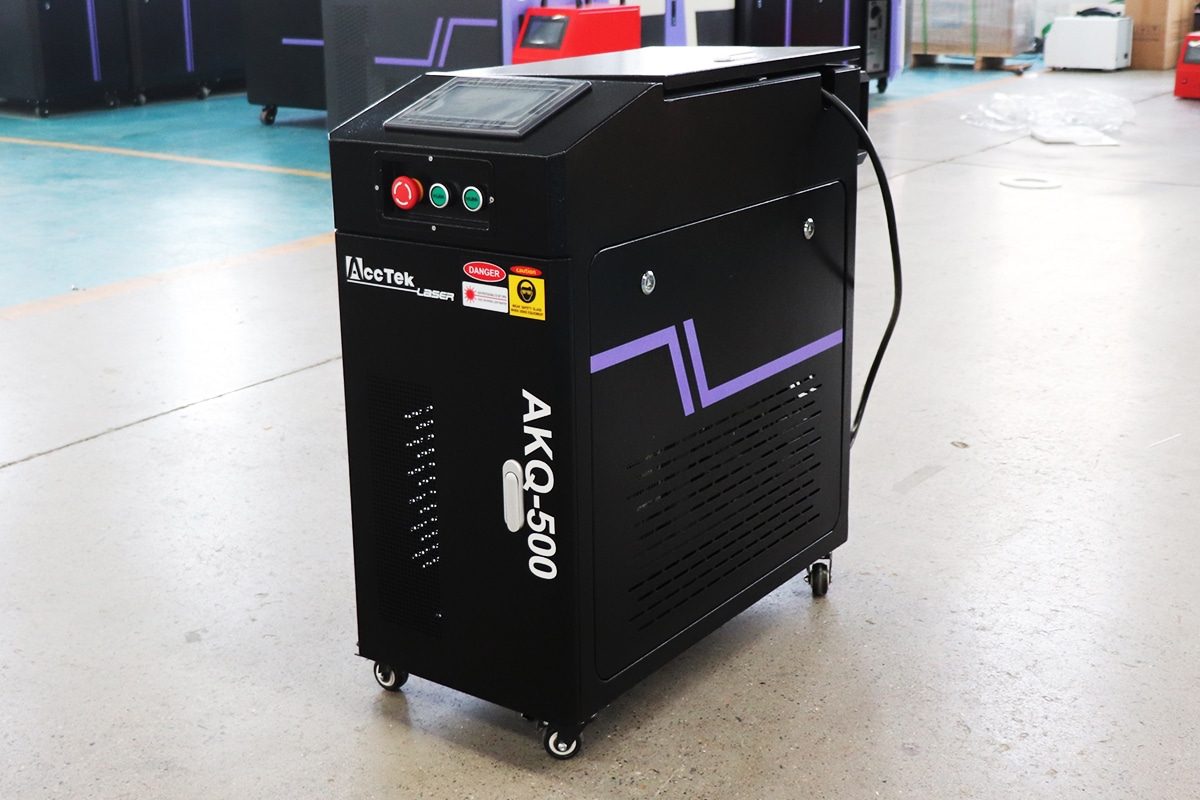
When discussing how effective laser cleaning is at removing contaminants, it’s tempting to look for a single performance metric—such as a percentage of material removed or a universal cleanliness rating. In reality, “effectiveness” in laser cleaning is a multidimensional concept that depends on context, goals, and constraints. Unlike conventional cleaning methods, laser cleaning is highly tunable, meaning its effectiveness varies based on how it is configured and what outcome is desired.
At its core, laser cleaning effectiveness is measured by how precisely and reliably it removes unwanted material while preserving the integrity of the underlying surface. However, this outcome can be evaluated in several ways. For example, in aerospace or electronics manufacturing, effectiveness may mean complete removal of microscopic oxides without altering surface roughness. In heavy industry, it may simply mean removing thick rust layers quickly and consistently, even if some surface texture changes occur.
Several factors shape this effectiveness. The type of contaminant matters greatly—loose dust, oil films, oxide layers, paint, corrosion, and biological residues all absorb laser energy differently. Similarly, the base material influences results; metals, polymers, ceramics, and composites each respond uniquely to laser interaction. Laser parameters such as wavelength, pulse duration, energy density, repetition rate, and scanning speed further complicate the picture. Adjusting these parameters can dramatically change cleaning outcomes, making laser cleaning more of a controlled process than a fixed-performance tool.
Effectiveness is also linked to selectivity. One of laser cleaning’s major advantages is its ability to remove contaminants without damaging the substrate. In many applications, partial removal or controlled thinning of a layer is actually more effective than complete removal. For example, preparing a surface for welding or bonding may require removing oxides while retaining a specific surface profile to improve adhesion.
Operational factors also play a role. Speed, repeatability, automation compatibility, environmental impact, and waste reduction can all influence whether laser cleaning is considered effective in a given setting. A process that achieves perfect cleanliness but is slow, expensive, or difficult to scale may be less “effective” in practice than one that balances cleanliness with efficiency.
Effectiveness in laser cleaning is not a single number or universal standard—it is a performance balance shaped by application-specific needs. It encompasses contaminant removal quality, substrate protection, process control, operational efficiency, and long-term reliability. What makes laser cleaning particularly powerful is its adaptability: by fine-tuning laser parameters, users can define effectiveness based on their exact requirements. Understanding this flexible definition is essential for evaluating laser cleaning realistically and for choosing the right setup to achieve optimal results.
Laser cleaning removes contaminants through a complex, highly controlled interaction between light energy and matter. Unlike conventional cleaning methods that depend on mechanical force or chemical reactions, laser cleaning relies on precisely delivered pulses of electromagnetic energy that act selectively on unwanted surface layers. These interactions occur over extremely short time scales—ranging from femtoseconds to microseconds—and produce a combination of thermal, mechanical, and limited chemical effects. What makes laser cleaning especially effective is not any single mechanism, but the way multiple mechanisms work together to weaken adhesion, fracture contaminants, and expel them from the surface while leaving the underlying substrate largely unchanged.
Once energy is absorbed, the contaminant experiences an extremely rapid temperature increase. Because the laser pulse duration is much shorter than the time required for heat to conduct into the substrate, the heating is highly localized. The contaminant expands almost instantaneously, while the substrate beneath it remains relatively cool and dimensionally stable. This difference in thermal response creates strong interfacial stresses due to mismatched thermal expansion coefficients. These stresses weaken bonding forces at the interface, promote crack formation, and can cause partial delamination even before the material is fully removed.
As laser fluence increases beyond a critical threshold, ablation and vaporization become dominant removal mechanisms. In this regime, the contaminant reaches temperatures high enough to undergo direct phase changes. Solid contaminants may sublimate directly into gas, while liquid residues rapidly vaporize. In some cases, the material becomes ionized, forming a short-lived plasma plume above the surface. Each laser pulse removes only a thin layer—often on the order of micrometers or less—allowing precise, incremental cleaning. Because contaminants typically ablate at lower energy thresholds than substrates, careful parameter control prevents damage to the base material.
Each laser pulse also generates a rapid pressure rise that propagates as a photomechanical shock or acoustic wave through the contaminant layer. These waves transmit mechanical energy across the surface, inducing vibrations that help dislodge particles, propagate cracks, and further weaken adhesion. Importantly, photomechanical effects can remove material even in regions that do not reach vaporization temperatures, enabling effective cleaning at lower average thermal loads. This is especially valuable when cleaning delicate or heat-sensitive substrates.
Although laser cleaning is not primarily a chemical process, localized chemical changes can contribute to contaminant removal. Laser energy can break molecular bonds in organic materials, causing thermal decomposition or mild oxidation. Oils, greases, and biological residues may decompose into volatile byproducts such as water vapor, carbon dioxide, or simpler hydrocarbons that are easily removed. In some cases, laser exposure alters the chemical structure of oxides or polymers, reducing their adhesion strength and making subsequent pulses more effective. These chemical effects are secondary but can enhance overall cleaning efficiency.
Laser cleaning removes contaminants through a synergistic combination of selective absorption, rapid thermal expansion mismatch, controlled ablation, micro-explosions, photomechanical shock, and limited chemical modification. These mechanisms operate simultaneously at extremely short time scales, progressively weakening adhesion and ejecting unwanted material while preserving the underlying surface. This layered, multi-mechanism approach explains why laser cleaning is both highly effective and adaptable across a wide range of contaminants, materials, and industrial applications.
Laser cleaning effectiveness is strongly influenced by the type of laser system used, because different systems deliver energy to the surface in fundamentally different ways. While the basic goal—removing contaminants without damaging the underlying substrate—remains the same, the path to achieving that goal varies depending on whether the laser operates continuously or in pulses. In industrial practice, the two most widely used technologies are continuous-wave (CW) fiber laser cleaning systems and pulsed fiber laser cleaning systems. Each system activates different dominant removal mechanisms, affects heat input differently, and is suited to distinct contaminant types, material sensitivities, and production requirements. Understanding these differences is essential when evaluating how effective laser cleaning can be in a given application.
The effectiveness of laser cleaning is not determined by laser technology alone, but by how well the system type matches the application. Continuous-wave fiber lasers provide fast, powerful cleaning for thick contaminants on durable surfaces, while pulsed fiber lasers offer superior precision, selectivity, and substrate protection for sensitive or high-value components. Understanding these system differences is essential for selecting the right laser cleaning approach and achieving optimal, reliable contaminant removal.
Laser cleaning effectiveness is the result of a carefully balanced interaction between materials, laser physics, and process control. Unlike conventional cleaning methods, where performance is often limited by a single dominant factor, laser cleaning depends on many interrelated variables. A change in one parameter—such as scan speed or pulse energy—can significantly alter how contaminants respond and how the substrate is affected. For this reason, laser cleaning is best viewed as a process window rather than a fixed capability. Understanding the key determinants of effectiveness allows operators to optimize cleaning for precision, speed, surface integrity, or a combination of all three.
The physical and chemical properties of the contaminant largely dictate how easily it can be removed. Important factors include thickness, density, porosity, chemical composition, adhesion strength, and optical absorption at the laser wavelength. Oxides and rust generally absorb laser energy efficiently and fracture easily under thermal and photomechanical stress, making them highly responsive. Oils and greases tend to vaporize or decompose, but if not fully removed, they can redeposit as carbonaceous films. Paints, polymers, and coatings vary widely depending on pigments, fillers, curing methods, and aging, which can significantly affect removal thresholds. Contaminants that are layered, brittle, or porous typically respond better due to spallation and micro-explosions, while thin, strongly bonded films require tighter parameter control.
Environmental conditions play a subtle but important role. Ambient temperature and humidity influence oxidation rates and moisture content within contaminants. Dust, oils, or airborne particles can cause immediate recontamination during cleaning. Controlled environments improve repeatability, especially in high-precision or regulated industries.
Cleaning effectiveness often requires balancing productivity against surface quality. High-throughput settings prioritize speed and are suitable for robust substrates and heavy contaminants. High-quality settings emphasize selectivity, minimal thermal impact, and uniformity but reduce processing speed. The most effective process is therefore application-specific, defined by acceptable tradeoffs rather than absolute cleanliness alone.
Laser cleaning effectiveness is determined by the combined influence of contaminant properties, substrate behavior, laser parameter optimization, environmental conditions, and production priorities. There is no single “best” setting—effective cleaning emerges from understanding and balancing these factors within an appropriate process window. Mastery of these determinants enables consistent, efficient, and damage-free contaminant removal across diverse applications.
Laser cleaning is exceptionally effective at removing rust and corrosion products from steel and iron-based alloys. Rust consists of porous, brittle iron oxides that absorb laser energy strongly. When exposed to laser pulses, corrosion layers heat rapidly, fracture internally, and detach from the base metal through spallation and micro-explosions. Laser cleaning can remove corrosion selectively without removing sound metal, preserving dimensional accuracy. Heavy corrosion may require multiple passes, but laser cleaning provides precise depth control, making it suitable for structural components, tooling, and restoration of degraded parts.
Oxide films and heat scale formed during welding, forging, or heat treatment respond well to laser cleaning due to their high absorption and brittle structure. Thin heat tint and oxide films can often be removed in a single pass using pulsed lasers, leaving a clean, active metal surface suitable for welding or bonding. Thicker mill scale requires higher energy or multiple passes and may benefit from CW systems. Laser cleaning is particularly valuable where abrasive methods could alter surface geometry or embed contaminants.
Laser cleaning effectively removes oils, greases, and light shop soils through rapid vaporization and thermal decomposition. These contaminants generally require lower energy than solid coatings, making them ideal for precision cleaning. However, hydrocarbons can partially decompose and redeposit as carbonaceous residues if fume extraction is inadequate. Proper airflow and filtration are essential to ensure complete removal. Laser cleaning is widely used for surface preparation before coating, bonding, or assembly.
Paints and powder coatings vary widely in thickness, pigmentation, and binder chemistry, which affects laser cleaning performance. Organic binders absorb laser energy well, allowing coatings to be ablated layer by layer. Thin or aged coatings can often be removed efficiently, while thick, multi-layer systems require multiple passes and careful parameter control. Although laser cleaning is slower than abrasive blasting for large surfaces, it offers superior selectivity, reduced waste, and minimal substrate damage, making it ideal for localized stripping and high-value components.
Soot and combustion residues are among the easiest contaminants to remove using laser cleaning. These materials are carbon-rich, highly absorbing, and loosely bonded. Laser pulses rapidly heat and fragment the deposits, which are then ejected by photomechanical forces. Laser cleaning is widely used in mold maintenance, engine components, and heritage conservation because it removes carbon deposits without abrasion or chemical exposure.
Adhesives and sealants present a more complex challenge due to the wide variation in polymer chemistry and adhesion strength. Some polymers decompose cleanly into volatile products under laser exposure, while others char or crosslink, forming stubborn residues. Laser cleaning is often used to soften, thin, or selectively remove these materials rather than fully strip them. Fine control of pulse energy and overlap is essential to prevent substrate damage and residue formation.
Dense carbon deposits, such as those found in exhaust systems, furnaces, and high-temperature molds, respond well to laser cleaning due to strong absorption and brittle behavior. Repeated laser pulses fracture and eject these layers without damaging the underlying metal. Laser cleaning allows in-place maintenance and reduces downtime compared to manual or chemical cleaning methods.
Laser cleaning can remove salt residues and ionic contamination by breaking weak adhesion forces and ejecting crystalline deposits. However, these contaminants are often thin, hygroscopic, and prone to redeposition. Laser cleaning is most effective when combined with proper surface drying and extraction. It is commonly used as a preparatory step before coating or corrosion protection in marine and infrastructure environments.
Laser cleaning is highly effective for removing mold release agents and residues from tire molds and injection molds. These residues are typically organic and carbon-based, making them highly absorbing and responsive to laser energy. Laser cleaning removes buildup without damaging fine mold textures, allows cleaning without disassembly, and significantly reduces downtime. This has made laser cleaning a preferred solution in high-volume molding operations.
Laser cleaning effectiveness varies widely by contaminant type. It performs exceptionally well on absorbing, brittle, porous, or carbon-rich materials such as rust, oxides, soot, and mold residues, while more chemically complex or thin contaminants require precise parameter control. Understanding contaminant-specific behavior enables laser cleaning to be applied strategically, maximizing efficiency, surface protection, and process reliability across diverse applications.
One of the most important questions when evaluating how effective laser cleaning is at removing contaminants is whether the process alters or damages the underlying substrate. Laser cleaning is often promoted as a non-contact, non-abrasive alternative to traditional cleaning methods, and in many cases, it offers superior surface preservation. However, laser cleaning is still an energy-driven process, and the interaction between laser energy and material must be carefully managed. Surface integrity depends on how heat, mechanical stress, and chemical exposure are controlled during cleaning. When properly optimized, laser cleaning can preserve surface geometry, microstructure, and functionality—but when misapplied, it can introduce unwanted side effects.
Thermal effects arise whenever laser energy is absorbed near the surface. In well-tuned laser cleaning processes, the majority of energy is absorbed by the contaminant, with only a small fraction transferring to the substrate. Pulsed lasers are particularly effective at limiting thermal diffusion because their pulse durations are shorter than the time required for heat to spread into the bulk material. However, if parameters such as fluence, repetition rate, or scan speed are poorly chosen, heat can accumulate. This may result in localized temperature rises that cause discoloration, surface oxidation, or microstructural changes such as softening or annealing. Thin sections, sharp edges, and low-conductivity materials are especially sensitive, making thermal management a key factor in preserving substrate integrity.
Micro-melting occurs when localized temperatures briefly exceed the melting point of the substrate. This does not usually produce visible damage, but it can alter surface texture at the microscopic level. Resolidified melt pools may smooth sharp asperities, round edges, or create small droplets and ripples. In some surface preparation applications—such as improving coating adhesion—controlled micro-melting or slight roughness change can be beneficial. In precision components, molds, or sealing surfaces, however, even minor roughness changes can be unacceptable. Short pulse durations, lower fluence, and slight defocusing are commonly used to minimize the risk of melting and preserve original surface morphology.
Oxidation can occur during laser cleaning when heated surfaces are exposed to oxygen in ambient air. Even brief temperature spikes can accelerate oxidation reactions, particularly on reactive metals like steel, aluminum, titanium, and magnesium alloys. This oxidation is usually limited to very thin surface films, but it can affect surface chemistry, wettability, and appearance. In high-precision or corrosion-sensitive applications, oxidation is managed by using shielding gases such as nitrogen or argon, or by optimizing laser parameters to minimize surface temperature rise. Compared to abrasive or chemical methods, laser-induced oxidation is often more controllable and easier to mitigate.
Residue redeposition is a less obvious but important factor affecting surface integrity. During laser cleaning, contaminants are vaporized, fractured, or ejected as fine particles. If these byproducts are not effectively removed from the interaction zone, they can settle back onto the surface as loosely bonded particles or thin films. This is particularly common when removing oils, greases, polymers, or paints, which may partially decompose into carbon-rich residues. Proper fume extraction, airflow management, and filtration are essential to prevent redeposition. In well-designed systems, redeposition is minimal and does not compromise cleanliness or surface performance.
Laser cleaning does not inherently damage the substrate, but surface integrity depends on careful control of thermal input, laser parameters, and process environment. Potential side effects—such as localized heating, micro-melting, oxidation, and residue redeposition—are not intrinsic flaws of the technology, but indicators of operating outside an optimal process window. When properly optimized, laser cleaning preserves surface geometry, microstructure, and functional properties far better than many conventional cleaning methods, making it a highly effective and substrate-safe solution across a wide range of applications.
In manufacturing, maintenance, and precision engineering, “cleanliness” is not a vague concept—it is a defined functional requirement tied directly to performance, reliability, and compliance. Different processes demand different cleanliness targets, ranging from the removal of visible contamination to the elimination of microscopic residues and weak boundary layers. Laser cleaning is particularly effective because it can be tuned to meet these varying targets with a high level of repeatability. Rather than over-cleaning or damaging surfaces, laser cleaning allows operators to achieve exactly the level of cleanliness required for the next process step.
Pre-weld cleaning focuses on removing contaminants that interfere with metallurgical bonding and weld stability. Rust, mill scale, oxides, oils, moisture, and coatings can cause weld porosity, lack of fusion, hydrogen cracking, and inconsistent penetration. Laser cleaning excels in this application because it selectively removes these contaminants without altering joint geometry or introducing foreign materials. The process leaves a clean, oxide-free surface that improves arc stability, reduces spatter, and enhances weld bead consistency. In automated welding lines, laser cleaning also improves process repeatability and reduces variability caused by inconsistent manual preparation.
For painting and coating, cleanliness is directly tied to adhesion, corrosion resistance, and long-term durability. Even thin films of oil, salts, or oxides can cause poor wetting, blistering, or delamination. Laser cleaning removes organic and inorganic contaminants while maintaining or enhancing surface energy, which promotes strong coating adhesion. Unlike abrasive blasting, laser cleaning does not embed grit or create uncontrolled roughness. This makes it especially effective for high-performance coatings, thin-film coatings, and parts with tight dimensional tolerances. Laser cleaning also supports environmentally friendly processes by eliminating chemical pretreatments and reducing waste.
Adhesive bonding and sealing demand a higher level of cleanliness than many mechanical processes. Surface contaminants at the molecular level can drastically reduce bond strength and long-term reliability. Laser cleaning is highly effective at removing oils, mold release agents, weak oxide layers, and degraded surface films that inhibit bonding. In composite bonding, laser cleaning can remove weak boundary layers and contaminants without damaging fibers or altering resin structure. The result is improved surface activation, better wetting by adhesives or sealants, and more consistent bond performance. Laser cleaning is particularly valuable in aerospace, automotive, and structural bonding applications where failure is not an option.
Precision cleaning for electronics and medical components requires extremely high cleanliness standards and minimal risk of damage or contamination. These parts often contain fine features, sensitive materials, and complex geometries. Laser cleaning provides non-contact, highly localized cleaning that can remove microscopic particles, thin oxide films, and organic residues without mechanical stress or chemical exposure. Pulsed laser cleaning systems allow precise control over energy input, minimizing thermal impact. Laser cleaning also integrates well with cleanroom environments and automated inspection systems, supporting traceability and repeatability in regulated industries.
Laser cleaning performs exceptionally well across a wide range of cleanliness targets because it is precise, adaptable, and controllable. From preparing weld joints and coating surfaces to enabling high-strength bonding and precision assembly, laser cleaning achieves the required level of cleanliness without compromising surface integrity. Its ability to meet specific functional cleanliness goals makes it a powerful tool in both heavy industry and high-precision manufacturing environments.
Verifying that contaminants have been truly removed is essential for understanding how effective a cleaning process really is. In many industrial and precision applications, even trace levels of residue can cause downstream failures such as poor weld quality, weak adhesive bonds, coating delamination, corrosion initiation, or electrical malfunction. As a result, cleanliness must be evaluated using multiple complementary methods rather than relying on visual appearance alone. Laser cleaning performs particularly well under rigorous evaluation because it removes contaminants through controlled physical mechanisms and produces consistent, repeatable surface conditions that are easier to assess and validate.
Visual inspection is the most basic form of cleanliness evaluation and is useful for identifying obvious contamination such as rust, scale, paint remnants, soot, or discoloration. However, many problematic contaminants—thin oxide films, oils, salts, or polymer residues—are invisible to the naked eye. Microscopic inspection significantly expands detection capability by revealing fine particles, micro-scale residue, redeposition patterns, and edge effects. Optical microscopy and higher-resolution techniques can show whether contaminants were fractured and removed or merely redistributed. Laser-cleaned surfaces typically exhibit well-defined cleaning boundaries, minimal smearing, and uniform removal, making microscopic inspection more reliable compared to mechanical or chemical cleaning methods.
Measuring surface roughness and topography helps distinguish true contaminant removal from substrate damage. Profilometry and 3D surface mapping reveal changes in surface texture, localized melting, pitting, or unintended erosion. An effective laser cleaning process removes contaminants while preserving the original surface profile. When parameters are properly controlled, roughness measurements before and after cleaning show minimal deviation, indicating selective removal rather than material loss. Conversely, significant changes in roughness may signal excessive energy input or improper process settings. Laser cleaning’s precision allows these metrics to be tightly controlled and consistently reproduced.
Surface chemistry analysis is critical for confirming that contaminants have been eliminated rather than spread or chemically altered. Analytical techniques detect residual hydrocarbons, oxides, salts, or polymer fragments at very low levels. Laser cleaning performs well in chemical verification because contaminants are removed through ablation, vaporization, or decomposition rather than mechanical smearing. When paired with proper fume extraction, post-cleaning surfaces typically show a dramatic reduction or complete absence of contaminant-specific chemical signatures. This confirms that laser cleaning removes material from the system rather than redistributing it across the surface.
Surface energy is a highly sensitive indicator of cleanliness, especially for bonding, sealing, and coating applications. Contaminants such as oils, release agents, and silicones dramatically lower surface energy and impair wetting. Wetting tests, including contact angle measurement or ink-based methods, provide rapid feedback on surface condition. Laser-cleaned surfaces usually exhibit higher surface energy and more uniform wetting behavior because organic films and weak boundary layers have been removed. Consistent wetting across the cleaned area indicates uniform energy delivery and effective contaminant removal.
Functional testing provides the most application-relevant validation of cleanliness. Instead of measuring surface properties in isolation, functional tests assess whether the cleaned surface performs as intended. Examples include weld penetration consistency, adhesive bond strength, coating adhesion and durability, electrical resistance, or corrosion resistance. Laser cleaning consistently improves functional performance because it produces repeatable surface conditions with minimal variability. When functional test results are stable and predictable, it is strong evidence that contaminants have been effectively removed.
Confirming true contaminant removal requires a layered evaluation approach that goes beyond visual inspection. By combining microscopic examination, surface topography measurement, chemical analysis, wetting behavior assessment, and functional testing, cleanliness can be verified with confidence. Laser cleaning performs exceptionally well across all these evaluation methods, delivering surfaces that are not only clean, but also measurably and functionally clean. This verifiability is a key reason laser cleaning is trusted in high-performance and high-reliability applications.
In laser cleaning, the substrate is not a passive surface—it actively determines how energy is absorbed, reflected, conducted, and ultimately how contaminants are removed. The same contaminant can behave very differently on different base materials because substrate properties control heat flow, adhesion strength, oxidation behavior, and the margin between effective cleaning and surface damage. Key variables include optical reflectivity at the laser wavelength, thermal conductivity, melting and vaporization thresholds, chemical reactivity, and mechanical stiffness. As a result, cleaning strategies that are highly effective on one substrate may be inefficient, unstable, or damaging on another. Understanding substrate-specific behavior is therefore essential to defining realistic expectations and selecting the right laser parameters.
Carbon steel is among the most laser-cleaning-friendly substrates. It absorbs laser energy relatively well and has a broad processing window, which allows effective removal of rust, mill scale, oils, paints, and shop soils. Corrosion products on carbon steel are typically porous and brittle, making them responsive to photomechanical shock, spallation, and ablation. Laser cleaning can remove contaminants selectively without eroding sound metal, preserving tolerances and surface geometry. However, excessive energy can still cause surface oxidation or heat tinting, particularly during slow scans or repeated passes. Proper parameter control ensures high cleaning efficiency while maintaining metallurgical integrity.
Stainless steel changes the equation due to its alloying elements and lower thermal conductivity compared to carbon steel. While laser cleaning is very effective at removing heat tint, oxides, oils, and fingerprints, stainless steel retains heat longer, increasing the risk of discoloration or localized oxidation. Thin oxide films are typically removed cleanly with pulsed lasers, but thicker scales may require multiple passes. Surface chemistry is especially important for stainless steel used in welding or bonding, as laser cleaning can produce a highly active surface—but only if oxidation during cleaning is minimized. Shielding gas or optimized pulse control is often used to maintain consistent results.
Copper, brass, and similar alloys present some of the most demanding conditions for laser cleaning. Their extremely high reflectivity limits energy absorption and significantly narrows the usable parameter window. Small changes in focus, fluence, or scan speed can lead to uneven cleaning or localized melting. Oxides and organic contaminants can still be removed effectively, but the process requires careful wavelength selection, high peak power pulses, and stable scanning strategies. Despite the challenges, laser cleaning is often chosen for these materials because mechanical or chemical methods risk surface damage, contamination, or dimensional change.
Titanium and nickel-based alloys are commonly used in high-performance and safety-critical applications, which makes substrate preservation especially important. These materials absorb laser energy well enough for effective contaminant removal, but they are chemically reactive at elevated temperatures. Laser cleaning efficiently removes oxides, machining residues, and organic contaminants, but excessive heating can promote oxidation or alter surface chemistry. Pulsed laser cleaning systems with controlled energy input are typically used to maintain surface integrity. In some applications, shielding gas is employed to prevent unwanted chemical reactions and ensure consistent surface quality.
Non-metallic substrates behave very differently from metals and require the greatest level of control. Polymers and composites often absorb laser energy strongly, which can lead to melting, charring, or chemical decomposition if energy input is too high. Laser cleaning is effective for removing surface contaminants such as oils, mold release agents, soot, and light coatings, but typically at much lower fluence levels. Painted plastics and composites introduce additional complexity, as coatings may ablate cleanly while the underlying polymer is heat-sensitive. Precision pulsed lasers allow the selective removal of contaminants or coatings without damaging fibers, resins, or base polymers when parameters are carefully tuned.
Substrate properties fundamentally determine how laser cleaning performs. Carbon steel offers wide process flexibility, while stainless steel and aluminum require tighter thermal and chemical control. Highly reflective metals demand precise tuning and specialized strategies, and reactive alloys benefit from minimized heat input. Polymers and composites impose the strictest limits due to their low thermal tolerance. By tailoring laser parameters to the specific substrate, laser cleaning can achieve high contaminant removal efficiency while preserving surface integrity across an exceptionally broad range of materials.
Laser cleaning is inherently precise, but its performance depends on a tightly controlled interaction between the laser, the contaminant, the substrate, and the surrounding environment. When cleaning results fall short, the cause is rarely “laser cleaning doesn’t work,” but rather that one or more process variables are outside the optimal window. These problems often appear subtle at first—slight haze, inconsistent texture, or marginal performance failures downstream—but they can significantly undermine true cleanliness. Understanding the failure modes below, why they occur, and how to correct them is essential for achieving reliable, repeatable, and verifiable contaminant removal.
Most reductions in laser cleaning effectiveness stem from controllable process issues rather than limitations of the technology itself. Incomplete removal, redeposition, heat damage, excessive roughness, uneven cleaning, and optics contamination all arise from misaligned parameters, poor debris management, or insufficient maintenance. By understanding the physical causes behind these problems and applying targeted corrective actions, laser cleaning can consistently deliver high-quality, repeatable, and verifiable contaminant removal across a wide range of materials and applications.
In laser cleaning, safety and environmental controls do far more than protect operators and meet regulatory requirements—they directly shape cleaning effectiveness, repeatability, and surface quality. Laser cleaning is a system-level process in which laser–material interaction, airflow, containment, and material chemistry all interact in real time. If safety and environmental factors are poorly controlled, contaminants may not be fully removed, may redeposit, or may interfere with laser energy delivery. Conversely, well-designed safety and environmental systems stabilize the process, expand the usable parameter window, and allow laser cleaning to perform at its full potential.
Fume and particulate management is one of the most influential factors affecting laser cleaning results. During cleaning, contaminants are not simply “removed”—they are converted into vapor, plasma, fine particulates, or a combination of all three. If these byproducts are not immediately captured and removed, several performance problems arise simultaneously.
First, dense fume clouds can partially absorb or scatter the laser beam before it reaches the surface, reducing effective energy delivery and leading to incomplete removal or uneven cleaning. Second, vaporized organic contaminants such as oils, greases, paints, and polymers can cool and condense, forming carbon-rich films that redeposit onto freshly cleaned surfaces. This redeposition often goes unnoticed visually but severely degrades surface energy and bonding performance. Third, fine metallic or oxide particles can accumulate on optics, protective windows, and sensors, gradually reducing delivered power and beam quality.
Effective extraction systems maintain a clear interaction zone, prevent redeposition, protect optics, and ensure that contaminants actually leave the system rather than cycling back onto the surface. Capture velocity, airflow direction, filtration efficiency, and regular maintenance all influence not only safety, but also measurable cleaning effectiveness.
Laser safety measures—such as enclosures, beam containment, interlocks, and access controls—also influence cleaning outcomes, even though they are often viewed purely through a compliance lens. A fully enclosed laser cleaning system creates a controlled micro-environment where airflow, standoff distance, and beam alignment remain stable. This stability leads to more consistent energy delivery and repeatable cleaning results.
In contrast, open or poorly controlled setups are more susceptible to airflow disturbances, operator-induced variability, and inconsistent part positioning. These factors can cause fluctuating fluence, uneven overlap, and inconsistent removal across the surface. Additionally, when safety systems are inadequate, operators may limit power, reduce dwell time, or avoid multiple passes out of caution, often at the expense of cleaning completeness.
Robust laser safety systems enable operators to run optimized parameters with confidence. Proper training, clear procedures, and reliable interlocks reduce variability and support consistent, high-quality cleaning—especially in automated or high-throughput environments.
Different substrates and contaminants introduce unique safety and environmental hazards that directly affect achievable cleaning results. Metals such as stainless steel, nickel alloys, and copper can generate hazardous fumes that require high-efficiency filtration. Aluminum and titanium can produce fine particulates with elevated fire or explosion risk if allowed to accumulate in ducts or filters. Polymers, composites, and painted surfaces may release toxic, corrosive, or sticky byproducts that complicate both extraction and optics protection.
If these hazards are not properly managed, cleaning effectiveness often suffers indirectly. Operators may reduce laser power, increase scan speed, or limit passes to stay within perceived safety limits. In some cases, residue buildup or fume interference forces frequent interruptions, reducing consistency and throughput. When material-specific hazards are well understood and controlled—through proper extraction, filtration, fire prevention, and material screening—laser parameters can be optimized fully, enabling more thorough and repeatable contaminant removal.
Safety and environmental factors are inseparable from laser cleaning performance. Effective fume and particulate management prevents redeposition and power loss, robust laser safety systems stabilize process conditions, and control of substrate- and contaminant-specific hazards enables confident parameter optimization. When safety and environmental controls are treated as performance enablers rather than constraints, laser cleaning delivers cleaner surfaces, greater consistency, and more reliable, verifiable results across a wide range of applications.
When evaluating how effective laser cleaning is at removing contaminants, it is essential to compare it against the traditional methods it often replaces or complements. Abrasive blasting, chemical cleaning, and ultrasonic cleaning have long been industry standards because they are familiar, scalable, and proven. However, each relies on fundamentally different mechanisms—mechanical force, chemical dissolution, or liquid-based cavitation—and each carries tradeoffs in surface damage, environmental impact, process control, and verification. Laser cleaning introduces a different paradigm: energy-based, non-contact, and digitally controllable cleaning. Its effectiveness becomes clear when examined side by side with these established approaches, not in terms of absolute superiority, but in how well it meets modern precision, sustainability, and repeatability requirements.
Abrasive blasting is highly effective for rapidly removing heavy rust, thick scale, and robust coatings over large surface areas. Its strength lies in brute-force material removal, which makes it suitable for structural steel, ship hulls, and heavy equipment. However, abrasive blasting achieves cleanliness by eroding both contaminants and the base material. This makes it inherently imprecise. Surface roughness is difficult to control, base metal loss is unavoidable, and abrasive media can become embedded in the surface, creating downstream issues for welding, coating, or fatigue performance.
Laser cleaning is more effective when the goal is selective removal rather than maximum removal. It removes contaminants while preserving substrate geometry, metallurgy, and surface finish. This is critical for precision components, thin sections, molds, and high-value parts where abrasive blasting would be destructive. While laser cleaning is generally slower and less economical for stripping very large areas of thick corrosion, it far outperforms abrasive blasting where control, repeatability, and substrate preservation define effectiveness.
Chemical cleaning can be very effective at dissolving oils, greases, oxides, and residues, especially in complex geometries or internal passages. However, its effectiveness is highly dependent on chemistry control—bath concentration, temperature, dwell time, agitation, and rinse quality. Inconsistent chemistry leads to inconsistent results. Even when contaminants are removed, chemical residues can remain on the surface or within pores, causing corrosion, bonding failures, or coating defects later in the process.
Laser cleaning removes contaminants physically rather than chemically, leaving no liquid residue behind. Its effectiveness is driven by controlled energy delivery rather than chemical reactions, which makes results more repeatable and easier to validate. Laser cleaning also enables selective, localized cleaning without masking or immersion, which chemicals cannot easily achieve. While chemical cleaning may still be more effective for bulk degreasing or inaccessible internal features, laser cleaning is superior when surface chemistry control, cleanliness verification, and environmental impact are critical.
Ultrasonic cleaning is highly effective for removing loose particles, oils, and light residues from small parts and complex geometries through cavitation in liquid baths. It excels at batch processing and can clean internal features that lasers cannot directly reach. However, ultrasonic cleaning struggles with strongly bonded contaminants such as oxides, corrosion, heat scale, paint, or carbonized residues. Its effectiveness also depends heavily on solution chemistry, temperature, and proper rinsing and drying.
Laser cleaning is far more effective for removing bonded surface layers and films that require energy input to break adhesion. It also avoids liquid handling entirely, eliminating drying steps and the risk of fluid entrapment or residue redeposition. That said, ultrasonic cleaning remains effective for bulk cleaning of intricate parts, while laser cleaning is more effective for surface-critical, contamination-sensitive, or single-part operations where precise control is required.
Laser cleaning is not universally “better” than traditional methods, but it is often more effective by modern performance standards. Abrasive blasting excels at rapid, large-scale removal but sacrifices surface integrity. Chemical cleaning can be highly effective but introduces variability, residues, and environmental burdens. Ultrasonic cleaning is ideal for loose contamination but is limited against strongly bonded layers. Laser cleaning stands out where effectiveness is defined by selectivity, repeatability, substrate preservation, and environmental control. In applications where these factors matter most, laser cleaning consistently outperforms traditional methods and enables results that are difficult or impossible to achieve otherwise.
The true measure of how effective laser cleaning is at removing contaminants comes from real-world deployment, not controlled demonstrations alone. In production environments and sensitive applications, laser cleaning must perform reliably under constraints such as cycle time, automation, regulatory compliance, surface integrity requirements, and long-term repeatability. Examining how laser cleaning is used in practice reveals not only where it excels, but also why it succeeds—what problems it solves better than alternatives, and what performance characteristics make it viable at scale.
In automotive manufacturing, welding preparation is a high-speed, high-volume application where even small variations in surface condition can cause major quality issues. Components often carry residual oils, drawing lubricants, corrosion inhibitors, light oxides, or mill scale. These contaminants lead to weld porosity, inconsistent penetration, unstable arcs, excessive spatter, and increased rework rates.
Laser cleaning is commonly integrated directly into robotic welding cells, cleaning the weld seam seconds before the welding operation. This use case reveals laser cleaning’s process consistency and inline capability. Because laser parameters are digitally controlled, each part receives the same energy input regardless of operator variation. This stabilizes weld behavior, reduces parameter drift, and improves first-pass yield. The automotive industry demonstrates that laser cleaning is not only effective at contaminant removal but also robust enough for continuous operation under demanding production schedules.
Aerospace manufacturing defines effectiveness through a combination of cleanliness, surface chemistry, and absolute substrate preservation. Components made from aluminum alloys, titanium, nickel alloys, and composites must meet strict requirements before bonding, coating, or welding. Even nanometer-scale residues or weak boundary layers can cause catastrophic failures.
Laser cleaning is used in aerospace to remove oxides, machining residues, oils, and degraded surface layers while maintaining tight tolerances and original surface geometry. This use case reveals laser cleaning’s effectiveness in controlled surface activation, not just contaminant removal. Aerospace adoption also demonstrates that laser-cleaned surfaces can be validated through surface energy measurements, adhesion testing, and non-destructive inspection. The technology’s success here shows that laser cleaning can meet the highest standards of verification, traceability, and long-term reliability.
Real-world use cases show that laser cleaning effectiveness is highly contextual, but consistently strong where control, selectivity, and repeatability matter. Automotive welding demonstrates scalability and process stability, mold cleaning highlights selective removal and uptime gains, aerospace applications confirm precision and verifiable cleanliness, and heritage conservation proves unmatched control at the most delicate scale. Together, these examples reveal that laser cleaning is effective not because it removes contaminants aggressively, but because it removes them intelligently—adapting to the demands of each application while preserving what matters most.
Selecting laser cleaning systems is really about matching a tool to a very specific cleaning problem. “Laser cleaning” isn’t one universal capability—it’s a family of processes that behave differently depending on the contaminant, the substrate, the laser type, and the surrounding process controls. A system that removes heavy rust quickly may be a poor fit for thin oxide films on aluminum. A setup that looks visually clean may still fail bonding tests because of invisible organic redeposition. That’s why the best buying decision starts with the physics and the production reality, not the brochure. The goal is to choose a system that reliably hits your cleanliness target with margin, while protecting the substrate, meeting throughput needs, and operating safely and consistently over time.
A practical tip here is to document a “worst-case” sample: the thickest contamination, the most complex geometry, and the most heat-sensitive or cosmetic-critical surface you expect in production. If a system can handle that, it can handle everything else.
Also, define what you must not change: maximum allowable roughness change, no micro-melting, no discoloration, no dimensional loss, and no alteration of coatings adjacent to the cleaned zone. These “do no harm” criteria directly influence whether you should go pulsed, how much power you need, and how tight your scanning control must be.
Throughput also affects beam delivery choices. Faster throughput may push you toward higher average power, larger spot sizes, faster galvo scanning, or even automation cells with fixtures for consistent standoff and angle. If your throughput is modest but precision is critical, you may be better served by a lower-power pulsed system with tighter control and a wider “safe” window.
However, CW generally carries a higher risk of heat tint, oxidation, and thermal distortion if not managed carefully, especially on stainless, aluminum, or thin parts. In short, pulsed is usually the precision workhorse; CW is often the productivity hammer.
A proper safety enclosure improves more than safety—it improves consistency. Enclosures stabilize standoff distance, reduce accidental beam exposure, contain ejected debris, and allow controlled airflow patterns. If you’re cleaning in production, treat the enclosure, extraction, and filtration as part of the “system,” not optional accessories.
Validation should also include repeatability (multiple parts, multiple days) and maintenance realism (filter loading, optics staying clean, consistent airflow). A system that works for one demo part but drifts after a week of production will not be effective long-term.
To choose the right laser cleaning system, start with a precise definition of your contaminant and substrate, then translate “clean” into measurable acceptance criteria tied to the next process step. Estimate throughput honestly, because speed requirements shape power, scanning, and automation needs. Decide pulsed versus CW based on selectivity and thermal risk—pulsed for precision and substrate protection, CW for fast heavy removal on robust surfaces. Design extraction and an enclosure as core performance components, not add-ons, because they prevent redeposition and optics power loss. Finally, validate using inspection, chemistry, wetting, and functional tests to confirm not just that contaminants can be removed, but that they are removed repeatably, safely, and in a way that improves real-world performance.
Laser cleaning delivers its best results when it is treated as a controlled process rather than a single parameter adjustment. Maximum contaminant removal is achieved by understanding how energy delivery, motion control, airflow, and verification work together. In real production environments, contaminants vary in thickness, composition, and adhesion, while substrates vary in reflectivity, geometry, and thermal tolerance. The goal of optimization is not to push the laser to its limits, but to establish a stable process window that reliably removes contaminants while protecting the surface and remaining robust against normal variation. The following practical tips reflect proven best practices used to move from acceptable cleaning to consistently excellent results.
Beginning with conservative laser parameters is essential, especially when working with a new contaminant or substrate. Lower fluence, moderate scan speeds, and reduced overlap allow you to observe how the contaminant responds without risking substrate damage. Conservative settings help identify the true removal threshold of the contaminant and the damage threshold of the substrate. This approach prevents early mistakes such as micro-melting, discoloration, or roughness changes that can be difficult to reverse. Incremental increases in energy are far easier to control than trying to recover from an overly aggressive initial setup.
Multiple light passes are often more effective than a single aggressive pass. Each pass weakens the bond between the contaminant and the substrate, removes residual layers, and allows debris to be cleared before the next interaction. This staged approach reduces heat buildup, limits redeposition, and improves uniformity—especially on mixed or layered contamination. Multiple passes are particularly valuable for thin oxides, oils, carbon films, and aged coatings, where gradual removal produces cleaner results than attempting full removal in one pass.
Overlap and hatch spacing determine how evenly energy is distributed across the surface. Insufficient overlap leads to uncleaned stripes or patchy residue, while excessive overlap increases thermal load and reduces throughput. Fine-tuning these parameters helps eliminate uneven cleaning patterns such as “zebra striping.” In practice, slightly higher overlap often provides a safety margin against thickness variation in the contaminant. Hatch spacing should be adjusted in small steps while monitoring both cleanliness and heat effects to find the most efficient balance.
Standoff distance and focus position directly affect spot size and energy density. Even small variations can shift the process from selective contaminant removal to substrate interaction. Maintaining a consistent standoff—through fixtures, automation, or distance sensors—greatly improves repeatability. Slight defocusing is a powerful optimization tool: it reduces peak intensity, broadens coverage, and increases tolerance to surface irregularities. This is especially important for curved, textured, or uneven surfaces where perfect focus cannot be maintained everywhere.
Effective extraction and airflow are essential for both cleanliness and consistency. Without adequate removal of vaporized material and particulates, contaminants can redeposit as haze or thin films, thereby undermining the effectiveness of the cleaning process. Poor airflow can also scatter the laser beam and contaminate optics, leading to gradual power loss and inconsistent results. Directional airflow should pull debris away from the surface immediately, and filtration should match the contaminant type. Investing in proper extraction often produces the single largest improvement in real-world cleaning performance.
Once an effective process is established, documentation becomes a critical optimization tool. Record laser parameters, scan strategies, focus settings, overlap values, airflow conditions, and validation results. Just as important, document maintenance schedules for optics, filters, and extraction systems. Laser cleaning performance can degrade gradually due to optics fouling or reduced airflow, and documentation makes these trends visible before quality suffers. Consistent documentation supports repeatability across operators, shifts, and facilities.
Maximum contaminant removal with laser cleaning is achieved through disciplined optimization rather than aggressive settings. Starting conservatively, using multiple light passes, carefully tuning overlap and focus, controlling standoff distance, and investing in proper extraction all contribute to cleaner and more reliable results. When these practices are supported by test coupons, functional validation, and thorough documentation, laser cleaning becomes a stable, high-performance process capable of delivering consistent contaminant removal across real-world conditions.
Laser cleaning has proven to be a highly effective and versatile method for removing a wide range of contaminants across industrial, precision, and conservation applications. Its effectiveness does not come from brute force, but from controlled energy delivery that selectively targets unwanted material while preserving the underlying substrate. By leveraging mechanisms such as selective absorption, photomechanical shock, and controlled ablation, laser cleaning can remove rust, oxides, oils, coatings, carbon deposits, and residues that are difficult or risky to address with traditional methods.
What makes laser cleaning especially powerful is its adaptability. Effectiveness is shaped by the contaminant type, substrate properties, laser parameters, and environmental controls rather than by a single performance metric. When properly optimized, laser cleaning delivers repeatable results with minimal surface damage, reduced waste, and strong compatibility with modern production and quality requirements. Real-world use cases—from automotive welding and aerospace bonding to mold maintenance and heritage conservation—demonstrate that laser cleaning performs reliably under both high-throughput and ultra-precision demands.
Laser cleaning is not a universal replacement for all cleaning technologies, but it consistently outperforms conventional methods where selectivity, surface integrity, process control, and verification matter most. When chosen thoughtfully, validated correctly, and supported by proper extraction and safety systems, laser cleaning offers a dependable, future-ready solution for effective contaminant removal.