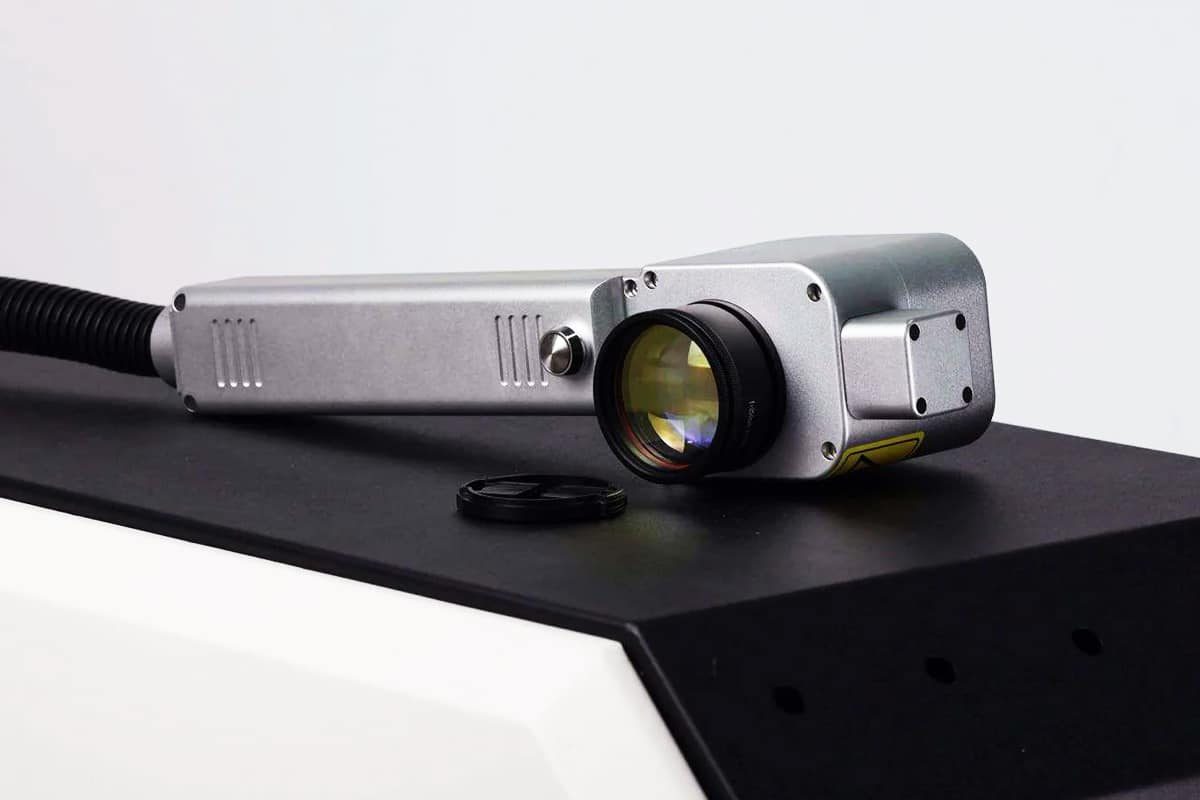
Laser cleaning has become one of the most efficient and environmentally friendly surface treatment methods, offering significant advantages over traditional cleaning techniques. This process, which involves using high-intensity laser beams to remove contaminants, coatings, rust, and other unwanted materials from surfaces, has gained widespread adoption across industries like manufacturing, automotive, aerospace, and even art restoration. The ability to clean surfaces without chemicals or abrasive materials makes laser cleaning not only cost-effective but also eco-friendly, producing minimal waste and avoiding environmental contamination.
However, the success of laser cleaning depends largely on selecting the correct parameters for the specific application at hand. The “right” parameters can vary depending on factors such as the type of material being cleaned, the nature of the contaminants, the laser’s power and wavelength, and the cleaning speed. Without careful consideration, improper settings can lead to ineffective cleaning or, in some cases, damage to the material being treated.
Choosing the optimal laser cleaning parameters requires a comprehensive understanding of how different settings interact with various surfaces and contaminants. This involves balancing laser intensity, pulse duration, scanning speed, and focal distance, among other factors, to achieve the best results. A misstep in these selections can lead to subpar performance or even costly errors.
This guide aims to provide a detailed overview of how to determine the right laser cleaning parameters for different applications. By exploring the key factors involved and offering practical insights, this article will serve as a valuable resource for professionals looking to harness the full potential of laser cleaning technology, ensuring both efficiency and precision in their cleaning processes.
Laser cleaning is a cutting-edge surface treatment technology that harnesses the power of focused laser beams to remove unwanted materials, such as rust, contaminants, coatings, dirt, and oil, from the surfaces of various materials. Unlike traditional cleaning methods, which often rely on mechanical abrasion, chemicals, or solvents, laser cleaning is a non-contact process that uses highly concentrated laser energy to vaporize, oxidize, or blow away unwanted substances. This technique enables precise and controlled cleaning without affecting the underlying surface, making it an ideal solution for applications that require high levels of accuracy and minimal material damage.
The process works by focusing a laser beam onto the target surface, where the energy interacts with the contaminants, causing them to evaporate or be blown away by the force generated by the laser pulse. As the contaminants absorb the laser energy, they are selectively removed without impacting the integrity of the base material. By adjusting parameters such as laser power, pulse duration, scanning speed, and beam focus, operators can tailor the cleaning process to suit different materials and contaminants, making laser cleaning a highly adaptable and efficient method for surface preparation.
Laser cleaning is highly versatile and is used across a wide range of industries where precision, efficiency, and environmental sustainability are paramount. In the manufacturing sector, laser cleaning is commonly employed for removing rust, scale, coatings, and oxides from metal parts. This ensures that components are clean and free from contaminants, which is essential for subsequent processes like painting, welding, or coating.
The automotive industry also benefits from laser cleaning, where it is used to prepare surfaces for bonding, coating, or welding. Laser cleaning can remove contaminants from engine parts, chassis, or body components, ensuring the highest standards of performance, durability, and safety. Additionally, it is used in the aerospace industry to clean sensitive components such as turbine blades, airframe parts, and other precision components. The technology ensures that parts meet stringent performance standards, removing contaminants that could lead to failures or reduce efficiency.
In the field of art restoration, laser cleaning is increasingly being used to carefully and selectively remove dirt, grime, and layers of old paint from historical artifacts, sculptures, and paintings. This method allows restorers to preserve delicate surfaces while carefully revealing the original features of the artwork without damaging underlying layers.
Laser cleaning is also essential in electronics manufacturing, where it is used to clean circuit boards and other components before assembly. This precise cleaning process helps prevent defects caused by contamination, improving the reliability and longevity of electronic products.
In shipbuilding, renewable energy, and defense, laser cleaning plays a key role in maintaining equipment, removing marine growth, and ensuring the performance and longevity of critical infrastructure. For example, it can be used to clean large metal structures, such as ships or wind turbines, or even in the defense sector for maintaining military equipment in the field.
The versatility of laser cleaning continues to expand as the technology evolves. Its ability to deliver precise, effective, and environmentally responsible results makes it a valuable tool in an ever-growing number of industries, setting the stage for even more applications in the future. As laser cleaning technology advances, its potential to revolutionize cleaning and surface treatment practices will continue to grow, providing efficient and sustainable solutions across a broad range of industries.
Successful laser cleaning systems depend on a combination of carefully selected components working together seamlessly to ensure efficiency, precision, and safety. The system setup influences the effectiveness of the cleaning process, and understanding the key elements—such as the laser source, focusing optics, beam delivery system, automation and robot integration, and safety considerations—is essential for achieving optimal results. We explore each of these crucial components in detail, offering insights into how they contribute to the overall effectiveness of laser cleaning systems.
The decision between CW and pulsed lasers depends on factors such as the type of material being cleaned, the thickness and nature of the contaminants, and the desired cleaning speed. Each laser type brings specific benefits that can be tailored to meet the requirements of a given application.
Focusing optics are key elements in a laser cleaning system that shape and direct the laser beam onto the material to be cleaned. The optics determine the size and intensity of the laser spot on the surface, which in turn influences the effectiveness of the cleaning process. Focusing optics can include lenses or mirrors that work together to focus the laser beam onto a small, precise spot on the material.
The size of the laser spot plays a significant role in the energy distribution. A smaller focused spot provides higher intensity and is more effective at removing tightly bonded contaminants, such as rust or old paint. This is because the concentrated energy allows for the efficient ablation of the contaminants. Larger spots, however, are more suitable for covering larger surface areas quickly and evenly, making them ideal for cleaning broader sections of a material with less aggressive energy application.
The quality of the focusing optics is paramount to the success of the cleaning process. Any imperfections in the lenses or mirrors can lead to energy loss, causing a reduction in the cleaning efficiency. Optics need to be carefully selected based on the laser type used (e.g., fiber lasers, CO2 lasers, or diode lasers) and the specific requirements of the cleaning task.
The beam delivery system is responsible for transmitting the laser energy from the source to the target surface. The most common delivery method is through optical fibers, which allow the laser beam to travel from the source to the focusing optics without significant loss of energy. Optical fibers are particularly beneficial when the laser source is located at a distance from the workpiece, providing flexibility and mobility in the cleaning process.
In some systems, mirrors and lenses are used in the beam delivery system to direct the laser beam. Mirrors are often adjustable, enabling the system to alter the direction of the laser to different parts of the surface. The quality and alignment of the mirrors and lenses are crucial, as any misalignment can cause the laser to lose focus or misdirect energy, leading to inefficient cleaning.
The beam delivery system also includes the ability to adjust parameters such as the beam divergence, which controls how the laser beam spreads as it travels. A well-designed delivery system ensures that the beam retains its focus and power when reaching the workpiece, maximizing the cleaning effect.
Automation and robotic systems are becoming increasingly integral to modern laser cleaning setups. The use of robot arms and automated systems allows for highly precise, repeatable, and efficient cleaning, particularly when dealing with complex surfaces or large-scale operations. Robots are equipped with motion control systems that allow them to move the laser across the target surface, maintaining optimal distance, speed, and angle for consistent cleaning results.
For intricate or detailed cleaning, robots can be programmed to follow precise paths, ensuring that every area of the material is cleaned thoroughly and uniformly. This is especially important in applications like aerospace or automotive industries, where parts may have complex geometries, and precision is critical. Robots also provide flexibility, allowing the cleaning process to be automated across different workpieces without requiring manual intervention.
Integration with automated systems can also optimize throughput, enabling 24/7 operations and reducing labor costs. By automating the cleaning process, manufacturers can achieve higher levels of consistency and productivity while minimizing human error.
Safety is a top priority when operating any high-powered laser system. Lasers used in cleaning are typically Class 4 lasers, meaning they can cause serious eye and skin damage if proper precautions are not taken. Effective safety protocols and protective measures must be in place to ensure the well-being of operators and anyone nearby.
Laser Safety Enclosures are one of the most important safety features in a laser cleaning setup. These enclosures are designed to contain the laser beam within a specific area, preventing accidental exposure to the laser. For systems that require manual operation or where operators need to monitor the cleaning process, enclosures with viewing windows are used, often with laser safety curtains around the perimeter.
Operators should also be equipped with personal protective equipment (PPE), including specialized laser safety goggles that protect the eyes from specific wavelengths of laser light. These goggles are critical in preventing potential eye damage, as even brief exposure to laser beams can cause irreversible harm.
In addition to PPE, safety measures like interlock systems and emergency stop buttons are used to shut down the system in case of an emergency. Interlocks ensure that the laser cannot be activated unless the system is properly secured, while emergency stops enable quick shutdowns to prevent accidents. Ventilation systems may also be incorporated, particularly when working with materials that release hazardous fumes during the cleaning process, such as paints or coatings.
The laser cleaning system and its setup consist of several critical components that work together to achieve optimal cleaning performance. The selection of the laser source—whether a continuous wave or pulsed laser—determines the intensity and type of cleaning needed. The focusing optics and beam delivery system ensure that the laser energy is accurately targeted and transmitted to the material, while automation and robotics enhance precision, speed, and consistency in large-scale or complex cleaning tasks. Lastly, safety considerations are essential to protect operators and maintain a safe working environment, given the high-powered nature of laser equipment. By carefully integrating and optimizing each of these elements, businesses can harness the full potential of laser cleaning technology to achieve efficient, effective, and safe cleaning processes.
Laser cleaning is a highly effective surface treatment process that relies on the precise application of laser energy to remove contaminants such as rust, paint, and dirt. To achieve optimal cleaning results, it’s crucial to understand and fine-tune the laser cleaning parameters. These parameters, which include laser power, wavelength, pulse duration, pulse frequency, spot size, scanning speed, and laser beam quality, influence how the laser interacts with the material and the contaminant. Adjusting these parameters appropriately can ensure efficient and precise cleaning while minimizing potential damage to the surface. We explore each of these key parameters in detail, highlighting their impact on the cleaning process and offering insights into how to choose the right settings for various applications.
Laser power, typically measured in watts (W), refers to the amount of energy delivered by the laser per unit of time. In laser cleaning, the power level plays a crucial role in determining how much material can be removed in a given time frame. Higher power is generally required for cleaning thicker or more stubborn contaminants, such as rust, paint, or industrial coatings. For example, cleaning heavy rust on steel might require significantly more power than removing light oil or dust from a surface.
However, laser power must be carefully controlled. Excessive power can lead to unwanted side effects, such as thermal damage, distortion, or even melting of the material being cleaned. On the other hand, too little power may result in insufficient cleaning or incomplete removal of contaminants. To optimize results, laser power should be matched to the specific type of contaminant and material, ensuring that enough energy is delivered to effectively clean the surface without causing harm.
The wavelength of a laser is the distance between consecutive peaks of the light wave and is directly related to how the laser energy interacts with the material. Different materials absorb laser light at different wavelengths, meaning that the wavelength of the laser plays a significant role in determining its cleaning effectiveness. For example, CO2 lasers (wavelength around 10.6 microns) are effective for cleaning non-metallic materials and some metallic surfaces, while fiber lasers (wavelength around 1 micron) are particularly well-suited for cleaning metals like steel or aluminum.
The key to selecting the right wavelength lies in understanding the material’s absorption characteristics. Materials with high absorption rates at the selected wavelength will experience more effective cleaning, as the laser energy will be absorbed more efficiently, leading to better removal of contaminants. On the other hand, materials that do not absorb the laser energy well may require a different wavelength to achieve effective cleaning.
Pulse duration refers to the length of time the laser is actively emitting energy during each pulse. It is an important parameter for controlling the intensity and heat buildup of the laser. Shorter pulses, such as those in the nanosecond or picosecond range, deliver intense bursts of energy within very brief periods. This minimizes heat buildup and is ideal for cleaning sensitive surfaces or thin layers of contamination without damaging the substrate.
Longer pulses, on the other hand, allow for a more gradual buildup of energy. These are typically used for cleaning thicker or more robust contaminants, like heavy rust or industrial coatings. However, longer pulses can lead to greater thermal effects on the material, which may cause unwanted changes to the surface if not carefully controlled. Proper adjustment of pulse duration is essential to balance cleaning efficiency with material preservation.
Pulse frequency, or repetition rate, refers to how many pulses the laser emits per second, typically measured in hertz (Hz). The pulse frequency is an important factor in determining the speed and effectiveness of the cleaning process. A higher pulse frequency means more pulses are delivered in a given time, which can result in faster cleaning of large areas or greater ablation of contaminants in a shorter period.
However, a higher pulse frequency also leads to more cumulative heat being deposited into the material, which could cause damage if not controlled. For materials that are sensitive to heat or if the cleaning task requires precision, lower pulse frequencies may be more appropriate to prevent excessive thermal buildup. The optimal pulse frequency will depend on the specific application, with high frequencies being better suited for fast, less-sensitive cleaning tasks and lower frequencies for more delicate or precise applications.
The spot size refers to the diameter of the laser beam at the target surface. The size of the spot is an important factor in determining the energy density (the amount of energy delivered per unit area) and, ultimately, the effectiveness of the cleaning process. A smaller spot size results in a higher energy density, making it ideal for cleaning tough, tightly bonded contaminants such as rust, paint, or corrosion. A focused, smaller spot ensures that the energy is concentrated on a specific area, enhancing the laser’s ability to break down and remove difficult substances.
In contrast, a larger spot size spreads the energy over a larger surface area, which can be useful for cleaning larger areas or removing lighter contaminants. A larger spot size generally leads to lower energy density, which may be beneficial when cleaning more delicate materials or when a more uniform, less aggressive cleaning effect is desired. The ability to adjust the spot size allows for flexibility in cleaning, enabling the laser system to be optimized for different types of materials and contaminants.
Scanning speed refers to how quickly the laser moves across the surface being cleaned. It directly affects the cleaning throughput and efficiency. Faster scanning speeds enable more rapid cleaning of larger areas, which is crucial in high-volume industrial applications where speed is a priority. However, high speeds may reduce the time the laser spends on each specific spot, which could impact cleaning efficiency. Contaminants that are tightly bonded to the surface might not be fully removed if the scanning speed is too fast.
Slower scanning speeds, on the other hand, allow the laser more time to act on the contaminants, ensuring more thorough cleaning, especially for tougher deposits. However, slower speeds can lead to higher energy consumption and longer processing times, making them less suitable for large-scale applications. The optimal scanning speed depends on the surface material, the level of contamination, and the laser power. A balance between speed and efficiency is essential to maximize the cleaning results while maintaining productivity.
Laser beam quality refers to the spatial properties of the laser beam, specifically how evenly the energy is distributed across the beam. A high-quality laser beam typically has a Gaussian profile, with the majority of the energy concentrated in the center and gradually decreasing toward the edges. Beam quality is a critical factor in ensuring that the laser energy is focused precisely on the target surface, which is especially important for intricate or high-precision cleaning tasks.
Poor beam quality can lead to uneven energy distribution, resulting in inefficient cleaning and potentially causing damage to the material due to inconsistent energy delivery. High beam quality enables better focusing of the laser and allows for more precise control over the cleaning process, leading to more efficient and uniform results. It is especially important when dealing with delicate materials or when fine details need to be cleaned without affecting the surrounding surface.
The laser cleaning process is highly dependent on the careful adjustment and optimization of various parameters, including laser power, wavelength, pulse duration, pulse frequency, spot size, scanning speed, and beam quality. Each of these factors influences how effectively the laser interacts with the material and the contaminants being removed. By understanding the role of each parameter and how it impacts the cleaning process, operators can tailor the laser system to meet the specific requirements of their applications, achieving efficient, precise, and damage-free cleaning. Selecting the right settings for the task at hand ensures that the process is both effective and safe, providing a high-quality solution for a wide range of cleaning challenges.
Laser cleaning is a highly versatile and efficient method for removing contaminants, coatings, and rust from a wide range of materials. However, the success of the laser cleaning process is not determined solely by the laser equipment itself. The key factors influencing laser cleaning parameters—including material characteristics, contamination type, surface condition, and environmental conditions—play a crucial role in determining the most effective settings for achieving the desired results. Each of these factors can significantly impact the choice of parameters such as laser power, wavelength, pulse duration, and scanning speed. Understanding these variables is essential for optimizing the cleaning process, ensuring efficiency, and preventing damage to the material being cleaned. We explore the critical factors that must be considered when choosing the right laser cleaning parameters, offering insight into how each factor influences the settings for optimal cleaning performance.
The type of contamination or coating on the material is another key consideration in selecting the right laser cleaning parameters. Contaminants can range from light oils and dirt to heavy rust, paint, industrial coatings, or even biological substances like mold. The cleaning parameters must be tailored to the nature of the contaminants to achieve efficient and effective removal without causing damage to the underlying surface.
Light contaminants, such as oils or dust, generally require lower laser power and shorter pulses for effective cleaning. These contaminants can be removed relatively easily and quickly, and a high scanning speed can be used to cover large areas efficiently. Organic materials, such as biological coatings, may also require careful power control to avoid thermal degradation of the underlying material.
On the other hand, heavier contaminants—such as thick rust, corrosion, or industrial coatings—often require higher laser power and longer pulse durations to break down the layers effectively. The energy intensity must be sufficient to ablate these materials, but the pulse duration should be adjusted to avoid excessive heat buildup that could damage the material beneath the contamination.
Layered or composite coatings also present unique challenges. For example, coatings with multiple layers may require different laser wavelengths or varying energy levels to selectively target the individual layers without affecting the substrate material. This requires careful tuning of both the laser power and pulse duration.
The condition of the surface to be cleaned significantly influences the choice of laser cleaning parameters. Surfaces that have been previously treated, worn, or damaged may behave differently under laser cleaning compared to pristine or unaltered surfaces.
Oxidized or corroded surfaces, such as those with rust or scale, may require higher power and longer pulse durations to break down the corrosion effectively. The underlying metal may also require specific settings to ensure the rust or scale is removed without causing further pitting or damage to the surface. Laser parameters such as spot size and scanning speed should be adjusted to maintain control over the removal process and avoid compromising the structural integrity of the material.
Smooth surfaces, such as polished metals or treated coatings, may be more susceptible to damage from excessive heat or energy concentration. In such cases, shorter pulse durations and lower power levels are often necessary to prevent material deformation or discoloration. Precise scanning speeds and small spot sizes may be needed to ensure that only the contamination is targeted, preserving the surface underneath.
Additionally, substrates with complex geometries or difficult-to-reach areas, such as intricate components or large structures, may require the integration of robotic systems or automated scanning to ensure thorough cleaning. These surfaces demand highly controlled scanning speeds, beam delivery systems, and laser power to ensure consistent results.
Environmental factors, such as ambient temperature, humidity, and the presence of dust or other particulates in the air, can also influence the effectiveness of laser cleaning. These factors must be accounted for when determining the optimal laser parameters.
Temperature and humidity affect the interaction between the laser and the material being cleaned. For example, high humidity can alter the way a laser interacts with the material’s surface, potentially affecting the energy absorption and cleaning efficiency. In such conditions, it may be necessary to adjust the laser power or pulse duration to compensate for changes in material behavior.
Ambient temperature can also play a role in material behavior during cleaning. In colder environments, materials may be more brittle, while in hotter environments, the risk of thermal damage increases. Both of these factors should be considered when choosing parameters such as pulse duration and scanning speed.
Air quality is another environmental factor that can affect the cleaning process. Dust or airborne particles can scatter the laser energy, reducing the efficiency of the cleaning process. In controlled environments, it may be necessary to implement filtration or shielding systems to reduce the presence of these particles, ensuring that the laser energy is delivered efficiently and with minimal loss.
The choice of laser cleaning parameters is influenced by a combination of factors, each of which must be carefully considered to achieve optimal cleaning performance. Material characteristics, such as the type of material and its thermal properties, determine the appropriate laser power and wavelength. The type and thickness of contaminants also dictate the required energy levels, pulse durations, and scanning speeds. The surface condition, including the presence of oxidation, corrosion, or complex geometries, plays a crucial role in selecting the right parameters for effective and safe cleaning. Finally, environmental conditions, such as temperature, humidity, and air quality, can impact the laser-material interaction, requiring adjustments to ensure efficient cleaning.
By carefully evaluating these factors, operators can tailor laser cleaning parameters to the specific needs of each task, ensuring both effective cleaning and the preservation of the underlying material. A deep understanding of these key factors is essential for making informed decisions and optimizing the performance of laser cleaning systems across various applications.
Choosing the right laser cleaning parameters for different materials is crucial for achieving the best results without causing damage to the surface. Metals generally require higher laser power and specific wavelengths to effectively clean rust, coatings, or contaminants. Plastics and composites require lower power levels and shorter pulses to avoid thermal damage, while ceramics and glass demand a more delicate approach, with lower power and short pulses to avoid cracking or thermal shock. When cleaning paint and coatings, careful parameter adjustment ensures that the coating is removed without harming the underlying material. By understanding the unique properties of each material, operators can fine-tune laser cleaning parameters to ensure an efficient, safe, and high-quality cleaning process.
Choosing the right laser cleaning parameters is not a straightforward task. It involves balancing multiple practical factors that affect the overall performance of the cleaning process, such as cost efficiency, time efficiency, and the quality of the cleaning results. These considerations are crucial to ensure the laser cleaning process is not only effective but also economically viable and time-efficient. While some of these factors can be predicted through simulations, others may require adjustments based on trial and error. We will explore the key practical considerations when selecting laser cleaning parameters, including the balance between trial and error vs. simulation, the need for cost and time efficiency, and how these factors contribute to the overall quality of cleaning.
When selecting the right laser cleaning parameters, one of the first choices to make is whether to rely on trial and error or simulation. Both methods have their pros and cons, and understanding when and how to use them is critical for achieving optimal results.
This approach involves testing different laser settings and observing the outcome. It allows operators to make real-time adjustments and fine-tune parameters based on the observed results. The advantage of trial and error is that it provides hands-on experience and is often the most effective way to deal with unique materials or unconventional contamination types that may not be well-documented in simulation models. The process can be iterative, where operators learn from previous attempts to refine the parameters for the next round.
However, trial and error can be time-consuming and costly, particularly in industries where high throughput is necessary. Repeated testing might lead to wasted resources or, in the worst case, damage to the material if the laser power or other settings are not carefully controlled.
Simulation models use computational algorithms to predict the interaction between the laser and the material being cleaned. They can quickly suggest optimal parameters for a given set of conditions and significantly reduce the amount of trial and error. Simulation tools are valuable for providing a deeper understanding of how different settings affect the cleaning process, and they allow operators to adjust parameters virtually before testing in real-world scenarios. These tools are particularly useful when working with materials that are well-documented and for settings that require high precision.
However, simulations are only as accurate as the data they are based on, and they might not fully capture the complexities of real-world scenarios. Certain materials or contamination types might not be accurately modeled, leading to discrepancies between the predicted and actual results. Therefore, simulations should be used as a guide, and trial and error may still be necessary to fine-tune the settings and adapt to unforeseen challenges.
Choosing the right laser cleaning parameters involves balancing practical considerations like cost efficiency, time efficiency, and the quality of the cleaning results. While trial and error and simulation both offer valuable insights into how to fine-tune parameters, they each come with their own set of challenges. Cost efficiency is achieved by carefully adjusting power, pulse duration, and scanning speed to minimize energy use without compromising the effectiveness of the cleaning. Time efficiency can be improved by optimizing scanning speed and pulse frequency, while the integration of automation can further enhance productivity. Most importantly, maintaining high-quality cleaning requires careful attention to the laser’s impact on the material surface, ensuring thorough contaminant removal while preserving surface integrity and consistency. By considering all these factors, operators can make informed decisions that lead to optimal cleaning results, reduced operational costs, and increased productivity.
Laser cleaning has emerged as a powerful, efficient, and environmentally friendly alternative to traditional cleaning methods. However, like any advanced technology, it presents its own set of challenges that need to be addressed for optimal performance. While laser cleaning offers precise, non-contact removal of contaminants, its effectiveness can be hindered by issues such as material distortion, non-uniform surface cleaning, and resistance from certain types of contaminants. Understanding these challenges and how to overcome them is key to achieving the desired results in a variety of industrial applications. We explore the primary challenges faced in laser cleaning, including material distortion, non-uniform surface cleaning, and contaminant resistance, and provide practical solutions for overcoming each of these hurdles.
One of the key challenges in laser cleaning is the potential for material distortion. Since laser cleaning relies on high-intensity light to remove contaminants, the underlying material can experience localized heating. If not controlled, this heat can cause the material to warp, discolor, or even crack. This is particularly true for metals and sensitive materials like plastics, ceramics, or glass, which may not have the same tolerance for heat as more robust metals.
To mitigate material distortion, the primary solution lies in the careful adjustment of laser parameters such as power, pulse duration, and scanning speed. For example, using shorter pulse durations and lower power levels can help reduce the heat buildup in the material. Pulsed lasers, particularly in the nanosecond or picosecond ranges, deliver high-energy bursts in a very short time, minimizing heat transfer to the material. Additionally, adjusting the scanning speed ensures that the laser moves across the surface quickly enough to prevent excessive heat accumulation in one area. Cooling systems or thermal management techniques can also be employed to further minimize heat buildup and prevent distortion.
Another strategy is the use of laser beam shaping, which allows for a more uniform energy distribution across the surface, reducing the likelihood of hot spots that could lead to material damage. Proper calibration of the laser’s focal distance and spot size is essential to control the intensity and distribution of energy, ensuring precise and controlled cleaning without affecting the surface integrity.
Non-uniform surface cleaning can occur when the laser fails to deliver consistent energy across the entire surface. This issue may arise due to variations in the surface texture, geometry, or the characteristics of the contamination. Uneven cleaning can leave some areas poorly cleaned, while others may be overexposed, causing potential damage or inefficiency.
To achieve uniform cleaning, it is crucial to adjust several laser parameters carefully. One of the most effective ways to address this issue is by optimizing the scanning speed and ensuring that it is appropriately matched to the power and pulse frequency. If the scanning speed is too fast, the laser may not spend enough time on each spot to effectively remove the contamination, leading to patchy cleaning. Conversely, too slow a scanning speed may result in overlapping passes, potentially causing overexposure and damage.
The spot size also plays a key role in achieving uniformity. A smaller spot size can deliver higher energy to specific areas, but it may need to be adjusted across the surface to ensure even coverage. Larger spot sizes can cover larger areas quickly, but the energy density might be too low to remove tougher contaminants. Adaptive optics or beam-shaping technology can help address this issue by dynamically adjusting the beam profile during the cleaning process, ensuring that the energy is distributed evenly across varying surface topographies.
In some cases, robotic or automated systems equipped with sensors can further enhance uniformity by adjusting the laser path in real-time based on surface conditions. These systems can detect variations in surface roughness or contamination levels and modify the cleaning process accordingly to maintain consistency.
Another major challenge in laser cleaning is contaminant resistance. Some contaminants, such as certain industrial coatings, heavy rust, or very stubborn oil residues, can be highly resistant to laser cleaning. These materials may not absorb laser energy as efficiently, requiring higher laser power or more advanced cleaning techniques to break them down. Additionally, some contaminants may have been chemically bonded to the surface, making them difficult to remove with laser energy alone.
Overcoming contaminant resistance requires optimizing several laser parameters to ensure sufficient energy is delivered to break the bond between the contaminant and the substrate. Laser power is a critical factor in this regard. Higher laser power may be required to remove tough coatings or corrosion. However, increasing power needs to be carefully balanced to prevent surface damage, particularly in sensitive materials. Pulse duration and pulse frequency also need to be adjusted to ensure that the laser energy is applied in a way that effectively disrupts the contaminant without causing thermal damage to the material underneath.
For particularly resistant contaminants, multi-pass cleaning may be necessary. In this approach, the laser cleaning system makes several passes over the surface, each time removing a layer of contamination. This technique allows for more controlled energy application, reducing the risk of overheating or damaging the substrate while still effectively removing the tough contaminant.
Another solution for resistant coatings is the use of different wavelengths or laser types. Some materials, particularly those with high reflectivity or specific absorption characteristics, may require lasers with specific wavelengths to achieve optimal results. For example, CO2 lasers (with wavelengths around 10.6 microns) are often more effective for organic coatings, while fiber lasers (around 1 micron) are better suited for cleaning metals and industrial coatings. The wavelength must be carefully selected to match the absorption profile of both the contaminant and the substrate, maximizing cleaning efficiency while minimizing the risk of damage.
In cases where a laser alone is insufficient, a hybrid approach may be employed, combining laser cleaning with chemical treatments or abrasive methods to break down particularly tough contaminants. For example, lasers can be used to soften or loosen coatings, and then a secondary cleaning step can be used to remove the residue. However, hybrid methods require careful coordination to ensure that each step complements the other without introducing additional risks.
Laser cleaning offers a high level of precision and efficiency, but it is not without its challenges. Material distortion, non-uniform surface cleaning, and contaminant resistance are common obstacles that operators face when implementing laser cleaning technology. Each of these challenges can be addressed through careful parameter optimization, such as adjusting laser power, pulse duration, scanning speed, and spot size. In addition, advanced techniques like laser beam shaping, automation, and the use of different wavelengths can enhance the effectiveness of the process. By understanding and overcoming these challenges, operators can fully harness the power of laser cleaning to achieve high-quality, efficient results across a wide range of applications, while minimizing the risk of material damage or ineffective cleaning.
Laser cleaning has become an indispensable tool in various industries due to its precision, efficiency, and environmentally friendly nature. Throughout this guide, we’ve explored the key parameters that determine the success of laser cleaning, including laser power, wavelength, pulse duration, pulse frequency, spot size, scanning speed, and beam quality. Understanding how each of these parameters interacts with the material being cleaned is essential for optimizing the process to achieve the best results while minimizing damage to the substrate.
The material to be cleaned plays a central role in selecting the right parameters. Whether it’s metals, plastics, ceramics, glass, or painted surfaces, each material responds differently to laser energy. For example, metals generally require higher laser power and specific wavelengths to remove contaminants effectively, while delicate materials like plastics and ceramics demand lower power levels and short pulses to avoid thermal damage. By tailoring the laser settings to match the material’s characteristics, industries can ensure both effective cleaning and surface preservation.
Beyond material considerations, practical factors such as time efficiency, cost, and cleaning quality must also be carefully balanced. Laser cleaning can significantly reduce cleaning times compared to traditional methods, but choosing the right scanning speed, pulse duration, and frequency is crucial to maintaining high throughput without compromising cleaning quality. Additionally, laser cleaning’s environmental benefits, including reduced chemical usage and waste, make it an attractive alternative to more harmful cleaning methods.
The application of laser cleaning spans various industries, from industrial cleaning in automotive and aerospace to heritage conservation and environmentally sustainable practices. Each case study highlighted in this guide demonstrates how laser cleaning’s versatility can solve unique challenges, from removing rust and coatings to carefully restoring historical artifacts.
In conclusion, selecting the right laser cleaning parameters requires a deep understanding of the material, contamination, and operational goals. When properly applied, laser cleaning offers a powerful solution for efficient, precise, and sustainable cleaning across a wide range of industries.
Whether you’re in automotive manufacturing, aerospace, heritage conservation, or shipbuilding, AccTek Group provides tailored laser cleaning solutions for all industries. We offer personalized consultations to understand your specific cleaning needs, ensuring that our systems are optimized for maximum performance.
Partner with AccTek Group today to access cutting-edge laser cleaning solutions that combine precision, efficiency, and environmental responsibility. Our team of experts is ready to help you select the right laser cleaning system for your business, delivering consistent, high-quality results every time.