
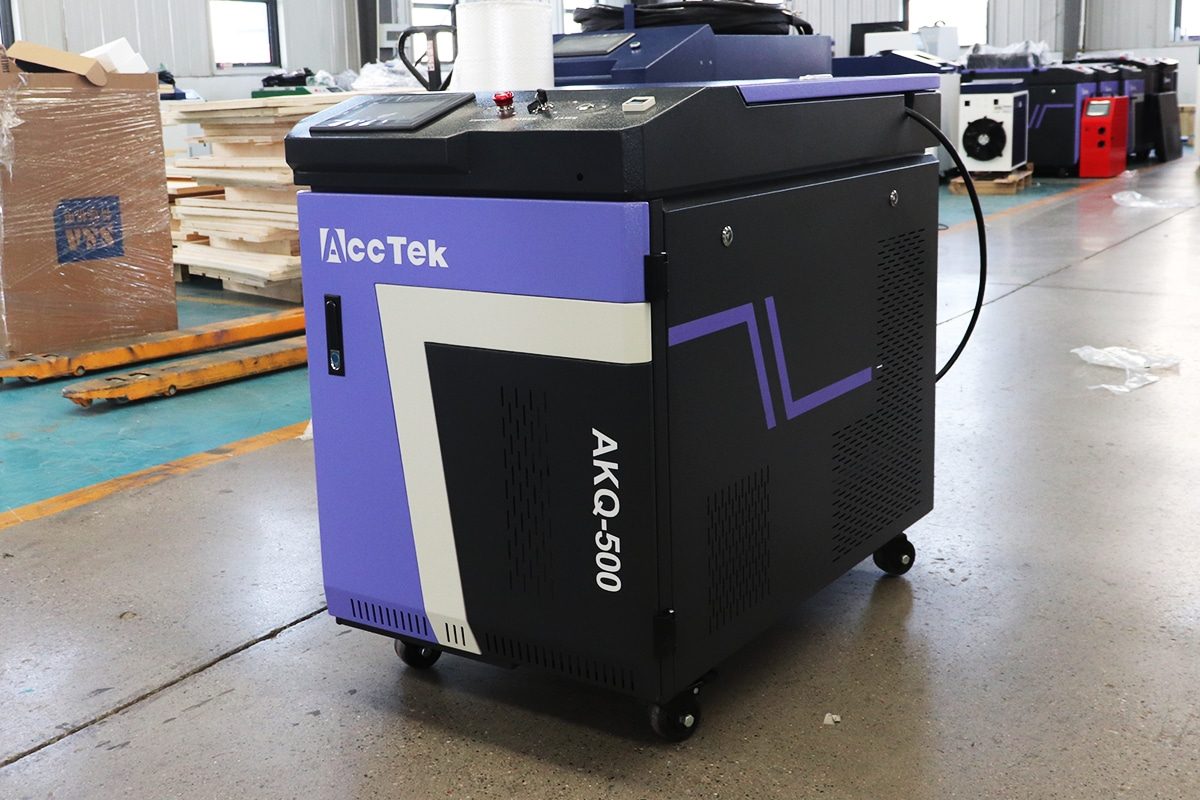
Comprehensive Guide to Choosing the Right Laser Cleaning Machines

This comprehensive guide provides essential insights into selecting the right laser cleaning machine, covering key factors like machine capabilities, cost, efficiency, and maintenance for optimal results.
Home » Blog » Comprehensive Guide to Choosing the Right Laser Cleaning Machines
Comprehensive Guide to Choosing the Right Laser Cleaning Machines
Laser cleaning technology is rapidly becoming a game-changer in various industries due to its precision, efficiency, and environmental benefits. Whether it’s removing rust, paint, contaminants, or any other unwanted layer from surfaces, laser cleaning machines offer an advanced solution that is both effective and eco-friendly. Unlike traditional cleaning methods, which may rely on abrasive materials, harsh chemicals, or extensive manual labor, laser cleaning utilizes high-intensity laser beams to selectively remove contaminants without damaging the underlying material.
With industries ranging from manufacturing and automotive to aerospace and conservation turning to laser cleaning, choosing the right machine has never been more crucial. The wrong choice can lead to inefficiency, increased operational costs, or even damage to the workpiece. As a result, it’s essential to consider various factors to make an informed decision about the best laser cleaning machine for your specific needs.
This comprehensive guide aims to assist businesses, engineers, and decision-makers in understanding the various types of laser cleaning machines available, their key features, and the factors to consider when making a purchase. From understanding the different laser types, power requirements, and efficiency levels, to the critical aspects of safety and maintenance, we will explore everything you need to know.
Whether you are looking for a solution to handle small-scale cleaning jobs or require industrial-grade machines for heavy-duty applications, this guide will help you navigate the complexities and ensure that you make the right investment for your operations. By the end, you’ll have a clearer understanding of how laser cleaning can enhance your processes and how to choose the optimal machine to suit your specific needs.
Table of Contents

Understanding Laser Cleaning Technology

Laser cleaning has emerged as one of the most advanced and efficient technologies for surface treatment, offering industries an eco-friendly, precise, and non-invasive solution to cleaning various materials. As industries evolve and strive for more sustainable, cost-effective, and effective cleaning techniques, laser cleaning offers a compelling alternative to conventional cleaning methods. Unlike abrasive cleaning methods, which often result in surface wear, or chemical treatments that can harm the environment, laser cleaning uses focused laser beams to precisely target and remove contaminants, coatings, and unwanted materials from a surface. This capability makes it invaluable across a wide range of sectors, including manufacturing, aerospace, automotive, art restoration, and more.
At its core, laser cleaning uses a laser beam to direct highly concentrated light energy onto the surface of a material. The laser energy interacts with the contaminants (such as rust, dirt, oil, or coatings), causing them to evaporate, vaporize, or be blown away by the thermal shock effect. This ensures the underlying material remains unaffected, which is especially beneficial in applications requiring delicate handling and where surface integrity is critical. The precision, efficiency, and eco-friendliness of this process have contributed to its increasing adoption in modern industry.

How Laser Cleaning Works

The process of laser cleaning operates on several key principles that make it a sophisticated yet highly effective method. Let’s break down how laser cleaning works step by step:

  • Laser Generation and Direction: The laser cleaning machine generates a high-powered laser beam, typically produced by a solid-state or fiber laser source. This laser beam is directed to the surface to be cleaned through a system of mirrors and lenses. The beam is focused with incredible precision, often down to a very small spot size, allowing the operator to clean specific areas without affecting other parts of the material.
  • Absorption of Energy by Contaminants: When the laser light reaches the surface, the contaminants or undesired layers absorb the laser energy. This absorption causes the contaminants to undergo rapid thermal expansion. As the energy is absorbed, the surface of the contaminants either vaporizes, melts, or disintegrates, leaving the surface cleaner.
  • Vaporization and Ejection of Contaminants: In the case of rust or coatings, the thermal stress generated by the laser beam leads to vaporization or breaking apart of the material into smaller particles. These particles are ejected from the surface by the shockwave created by the intense heat. Additionally, in some cases, a system such as an air jet or vacuum is used to help remove the dislodged contaminants.
  • Non-Destructive to Base Materials: One of the key advantages of laser cleaning is its selectivity. While the laser beam is highly effective at removing contaminants, it does not damage the underlying material. Laser cleaning is non-abrasive and non-contact, meaning there is no risk of scratching, denting, or altering the material being cleaned. This precision makes it particularly suitable for cleaning delicate surfaces and components that require high levels of care.
  • Efficient and Sustainable: Unlike traditional cleaning methods that often use harsh chemicals or abrasive materials, laser cleaning generates minimal waste. It doesn’t rely on any consumables, such as chemicals or abrasive media, making it an environmentally friendly option. Furthermore, the energy efficiency of lasers ensures that less energy is consumed compared to other cleaning methods, making the process more sustainable.

Types of Lasers Used in Cleaning

Laser cleaning technology utilizes various types of lasers, each designed to meet specific cleaning needs depending on the material, the nature of contamination, and the precision required. Below are the most common types of lasers used in industrial cleaning:

  • Fiber Lasers: Fiber lasers are one of the most commonly used types of lasers for industrial cleaning due to their high beam quality, precision, and efficiency. These lasers deliver concentrated power and are particularly effective at removing rust, oil, coatings, and other contaminants from metal surfaces. Fiber lasers are widely used in industries such as automotive, aerospace, and manufacturing, where high-speed, high-precision cleaning is required. These lasers also have low maintenance needs and are known for their robustness and long operational lifespan.
  • CO2 Lasers: CO2 lasers, or carbon dioxide lasers, are highly effective at cleaning organic contaminants, such as oils, grease, and coatings. With a longer wavelength compared to other lasers, CO2 lasers are particularly effective for cleaning non-metallic surfaces, such as plastics, rubber, or wood. In addition, CO2 lasers are useful in industries like food processing, electronics manufacturing, and medical device cleaning, where organic contamination is more prevalent. They are ideal for cleaning delicate materials without causing thermal damage to the substrate.
  • Diode Lasers: Diode lasers are compact, energy-efficient, and versatile, making them an excellent choice for cleaning a wide range of materials, including metals, ceramics, and plastics. These lasers are highly adaptable and can be used for both light-duty and heavy-duty cleaning tasks. Due to their efficiency and lower cost, diode lasers are often used for smaller or more specialized cleaning applications, such as cleaning intricate parts or small components in industries like electronics, semiconductor manufacturing, and aerospace.
  • Nd:YAG Lasers (Neodymium-doped Yttrium Aluminum Garnet): Nd:YAG lasers are powerful lasers that produce high-intensity light. These lasers are commonly used for heavy-duty industrial cleaning tasks, such as removing thick coatings, heavy rust, or other difficult contaminants from metal surfaces. Nd:YAG lasers are typically employed in more aggressive cleaning processes where high power and precision are required, such as in aerospace, shipbuilding, and automotive industries. These lasers can also be used for additional applications like material processing and surface treatment.

Benefits of Laser Cleaning Over Traditional Methods

Laser cleaning offers a range of significant advantages over traditional methods such as abrasive cleaning, chemical treatments, or manual labor. Below are the main benefits:

  • High Precision and Control: Laser cleaning provides unparalleled precision, enabling operators to target specific areas of a surface for cleaning. The laser beam can be focused to very fine points, allowing for localized cleaning without affecting surrounding areas. This is especially useful for applications requiring high levels of accuracy, such as cleaning delicate components in electronics or intricate machinery parts.
  • Environmentally Friendly: Traditional cleaning methods often involve chemicals, solvents, or abrasive materials, which can be harmful to the environment and require costly disposal. Laser cleaning, in contrast, is a non-chemical process that generates minimal waste. It doesn’t produce harmful fumes or pollutants and is free from the disposal concerns associated with chemical-based cleaners. This makes laser cleaning an environmentally sustainable option, especially in industries focused on reducing their environmental impact.
  • Non-Abrasive and Non-Contact: Unlike abrasive cleaning techniques, which rely on mechanical force to scrub contaminants off a surface, laser cleaning is a non-abrasive process. Since there’s no physical contact between the cleaning device and the material, there is no risk of surface damage, such as scratches or dents. This is particularly advantageous when cleaning delicate materials like plastics, thin metal sheets, or components with intricate geometries.
  • Cost-Effectiveness: While the initial cost of laser cleaning equipment may be higher than traditional methods, it offers long-term savings by eliminating the need for chemicals, abrasive media, and frequent maintenance. Additionally, laser cleaning machines are typically more durable and require less upkeep. In the long run, the low operational costs and minimal waste produced by laser cleaning can lead to significant savings over time.
  • Fast and Efficient: Laser cleaning is a fast process, capable of cleaning large surface areas in a short amount of time. The technology is well-suited for high-volume industrial applications where quick turnaround times are crucial. Compared to manual cleaning or abrasive methods, laser cleaning reduces downtime and improves overall productivity, making it a preferred choice in industries where time is of the essence.
  • Improved Safety: Traditional cleaning methods often involve the use of hazardous chemicals, which can pose health risks to workers. Laser cleaning eliminates the need for harmful substances, creating a safer working environment. The non-contact nature of the process also reduces the risk of injury, as workers don’t need to handle abrasive materials or chemicals directly.
Laser cleaning technology has revolutionized surface cleaning by offering a highly precise, efficient, and eco-friendly alternative to traditional cleaning methods. By using concentrated laser beams to target and remove contaminants, laser cleaning eliminates the need for harmful chemicals, abrasives, and extensive manual labor. This non-abrasive, non-contact process ensures that the underlying material is preserved while contaminants are effectively removed, making it ideal for delicate and intricate surfaces.
The different types of lasers—fiber, CO2, diode, and Nd:YAG—offer unique advantages depending on the material being cleaned and the nature of the contamination. Each type of laser is tailored for specific applications, whether it’s heavy-duty cleaning, organic contamination removal, or delicate material care. The benefits of laser cleaning, such as its precision, environmental safety, non-abrasiveness, and cost-effectiveness, make it an attractive solution for industries looking to modernize their cleaning processes.
As industries continue to prioritize sustainability, efficiency, and safety, laser cleaning is poised to become an increasingly essential technology in industrial surface treatment. Whether cleaning large industrial components or small, delicate parts, laser cleaning offers an ideal combination of performance and precision that sets it apart from conventional methods. The technology’s continued evolution will likely lead to even greater adoption and innovation in the years to come.

Factors to Consider When Choosing Laser Cleaning Machines

Choosing the right laser cleaning machine for your specific needs is crucial to ensuring efficient, high-quality cleaning results. With the variety of laser cleaning systems available, making the right decision requires a deep understanding of key factors such as material types, surface cleanliness requirements, power demands, speed, efficiency, cost considerations, and the size and mobility of the machine. By considering each of these factors carefully, you can choose a machine that not only meets your immediate needs but also provides long-term value in terms of performance, reliability, and cost-effectiveness.
In this section, we’ll discuss the critical aspects to consider when selecting the ideal laser cleaning machine, guiding you through the process of making a well-informed decision for your business or industry.

Material Types

The first key factor to consider when selecting laser cleaning machines is the type of material that needs to be cleaned. Different materials, whether metals, plastics, wood, stone, or composites, require different laser types and settings. Understanding the interaction between the laser and the material being cleaned is essential for achieving optimal results.
Metal surfaces, such as carbon steel, stainless steel, aluminum, or iron, are some of the most common materials cleaned using laser technology. Fiber lasers are typically the best choice for cleaning metals, as they provide a high-quality beam with excellent penetration, making them ideal for removing rust, paint, oil, and other contaminants from metal surfaces. Fiber lasers are effective for both light and heavy-duty cleaning tasks, making them suitable for industries like automotive, aerospace, and manufacturing.
However, non-metal materials such as wood, stone, and plastics often require different lasers and settings due to their unique physical properties. For example, CO2 lasers work well for cleaning organic materials like wood, stone, and plastics because they can target organic contaminants, such as oils and coatings, without damaging the substrate. These lasers provide longer wavelengths that are more readily absorbed by organic materials, making them ideal for applications like wood restoration, cleaning stone surfaces, or removing paint from plastics.
When choosing laser cleaning machines, consider the specific materials you’ll be working with to ensure that the machine is capable of effectively cleaning those materials without causing damage. Some machines are designed to handle a broad range of materials, while others may be optimized for particular types, so selecting the right system is crucial for achieving the best cleaning results.

Surface Cleanliness and Material Integrity

The next factor to consider when choosing laser cleaning machines is the level of cleanliness required and how the laser cleaning process will affect the material’s integrity. While laser cleaning is highly effective in removing contaminants, the degree of cleaning needed will depend on the specific application.
In industries such as aerospace, electronics, and automotive, surface cleanliness is often paramount. Laser cleaning allows for precise control over how deep the laser penetrates the material, which helps ensure that only the contaminants are removed without damaging the underlying material. For example, delicate materials like aluminum, copper, or composites may require lower power settings to prevent overheating or material degradation.
Additionally, laser cleaning’s non-contact and non-abrasive nature makes it ideal for applications that require minimal impact on the material being cleaned. The ability to adjust the laser’s power, focus, and scanning speed is essential to maintain material integrity, especially when working with delicate or intricate components that are prone to damage.
When selecting laser cleaning machines, ensure that it offers sufficient control over key parameters such as laser intensity, scanning speed, and focal length. These controls allow you to tailor the cleaning process to your specific surface cleanliness requirements while protecting the material’s integrity.

Power Requirements and Energy Consumption

Laser cleaning machines come in various power ranges, and choosing the right power output for your cleaning needs is essential. The power of the laser, typically measured in watts (W), directly affects the speed and efficiency of the cleaning process. More powerful lasers are capable of cleaning larger surface areas and removing more substantial layers of contamination in less time. However, higher power comes with increased energy consumption, and it’s important to match the laser’s power to the job at hand.
For example, fiber lasers, which are commonly used for cleaning metals, typically operate in the range of 100 to 1000 watts. These lasers can handle both light and heavy-duty cleaning tasks efficiently. CO2 lasers, which are ideal for organic materials, can operate at a variety of power settings, depending on the material and the level of contamination. Lower-powered lasers may suffice for cleaning delicate or small components, while higher-powered machines are needed for industrial-scale cleaning or when dealing with thick layers of rust, paint, or industrial residues.
It’s also important to consider energy consumption when choosing laser cleaning machines. Although laser cleaning systems are generally more energy-efficient than traditional methods, the power requirements can still vary significantly. For industries with high-volume cleaning tasks, the energy consumption of the machine can impact long-term operational costs. Laser cleaning machines that balance adequate power with energy efficiency can help reduce operational costs while maintaining optimal performance.
Selecting a machine that offers high power output while minimizing energy usage can ensure long-term cost-effectiveness and sustainability in your operations.

Speed and Efficiency

The speed and efficiency of laser cleaning machines are critical factors, especially in industrial settings where time and productivity are paramount. The speed of the laser cleaning process is influenced by several factors, including laser power, scanning speed, and the material being cleaned.
Machines with higher power output typically clean surfaces faster, allowing you to complete more cleaning tasks in less time. However, the speed at which a machine operates must also be balanced with its efficiency. A highly efficient machine cleans effectively with minimal energy consumption and in fewer passes. For example, laser cleaning machines with a high scanning speed can cover large surface areas quickly, reducing the total cleaning time.
For high-volume industrial cleaning applications, selecting a machine that is both fast and efficient can significantly improve productivity and reduce downtime. Features such as automated cleaning heads, robotic arms, or laser beam tracking systems can further enhance the speed and precision of the cleaning process, ensuring that large areas or complex surfaces are cleaned effectively in a short amount of time.
When considering speed and efficiency, it is essential to balance the cleaning speed with the quality of the results to avoid compromising the cleanliness of the surface.

Cost Considerations

Cost is an essential factor when choosing laser cleaning machines, and while the initial price is important, it’s crucial to evaluate the long-term costs associated with the machine’s operation. Laser cleaning systems generally require a higher initial investment compared to traditional cleaning methods. However, the total cost of ownership, including operational costs, energy consumption, maintenance, and consumables, must also be taken into account.
The initial cost of the machine typically depends on the power output, brand, and additional features such as automation and precision control. Higher-powered machines, designed for large-scale or heavy-duty cleaning, may come with a higher price tag but can offer a quicker return on investment by reducing cleaning time and increasing productivity.
However, it’s also essential to evaluate the long-term costs associated with the machine. For example, laser cleaning systems generally have lower operational costs compared to chemical-based cleaning methods, as they eliminate the need for chemicals and abrasive materials. Additionally, laser cleaning systems require minimal maintenance and have fewer consumables, making them a more cost-effective option in the long run.
It is important to assess both the upfront cost and operational costs of the machine to determine the overall value it will provide to your business. Considering factors like energy consumption, maintenance requirements, and expected lifespan can help you make a cost-effective decision.

Size and Mobility of the Machine

The size and mobility of the laser cleaning machine are important considerations, particularly if you need to perform cleaning tasks in different locations or have limited workspace. Laser cleaning machines can be categorized into two types: fixed systems and portable systems.
Fixed machines are typically larger and more powerful, designed for high-volume, industrial-scale cleaning tasks. These machines are ideal for cleaning large components or machinery in a fixed location, such as in manufacturing or heavy industry. However, they may require dedicated floor space and are not as easily moved between work areas.
On the other hand, portable laser cleaning systems are compact, lightweight, and highly flexible. These systems can be moved easily between different workstations, making them ideal for companies that need to clean machinery or components in different locations. Portable systems are particularly beneficial for on-site cleaning, where large equipment or machinery cannot be easily moved to a centralized cleaning area. The mobility of these systems allows for cleaning in tight or hard-to-reach spaces, making them a versatile choice for industries like construction, aerospace, and automotive.
When considering size and mobility, assess your specific needs—whether you require a stationary system for large-scale operations or a portable machine for more flexible, on-demand cleaning.
When choosing laser cleaning machines, it is essential to carefully consider several key factors that will affect the machine’s performance, cost, and suitability for your needs. Material types, such as metal, wood, and stone, play a significant role in selecting the appropriate laser type and settings, ensuring the cleaning process is both effective and gentle on the surface. Additionally, achieving the right level of surface cleanliness while preserving material integrity is critical, especially for delicate or intricate components.
Power requirements must be matched to the cleaning task to ensure efficiency and cost-effectiveness, while the speed and efficiency of the machine will determine how quickly and effectively large areas can be cleaned. Cost considerations should take into account both the initial investment and long-term operational costs, including energy usage, maintenance, and consumables. Lastly, the size and mobility of the machine must align with your workspace and operational flexibility, whether you need a stationary industrial machine or a portable system for more versatile, on-the-go cleaning.
By carefully evaluating these factors, you can select the right laser cleaning machine that delivers high-quality results, optimizes productivity, and provides excellent value for your investment. Understanding the specifics of your application and matching those needs to the capabilities of the laser cleaning system is key to making the best choice for your business.

Types of Laser Cleaning Machines

Laser cleaning technology has revolutionized surface cleaning in industries by providing a non-contact, eco-friendly, and efficient alternative to traditional cleaning methods. Whether you’re cleaning delicate machinery components or large industrial parts, laser cleaning offers the precision and power required for various applications. Understanding the different types of laser cleaning machines is critical to choosing the right one for your specific cleaning needs. The three primary types of laser cleaning machines—handheld laser cleaning machines, robotic laser cleaning systems, and stationary laser cleaning machines—each serve distinct purposes, providing unique benefits suited for different environments and applications.
In this section, we will delve into each type of laser cleaning machine, exploring its features, advantages, and typical use cases to help you make an informed decision about which system is most suitable for your operations.

Handheld Laser Cleaning Machines

Handheld laser cleaning machines are the most portable and versatile option for laser cleaning tasks. As the name suggests, these systems are designed for manual operation, where the user directly controls the laser to clean specific areas or components. These machines are typically lightweight, mobile, and easy to move, making them ideal for applications that require flexibility and access to areas that may be difficult to reach with larger, stationary systems.
One of the major advantages of handheld laser cleaning systems is their mobility. Unlike robotic or stationary systems, handheld machines can be taken to different locations within a facility or even used off-site in various outdoor settings. This flexibility makes handheld systems ideal for applications in industries like maintenance, repair, and restoration, where cleaning tasks can vary in location and frequency. For example, handheld laser cleaning machines are widely used for cleaning industrial machinery, equipment maintenance, rust removal, paint stripping, and restoration of historical artifacts.
Handheld laser cleaning machines excel in environments where space is limited or where larger, automated machines are impractical. They can easily be used on-site to clean various parts, such as pipes, welding seams, tight spaces, and machinery components that require detailed attention. Their portability is also beneficial for businesses that need to transport the equipment between different facilities or job sites.
However, handheld laser cleaning systems do come with certain limitations. While they are effective for smaller or localized cleaning tasks, they tend to be slower compared to robotic or stationary systems when it comes to cleaning larger areas or complex surfaces. Since these systems require manual operation, the cleaning speed and quality depend on the skill of the operator, which can lead to variability in the results. Additionally, for more demanding or high-volume industrial applications, handheld systems may not be as efficient as more automated solutions.
Despite these challenges, handheld laser cleaning systems are cost-effective and a highly flexible solution for smaller-scale, less frequent cleaning needs. They are an excellent choice for businesses that require a portable, affordable, and efficient laser cleaning solution.

Robotic Laser Cleaning Systems

Robotic laser cleaning systems combine the precision and control of lasers with the power of robotic automation, offering a significant step forward in terms of speed, accuracy, and efficiency. These systems integrate robotic arms or other automated platforms with laser cleaning technology to perform large-scale, high-speed cleaning tasks with minimal human intervention. Robotic laser cleaning systems are typically used in high-volume or industrial-scale cleaning applications where precision, repeatability, and automation are paramount.
The key advantage of robotic laser cleaning systems is their ability to automate the cleaning process, making them ideal for environments where large numbers of components or extensive areas need to be cleaned consistently. For example, robotic laser cleaning is commonly used in automotive manufacturing, aerospace production, and heavy machinery maintenance, where large and complex parts require precision cleaning. The robotic arms are equipped with laser heads that move over the surface with high accuracy, ensuring that the cleaning process is uniform and consistent, without the need for manual adjustments.
Another major benefit of robotic laser cleaning systems is their speed. Since the robotic arm can operate continuously, these systems can clean large areas or numerous components much faster than handheld or stationary systems. The automation and advanced software that control the robotic system also allow for programmable cleaning routines, making it easier to repeat the cleaning process with high consistency. The robots can be programmed to clean surfaces, remove rust, or strip paint with minimal downtime, improving overall operational efficiency.
Robotic systems can also be integrated into automated production lines, where they work in tandem with other machines to complete cleaning tasks as part of the manufacturing or maintenance process. This integration allows companies to achieve higher throughput and streamline their operations.
However, robotic laser cleaning systems are typically more expensive than handheld systems due to their advanced technology, programming, and automation. These systems also require more space and infrastructure, as they often require a dedicated area for setup and operation. In addition, maintenance and operator training for robotic systems can be more complex and costly compared to simpler handheld units.
Robotic laser cleaning systems are the best choice for companies seeking high-efficiency cleaning, precision, and automation for large-scale or complex cleaning applications. They are ideal for industries with high-volume production, such as automotive, aerospace, and industrial manufacturing, where maintaining consistent cleaning quality is essential for quality control and productivity.

Stationary Laser Cleaning Machines

Stationary laser cleaning machines are the largest and most powerful type of laser cleaning system, designed for heavy-duty, industrial-scale cleaning tasks. These systems are fixed in place, typically used for cleaning large or stationary components that require substantial cleaning power, such as machinery, structural parts, or industrial equipment. Stationary machines are ideal for high-power applications, where the cleaning process needs to handle large areas or tough contaminants like thick layers of rust, paint, or industrial residues.
The primary advantage of stationary laser cleaning machines is their cleaning capacity and high power output. These systems are typically equipped with high-powered fiber lasers, which allow them to clean large surfaces quickly and efficiently. The high energy output of stationary systems makes them suitable for removing heavy contaminants, such as layers of rust or coating, from metal surfaces. Stationary systems are often used in industries such as shipbuilding, steel production, and aerospace, where large, heavy-duty components require frequent and thorough cleaning to maintain operational efficiency.
Because stationary laser cleaning machines are powerful and designed for industrial-scale applications, they are capable of delivering a high level of precision in cleaning, even on large, complex surfaces. Many stationary systems feature advanced scanning and automated systems, which allow for consistent results and minimal downtime during the cleaning process. Some stationary systems even allow for the integration of other technologies, such as robotic arms or conveyor systems, to automate the cleaning of multiple components in a production line.
The downside of stationary laser cleaning systems is their lack of mobility. These systems are fixed in place, which means they are best suited for cleaning large components or machinery that remain stationary in a specific area. Additionally, due to their size, complexity, and power, stationary systems tend to be more expensive than handheld or robotic systems. They also require significant floor space, making them less suitable for smaller workshops or operations with limited space.
In conclusion, stationary laser cleaning machines are the best option for industrial-scale cleaning that requires significant power, precision, and speed. They are ideal for businesses in industries that need to clean large parts or machinery regularly and require powerful cleaning solutions for tough contaminants. While they come with a higher initial cost and space requirements, their high cleaning capacity and consistent performance make them an excellent investment for large manufacturing operations or maintenance facilities.

Laser cleaning machines come in three distinct types—handheld laser cleaning machines, robotic laser cleaning systems, and stationary laser cleaning machines—each designed to serve specific applications, scales, and environments. Understanding the unique features and advantages of each system is crucial to choosing the right one for your needs.

  • Handheld laser cleaning machines offer portability and flexibility, making them ideal for smaller tasks or situations where mobility is essential. These machines are cost-effective for businesses that require occasional cleaning, such as in maintenance, repair, and restoration. However, their cleaning speed and capacity are limited compared to robotic and stationary systems.
  • Robotic laser cleaning systems combine automation, speed, and precision, making them perfect for high-volume, large-scale industrial cleaning applications. They offer consistent performance with minimal human intervention and are excellent for industries such as automotive, aerospace, and manufacturing. While more expensive, robotic systems provide exceptional efficiency and quality in environments that require automation.
  • Stationary laser cleaning machines are the most powerful systems, ideal for heavy-duty cleaning of large components and machinery. These machines provide high cleaning capacity and speed, making them ideal for industries with large-scale cleaning needs. However, they are fixed in place and require more space and investment, making them best suited for industrial environments.
Choosing the right laser cleaning machine depends on factors such as the scale of the cleaning task, available space, budget, and the level of automation required. Each type of machine offers distinct benefits that cater to different industries and applications, ensuring that businesses can find the optimal solution for their specific needs.

Key Specifications and Features to Look for in Laser Cleaning Machines

When selecting laser cleaning machines, it is essential to understand the key specifications and features that can significantly influence the system’s performance, efficiency, safety, and user experience. Laser cleaning technology provides highly effective, non-contact cleaning solutions for a wide range of applications, from industrial-scale operations to delicate, precision tasks. However, to get the best performance from laser cleaning machines, you must carefully evaluate several important factors.
These factors include laser power (wattage), wavelength, and beam quality, cooling systems, safety features, control systems, user interface, and automation and customization options. Understanding these specifications will help you choose a system that meets your unique cleaning needs, provides long-term reliability, and ensures both cost-effectiveness and safety. In this section, we will explore each of these factors in detail, explaining their importance and how they contribute to the overall effectiveness of the laser cleaning machine.

Laser Power (Wattage)

Laser power, measured in watts (W), is one of the most fundamental specifications when choosing laser cleaning machines. The power rating of the laser directly affects its ability to clean various surfaces and remove contaminants. Essentially, the higher the wattage, the more powerful the laser is and the faster it can clean, especially when dealing with thicker layers of dirt, rust, paint, or other industrial residues.
Choosing the appropriate laser power depends largely on the material being cleaned and the level of contamination. For light-duty cleaning tasks, such as removing surface dust, oils, or paint, a lower power laser (50W to 200W) may suffice. These systems are ideal for delicate applications, such as electronics cleaning or aerospace components, where precision and careful handling of materials are essential. Low-power lasers can be more energy-efficient and cost-effective, making them suitable for small-scale operations or maintenance tasks that do not require aggressive cleaning.
However, for heavy-duty industrial cleaning—such as removing thick layers of rust or cleaning large metal surfaces—higher-powered lasers (500W to 2kW or more) are needed. These high-power systems can clean large areas quickly and effectively, making them ideal for industrial applications such as shipbuilding, steel production, or mining equipment. When selecting the right laser power, balance the power output with your cleaning task to avoid unnecessary energy consumption and potential damage to more sensitive materials.

Wavelength and Beam Quality

Another critical factor in choosing laser cleaning machines is the wavelength of the laser light, as it determines how well the laser interacts with different materials. Different materials absorb light at different wavelengths, so selecting a laser with the appropriate wavelength ensures that it effectively targets and removes contaminants while preserving the material integrity.
For example, fiber lasers typically operate at a wavelength of 1064 nm, which is highly effective for cleaning metal surfaces, such as steel, aluminum, and iron. This wavelength is well absorbed by metals, allowing for effective rust removal, paint stripping, and cleaning of industrial machinery. In contrast, CO2 lasers emit light at 10.6 microns and are more suitable for cleaning organic materials, such as wood, plastics, or rubber, because this wavelength is better absorbed by non-metallic surfaces.
In addition to wavelength, beam quality is a vital specification to consider. Beam quality defines how focused and concentrated the laser beam is, which impacts the precision of the cleaning process. A high-quality beam can focus the laser on smaller areas with greater intensity, improving the accuracy and effectiveness of the cleaning task. Beam quality is usually indicated by the M² factor, where a value closer to 1 indicates ideal beam quality, meaning the laser beam is highly concentrated and well-focused.
Machines with better beam quality ensure greater precision and uniformity in the cleaning process, which is especially crucial when dealing with delicate materials or intricate components in industries like electronics or aerospace. High beam quality reduces the risk of overexposing the surface to the laser, thereby preventing unnecessary damage or wear.

Cooling Systems

Laser cleaning machines generate heat during operation, especially for higher-powered lasers, and an efficient cooling system is essential for maintaining optimal performance and preventing overheating. Without proper cooling, the machine may suffer from thermal instability, leading to inconsistent results or potential breakdowns.
Cooling systems can be either air-cooled or water-cooled. Air-cooled systems are typically used for machines with lower power outputs. These systems rely on fans or ventilation to circulate air around the internal components, dissipating the heat generated during operation. Air cooling is cost-effective and easier to maintain, making it ideal for smaller, less demanding cleaning tasks.
For high-powered lasers, water-cooling systems are more efficient and essential. Water cooling uses a continuous flow of water to absorb and carry away heat from the laser components. This is particularly important for heavy-duty applications that involve longer cleaning cycles or larger parts, as it ensures the laser remains at an optimal operating temperature. Water-cooled systems are generally more reliable and provide better heat dissipation, preventing overheating and ensuring consistent cleaning performance over extended periods of use.
When selecting laser cleaning machines, consider the cooling system based on the machine’s power rating and expected usage. Adequate cooling prevents downtime, reduces maintenance needs, and ensures long-term reliability.

Safety Features

Given the high-powered nature of laser cleaning systems, safety is a critical consideration. Laser safety features are necessary to protect both the operator and the equipment. The most common safety features include:

  • Protective Enclosures: Many laser cleaning systems come with built-in safety enclosures that help contain the laser light and prevent accidental exposure to the beam. These enclosures ensure that only the work surface is exposed to the laser, while the surrounding area remains shielded.
  • Laser Safety Goggles: Operators must wear appropriate protective eyewear to shield their eyes from harmful laser radiation. Depending on the wavelength of the laser, the protective eyewear is designed to block specific wavelengths to prevent eye damage.
  • Interlock Systems: Laser cleaning machines are often equipped with interlock systems that automatically disable the laser if the safety covers are removed or if any unauthorized access occurs. This ensures the laser cannot be activated if the protective enclosures are compromised.
  • Emergency Stop Functions: All laser cleaning machines should be equipped with easily accessible emergency stop buttons or switches that allow operators to quickly halt the operation in case of malfunction, safety concerns, or emergencies.
Ensuring that your laser cleaning machine has comprehensive safety features, including adequate protective shielding, safety goggles, and emergency systems, is essential to maintain a safe working environment and comply with local safety regulations.

Control Systems and User Interface

The control system and user interface of laser cleaning machines are crucial for ease of use, efficiency, and overall productivity. The control system allows operators to adjust parameters such as laser power, scanning speed, pulse frequency, and other settings to optimize the cleaning process for different materials and levels of contamination.
Modern laser cleaning systems often feature digital control panels, touchscreen interfaces, and programmable settings, which make the machine easy to operate. These systems provide real-time data on the cleaning process, including power levels, beam intensity, and cleaning time, allowing operators to monitor and adjust settings as needed. Programmable cleaning modes can store common settings for frequently performed tasks, reducing setup time and ensuring consistency across multiple jobs.
Additionally, some advanced laser cleaning systems offer remote monitoring capabilities that allow operators to control and monitor the machine from a smartphone, tablet, or computer. This feature is particularly useful in large operations, where multiple machines may need to be monitored simultaneously.
An intuitive and responsive control system is essential for ensuring that the machine operates effectively and efficiently, while minimizing the potential for operator errors. A user-friendly interface can reduce training time, improve productivity, and help achieve consistently high-quality results.

Automation and Customization Options

Automation and customization features allow businesses to adapt the laser cleaning machine to specific cleaning tasks and workflows. Automated cleaning systems are ideal for high-volume or large-scale cleaning applications, where speed and consistency are essential. Robotic arms or automated scanning heads enable machines to clean large areas or complex surfaces without requiring frequent manual adjustments.
Automation can significantly enhance productivity, especially in industries with high throughput, such as automotive manufacturing, aerospace, or metalworking. Automated systems can also reduce labor costs and improve consistency by eliminating the variability introduced by manual operations.
Customization options give operators the flexibility to adjust the machine’s settings based on the material being cleaned, the type of contamination, or the cleaning conditions. Adjustable laser power, beam size, scanning speed, and pulse frequency allow for precise control over the cleaning process, enabling the machine to handle a wide range of materials and contaminants. Modular systems also offer the ability to upgrade certain components over time, allowing businesses to customize their machine for evolving cleaning needs or new production requirements.
By incorporating both automation and customization, laser cleaning machines can offer greater flexibility, higher productivity, and adaptability, making them suitable for a wide range of industrial applications.
When selecting laser cleaning machines, it’s important to consider a variety of specifications and features that impact both the performance and safety of the system. Laser power (wattage) is essential for determining cleaning capacity, with higher power allowing for more efficient cleaning of tough contaminants. Wavelength and beam quality are crucial for ensuring that the laser effectively interacts with the material and delivers consistent results.
Cooling systems are necessary for maintaining machine stability and performance, particularly for high-power lasers. Safety features, such as protective enclosures, laser safety goggles, and emergency stop functions, are essential to ensure operator protection. Control systems and user interfaces should be intuitive and provide real-time data to improve efficiency and ease of operation, while automation and customization options enhance flexibility and productivity, especially for high-volume tasks.
By understanding these key specifications and features, businesses can make informed decisions about selecting the right laser cleaning machine that meets their unique cleaning needs, improves productivity, and provides long-term value. Ultimately, the right combination of power, safety, control, and flexibility will ensure that your laser cleaning system delivers optimal performance for years to come.

Laser Cleaning Machine Applications

Laser cleaning technology has quickly emerged as one of the most innovative and efficient solutions for a wide range of cleaning tasks across various industries. Unlike traditional cleaning methods, which may involve chemicals, abrasives, or manual labor, laser cleaning provides a non-contact, non-abrasive, and highly precise cleaning process that offers numerous advantages. From industrial applications and historical restoration to its growing presence in the automotive, aerospace, and environmental sectors, laser cleaning machines are revolutionizing how surfaces are cleaned and prepared.
In this section, we will explore the most significant applications of laser cleaning machines in these industries, discussing how the technology improves efficiency, reduces waste, and provides highly effective cleaning solutions. Each application brings unique benefits that enhance both the operational process and the environmental impact, offering an eco-friendly alternative to traditional methods.

Industrial Applications

In the industrial sector, laser cleaning machines are becoming essential tools for a wide variety of cleaning tasks. These machines provide a fast, efficient, and non-damaging solution for industries that require high levels of precision and cleanliness. Here are some of the most common industrial applications:

  • Welding Preparation: For industries involved in welding, such as construction, shipbuilding, and automotive manufacturing, preparing surfaces before welding is a critical step. The quality of a weld depends heavily on the cleanliness of the material. Traditional methods of cleaning, such as abrasive grinding or chemical treatments, can often leave behind residues, cause surface damage, or compromise the integrity of the material. Laser cleaning, however, effectively removes oils, rust, dust, and other contaminants from the surface without affecting the material’s properties. The precision of laser cleaning allows for the effective preparation of surfaces by selectively targeting contaminants without damaging the underlying metal. This leads to stronger, cleaner welds and ensures better overall performance of welded parts.
  • Rust and Corrosion Removal: The removal of rust and corrosion from metal surfaces is one of the most common uses of laser cleaning in the industrial sector. Corrosion and rust can weaken metal components, leading to costly repairs and replacements. Traditional rust removal techniques, such as sandblasting or chemical treatments, are often abrasive and can damage the surface of the metal. Laser cleaning, however, removes rust through the selective application of laser energy, which vaporizes the rust without affecting the underlying metal. This process not only restores the material to its original condition but also prolongs the lifespan of components, making laser cleaning an essential tool for maintenance and restoration in industries such as oil and gas, marine, and metalworking.
  • Paint Stripping: Laser cleaning machines are also highly effective for paint stripping and coating removal. In industries where metal components are coated or painted, removing old paint or coatings is often required for either re-coating or surface maintenance. Traditional methods, such as using abrasive sandblasting or chemicals, can be messy, time-consuming, and environmentally harmful. Laser cleaning, however, offers a cleaner, more efficient alternative by using the laser beam to selectively remove the paint, leaving the substrate intact and free from contaminants. The laser energy causes the paint to heat up, crack, and be vaporized, allowing for a clean surface underneath. This process is particularly useful for aerospace, automotive manufacturing, and shipbuilding, where precise and clean surfaces are necessary for the application of new coatings or paint.
  • Surface Cleaning and Contaminant Removal: Laser cleaning is also widely used for removing various surface contaminants, such as oil, grease, dirt, and dust, from industrial machinery and components. In manufacturing and production environments, equipment can become contaminated with oils, dust, or other substances, which can reduce efficiency and cause wear. Laser cleaning machines provide a precise method of removing these contaminants without the need for disassembling the machinery, significantly reducing downtime and maintenance costs. Additionally, laser cleaning is ideal for cleaning delicate or high-precision parts, such as semiconductors or electronics, where traditional cleaning methods might pose risks of damage.

Historical Restoration

Beyond industrial applications, laser cleaning technology has become a critical tool in the field of historical restoration and cultural heritage preservation. Over time, historical monuments, sculptures, and buildings can accumulate layers of dirt, soot, corrosion, and old coatings, which obscure their original details and beauty. Traditional cleaning methods, such as abrasive techniques or chemical treatments, often carry the risk of damaging these fragile structures. Laser cleaning, however, offers a gentle, non-invasive solution that preserves the integrity of historical artifacts and surfaces.

  • Restoration of Monuments and Sculptures: Laser cleaning has been widely used in the restoration of stone, metal, and marble monuments, as well as bronze and copper sculptures. Over time, weathering and pollution can tarnish these historical artifacts, leaving them covered in layers of grime, soot, and biological growth. Laser cleaning removes these contaminants without damaging the underlying surface or the fine details of the artwork. This method has been used to restore iconic structures like the Eiffel Tower in Paris and Stonehenge in the UK, preserving their historical significance while maintaining their aesthetic value.
  • Art Conservation: Laser cleaning also plays a key role in art conservation, particularly in the restoration of paintings, ceramics, and wooden artifacts. Conservators use laser beams to carefully remove layers of dirt, old varnish, or previous restoration efforts without damaging the original artwork beneath. The precision of laser cleaning allows for minimal intervention and selective cleaning, making it a perfect solution for delicate art restoration projects. This application has revolutionized the field of art conservation, ensuring that valuable cultural and historical objects can be preserved for future generations.

Automotive and Aerospace Industries

Laser cleaning is becoming increasingly important in the automotive and aerospace industries, where the demands for precision, cleanliness, and performance are high. In both industries, the integrity of materials and components is critical, and laser cleaning provides an effective method of maintaining high standards of cleanliness and performance.

  • Automotive Industry: In the automotive industry, laser cleaning is widely used in preparation for welding, rust removal, paint stripping, and surface cleaning of automotive components. The ability to clean surfaces without the use of chemicals or abrasives makes laser cleaning an attractive option for cleaning sensitive parts, such as engine components and braking systems. Laser cleaning is also used to remove old paint from vehicle bodies, preparing the surface for the application of a new coat. This process is faster, cleaner, and more precise than traditional methods, ensuring that the car body is free from any imperfections before painting.
  • Aerospace Industry: In the aerospace sector, laser cleaning is used to maintain aircraft components and engine parts, where rust removal, coating stripping, and surface preparation are critical for safety and performance. The aviation industry has stringent standards for cleanliness, especially for parts like turbine blades, fuselages, and landing gear. Laser cleaning is ideal for cleaning these components because it can remove corrosion, debris, and contaminants without affecting the material integrity. Moreover, it helps prepare surfaces for adhesion or bonding in manufacturing processes, ensuring that components are ready for assembly or re-coating.
  • Laser cleaning machines are also increasingly used in aerospace maintenance programs, where cleaning the surfaces of aircraft parts is a regular requirement. By removing fuel deposits, carbon build-up, and dirt, laser cleaning ensures that critical components continue to function optimally, improving safety and reducing downtime for repairs or inspections.

Environmental Benefits and Applications

One of the most significant advantages of laser cleaning technology is its environmental impact. Traditional cleaning methods, such as sandblasting, chemical stripping, and abrasive cleaning, often generate hazardous waste, toxic fumes, and dust, contributing to pollution and environmental harm. In contrast, laser cleaning is a much more eco-friendly alternative, as it requires no consumables, no chemicals, and produces minimal waste.

  • Chemical-Free Process: Laser cleaning eliminates the need for hazardous chemicals that are commonly used in traditional cleaning methods. Chemical cleaners often release harmful fumes, which can be dangerous for workers and the environment. Laser cleaning, however, operates without chemicals, reducing the risk of toxic exposure and pollution. This makes it ideal for sensitive environments, such as food processing, pharmaceutical production, and electronics manufacturing, where contamination risks from chemicals must be minimized.
  • Reduction of Waste: Laser cleaning produces very little waste compared to traditional methods. For example, sandblasting produces large amounts of abrasive materials and dust, which require proper disposal. Laser cleaning, on the other hand, focuses the energy on contaminants, which are vaporized and collected by integrated vacuum systems or air filtration systems. This reduces the need for hazardous waste disposal and ensures a cleaner, safer working environment.
  • Energy Efficiency: Laser cleaning machines are generally more energy-efficient than traditional cleaning methods. By concentrating energy in the form of a focused laser beam, laser cleaning can accomplish the same cleaning tasks in less time and with less energy than conventional processes. This leads to cost savings in energy consumption and reduces the overall carbon footprint of cleaning operations.
Laser cleaning technology has a broad range of applications that are transforming multiple industries. In industrial applications, laser cleaning is used for welding preparation, rust and corrosion removal, paint stripping, and surface cleaning, offering significant advantages in terms of speed, precision, and non-damaging cleaning.
In historical restoration, laser cleaning allows conservators to preserve and restore cultural heritage without damaging delicate artifacts or structures, making it an essential tool in art restoration and monument conservation. The automotive and aerospace industries have also benefited greatly from laser cleaning, using it to maintain critical components and ensure that their machinery and parts meet rigorous performance standards.
The environmental benefits of laser cleaning cannot be overstated. By eliminating the need for harmful chemicals and reducing waste, laser cleaning provides an eco-friendly solution for surface cleaning that aligns with sustainability goals across industries.
With its diverse applications and environmental advantages, laser cleaning technology is quickly becoming an indispensable solution for businesses looking to improve efficiency, reduce environmental impact, and maintain high-quality standards in their cleaning processes.

Maintenance and Longevity of Laser Cleaning Machines

Laser cleaning machines are sophisticated tools that offer powerful, precise, and environmentally friendly cleaning solutions for a wide range of applications. Whether you’re using these systems for industrial cleaning, historical restoration, or delicate surface preparation, their long-term effectiveness relies heavily on regular and proper maintenance. Well-maintained laser cleaning systems provide continuous performance, maximize operational efficiency, and minimize downtime, thereby ensuring that your investment remains valuable over the long run.
Laser cleaning systems, like any complex machinery, are composed of many high-precision components that require regular attention to avoid unnecessary wear and tear. Understanding how to maintain these machines effectively, the expected longevity of critical parts, and how to address common issues when they arise can significantly enhance the performance and lifespan of your system.
In this section, we will explore the essential maintenance practices to keep your laser cleaning machine running at its best, discuss the longevity of the machine and its components, delve into the importance of replacement parts, and provide troubleshooting tips for dealing with common problems.

Regular Maintenance Practices

Laser cleaning machines, especially in industrial settings where they may be used frequently, require consistent care to avoid performance degradation. Regular maintenance ensures that each component operates smoothly, that the system stays free of dust and debris, and that the cooling and laser sources remain in optimal condition. Here are the essential maintenance practices:

  • Optical and Lens Cleaning: Over time, dust, dirt, and even fumes from the cleaning process can accumulate on the optical components, such as lenses, mirrors, and fiber optics. These components are vital for focusing the laser and directing it onto the work surface. Any residue or contamination can reduce the precision of the laser beam, negatively impacting cleaning performance. It is essential to inspect and clean the optics regularly using a soft, lint-free cloth or specialized cleaning wipes. Compressed air can also be used to gently blow away dust from hard-to-reach areas. A clean optical system ensures that the laser operates at peak performance, delivering high-quality, consistent results.
  • Cooling System Maintenance: Laser cleaning machines generate significant heat, and an efficient cooling system is critical to their operation. Overheating can cause performance issues or permanent damage to the laser source and other internal components. The two most common types of cooling systems are air-cooled and water-cooled. In water-cooled systems, check the water levels regularly, ensure the water filters are clean, and inspect the cooling pumps for signs of wear. In air-cooled systems, ensure that the air vents and fans are free from blockages, and the air filters are clean and not clogged with dust or other particles. Cooling systems should be maintained in accordance with the manufacturer’s recommendations to ensure they perform effectively, particularly during high-load operations where extended cleaning is required.
  • Laser Source Maintenance: The laser source is the heart of the cleaning machine, and its proper care is crucial for maintaining long-term efficiency. Whether your system uses a fiber laser or a CO2 laser, it’s important to regularly check the laser source for degradation. Fiber lasers, in particular, can operate for thousands of hours before requiring replacement, but it’s vital to monitor power output and clean the fiber optic cables as necessary. CO2 lasers may require less frequent maintenance, but the laser tubes can eventually degrade over time, affecting beam quality. It is essential to follow the manufacturer’s guidelines for maintenance intervals and power calibration to ensure the laser delivers optimal output throughout its lifespan.
  • Inspection of Mechanical Parts: Many laser cleaning machines include robotic arms, scanning heads, or robotic conveyors for automated cleaning. These components need regular inspections to ensure proper alignment and functionality. Misalignment can lead to poor cleaning results, inefficient energy use, or even mechanical failure. Lubrication of moving parts, checking for wear on gears or belts, and ensuring that motors and actuators are running smoothly should be part of your routine maintenance. Periodically calibrating the robotic arms and scanning system ensures that the laser operates in the correct position and that the beam path remains focused.
  • Software and Firmware Updates: In addition to hardware maintenance, laser cleaning machines often come with digital control systems and software that govern the operation of the machine. Keeping the software up to date is essential for performance optimization. Software updates may fix bugs, add new features, or improve the efficiency of the cleaning process. Firmware updates may also be required for control boards or electrical components to ensure the machine operates in line with the latest technological advancements.
  • Regular System Calibration: Even with all of the components working properly, regular calibration of the laser cleaning system is vital to maintaining precision and consistency. Calibration ensures that the laser beam is accurately focused and aligned with the surface to be cleaned. Beam focus adjustments and scan pattern calibration help ensure that the machine delivers an even cleaning result across all surfaces. Manufacturers often provide calibration procedures, and many modern machines have automated calibration features, but periodic manual checks can prevent misalignment that could affect cleaning quality.

Longevity and Replacement Parts

Laser cleaning machines are designed to provide years of service with proper maintenance, but like any industrial equipment, certain parts will eventually wear out. Understanding the expected lifespan of critical components and knowing when to replace them can help you extend the machine’s useful life and minimize downtime.

  • Laser Source: The laser source is a key component that determines the overall performance of the machine. For fiber lasers, the lifespan is typically between 20,000 to 30,000 hours of continuous operation, while CO2 lasers tend to last around 10,000 to 15,000 hours before requiring replacement. Regular maintenance, such as cleaning the laser diode and checking for performance degradation, can extend the life of the laser source. Once the laser starts showing signs of reduced power output, it’s usually time to replace the diode or laser tube.
  • Optical Components: Mirrors and lenses experience wear over time due to exposure to heat, debris, and the high intensity of the laser beam. While these parts are generally durable, they can eventually degrade, leading to a reduction in cleaning performance. Regularly inspect the optical components for scratches, cracks, or dirt buildup. These parts should be replaced at the first signs of damage to prevent a decrease in beam quality and cleaning efficiency.
  • Cooling System Parts: Cooling fans, pumps, and filters in water-cooled systems or air-cooled machines are also subject to wear and need to be replaced periodically. Water-cooled systems require replacement of cooling pumps and filters approximately every 2,000–3,000 hours of operation. Air-cooled systems may require more frequent filter replacements, especially in environments with high levels of dust or debris.
  • Electrical Components: Components like power supplies, control boards, and wiring can degrade over time, especially in high-demand industrial settings. If your machine is showing irregular power output or failure to turn on, it’s often related to an electrical component issue. Keeping electrical components clean and well-maintained will help extend their lifespan, but eventually, capacitors, fuses, or control boards may need to be replaced.

Troubleshooting Common Issues

Even with proper maintenance, laser cleaning machines may encounter issues that require troubleshooting. Familiarizing yourself with common problems and solutions will help you quickly resolve issues and minimize downtime.

  • Loss of Laser Power: If the machine is not producing the expected cleaning results, it could be due to a loss of laser power. Start by checking the optical components for dirt or damage. Clean the lenses and mirrors to remove any debris. If the power drop continues, the issue could be with the laser source or fiber optics. Inspect the fiber cables for damage or wear, and check the laser diode for degradation. If these components are functioning properly but power is still low, the issue may be related to software settings, such as improper power levels for the material being cleaned.
  • Overheating: Overheating is a common issue in laser cleaning machines, especially in high-power models. If the machine is shutting down or showing overheating warnings, first check the cooling system. Ensure that the cooling fluid is at the correct level, the water filters are clean, and there are no clogs in the cooling system. If you are using an air-cooled system, ensure the air filters are clean and unobstructed. If the cooling system appears to be functioning properly, but overheating persists, consider whether the machine is being used for extended periods without adequate rest.
  • Inconsistent Cleaning Results: If the laser cleaning machine is producing inconsistent or uneven results, this could be due to issues with alignment or beam focus. Check the alignment of the optical components and ensure that the laser beam is focused correctly. You may need to recalibrate the machine to restore precision. If the beam quality is degraded, inspect the optical components for dirt or damage. It may be necessary to replace mirrors, lenses, or the laser diode to restore the machine’s cleaning performance.
  • Electrical Failures: If the machine fails to start or experiences power fluctuations, the issue could be with the electrical components, such as the power supply or circuit boards. First, check all electrical connections and ensure that fuses or wiring are intact. If the machine is still malfunctioning, it may be necessary to replace faulty components, such as the power supply or control board.
Maintaining the longevity and performance of your laser cleaning machine requires a combination of regular maintenance, proactive replacement of key components, and troubleshooting to resolve any issues that may arise. Regular tasks, such as cleaning optical components, inspecting the cooling system, maintaining the laser source, and updating the software, are essential to ensuring the machine operates efficiently and provides consistent, high-quality results.
The longevity of laser cleaning machines depends largely on the proper care and timely replacement of components like the laser source, optics, and cooling systems. By staying on top of routine maintenance, you can prevent expensive repairs and extend the machine’s useful life. In addition, understanding how to troubleshoot common issues, such as power loss, overheating, or inconsistent cleaning, will enable you to quickly resolve problems and minimize downtime.
With the right care, your laser cleaning machine can provide reliable and effective performance for many years, ensuring that it continues to deliver value and efficiency across a wide range of cleaning applications.

Regulations and Safety Considerations

Laser cleaning machines offer significant advantages in terms of precision, efficiency, and environmental benefits. However, like any powerful industrial machinery, they pose certain safety risks, especially because they operate using high-intensity laser beams. The potential dangers of exposure to laser radiation, along with other operational risks, require stringent adherence to safety protocols and regulations. Beyond the safety of the operators, businesses must also consider the environmental impact of laser cleaning, including waste management and sustainable practices.
This section provides a detailed exploration of the safety standards and certifications that govern laser cleaning machines, the best practices for handling and storage, and the environmental considerations, including waste management and energy efficiency.

Safety Standards and Certifications

Laser cleaning machines must adhere to a wide range of safety regulations to protect both users and the environment. These regulations are designed to ensure that the equipment is safe to operate and that the operators are protected from the risks associated with high-powered lasers. Compliance with industry safety standards and certifications is critical for mitigating risks related to laser exposure, electrical safety, and overall operational safety.

Laser Safety Standards

The IEC 60825-1 standard, published by the International Electrotechnical Commission (IEC), is one of the most widely recognized safety standards for laser devices. This standard outlines the classification of lasers based on their potential to cause harm, particularly focusing on eye and skin safety. Laser cleaning machines are usually categorized as Class 4 lasers, which means they emit high-intensity beams capable of causing permanent eye damage and skin burns if proper precautions are not taken.
According to IEC 60825-1, all Class 4 lasers must be equipped with safety enclosures that prevent accidental exposure to the laser beam. Additionally, warning systems and laser safety interlocks must be incorporated into the machine to ensure that the laser cannot be activated if safety barriers are removed or if the system is tampered with. Operators and nearby personnel must wear laser safety goggles that are specifically designed to protect against the wavelength emitted by the laser.
These regulations ensure that laser cleaning operations are performed safely, reducing the risks associated with working with high-powered equipment.

Occupational Safety and Health Administration (OSHA)

In the United States, laser cleaning machines are subject to the safety standards set by OSHA (Occupational Safety and Health Administration). OSHA enforces guidelines to ensure that workers are not exposed to unsafe levels of laser radiation, and it outlines specific training and protection requirements for employees handling laser cleaning systems. The ANSI Z136.1 standard, published by the American National Standards Institute (ANSI), provides detailed guidelines for safe laser usage in the workplace. It includes laser safety programs, recommendations for operator training, and the proper use of protective equipment (PPE).
In addition to personal protective gear like goggles, OSHA regulations mandate that businesses implement laser safety zones, within which the presence of workers should be strictly controlled. These zones ensure that individuals who are exposed to high-powered lasers are adequately protected by shielding, marking, and access control systems.

CE Marking and UL Certification

In addition to IEC and OSHA guidelines, many laser cleaning machines require certification to be sold in specific markets. For example, the CE mark is required for machines sold in the European Economic Area (EEA), indicating compliance with all relevant health, safety, and environmental standards. The CE mark ensures that the laser cleaning machine has undergone rigorous testing and meets the necessary safety criteria for electrical safety, laser radiation safety, and electromagnetic compatibility (EMC).
Similarly, UL certification (Underwriters Laboratories) is essential for machines sold in the United States. This certification ensures that the equipment meets specific electrical safety and fire resistance standards. UL-certified machines are tested for overall safety, ensuring that operators are not exposed to potential electrical or mechanical hazards during operation.

Environmental Health and Safety (EHS) Regulations

Laser cleaning machines are also subject to Environmental Health and Safety (EHS) regulations. These regulations ensure that the equipment’s operation does not adversely affect the environment. Laser cleaning machines, particularly in industrial settings, may generate fumes, particulate matter, or other pollutants during the cleaning process, which must be controlled through proper ventilation systems, fume extraction units, and dust collection devices.
Additionally, EHS guidelines require that businesses provide proper waste management and disposal procedures for the materials removed during the laser cleaning process, such as paint, rust, and debris, which may contain hazardous chemicals or heavy metals.

Handling and Storage of Machines

Proper handling and storage of laser cleaning machines are vital to ensure their longevity, preserve their accuracy, and maintain operational safety. These machines contain delicate components that require specific care, including the laser source, optics, and cooling systems. Mishandling or improper storage can lead to performance issues, component damage, or even safety hazards.

Handling

When handling laser cleaning machines, it is essential to follow the manufacturer’s guidelines for installation, setup, and maintenance. Mishandling during the initial setup can lead to misalignment of the laser, affecting cleaning accuracy. During transportation, ensure that the machine is securely fixed in place and that it is not subjected to shock or excessive vibrations, which could damage the laser source or optical components.
Operators should be trained in safe handling practices, including how to connect and disconnect cables and components safely and how to secure the laser beam path. Operators must avoid making adjustments to the laser source, cooling system, or optics without proper training, as these components are sensitive and could be damaged if mishandled.

Storage

When not in use, laser cleaning machines should be stored in a dry, temperature-controlled environment to prevent environmental factors from compromising machine components. Components like the laser source and fiber optics can be particularly vulnerable to moisture, extreme temperatures, or dust accumulation.
If the machine is going to be stored for an extended period, it is important to cover sensitive areas such as optical components and laser sources with protective covers to shield them from dust, dirt, or moisture. For machines with fiber optic cables, ensure that the cables are not twisted, pinched, or bent, as this could compromise their performance when the machine is next used.

Environmental Impact and Waste Management

Although laser cleaning is considered an eco-friendly alternative to traditional methods, such as chemical cleaning or abrasive blasting, there are still environmental considerations that need to be addressed. Proper waste management, as well as the energy consumption of the machine, are critical to minimizing the ecological footprint of the cleaning process.

Reduction of Chemical Waste

Laser cleaning eliminates the need for harmful chemicals, solvents, or abrasives, which are typically required in traditional cleaning methods. By using concentrated laser beams to clean surfaces, laser cleaning reduces chemical emissions, toxic waste, and the need for hazardous waste disposal. This provides a significant environmental benefit over processes like sandblasting or chemical stripping, which generate substantial amounts of waste that must be carefully handled and disposed of.
However, even though laser cleaning reduces chemical use, the contaminants being removed—such as paint, rust, or coatings—still need to be properly managed. Businesses need to implement fume extraction systems to capture potentially harmful vapors, especially when cleaning metal surfaces coated with lead-based paints or solvent-based coatings.

Waste Collection and Disposal

The debris generated during laser cleaning, such as vaporized paint, rust, or metallic residues, needs to be captured by integrated vacuum systems or dust collection systems. These residues, depending on the material being cleaned, may need to be disposed of according to local environmental regulations. It is essential to properly separate and store different types of waste to prevent contamination and ensure safe disposal or recycling.
Companies should establish waste management protocols that comply with hazardous material disposal regulations. This may involve partnering with certified waste disposal services or using recycling programs to safely process materials like rust, coatings, and other debris.

Energy Consumption

While laser cleaning machines are more energy-efficient than many traditional cleaning methods, their power consumption is still a factor to consider, especially in industrial applications where the machines may run continuously for extended periods. Some models of laser cleaning machines come equipped with energy-saving features, such as auto power-off functions, variable power settings, and energy-efficient cooling systems.
Businesses seeking to minimize the environmental impact of their laser cleaning operations may consider incorporating renewable energy sources, such as solar power, into their facilities. This approach can significantly reduce the carbon footprint of laser cleaning and contribute to more sustainable industrial practices.
Incorporating safety standards, handling procedures, and environmental responsibility into your laser cleaning operations ensures the safety of your personnel, compliance with regulations, and minimizes the environmental impact. Adhering to international safety standards such as IEC 60825-1 and OSHA guidelines is critical for protecting workers from laser radiation and ensuring the proper use of personal protective equipment. Additionally, following safe handling and storage practices, such as keeping the machines in controlled environments and training operators, is essential for maintaining the machine’s performance and safety.
The environmental benefits of laser cleaning, such as reduced chemical waste and abrasive materials, are significant. However, it is still necessary to ensure proper waste management and energy efficiency in your operations. By implementing sustainable practices and complying with local environmental regulations, businesses can further reduce their carbon footprint and improve the ecological sustainability of their cleaning processes.
By taking a comprehensive approach to regulations, safety, and environmental responsibility, businesses can ensure that laser cleaning remains a safe, efficient, and eco-friendly solution that aligns with both regulatory requirements and sustainability goals.

Cost and Budgeting

When it comes to investing in laser cleaning machines, understanding the financial implications is essential to making an informed decision. The initial investment required to acquire laser cleaning machines can often be one of the primary factors that businesses weigh when considering whether to implement this technology. However, while the upfront cost may seem significant, it’s equally important to assess the long-term savings, the return on investment (ROI), and the availability of financing options to help make the purchase more manageable. These factors collectively determine whether purchasing laser cleaning machines is a financially sound decision.
Laser cleaning machines offer numerous operational advantages that can reduce labor, consumables, and waste management costs. But understanding how to evaluate these financial factors requires looking at both short-term expenses and long-term benefits. In this section, we will break down the initial investment, discuss the long-term savings, calculate ROI, and explore various financing options available for businesses.

Initial Investment VS Long-Term Savings

The initial investment in laser cleaning machines is often a significant factor to consider, particularly for small and medium-sized businesses that may not have large capital reserves. The price of laser cleaning systems can range widely, depending on several factors such as the power output, automation features, specialized functionality, and brand reputation. Here’s an overview of the price ranges:

  • Entry-Level Models: These models are typically designed for light-duty applications or small-scale cleaning jobs. The price range for these machines is usually between $10,000 and $50,000. They are often used in industries where the cleaning tasks are less frequent, such as automotive repair, small equipment maintenance, or art restoration.
  • Mid-Range Models: These systems, suitable for more substantial industrial cleaning tasks, often cost between $50,000 and $100,000. They are capable of handling more demanding workloads, such as cleaning rust and paint removal from larger metal surfaces, and are often found in manufacturing and construction sectors.
  • High-End Industrial Models: Designed for large-scale operations, these systems offer high-power outputs, advanced automation, and integration capabilities. Their prices can range from $100,000 to $300,000 or more. These are typically used in industries like shipbuilding, aerospace, and steel manufacturing, where high-volume and precision cleaning is required on a daily basis.

While the initial investment may seem high, businesses should look beyond the immediate cost and consider the long-term savings that come with adopting laser cleaning machines. The most significant savings come from reducing the use of consumables, labor costs, and waste disposal, which are typically associated with traditional cleaning methods.

  • Reduced Use of Consumables: Traditional cleaning methods, such as sandblasting or chemical cleaning, often require frequent purchases of consumables, including abrasives, chemicals, solvents, and cleaning agents. These can add up over time, sometimes resulting in costs of thousands of dollars annually. Laser cleaning, however, requires minimal consumables beyond electrical power and occasional laser source maintenance. The process itself is chemical-free, meaning that businesses save significantly on material costs and waste disposal associated with chemicals or abrasive media.
  • Lower Labor Costs: Laser cleaning machines are generally automated and require minimal manual intervention. Traditional cleaning methods, such as abrasive blasting, require several labor hours for setup, operation, and cleanup. With laser cleaning, businesses can operate machines with fewer personnel or allow a single operator to manage multiple systems, thus saving on labor costs. Additionally, since laser cleaning is faster than many traditional methods, it helps reduce the amount of time spent on each cleaning job, increasing overall productivity.
  • Minimized Waste and Disposal Costs: Traditional cleaning processes often create a large amount of waste, including chemicals, abrasives, and debris that must be disposed of properly. In addition to the direct disposal costs, improper disposal can result in environmental penalties or require businesses to invest in costly waste management services. Laser cleaning generates far less waste, and much of the material removed from surfaces (like rust, paint, or debris) is typically collected in vacuum systems and can be disposed of more easily, reducing the overall cost of waste management.
By reducing the need for chemicals, abrasives, and excessive labor, businesses can recover the initial investment in the laser cleaning system much faster. Over time, these savings can significantly outweigh the upfront cost.

Return on Investment (ROI)

One of the most crucial financial metrics when evaluating the purchase of laser cleaning machines is the return on investment (ROI). ROI provides businesses with a clear understanding of how long it will take for the machine to pay for itself through savings and increased productivity. A high ROI indicates that the machine will generate enough savings or increased revenue over its lifespan to justify the initial expenditure.

To calculate ROI, businesses need to evaluate both the initial investment and the long-term operational savings. Here’s a simple formula to calculate the ROI:

  • ROI = (Net Savings from Laser Cleaning / Initial Investment) x 100

Let’s break down the factors that businesses need to consider when calculating ROI:

  • Initial Investment: As mentioned earlier, the cost of the laser cleaning machine can vary based on the model. For example, if a business purchases a machine for $150,000, that would be the initial investment used in the calculation.
  • Annual Savings: The most significant savings come from reduced labor, eliminating chemical use, and reducing waste disposal costs. For instance, if the machine saves a business $50,000 annually in labor and consumables, this figure would be used in the ROI calculation.
  • Operating Costs: While laser cleaning systems generally have lower operating costs compared to traditional methods, they still require maintenance, occasional repairs, and consumables such as laser source replacement and coolant fluid. A typical operating cost might range from $5,000 to $15,000 annually, depending on the usage and the specific machine.
  • Lifespan of the Machine: The typical lifespan of a laser cleaning machine is 10 to 20 years, depending on the usage and maintenance. For ROI purposes, businesses should calculate how many years they expect to use the machine before it needs to be replaced.

For example, if the initial investment is $150,000, the annual savings are $50,000, and the annual operating costs are $10,000, the business would achieve the following:

  • Net Savings per Year = Annual Savings – Operating Costs = $50,000 – $10,000 = $40,000
  • ROI = (40,000 / 150,000) x 100 = 26.67%
This means that the machine will pay for itself in approximately 3.75 years, after which it will continue to generate cost savings for the business.
The ROI calculation shows how quickly the laser cleaning machine will contribute to a business’s bottom line and help justify the initial investment. Typically, businesses can expect a return within 1 to 3 years, depending on usage and the extent of savings realized.

Financing Options for Businesses

While the initial investment may be high, several financing options can help businesses manage the cost and still benefit from the laser cleaning system’s long-term savings. Below are some common financing options:

  • Leasing: Leasing is one of the most common ways businesses can acquire laser cleaning machines without the need for a large upfront investment. Leasing allows businesses to pay for the machine over a set period, typically 3 to 5 years, with affordable monthly payments. At the end of the lease term, businesses may have the option to buy the machine, upgrade to a newer model, or return the machine. Leasing is ideal for businesses that require equipment but don’t want to commit to a full purchase upfront. Additionally, leasing payments may be tax-deductible as operating expenses, making it financially attractive.
  • Business Loans: Businesses may choose to finance their laser cleaning machine with a business loan. This option allows companies to take out a loan with favorable terms and pay it back over a period of time. Loans often come with fixed interest rates, providing certainty in monthly payments. This financing option works well for businesses that have the creditworthiness to secure a loan and prefer to own the machine outright once the loan is paid off.
  • Supplier Financing: Some manufacturers and suppliers offer in-house financing options, often in partnership with third-party lenders. Supplier financing may have more flexible terms and faster approval processes than traditional loans, making it an ideal option for businesses that need to act quickly to purchase the equipment. This financing option often includes low-interest rates and special promotions, such as deferred payments or extended terms.
  • Rent-to-Own: The rent-to-own option allows businesses to rent the machine for a set period, with the option to purchase it at the end of the rental term. This option is beneficial for businesses that are not entirely sure about committing to the purchase and would like the opportunity to test the machine first. In some cases, a portion of the rent paid can be credited toward the purchase price.
  • Government Grants and Tax Incentives: Depending on the region, businesses may be eligible for government grants, tax incentives, or subsidies to support the adoption of energy-efficient and environmentally friendly technologies. Governments often encourage businesses to switch to sustainable technologies, offering financial assistance or tax rebates for companies investing in laser cleaning systems. Researching local government incentives can help businesses reduce the overall cost of purchasing laser cleaning machines.
The decision to purchase laser cleaning machines is a significant investment, but it offers a clear path to long-term savings. While the initial investment can be substantial, businesses can save money through reduced labor, material costs, and waste disposal expenses. The savings generated by the laser cleaning machine often result in a rapid return on investment (ROI), typically within 1 to 3 years.
There are various financing options available, such as leasing, business loans, supplier financing, and rent-to-own agreements, that help spread the cost over time and reduce the initial financial burden. By considering these options, businesses can make the investment more manageable and benefit from the long-term cost-saving advantages that laser cleaning machines offer.
Ultimately, the combination of upfront cost analysis, long-term savings, ROI calculation, and available financing options ensures that businesses can make a well-informed decision when selecting laser cleaning machines. This strategic investment can result in significant operational efficiency, cost reduction, and a strong return on investment over the life of the equipment.

How to Choose the Right Laser Cleaning Machine for Your Needs

Choosing the right laser cleaning machine is a crucial decision for any business looking to optimize its cleaning processes. The right machine can deliver exceptional efficiency, precision, and long-term cost savings, while the wrong choice may result in inefficiencies, unnecessary expenses, and operational downtime. With so many different models available, each offering varying features, capabilities, and price points, the decision-making process can be overwhelming. However, by following a methodical and structured approach, businesses can confidently select the laser cleaning machine that best aligns with their specific needs and goals.
In this section, we will guide you through a step-by-step process for selecting the ideal laser cleaning machine, show you how to match your cleaning needs with the machine’s capabilities, and help you understand the importance of evaluating customer support and warranty services. By the end of this section, you will have a comprehensive understanding of how to approach the selection process, ensuring that you make a sound and informed investment.

Step-by-Step Process to Select the Ideal Machine

Selecting the right laser cleaning machine is more than just comparing a few specifications—it involves a thorough evaluation of your cleaning requirements, the types of materials you work with, the scale of your operations, and how the machine fits into your workflow. Here’s a step-by-step process that will help you make the right choice:

Define Your Cleaning Needs

The first step in the decision-making process is to clearly define your cleaning requirements. Consider what kind of materials you will be cleaning and the types of contaminants or debris that need to be removed. It is also important to assess the volume and frequency of cleaning required. The more precisely you can define your needs, the easier it will be to match the machine’s capabilities to your operations. Here are some key considerations:

  • Material Type: Laser cleaning machines are optimized for different types of materials, such as metal, stone, wood, plastic, and composite materials. For instance, if you primarily clean metals like steel or aluminum, a fiber laser may be the ideal choice. If you need to clean stone or wood, a CO2 laser would be more suitable.
  • Contaminants and Cleaning Task: The types of contaminants you are cleaning will impact your decision. For example, if you are removing rust or paint, you may need a high-powered system designed to handle more demanding tasks. For light contamination or surface preparation, a lower-powered system may be sufficient.
  • Workpiece Size: Consider the size and shape of the components you need to clean. If you’re dealing with large, flat surfaces (such as steel plates), you’ll likely need a larger, more robust system. Conversely, if you are cleaning small or intricate parts, a handheld or portable model may be more appropriate.
  • Cleaning Volume: Determine how often the machine will be used. If you need to clean a high volume of parts quickly and efficiently, an automated system with a higher power output and faster cleaning capabilities will be needed. For lower-volume, specialized applications, a more compact, lower-powered system may work well.
By understanding the specific materials and cleaning tasks you need to handle, you can avoid overpaying for unnecessary features or underinvesting in a system that can’t meet your needs.

Assess Laser Power and Type

The next key consideration is determining the laser power and type that will suit your requirements. The power of the laser is directly related to how effectively the machine can clean and how much time it will take to complete tasks.

  1. Laser Power: Laser cleaning machines are available in a wide range of power outputs, typically measured in watts (W). Machines with higher wattages (typically over 1000W) are best suited for cleaning tougher materials like rust or paint, or for larger cleaning surfaces. Machines with lower power outputs (around 100W to 500W) are ideal for lighter tasks such as surface preparation, delicate cleaning, or cleaning small components.
  2. Laser Type: The type of laser technology used is also crucial for matching the right system to your needs:
  • Fiber Lasers: Best suited for cleaning metal surfaces like steel, aluminum, and copper, fiber lasers offer high efficiency and precision, making them ideal for industrial-grade applications.
  • CO2 Lasers: These lasers are effective on non-metallic materials like wood, stone, plastics, and painted surfaces. They are generally more affordable but may require higher maintenance for metal applications.
  • Diode Lasers: These are typically lower-cost, low-power lasers used for light cleaning tasks, suitable for small-scale operations or businesses looking for an affordable entry-level solution.
Matching the right power and laser type to your specific application is critical for achieving optimal cleaning results without unnecessary energy consumption or excessive wear on the system.

Consider Size, Portability, and Space Requirements

The size and mobility of the laser cleaning machine are important factors, especially if your business operates in a limited space or needs to move the machine between different workstations. Laser cleaning machines come in several configurations, from portable and handheld models to larger industrial systems.

  • Handheld and Portable Models: These machines are ideal for small-scale operations, mobile cleaning, or applications where the workpieces cannot be easily moved. For instance, cleaning intricate or hard-to-reach areas may require a portable, handheld system.
  • Stationary Systems: These are designed for larger-scale cleaning tasks, where the workpieces are fixed in one location or handled by robotic arms. Stationary systems are perfect for heavy-duty industrial applications or companies that clean a large volume of components regularly.
Additionally, consider how much floor space you have in your facility. Some larger machines require more room, so you’ll need to ensure that you have adequate space to house the system without affecting workflow or productivity.

Evaluate Automation and Speed

Depending on the scale and nature of your cleaning tasks, you might want to opt for a system with automated features. Laser cleaning machines vary in their degree of automation, from basic manual operation to fully automated systems integrated into production lines. Automation can significantly improve productivity, reduce labor costs, and ensure consistent cleaning results.

  • Automation: Systems with automated functions can handle high-volume work more efficiently, with features such as automatic beam adjustment, pre-programmed cleaning paths, and real-time monitoring. These systems are especially valuable in industries that require continuous cleaning or precision on complex surfaces.
  • Cleaning Speed: Faster machines help increase throughput, ensuring that your business can meet high demands without sacrificing quality. If you need to clean large batches of items quickly, consider a machine with higher power output and faster scanning capabilities.

Check for Customization Options

Depending on the range of materials and contaminants your business handles, you may need laser cleaning machines that offers customization options. These could include the ability to adjust laser intensity, scanning patterns, and cleaning speeds. A flexible machine can adapt to various surfaces and cleaning requirements, making it more versatile in your operations.

Matching Needs with Machine Capabilities

Once you’ve clearly defined your cleaning needs and selected the machine’s power, size, and features, it’s important to match these choices with the capabilities of the machine. The more accurately your machine’s capabilities align with your needs, the more cost-effective and productive your cleaning operation will be.

  • Material Compatibility: Make sure that the machine you choose is suited for the materials you clean most frequently. Fiber lasers are optimal for metal cleaning, while CO2 lasers are better for materials like stone and wood. Using the right laser for the job ensures both effective cleaning and longevity of the machine.
  • Cleanliness Standards: Consider whether the machine is capable of achieving the cleaning standards you require. Some laser cleaning systems offer adjustable settings to allow for fine-tuned control over beam intensity and surface finish.
  • Scalability: Evaluate whether the machine can scale to meet future demands. As your business grows, you may need to upgrade or expand your cleaning capabilities. Choose a machine that can be adapted or integrated with additional equipment to scale up without significant additional investment.

Evaluating Customer Support and Warranty Services

Choosing laser cleaning machines is a significant investment, and ensuring ongoing support is crucial for the machine’s performance and longevity. The level of customer support and the quality of warranty services should be an integral part of your decision-making process.

  • Customer Support: The manufacturer’s customer support services should be reliable, accessible, and knowledgeable. Look for companies that offer 24/7 support, either online or over the phone, as well as access to trained technicians who can offer troubleshooting and maintenance advice. Ideally, they should also provide a knowledge base, where operators can find answers to common questions and issues.
  • Warranty and Service Contracts: A strong warranty is critical for protecting your investment. Understand what the warranty covers—for example, some warranties cover laser source replacement, parts, and labor for a certain period. Make sure the warranty aligns with the expected lifespan of the machine and provides enough coverage for critical components.
Additionally, look for service contracts that offer routine maintenance, including calibration, laser source checks, and optical cleaning. Regular maintenance is vital for preventing long-term wear and keeping the machine in top condition.
Choosing the right laser cleaning machine involves careful consideration of several factors, from defining your cleaning needs to evaluating the machine’s capabilities, speed, and automation options. The step-by-step process outlined here helps you match your specific needs with the right machine, ensuring you get the best performance and efficiency for your business.
Once you’ve narrowed down your options, ensure that the machine offers adequate support and comes with a solid warranty to protect your investment. Consider customer support availability and the service contract options that come with the machine to ensure you have access to timely maintenance and repairs.
By following this structured approach, you’ll be able to select laser cleaning machines that fit your operational needs, budget, and long-term goals, ensuring a wise investment that enhances both your productivity and bottom line.

Summary

Choosing the right laser cleaning machine is a critical decision that can significantly impact the efficiency, cost-effectiveness, and overall success of your cleaning operations. Throughout this guide, we’ve provided an in-depth overview of the key factors to consider when selecting laser cleaning machines, from understanding the technology and capabilities to evaluating financial considerations and support services.
The initial step in the decision-making process is to clearly define your cleaning needs. This involves understanding the materials you work with, the types of contaminants you need to remove, and the scale of your operations. Whether you need a machine for heavy-duty industrial cleaning or a more specialized solution for delicate surfaces, understanding these factors ensures that you select a system with the right laser power, laser type, and automation features.
Matching your specific requirements with the machine’s capabilities is crucial for optimizing performance and ensuring that the system provides long-term value. In addition to power and type, it’s important to assess factors such as cleaning speed, efficiency, and the size and portability of the system. Larger, industrial systems may offer higher throughput but require more space, while portable models are ideal for smaller-scale or on-the-go cleaning tasks.
Equally important is evaluating customer support and warranty services. A strong warranty and reliable support network ensure that your machine remains in optimal condition, minimizing downtime and extending its operational lifespan. Additionally, considering financing options like leasing or business loans can make the initial investment more manageable, allowing businesses of all sizes to benefit from the efficiency of laser cleaning technology.
By carefully following this guide and weighing all the factors involved, you can confidently choose the right laser cleaning machine that aligns with your business goals, operational needs, and budget, ensuring a smart investment that drives long-term success and efficiency.

Get Laser Cleaning Solutions

When it comes to choosing the right laser cleaning machine, AccTek Group offers innovative and high-quality solutions tailored to meet the diverse needs of industries worldwide. As a professional manufacturer of intelligent laser equipment, AccTek Group combines cutting-edge technology with years of industry experience to provide effective and reliable laser cleaning solutions that can enhance the efficiency, precision, and sustainability of your cleaning operations.
AccTek Group’s laser cleaning systems are designed to deliver outstanding performance across a wide range of applications, including rust removal, paint stripping, surface preparation, and decontamination. Whether you’re working with metal, stone, wood, or composite materials, AccTek Group provides machines that are capable of effectively removing contaminants without the need for harmful chemicals or abrasive materials. This makes their solutions not only cost-effective but also eco-friendly, reducing your environmental footprint while maintaining high-quality results.
One of the key advantages of choosing AccTek Group for your laser cleaning needs is the customizability of their systems. AccTek Group’s machines are highly flexible, offering a range of features that can be tailored to meet specific cleaning requirements. Whether you need a handheld model for precision cleaning in confined spaces or a more industrial-grade system for large-scale operations, AccTek Group has a solution to suit your requirements. Their laser cleaning systems are designed for ease of use, high throughput, and long-lasting durability, ensuring that your investment delivers excellent performance for years to come.
In addition, AccTek Group provides excellent customer support and warranty services, ensuring that your machine remains in optimal condition with ongoing maintenance and technical assistance. When you choose AccTek Group, you gain access to professional support every step of the way, from selection and installation to training and service.
For businesses seeking reliable, sustainable, and high-performance laser cleaning solutions, AccTek Group stands as a trusted partner in transforming your cleaning processes and maximizing operational efficiency.
AccTek Logo
Privacy Overview

This website uses cookies so that we can provide you with the best user experience possible. Cookie information is stored in your browser and performs functions such as recognising you when you return to our website and helping our team to understand which sections of the website you find most interesting and useful.