

Product Introduction
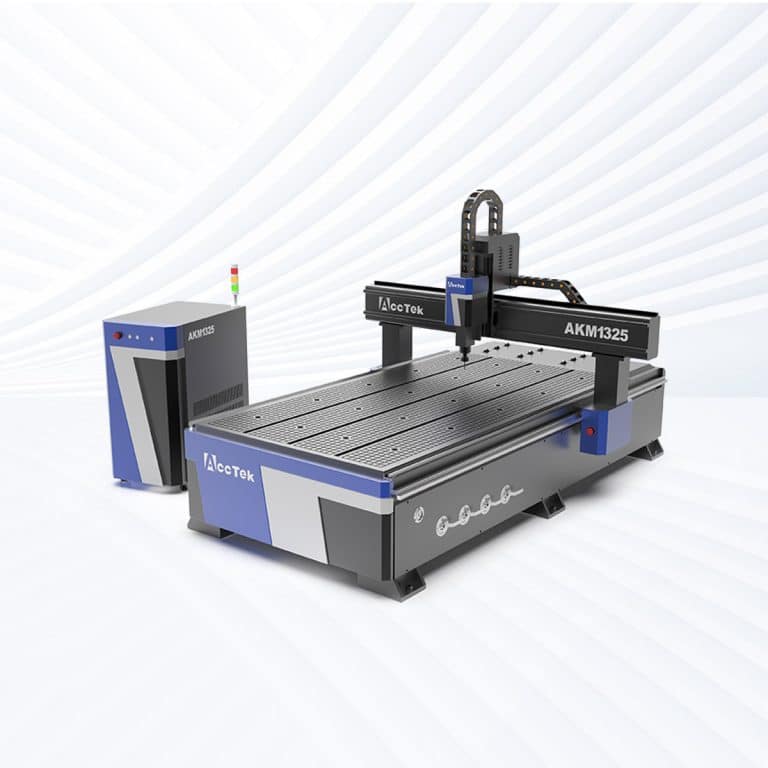
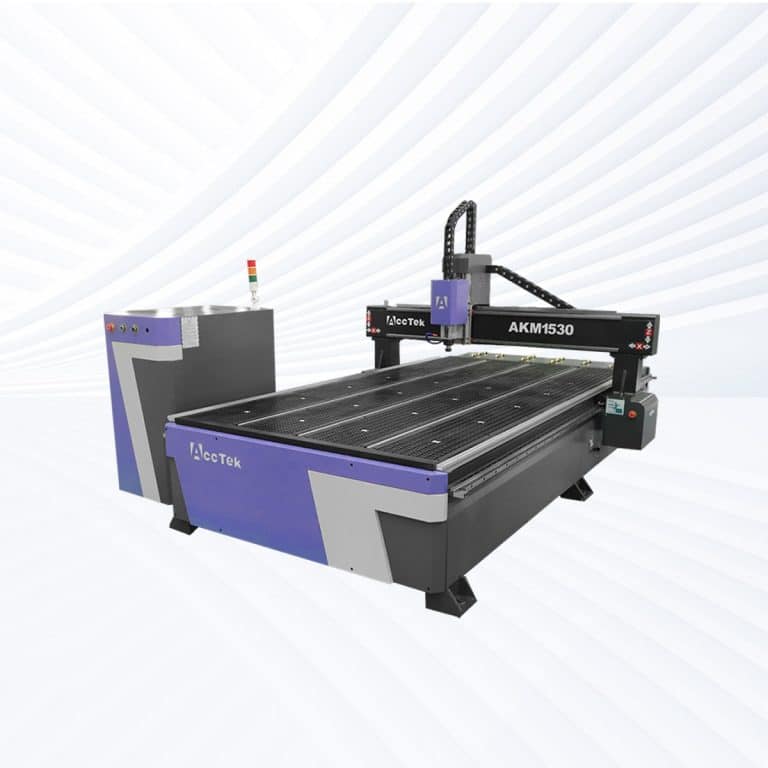
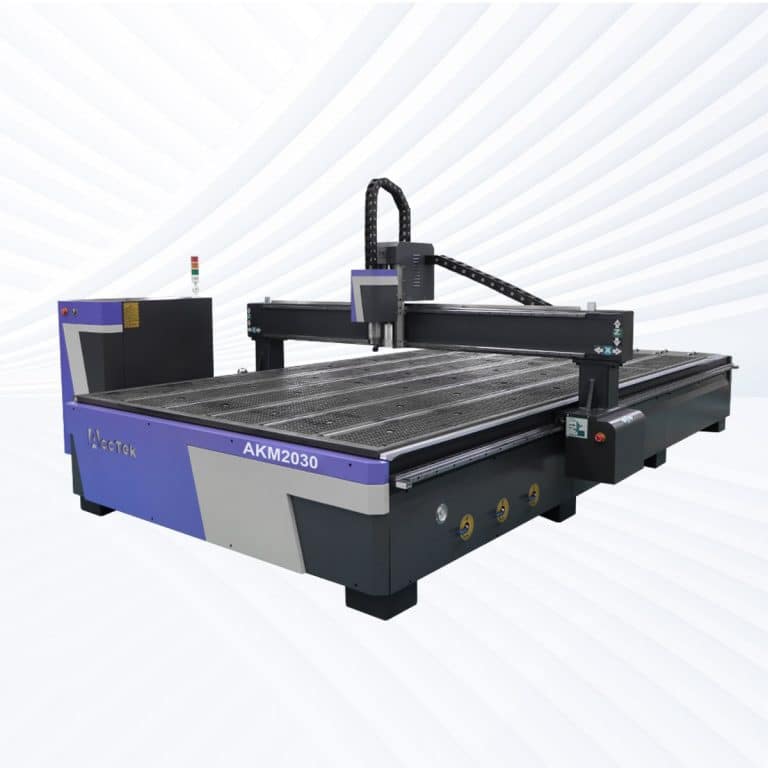
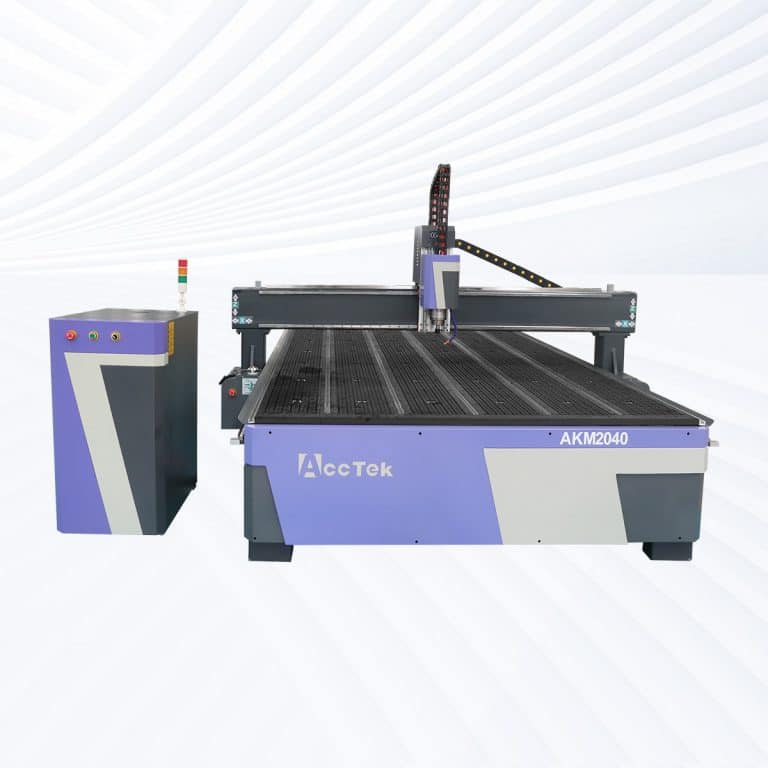
Types of Stained Glass CNC Routers
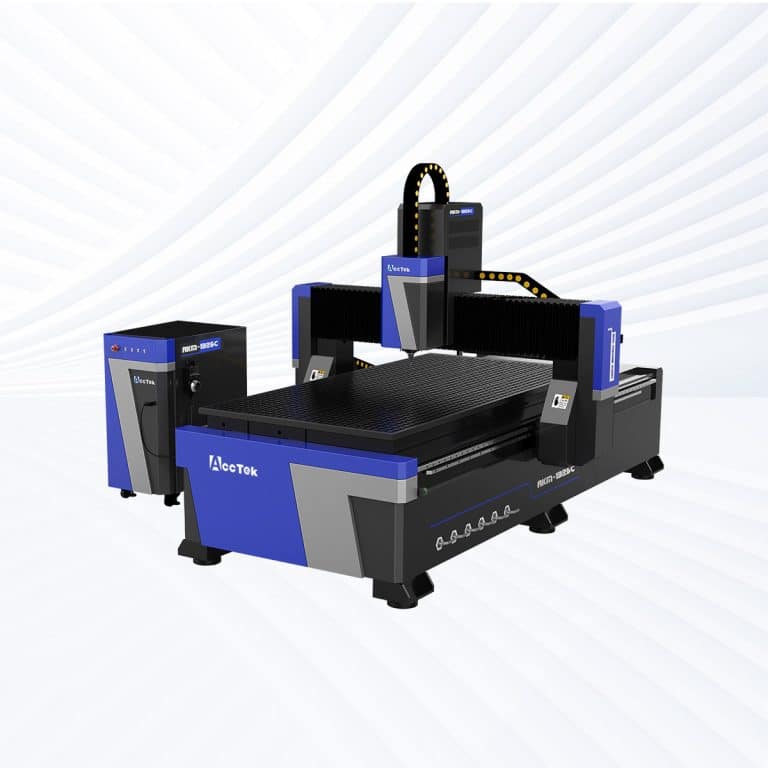
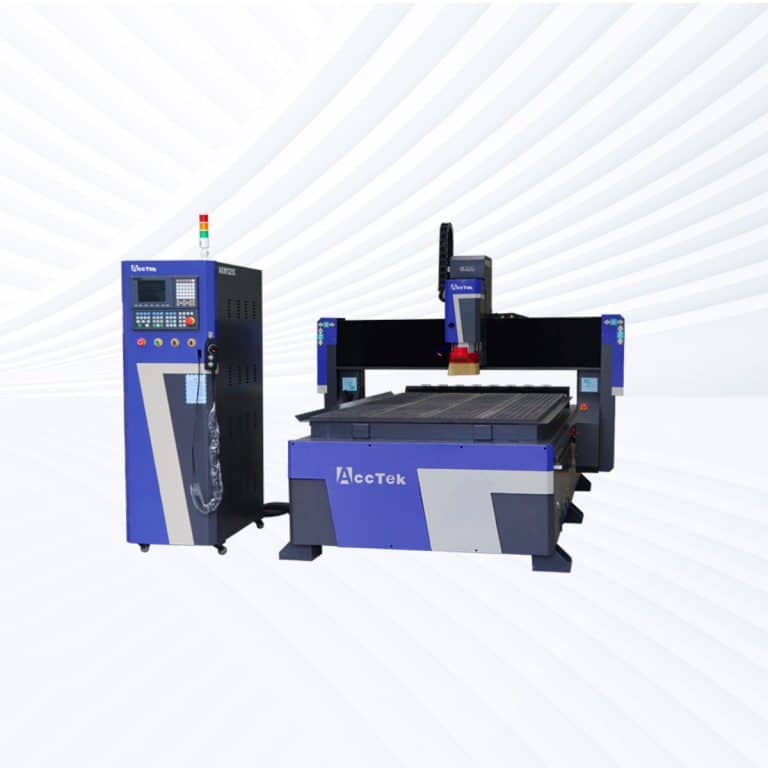
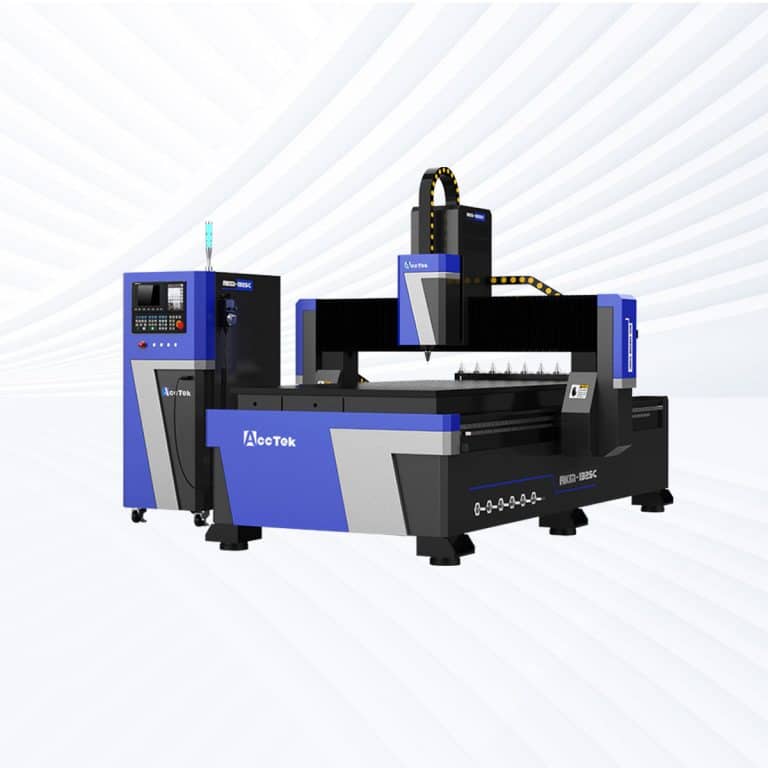
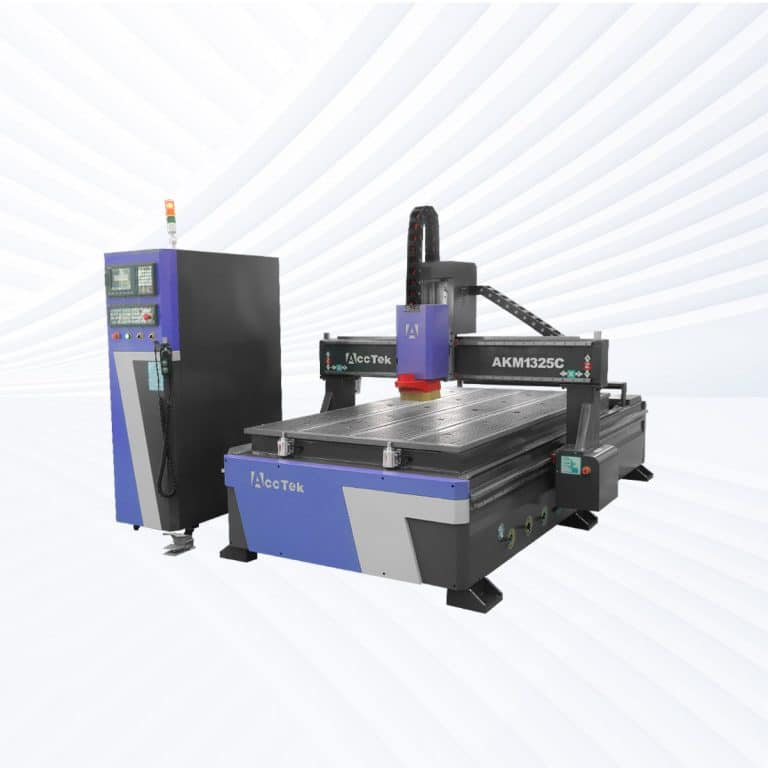
Material Routing Capability
| Material Type | 1.5 kW | 2.2 kW | 3.0 kW | 3.2 kW | 3.5 kW | 4.5 kW | 5.5 kW | 6.0 kW | 7.5 kW | 9.0 kW |
|---|---|---|---|---|---|---|---|---|---|---|
| Softwood | Light Cutting | Standard Cutting | Fast Cutting | Fast Cutting | Fast Cutting | High-Speed Cutting | Heavy-Duty Cutting | Heavy-Duty Cutting | Industrial Cutting | Industrial Cutting |
| Hardwood | Light Duty | Standard Cutting | Stable Cutting | Stable Cutting | High-Precision | Heavy-Duty | Heavy-Duty | High-Torque Cutting | Industrial Cutting | Industrial Cutting |
| Plywood/MDF | Basic Cutting | Smooth Cutting | Fast, Clean Cutting | Fast Cutting | High-Precision | Heavy-Duty | Heavy-Duty | Industrial Smooth Cuts | High-Volume Cutting | High-Volume Cutting |
| HDF/Particle Board/Melamine | Light Cuts | Standard Cuts | Clean Cuts | Clean Cuts | High-Precision | Heavy-Duty | Heavy-Duty | Industrial | Industrial | Industrial |
| Acrylic(PMMA) | Thin Sheets | Clean Cutting | Fast, Clean Edges | High Clarity | High Clarity | Smooth Finishing | Smooth Finishing | Industrial Clarity | Industrial Clarity | Industrial Clarity |
| Polycarbonate/PETG | Thin Sheets | Clean Cutting | Stable Cutting | Stable Cutting | Precision Cutting | Heavy-Duty | Heavy-Duty | Industrial | Industrial | Industrial |
| ABS/PVC Foam Board | Light Duty | Standard | Fast Cutting | Fast Cutting | High Stability | Heavy-Duty | Heavy-Duty | Industrial | Industrial | Industrial |
| HDPE/LDPE/PP/Nylon | Light Cuts | Standard Cuts | Stable Cuts | Stable Cuts | Deep Routing | Heavy-Duty | Heavy-Duty | High-Torque | Industrial | Industrial |
| Delrin/UHMW | Light Duty | Standard | Accurate Routing | Accurate Routing | High-Precision | Heavy-Duty | Heavy-Duty | Industrial | Industrial | Industrial |
| Solid Surface (Corian) | Very Light | Standard | Strong Cutting | Clean Cutting | High-Precision | Heavy-Duty | Heavy-Duty | Industrial Cutting | Industrial Cutting | Industrial Cutting |
| Fiberglass/Carbon Fiber Sheet | Light Trimming | Standard | Precise Routing | Precise Routing | High-Precision | Heavy-Duty | Heavy-Duty | Industrial | Industrial | Industrial |
| Phenolic/Bakelite | Limited | Standard | Clean Routing | Clean Routing | Precision Routing | Heavy-Duty | Heavy-Duty | Industrial | Industrial | Industrial |
| Foam(EVA, XPS, EPS, PU) | Very Easy | Very Easy | Fast Cutting | Fast Cutting | Ultra-Fast | Ultra-Fast | Ultra-Fast | High-Speed | High-Speed | High-Speed |
| Rubber/Leather/Cork | Light Duty | Standard | Clean Edges | Clean Edges | Faster Routing | Heavy-Duty | Heavy-Duty | Industrial | Industrial | Industrial |
| Cardboard/Paperboard | Easy | Easy | Fast Cutting | Fast Cutting | Ultra-Fast | Ultra-Fast | Ultra-Fast | Industrial | Industrial | Industrial |
| ACP/ACM (Surface Routing Only) | Very Light | Standard | Clean Grooves | Clean Grooves | High Precision | Heavy-Duty | Heavy-Duty | Industrial | Industrial | Industrial |
Compatible Materials
- Traditional Stained Glass Sheets
- Cathedral Glass
- Opalescent Glass
- Textured Art Glass
- Antique Restoration Glass
- Spectrum System 96 Glass
- Oceanside Compatible Glass
- Bullseye COE 90 Glass
- Wispy Stained Glass
- Streaky Stained Glass
- Waterglass Textured Sheets
- Ripple Glass
- Hammered Glass
- Baroque Swirl Glass
- Iridescent Stained Glass
- Dichroic-Coated Glass
- Frosted Glass
- Etched Glass Sheets
- Clear Float Glass
- Tempered Glass
- Laminated Glass
- Patterned Architectural Glass
- Mirror-Backed Glass
- Colored Mirror Glass
- Fused Glass blanks
- Cast Glass Slabs
- Kiln-Formed Glass Panels
- Art Mosaic Glass Tiles
- Smalti Mosaic Glass
- Glass Rods
- Glass Discs for Ornaments
- Beveled Glass Pieces
- Leadlight Glass Panels
- Copper-Foil Stained Glass Pieces
- Glass Jewelry Blanks
- Vitreous Enamel-Coated Glass
- UV-Printed Decorative Glass
- Painted Stained Glass
- Sandblasted Art Glass
- Specialty Fused-Glass Art Sheets
Application of Stained Glass CNC Routers




Customer Testimonials
Comparison VS Other Engraving Technologies
| Comparison Item | Stained Glass CNC Routing | Laser Engraving | Chemical Etching | EDM Engraving |
|---|---|---|---|---|
| Working Principle | Mechanical routing with diamond or carbide tools | Thermal ablation using laser energy | Acid or chemical reaction removes surface | Spark erosion using electrical discharge |
| Suitable Materials | Glass, stained glass panels, laminated glass | Glass, coated glass, acrylic | Metals, glass, ceramics | Conductive metals only |
| Cutting Ability | Yes, full-depth routing on glass | Limited; mainly surface marking | No cutting capability | Yes, but only metals |
| Engraving Depth | Deep engraving possible | Mostly shallow | Very shallow and uniform | Deep but slow |
| Precision Level | High with stable tooling | Very high for fine surface detail | Moderate | Extremely high |
| Detail Resolution | Moderate–high depending on tool size | Excellent micro-detail | Good for simple patterns | Exceptional, fine features |
| Edge Quality | Smooth edges after polishing | Smooth but shallow | Smooth chemical edge | Very clean metal edges |
| Heat Impact on Material | No heat-affected zone | Small heat-affected zone | None | Minimal heat but sparks |
| Risk of Cracks/Fractures | Low with proper feed rates | Medium (thermal stress) | Low | Not suitable for glass |
| Production Speed | Medium | Fast | Medium-slow | Slow |
| Setup Requirements | Tooling + coolant setup | Simple digital setup | Chemical tanks + masks | Complex setup + electrodes |
| Skill Requirement | Moderate | Low–moderate | Moderate | High |
| Operating Cost | Low–medium (tools, coolant) | Medium (laser maintenance) | Medium–high (chemicals) | High (electrodes, power) |
| Maintenance Needs | Tool replacement + lubrication | Lens/tube cleaning | Chemical disposal | Electrode wear + dielectric care |
| Best Applications | Cutting/engraving stained glass shapes and patterns | Fine marking and surface designs | Decorative surface etching | Precision metal engraving |
Why Choose Us
High Precision & Efficiency
AccTek CNC routers deliver fast, accurate results with minimal errors, supporting intricate designs and mass production across the woodworking, plastic, and metal industries.
Robust and Durable Design
Our machines are built with high-quality frames and components, ensuring long service life, high load-bearing capacity, and stability during high-speed operations.
Intelligent Control Systems
Equipped with user-friendly interfaces and smart controllers, our routers offer smooth motion control, automatic toolpath optimization, and easy integration with various CAD/CAM software.
Flexible Customization
From machine size to spindle power and motor type, we offer flexible configurations to suit different production needs, budgets, and material requirements.
Related Resources
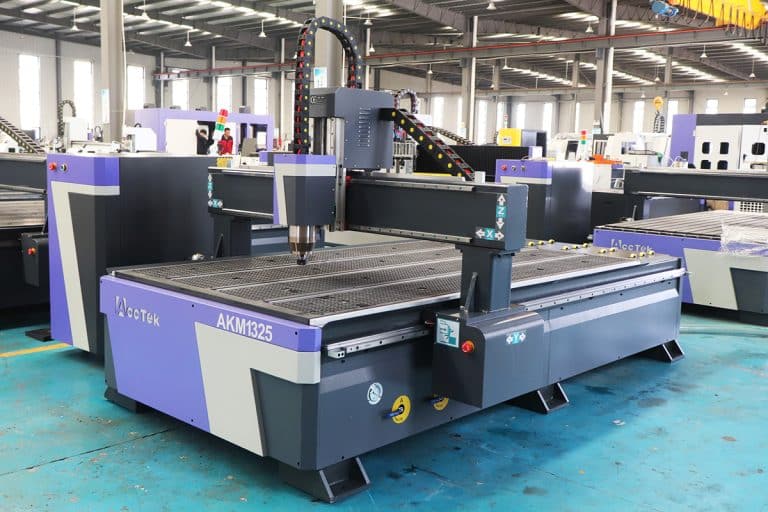
How Do CNC Routers Work
This article explains the working principle of CNC routers, from the motion system and cutting tools to the software workflow, materials, precision, and actual machining principles.
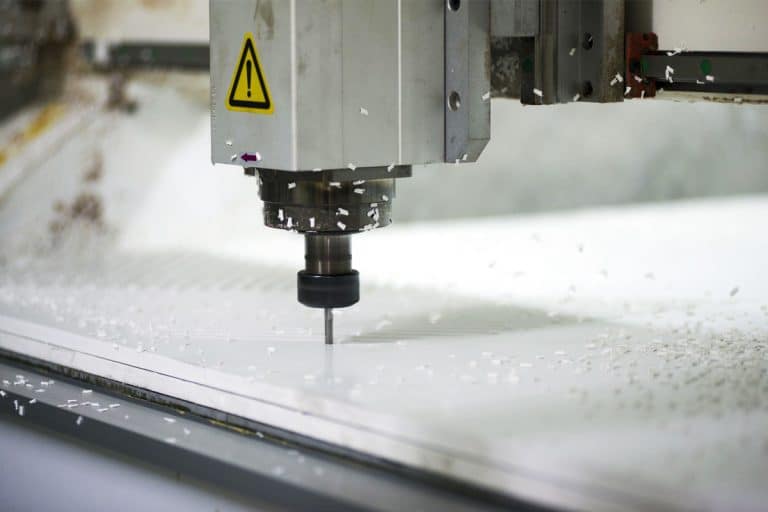
How To Maintain CNC Routers
This article provides a comprehensive guide on how to maintain CNC routers, covering essential tasks, troubleshooting tips, upgrades, and best practices to ensure optimal performance and longevity.
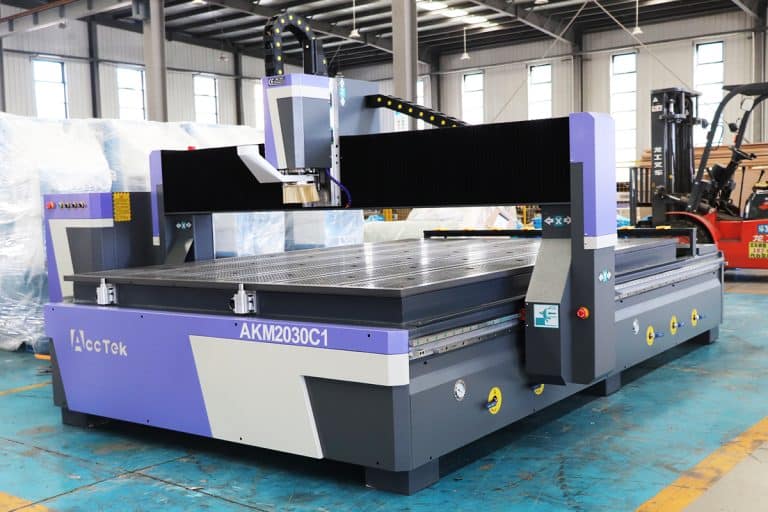
What Is The Accuracy Of CNC Routers
This article is a comprehensive guide that explains the precision of CNC routers, the key factors affecting precision, expected performance, and how to improve machining results.
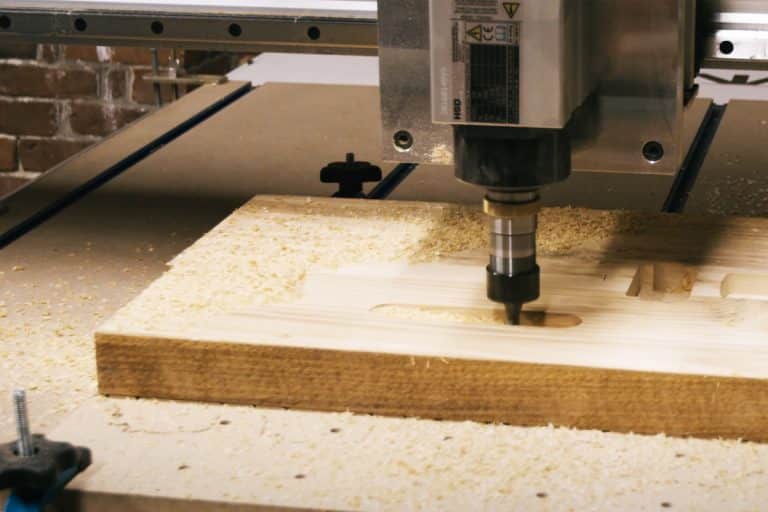
How to Choose the Right Router Bits for CNC Routers
This article explains how to select the right router bit for your CNC router, including cutter type, material, coating, and tip, to achieve precise, efficient, and durable cutting performance.
Frequently Asked Questions
What Is The Price Of Stained Glass CNC Routers?
What Is The Working Range Of Stained Glass CNC Routers?
- Compact Working Areas: Sizes such as 700mm×900mm and 900mm×1500mm are ideal for studios producing small stained glass artworks, decorative panels, intricate mosaic pieces, and detailed edging work. These compact CNC routers provide excellent control and require relatively little workshop space, making them suitable for small or medium creative environments.
- Standard Medium Sizes: Popular formats like 1300mm×2500mm and 1500mm×3000mm offer enhanced versatility for cutting standard glass panels used in interior décor, custom windows, and artistic installations. These sizes allow the processing of full-sized stained glass sheets, reducing manual trimming and improving workflow efficiency.
- Large-Format Industrial Sizes: Working areas such as 2000mm×3000mm and 2000mm×4000mm support the production of larger stained glass components for architectural applications, such as church windows, hotel décor, façade panels, and custom glass partitions. The expanded coverage provides ample room for long, continuous cuts and oversized designs.
- Extended and Extra-Large Sizes: Models like 2000mm×6000mm and 3000mm×6000mm cater to specialty stained glass manufacturers who require continuous processing of extra-long or multi-panel glass sections. These industry-grade machines are suitable for processing structural decorative glass, large mural projects, and multi-panel series production.
- Customizable Working Dimensions: For workshops handling irregular or oversized stained glass materials, custom table sizes can be manufactured to fit unique production needs. Custom CNC routers may include reinforced frames, extended gantries, dual-table layouts, or automated loading systems, depending on project scale.
What Factors Affect The Price Of Stained Glass CNC Routers?
- Machine Size and Working Area: Larger CNC routers—such as 1500mm×3000mm, 2000mm×4000mm, or 3000mm×6000mm—use more materials, heavier frames, and more powerful motion systems, increasing overall cost. Smaller models like 700mm×900mm or 900mm×1500mm are more affordable and suitable for studios and small workshops.
- Spindle Power and Cooling Type: Higher spindle power (4.5 kW, 6.0 kW, or 9.0 kW) increases cutting capability and raises the price compared to lower-power options. Water-cooled spindles often cost slightly more than air-cooled spindles due to improved stability and longer continuous work cycles.
- Motor and Drive System: Stepper motors are the most economical, while easy servo and full servo systems increase price due to higher accuracy, higher torque, and smoother motion—important for detailed stained glass cutting. Linear guides, helical racks, and premium ball screws also influence cost.
- Control System: Advanced controllers like Syntec or NK systems offer better precision, faster processing, and more stable performance, which raises the price relative to lower-cost controllers such as Mach3. Industrial-grade systems improve reliability for complex stained glass designs.
- Frame Structure and Build Quality: Heavy-duty welded steel frames, reinforced gantries, and vibration-resistant platforms support stable glass machining and increase machine durability. Higher structural rigidity typically raises the machine’s price but ensures accuracy and a longer lifespan.
- Tooling, Accessories, and Add-Ons: Optional features such as dust-proofing, mist cooling, automatic tool changers (ATC), upgraded vacuum tables, and enhanced safety enclosures contribute to higher cost. Specialized glass-cutting bits or oscillating tool heads also affect pricing.
- Automation Level: CNC routers with loading systems, conveyors, or integrated production lines cost more but significantly increase productivity for high-volume stained glass manufacturers.
Are The Routing Edges Of Stained Glass CNC Routers Clean?
- Specialized Diamond-Coated Tools: Stained glass requires diamond-coated or diamond-grit router bits to achieve clean edges. These tools grind the glass surface rather than cut it, allowing smoother, chip-free edge finishing. Using improper bits may lead to micro-cracks or flaking along the edges.
- High-Stability Spindle Performance: Both air-cooled and water-cooled spindles provide the stability required to process stained glass, but water-cooled spindles typically offer quieter operation and better vibration control. Reduced vibration directly contributes to cleaner edges and minimizes chipping during intricate patterns.
- Optimized Feed Rate and RPM: Stained glass requires slow, controlled feed rates and steady spindle speeds to prevent edge breakout. Excessive speed or aggressive cutting can cause chipping, while proper parameters ensure a smooth finish suitable for decorative, architectural, or artistic glass work.
- Coolant or Lubrication Assistance: Some stained glass CNC setups use mist cooling or water-assisted lubrication to reduce friction and heat buildup. This prevents micro-fractures along routed edges and improves the final surface clarity. Dry routing is possible, but less forgiving on thick or textured glass.
- Machine Rigidity and Vibration Control: A rigid machine frame, heavy gantry, and stable linear guides are essential to maintain clean edge geometry. Any vibration can stress the glass, resulting in small chips or irregularities on the edges, particularly during deep or curved cuts.
- Edge Smoothness and Final Quality: When proper tooling, cooling, and parameters are used, stained glass CNC routers produce smooth, uniform routing edges requiring little to no additional hand-finishing. Fine grinding bits allow decorative edge profiles and precise pattern shaping.
- Suitability for Artistic and Architectural Applications: Clean edge quality makes these CNC routers suitable for stained glass windows, mosaic components, art panels, lighting fixtures, and restoration work where consistency and precision are critical.
Is It Safe To Use Stained Glass CNC Routers?
- Safe and Stable Machine Operation: Stained Glass CNC routers feature rigid frames and controlled cutting systems that maintain stability throughout operation. When properly installed on a level workshop floor, the machine operates smoothly without unexpected vibration. Regular checks of fasteners, rails, and spindle systems help maintain safe operation during continuous cutting tasks.
- Glass Dust and Fragment Management: Cutting stained glass generates fine dust particles and micro-fragments. Safe operation requires an efficient dust extraction system to keep debris away from the cutting area and to prevent airborne glass particles from spreading through the workshop. Proper dust filtration and frequent cleaning of the worktable help protect both operators and machine components.
- Safe Tool Handling and Bit Selection: Using the correct diamond or carbide tools helps ensure smooth cutting and reduces the risk of cracking or chipping the material. Choosing the right feed rate and spindle speed minimizes material stress, preventing unexpected breakage that could create sharp fragments.
- Protective Equipment Requirements: Operators must wear PPE such as safety goggles, cut-resistant gloves, and dust masks to protect against airborne particles and sharp edges. Hearing protection is recommended in high-noise environments, especially during prolonged operation. Close-fitting clothing and tied-back hair prevent entanglement risks near moving components.
- Material Loading Safety: Handling stained glass sheets requires care due to their weight and fragile edges. Operators should lift materials slowly, with proper grip and support, to avoid accidental drops or breakage. Smooth loading and secure clamping on the worktable help maintain safe cutting conditions.
- Electrical and Emergency Controls: CNC routers for stained glass include emergency stop buttons, protective covers, and software safeguards that stop the machine during abnormal operation. Routine inspection of cables, grounding, and control system connections ensures electrical safety throughout use.
- Training and Operating Awareness: Safe use of stained glass CNC routers depends on proper operator training, including familiarity with CAD/CAM programming, safe material handling, and routine machine maintenance.
What PPE Is Needed To Operate Stained Glass CNC Routers?
- Eye Protection: Safety goggles or sealed protective eyewear are essential due to fine glass dust and tiny fragments produced during routing. Even with an effective dust extraction system, small particles may become airborne and pose a hazard. Anti-fog and impact-resistant lenses provide added protection during extended operation.
- Respiratory Protection: Stained glass generates fine, abrasive dust when machined. A high-quality dust mask or a certified respirator (N95 or higher) helps prevent inhalation of glass particles that may irritate the respiratory system. Operators should use respiratory PPE even when dust collectors or vacuum systems are installed.
- Hearing Protection: CNC routers can produce significant noise, especially when cutting dense glass materials at high spindle speeds. Earplugs or earmuffs reduce long-term hearing damage and improve operator comfort during prolonged operation.
- Cut-Resistant Gloves: When handling stained glass sheets, offcuts, or finished pieces, operators should wear cut-resistant gloves. While gloves must never be worn near the rotating spindle or moving gantry, they are essential during material loading, unloading, and cleanup to prevent cuts from sharp edges.
- Protective Clothing: Long-sleeve workwear, aprons, or dust-resistant garments help shield the skin from abrasive glass debris. Clothing should be fitted—not loose—to avoid entanglement with machine components. Durable footwear with slip-resistant soles improves safety around the worktable and loading zone.
- Face Shield (Optional but Recommended): For heavy-duty stained glass routing or high-speed profiling, a full face shield adds extra protection from fine particles and flying debris, especially when working with brittle or textured glass types.
- Handling and Workshop Safety Gear: Operators may also use wrist supports, anti-fatigue mats, or safety sleeves, depending on workflow and production volume.
What Special Requirements Are There For The Workshop Floor For Stained Glass CNC Routers?
- Flat, Level Surface: A perfectly level floor is critical for stained glass CNC routers. Any uneven sections can cause frame distortion, inaccurate bit alignment, and variations in cutting depth. A properly leveled concrete foundation ensures consistent toolpaths and prevents misalignment when machining delicate stained glass substrates.
- High Load-Bearing Strength: CNC routers—especially larger formats such as 1300mm×2500mm or 1500mm×3000mm—are heavy machines. The floor must support the static load without sinking or cracking. Reinforced concrete flooring is the preferred option for maintaining long-term stability and minimizing frame flex during fast gantry movements.
- Vibration Control: Glass cutting requires smooth, vibration-free motion to avoid chipping or micro-cracks along the edge. A dense, solid concrete floor helps absorb machine vibration and prevents oscillation that may affect accuracy. Avoid installing CNC routers on wooden floors or lightweight platforms that may introduce movement.
- Dust and Debris Management: Although stained glass generates less dust than wood or foam, chips and fine particles still accumulate. A smooth, sealed concrete floor makes sweeping and vacuuming more effective, preventing debris from entering linear guides or ball screws. Good floor cleanliness contributes to consistent machine performance.
- Moisture and Temperature Stability: Workshop floors should remain dry and free from humidity fluctuations. Excess moisture can lead to corrosion of machine components or cause expansion in auxiliary fixtures. Stable temperature conditions help maintain precision when cutting glass panels that require exact pressure and feed control.
- Anchoring and Machine Positioning: Some large stained glass CNC routers may benefit from optional floor anchoring to increase stability during high-speed movement. A solid concrete slab provides reliable anchor placement where necessary.
- Safe Operator Movement: The floor should allow safe access around the machine with slip-resistant surfaces, clear pathways for loading glass panels, and space for dust extraction, electrical routing, and accessory stands.
What Is The Lifespan Of Stained Glass CNC Routers?
- Overall Machine Lifespan: High-quality stained glass CNC routers generally offer a lifespan of 8-12 years, while industrial heavy-duty models can last 15 years or longer with proper maintenance. Robust steel frames, rigid gantries, and premium linear components help maintain long-term accuracy even under continuous production.
- Spindle Lifespan: The spindle is one of the most critical components. Air-cooled and water-cooled spindles typically last 3-5 years, depending on usage hours, load intensity, and cooling performance. Regular lubrication, proper RPM settings, and avoiding overloading are essential for prolonging spindle life, especially when cutting dense stained glass materials.
- Motor and Drive System Lifespan: Stepper, easy-servo, and servo motors can operate reliably for 5-10 years. Servo systems tend to last longer due to better thermal control and closed-loop feedback. Routine inspection of couplings, belts, and drivers ensures stable motion performance throughout the machine’s life.
- Linear Guides and Transmission Components: Linear guide rails, ball screws, and helical racks generally maintain precision for 8-10 years when kept clean and lubricated. Since stained glass cutting produces fine glass dust, frequent cleaning is essential to prevent wear and ensure smooth movement.
- Control System Lifespan: CNC controllers such as Syntec, Mach3, or industrial-grade systems typically last 8-12 years with minimal failure risk. Ensuring stable electrical conditions and dust-free environments helps maximize service life.
- Impact of Operating Conditions: Humidity, temperature fluctuations, and excessive glass dust can shorten the CNC router’s lifespan. Proper workshop ventilation, dust collection, and regular inspection help maintain long-term reliability.
- Maintenance Influence: Machines that undergo scheduled maintenance—cleaning, lubrication, checking fasteners, and replacing consumables—consistently achieve the longest service life.