

Product Introduction
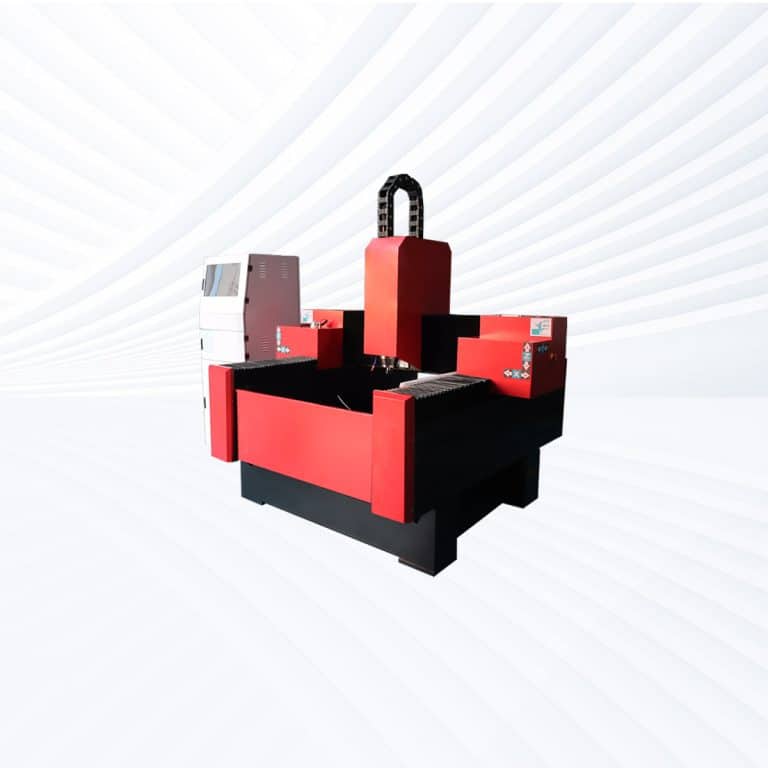
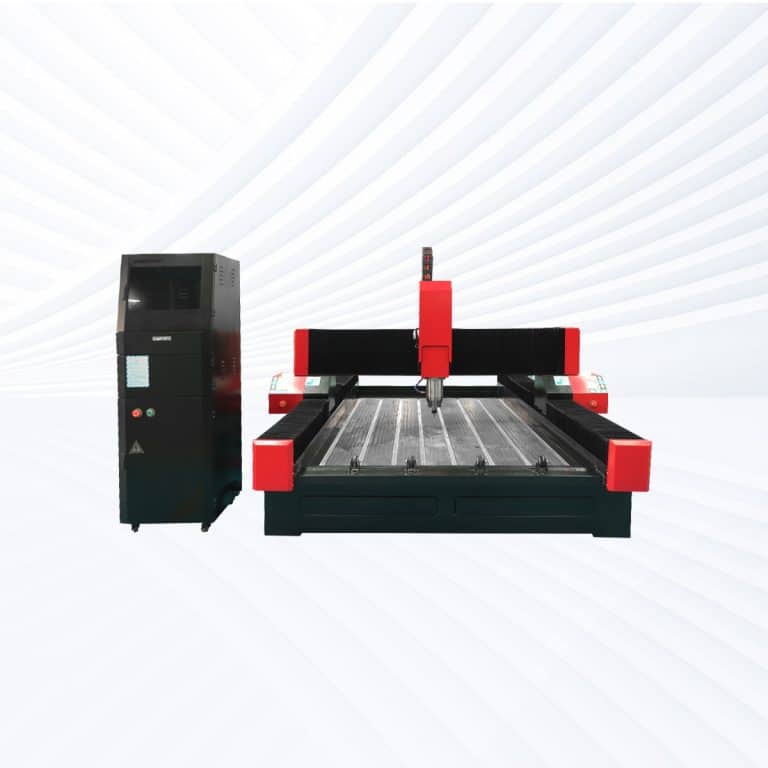
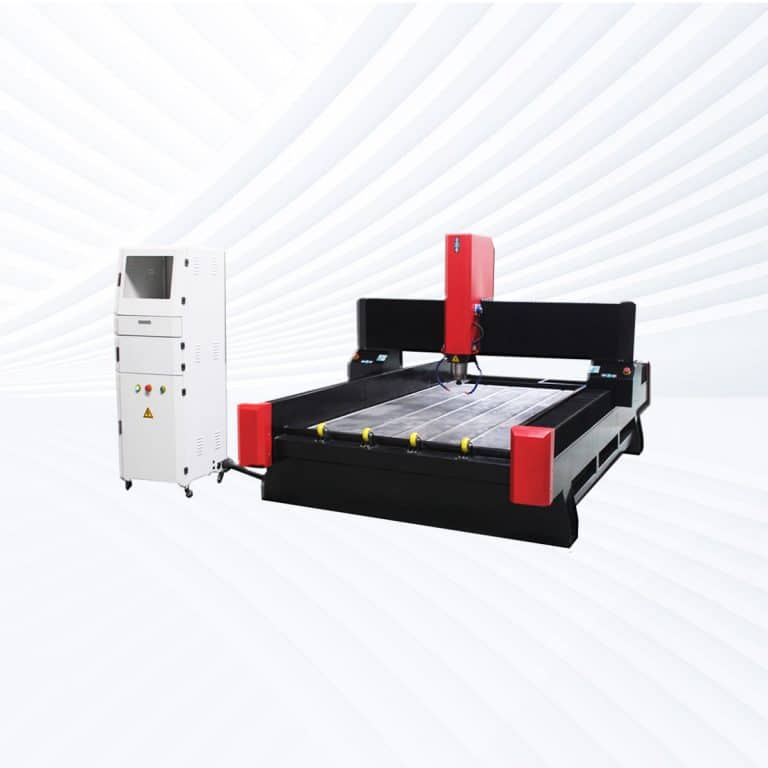
Material Routing Capability
| Stone Material Type | 1.5 kW | 2.2 kW | 3.0 kW | 3.2 kW | 3.5 kW | 4.5 kW | 5.5 kW | 6.0 kW | 7.5 kW | 9.0 kW |
|---|---|---|---|---|---|---|---|---|---|---|
| Marble | Light Engraving | Light Engraving | Basic Routing | Standard Routing | Deep Routing | Heavy-Duty Cutting | Industrial Cutting | Industrial Cutting | High-Throughput Cutting | High-Throughput Cutting |
| Granite | Not Suitable | Very Light Engraving | Light Engraving | Shallow Routing | Controlled Routing | Heavy-Duty Routing | Industrial Cutting | Industrial Cutting | High-Torque Cutting | High-Torque Cutting |
| Quartz Stone | Not Suitable | Very Light Engraving | Light Engraving | Shallow Routing | Controlled Cutting | Heavy-Duty Cutting | Industrial Precision | Industrial Precision | High-Throughput Cutting | High-Throughput Cutting |
| Bluestone/Limestone | Light Engraving | Basic Routing | Standard Routing | Standard Routing | Deep Routing | Heavy-Duty Cutting | Heavy-Duty Cutting | Industrial Cutting | Industrial Cutting | Industrial Cutting |
| Sandstone | Light Cutting | Standard Cutting | Deep Cutting | Deep Cutting | High-Precision | Heavy-Duty Cutting | Heavy-Duty Cutting | High-Speed industrial | High-Speed industrial | High-Speed industrial |
| Slate | Light Engraving | Standard Engraving | Stable Routing | Stable Routing | Deep Routing | Heavy-Duty Routing | Industrial Routing | Industrial Routing | High-Torque Routing | High-Torque Routing |
| Ceramic Tile | Not Supported | Light Engraving | Light Grooving | Shallow Grooving | Controlled Grooving | Heavy-Duty Grooving | Industrial Grooving | Industrial Grooving | High-Torque Grooving | High-Torque Grooving |
| Porcelain Tile | Not Supported | Very Light | Light Grooving | Shallow Grooving | Controlled Grooving | Heavy-Duty Grooving | Industrial Grooving | Industrial Grooving | High-Torque Grooving | High-Torque Grooving |
| Artificial Stone/Resin Stone | Light Routing | Standard Routing | Deep Routing | Deep Routing | High-Precision cuts | Heavy-Duty Cutting | Heavy-Duty production | Industrial Cutting | Industrial Cutting | Industrial Cutting |
| Concrete/Cement Board | Not recommended | Light trimming | Light trimming | Controlled Routing | Controlled Routing | Heavy-Duty Routing | Industrial Routing | Industrial Routing | Industrial Routing | Industrial Routing |
Compatible Materials
- Carrara Marble
- Calacatta Marble
- Statuario Marble
- Arabescato Marble
- Nero Marquina Marble
- Crema Marfil Marble
- Emperador Dark Marble
- Emperador Light Marble
- Botticino Marble
- Travertine Marble
- Volakas Marble
- Thassos Marble
- Pietra Grey Marble
- Rosso Levanto Marble
- Rosso Verona Marble
- Rainforest Green Marble
- Rainforest Brown Marble
- Black Marble
- White Marble
- Blue Marble
- Green Marble
- Yellow Marble
- Pink Marble
- Brown Marble
- Beige Marble
- Sandstone Marble
- Limestone Marble
- Onyx Marble
- Artificial Marble
- Cultured Marble
- Engineered Marble Panels
- Marble Composite Sheets
- Marble Mosaic Tiles
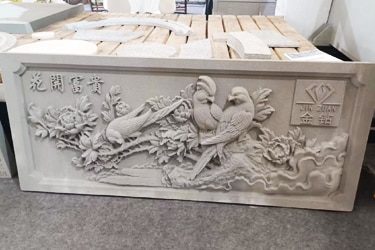
- Marble Relief Panels
- Marble Countertop Slabs
- Marble Vanity Tops
- Marble Stair Treads
- Marble Fireplace Surrounds
- Marble Sculpting Blocks
- Reconstituted Marble Blocks
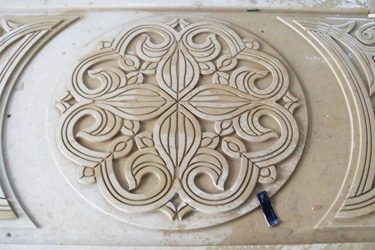
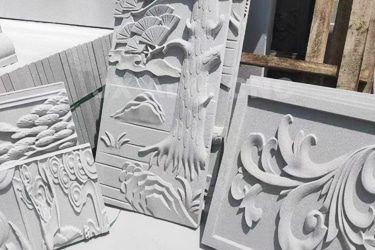
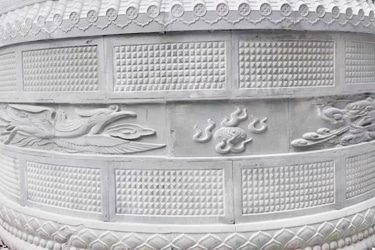
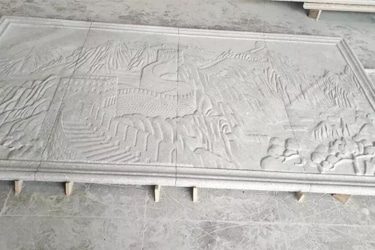
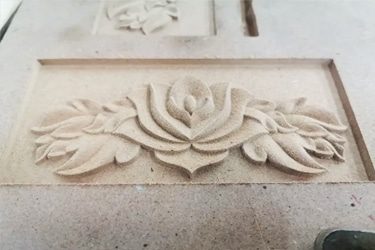
Application of Marble CNC Routers


Customer Testimonials
Comparison VS Other Engraving Technologies
| Comparison Item | Marble CNC Routing | Laser Engraving | Chemical Etching | EDM Engraving |
|---|---|---|---|---|
| Working Principle | Mechanical cutting with diamond tools | Surface burning/vaporization | Chemical reaction dissolves surface | Electrical discharge removes material |
| Suitable Materials | Natural stone, marble, granite | Marble (limited), stone, ceramics | Stone, marble (slow), metals | Hard metals; not suitable for stone |
| Cutting Ability | Full-depth cutting, profiling | Only engraving, no deep cutting | No cutting capability | No cutting capability |
| Engraving Depth | Deep engraving, 3D carving | Shallow surface marking | Very shallow | Very shallow |
| Precision Level | High accuracy for large surfaces | Very fine detail | Moderate | Very high (for metals only) |
| Surface Finish | Smooth with correct tooling | Smooth but shallow | Rough, requires cleaning | Very smooth (not for marble) |
| Speed | Fast for large pieces | Fast for surface marking | Slow | Slow |
| Complexity of Designs | Handles 2D/3D carvings, textures | Excellent for patterns & photos | Good for small shallow designs | Excellent but not usable on stone |
| Tooling Requirements | Diamond bits, stone tools | No tools, just optics | Chemical masks & acids | Copper electrodes |
| Operating Cost | Medium (bits + power) | Low to medium | Medium to high (chemical cost) | High (tooling + power) |
| Setup Requirements | Medium (fixtures, dust removal) | Low | Medium (chemical baths) | High (electrodes + setup) |
| Maintenance Needs | Regular lubrication, tool replacement | Optics cleaning | Chemical disposal, tank cleaning | Electrode shaping, fluid cleaning |
| Safety Considerations | Dust, debris, noise | Laser radiation, fumes | Chemical burns, fumes | Electric shock, conductive fluids |
| Best Applications | Monuments, countertops, reliefs, signs | Photo engraving, decorative marking | Small uniform textures | Precision industrial marking |
| Ideal Use Case | Deep carving & large-format stone machining | Detailed shallow marking | Low-depth decorative patterns | Ultra-fine metal engraving only |
Why Choose Us
High Precision & Efficiency
AccTek CNC routers deliver fast, accurate results with minimal errors, supporting intricate designs and mass production across the woodworking, plastic, and metal industries.
Robust and Durable Design
Our machines are built with high-quality frames and components, ensuring long service life, high load-bearing capacity, and stability during high-speed operations.
Intelligent Control Systems
Equipped with user-friendly interfaces and smart controllers, our routers offer smooth motion control, automatic toolpath optimization, and easy integration with various CAD/CAM software.
Flexible Customization
From machine size to spindle power and motor type, we offer flexible configurations to suit different production needs, budgets, and material requirements.
Related Resources
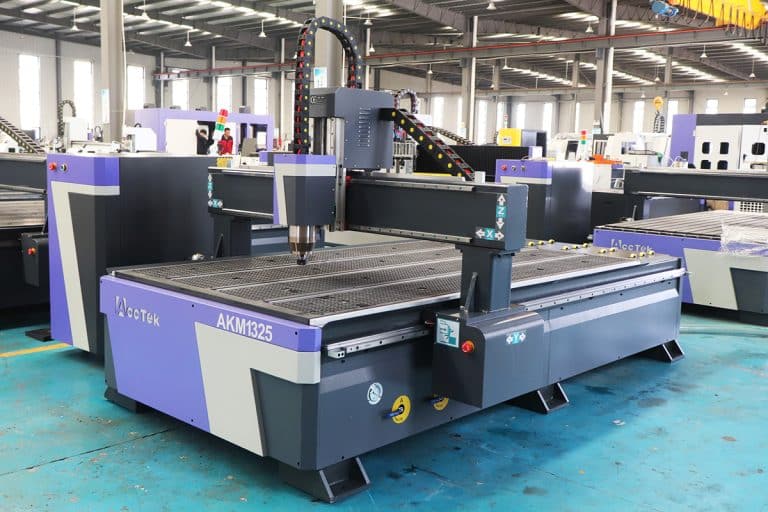
How Do CNC Routers Work
This article explains the working principle of CNC routers, from the motion system and cutting tools to the software workflow, materials, precision, and actual machining principles.
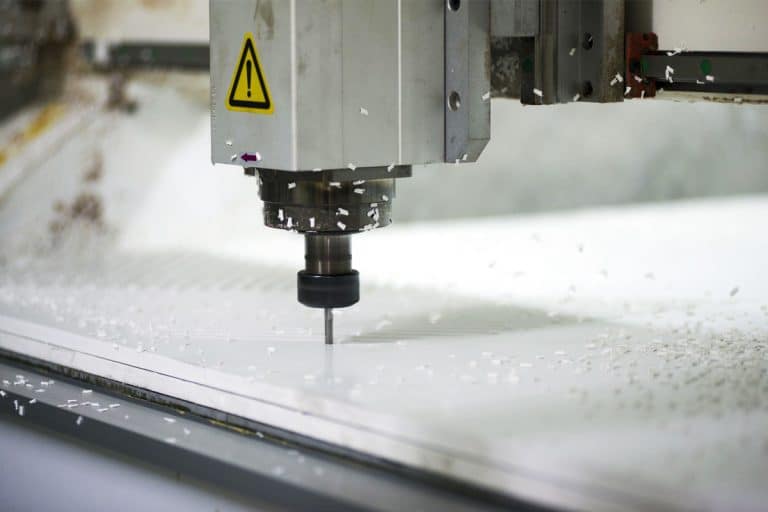
How To Maintain CNC Routers
This article provides a comprehensive guide on how to maintain CNC routers, covering essential tasks, troubleshooting tips, upgrades, and best practices to ensure optimal performance and longevity.
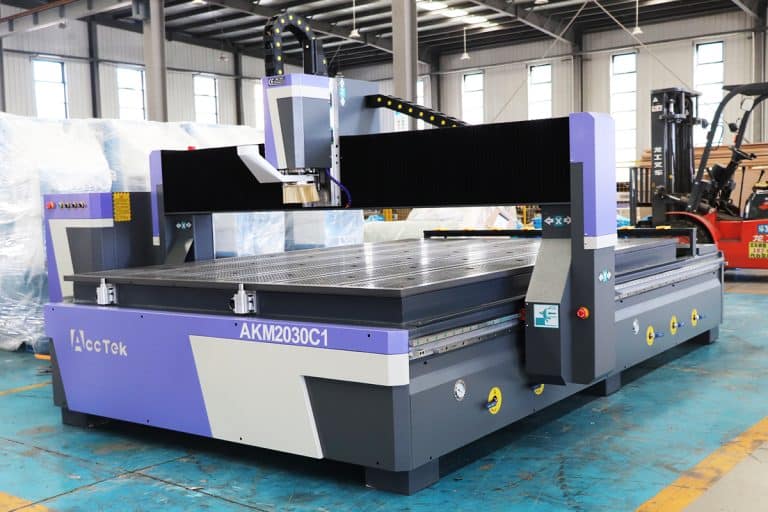
What Is The Accuracy Of CNC Routers
This article is a comprehensive guide that explains the precision of CNC routers, the key factors affecting precision, expected performance, and how to improve machining results.
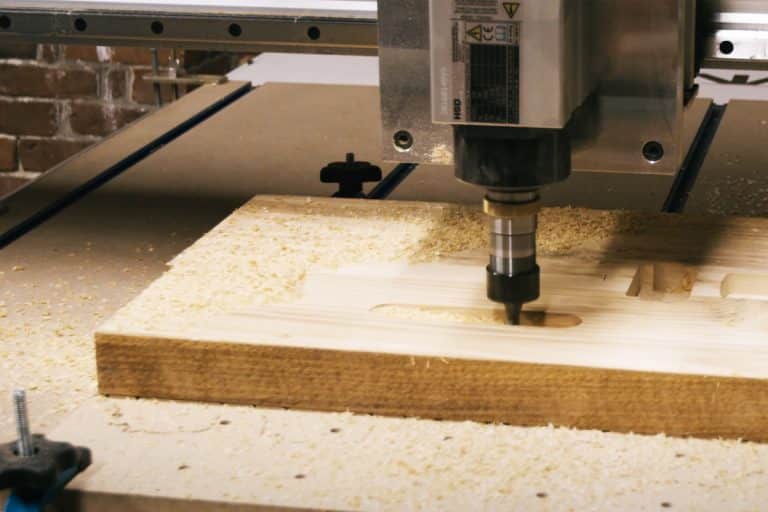
How to Choose the Right Router Bits for CNC Routers
This article explains how to select the right router bit for your CNC router, including cutter type, material, coating, and tip, to achieve precise, efficient, and durable cutting performance.
Frequently Asked Questions
What Is The Price Of Marble CNC Routers?
What Is The Working Range Of Marble CNC Routers?
- 700mm×900mm: This smaller working range is suitable for fine detail work on smaller marble and granite slabs or for applications that require high precision but smaller material sizes. It is ideal for smaller stone cutting, engraving, or relief carving.
- 900mm×1500mm: A mid-range size that is more versatile for medium-sized slabs. This range is suitable for a wider variety of applications, such as countertop production, detailed carving, and cutting multiple smaller pieces from larger slabs of marble or granite.
- 1300mm×2500mm: This is a popular size for more industrial applications, providing a larger working area to accommodate bigger slabs of marble and granite. It is commonly used for larger-scale projects, including larger countertop surfaces, tiles, and intricate designs that require significant workspace.
- Custom Sizes: Many CNC router manufacturers offer custom size options upon request to meet the specific needs of a business. Custom sizes may be required for unusually large slabs or specific cutting and engraving applications. Custom dimensions ensure that the machine can handle larger pieces of marble or granite, or that it can be tailored for specialized tasks.
What Type Of Spindle Do Marble CNC Routers Use?
- Heat Dissipation: Marble, while softer than granite, is still a dense material that generates a significant amount of heat when being cut or milled at high speeds. A water-cooled spindle helps to dissipate this heat effectively. Without proper cooling, excessive heat can cause the cutting tools to wear out more quickly or even damage the material by causing it to crack or discolor.
- Maintaining Tool Life: Water cooling ensures that the spindle remains at a consistent temperature, preventing overheating that could lead to premature wear on the cutting tools. Spindle motors in CNC routers are designed to operate within a specific temperature range, and water cooling helps maintain that, ensuring that the motor runs efficiently for longer periods. This is especially important in applications involving hard materials like marble, where tool wear can be a concern.
- Improved Cutting Performance: By keeping the cutting area cool, a water-cooled spindle reduces friction between the cutting tool and the marble. This results in cleaner cuts, smoother finishes, and less chance of material deformation. The cooling also helps prevent the formation of dust clouds that could interfere with the cutting process and reduce visibility, making the operation safer and more accurate.
- Dust Suppression: Marble cutting generates fine dust, which can be harmful to both the machine and the operator. The water cooling system not only cools the tool but also helps to suppress the dust generated during cutting. The water flows over the cutting tool, washing away debris and dust, which helps maintain a clean working environment.
- Versatility: Water-cooled spindles are versatile and suitable for a wide range of applications beyond just cutting marble, including other stone materials like granite, as well as non-ferrous metals and plastics. This versatility makes water-cooled spindles a practical choice for businesses that work with a variety of materials.
What Are The Disadvantages Of Marble CNC Routers?
- Tool Wear and Maintenance: Marble is a relatively hard material, which causes significant wear on CNC router tools. Diamond-tipped or carbide tools are commonly used to handle the hardness of marble, but even these tools experience wear over time, leading to increased maintenance costs and tool replacements. This means operators must frequently check and change tools to ensure optimal cutting performance.
- Dust and Health Concerns: Cutting marble generates large amounts of dust, which can be harmful to both the machine and the operator if not properly managed. The fine marble dust can clog machine components, such as the spindle and cooling systems, leading to equipment malfunctions and a shorter machine lifespan. Additionally, prolonged exposure to marble dust can pose health risks, including respiratory issues for operators, making it essential to have proper dust collection and ventilation systems in place.
- Heat Generation: When cutting marble, the friction between the cutting tool and the material generates heat. If not adequately managed, this heat can lead to material damage such as cracking or discoloration. Water cooling or other cooling methods are essential to mitigate this, but setting up and maintaining these systems adds to operational complexity and cost.
- Cracking and Chipping: Marble is prone to cracking and chipping, especially when being cut with high-speed tools or at incorrect angles. This is particularly problematic when making intricate cuts or working with thinner slabs. Operators must be cautious and adjust machine settings to minimize the risk of damaging the marble during the cutting process. Even small errors in machine calibration can lead to significant defects in the final product.
- Cost of Equipment: CNC routers designed to handle marble are typically more expensive than those used for softer materials like wood or plastic. The robustness required to work with stone, along with specialized components such as water-cooled spindles and durable cutting tools, drives up the initial investment and ongoing maintenance costs. This makes marble CNC routers a significant investment for businesses.
- Slow Cutting Speed: Due to the hardness of marble, cutting speeds tend to be slower compared to softer materials. This slower processing time can increase production costs, especially for large-scale projects. The slow cutting process may also lead to increased labor costs as more time is required to complete the work.
- Material Variability: Marble slabs can have variations in density, texture, and veining. These variations can affect the cutting process, making it harder to achieve uniform cuts across different pieces. Operators must adjust machine settings accordingly, which can lead to longer setup times and potential inconsistencies in the finished product.
What Training Is Required To Operate Marble CNC Routers?
- Machine Setup and Operation
- Loading and Securing Marble: Operators must understand how to properly load and secure marble slabs on the CNC router’s worktable. This often involves using vacuum or T-slot tables to ensure the material stays in place during the cutting process.
- Machine Controls: Operators need to be familiar with the control panel and software used to operate the CNC router. This includes understanding how to input, modify, and execute cutting programs, as well as how to navigate machine settings like feed rate, spindle speed, and cutting depth.
- Safety Procedures
- Personal Protective Equipment (PPE): Safety training is critical. Operators should be instructed on the proper use of PPE, such as safety goggles, dust masks, hearing protection, and gloves. Handling heavy marble slabs and cutting with high-speed tools presents a variety of safety hazards.
- Emergency Procedures: Operators should know how to safely shut down the machine in the event of an emergency, as well as how to handle situations like material jams, overheating, or tool failures.
- Material Handling and Knowledge
- Understanding Marble Properties: Marble is a dense, hard material, and operators should be educated on its characteristics, such as its brittleness and variability in texture and density. This knowledge helps operators adjust machine settings to prevent issues like cracking or chipping.
- Tool Selection: Operators must learn which tools are best for cutting marble, such as diamond-tipped or carbide tools. They should also understand how to replace and maintain tools, as they can wear out quickly due to the hardness of marble.
- CNC Programming and Software
- CAD/CAM Software: Training in Computer-Aided Design (CAD) and Computer-Aided Manufacturing (CAM) software is necessary. These tools are used to design the marble project, create the cutting paths, and convert the design into machine-readable G-code.
- G-Code Understanding: Operators should be familiar with G-code programming, which is used to communicate cutting instructions to the CNC machine. Basic knowledge of G-code enables the operator to troubleshoot issues and make necessary adjustments to the cutting paths.
- Maintenance and Calibration
- Routine Maintenance: Training includes regular machine maintenance procedures to ensure long-lasting performance. This may include cleaning, lubricating parts, and checking for wear on key components like the spindle and rails.
- Calibration: Ensuring that the CNC router is properly calibrated is crucial for precision. Operators need to understand how to perform routine calibration checks and adjustments to maintain the machine’s accuracy.
- Troubleshooting
- Common Issues: Operators should be trained to identify and troubleshoot issues such as tool wear, inaccurate cuts, or machine malfunctions. Effective troubleshooting skills are essential for minimizing downtime and ensuring high-quality results.
What Are The Special Requirements For The Workshop Floor For Marble CNC Routers?
- Floor Strength and Stability: Marble CNC routers are heavy machines that require a stable, solid foundation. The workshop floor must be made of concrete or other strong materials capable of supporting the weight of the CNC router and its operations without warping or cracking. The floor should have a high load-bearing capacity, especially near the machine’s work area.
- Vibration Control: Marble CNC routers typically operate with high-speed motors and precise movements, generating vibrations. These vibrations can negatively impact the accuracy of cuts and engravings. To mitigate this, the workshop floor should be vibration-resistant. This can be achieved by installing vibration-dampening materials or foundations, such as rubber mats or concrete slabs with embedded damping systems.
- Smooth, Level Surface: A level floor is crucial for ensuring accurate machining. Any deviation in the floor’s level can cause alignment issues, leading to precision problems with the CNC router’s operation. The surface should be as smooth as possible to prevent damage to the CNC router and maintain consistent performance.
- Cleanliness and Dust Control: CNC routers, especially when working with marble, produce dust and debris. A clean environment is essential not only for machine maintenance but also for health and safety. The workshop should have effective dust extraction systems in place, such as centralized vacuums or dust collectors. This helps to maintain air quality and reduce the buildup of dust on the machinery.
- Moisture Control: Excess moisture in the floor or environment can lead to corrosion of machine components and affect marble cutting. A dry environment is crucial to prevent rusting and to ensure consistent cutting precision. The workshop floor should have proper drainage systems and be resistant to moisture accumulation.
- Non-Slip Surface: The floor must be non-slip to prevent accidents. As marble cutting can create some liquid or dust spills, workers must have a secure footing when operating the machine. Rubberized floor mats or anti-slip coatings can be applied to enhance safety.
What Is The Lifespan Of Marble CNC Routers?
- Quality of Components: High-quality machines, particularly those from reputable manufacturers, tend to have a longer lifespan. The materials used in the construction of the CNC router, including the frame, motors, and control systems, play a significant role in determining how long the machine will last. Well-built CNC routers are designed to withstand the stresses of cutting hard materials like marble for extended periods.
- Frequency of Use: The frequency with which the marble CNC router is used directly impacts its longevity. If the machine is used continuously for heavy-duty tasks, it may experience more wear and tear, shortening its lifespan. Conversely, CNC routers used less frequently or for lighter tasks will likely last longer.
- Proper Maintenance: Regular maintenance is essential for extending the lifespan of any CNC router. This includes routine tasks such as cleaning, lubrication, checking for wear on parts like the spindle and bearings, and replacing consumable parts like tools and belts. Failure to perform regular maintenance can lead to premature wear, malfunction, or even total breakdown.
- Operational Environment: The environment in which the CNC router operates also affects its lifespan. A clean, dry, and well-ventilated workshop is ideal, as excessive dust, moisture, and high temperatures can lead to rust, electrical failures, and other problems. The flooring, vibration control, and dust extraction systems all play roles in reducing unnecessary strain on the machine.
- Cutting Material and Speed: The type of material being cut and the speed at which it’s cut can also affect the longevity of the CNC router. Cutting hard materials like marble at high speeds or under extreme conditions can cause greater wear on the machine. Using proper settings for the material type and cutting technique can reduce the load on the CNC router and help it last longer.
- Technological Upgrades: While the machine itself may last 10–20 years, advances in CNC technology may make upgrading to a newer machine more beneficial before the end of its lifespan. For example, more precise control systems, better software, and improved cutting heads may be available, making older models less efficient over time.
How To Maintain Marble CNC Routers?
- Regular Cleaning: Marble CNC routers generate dust and debris from the cutting process, which can clog the machine’s components and affect performance. Clean the machine daily, focusing on the cutting area, rails, motors, and fans. Use compressed air or a vacuum to remove dust from sensitive areas like the spindle, guides, and electronics. Also, wipe down the surfaces to remove any marble residue that could lead to build-up.
- Lubrication: Proper lubrication of moving parts, such as the linear rails, ball screws, and spindle, is vital for maintaining smooth operation and reducing friction. Use a high-quality lubricant suitable for CNC machines and apply it to the moving parts as per the manufacturer’s recommendations. This will prevent wear and tear on critical components.
- Check and Replace Filters: Dust and debris can affect the performance of the air filtration system and cooling systems. Regularly check and replace any air filters, especially if the machine has a dust extraction system in place. Clean the filters or replace them if they are clogged or damaged. Keeping the air intake and exhaust systems clean ensures the machine’s cooling and dust removal systems function optimally.
- Inspect and Calibrate the Machine: Regularly inspect the machine’s components for signs of wear or damage, particularly the cutting tools, bearings, and spindles. Any damaged or worn-out parts should be replaced immediately to avoid further issues. Calibration of the machine is also crucial for maintaining precision, especially when it comes to axis alignment and tool offsets. Perform routine checks and recalibrate the system to maintain accuracy.
- Check Electrical Components: The electrical system, including the control board, motors, and wiring, should be regularly checked for wear, loose connections, or signs of overheating. Electrical issues can lead to unexpected downtime or malfunctions, so ensure that all connections are tight and free from corrosion.
- Replace Worn Tools: Marble CNC routers often use specialized tools that wear out over time, especially when cutting hard materials like marble. Regularly check the cutting tools for wear, chips, or cracks. Replacing worn tools will maintain cutting efficiency and ensure quality results.
- Monitor Software and Firmware: Regularly check for software and firmware updates provided by the manufacturer. These updates may include performance improvements, bug fixes, or security patches that help the CNC router run more efficiently and safely. Ensuring your software is up-to-date will keep the machine running at its best.