

Product Introduction
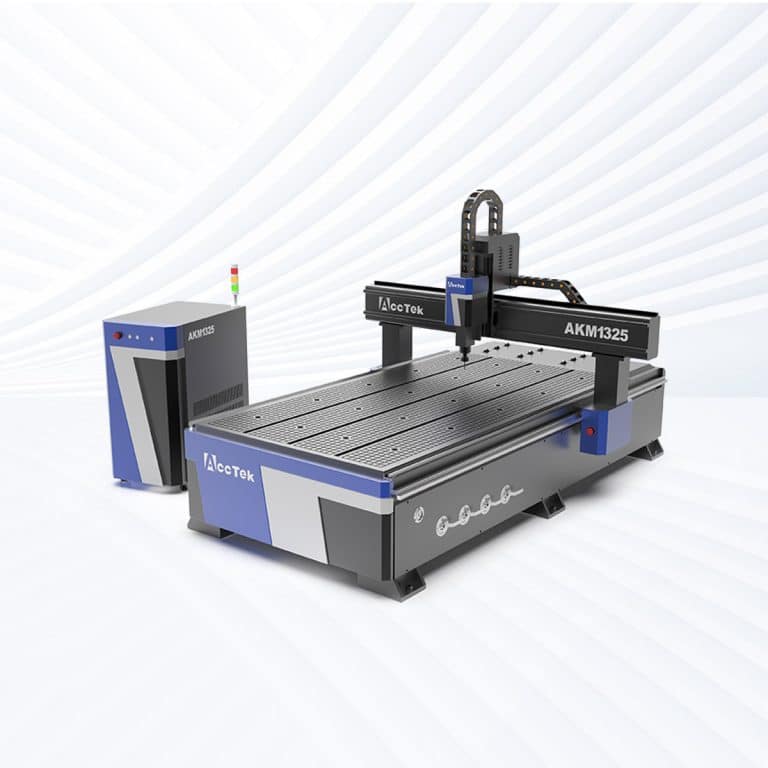
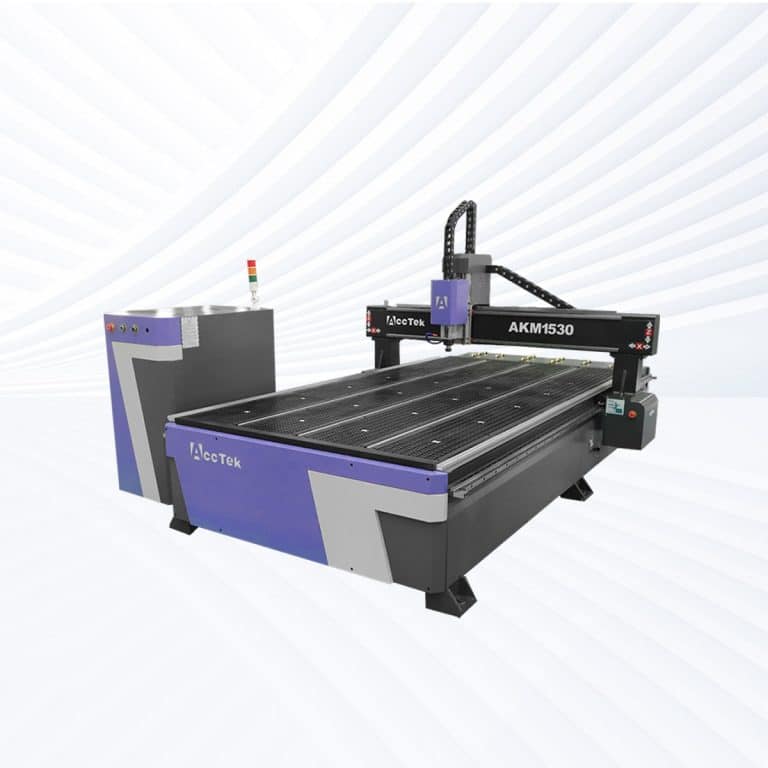
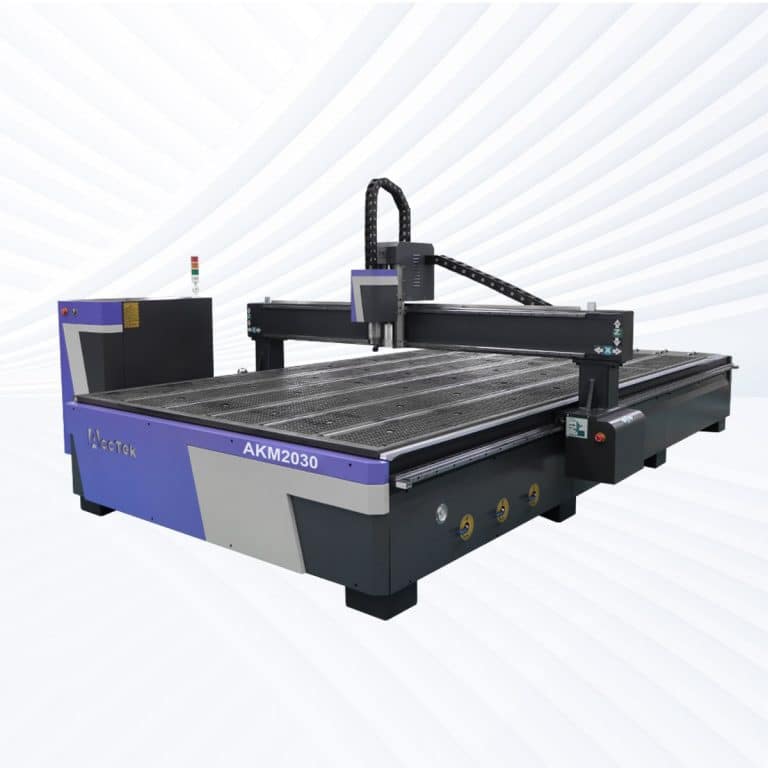
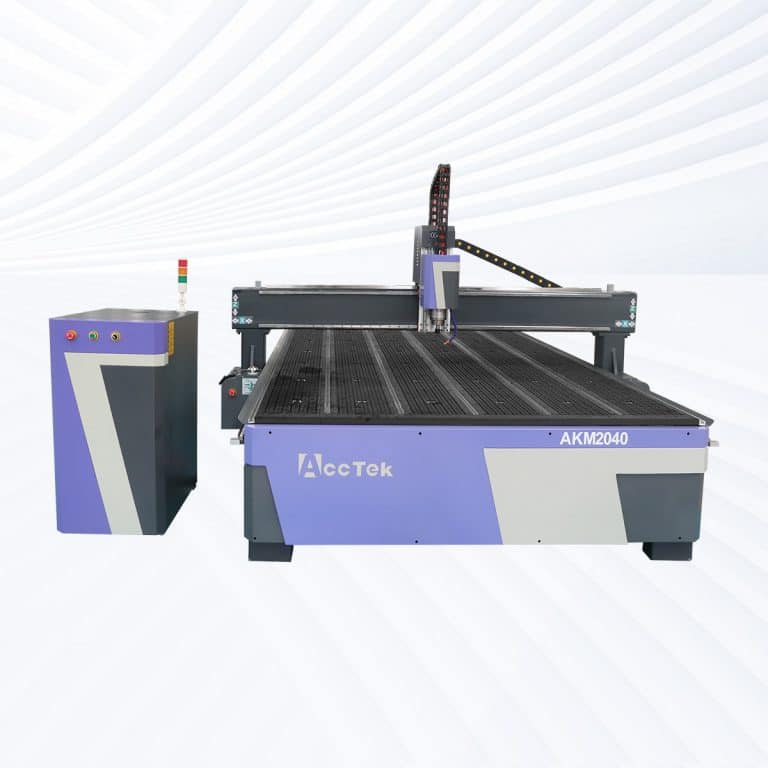
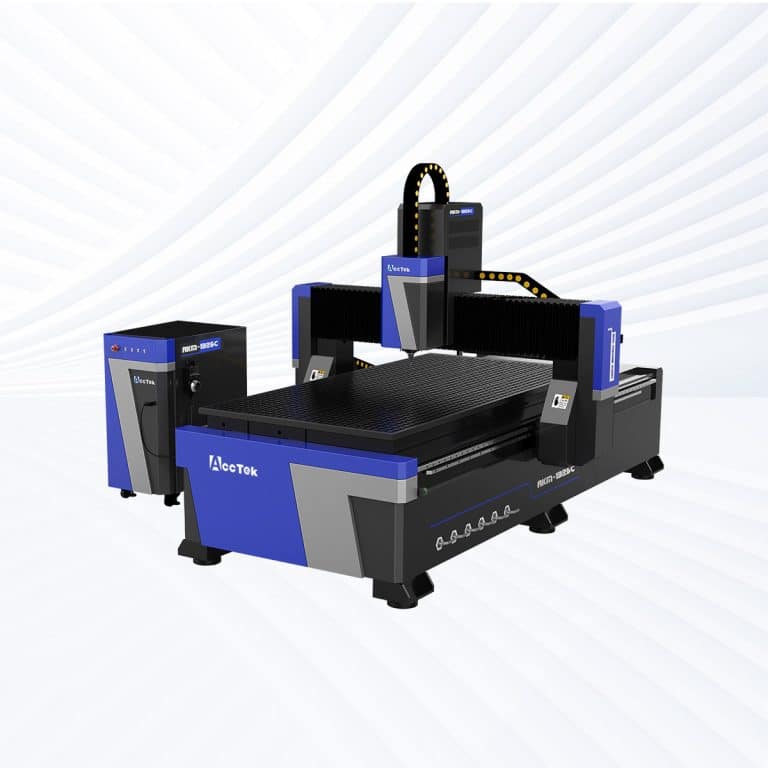
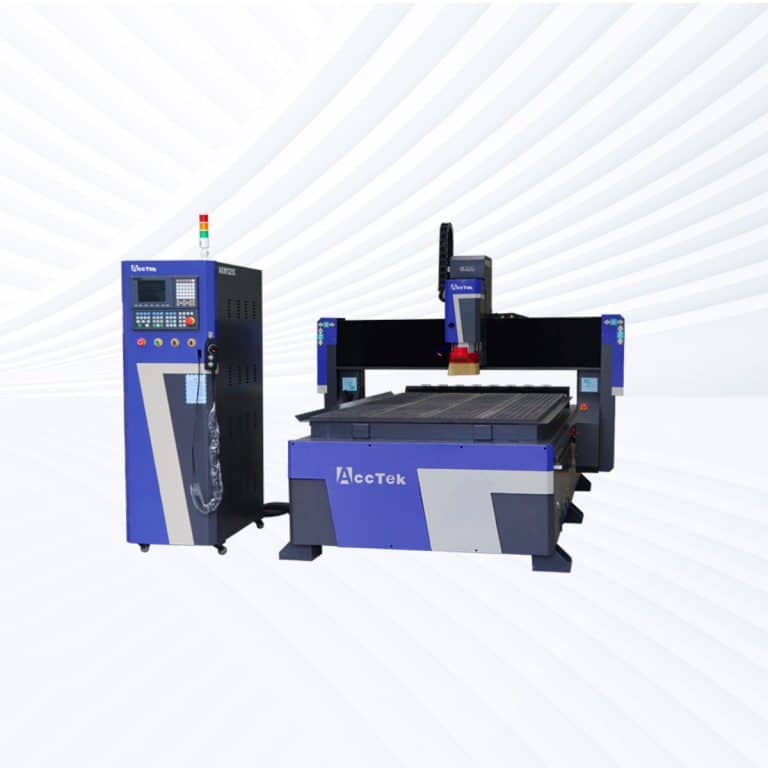
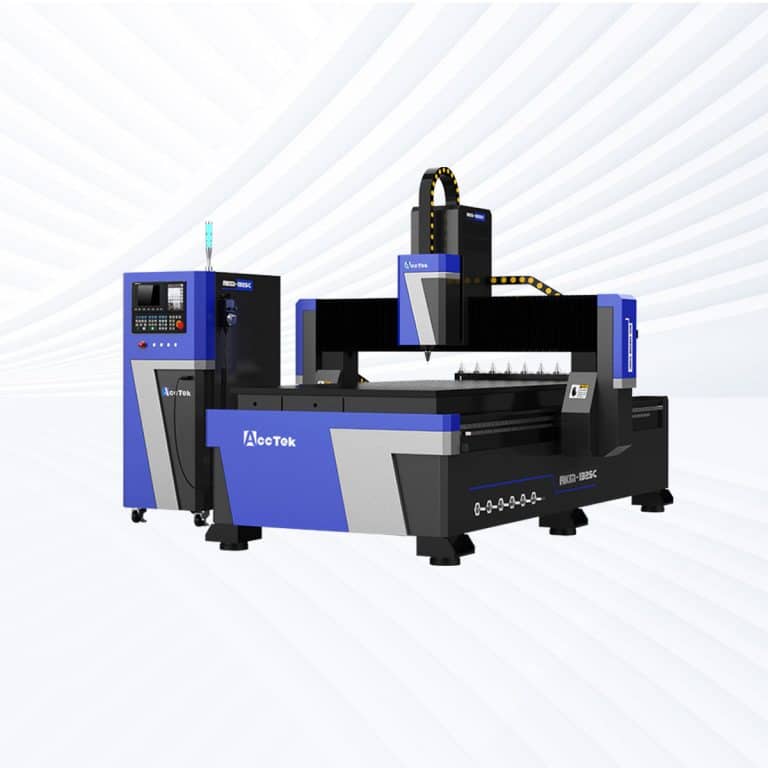
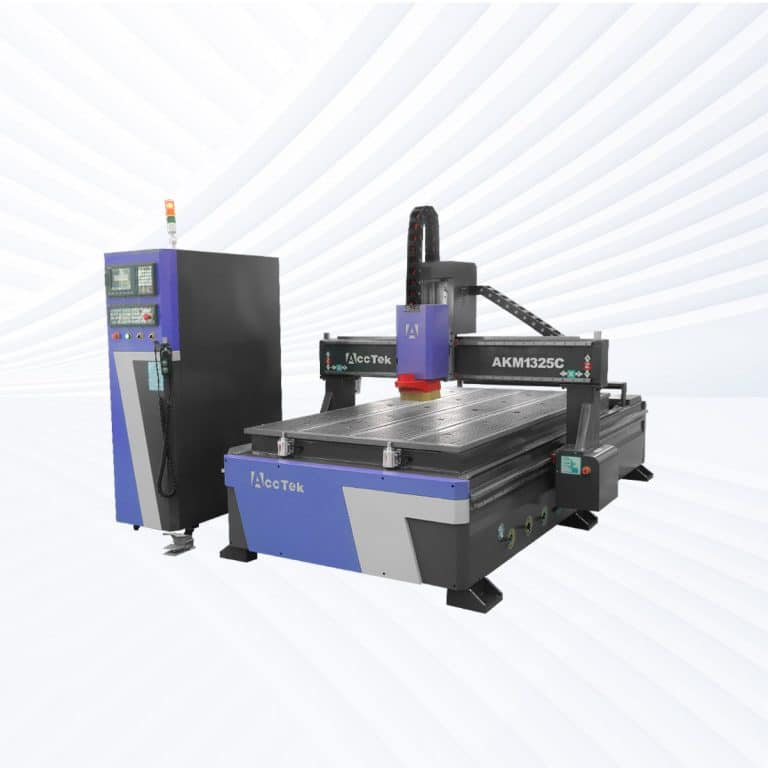
Types of Leather CNC Routers
Benefits of CNC Routing Leather
High Precision and Accuracy
Leather CNC routers deliver flawless, consistent cuts and engravings, even on delicate or premium leathers. This precision reduces errors, eliminates inconsistencies common with manual cutting, and ensures every product—from shoes to car interiors—meets exacting quality standards.
Versatility Across Leather Types
From natural hides and suede to bonded, synthetic, and specialty-treated leathers, CNC routers can process a wide variety of materials. This versatility allows manufacturers to expand product lines while ensuring reliable results across multiple leather types.
Increased Efficiency and Speed
Automated CNC routing drastically reduces production times compared to manual or die-cutting methods. Intricate cuts, patterns, or perforations are completed quickly, helping businesses scale output, meet customer demand, and accelerate time-to-market without compromising craftsmanship.
Consistency and Repeatability
Once programmed, CNC routers reproduce the same design with perfect uniformity across multiple pieces. This repeatability is ideal for mass production of leather goods like belts, handbags, or car seat covers, where consistency is crucial.
Expanded Design Flexibility
Leather CNC routers enable complex patterns, engravings, perforations, and custom shapes that are difficult to achieve manually. This opens new creative possibilities for designers in fashion, upholstery, and accessories, helping brands differentiate products with unique detailing.
Reduced Material Waste
Optimized toolpaths and precise cutting minimize offcuts and reduce waste, maximizing the use of valuable leather hides. This not only lowers production costs but also supports more sustainable and eco-friendly manufacturing practices.
Compatible Leather Materials
- Full-Grain Leather
- Top-Grain Leather
- Corrected Grain Leather
- Split Leather
- Split Leather
- Suede
- Nubuck Leather
- Aniline Leather
- Aniline Leather
- Pigmented Leather
- Embossed Leather
- Patent Leather
- Bonded Leather
- Faux Leather
- PVC Leather
- Eco Leather
- Vegetable-Tanned Leather
- Chrome-Tanned Leather
- Oil-Tanned Leather
- Pull-Up Leather
- Distressed Leather
- Waxed Leather
- Exotic Leathers
- Perforated Leather
- Metallic-Finish Leather
- Coated Leather
- Laminated Leather
- Waterproof Leather
- Fire-Resistant Leather
- Upholstery Leather
- Automotive-Grade Leather
- Marine-Grade Leather
- Saddle Leather
- Harness Leather
- Tooling Leather
- Soft Glove Leather
- Heavy-Duty Industrial Leather
- Decorative Leather Panels
- Printed/Patterned Leather
- Recycled Leather Composites
Application of Leather CNC Routers


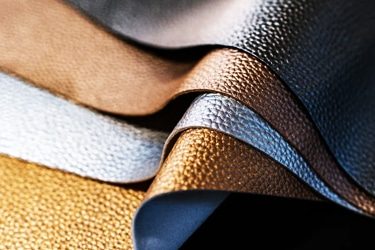
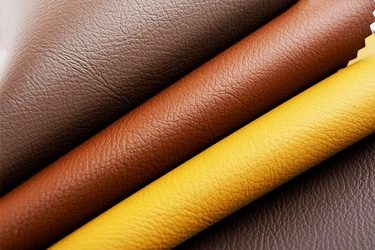




Customer Testimonials
Comparison VS Other Engraving Technologies
| Feature | Leather CNC Router | Laser Engraving | Hand Engraving | Stamping |
|---|---|---|---|---|
| Cutting Depth | Adjustable, deep 2D & 3D cutting | Shallow, burns surface | Variable, depends on skill | Fixed depth, limited flexibility |
| Precision | High, computer-controlled | Very fine detail but risk of burn marks | Inconsistent, artisan-dependent | Consistent but less detailed |
| Speed | Fast for complex jobs & mass production | Very fast for surface marking | Slow, labor-intensive | Fast once die is made |
| Material Compatibility | Works with natural, synthetic, suede, bonded leather | Limited, risk of discoloration or burning | Any leather, very slow | Mostly suitable for flat leathers |
| Complex Designs | Handles intricate 2D/3D shapes & engravings | Excellent for 2D designs, limited depth | Restricted by hand skill | Limited to patterns in die |
| Repeatability | Perfect, digital accuracy | Repeatable but surface-only | Hard to replicate identically | High repeatability with dies |
| Setup Requirements | CAD/CAM software & tooling | Design software, laser setup | Tools & years of training | Expensive custom dies required |
| Learning Curve | Moderate, requires training | Moderate, software-driven | Very steep, artisan skill needed | Low, but costly tooling |
| Production Volume | Ideal for prototypes & mass production | Good for medium-scale surface work | Poor, suited for one-offs | Excellent for high-volume runs |
| Surface Finish | Clean edges, no burns | Risk of burn marks & discoloration | Handmade texture | Uniform but lacks flexibility |
| Durability of Work | Structural & long-lasting | Surface-only, may fade | Durable but inconsistent | Durable, fixed designs |
| Customization | Easy, fast digital changes | Quick digital adjustments | Manual, slow, less flexible | Difficult, requires new dies |
| Waste & Safety | Minimal waste, safe with dust extraction | Minimal waste but produces fumes | No waste, but slow & tiring | Minimal waste, but requires storage of dies |
| Cost Efficiency | Higher upfront, low per-part | Moderate cost, limited use | Low tools, high labor | High die cost, low per-part cost |
| Best Use Case | Fashion, automotive, upholstery, custom work | Logos, fine patterns, shallow designs | Artistic, unique handmade pieces | Large-scale identical patterns |
Why Choose Us
High Precision & Efficiency
AccTek CNC routers deliver fast, accurate results with minimal errors, supporting intricate designs and mass production across the woodworking, plastic, and metal industries.
Robust and Durable Design
Our machines are built with high-quality frames and components, ensuring long service life, high load-bearing capacity, and stability during high-speed operations.
Intelligent Control Systems
Equipped with user-friendly interfaces and smart controllers, our routers offer smooth motion control, automatic toolpath optimization, and easy integration with various CAD/CAM software.
Flexible Customization
From machine size to spindle power and motor type, we offer flexible configurations to suit different production needs, budgets, and material requirements.
Related Resources
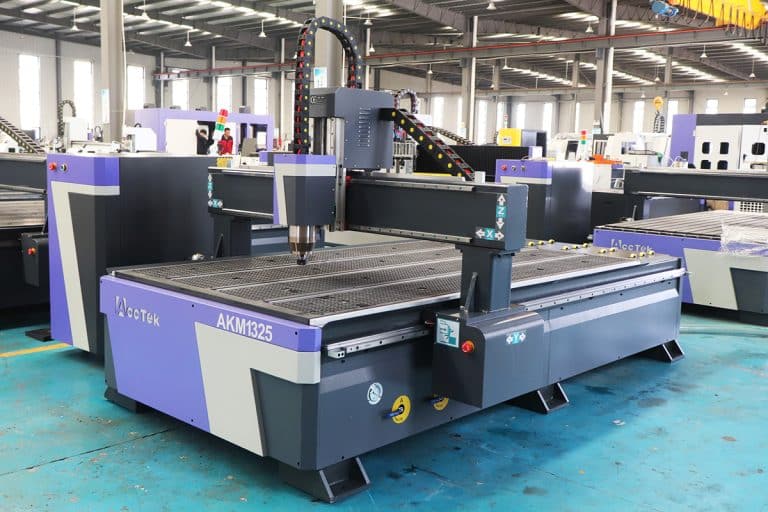
How Do CNC Routers Work
This article explains the working principle of CNC routers, from the motion system and cutting tools to the software workflow, materials, precision, and actual machining principles.
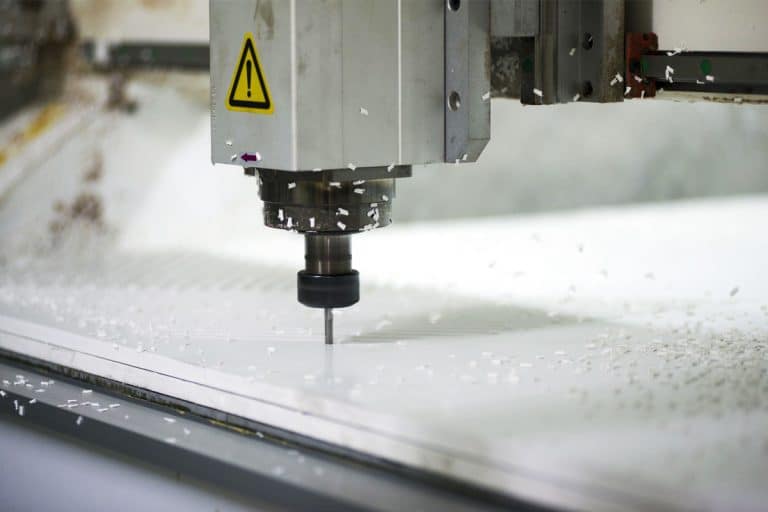
How To Maintain CNC Routers
This article provides a comprehensive guide on how to maintain CNC routers, covering essential tasks, troubleshooting tips, upgrades, and best practices to ensure optimal performance and longevity.
What Is The Accuracy Of CNC Routers
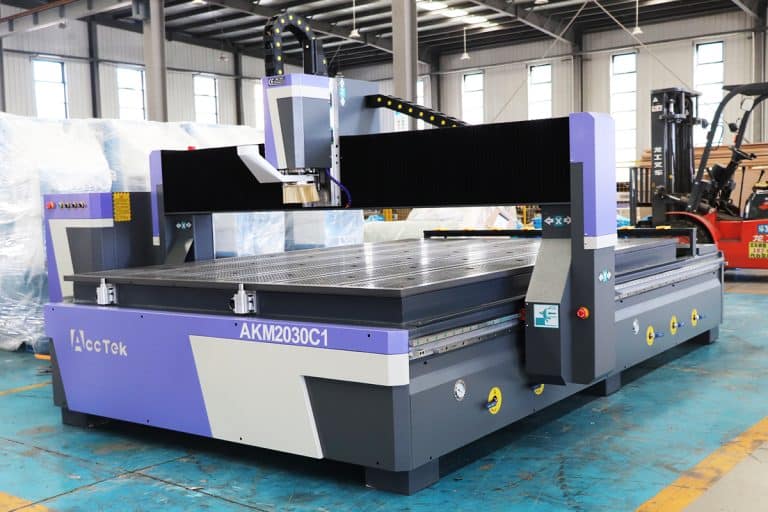
This article is a comprehensive guide that explains the precision of CNC routers, the key factors affecting precision, expected performance, and how to improve machining results.
How to Choose the Right Router Bits for CNC Routers
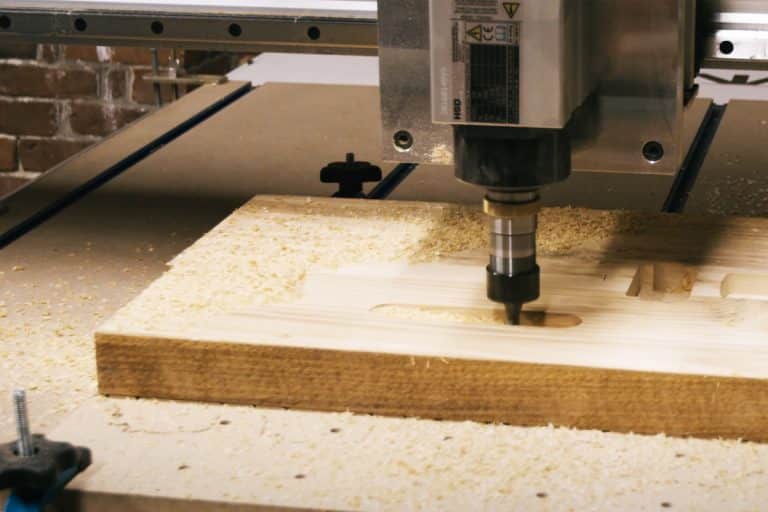
This article explains how to select the right router bit for your CNC router, including cutter type, material, coating, and tip, to achieve precise, efficient, and durable cutting performance.
Frequently Asked Questions
How Much Do Leather CNC Routers Cost?
- 3-Axis CNC Routers: $3,000 – $10,000. These entry-level machines are suitable for flat leather cutting, engraving logos, and producing simple patterns. They are cost-effective for small workshops, artisans, or startup businesses. However, they have limited flexibility and are best for single-layer or sheet leather processing rather than complex multi-surface applications.
- 4-Axis CNC Routers: $12,000 – $22,000. Adding a rotary axis enables 4-axis CNC routers to handle curved or cylindrical leather applications, such as embossing patterns on boots, belts, or cylindrical cases. These machines are a good fit for medium-scale production where variety and precision matter more than speed alone.
- 5-Axis CNC Routers: $57,000 – $70,000. High-end 5-axis CNC routers provide advanced capabilities for complex shaping, contouring, and multi-angle cutting of leather. They are typically used in large-scale industrial settings, such as luxury furniture or high-end fashion manufacturing. Their higher cost reflects advanced motion systems, precision spindles, and faster production efficiency.
- ATC (Automatic Tool Changer) CNC Routers: $8,000 – $25,000. Machines with automatic tool changers streamline production by automatically switching between cutting, engraving, perforating, and embossing tools. This reduces downtime and improves efficiency, making ATC CNC routers especially valuable for medium to large-scale factories handling bulk leather processing.
Is The Spindle Of The Leather CNC Routers Air Or Water-Cooled?
- Air-Cooled Spindles: Air-cooled spindles use built-in fans to regulate temperature. They are simpler, easier to maintain, and do not require additional pumps, tanks, or hoses. For small workshops or light-to-medium leather cutting and engraving, air-cooled spindles are reliable and cost-effective. They work well in environments where water cooling infrastructure may not be practical. However, they can be noisier and less efficient for long, continuous runs.
- Water-Cooled Spindles: Water-cooled spindles circulate coolant through the spindle body, providing superior cooling and quieter operation. They are especially well-suited for industrial-scale leather production, where machines run for long hours. Water cooling maintains stable spindle temperatures, reducing wear on bearings and extending spindle lifespan. This results in smoother, more precise cutting and engraving, particularly important for detailed leatherwork or batch production.
- Customization Options: Manufacturers often offer both air-cooled and water-cooled spindle configurations, allowing customers to choose based on their workflow. For small-scale artisan use, air-cooled may be sufficient. For high-volume industrial users, water-cooled spindles are generally recommended.
What Are The Disadvantages Of Using Leather CNC Routers?
- Material Flexibility and Deformation: Leather is soft, flexible, and prone to stretching during machining. Without proper workholding, sheets may shift or warp, leading to inaccuracies. This makes fixturing more complex compared to rigid materials like wood or plastics.
- Edge Quality Limitations: While CNC routers cut leather with precision, they may sometimes produce rough or frayed edges, especially on softer or untreated hides. Achieving perfectly clean cuts may require post-processing, specialized bits, or slower feed rates.
- Dust, Odors, and Fume Production: Machining leather produces fine particles and odors. In some cases, synthetic leathers with chemical coatings may release harmful fumes during routing. Effective dust extraction and ventilation are necessary to maintain a safe working environment.
- Tool Wear and Maintenance: Leather’s fibrous structure can quickly dull cutting tools. Frequent sharpening or replacement of bits is required, increasing operating costs. Residue buildup may also require more frequent machine cleaning to keep spindles, guides, and work surfaces free of debris.
- Workholding Challenges: Securing leather on a CNC table is not as straightforward as clamping rigid materials. Vacuum tables, adhesive mats, or custom fixtures are often required, adding to equipment costs. Inconsistent workholding can compromise cut precision.
- Limited Suitability for All Leather Types: While natural leather works well, some synthetic or treated leathers may not machine cleanly. Vinyl-based faux leathers, for example, can release harmful fumes and damage tools. Material compatibility must always be checked before processing.
- Noise and Operating Costs: CNC routers can be noisy, especially with air-cooled spindles running at high speeds. Additionally, the recurring costs of tooling, dust collection systems, and maintenance make long-term operation more expensive than manual cutting for small-scale use.
- Training Requirements: Operators must be trained in CNC operation, tool selection, and leather-specific handling. Without proper training, errors can waste material, which is costly when working with high-quality hides.
What Is The Life Expectancy Of Leather CNC Routers?
- Entry-Level CNC Routers (3–Axis Systems): Basic models designed for light or small-scale leather cutting typically last 5–8 years with proper care. These machines are best suited for artisans, small workshops, or custom product makers. Their lifespan may be shortened under continuous industrial use due to lighter construction and less powerful components.
- Industrial-Grade CNC Routers (4–Axis and 5–Axis): High-end machines built with heavy-duty frames, servo motors, and precision spindles can last 10–15 years or longer. These are engineered for large-scale leather production, such as footwear factories or furniture manufacturers, where reliability and long operating hours are essential.
- ATC CNC Routers (Automatic Tool Changer): Machines equipped with ATC systems tend to have similar lifespans of 8–12 years, depending on how intensively they are used. Their automated tool switching reduces operator error and spindle stress, but maintenance of the changer mechanism is required to preserve longevity.
- Key Factors Affecting Life Expectancy:
- Maintenance: Regular cleaning, spindle care, and lubrication significantly extend lifespan. Neglect can cut years off performance.
- Workload: Light-duty use (occasional cutting) preserves machines longer than continuous 24/7 factory operation.
- Spindle Type: Water-cooled spindles typically last longer than air-cooled spindles due to better temperature management.
- Tooling Practices: Using the right cutting bits for leather prevents unnecessary stress on the machine and reduces wear.
- Environment: Dust, humidity, and poor ventilation can shorten the life of electronics and moving parts.
- Component Replacement: Even when the CNC router frame lasts 10–15 years, consumable components such as spindles (2–5 years), bearings, belts, and electronics may need periodic replacement. With timely servicing, many leather CNC routers remain operational well beyond their average lifespan.
How Do I Choose Leather CNC Routers?
- Machine Type and Axis Configuration:
- 3-Axis CNC Routers are suitable for flat leather cutting, engraving logos, and producing simple shapes. They are cost-effective for small workshops or artisans.
- 4-Axis CNC Routers add rotary cutting capability, useful for embossing patterns on belts, cylindrical leather cases, and footwear components.
- 5-Axis CNC Routers are designed for advanced, multi-angle leather machining, often used in industrial furniture and luxury fashion production, where precision and complex geometries are required.
- Automatic Tool Changer (ATC): For medium to large-scale operations, an ATC system is valuable. It allows automatic switching between cutting, engraving, punching, and perforating tools, reducing downtime and boosting productivity. Smaller workshops can manage with manual tool changes, but factories benefit significantly from automation.
- Spindle Cooling System:
- Air-Cooled Spindles are easier to maintain and suit lighter workloads.
- Water-Cooled Spindles are quieter, last longer under continuous operation, and are preferred for industrial-scale production. Choosing the right spindle depends on usage frequency and production volume.
- Workholding Solutions: Leather is flexible and requires proper fixturing. Look for machines compatible with vacuum tables, adhesive mats, or custom clamps. Good workholding ensures accuracy and prevents the material from shifting during cutting.
- Software Compatibility: The machine should work with widely used CAD/CAM software for leather design. Features such as nesting (for minimizing leather waste), toolpath optimization, and engraving support are particularly important for the fashion and upholstery industries.
- Tooling Options: Leather requires specialized bits and blades to minimize fraying and achieve clean edges. Choose a CNC router that supports compression bits, oscillating knife attachments, or drag knives for the best results across different leather types.
- Dust and Fume Extraction: Natural leather produces dust, while synthetic leather may release harmful fumes. Ensure the machine supports dust collection and air filtration systems to maintain a safe workspace.
- Durability and Build Quality: Industrial users should prioritize machines with heavy-duty frames, servo motors, and precision spindles. These not only extend machine life but also improve consistency in high-volume production.
- Budget and Scale of Use:
- Small artisans may find entry-level 3-axis machines adequate.
- Growing workshops can benefit from ATC or 4-axis CNC routers.
- Large-scale factories should consider 5-axis machines with automation features.
What Rotation Speed Is Required For Leather CNC Routers?
- General Cutting Speed (18,000–24,000 RPM): For most natural and untreated leather, spindle speeds between 18,000 and 24,000 RPM are ideal. This range allows for smooth cutting and engraving while minimizing heat buildup that could scorch or harden the edges.
- Engraving and Detailed Work (20,000–30,000 RPM): When performing fine engraving, embossing patterns, or cutting thin leather sheets, higher spindle speeds in the 20,000–30,000 RPM range produce cleaner results. Smaller bits and oscillating knife attachments often perform better at higher speeds for delicate work.
- Thicker or Multi-Layer Leather (15,000–18,000 RPM): For thicker hides, laminated leathers, or projects involving multiple stacked layers, slightly slower speeds help reduce heat and prevent tool clogging. Feed rates must be carefully adjusted to maintain accuracy and avoid rough edges.
- Synthetic and Treated Leather (Varies Widely): Synthetic leathers coated with chemicals or vinyl require extra caution. Running too fast can melt or release fumes from coatings. In these cases, moderate spindle speeds and sharp cutting tools are essential. Ventilation should always be used to handle fumes safely.
- Feed Rate Balance: High spindle speeds must be balanced with appropriate feed rates. Too slow, and leather may burn; too fast, and edges may fray. Optimal settings often vary by leather type and thickness, so test cuts are recommended.
How Do I Maintain Leather CNC Routers?
- Daily Cleaning and Dust Removal: Leather cutting produces dust, fibers, and small debris that can clog the spindle, guides, and table surface. After every use, operators should vacuum the work area, wipe down the CNC router bed, and clear dust collection filters. This prevents buildup that can interfere with motion accuracy.
- Spindle and Tool Care: The spindle is one of the most critical components. Regularly check for unusual noise, vibration, or overheating. Cutting bits and knives should be cleaned, sharpened, or replaced as soon as they show signs of wear. Dull tools generate friction, which may scorch leather or strain the spindle.
- Lubrication of Moving Parts: Linear rails, ball screws, and bearings require proper lubrication to reduce friction and extend service life. Follow the manufacturer’s schedule—typically weekly or monthly, depending on usage. Only use recommended lubricants to avoid attracting excess dust or damaging seals.
- Workholding System Maintenance: Leather requires vacuum tables, adhesive mats, or clamps to stay in place. Vacuum pumps and hoses should be inspected for leaks and cleaned regularly. Adhesive mats must be replaced when they lose grip to prevent material slippage.
- Cooling System Checks: If the machine uses a water-cooled spindle, the cooling system should be inspected frequently. Water levels, hoses, and pumps must remain in good condition to prevent overheating. For air-cooled spindles, ensure airflow is unobstructed and dust filters are clean.
- Electrical and Software Maintenance: Inspect wiring, connectors, and control boards for dust and loose connections. Keep software and firmware updated for improved stability and compatibility with design programs. Backup CNC settings regularly to avoid downtime after power failures or software issues.
- Fume and Dust Extraction Systems: Since leather dust and synthetic leather fumes can be harmful, dust collectors and air filtration systems must be serviced consistently. Replace filters on schedule and ensure ducts are not clogged.
- Periodic Calibration: Check machine calibration regularly to maintain accuracy. This includes verifying tool offsets, spindle alignment, and axis travel. Misalignment can cause wasted leather, poor cuts, and tool damage.
What Training Is Required To Operate Leather CNC Routers?
- Machine Operation Basics: Operators must first learn how to power up, calibrate, and shut down the CNC router properly. This includes homing the axes, setting work coordinates, and securing the leather onto the machine bed using clamps, vacuum tables, or adhesive mats. Proper setup prevents slippage and ensures accurate results.
- Software and Design Skills: Training should cover CAD (Computer-Aided Design) and CAM (Computer-Aided Manufacturing) software used to create toolpaths for cutting and engraving. Operators need to understand how to import leather patterns, adjust nesting layouts to minimize waste, and export files in formats compatible with the CNC router’s control system.
- Tool Selection and Setup: Different tools—such as router bits, oscillating knives, and drag knives—are used for different leather types and thicknesses. Operators must learn how to select the right tool, mount it securely, and set spindle speeds and feed rates to achieve clean cuts without burning or fraying edges.
- Spindle and Speed Control: Training should emphasize how to adjust spindle RPM depending on leather type, thickness, and tooling. Operators must recognize when speeds are too high (risk of burning) or too low (risk of tearing) and make proper adjustments for quality and safety.
- Material Handling and Safety: Leather is flexible and requires care during machining. Operators should be trained in safe material handling, as well as the importance of dust extraction and ventilation—especially when working with synthetic leathers that may release fumes.
- Maintenance Knowledge: Basic maintenance tasks such as cleaning dust, checking tool sharpness, lubricating rails, and monitoring spindle cooling systems should be part of operator training. Preventive care ensures consistent performance and reduces downtime.
- Troubleshooting and Quality Control: Operators must learn how to identify and correct issues such as frayed edges, burn marks, or misalignment. Training also includes inspection methods to ensure finished products meet quality standards.
- Health and Safety Training: Personal protective equipment (PPE)—such as safety glasses, dust masks, and hearing protection—should be covered in operator training. Emergency stop procedures and safe machine handling practices are also critical.