

Product Introduction
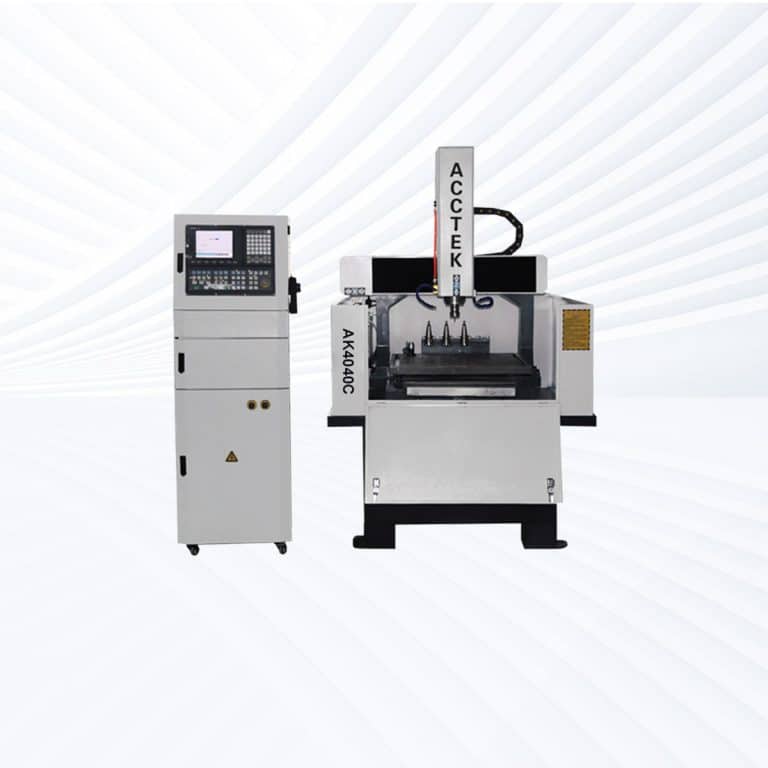
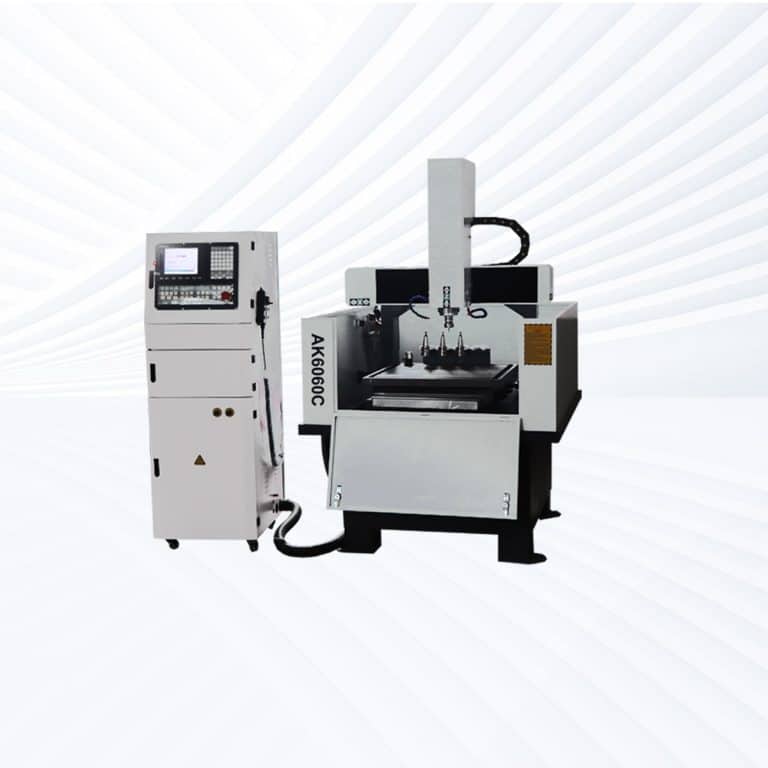
Types of Lead CNC Routers
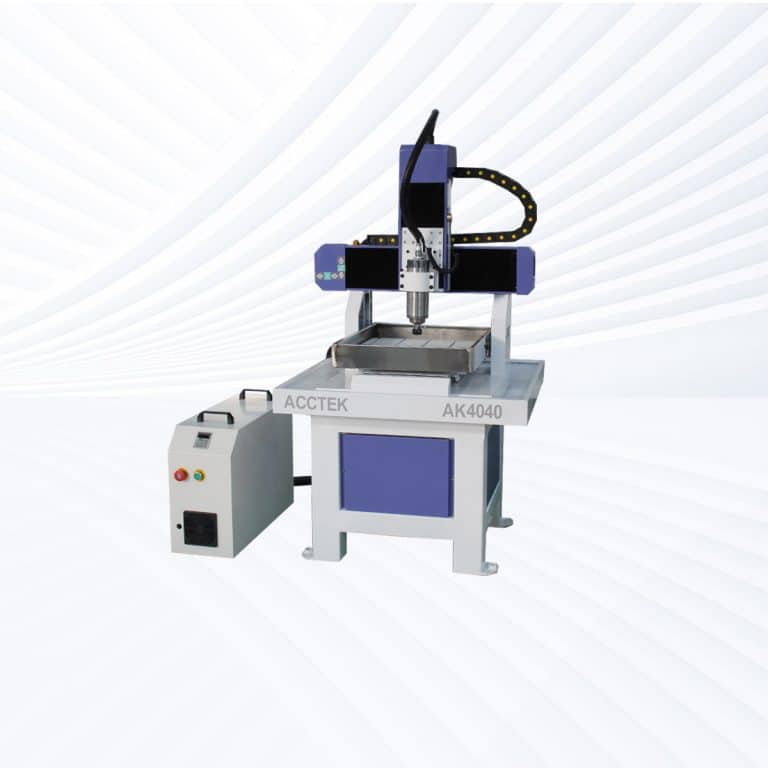
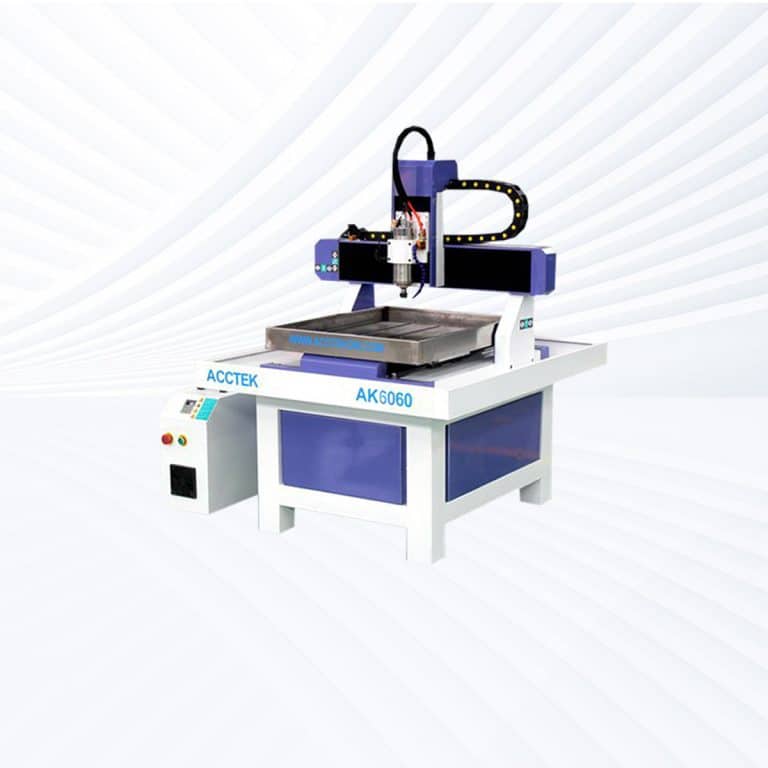
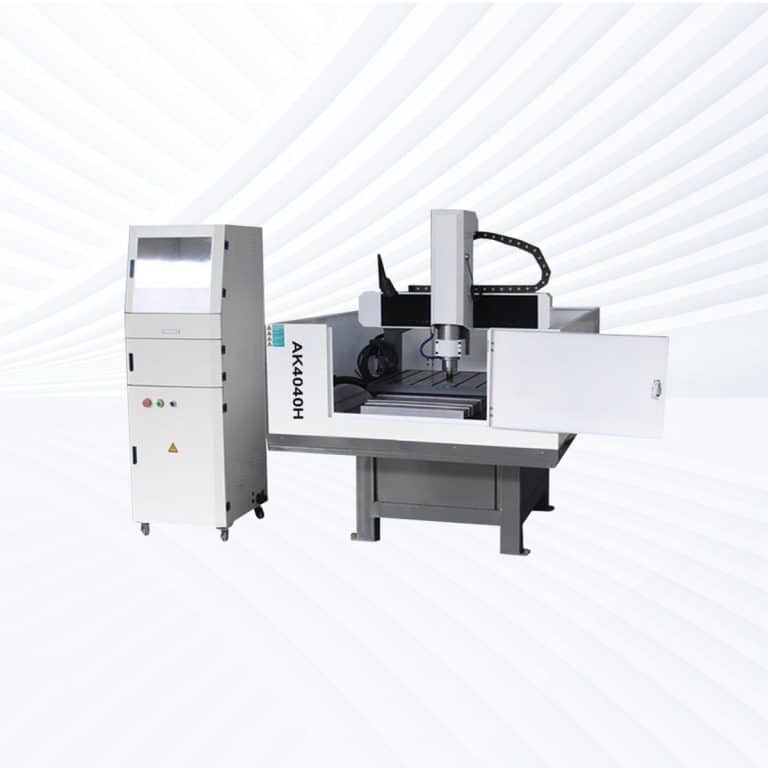
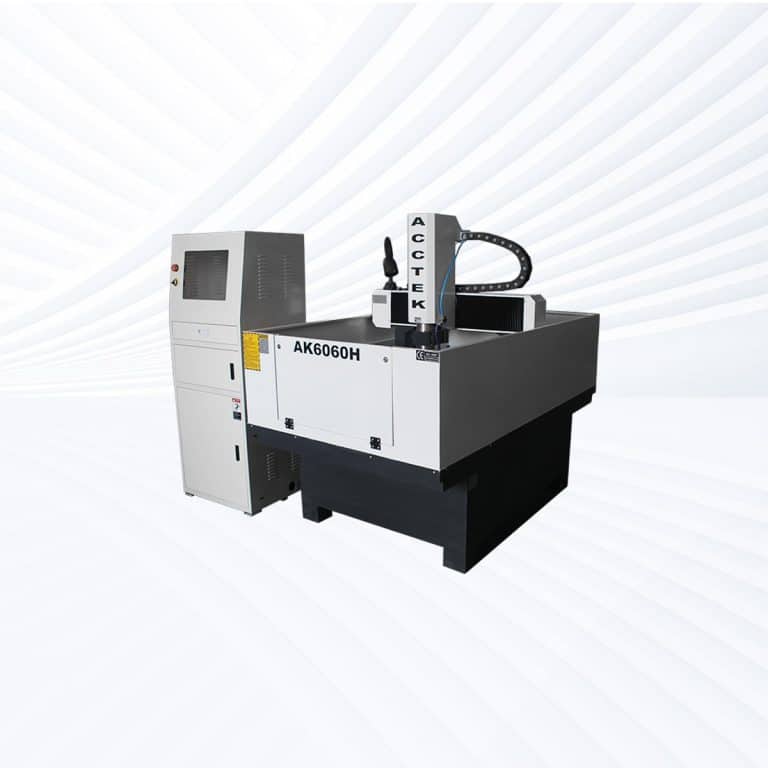
Material Routing Capability
| Metal Material Type | 1.5 kW | 2.2 kW | 3.0 kW | 3.2 kW | 3.5 kW | 4.5 kW | 5.5 kW | 6.0 kW | 7.5 kW | 9.0 kW |
|---|---|---|---|---|---|---|---|---|---|---|
| Aluminum Sheet/Plate | Very Light Engraving | Light Cutting | Light Cutting | Standard Cutting | Standard Cutting | High-Precision Cutting | Heavy-Duty Cutting | Heavy-Duty Cutting | Industrial Cutting | Industrial Cutting |
| Aluminum Composite Panel (ACP/ACM) | Surface grooving only | Surface Routing | Standard Cutting | Standard Cutting | High-Precision | High-Precision | Industrial Cutting | Industrial Cutting | Industrial Cutting | Industrial Cutting |
| Brass | Not Recommended | Light Engraving | Light Engraving | Light Cutting | Slow Cutting | Controlled Heavy Cuts | Heavy-Duty Cutting | Heavy-Duty | Industrial | Industrial |
| Copper | Not Recommended | Light Engraving | Light Engraving | Slow Routing | Controlled Routing | Heavy-Duty Cutting | Heavy-Duty | Industrial | Industrial | Industrial |
| Magnesium/Soft Alloy Metals | Not Recommended | Very Light Routing | Light Routing | Standard Routing | Standard Routing | Heavy-Duty | Heavy-Duty | Industrial | Industrial | Industrial |
| Casting Aluminum/Tooling Aluminum | Not Recommended | Not Recommended | Very Light | Very Light | Controlled Routing | Controlled Heavy Cuts | Heavy-Duty | Industrial | Industrial | Industrial |
| Stainless Steel | Not Supported | Not Supported | Not Supported | Not Supported | Not Supported | Not Supported | Not Supported | Not Supported | Not Supported | Not Supported |
| Carbon Steel/Mild Steel | Not Supported | Not Supported | Not Supported | Not Supported | Not Supported | Not Supported | Not Supported | Not Supported | Not Supported | Not Supported |
| Titanium/Hardened Steel | Not Supported | Not Supported | Not Supported | Not Supported | Not Supported | Not Supported | Not Supported | Not Supported | Not Supported | Not Supported |
Compatible Materials
- Pure Lead (99.9% Pb)
- Soft Lead (Common Grade B)
- Hard Lead (Antimonial Lead)
- Lead–Antimony Alloy (Low Sb)
- Lead–Antimony Alloy (High Sb)
- Lead–Tin Alloy (Pb-Sn)
- Lead–Tin Solder Alloy
- Lead–Calcium Alloy
- Lead–Calcium–Tin Alloy
- Lead–Arsenic Alloy
- Lead–Copper Alloy
- Lead–Silver Alloy
- Lead–Bismuth Alloy
- Lead–Cadmium Alloy
- Lead–Indium Alloy
- Lead–Tin–Antimony Alloy
- Battery-Grid Lead Alloy
- Radiation-Shielding Lead Plate
- Medical X-Ray Lead Sheets
- Nuclear Lead Bricks
- Lead Counterweights
- Lead Ballast Materials
- Lead Roofing Sheets
- Lead Flashing Rolls
- Lead Art Casting Blocks
- Lead Sound-Insulation Panels
- Lead Slugs (Industrial)
- Lead Blocks for Pattern Making
- Lead Extrusions
- Lead-Ingot Machining Stock
- Lead-Composite Shielding Board
- Lead-Rubber Composite Sheets
- Lead-Polymer Composite Panels
- Lead-Epoxy Shielding Panels
- Lead-Glass Backing Plates
- Lead-Foam Core Composite
- Lead-Lined Wood Panels
- Lead-Coated Steel Sheets
- Lead-Backed Laminate Panels
- Lead-Backed Acoustic Barriers
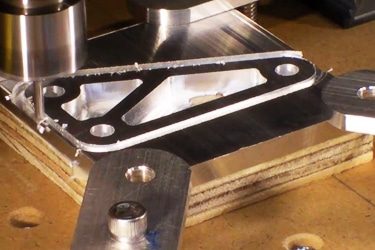
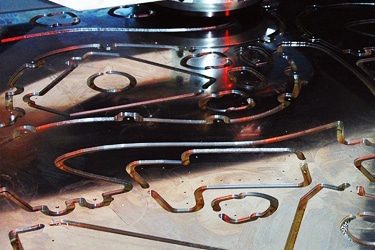
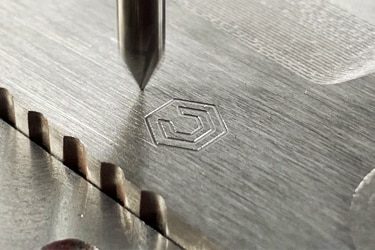
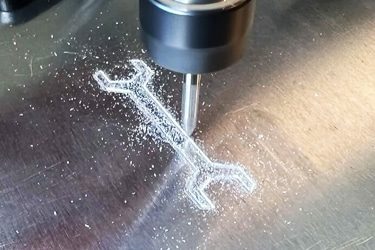
Application of Lead CNC Routers
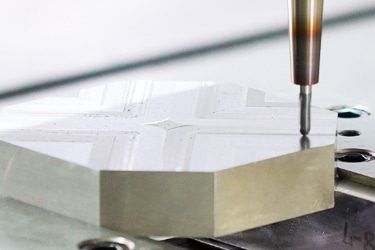
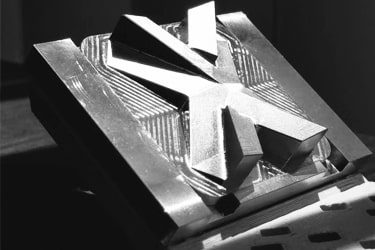
Customer Testimonials
Comparison VS Other Engraving Technologies
| Comparison Item | Lead CNC Routing | Laser Engraving | Chemical Etching | EDM Engraving |
|---|---|---|---|---|
| Working Principle | Mechanical cutting with rotating tools | Vaporizes/melts material using laser energy | Uses chemical reactions to dissolve material | Removes metal using electrical discharge |
| Material Compatibility | Lead, soft metals, plastics, composites | Wood, plastics, coated metals | Metals, glasses, ceramics | Conductive metals only |
| Suitable for Lead | Excellent | Not ideal (melting/fume risk) | Does not cut lead cleanly | Works but very slow |
| Cutting Ability | Full-depth cutting, profiling, 3D carving | Limited cutting (thin materials only) | No cutting capability | Very slow cutting |
| Engraving Depth | Deep engraving possible | Mostly shallow | Shallow and uniform | Very deep, but slow |
| Precision Level | High accuracy + repeatability | Extremely high for fine patterns | Moderate | Very high |
| Surface Finish | Smooth with correct tooling | Smooth, heat-affected edges possible | Clean but flat | Very smooth |
| Design Complexity | Handles 2D/2.5D/3D shapes | Excellent for detailed 2D | Good for uniform flat patterns | Excellent for precise geometries |
| Production Speed | Fast for soft metals like lead | Fast for engraving | Medium | Slow |
| Setup Requirements | Moderate (tooling, fixturing) | Low (software only) | High (chemical prep, masks) | High (tooling + dielectric fluid) |
| Skill Requirement | Moderate training | Easy–moderate | Process knowledge required | High operator skill |
| Operating Cost | Low–medium (bits, power) | Medium (laser source wear) | Medium–high (chemicals, disposal) | High (electrodes, power, fluid) |
| Maintenance Needs | Regular cleaning + tool changes | Optics care + alignment | Chemical disposal + tank cleaning | Electrode replacement + fluid control |
| Safety Concerns | Dust, soft-metal chips | Laser radiation + fumes | Toxic chemicals | Electrical discharge + fumes |
| Best Use Case | Cutting and shaping lead sheets, molds, patterns | Precision engraving on non-metal surfaces | Surface texturing on metals | High-accuracy metal engraving requiring extreme precision |
Why Choose Us
High Precision & Efficiency
AccTek CNC routers deliver fast, accurate results with minimal errors, supporting intricate designs and mass production across the woodworking, plastic, and metal industries.
Robust and Durable Design
Our machines are built with high-quality frames and components, ensuring long service life, high load-bearing capacity, and stability during high-speed operations.
Intelligent Control Systems
Equipped with user-friendly interfaces and smart controllers, our routers offer smooth motion control, automatic toolpath optimization, and easy integration with various CAD/CAM software.
Flexible Customization
From machine size to spindle power and motor type, we offer flexible configurations to suit different production needs, budgets, and material requirements.
Related Resources
How To Maintain CNC Routers
This article provides a comprehensive guide on how to maintain CNC routers, covering essential tasks, troubleshooting tips, upgrades, and best practices to ensure optimal performance and longevity.
What Is The Accuracy Of CNC Routers
This article is a comprehensive guide that explains the precision of CNC routers, the key factors affecting precision, expected performance, and how to improve machining results.
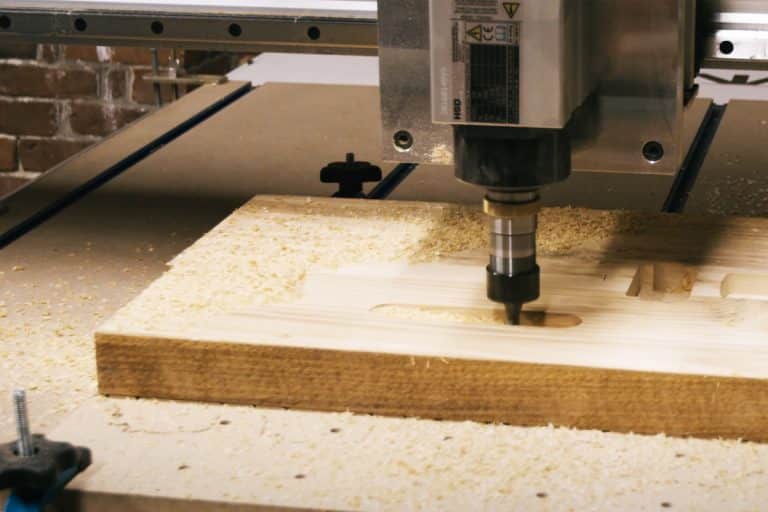
How to Choose the Right Router Bits for CNC Routers
This article explains how to select the right router bit for your CNC router, including cutter type, material, coating, and tip, to achieve precise, efficient, and durable cutting performance.
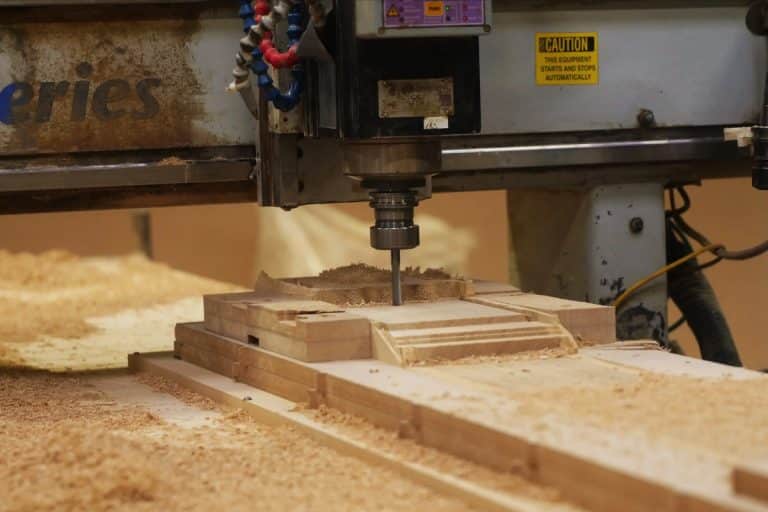
Stepper Motor VS Servo Motor
This article compares stepper motors and servo motors, detailing their working principles, performance characteristics, applications, and key differences in modern automation.
Frequently Asked Questions
What Is The Price Of Lead CNC Routers?
What Is The Working Range Of Lead CNC Routers?
- 400×400mm Small-Format Working Range: A 400×400mm working range is ideal for smaller, precision jobs such as engraving, prototyping, or creating small parts from lead. This size is often used for detail work, custom engraving, and intricate designs. It is suitable for operations that require high accuracy and minimal material waste, particularly in the jewelry, medical, or electronic sectors, where lead is used in small amounts.
- 600×600mm Medium-Format Working Range: The 600×600mm size is the most common configuration for lead CNC routers. It allows for larger parts to be machined while maintaining good precision. This working range is ideal for manufacturing mid-sized lead components, such as sheets, plates, or moldings, commonly used in the automotive, construction, and manufacturing industries. The larger working area increases efficiency, allowing for batch processing or machining of multiple parts at once.
- Customized Working Ranges: For specialized applications, customized CNC routers can be configured with working ranges larger than the standard 600×600mm. Custom sizes may include working areas of 1200×1200mm, 1500×1500mm, or even larger, depending on the scale of production or the size of the lead parts being processed. These larger formats are ideal for industrial-scale operations, where large lead components such as panels, batteries, or molds need to be machined.
Are The Routing Edges Of Lead CNC Routers Clean?
- Tool Selection and Condition: The quality of the cutting tool directly affects the cleanliness of the routing edges. For lead CNC routers, using sharp, high-quality carbide or steel tools ensures a smooth cut with minimal burrs. Dull or worn tools can create rough edges and inconsistent finishes. Regular maintenance and tool changes are crucial to keep edges clean and prevent tool deflection.
- Cutting Speed and Feed Rate: Proper feed rates and spindle speeds are critical in achieving clean cuts. When the feed rate is too high, the tool can cause excessive friction and heat, leading to rough edges and potential deformation of the material. On the other hand, if the feed rate is too low, it may result in poor surface finishes. Optimizing cutting speeds and feed rates for lead ensures smoother edges and more precise cuts.
- Cooling and Lubrication: Although lead does not require heavy cooling compared to harder metals, using light mist cooling or lubrication can reduce friction and help prevent the buildup of heat at the cutting surface. Excess heat can cause the edges to become rough or the tool to wear prematurely. Cooling also helps in chip evacuation, reducing the risk of unwanted build-up around the cut area.
- Clamping and Material Stability: Secure clamping is essential to avoid material shifting during the routing process. When the lead workpiece is not firmly held in place, it can lead to vibration or movement, which will negatively affect the quality of the cut edges. Using proper fixtures, jigs, or T-slot worktables ensures that the material stays in place and minimizes the risk of edge irregularities.
- Machine Calibration and Precision: The CNC router itself must be calibrated correctly. Any misalignment or mechanical issues with the machine—such as loose bearings or a misaligned spindle—can result in uneven cuts and rough edges. Regular calibration and maintenance of the CNC machine ensure that it operates with high precision, producing cleaner edges.
What Factors Affect The Price Of Lead CNC Routers?
- Machine Size and Working Range: The working size or range of the CNC router significantly impacts its price. Smaller machines, such as those with 400×400 mm or 600×600 mm worktables, are generally less expensive due to their compact design and limited capacity. However, if the CNC router is customized to handle larger workpieces (e.g., 1200×1200 mm or bigger), the price increases. Larger machines require stronger frames, more powerful motors, and higher precision, all of which contribute to the cost.
- Spindle Power and Type: Spindle power is crucial for determining how well the CNC router can cut lead and other materials. Machines with higher spindle power (e.g., 3.2 kW versus 2.2 kW) can cut thicker or harder materials more efficiently, which adds to the cost. Additionally, the type of spindle (e.g., water-cooled spindles) can also affect the price, as these spindles provide better cooling and performance over extended periods, making them ideal for materials like lead.
- Precision and Accuracy: CNC routers with higher precision and accuracy, which are essential for working with metals like lead, often come with higher prices. Machines equipped with high-quality linear guides, ball screws, and servo motors offer better movement accuracy and repeatability. These high-precision components improve cutting quality, reduce errors, and extend the machine’s life, but they also drive up the cost.
- Build Quality and Materials: The build quality of the machine also affects the price. CNC routers with robust frames made from materials like cast iron or high-grade steel tend to be more expensive due to their added durability and vibration resistance. These materials help ensure stability during operation, which is important when machining materials like lead that generate heat and produce chips.
- Additional Features and Automation: Machines with added features, such as automatic tool changers (ATC), dust collection systems, enhanced cooling, or integrated vacuum tables, typically cost more. These features improve efficiency, reduce downtime, and enhance the overall user experience. Automation options, like robotic arms for part handling or tool measurement systems, can also increase the price of the machine.
- Brand and Warranty: The brand of the CNC router often reflects its price. Established brands with a reputation for quality and customer support may charge a premium. Additionally, machines with extended warranties or service packages tend to be priced higher due to the added value they offer in terms of after-sales support.
What Is The Accuracy Of Lead CNC Routers?
- Factors Affecting Accuracy
- Machine Components and Build Quality: The structural integrity of the CNC router plays a significant role in its ability to produce accurate cuts. High-quality components like linear guides, ball screws, and rigid frames help reduce vibrations and ensure the toolhead moves smoothly along the axes. A solid, vibration-resistant frame minimizes deflection, which can otherwise lead to inaccuracies in the machining process. CNC routers with robust construction can achieve a higher level of precision.
- Spindle Stability and Power: The spindle’s power and stability are crucial for achieving consistent cutting performance. A 2.2 kW or 3.2 kW water-cooled spindle typically offers better performance for lead machining by maintaining stable speeds and reducing thermal expansion. This stability ensures the accuracy of cuts, especially during prolonged or high-speed operations.
- Calibration and Maintenance: For consistent accuracy, proper calibration is essential. Misalignments, even small ones, can result in dimensional errors. Regular maintenance, such as cleaning and lubricating the machine’s moving parts, ensures that the CNC router remains in optimal condition, providing consistent and precise cuts over time.
- Cutting Parameters (Speed and Feed Rate): The feed rate and spindle speed must be carefully calibrated for lead to avoid issues such as vibrations, tool wear, or rough surfaces. Incorrect settings can lead to inaccurate cuts and surface imperfections. Fine-tuning these parameters based on the material’s behavior during cutting helps ensure clean, accurate results.
- Typical Accuracy Range for Lead CNC Routers
- For lead machining, the accuracy of CNC routers typically ranges from ±05 mm to ±0.01 mm, depending on the quality of the machine, the precision of the setup, and the machining conditions. For high-precision applications, achieving ±0.01 mm is possible, especially when the router is well-calibrated and properly maintained.
What Are The Disadvantages Of Lead CNC Routers?
- Environmental Concerns: Lead is a toxic material that poses serious environmental and health risks if not handled properly. During machining, fine lead dust and chips can be generated, which, if inhaled or improperly disposed of, can pose significant health hazards to operators and contribute to environmental pollution. Proper ventilation, dust collection, and safe disposal practices are critical when working with lead. Additionally, adequate training is required to ensure safe handling, which adds complexity to the operation.
- Material Wear and Tooling Issues: Lead is a soft and malleable metal, but it can still cause significant wear and tear on cutting tools, particularly when the material is not properly lubricated or cooled during machining. Lead CNC routers often require frequent tool replacements, especially for high-speed cutting, to maintain precision and quality. The need for constant maintenance and tool changes can lead to higher operating costs.
- Limited Material Compatibility: Lead CNC routers are specifically designed to handle softer metals like lead, but their ability to handle other materials (such as harder metals) may be limited. While CNC routers can work with various materials, switching between different types of material may require changes in tooling, calibration, and machine setup. This can reduce efficiency in shops that work with a range of materials beyond lead.
- Higher Initial Investment: Lead CNC routers, especially those with high precision, water-cooled spindles, and advanced features like automatic tool changers (ATC) and dust collection systems, tend to have a higher upfront cost. Additionally, the need for specialized safety and environmental equipment (like ventilation and filtration systems) adds to the overall investment. This higher initial expense may be a barrier for smaller businesses or hobbyists.
- Maintenance and Calibration Needs: As with all CNC routers, lead CNC routers require regular maintenance and calibration to ensure optimal performance. This can include checking for mechanical wear, recalibrating the system, and ensuring that the cooling and chip removal systems are functioning effectively. Failing to maintain the machine properly can lead to inaccuracies and poor-quality cuts, which may be costly in terms of both time and material.
- Slow Cutting Speeds for Large Jobs: Although CNC routers are efficient for precise work, they can sometimes be slower than other machining methods, such as laser cutting or stamping, for larger-scale projects. The time taken to route through large volumes of lead or other materials can be relatively slow, which might not meet the demands of high-volume production.
How To Choose Lead CNC Routers?
- Machine Size and Working Range: The first consideration is the size of the workpiece you plan to machine. If you’re working with small parts like lead ingots, fine engravings, or components that require high precision, smaller CNC routers with a working range of 400×400 mm or 600×600 mm might suffice. However, for larger lead plates, molds, or industrial applications, you may need a machine with a customized or larger working range (e.g., 1200×1200 mm or more). The working area determines the type of projects the CNC router can handle and affects both cost and efficiency.
- Spindle Power and Cooling: CNC routers for lead typically come with water-cooled spindles that help manage heat buildup during cutting. Lead, being a soft metal, generates a fair amount of friction during machining, so a 2.2 kW or 3.2 kW spindle is ideal. Higher-powered spindles allow for better control during deep cuts and heavy-duty operations. Water cooling helps maintain tool life and cutting precision by preventing overheating. Ensure the CNC router is equipped with an efficient cooling system to avoid heat-related distortions.
- Precision and Accuracy: When working with lead, achieving clean, accurate cuts is crucial. For high-precision work such as engraving or fine detailing, CNC routers with high precision are necessary. Look for CNC routers that provide positioning accuracy of ±01 mm to ±0.05 mm. Machines with servo motors and high-quality linear guides will deliver more consistent and repeatable results.
- Clamping and Material Holding: Because lead is a relatively soft and malleable material, secure clamping is essential to avoid shifting during cutting, which can lead to inaccurate results. Choose CNC routers with T-slot tables, vacuum systems, or custom fixtures designed to securely hold lead pieces in place, especially when machining large or heavy components.
- Safety and Environmental Considerations: Machining lead generates fine dust and particles, which can pose health risks if inhaled. Ensure that the CNC router includes a dust collection system to remove harmful lead particles from the workspace. Additionally, a well-ventilated environment with proper air filtration and safety gear (e.g., masks and gloves) is critical to protect operators.
- Additional Features: Consider CNC routers with automatic tool changers (ATC) if you need to frequently switch between tools for different tasks. Features like chip removal systems, lubrication systems, and software compatibility (e.g., CAD/CAM integration) can greatly enhance machining efficiency and overall usability.
Is It Safe To Use Lead CNC Routers?
- Dust and Particle Control: When cutting lead, fine lead dust and small particles are released into the air. Inhaling these particles can lead to lead poisoning, which affects the nervous system, kidneys, and other organs. To mitigate this risk, it is crucial to have a high-efficiency dust collection system in place that captures the lead dust and particles at the source. Additionally, air filtration systems should be used to ensure the workspace is clean and free of airborne lead dust. Regular cleaning and maintenance of dust collection equipment are vital to keeping the environment safe.
- Ventilation: Adequate ventilation is another critical factor when using lead CNC routers. A well-ventilated space reduces the concentration of lead dust in the air, minimizing the risk of inhalation. The workspace should have an exhaust system that directs airborne particles out of the room, and it should be regularly checked for effectiveness. A sealed or enclosed cutting area can further contain any particles generated during machining.
- Personal Protective Equipment (PPE): Operators should always wear appropriate PPE, such as respirators with HEPA filters, gloves, and protective clothing, to prevent direct contact with lead dust and to reduce the risk of ingestion. PPE is essential when setting up or unloading the material, as lead dust may be present on the workpieces or in the environment even before machining begins.
- Safe Disposal of Lead Waste: Lead machining generates scrap material and chips that need to be safely disposed of to prevent environmental contamination. Follow local regulations for hazardous waste disposal, and ensure that lead dust is properly contained and disposed of by a certified waste management service.
- Training and Awareness: Operators should be properly trained in handling lead and using the CNC router safely. This training should include understanding the health risks of lead exposure, how to operate the CNC router efficiently, and how to handle, clean, and dispose of lead waste.