

Product Introduction
Types of Granite CNC Routers
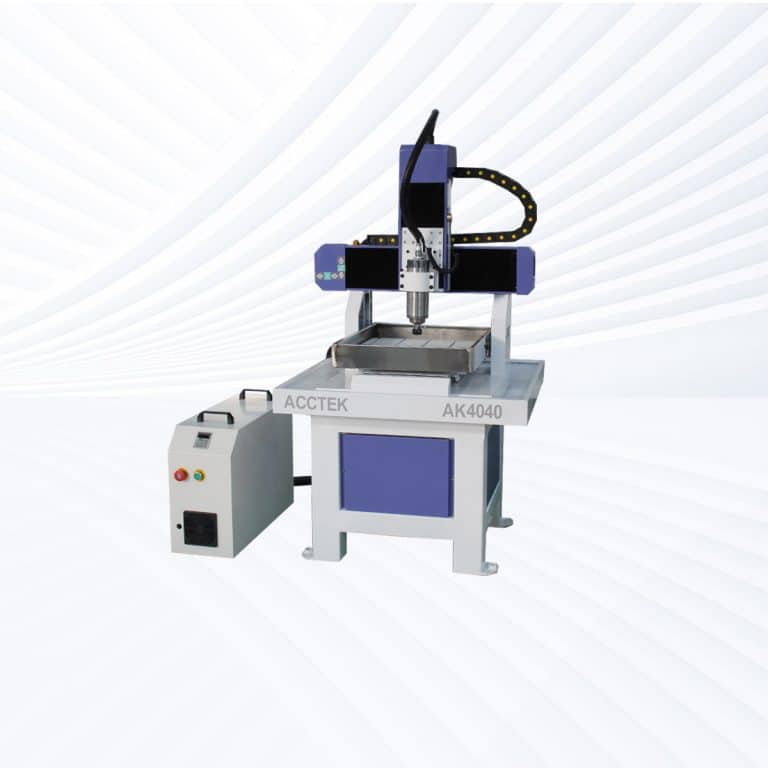
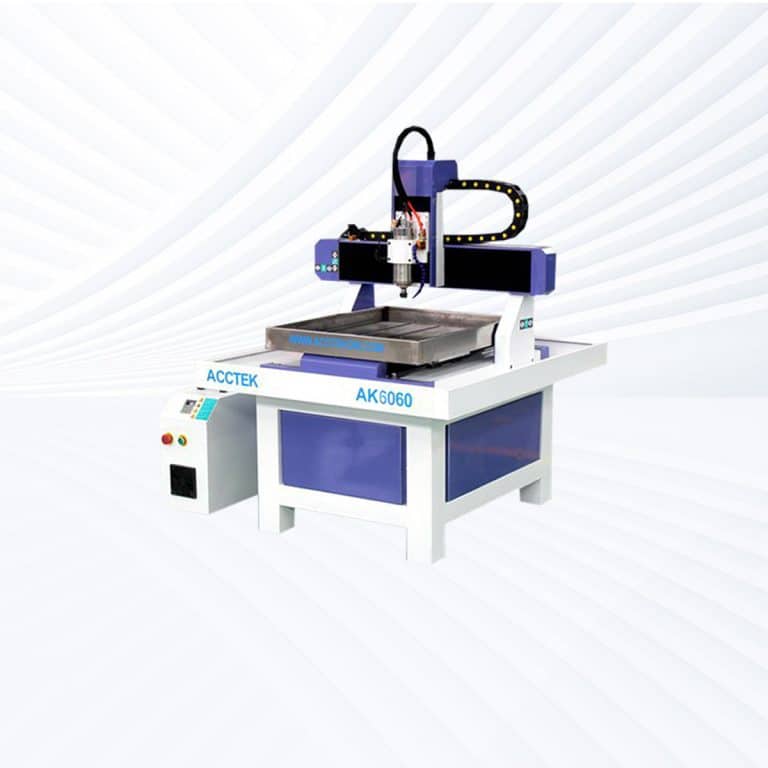
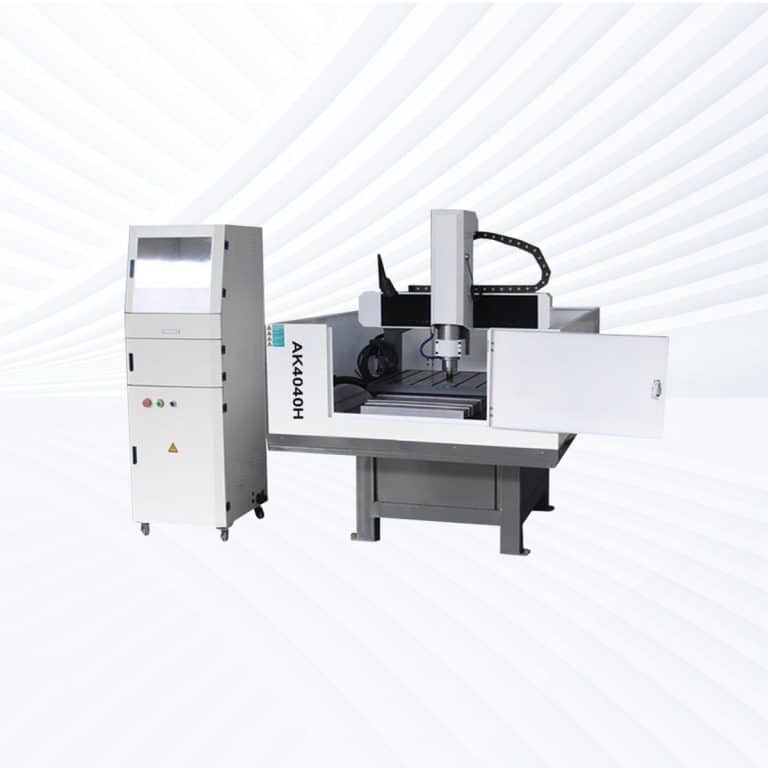
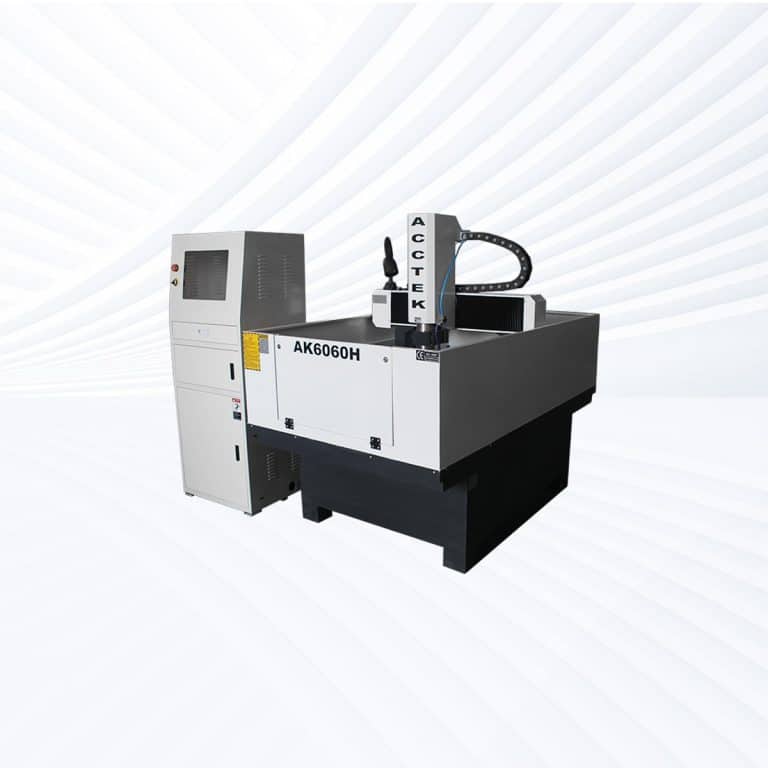
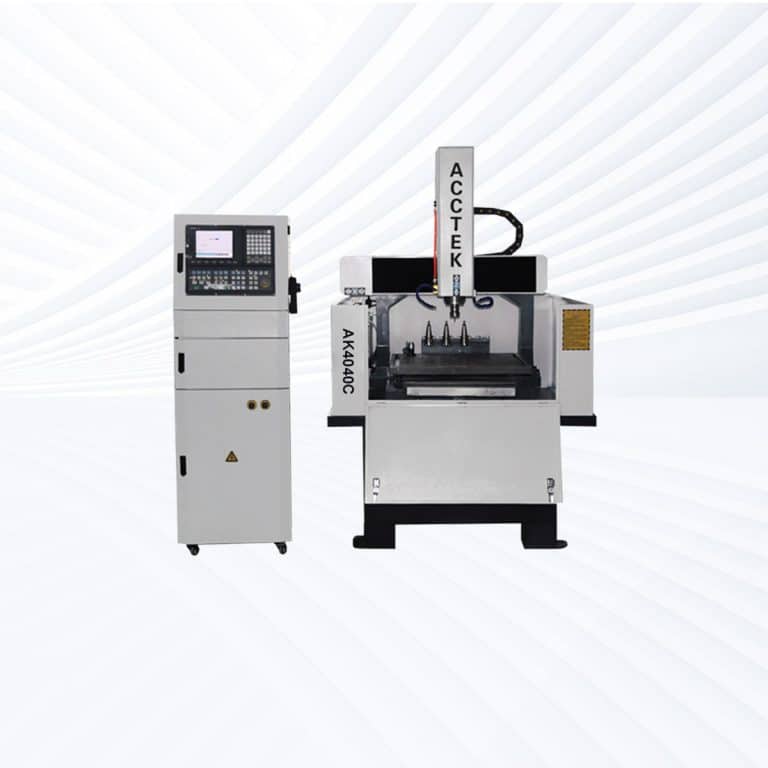
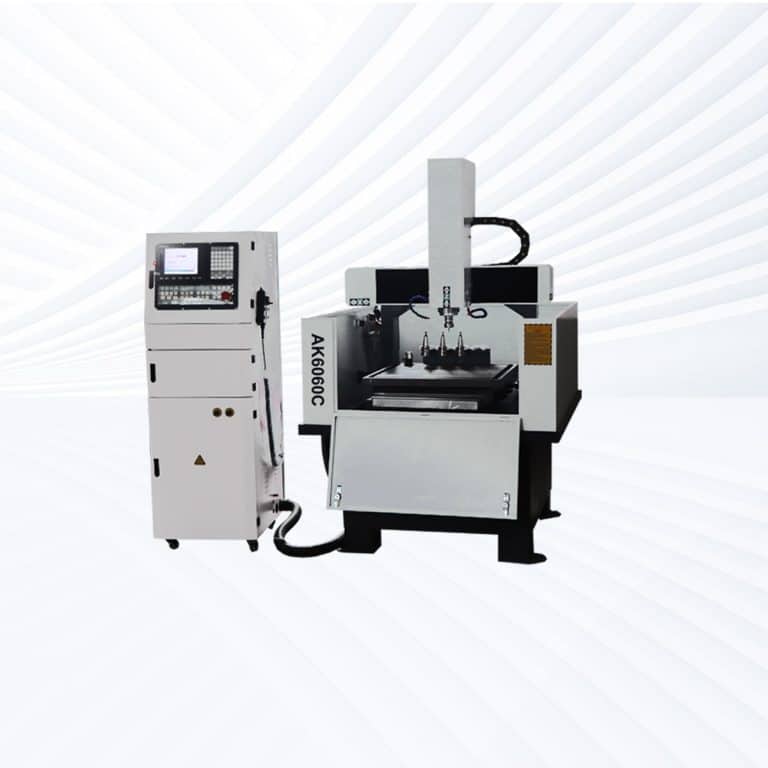
Material Routing Capability
| Stone Material Type | 1.5 kW | 2.2 kW | 3.0 kW | 3.2 kW | 3.5 kW | 4.5 kW | 5.5 kW | 6.0 kW | 7.5 kW | 9.0 kW |
|---|---|---|---|---|---|---|---|---|---|---|
| Marble | Light Engraving | Light Engraving | Basic Routing | Standard Routing | Deep Routing | Heavy-Duty Cutting | Industrial Cutting | Industrial Cutting | High-Throughput Cutting | High-Throughput Cutting |
| Granite | Not Suitable | Very Light Engraving | Light Engraving | Shallow Routing | Controlled Routing | Heavy-Duty Routing | Industrial Cutting | Industrial Cutting | High-Torque Cutting | High-Torque Cutting |
| Quartz Stone | Not Suitable | Very Light Engraving | Light Engraving | Shallow Routing | Controlled Cutting | Heavy-Duty Cutting | Industrial Precision | Industrial Precision | High-Throughput Cutting | High-Throughput Cutting |
| Bluestone/Limestone | Light Engraving | Basic Routing | Standard Routing | Standard Routing | Deep Routing | Heavy-Duty Cutting | Heavy-Duty Cutting | Industrial Cutting | Industrial Cutting | Industrial Cutting |
| Sandstone | Light Cutting | Standard Cutting | Deep Cutting | Deep Cutting | High-Precision | Heavy-Duty Cutting | Heavy-Duty Cutting | High-Speed industrial | High-Speed industrial | High-Speed industrial |
| Slate | Light Engraving | Standard Engraving | Stable Routing | Stable Routing | Deep Routing | Heavy-Duty Routing | Industrial Routing | Industrial Routing | High-Torque Routing | High-Torque Routing |
| Ceramic Tile | Not Supported | Light Engraving | Light Grooving | Shallow Grooving | Controlled Grooving | Heavy-Duty Grooving | Industrial Grooving | Industrial Grooving | High-Torque Grooving | High-Torque Grooving |
| Porcelain Tile | Not Supported | Very Light | Light Grooving | Shallow Grooving | Controlled Grooving | Heavy-Duty Grooving | Industrial Grooving | Industrial Grooving | High-Torque Grooving | High-Torque Grooving |
| Artificial Stone/Resin Stone | Light Routing | Standard Routing | Deep Routing | Deep Routing | High-Precision cuts | Heavy-Duty Cutting | Heavy-Duty production | Industrial Cutting | Industrial Cutting | Industrial Cutting |
| Concrete/Cement Board | Not recommended | Light trimming | Light trimming | Controlled Routing | Controlled Routing | Heavy-Duty Routing | Industrial Routing | Industrial Routing | Industrial Routing | Industrial Routing |
Compatible Materials
- Absolute Black Granite
- Black Galaxy Granite
- Black Pearl Granite
- Black Forest Granite
- Kashmir White Granite
- Kashmir Gold Granite
- Kashmir Cream Granite
- White Galaxy Granite
- Alaska White Granite
- Colonial White Granite
- Colonial Gold Granite
- Viscount White Granite
- River White Granite
- River Black Granite
- Tan Brown Granite
- Coffee Brown Granite
- Tropic Brown Granite
- Baltic Brown Granite
- Steel Grey Granite
- Silver Pearl Granite
- Blue Pearl Granite
- Blue Dunes Granite
- Blue Butterfly Granite
- Sapphire Blue Granite
- Emerald Pearl Granite
- Paradiso Bash Granite
- Paradiso Classic Granite
- Red Multi Granite
- Imperial Red Granite
- New Imperial Red Granite
- Rosy Pink Granite
- Himalayan Blue Granite
- Moon White Granite
- Ice Blue Granite
- Snow White Granite
- Crystal White Granite
- Giallo California Granite
- Giallo Ornamental Granite
- Giallo Veneziano Granite
- Star Galaxy Granite
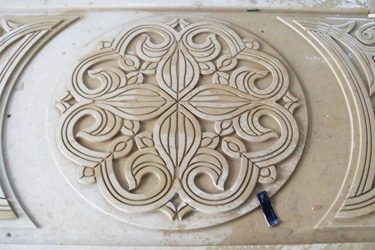
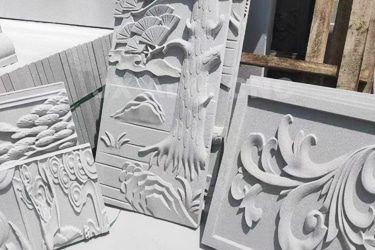
Application of Granite CNC Routers

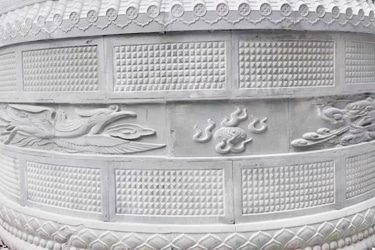
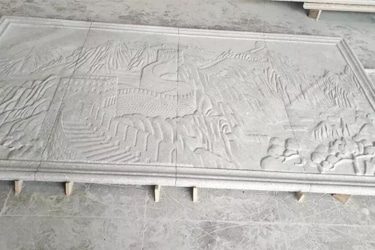
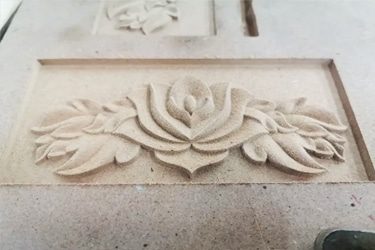
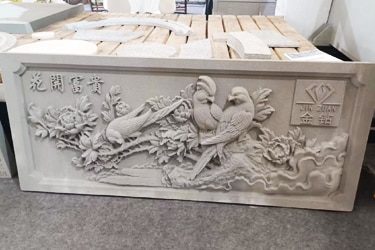

Customer Testimonials
Comparison VS Other Engraving Technologies
| Comparison Item | Granite CNC Routing | Laser Engraving | Chemical Etching | EDM Engraving |
|---|---|---|---|---|
| Working Principle | Mechanical cutting with diamond tooling | Thermal removal by laser beam | Acid-based surface removal | Electrical discharge machining |
| Best Material Type | Natural stone, granite, marble | Coated stones, soft stones | Metals, ceramics | Conductive metals only |
| Cutting Ability | Full-depth cutting & shaping | Very limited on granite | No cutting ability | Limited cutting, mostly cavity forming |
| Engraving Depth | Deep 2D/3D carving | Shallow marking | Shallow, uniform | Deep but slow |
| Precision Level | High accuracy for stone machining | High precision on surface | Moderate | Very high |
| Edge Quality | Smooth with correct tooling | Slight discoloration possible | Clean but chemical edges | Very smooth edges |
| Production Speed | Medium | Fast | Slow–medium | Slow |
| Heat Influence | No thermal damage | Thermal stress possible | No heat | No heat |
| Suitability for Hard Stone | Excellent | Poor | Not suitable | Not suitable |
| Tooling Requirements | Diamond bits, stone tooling | Laser optics | Chemical agents, masks | EDM electrodes |
| Surface Finish Options | Polished, textured, relief | Fine surface marks only | Matte, etched patterns | Fine cavities, sharp details |
| Complexity of Designs | Complex 2D/3D carvings | Detailed surface graphics | Limited pattern designs | Very complex but slow |
| Setup Difficulty | Moderate | Easy | Medium | High |
| Safety Concerns | Dust, debris | Laser radiation | Chemical burns, fumes | High voltage |
| Ideal Applications | Stone monuments, countertops, sculptures | Surface marking & artwork | Industrial part marking | Precision metal molds & dies |
Why Choose Us
High Precision & Efficiency
AccTek CNC routers deliver fast, accurate results with minimal errors, supporting intricate designs and mass production across the woodworking, plastic, and metal industries.
Robust and Durable Design
Our machines are built with high-quality frames and components, ensuring long service life, high load-bearing capacity, and stability during high-speed operations.
Intelligent Control Systems
Equipped with user-friendly interfaces and smart controllers, our routers offer smooth motion control, automatic toolpath optimization, and easy integration with various CAD/CAM software.
Flexible Customization
From machine size to spindle power and motor type, we offer flexible configurations to suit different production needs, budgets, and material requirements.
Related Resources
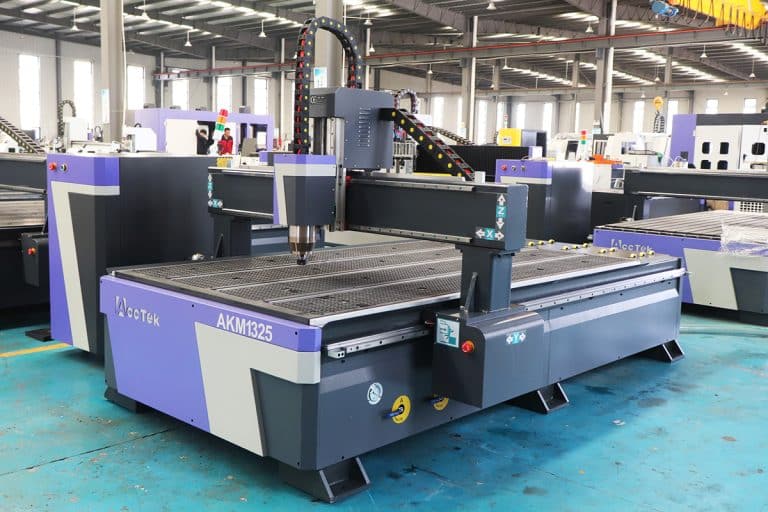
How Do CNC Routers Work
This article explains the working principle of CNC routers, from the motion system and cutting tools to the software workflow, materials, precision, and actual machining principles.
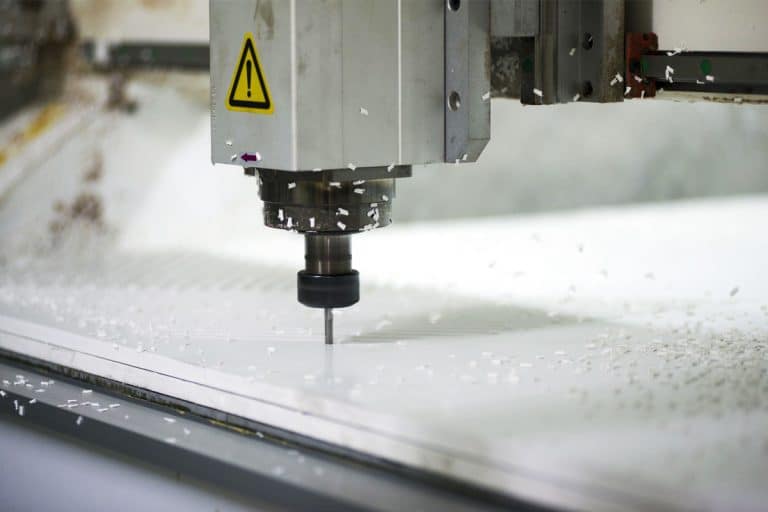
How To Maintain CNC Routers
This article provides a comprehensive guide on how to maintain CNC routers, covering essential tasks, troubleshooting tips, upgrades, and best practices to ensure optimal performance and longevity.
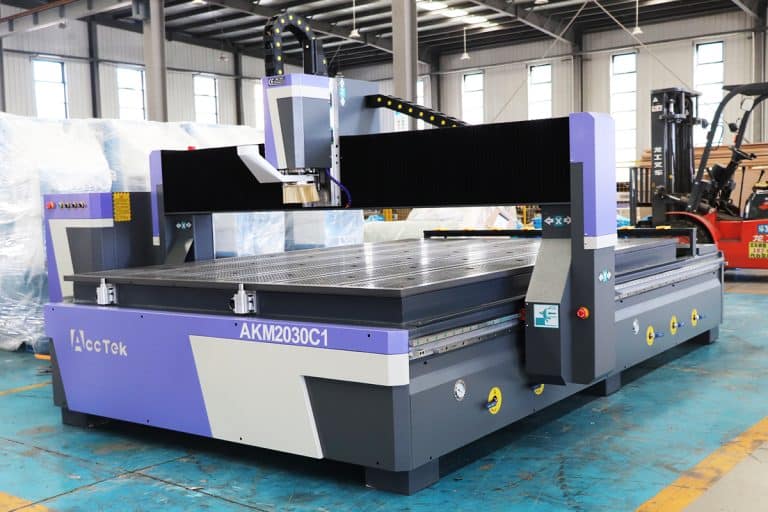
What Is The Accuracy Of CNC Routers
This article is a comprehensive guide that explains the precision of CNC routers, the key factors affecting precision, expected performance, and how to improve machining results.
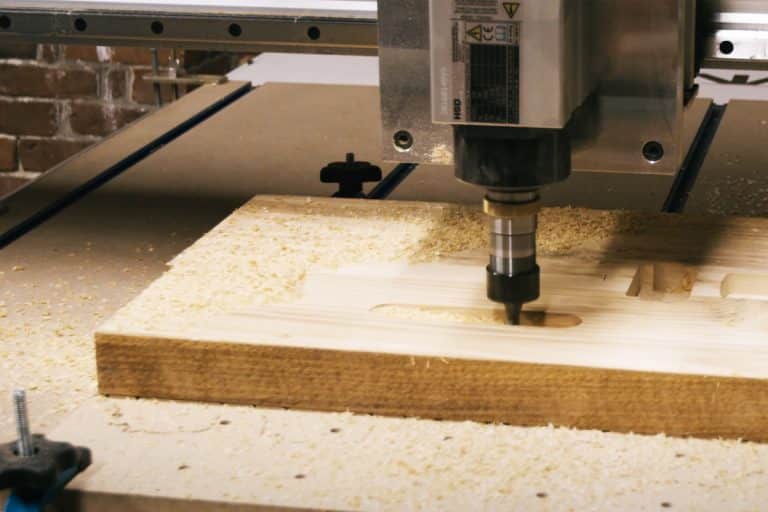
How to Choose the Right Router Bits for CNC Routers
This article explains how to select the right router bit for your CNC router, including cutter type, material, coating, and tip, to achieve precise, efficient, and durable cutting performance.
Frequently Asked Questions
What Is The Price Of Granite CNC Routers?
What Is The Working Range Of Granite CNC Routers?
- 700mm×900mm: This smaller working range is suitable for precision cutting or engraving of smaller parts and components. It’s ideal for applications in industries where great detail in smaller projects, such as engraving on stone or fine milling, is needed.
- 900mm×1500mm: This size provides a slightly larger working area, making it more versatile for medium-sized projects. It’s commonly used for cutting or engraving granite slabs, marble, and other stones for applications such as countertops, tiles, or decorative stone carvings.
- 1300mm×2500mm: This is one of the most popular sizes for granite CNC routers, offering a spacious work area suitable for larger slabs or multiple smaller pieces. This working range is typically used in the stone processing industry for large-scale production of stone slabs, countertops, flooring, and other architectural elements.
- Custom Sizes: Custom sizes are often available to meet specific needs or accommodate unusually large stone slabs. Custom options allow users to adjust the working range based on the type of material, the scale of the projects, and the specific requirements of the business.
What Is The Accuracy Of Granite CNC Routers?
- Positioning Accuracy: Granite CNC routers generally offer a positioning accuracy of ±05 mm to ±0.1 mm, meaning that the CNC router can move within a few hundredths of a millimeter from the intended position. This level of accuracy is crucial when dealing with fine stone details or intricate designs, ensuring that each cut or engraving is executed to precise specifications.
- Repeatability: The repeatability of granite CNC routers, which refers to the machine’s ability to return to the same position over multiple cycles, is usually ±02 mm to ±0.05 mm. This is particularly important in industries where multiple identical parts or engravings need to be created from a single stone slab, ensuring that the CNC router maintains consistent results from one piece to the next.
- Influencing Factors: The actual accuracy of the CNC router can be influenced by several factors, including:
- Machine Calibration: Proper calibration is essential to maintain accuracy over time. Regular checks and adjustments to the machine’s axes and components ensure that the CNC router performs within its specified tolerances.
- Material Type and Thickness: The hardness and thickness of the granite can also impact accuracy. For example, cutting harder stones may require slower feed rates, which could affect the precision of cuts.
- Tool Wear: As cutting tools (e.g., diamond-tipped bits) wear down, the accuracy of the cuts can degrade, making tool maintenance and replacement an important factor in maintaining high accuracy.
Are The Routing Edges Of Granite CNC Routers Clean?
- Tooling and Bit Selection: The quality of the tools used, particularly the router bits, plays a significant role in the cleanliness of the edges. Diamond-tipped or carbide-tipped tools are commonly used for granite because they are extremely hard and wear-resistant, ensuring that the CNC router can cut through the stone smoothly without chipping or causing rough edges. The sharpness and condition of the cutting bits are crucial for achieving clean, smooth edges. Dull or worn-out tools may cause jagged or uneven cuts.
- Cutting Speed and Feed Rates: The CNC router’s cutting speed and feed rate also impact edge quality. If the feed rate is too high or too low, it may cause vibration or uneven cutting, leading to rough edges. Adjusting these parameters according to the material’s hardness and the specific job requirements is key to ensuring smooth and precise edges.
- Cooling and Lubrication: When cutting granite, cooling fluids or water-based lubricants are often used to reduce heat buildup. High temperatures can cause the stone to crack, chip, or produce rough edges. The proper use of coolant prevents excessive heat and helps achieve cleaner cuts, especially on harder materials like granite.
- Granite Quality: The inherent properties of the granite itself also play a role in the final edge quality. Some types of granite are harder and more resistant to cracking, while others may have veins or natural defects that can affect the cutting process. These variations can influence the quality of the edges produced by the CNC router.
- Machine Precision and Calibration: The precision of the CNC router itself is critical in achieving clean cuts. A well-calibrated machine with tight tolerances will consistently produce smooth, clean edges. Any misalignment or wear in the machine’s components can result in rough, uneven edges.
What Problems Might Occur When Using Granite CNC Routers?
- Tool Wear and Damage: Granite is an extremely hard material, which can quickly wear down cutting tools such as router bits. Diamond-tipped or carbide tools are often required to handle the material’s toughness, but even these tools can wear out over time. Dull or worn tools may cause poor cutting performance, increased heat generation, and rough edges. Frequent tool changes and proper maintenance are essential to prevent these issues.
- Vibration and Deflection: Cutting granite generates significant forces, and if the CNC router isn’t properly calibrated or if there is excessive vibration in the machine, the cut quality can suffer. Vibration can lead to inaccuracies, poor surface finishes, and potential damage to the workpiece. To mitigate this, it’s crucial to ensure the machine is well-maintained and positioned on a stable surface.
- Chipping and Cracking: Granite, while durable, is also brittle. During the cutting or routing process, there is a risk of the material chipping or cracking, especially at edges or during sharp turns. This issue is often exacerbated if the tool speed, feed rate, or cutting depth is not appropriately adjusted for the type of granite being used. To minimize this, operators need to optimize settings based on the specific stone being worked with and possibly use techniques like water cooling or slower feed rates.
- Heat Buildup: Cutting granite generates heat, which can cause the material to expand, potentially leading to thermal cracking or tool degradation. Improper cooling can exacerbate this problem. CNC routers often use water-based coolants or air cooling to manage heat, but insufficient cooling or incorrect coolant application can lead to thermal damage. Ensuring proper cooling systems are in place is essential for maintaining tool life and workpiece quality.
- Dust and Debris: Cutting granite generates large amounts of fine dust, which can be harmful to both the machine and the operator. Without proper dust extraction systems, the dust can clog the machine’s components, causing overheating and malfunctions. It can also pose a health risk to the operator if inhaled. A robust dust collection system and proper ventilation are necessary to manage the dust produced during operation.
- Calibration and Accuracy Issues: Over time, CNC routers may experience wear and tear on their components, affecting their accuracy. For granite routing, maintaining high precision is crucial, as even small errors can result in defects in the final product. Regular calibration and maintenance are essential to ensure the machine continues to produce high-quality results.
What Control System Do Granite CNC Routers use?
- User-Friendly Interface: Mach3 is known for its intuitive and easy-to-navigate interface, which allows operators to set up and control the machine with minimal training. This feature is especially important for users working with complex materials like granite, where precision is crucial. The interface displays the machine’s status, coordinates, and toolpath, allowing operators to monitor and adjust the machine’s operation in real-time.
- Precision Control: Mach3 offers highly accurate motion control, essential for cutting and engraving granite. It supports fine-tuned adjustments to feed rates, speeds, and positioning, which are critical for working with such hard materials. The system can handle high-precision movements, ensuring that cuts and engravings on granite are sharp and accurate, with minimal error.
- Customizability: One of the main advantages of Mach3 is its flexibility. It supports custom settings and configurations, enabling users to tailor the system to their specific needs. For granite CNC routers, this means adjusting settings for different tool types, cutting strategies, and speeds to ensure the best results when working with various types of granite.
- Toolpath Control: The control system allows users to load and follow pre-designed toolpaths, which are crucial when creating intricate designs on granite. Mach3 can interpret G-code commands generated from CAD/CAM software, enabling precise execution of complex cutting paths that are often required in granite routing.
- Compatibility with External Hardware: Mach3 can integrate seamlessly with external hardware, including stepper motors, servo drives, and other CNC components. This compatibility allows for more powerful and efficient operation, as well as the ability to scale up for more complex and larger projects, which is often necessary in the granite processing industry.
- Versatility: While Mach3 is most commonly used in CNC routers, it is also compatible with a wide range of machines and configurations. This versatility makes it an ideal control system for granite CNC routers that may be used for various tasks, from cutting to engraving and milling.
What Is The Lifespan Of Granite CNC Routers?
- Usage Frequency
- Heavy Use: If the machine is used continuously for demanding operations like cutting and engraving granite, the wear and tear on components like motors, spindles, and rails will increase, potentially shortening its lifespan. For heavy use, components may need to be replaced or overhauled more frequently.
- Light Use: Machines used less frequently or for lighter applications may last longer, as the wear on parts will be less significant.
- Maintenance
- Regular maintenance is essential to extend the life of granite CNC routers. This includes cleaning, lubrication, and checking alignment to ensure smooth operation. Neglecting maintenance can lead to premature wear on the machine’s moving parts and mechanical systems.
- The spindle and router bits also need routine checks and replacements. Since granite is a hard material, these parts undergo substantial wear. Frequent maintenance of these tools ensures higher efficiency and a longer operational life.
- Machine Quality and Components
- Higher-quality CNC routers tend to have a longer lifespan. Machines built with premium materials and components such as high-quality bearings, motors, and precision rails will generally last longer than lower-quality alternatives.
- Control systems, like Mach3 or other advanced CNC software, play a significant role in the machine’s efficiency and longevity. Properly calibrated control systems ensure that the CNC router operates smoothly without overloading or unnecessary strain on components.
- Environmental Conditions
- The working environment also influences CNC routers’ longevity. Factors like temperature fluctuations, humidity, dust, and vibration can cause components to degrade more quickly. Ensuring a clean, dry, and stable environment for the machine can help prevent premature damage.
- Dust collection is crucial when working with granite to avoid dust buildup that could clog parts or cause excessive wear.
- Upgrades and Refurbishments
- With advancements in technology, periodic upgrades or refurbishments to software or hardware can keep CNC routers in good working condition for many years, often extending their life beyond the typical range of 10 to 20 years.
What Training Is Required To Operate Granite CNC Routers?
- Machine Setup and Operation
- Loading and Securing Materials: Operators must be trained in how to properly load and secure granite slabs on the CNC router’s worktable, often using vacuum or T-slot systems. Correct placement is crucial to prevent the material from shifting during the cutting process, which can affect precision.
- Machine Controls: Operators should understand the various controls on the CNC router, including how to navigate the machine’s interface, set the correct cutting parameters, and use the control panel or software to load and execute programs. Familiarity with control systems like Mach3 is essential for precise operation.
- Safety Training
- Personal Protective Equipment (PPE): Training must emphasize the importance of wearing proper PPE, such as safety goggles, dust masks, hearing protection, and gloves. Given the potential for flying debris and dust, safety precautions are a must.
- Emergency Procedures: Operators should be trained on how to react in case of an emergency, including how to stop the machine quickly and safely, handle malfunctions, and manage hazardous situations such as tool failure or material cracking.
- Material Knowledge and Tooling
- Granite Properties: Operators should be educated about the characteristics of granite, such as its hardness, brittleness, and tendency to chip or crack during cutting. Understanding these properties allows for more effective cutting strategies and optimal settings for different types of granite.
- Tool Selection and Maintenance: Training must cover how to select the correct cutting tools (e.g., diamond-tipped or carbide tools) based on the material and the specific task. Operators should also learn how to maintain and replace these tools, as granite will quickly wear out cutting edges.
- CNC Programming
- CAD/CAM Software: Operators need training in computer-aided design (CAD) and computer-aided manufacturing (CAM) software used to generate toolpaths for cutting granite. These programs allow users to design the desired cuts and convert them into G-code that the CNC router understands.
- G-Code Basics: A foundational understanding of G-code programming is essential for operators, especially if custom modifications to toolpaths or adjustments are necessary during the operation.
- Machine Calibration and Maintenance
- Regular Calibration: Operators must understand how to calibrate the CNC router for optimal precision. Calibration includes checking for any mechanical issues, ensuring all axes are aligned, and verifying that the spindle is functioning correctly.
- Routine Maintenance: Proper training should include daily, weekly, and monthly maintenance routines such as cleaning the machine, checking for wear and tear on parts, and lubricating moving components to ensure long-term performance.
- Troubleshooting and Problem Solving
- Common Issues: Operators should be trained in recognizing and troubleshooting common issues such as inaccurate cuts, vibrations, tool wear, or equipment malfunction. Knowing how to diagnose and fix problems quickly is critical to maintaining production schedules.