

Product Introduction
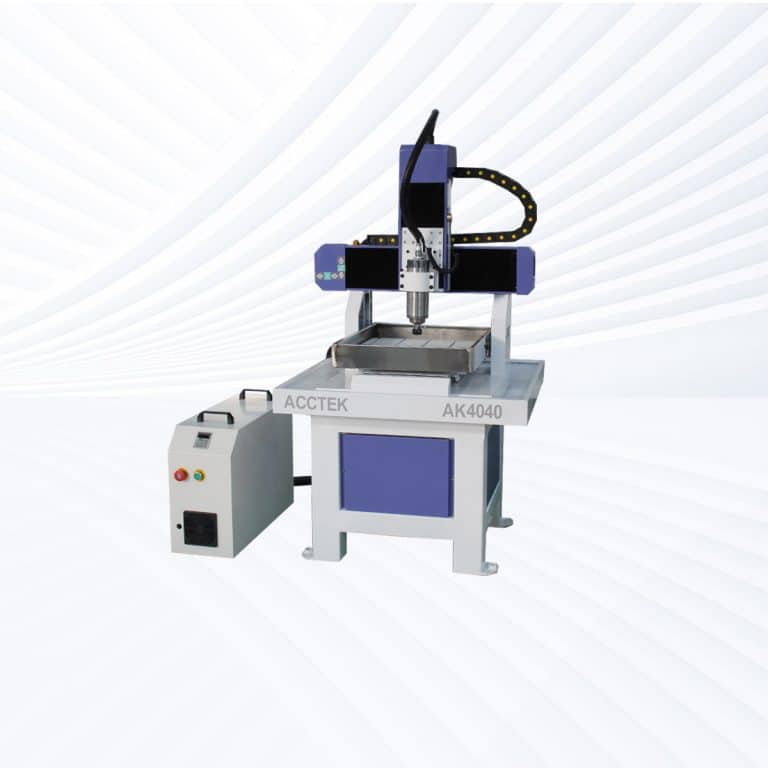
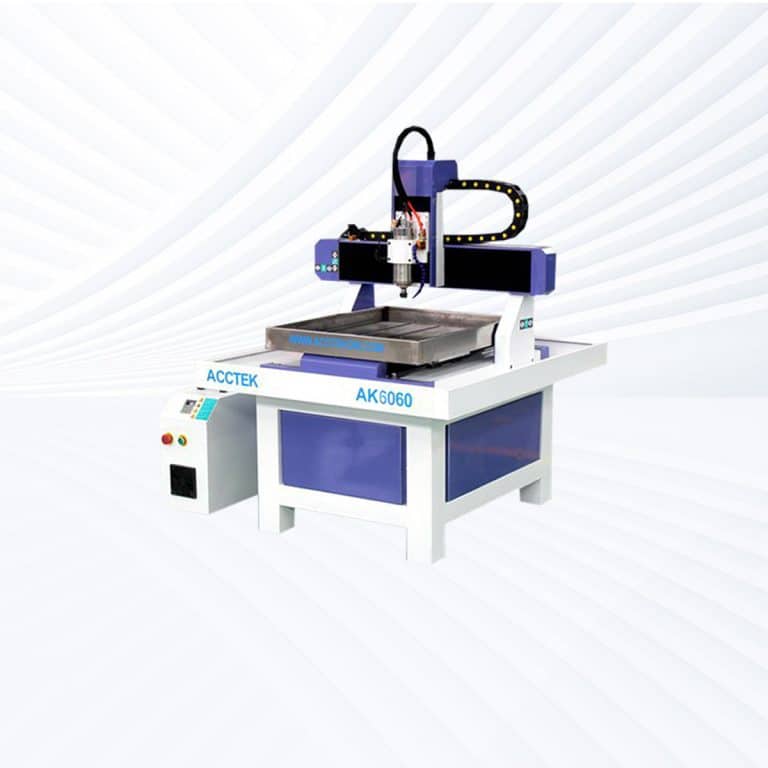
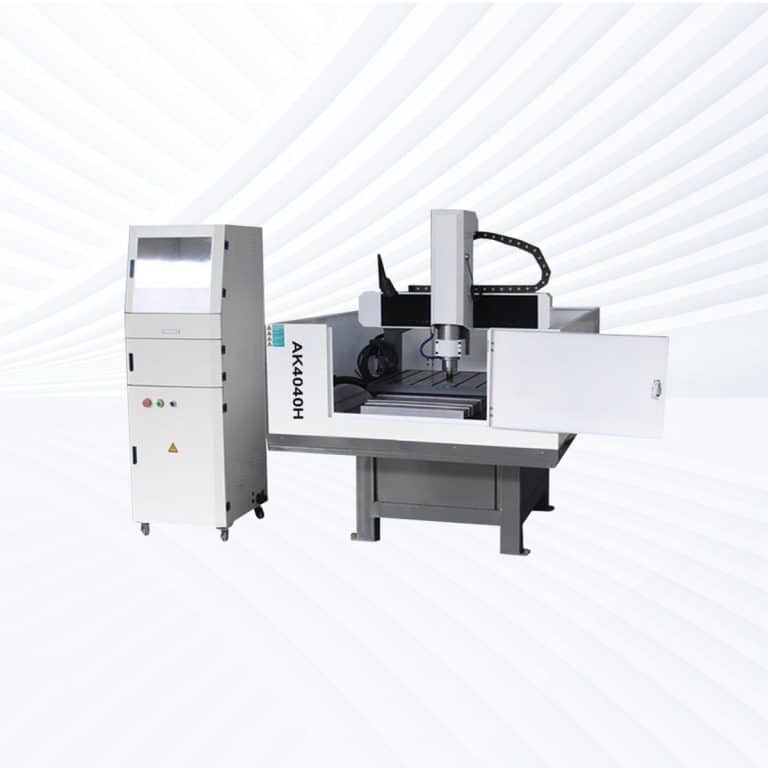
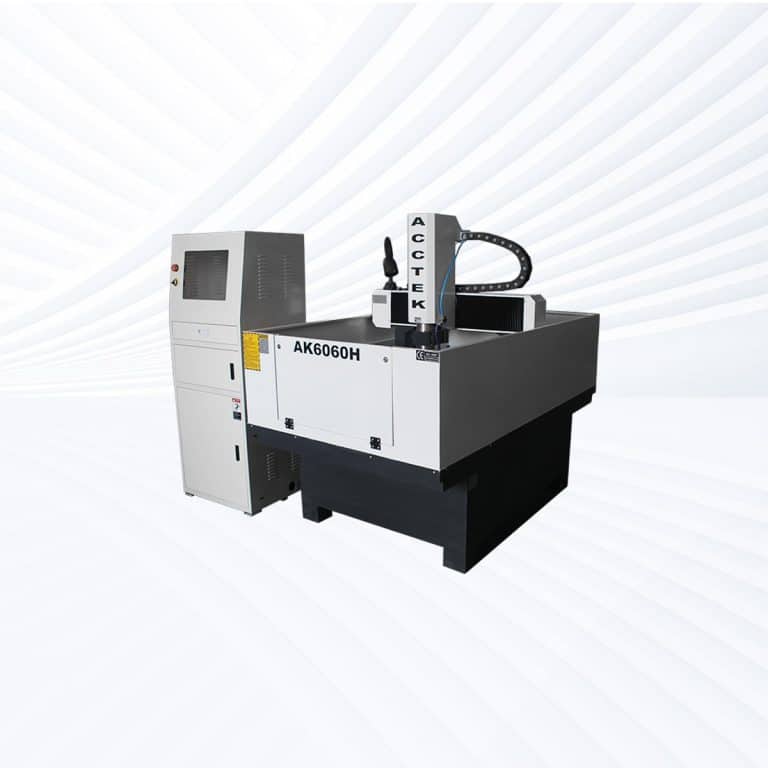
Types of Brass CNC Routers
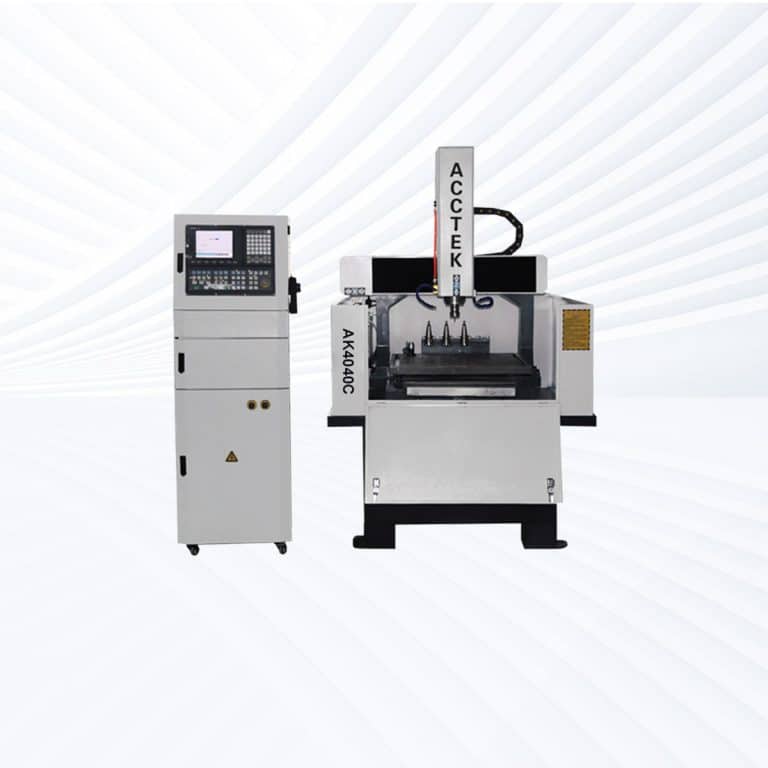
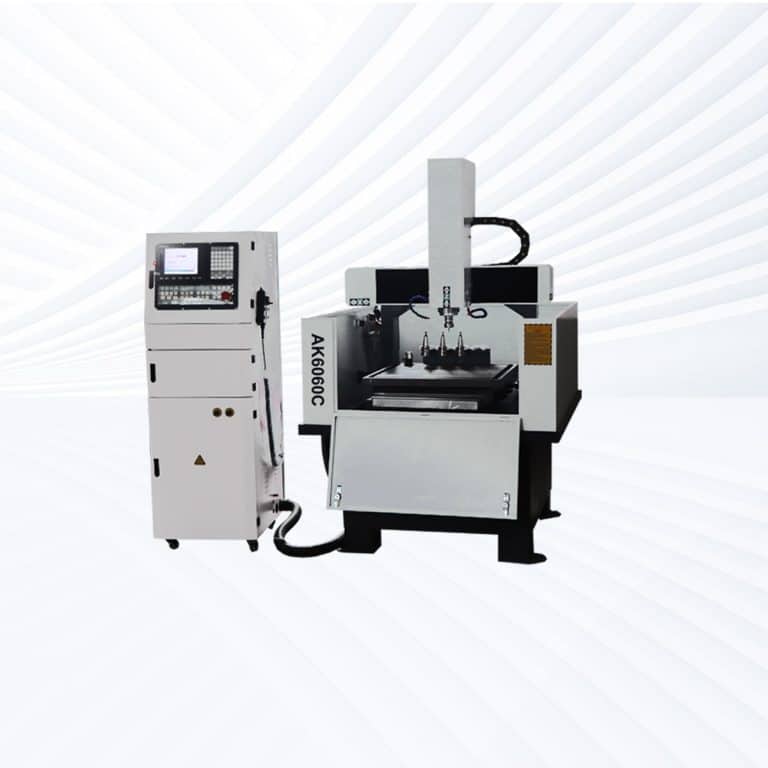
Material Routing Capability
| Metal Material Type | 1.5 kW | 2.2 kW | 3.0 kW | 3.2 kW | 3.5 kW | 4.5 kW | 5.5 kW | 6.0 kW | 7.5 kW | 9.0 kW |
|---|---|---|---|---|---|---|---|---|---|---|
| Aluminum Sheet/Plate | Very Light Engraving | Light Cutting | Light Cutting | Standard Cutting | Standard Cutting | High-Precision Cutting | Heavy-Duty Cutting | Heavy-Duty Cutting | Industrial Cutting | Industrial Cutting |
| Aluminum Composite Panel (ACP/ACM) | Surface grooving only | Surface Routing | Standard Cutting | Standard Cutting | High-Precision | High-Precision | Industrial Cutting | Industrial Cutting | Industrial Cutting | Industrial Cutting |
| Brass | Not Recommended | Light Engraving | Light Engraving | Light Cutting | Slow Cutting | Controlled Heavy Cuts | Heavy-Duty Cutting | Heavy-Duty | Industrial | Industrial |
| Copper | Not Recommended | Light Engraving | Light Engraving | Slow Routing | Controlled Routing | Heavy-Duty Cutting | Heavy-Duty | Industrial | Industrial | Industrial |
| Magnesium/Soft Alloy Metals | Not Recommended | Very Light Routing | Light Routing | Standard Routing | Standard Routing | Heavy-Duty | Heavy-Duty | Industrial | Industrial | Industrial |
| Casting Aluminum/Tooling Aluminum | Not Recommended | Not Recommended | Very Light | Very Light | Controlled Routing | Controlled Heavy Cuts | Heavy-Duty | Industrial | Industrial | Industrial |
| Stainless Steel | Not Supported | Not Supported | Not Supported | Not Supported | Not Supported | Not Supported | Not Supported | Not Supported | Not Supported | Not Supported |
| Carbon Steel/Mild Steel | Not Supported | Not Supported | Not Supported | Not Supported | Not Supported | Not Supported | Not Supported | Not Supported | Not Supported | Not Supported |
| Titanium/Hardened Steel | Not Supported | Not Supported | Not Supported | Not Supported | Not Supported | Not Supported | Not Supported | Not Supported | Not Supported | Not Supported |
Compatible Materials
- C360 Free-Cutting Brass
- C260 Cartridge Brass
- C220 Commercial Bronze (Brass)
- C230 Red Brass
- C240 Low Brass
- C280 Muntz Metal
- C385 Architectural Brass
- C353 ECO Brass
- C464 Naval Brass
- C274 Yellow Brass
- C272 Yellow Brass Sheet
- C268 Yellow Brass
- C27400 Brass
- C22000 Brass
- C23000 Brass
- C26000 Brass
- C28000 Brass
- C36000 Brass
- Lead-Free Brass
- High-Tensile Brass
- Naval Brass Plate
- Engraving Brass Plate
- Cartridge Brass Tube
- Free-Machining Brass Rod
- Forging Brass Alloy
- Dezincification-Resistant (DZR) Brass
- Alpha Brass
- Alpha-Beta Brass
- Duplex Brass
- Admiralty Brass
- Special Engraving Brass Sheet
- Precision Brass Strip
- Brass Honeycomb Panels
- Brass Composite Panels
- Brass Shim Stock
- Brass Foil
- Brass Bar Stock
- Brass Flat Bar
- Brass Hex Bar
- Brass Hollow Tube
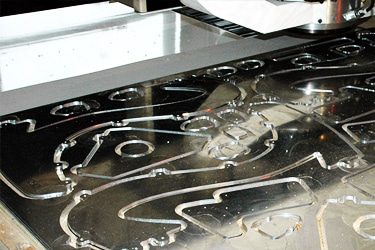
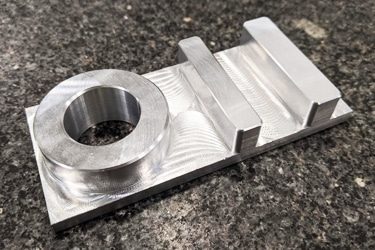
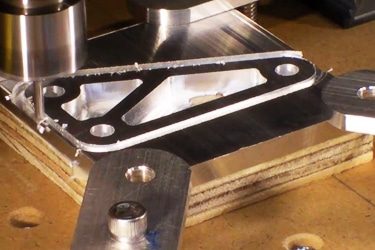
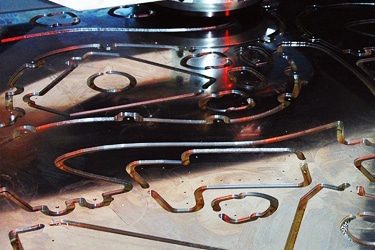
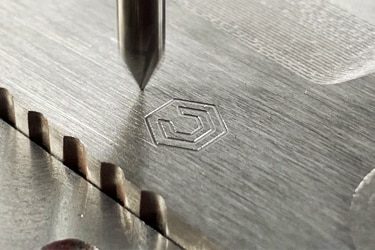
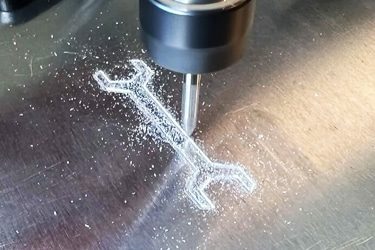
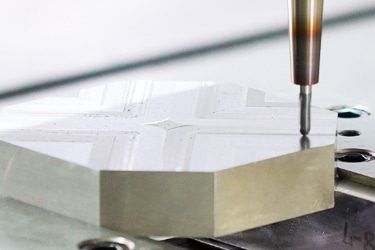
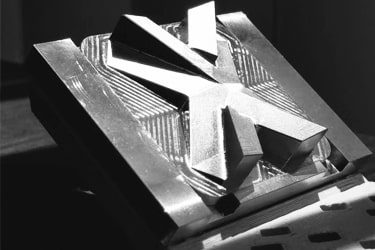
Application of Brass CNC Routers
Customer Testimonials
Comparison VS Other Engraving Technologies
| Comparison Item | Brass CNC Routing | Laser Engraving | Chemical Etching | EDM Engraving |
|---|---|---|---|---|
| Working Principle | Mechanical cutting with rotating tools | Material vaporization by laser | Acidic or alkaline etching | Electrical discharge erosion |
| Suitable Brass Types | Most brass alloys (C260, C360, C385, etc.) | Limited to surface marking | Works on many brass types | Works on conductive brass grades |
| Cutting Ability | Full-depth cutting and profiling | Minimal cutting; mostly marking | No cutting capability | Cuts very slowly |
| Engraving Depth | Deep engraving + 3D carving | Shallow engraving | Very shallow | Deep but extremely slow |
| Precision Level | High accuracy and repeatability | Very high precision | Moderate | Extremely high |
| Detail Resolution | Good for complex geometry | Excellent for fine details | Limited by mask process | Excellent micro-detailing |
| Production Speed | Fast for routing and shaping | Fast for surface marking | Medium | Very slow |
| Heat Impact | Low heat; minimal distortion | High heat; may discolor brass | No heat effect | No heat effect |
| Surface Finish | Clean machined finish | Smooth engraved lines | Matte etched finish | Very fine surface finish |
| Setup Requirements | Tooling, fixturing, CAM programming | Simple software setup | Masking, chemical prep | Electrodes, dielectric fluid |
| Skill Requirement | Moderate | Low–moderate | Moderate process skill | High technical skill |
| Operating Cost | Low–medium (tools + power) | Low–medium (laser tube wear) | Medium–high (chemicals, disposal) | High (electrodes + consumables) |
| Maintenance Needs | Tool changes + lubrication | Optics cleaning, ventilation | Chemical disposal, tank cleaning | Frequent electrode replacement |
| Best Applications | Brass parts, signage, hardware, prototypes | Serial numbers, patterns, marking | Decorative patterns, shallow textures | Precision molds, micro-features |
| Ideal Use Case | Fast, flexible machining of brass components | Fine surface engraving on brass | Mass shallow etching | Ultra-precise micro-engraving |
Why Choose Us
High Precision & Efficiency
AccTek CNC routers deliver fast, accurate results with minimal errors, supporting intricate designs and mass production across the woodworking, plastic, and metal industries.
Robust and Durable Design
Our machines are built with high-quality frames and components, ensuring long service life, high load-bearing capacity, and stability during high-speed operations.
Intelligent Control Systems
Equipped with user-friendly interfaces and smart controllers, our routers offer smooth motion control, automatic toolpath optimization, and easy integration with various CAD/CAM software.
Flexible Customization
From machine size to spindle power and motor type, we offer flexible configurations to suit different production needs, budgets, and material requirements.
Related Resources
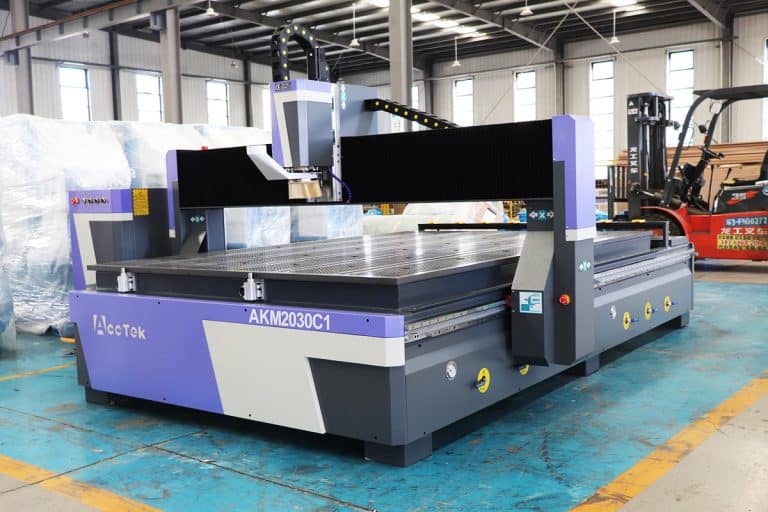
How to Choose CNC Routers
This article explores how to choose CNC routers, covering machine types, application requirements, working area, spindle selection, motion systems, software compatibility, costs, and maintenance considerations.
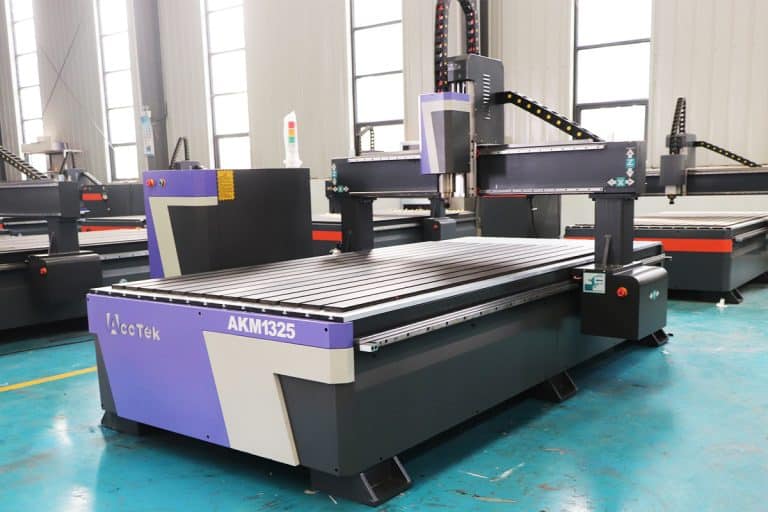
What Is The Lifespan Of CNC Routers
This article explores what determines the lifespan of CNC routers, including machine design, usage intensity, maintenance practices, accuracy drift, and when to repair, rebuild, or replace equipment.
How Do CNC Routers Work
This article explains the working principle of CNC routers, from the motion system and cutting tools to the software workflow, materials, precision, and actual machining principles.
How To Maintain CNC Routers
This article provides a comprehensive guide on how to maintain CNC routers, covering essential tasks, troubleshooting tips, upgrades, and best practices to ensure optimal performance and longevity.
Frequently Asked Questions
What Is The Price Of Brass CNC Routers?
What Is The Working Range Of Brass CNC Routers?
- 400×400mm Small-Format Working Range: This size is ideal for small brass components such as nameplates, jewelry pieces, watch parts, instrument fittings, precision gears, or decorative engravings. A compact working area enhances machine rigidity and reduces vibration, which is crucial when machining brass due to its density and tendency to produce fine chips. Small-format CNC routers are suitable for workshops where fine detail, tight tolerance, and efficient material handling are top priorities.
- 600×600mm Medium-Format Working Range: Medium-sized CNC routers offer greater versatility and allow machining of larger brass items such as signage letters, mechanical components, electrical fittings, molds, and prototype parts. Machines in this category often feature stronger gantries, higher spindle power, and improved chip management systems. The added space allows for multi-part fixturing, enabling higher throughput for small-to-medium brass machining operations.
- Customized Working Areas: For specialized applications, brass CNC routers can be customized to virtually any working range—such as 600×900mm, 1000×1000mm, 1200×1200mm, or large-format areas like 1300×2500mm and beyond. Custom-built machines are preferred for applications involving large brass plates, industrial fixtures, mold bases, architectural components, or production lines requiring multiple setups. These machines often include reinforced frames, upgraded spindles, and enhanced cooling or chip extraction tailored specifically for cutting brass efficiently.
What Type Of Spindle Do Brass CNC Routers Use?
- Temperature Stability for Brass Machining: Brass is denser than wood or plastics, which increases cutting resistance and creates heat at the tool–material interface. Water-cooling systems circulate coolant around the spindle body, preventing overheating and ensuring stable spindle speed. This temperature control improves surface quality, reduces burr formation, and extends tool life.
- High Precision and Smooth Operation: Water-cooled spindles operate quietly and with minimal vibration, a major advantage when machining fine details such as jewelry, nameplates, musical instruments, and precision mechanical components. Their stable performance supports consistent tool engagement, making them ideal for engraving, contour milling, slotting, and 3D carving in brass.
- Suitable Power Range for Brass Cutting: Depending on project requirements, brass CNC routers may use 1.5 kW, 2.2 kW, 3.0 kW, or higher-power spindles. The chosen spindle power determines the achievable cutting depth, tool diameter, and feed rate. Medium-power water-cooled spindles deliver the torque needed for small to medium brass parts, while high-power versions suit deeper cuts or large-format machining.
- Compatibility With Cooling and Lubrication Systems: Water-cooled spindles work well with mist-cooling, air-blast, or lubricant-assisted cutting setups, all of which help remove brass chips and keep tools at safe temperatures. Cleaner cuts and reduced tool wear make these spindles more efficient for both industrial and craft-level machining.
- Long-Term Durability: Because water-cooled spindles run cooler than air-cooled models, their bearings experience less stress and maintain accuracy longer. This contributes to a smoother cutting experience and reduces maintenance frequency.
What Is The Spindle Power Of Brass CNC Routers?
- 2.2 kW Spindles: A 2.2 kW water-cooled spindle is often used for small to medium brass components such as engraved plates, decorative parts, instruments, and prototype pieces. This spindle offers stable high-speed performance, supports small-diameter tools, and provides clean surface finishes. It is ideal for workshops focusing on fine details, shallow cuts, or continuous engraving tasks. The efficiency and low noise of 2.2 kW spindles make them popular for compact and mid-size brass CNC routers.
- 3.2 kW Spindles: For users machining thicker brass blocks, structural components, complex mold details, or parts requiring larger tool diameters, a 3.2 kW spindle provides the necessary torque and stability. This higher-power spindle maintains consistent RPM under heavy cutting pressure, reducing tool deflection and improving dimensional accuracy. It also supports faster feed rates and deeper passes, making it suitable for more demanding machining environments or higher daily production volumes.
What Type Of Worktable Do Brass CNC Routers Use?
- Flexible Clamping for Various Brass Workpieces: T-slot worktables are engineered with parallel grooves that allow clamps, bolts, jigs, and fixtures to be positioned anywhere along the table. This versatility is especially important when machining brass parts of different shapes and sizes, such as small plates, fittings, molds, or thicker blocks. Operators can adjust clamps to create optimal pressure points, ensuring stable machining and reducing the risk of the workpiece lifting or shifting.
- High Stability for Precision Brass Machining: Because brass requires accurate cuts and smooth finishing, T-slot tables are usually made from heavy-duty aluminum or cast iron to provide stability and reduce vibration. The rigid table structure supports deeper cuts and high-speed spindle operations. This stability enhances cutting accuracy, surface consistency, and tool life, making T-slot tables ideal for both detailed engraving and more demanding milling tasks.
- Compatibility With Specialized Fixtures: Many brass machining applications involve custom fixtures, vices, or parallel blocks. T-slot tables easily accommodate these accessories. Whether holding small precision components or larger brass plates, the table’s groove system lets operators configure setups efficiently for both single-part machining and multi-part production runs. This adaptability is a significant advantage for workshops handling varied brass projects.
- Easy Maintenance and Chip Removal: Brass chips are heavier and more compact than wood or plastic debris, and they accumulate quickly. T-slot designs allow chips to fall between clamping points without obstructing fixtures. Routine cleaning is straightforward, and the table surface remains clear for a smooth workflow. This design supports safe, clean machining while preventing chip buildup that could interfere with accuracy.
- Strong Support for High-Torque Operations: Brass CNC machining often requires higher torque, especially when using 2.2 kW or 3.2 kW spindles. T-slot tables provide the structural strength to handle these forces without bending or instability.
Is It Safe To Use Brass CNC Routers?
- Built-In Mechanical and Electrical Safety Features: Most brass CNC routers include emergency stop buttons, limit switches, motor overload protection, and controller-based interlocks. These systems help stop the machine immediately in abnormal situations, reducing the risk of tool breakage or unexpected movement. Stable machine structures and heavy-duty worktables further enhance safety by minimizing vibration and preventing material shift.
- Chip Control and Proper Cooling: Machining brass generates sharp chips and fine debris that must be managed effectively. Brass CNC routers typically use air blast, mist cooling, or lubrication systems to keep chips clear of the tool, maintaining visibility and preventing chip ejection hazards. Effective chip extraction also helps reduce slipping risks and maintains a clean, safe workspace.
- Importance of Correct Workpiece Clamping: Brass components must be securely fixed using T-slot clamps, vices, or custom jigs to prevent movement during cutting. Loose brass pieces can cause tool chatter, breakage, or sudden shifts that may pose safety risks. Proper fixturing ensures not only safety but also improved surface finish and machining accuracy.
- Operator Training and Safe Operation Practices: Safety largely depends on knowledgeable operation. Trained users understand appropriate feed rates, spindle speeds, and tool selection for brass machining. They know how to check tool conditions, verify G-code settings, and avoid reaching into the machine while it is running. Operators should monitor cutting performance and stop the machine if unusual noises, vibrations, or tool loading issues occur.
- Environmental and Workspace Safety: Brass CNC routers should be placed in well-ventilated workshops with adequate lighting and clean floors. Good ventilation helps manage mist or dust from cooling systems. Electrical connections must be properly grounded and regularly inspected to prevent shorts, shocks, or overheating issues.
- Additional Safety Enhancements: Protective enclosures, shields, and chip guards further reduce the risk of flying debris. Personal protective equipment, such as safety glasses and hearing protection, adds another layer of safety.
What Problems Might Occur When Using Brass CNC Routers?
- Chip Accumulation and Poor Chip Evacuation: Brass produces compact, sharp chips that can gather around the cutting area if not properly removed. Inadequate chip evacuation may cause heat buildup, tool clogging, or inconsistent cutting. Using air blast, mist cooling, or vacuum extraction is essential to maintain clean machining conditions and protect the surface finish.
- Tool Wear and Breakage: Although brass is easier to machine than steel, it still requires sharp, properly coated tools. Dull tools generate friction, reduce cutting precision, and increase the chance of tool breakage. Incorrect feed rates or spindle speeds can also cause excessive wear. Regular tool inspection and using high-quality carbide tools help maintain stable performance.
- Surface Burrs or Rough Edges: Improper cutting parameters, dull tools, or insufficient cooling may lead to burr formation along edges. These burrs require additional deburring, increasing labor time. Optimizing RPM, feed rate, and toolpath strategies helps achieve smooth, clean edges with minimal post-processing.
- Vibration and Chatter During Cutting: Weak machine frames, loose fixtures, or incorrect tool engagement can cause vibration, known as chatter. This results in poor surface finish and dimensional inaccuracies. Secure clamping with T-slot fixtures and maintaining a rigid cutting setup are essential to minimize vibration.
- Overheating of Workpiece or Tool: Without adequate cooling, brass machining can generate heat that affects accuracy and tool life. Excessive heat may cause thermal expansion of the material, leading to dimensional errors. Mist cooling or air-assisted cutting helps keep temperatures stable and prevents tool burnout.
- Inaccurate Cuts Due to Improper Material Clamping: Brass plates or blocks that are not securely fixed may shift during machining, causing misaligned cuts, tool damage, or safety hazards. Proper fixturing using clamps, vises, or custom jigs ensures stability and prevents unwanted movement.
- Controller or Programming Errors: Incorrect G-code settings, toolpath mistakes, or software misconfigurations may cause collisions, missed steps, or poor accuracy. Operators must verify programs and simulate toolpaths before execution.
What Are The Special Requirements For The Workshop Floor For Brass CNC Routers?
- Stable and Level Flooring: The workshop floor must be strong and level to support the weight of the CNC router, which can be heavy due to its solid construction and large worktable. Uneven or soft floors can lead to vibrations, affecting machine accuracy and stability. A concrete floor, often with additional reinforcement, is ideal as it provides the necessary strength and minimizes vibrations. A level floor ensures that the CNC router’s components align correctly, maintaining precise cutting tolerances.
- Vibration Dampening: To prevent vibrations during cutting, which can lead to inaccuracies, chatter, and poor surface finishes, the workshop floor should have some vibration-dampening measures. Some manufacturers recommend placing the CNC router on vibration isolation pads or using anti-vibration mats under the machine. This is especially important when machining brass, as its hardness can generate higher cutting forces.
- Sufficient Space Around the Machine: Brass CNC routers require ample space for both the machine and the operator to work comfortably and safely. Space around the machine allows for easy loading and unloading of material, maintenance access, and room for chip collection systems, cooling units, or air-blast systems. Proper clearance also allows for safe operation and reduces the risk of injury when operating the machine.
- Clean, Dry, and Dust-Free Environment: Maintaining a clean, dry environment is crucial for the performance of the CNC router. Brass chips and dust should be managed effectively, and the workshop floor must be free of clutter to avoid accidents. Additionally, since water and coolant systems are commonly used with brass CNC routers, the floor should be resistant to water damage and easy to clean to prevent buildup and corrosion.
- Proper Electrical Setup: A stable electrical supply is vital for CNC routers, especially those using high-powered spindles for brass machining. The floor space should allow for easy access to electrical outlets, and any wiring should be well-organized and out of the way to prevent accidental damage. Electrical grounding is also essential to prevent electrical hazards.
- Temperature and Humidity Control: Temperature fluctuations can affect brass machining accuracy, as the material expands and contracts with temperature changes. The workshop should have temperature and humidity controls to maintain a stable environment. Avoiding extremes in temperature helps prevent inaccuracies in cutting and reduces the likelihood of machine parts expanding or contracting during operation.