

Product Introduction
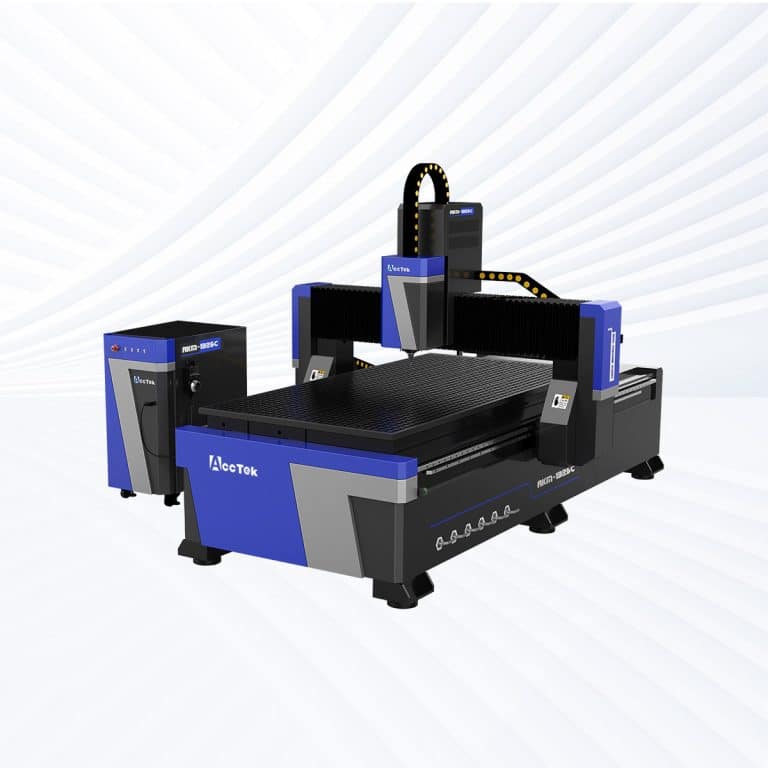
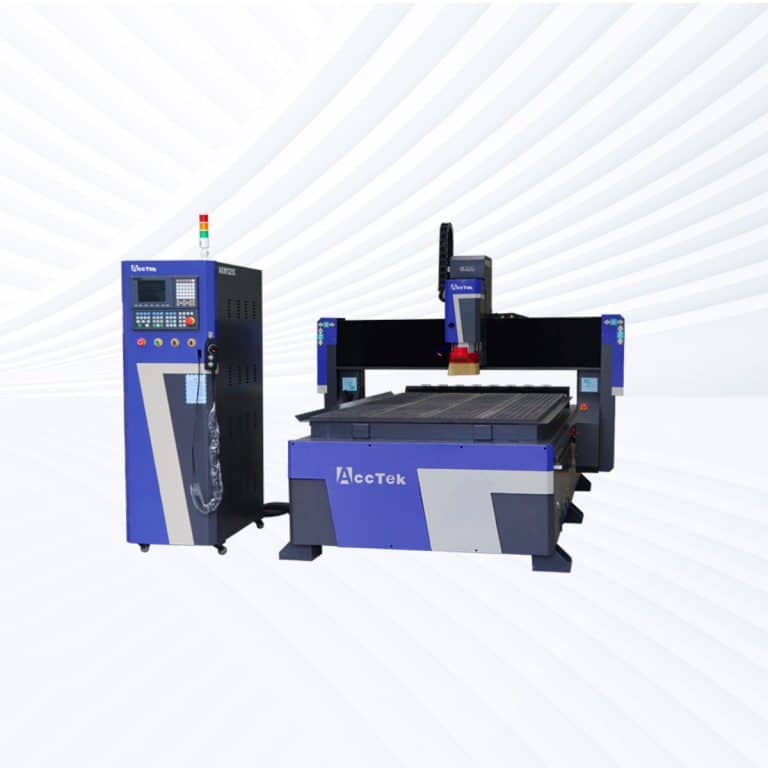
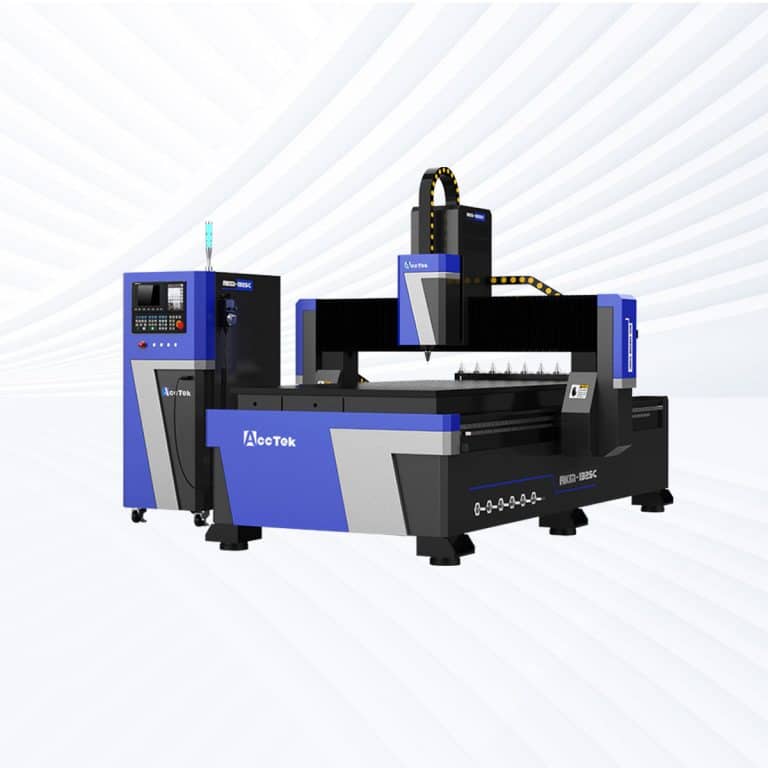
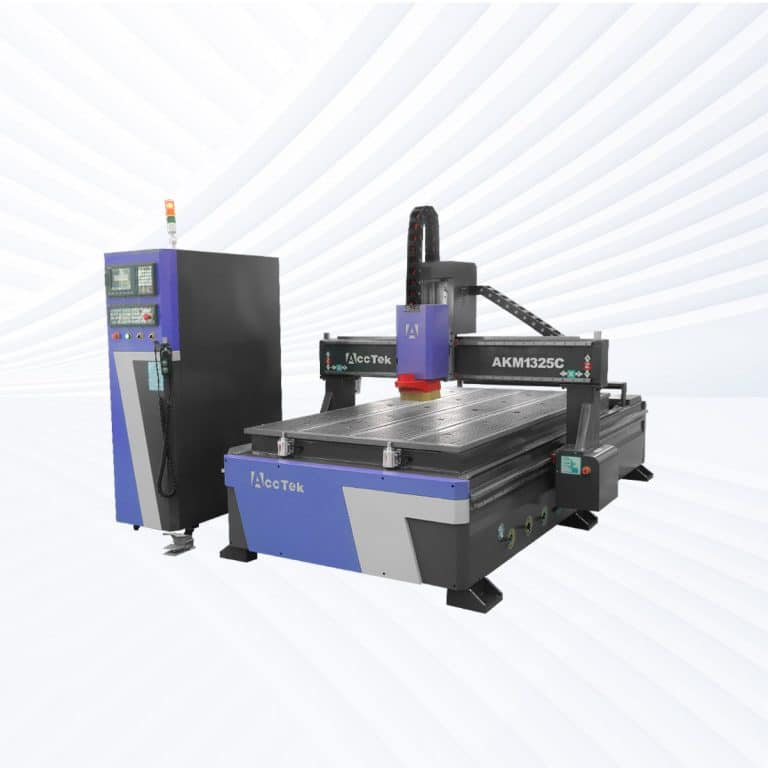
Material Routing Capability
| Material Type | 1.5 kW | 2.2 kW | 3.0 kW | 3.2 kW | 3.5 kW | 4.5 kW | 5.5 kW | 6.0 kW | 7.5 kW | 9.0 kW |
|---|---|---|---|---|---|---|---|---|---|---|
| Softwood | Light Cutting | Standard Cutting | Fast Cutting | Fast Cutting | Fast Cutting | High-Speed Cutting | Heavy-Duty Cutting | Heavy-Duty Cutting | Industrial Cutting | Industrial Cutting |
| Hardwood | Light Duty | Standard Cutting | Stable Cutting | Stable Cutting | High-Precision | Heavy-Duty | Heavy-Duty | High-Torque Cutting | Industrial Cutting | Industrial Cutting |
| Plywood/MDF | Basic Cutting | Smooth Cutting | Fast, Clean Cutting | Fast Cutting | High-Precision | Heavy-Duty | Heavy-Duty | Industrial Smooth Cuts | High-Volume Cutting | High-Volume Cutting |
| HDF/Particle Board/Melamine | Light Cuts | Standard Cuts | Clean Cuts | Clean Cuts | High-Precision | Heavy-Duty | Heavy-Duty | Industrial | Industrial | Industrial |
| Acrylic(PMMA) | Thin Sheets | Clean Cutting | Fast, Clean Edges | High Clarity | High Clarity | Smooth Finishing | Smooth Finishing | Industrial Clarity | Industrial Clarity | Industrial Clarity |
| Polycarbonate/PETG | Thin Sheets | Clean Cutting | Stable Cutting | Stable Cutting | Precision Cutting | Heavy-Duty | Heavy-Duty | Industrial | Industrial | Industrial |
| ABS/PVC Foam Board | Light Duty | Standard | Fast Cutting | Fast Cutting | High Stability | Heavy-Duty | Heavy-Duty | Industrial | Industrial | Industrial |
| HDPE/LDPE/PP/Nylon | Light Cuts | Standard Cuts | Stable Cuts | Stable Cuts | Deep Routing | Heavy-Duty | Heavy-Duty | High-Torque | Industrial | Industrial |
| Delrin/UHMW | Light Duty | Standard | Accurate Routing | Accurate Routing | High-Precision | Heavy-Duty | Heavy-Duty | Industrial | Industrial | Industrial |
| Solid Surface (Corian) | Very Light | Standard | Strong Cutting | Clean Cutting | High-Precision | Heavy-Duty | Heavy-Duty | Industrial Cutting | Industrial Cutting | Industrial Cutting |
| Fiberglass/Carbon Fiber Sheet | Light Trimming | Standard | Precise Routing | Precise Routing | High-Precision | Heavy-Duty | Heavy-Duty | Industrial | Industrial | Industrial |
| Phenolic/Bakelite | Limited | Standard | Clean Routing | Clean Routing | Precision Routing | Heavy-Duty | Heavy-Duty | Industrial | Industrial | Industrial |
| Foam(EVA, XPS, EPS, PU) | Very Easy | Very Easy | Fast Cutting | Fast Cutting | Ultra-Fast | Ultra-Fast | Ultra-Fast | High-Speed | High-Speed | High-Speed |
| Rubber/Leather/Cork | Light Duty | Standard | Clean Edges | Clean Edges | Faster Routing | Heavy-Duty | Heavy-Duty | Industrial | Industrial | Industrial |
| Cardboard/Paperboard | Easy | Easy | Fast Cutting | Fast Cutting | Ultra-Fast | Ultra-Fast | Ultra-Fast | Industrial | Industrial | Industrial |
| ACP/ACM (Surface Routing Only) | Very Light | Standard | Clean Grooves | Clean Grooves | High Precision | Heavy-Duty | Heavy-Duty | Industrial | Industrial | Industrial |
Compatible Materials
- Baltic Birch Plywood
- Finnish Birch Plywood
- Russian Birch Plywood
- Marine-Grade Birch Plywood
- Aircraft-Grade Birch Plywood
- Cabinet-Grade Birch Plywood
- UV-Coated Birch Plywood
- Pre-Finished Birch Plywood
- Veneer-Core Birch Plywood
- MDF-Core Birch Plywood
- Particle-Core Birch Plywood
- Flexible (Bending) Birch Plywood
- Birch Veneer Sheets
- Raw Birch Timber
- Solid Birch Boards
- Live-Edge Birch Slabs
- Birch Blockboard
- Laminated Birch Panels
- Birch Acoustic Panels
- Birch Drawer-Side Blanks
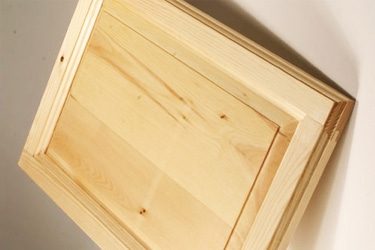
- Birch Face Frames
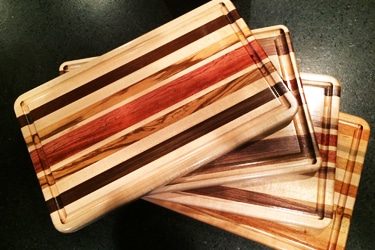
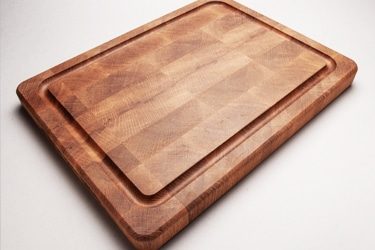
- Birch Butcher-Block Panels
- Birch Stair-Tread Blanks
- Birch Molding Stock
- Birch Furniture Panels
- Birch Door Panels
- Birch Cabinet Fronts
- Birch Sign-Making Panels
- Birch Laser-Grade Plywood
- Birch Composite Boards
- Birch Art/Craft Sheets
- Birch Marquetry Veneer
- Birch Décor Panels
- Birch Interior Wall Panels
- Birch Jig/Fixture Panels
- Birch Hobby Plywood Sheets
- Birch Thin-Stock sheets
- Birch Heavy-Duty sheets
- Birch Laminated Structural Sheets
- Birch CNC Nesting-Grade Panels
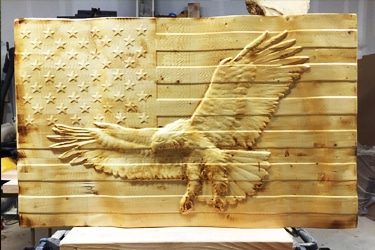
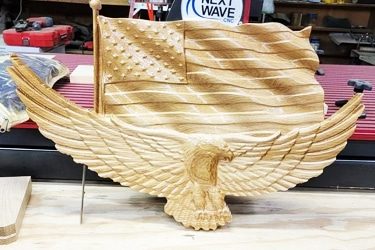
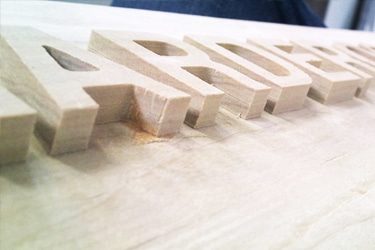
Application of Birch CNC Routers


Customer Testimonials
Comparison VS Other Engraving Technologies
| Comparison Item | Birch CNC Routing | Laser Engraving | Chemical Etching | EDM Engraving |
|---|---|---|---|---|
| Working Principle | Mechanical cutting using router bits | Vaporization by laser beam | Chemical reaction removes surface | Electrical discharge removes material |
| Best Material Suitability | Birch, hardwoods, softwoods, plastics | Wood, acrylic, coated materials | Metals, glass, ceramics | Conductive metals only |
| Cutting Ability | Full-depth cutting, profiling, shaping | Limited cutting capability | No cutting, only etching | Very slow cutting |
| Engraving Depth | Deep engraving + 3D carving | Mostly shallow | Very shallow | Medium but slow |
| Precision Level | High accuracy and repeatability | Extremely high precision | Moderate | Very high precision |
| Edge Quality | Clean with correct tooling | Smooth and polished | Clean but needs rinsing | Very clean but requires finishing |
| Detail Complexity | Good for 2D & 3D complex work | Excellent fine patterns | Limited | Very detailed but slow |
| Production Speed | Fast for cutting and carving | Fast for engraving | Medium | Very slow |
| Setup Requirements | Medium (tooling, fixturing) | Low (mostly software) | Medium (chemical prep) | High (electrodes, setup) |
| Learning Curve | Moderate | Easy to moderate | Moderate | High |
| Operating Cost | Low (bits + power) | Low to medium | Medium to high | High (electrodes + wear) |
| Maintenance Difficulty | Simple routine maintenance | Optics care + fume extraction | Chemical disposal | Complex machine maintenance |
| Safety Considerations | Dust, debris, tool hazards | Laser radiation, fumes | Chemical burns, toxic vapors | High voltage & EDM fluid safety |
| Ideal Applications | Birch cutting, furniture, signs, crafts | Fine engraving, marking | Surface patterns on metals | Precision industrial engraving |
| Best Use Case | Versatile birch machining & carving | Fine detail, shallow engraving | Flat metal etching | Toolmaking & high-precision metalwork |
Why Choose Us
High Precision & Efficiency
AccTek CNC routers deliver fast, accurate results with minimal errors, supporting intricate designs and mass production across the woodworking, plastic, and metal industries.
Robust and Durable Design
Our machines are built with high-quality frames and components, ensuring long service life, high load-bearing capacity, and stability during high-speed operations.
Intelligent Control Systems
Equipped with user-friendly interfaces and smart controllers, our routers offer smooth motion control, automatic toolpath optimization, and easy integration with various CAD/CAM software.
Flexible Customization
From machine size to spindle power and motor type, we offer flexible configurations to suit different production needs, budgets, and material requirements.
Related Resources
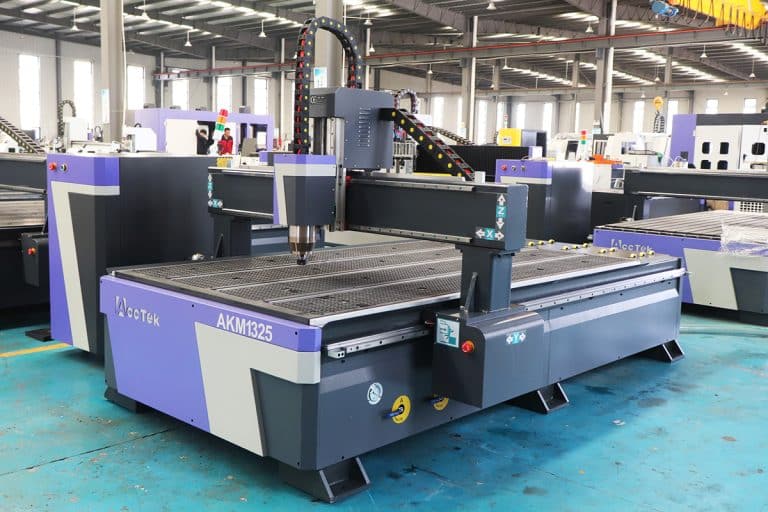
How Do CNC Routers Work
This article explains the working principle of CNC routers, from the motion system and cutting tools to the software workflow, materials, precision, and actual machining principles.
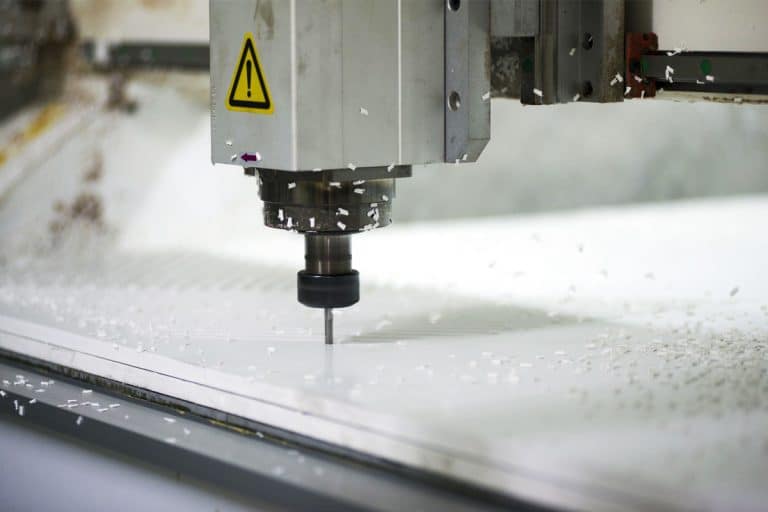
How To Maintain CNC Routers
This article provides a comprehensive guide on how to maintain CNC routers, covering essential tasks, troubleshooting tips, upgrades, and best practices to ensure optimal performance and longevity.
What Is The Accuracy Of CNC Routers
This article is a comprehensive guide that explains the precision of CNC routers, the key factors affecting precision, expected performance, and how to improve machining results.
How to Choose the Right Router Bits for CNC Routers
This article explains how to select the right router bit for your CNC router, including cutter type, material, coating, and tip, to achieve precise, efficient, and durable cutting performance.
Frequently Asked Questions
What Is The Price Of Birch CNC Routers?
What Is The Working Range Of Birch CNC Routers?
- 700mm×900mm: Ideal for small workshops, prototyping, craft projects, and fine engraving. This compact size is suitable for users with limited workspace and smaller material dimensions.
- 900mm×1500mm: A mid-sized format that offers more versatility for applications such as furniture parts, signage, and decorative panel production.
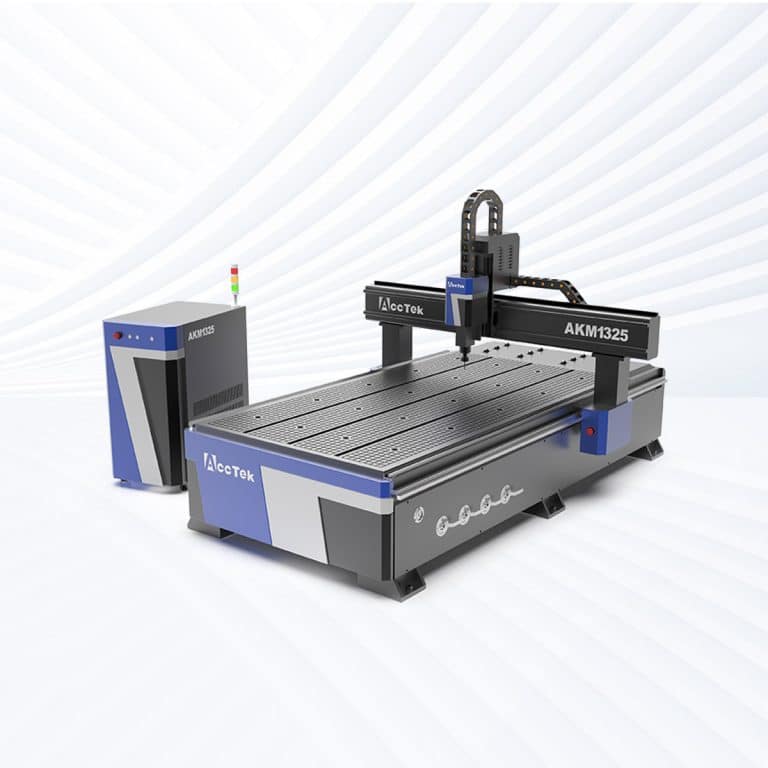
- 1300mm×2500mm: One of the most popular sizes used in industrial woodworking. It accommodates full-size birch and plywood sheets, making it highly efficient for cabinetry, doors, and large flat panel cutting.
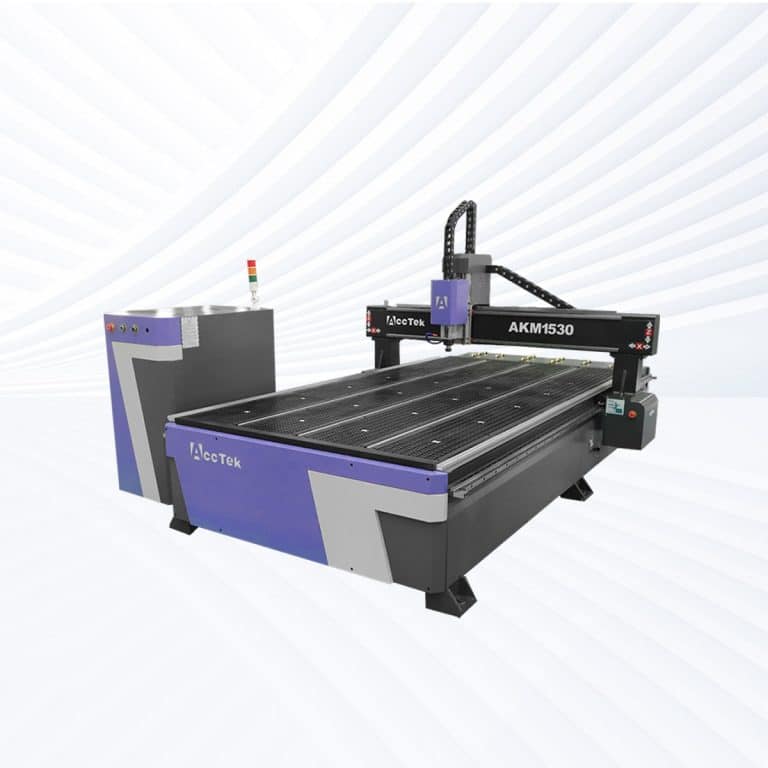
- 1500mm×3000mm: Designed for increasingly larger projects, offering expanded capacity for architectural elements and high-volume processing.
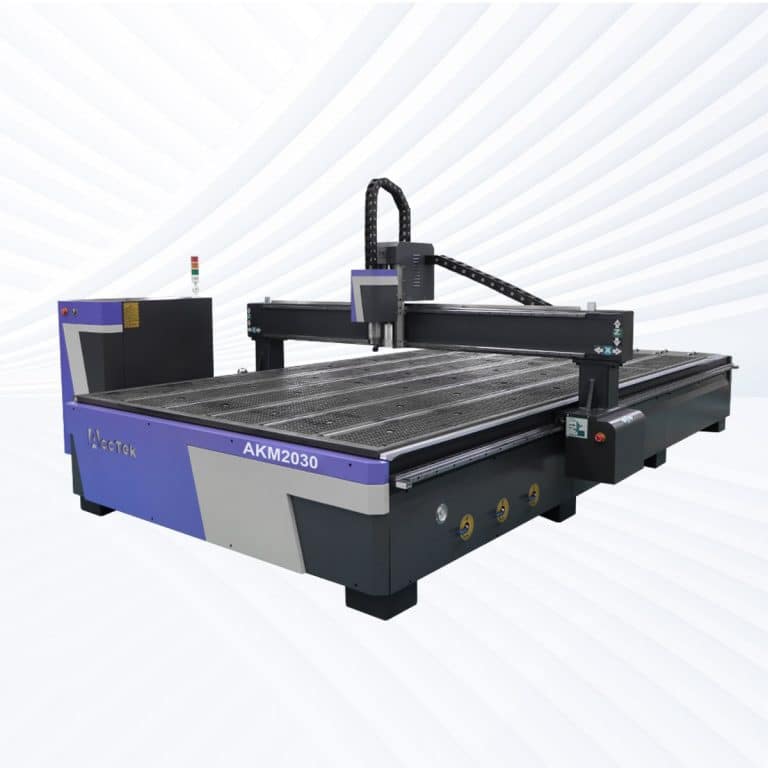
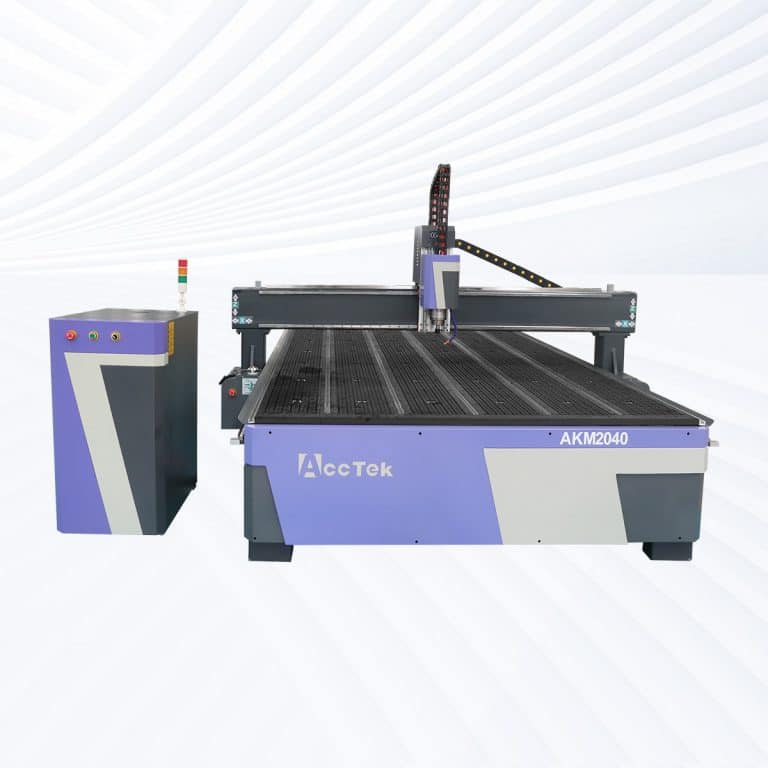
- 2000mm×3000mm/2000mm×4000mm: These larger worktables are suited for oversized materials and commercial manufacturing environments requiring continuous production and multi-panel nesting.
- 2000mm×6000mm/3000mm×6000mm: Extra-large sizes ideal for production of structural components, wall panels, boat or vehicle interiors, and other very large format designs.
What Factors Affect The Price Of Birch CNC Routers?
- Working Range and Machine Size: Larger CNC routers with expanded working areas, such as 2000mm×6000mm or 3000mm×6000mm, typically cost significantly more than smaller models like 700mm×900mm or 900mm× Bigger machines require more material for construction, larger motors, stronger frames, and more powerful control systems, which increases production costs.
- Spindle Power and Type: The spindle is one of the most important components in CNC routers. Machines with higher spindle power (e.g., 5.5kW or 9kW spindles) are more expensive but offer greater cutting capability and higher efficiency when processing dense materials like birch. Whether the spindle is air-cooled or water-cooled can also influence price, as water-cooled models may require additional cooling systems.
- Motor and Drive System: CNC routers can use stepper motors or servo motors. Servo systems offer higher precision, faster speeds, and better repeatability, making them more costly. Similarly, ball screw drive systems are more expensive than rack-and-pinion systems due to increased accuracy and durability.
- Control System and Software: Advanced control systems—such as Syntec, Mach3/Mach4, or professional industrial controllers—impact the price based on their features, user interface, processing power, and compatibility with CAD/CAM software. Machines equipped with touchscreen controls, automation support, or offline programming are priced higher.
- Table Structure and Materials: The construction quality of the machine body affects stability and performance. Heavy-duty welded steel frames and reinforced gantries increase cost but improve accuracy when cutting birch at high speeds. Vacuum worktables cost more than T-slot tables due to higher functionality and better material holding capability.
- Additional Features and Accessories: Optional upgrades, such as auto tool changers (ATC), dust collection systems, rotary axes, mist cooling, or safety enclosures, significantly influence price. These features increase productivity and improve results, but add to the total investment.
- Brand and After-Sales Support: Reputable brands with certification standards, strong engineering quality, training support, and warranty coverage often charge more than low-cost manufacturers. However, long-term reliability and service reduce operational costs.
What Are The Disadvantages Of Birch CNC Routers?
- Splintering and Edge Chipping: Birch wood is known for its layered grain structure, which can make it prone to splintering or chipping during high-speed CNC cutting. If machine settings such as feed rate, spindle speed, or tool type are not properly adjusted, the edges may appear rough or uneven, requiring additional sanding and finishing. This increases production time and labor cost.
- Tool Wear: Although birch is softer than hardwoods like oak or maple, it is still dense enough to cause tool wear, especially when cutting large volumes or using dull router bits. Frequent tool replacements increase operational expenses and downtime. Using high-quality carbide or diamond-coated tools helps, but also adds to upfront investment.
- Dust Generation: Birch CNC routing produces a significant amount of fine dust. If the workshop lacks an effective dust extraction system, accumulation can compromise machine accuracy, clog internal parts, and pose a health risk to operators. Dust can also become a fire hazard when mixed with high-speed cutting operations.
- Sensitivity to Moisture: Birch wood is sensitive to humidity changes, expanding or warping when exposed to moisture. This can cause inaccuracies during CNC machining, particularly for precision work such as joinery or decorative carving. Material preparation and climate-controlled environments may be required to maintain consistent results.
- Uneven Grain and Material Variation: Natural variation in birch wood density and grain structure can affect cutting consistency. Harder grain sections may resist cutting while softer areas cut more easily, leading to inconsistencies or irregular surface finishes. Operators may need to fine-tune cutting parameters for each batch of material.
- Higher Requirements for Machine Calibration: Because birch CNC routers often work on large sheets or complex patterns, maintaining machine accuracy is essential. Regular calibration and maintenance are required to prevent vibration or axis misalignment from affecting cut quality, increasing the cost and time of upkeep.
Are The Routing Edges Of Birch CNC Routers Clean?
- Birch Plywood and Solid Birch: CNC routers cut both birch plywood and solid birch with smooth, consistent edges. Birch’s fine-grained structure allows bits to produce crisp lines without excessive splintering. High-quality carbide or diamond-coated bits are recommended for the cleanest results, especially on multi-layer birch plywood.
- Tooling and Bit Sharpness: A sharp bit is crucial. Dull tools can cause tearing, fuzzing, or burn marks along the edges. Compression spiral bits are ideal for birch plywood because they pull fibers inward from both faces, preventing top-layer breakout and ensuring clean, uniform edges.
- Feed Rate and Spindle Speed: Proper cutting parameters keep routing edges clean. Speeds that are too slow can burn birch, while excessively fast feed rates may cause chip-out. Balanced settings—fast enough to remove chips efficiently but slow enough to maintain detail—yield the smoothest edge finish.
- Material Thickness and Layer Quality: For birch plywood, the cleanliness of the routing edge depends partly on the internal core layers. High-grade Baltic birch produces very clean edges, while low-grade plywood may show voids or micro-tears regardless of CNC router settings.
- Dust Extraction and Chip Removal: Continuous chip extraction helps maintain clean edges by preventing recutting of stray fibers or chips. Recutting debris can leave swirl marks or fuzzy edges, especially on curved profiles or pocket cuts.
- Finishing and Post-Processing: Most birch edges routed cleanly require minimal sanding—usually just a light pass with fine-grit sandpaper. When using a sharp bit and correct parameters, sanding becomes a very minor step, mainly for smoothing micro-fuzz.
- Complex Designs and Fine Details: CNC routers handle detailed patterns well on birch. Intricate cuts remain sharp, with minimal risk of splintering when using appropriate tooling.
What Type Of Spindle Do Birch CNC Routers Use?
- Air-Cooled Spindles: Air-cooled spindles are widely used due to their simple structure and low maintenance requirements. They rely on high-speed internal fans to dissipate heat, making them stable for light to medium-duty birch cutting. These spindles perform well for cabinetry components, small furniture parts, and general birch plywood projects. Because they require no external chiller, they are easier to install and operate, though they may generate more noise during prolonged high-RPM operation.
- Water-Cooled Spindles: Water-cooled spindles offer quieter performance and more consistent cooling, especially in long, continuous birch machining cycles. These spindles maintain stable temperatures even at high speeds, reducing the risk of burning dense birch surfaces. Their smooth cutting performance makes them ideal for detailed carving, large-format birch panels, or industrial-level output. They require an external chiller or water tank, but the cooling efficiency and extended spindle lifespan often justify the additional setup.
What Type Of Motor Do Birch CNC Routers Use?
- Stepper Motors: Stepper motors are widely used in entry-level and mid-range birch CNC routers due to their cost-effectiveness and reliability. They move in fixed steps, providing adequate precision for general birch cutting tasks such as furniture parts, signage, and small cabinetry components. While they deliver strong torque at low speeds, they may lose steps under extreme load or high-speed operation. For most woodworking applications, however, stepper motors offer stable performance and consistent results.
- Easy Servo Motors (Closed-Loop Steppers): Easy servo motors combine stepper structure with servo-like feedback, providing improved accuracy, higher torque, and smoother motion. These motors detect and correct missed steps automatically, making them ideal for birch plywood machining where multi-layer density can vary. They operate quietly, maintain a stable force, and reduce vibration on tight curves or detailed patterns. Easy servos significantly enhance reliability without the complexity or higher cost of full servo systems.
- Servo Motors: Servo motors are the highest-performance option for birch CNC routers, delivering exceptional speed, precision, and continuous torque. They use full closed-loop feedback to maintain accurate positioning at all times, making them ideal for industrial tasks such as large birch furniture panels, precision joinery, or continuous multi-shift production. Servo motors excel at high-speed cutting, rapid acceleration, and handling heavier gantries. Their smooth motion contributes directly to cleaner routing edges and minimal sanding on finished birch components.
What Are The Special Requirements For The Workshop Floor For Birch CNC Routers?
- Flat and Level Surface: CNC routers rely on precise calibration, and even slight floor unevenness can affect machine alignment, cutting accuracy, and toolpath consistency. A level concrete floor ensures the CNC router frame sits properly, prevents twist or stress on the machine structure, and maintains accurate birch routing results over time.
- High Load-Bearing Capacity: Birch CNC routers—especially larger 1325, 1530, or 2030 models—are heavy machines often weighing several hundred kilograms. The floor must support this static load without sinking or cracking. Reinforced concrete flooring of adequate thickness is recommended for maintaining machine stability and ensuring repeatable cutting performance.
- Vibration Resistance: Proper flooring helps absorb and distribute vibration generated during high-speed birch cutting. A solid concrete foundation minimizes machine movement, prevents cutting chatter, and protects the spindle, motors, and linear components from long-term wear. Avoid soft or flexible flooring materials such as wood planks or raised modular tiles.
- Dust Management Compatibility: Birch machining produces fine dust that settles on floors. Smooth, sealed concrete allows easy sweeping and vacuuming, preventing dust buildup that can interfere with machine rails or create safety risks. Anti-static coatings are optional but helpful in environments with high dust output.
- Moisture and Temperature Stability: Humidity and temperature changes can affect both the workshop floor and birch material. Floors should remain dry and stable, avoiding expansion, warping, or moisture seepage. Proper insulation and ventilation help maintain consistent conditions for high-quality birch routing.
- Machine Anchoring and Positioning: Some heavy-duty birch CNC routers require optional anchoring to the floor for added stability. A solid concrete base ensures secure anchor placement if the machine design or production workflow requires it.
- Safe Operator Movement: The floor should allow safe movement around the machine with slip-resistant surfaces, clear space for material loading, and pathways for dust extraction hoses or power cables.