

Product Introduction
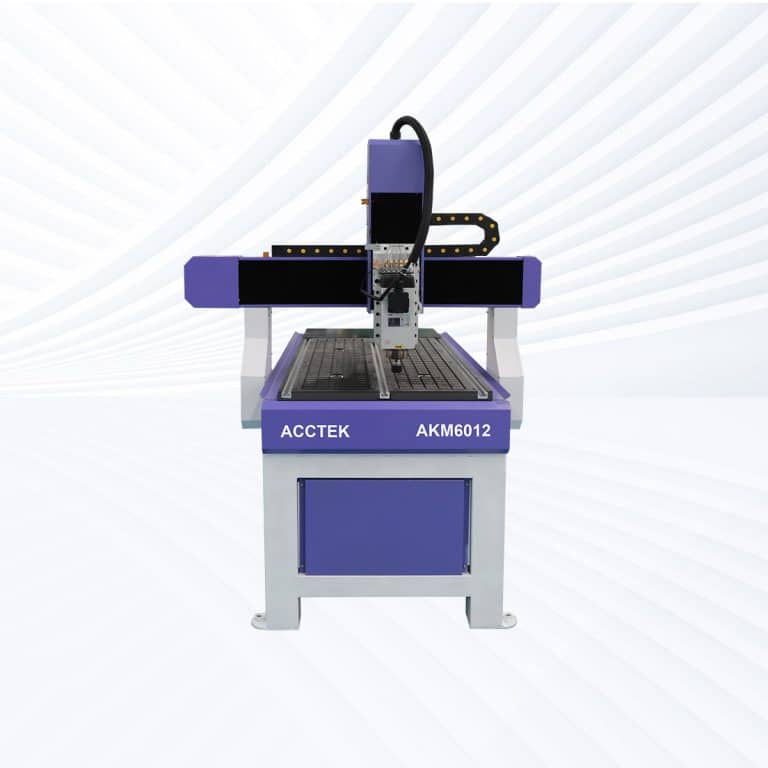
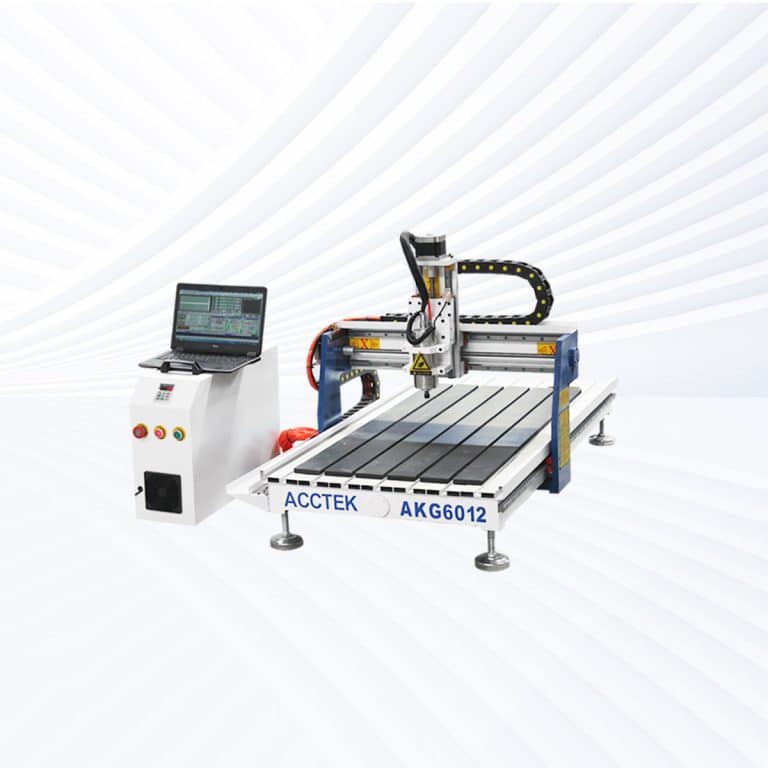
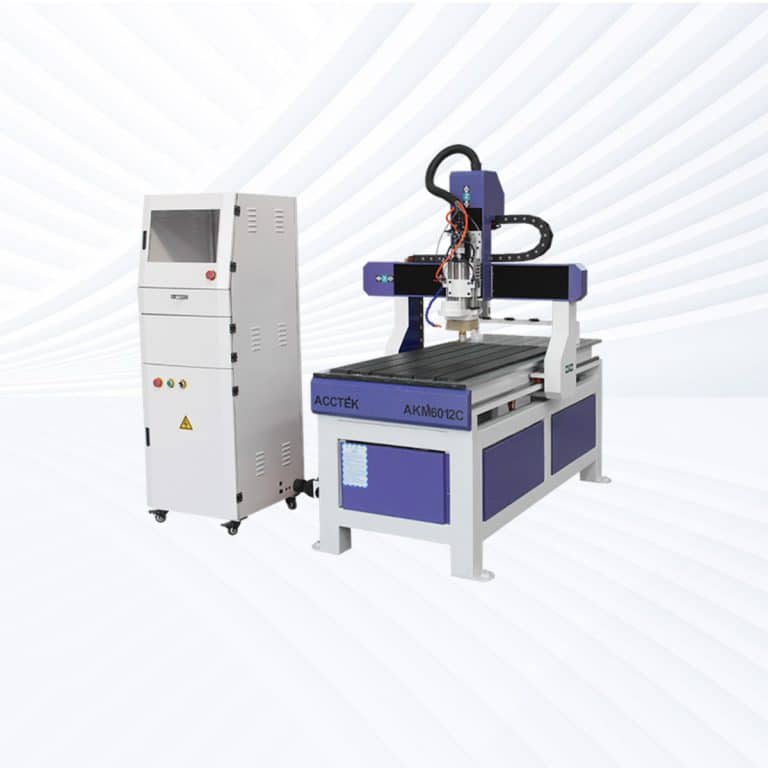
Material Routing Capability
| Material Type | 1.5 kW | 2.2 kW | 3.0 kW | 3.2 kW | 3.5 kW | 4.5 kW | 5.5 kW | 6.0 kW | 7.5 kW | 9.0 kW |
|---|---|---|---|---|---|---|---|---|---|---|
| Softwood | Light Cutting | Standard Cutting | Fast Cutting | Fast Cutting | Fast Cutting | High-Speed Cutting | Heavy-Duty Cutting | Heavy-Duty Cutting | Industrial Cutting | Industrial Cutting |
| Hardwood | Light Duty | Standard Cutting | Stable Cutting | Stable Cutting | High-Precision | Heavy-Duty | Heavy-Duty | High-Torque Cutting | Industrial Cutting | Industrial Cutting |
| Plywood/MDF | Basic Cutting | Smooth Cutting | Fast, Clean Cutting | Fast Cutting | High-Precision | Heavy-Duty | Heavy-Duty | Industrial Smooth Cuts | High-Volume Cutting | High-Volume Cutting |
| HDF/Particle Board/Melamine | Light Cuts | Standard Cuts | Clean Cuts | Clean Cuts | High-Precision | Heavy-Duty | Heavy-Duty | Industrial | Industrial | Industrial |
| Acrylic(PMMA) | Thin Sheets | Clean Cutting | Fast, Clean Edges | High Clarity | High Clarity | Smooth Finishing | Smooth Finishing | Industrial Clarity | Industrial Clarity | Industrial Clarity |
| Polycarbonate/PETG | Thin Sheets | Clean Cutting | Stable Cutting | Stable Cutting | Precision Cutting | Heavy-Duty | Heavy-Duty | Industrial | Industrial | Industrial |
| ABS/PVC Foam Board | Light Duty | Standard | Fast Cutting | Fast Cutting | High Stability | Heavy-Duty | Heavy-Duty | Industrial | Industrial | Industrial |
| HDPE/LDPE/PP/Nylon | Light Cuts | Standard Cuts | Stable Cuts | Stable Cuts | Deep Routing | Heavy-Duty | Heavy-Duty | High-Torque | Industrial | Industrial |
| Delrin/UHMW | Light Duty | Standard | Accurate Routing | Accurate Routing | High-Precision | Heavy-Duty | Heavy-Duty | Industrial | Industrial | Industrial |
| Solid Surface (Corian) | Very Light | Standard | Strong Cutting | Clean Cutting | High-Precision | Heavy-Duty | Heavy-Duty | Industrial Cutting | Industrial Cutting | Industrial Cutting |
| Fiberglass/Carbon Fiber Sheet | Light Trimming | Standard | Precise Routing | Precise Routing | High-Precision | Heavy-Duty | Heavy-Duty | Industrial | Industrial | Industrial |
| Phenolic/Bakelite | Limited | Standard | Clean Routing | Clean Routing | Precision Routing | Heavy-Duty | Heavy-Duty | Industrial | Industrial | Industrial |
| Foam(EVA, XPS, EPS, PU) | Very Easy | Very Easy | Fast Cutting | Fast Cutting | Ultra-Fast | Ultra-Fast | Ultra-Fast | High-Speed | High-Speed | High-Speed |
| Rubber/Leather/Cork | Light Duty | Standard | Clean Edges | Clean Edges | Faster Routing | Heavy-Duty | Heavy-Duty | Industrial | Industrial | Industrial |
| Cardboard/Paperboard | Easy | Easy | Fast Cutting | Fast Cutting | Ultra-Fast | Ultra-Fast | Ultra-Fast | Industrial | Industrial | Industrial |
| ACP/ACM (Surface Routing Only) | Very Light | Standard | Clean Grooves | Clean Grooves | High Precision | Heavy-Duty | Heavy-Duty | Industrial | Industrial | Industrial |
Compatible Materials
Application of 6012 CNC Routers
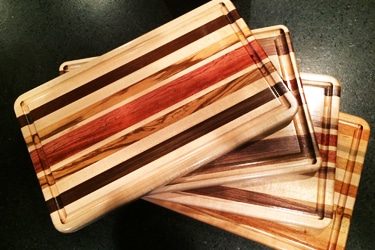
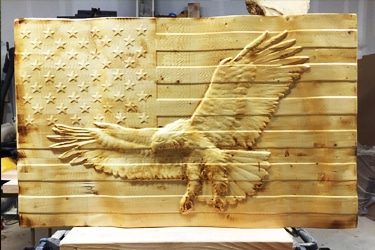
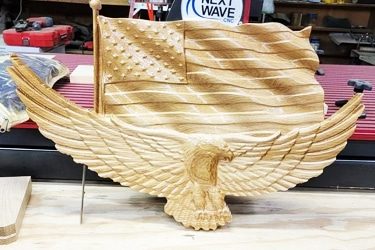

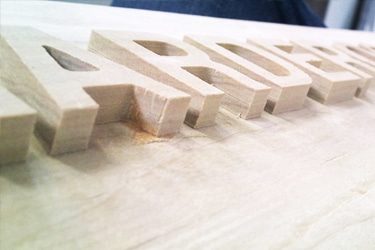

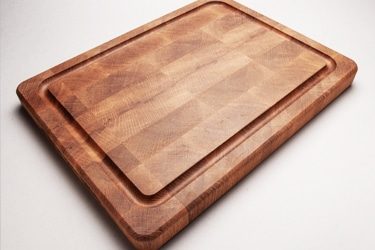
Customer Testimonials
Comparison VS Other Engraving Technologies
| Comparison Item | CNC Routing | Laser Engraving | Hand Engraving | Chemical Etching |
|---|---|---|---|---|
| Working Principle | Mechanical cutting with rotating tools | Vaporizing or melting material with laser beams | Manual carving with handheld tools | Chemical reaction removes material from surface |
| Material Compatibility | Wood, plastics, composites, foam, soft metals | Wood, plastics, coated metals, some stones | Wood, metal, soft materials | Metals, glass, ceramics |
| Cutting Ability | Full-depth cutting, profiling, pocketing | Mostly engraving; cutting only on thin materials | Limited cutting; slow | No cutting capability |
| Engraving Depth | Deep engraving and 3D carving | Mostly shallow | Depends on skill | Shallow and uniform |
| Precision Level | High accuracy and repeatability | Extremely high precision | Low–moderate | Moderate |
| Detail Resolution | Good for small to complex features | Excellent for fine patterns | Skill-dependent | Good but limited by process |
| Production Speed | Fast for cutting and shaping | Fast for engraving, slow for deep cuts | Slow | Medium |
| Complexity of Designs | Handles 3D relief, contours, pockets | Excellent for detailed 2D/2.5D work | Limited | Works well for flat patterned designs |
| Setup Requirements | Medium (tooling, fixturing) | Low (mostly software) | None | Medium (chemical prep, masks) |
| Learning Curve | Moderate; requires training | Easy to moderate | High skill required | Moderate process knowledge |
| Operating Cost | Low (bits + electricity) | Low–medium (laser tube wear) | Very low | Medium–high (chemicals, disposal) |
| Maintenance Needs | Regular lubrication + tool changes | Optics care + tube replacement | Minimal | Chemical disposal + equipment cleaning |
| Safety Concerns | Debris, noise, tool hazards | Laser radiation, fumes | Very low | Chemical burns, toxic fumes |
| Best Applications | Cutting, shaping, 3D carving, prototyping | Fine engraving, marking, small detailing | Artistic, custom craftsmanship | Serial marking, metal patterns, surface textures |
| Ideal Use Case | Versatile machining for production & fabrication | High-precision engraving on many materials | Artistic, low-volume, handmade work | Uniform, shallow metal designs at scale |
Why Choose Us
High Precision & Efficiency
AccTek CNC routers deliver fast, accurate results with minimal errors, supporting intricate designs and mass production across the woodworking, plastic, and metal industries.
Robust and Durable Design
Our machines are built with high-quality frames and components, ensuring long service life, high load-bearing capacity, and stability during high-speed operations.
Intelligent Control Systems
Equipped with user-friendly interfaces and smart controllers, our routers offer smooth motion control, automatic toolpath optimization, and easy integration with various CAD/CAM software.
Flexible Customization
From machine size to spindle power and motor type, we offer flexible configurations to suit different production needs, budgets, and material requirements.
Related Resources
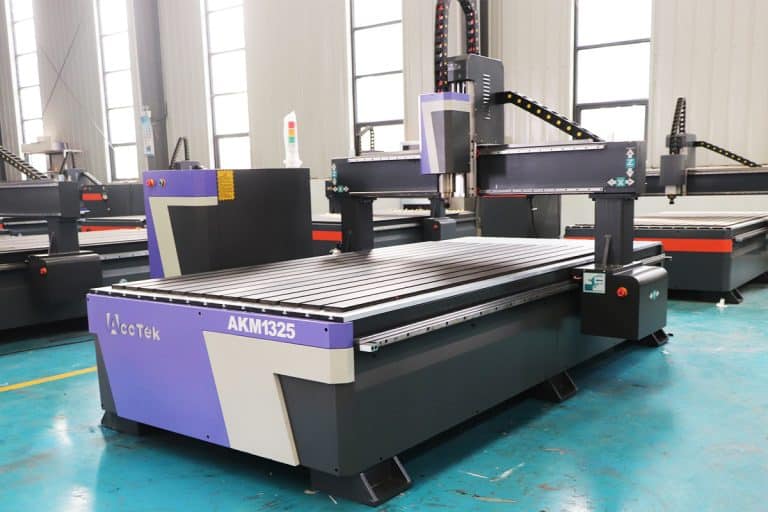
What Is The Lifespan Of CNC Routers
This article explores what determines the lifespan of CNC routers, including machine design, usage intensity, maintenance practices, accuracy drift, and when to repair, rebuild, or replace equipment.
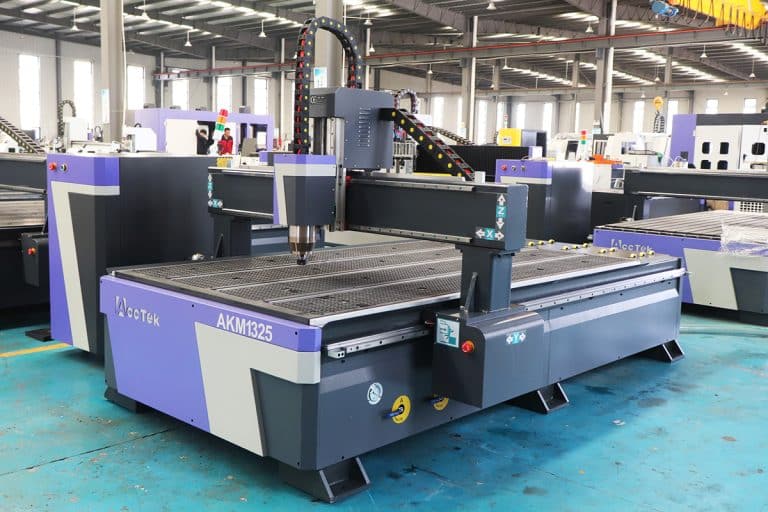
How Do CNC Routers Work
This article explains the working principle of CNC routers, from the motion system and cutting tools to the software workflow, materials, precision, and actual machining principles.
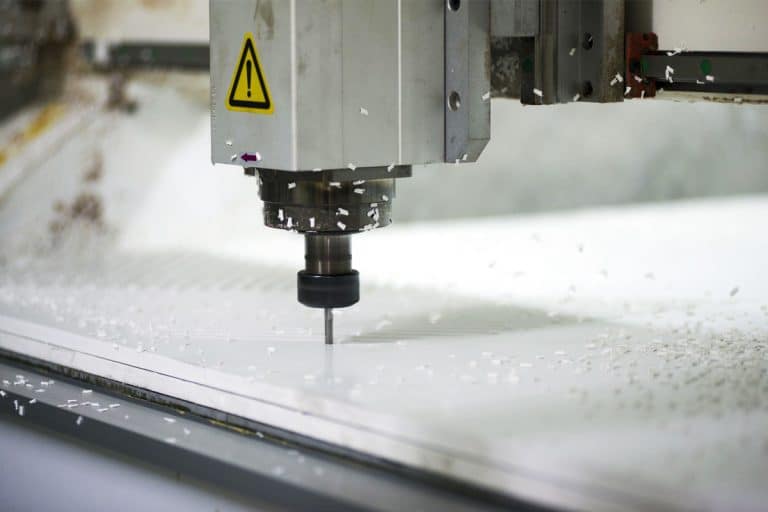
How To Maintain CNC Routers
This article provides a comprehensive guide on how to maintain CNC routers, covering essential tasks, troubleshooting tips, upgrades, and best practices to ensure optimal performance and longevity.
What Is The Accuracy Of CNC Routers
This article is a comprehensive guide that explains the precision of CNC routers, the key factors affecting precision, expected performance, and how to improve machining results.
Frequently Asked Questions
What Is The Price Of 6012 CNC Routers?
What Factors Affect The Price Of 6012 CNC Routers?
- Spindle Power and Cooling Method: Machines with basic 1.5 kW air-cooled spindles sit at the lower end of the price spectrum. Upgrading to 2.2 kW or 3.0 kW water-cooled spindles increases torque and precision, raising the machine’s overall cost due to better bearings, cooling systems, and performance under continuous operation.
- Control System and Electronics: Entry-level 6012 CNC routers often use Mach3 or USB controllers, keeping costs low. Higher-end models feature DSP or industrial-grade motion controllers with smoother toolpath execution and improved reliability. Premium drivers, breakout boards, and power supplies add further cost due to increased stability and longevity.
- Linear Motion Components: Budget models may use lead screws, which are cheaper but less accurate. Higher-priced machines typically include ball screws on all axes and precision linear guide rails, significantly improving accuracy, repeatability, and long-term durability. These components are key contributors to price differences.
- Frame Construction and Rigidity: Lightweight aluminum frames are common in hobby-level units and cost less. Professional 6012 CNC routers use reinforced steel structures or thickened gantries that provide superior vibration resistance and cutting stability. This heavier, more durable architecture increases manufacturing cost.
- Table Type and Workholding System: Basic aluminum T-slot tables are less expensive, while vacuum tables, hybrid beds, and upgraded clamping systems add convenience and precision, increasing the total price. Enhanced workholding is valuable for electronics, signage, and fine engraving tasks.
- Motor and Driver System: Stepper motors are cost-effective and standard on most budget models. Upgrading to hybrid steppers or servo motors raises the price due to higher speed, better motion accuracy, and quieter operation. The quality of drivers also plays a direct role in machine performance and cost.
- Accessories and Optional Upgrades: Items such as dust-collection systems, rotary attachments, probe sensors, mist-cooling kits, safety enclosures, and software packages influence the final price. Machines shipped with more accessories naturally cost more.
- Brand Reputation and Support: Manufacturers with strong engineering standards, reliable after-sales support, and better component sourcing typically position their 6012 CNC routers at higher price points, reflecting long-term durability and service quality.
What Is The Spindle Power Of 6012 CNC Routers?
- Standard 1.5 kW Spindle: The 1.5 kW spindle is the default configuration for most 6012 CNC routers. It offers sufficient torque for cutting plywood, MDF, acrylic, ABS plastic, and softwoods with clean edges. This spindle is well-suited for hobby use, small workshops, and precision engraving tasks. Its lighter weight reduces gantry load, improving motion responsiveness and maintaining smooth operation.
- Optional 2.2 kW Spindle: Upgrading to a 2.2 kW spindle significantly increases cutting power. This option is ideal for denser materials such as hardwood, thicker acrylic, engineering plastics, and occasional aluminum machining. With stronger bearings and better torque at low RPM, the 2.2 kW spindle improves cut depth, reduces tool chatter, and achieves higher stability in long-duration jobs.
- Optional 3.2 kW Spindle: The 3.2 kW spindle provides high-performance cutting capability for more demanding operations. It is particularly useful when running aggressive toolpaths, deeper passes, or fast feed rates. This spindle handles tough woods, composite materials, and soft metals with greater ease. Its improved rigidity allows smoother edge finish and better accuracy in complex 2D or 3D machining.
- Optional 3.5 kW Spindle: As the most powerful configuration for 6012 CNC routers, the 3.5 kW spindle delivers industrial-level performance in a compact machine size. This spindle supports heavy material removal, continuous operation, and advanced machining tasks that require maximum torque and minimal vibration. It is ideal for professional workshops that handle high-precision aluminum cutting or thick hardwood processing.
- Cooling Methods and Durability: Most 1.5 kW spindles are air-cooled, while 2.2 kW and above are commonly water-cooled for better heat dissipation during long machining sessions. Water-cooled spindles generally run quieter, deliver smoother operation, and achieve longer bearing life.
- Tool Compatibility: Higher-power spindles support larger collet sizes (ER16 or ER20), allowing the use of bigger tools for faster stock removal and stronger structural cuts.
Is It Safe To Use 6012 CNC Routers?
- Mechanical Motion Safety: The moving gantry, spindle, and cutting tools operate at high speed. Operators must avoid reaching into the machine while it is running. Training focuses on understanding axis motion, toolpath direction, and safe clearance zones to prevent accidental contact or entanglement.
- Tool and Spindle Safety: Cutting tools spin at extremely high RPM. Proper collet tightening, tool installation, and routine spindle checks ensure the cutter remains secure during operation. Dull tools can break unexpectedly, so operators should maintain sharp tooling to reduce risk.
- Material Handling and Workholding: Material that is not clamped securely can shift or be pulled into the cutter, causing breakage or machine vibration. T-slot clamps, vacuum beds, and positioning stops help ensure stable material support and safer cutting conditions.
- Dust and Debris Control: Wood chips, plastic fragments, and fine dust are common byproducts. Without dust extraction, debris can obstruct vision, affect machine motion, or pose respiratory hazards. Effective dust collectors, air filtration, and regular cleaning keep the workspace safe.
- Electrical Safety: CNC routers rely on stable power supplies. Operators should inspect wiring, grounding, and control-box ventilation regularly. Voltage stabilizers or surge protectors reduce electrical risks and protect sensitive electronics.
- Noise and Protective Equipment: Spindle noise and cutting vibration can reach high levels. Operators should wear hearing protection in enclosed or noisy workshop environments. Safety glasses are essential to shield against flying debris.
- Software and Control Safety: Learning controller features—such as emergency stop, feed hold, soft limits, and homing—helps operators respond quickly to unexpected machine behavior. Understanding G-code and motion commands prevents programming errors that could cause collisions.
- Fire Prevention: Although rare, heat buildup can ignite fine dust or flammable materials. Maintaining a clean workspace and avoiding blocked airflow reduces this risk. Proper supervision is required during long-running jobs.
- Environment and Workspace Organization: Adequate lighting, stable machine placement, and clutter-free surroundings ensure safe operator movement and quick access to controls.
What Type Of Motor Do 6012 CNC Routers Use?
- Stepper Motors (Standard Option): Most 6012 CNC routers come equipped with NEMA-series stepper motors as the default configuration. Stepper motors provide predictable positioning, strong torque at low speeds, and reliable performance for woodworking, acrylic cutting, PCB machining, and small-scale engraving. They are cost-effective, easy to maintain, and well-suited for users who require high precision but operate at moderate speeds and loads.
- Easy Servo Motors (Optional Upgrade): Easy-servo motors combine the structure of stepper motors with closed-loop encoder feedback. This system constantly monitors motor position and corrects deviations in real time, preventing missed steps and improving cutting consistency. Easy-servo systems deliver higher torque, smoother motion, and faster acceleration, making them ideal for demanding tasks such as deep cuts, dense materials, or high-speed carving.
Is The Routing Edge Of 6012 CNC Routers Clean?
- Wood and Wood-Based Materials: 6012 CNC routers cut plywood, MDF, hardwood, softwood, and veneer with smooth, consistent edges. When sharp end mills and correct cutting parameters are used, tear-out and chipping are minimal. Dense hardwoods may require slower speeds and multiple passes to maintain a crisp edge, while MDF and softwoods typically cut very cleanly.
- Acrylic and Plastics: Acrylic (PMMA) machines exceptionally well on 6012 CNC routers, producing smooth, glossy edges when using single-flute or O-flute cutters. Plastics such as ABS, Delrin, polycarbonate, and polyethylene can also achieve clean finishes, although adjustments in speed and chip load are needed to prevent melting or burr formation. Proper dust extraction and chip evacuation help maintain polished edge quality.
- Paperboard and Thin Composite Sheets: For thin, flammable materials like cardboard, chipboard, and fiber sheets, the CNC router produces accurately cut edges with little fraying. Proper clamping and shallow passes ensure sharp outlines for packaging prototypes or craft applications.
- Leather and Soft Materials: Natural leather, felt, EVA foam, and other flexible materials are cut with clean edges when sharp tools and moderate feed rates are applied. These materials require consistent tool pressure to avoid dragging or uneven borders.
- Rubber and Foam: Laser-safe rubber and EVA foam route smoothly with minimal deformation. Using tools designed for soft materials helps prevent tearing, while controlled spindle speed keeps edges uniform.
- Tooling and Machine Stability: Clean routing edges depend on using sharp bits, correct spindle RPM, stable workholding, and proper feed-speed combinations. Optional easy-servo motors, ball-screw systems, and rigid frame structures help maintain smoother motion and reduce chatter.
What Type Of Worktable Is Used With 6012 CNC Routers?
- Material Compatibility: A T-slot table works with wood, acrylic, composites, plastics, aluminum sheets, foam, and many other rigid flat materials. Because the clamps can be placed anywhere along the slots, they easily accommodate irregular shapes, thin panels, and small workpieces without needing a vacuum pump.
- Flexible Clamping Options: Operators can use hold-down clamps, L-brackets, toggle clamps, and custom fixtures. This adaptability makes the table suitable for engraving, cutting, drilling, slotting, or prototyping tasks where material sizes change frequently.
- Strong Holding Power: The T-slot channels allow clamps to secure materials firmly, preventing slipping even during high-speed machining. This stability is essential for precision tasks, especially when working on hardwoods, plastics, and aluminum.
- Durable Construction: T-slot tables are typically built from industrial-grade aluminum alloy with strong rigidity and corrosion resistance. The smooth, precision-milled surface ensures consistent material seating and accurate cutting depth.
- Cost-Effective and Low Maintenance: Compared with vacuum tables, T-slot worktables require no pumps, seals, or additional equipment. They are simple to maintain: operators only need to keep the channels clean and free of chips.
- Ideal for Small Work Areas: The 6012 CNC router is designed for small-sized engraving and cutting tasks. A T-slot table matches this purpose well by offering stable and easily adjustable fixturing without the need for large-scale vacuum systems.
What PPE Is Needed To Operate 6012 CNC Routers?
- Safety Glasses or Face Shield: Eye protection is essential to guard against flying chips, splinters, and fine dust produced when routing wood, plastics, or aluminum. Impact-rated safety glasses are suitable for most operations, while face shields add extra coverage for heavy stock removal or brittle materials.
- Hearing Protection: CNC routers can reach noise levels above 85 dB, especially when cutting hardwood, composite panels, or metals. Earplugs or earmuff-style protectors help prevent long-term hearing damage and reduce operator fatigue during extended machining cycles.
- Respiratory Protection: A dust mask or respirator is important when routing MDF, plastics, or materials that generate fine airborne particles. Higher-grade filters (e.g., P1/P2/P100) may be necessary for prolonged cutting sessions or environments where dust extraction is insufficient.
- Cut-Resistant Gloves (When Handling Materials Only): Gloves help protect hands during material loading, unloading, and fixture adjustments. However, they should never be worn while the spindle or moving parts are operating, as they can catch on rotating tools.
- Protective Clothing: Operators should wear fitted clothing that covers the arms and legs but avoids loose sleeves, drawstrings, or dangling accessories. Aprons or shop coats can help protect against chips and dust without risking entanglement.
- Safety Footwear: Steel-toe or reinforced-toe shoes are recommended to protect against dropped workpieces, clamps, or tools. Slip-resistant soles help maintain stability on dusty workshop floors.
- Hair and Accessory Control: Long hair must be tied back securely, and jewelry such as chains, loose bracelets, or rings should be removed to prevent entanglement with moving components.