

Product Introduction
Types of 2060 CNC Routers
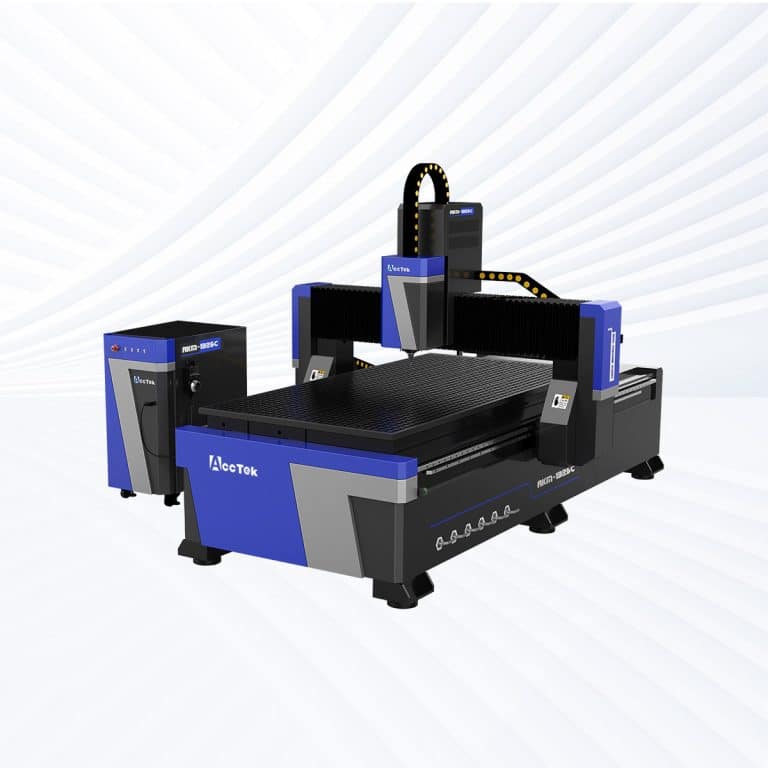
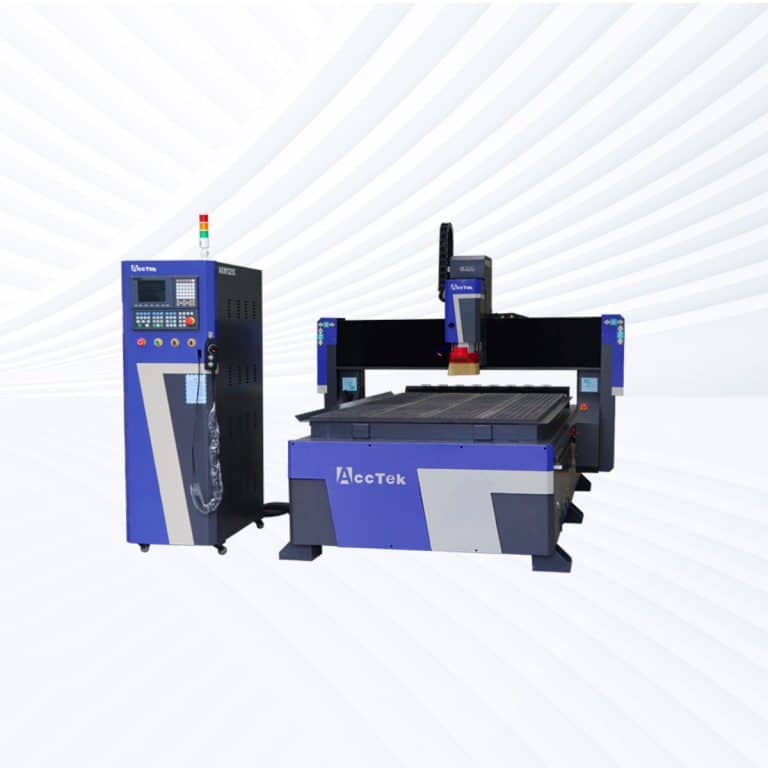
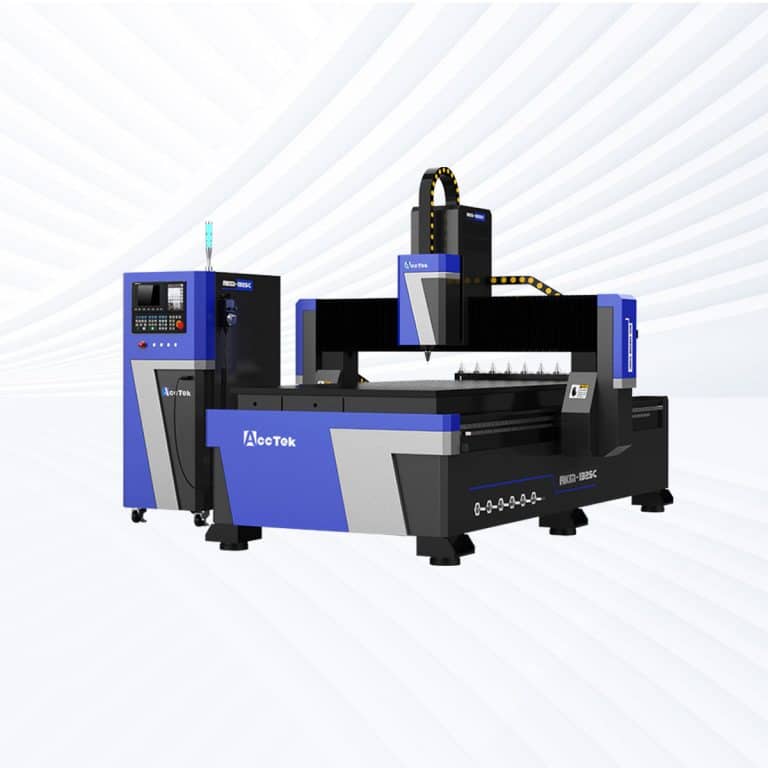
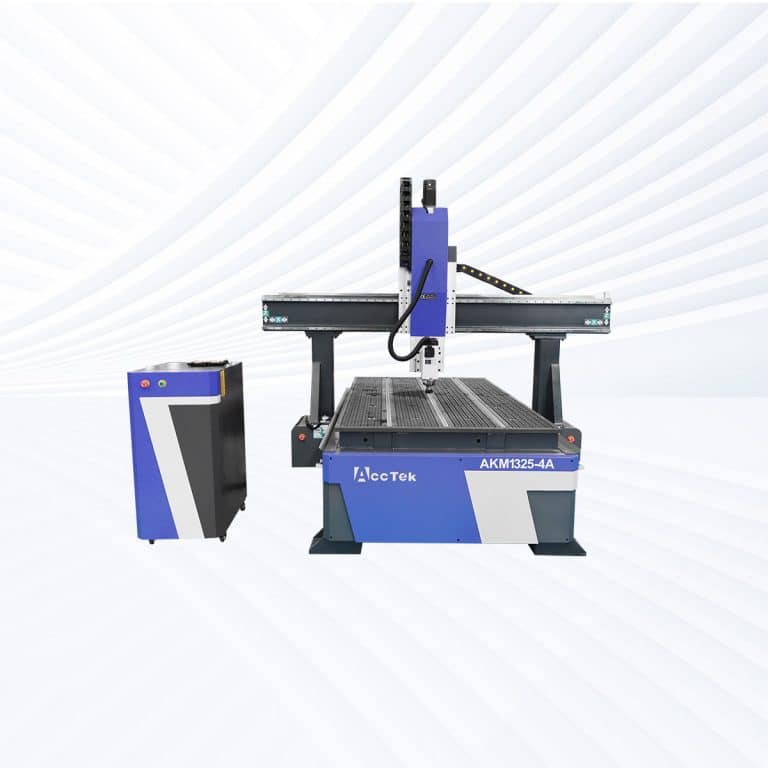
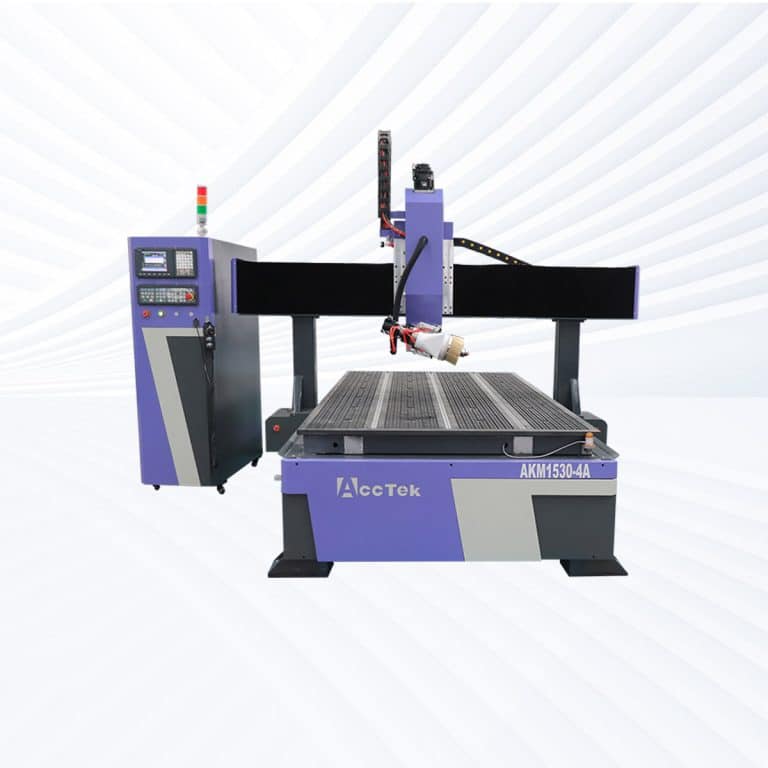
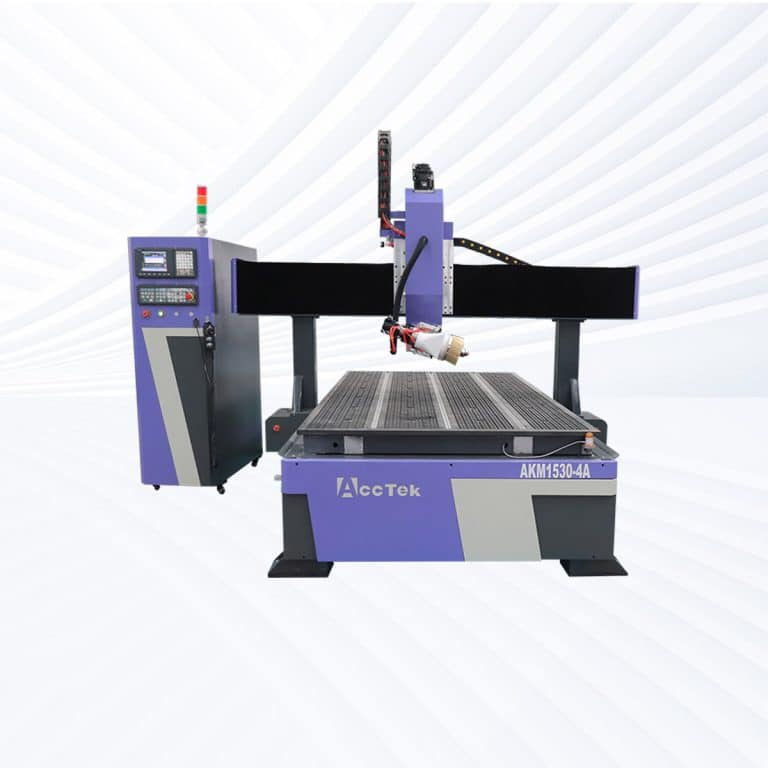
Material Routing Capability
| Material Type | 1.5 kW | 2.2 kW | 3.0 kW | 3.2 kW | 3.5 kW | 4.5 kW | 5.5 kW | 6.0 kW | 7.5 kW | 9.0 kW |
|---|---|---|---|---|---|---|---|---|---|---|
| Softwood | Light Cutting | Standard Cutting | Fast Cutting | Fast Cutting | Fast Cutting | High-Speed Cutting | Heavy-Duty Cutting | Heavy-Duty Cutting | Industrial Cutting | Industrial Cutting |
| Hardwood | Light Duty | Standard Cutting | Stable Cutting | Stable Cutting | High-Precision | Heavy-Duty | Heavy-Duty | High-Torque Cutting | Industrial Cutting | Industrial Cutting |
| Plywood/MDF | Basic Cutting | Smooth Cutting | Fast, Clean Cutting | Fast Cutting | High-Precision | Heavy-Duty | Heavy-Duty | Industrial Smooth Cuts | High-Volume Cutting | High-Volume Cutting |
| HDF/Particle Board/Melamine | Light Cuts | Standard Cuts | Clean Cuts | Clean Cuts | High-Precision | Heavy-Duty | Heavy-Duty | Industrial | Industrial | Industrial |
| Acrylic(PMMA) | Thin Sheets | Clean Cutting | Fast, Clean Edges | High Clarity | High Clarity | Smooth Finishing | Smooth Finishing | Industrial Clarity | Industrial Clarity | Industrial Clarity |
| Polycarbonate/PETG | Thin Sheets | Clean Cutting | Stable Cutting | Stable Cutting | Precision Cutting | Heavy-Duty | Heavy-Duty | Industrial | Industrial | Industrial |
| ABS/PVC Foam Board | Light Duty | Standard | Fast Cutting | Fast Cutting | High Stability | Heavy-Duty | Heavy-Duty | Industrial | Industrial | Industrial |
| HDPE/LDPE/PP/Nylon | Light Cuts | Standard Cuts | Stable Cuts | Stable Cuts | Deep Routing | Heavy-Duty | Heavy-Duty | High-Torque | Industrial | Industrial |
| Delrin/UHMW | Light Duty | Standard | Accurate Routing | Accurate Routing | High-Precision | Heavy-Duty | Heavy-Duty | Industrial | Industrial | Industrial |
| Solid Surface (Corian) | Very Light | Standard | Strong Cutting | Clean Cutting | High-Precision | Heavy-Duty | Heavy-Duty | Industrial Cutting | Industrial Cutting | Industrial Cutting |
| Fiberglass/Carbon Fiber Sheet | Light Trimming | Standard | Precise Routing | Precise Routing | High-Precision | Heavy-Duty | Heavy-Duty | Industrial | Industrial | Industrial |
| Phenolic/Bakelite | Limited | Standard | Clean Routing | Clean Routing | Precision Routing | Heavy-Duty | Heavy-Duty | Industrial | Industrial | Industrial |
| Foam(EVA, XPS, EPS, PU) | Very Easy | Very Easy | Fast Cutting | Fast Cutting | Ultra-Fast | Ultra-Fast | Ultra-Fast | High-Speed | High-Speed | High-Speed |
| Rubber/Leather/Cork | Light Duty | Standard | Clean Edges | Clean Edges | Faster Routing | Heavy-Duty | Heavy-Duty | Industrial | Industrial | Industrial |
| Cardboard/Paperboard | Easy | Easy | Fast Cutting | Fast Cutting | Ultra-Fast | Ultra-Fast | Ultra-Fast | Industrial | Industrial | Industrial |
| ACP/ACM (Surface Routing Only) | Very Light | Standard | Clean Grooves | Clean Grooves | High Precision | Heavy-Duty | Heavy-Duty | Industrial | Industrial | Industrial |
Compatible Materials
Application of 2060 CNC Routers

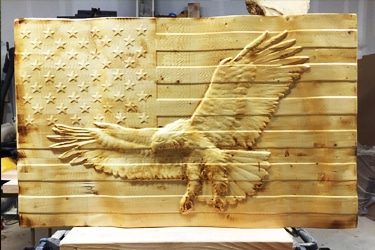
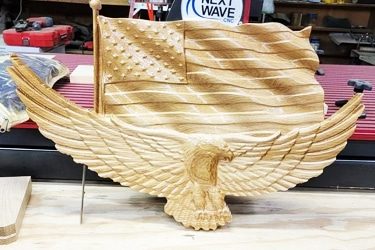


Customer Testimonials
Comparison VS Other Engraving Technologies
| Comparison Item | CNC Routing | Laser Engraving | Hand Engraving | Chemical Etching |
|---|---|---|---|---|
| Working Principle | Mechanical cutting with rotating tools | Vaporizing or melting material with laser beams | Manual carving with handheld tools | Chemical reaction removes material from surface |
| Material Compatibility | Wood, plastics, composites, foam, soft metals | Wood, plastics, coated metals, some stones | Wood, metal, soft materials | Metals, glass, ceramics |
| Cutting Ability | Full-depth cutting, profiling, pocketing | Mostly engraving; cutting only on thin materials | Limited cutting; slow | No cutting capability |
| Engraving Depth | Deep engraving and 3D carving | Mostly shallow | Depends on skill | Shallow and uniform |
| Precision Level | High accuracy and repeatability | Extremely high precision | Low–moderate | Moderate |
| Detail Resolution | Good for small to complex features | Excellent for fine patterns | Skill-dependent | Good but limited by process |
| Production Speed | Fast for cutting and shaping | Fast for engraving, slow for deep cuts | Slow | Medium |
| Complexity of Designs | Handles 3D relief, contours, pockets | Excellent for detailed 2D/2.5D work | Limited | Works well for flat patterned designs |
| Setup Requirements | Medium (tooling, fixturing) | Low (mostly software) | None | Medium (chemical prep, masks) |
| Learning Curve | Moderate; requires training | Easy to moderate | High skill required | Moderate process knowledge |
| Operating Cost | Low (bits + electricity) | Low–medium (laser tube wear) | Very low | Medium–high (chemicals, disposal) |
| Maintenance Needs | Regular lubrication + tool changes | Optics care + tube replacement | Minimal | Chemical disposal + equipment cleaning |
| Safety Concerns | Debris, noise, tool hazards | Laser radiation, fumes | Very low | Chemical burns, toxic fumes |
| Best Applications | Cutting, shaping, 3D carving, prototyping | Fine engraving, marking, small detailing | Artistic, custom craftsmanship | Serial marking, metal patterns, surface textures |
| Ideal Use Case | Versatile machining for production & fabrication | High-precision engraving on many materials | Artistic, low-volume, handmade work | Uniform, shallow metal designs at scale |
Why Choose Us
High Precision & Efficiency
AccTek CNC routers deliver fast, accurate results with minimal errors, supporting intricate designs and mass production across the woodworking, plastic, and metal industries.
Robust and Durable Design
Our machines are built with high-quality frames and components, ensuring long service life, high load-bearing capacity, and stability during high-speed operations.
Intelligent Control Systems
Equipped with user-friendly interfaces and smart controllers, our routers offer smooth motion control, automatic toolpath optimization, and easy integration with various CAD/CAM software.
Flexible Customization
From machine size to spindle power and motor type, we offer flexible configurations to suit different production needs, budgets, and material requirements.
Related Resources
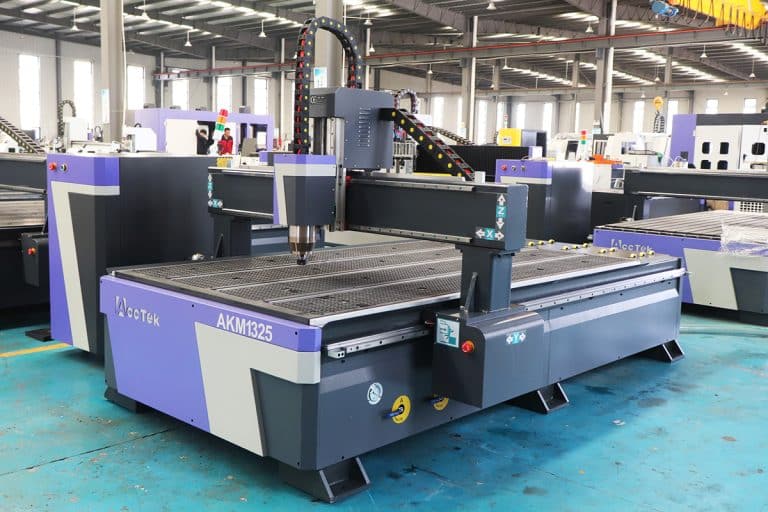
How Do CNC Routers Work
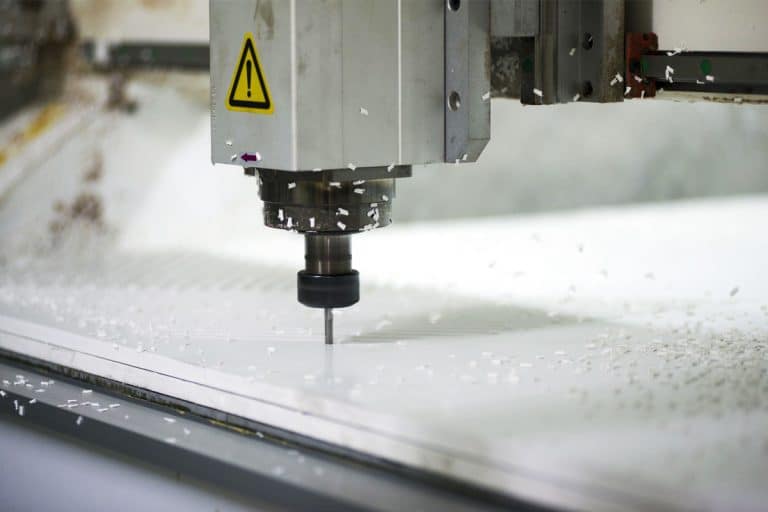
This article explains the working principle of CNC routers, from the motion system and cutting tools to the software workflow, materials, precision, and actual machining principles.
How To Maintain CNC Routers
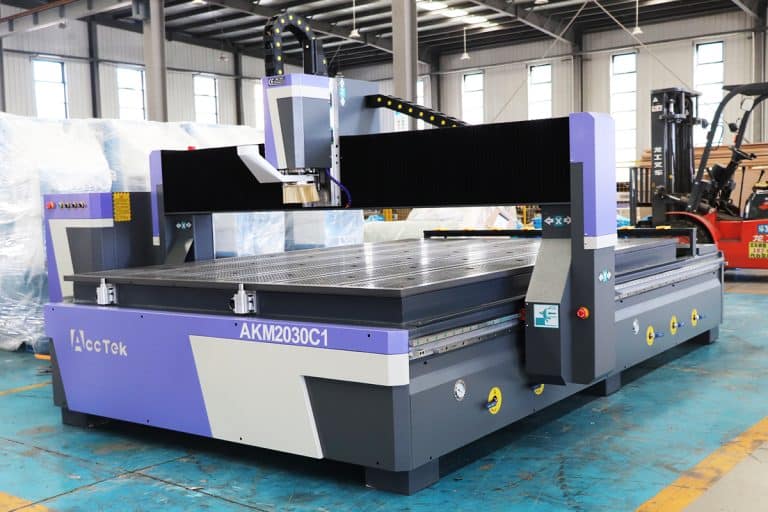
This article provides a comprehensive guide on how to maintain CNC routers, covering essential tasks, troubleshooting tips, upgrades, and best practices to ensure optimal performance and longevity.
What Is The Accuracy Of CNC Routers
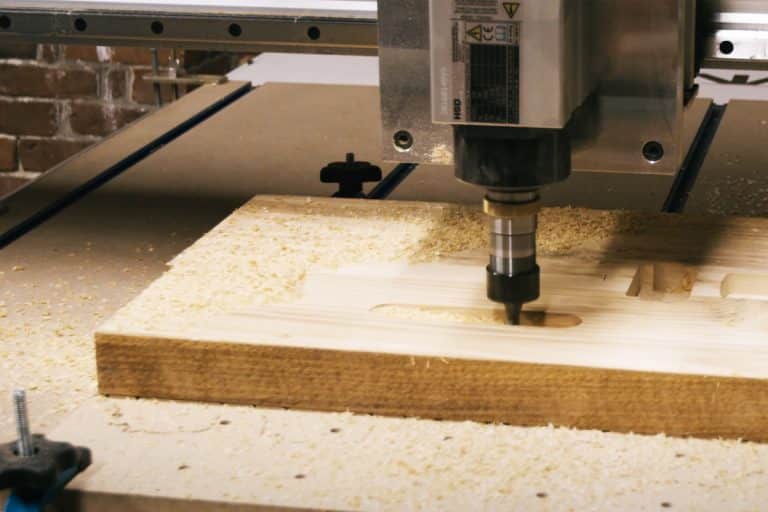
This article is a comprehensive guide that explains the precision of CNC routers, the key factors affecting precision, expected performance, and how to improve machining results.
How to Choose the Right Router Bits for CNC Routers
This article explains how to select the right router bit for your CNC router, including cutter type, material, coating, and tip, to achieve precise, efficient, and durable cutting performance.
Frequently Asked Questions
What Is The Price Of 2060 CNC Routers?
What Factors Affect The Price Of 2060 CNC Routers?
- Spindle Power and Cooling Method: Spindle options typically range from 4.5 kW to 9.0 kW or higher. More powerful spindles support deeper cutting, faster feed rates, and longer-duty cycles, increasing the total cost. Water-cooled spindles cost more than air-cooled systems due to the pumps, chillers, and additional cooling components required.
- Motor and Driver Type: Stepper motors are economical, but easy servo motors add better torque and stability. Full servo systems—such as Delta, Yaskawa, or Mitsubishi—significantly raise the price due to higher precision, faster response, and closed-loop control.
- Control System: Budget-friendly controllers like Mach3 lower the cost, while industrial controllers such as Syntec, OSAI, FANUC, or Weihong NK105 increase the price through advanced motion algorithms, faster processing, touchscreen operation, and better servo coordination.
- Transmission Structure: High-precision rack-and-pinion drives on X/Y axes and ball screws on the Z axis improve accuracy but cost more. Branded linear guides (HIWIN, PMI, THK) and heavy-duty gearboxes further increase the machine’s price due to enhanced durability and motion stability.
- Worktable Configuration: A simple T-slot table is the most affordable. Multi-zone vacuum tables—essential for full-sheet nesting and high-speed machining—add significant cost due to vacuum pumps, valves, and reinforced table structures.
- Machine Frame and Gantry Strength: 2060 CNC routers require extremely rigid frames and heavier gantries to maintain stability across a long cutting area. Reinforced steel structures and thickened beams increase material cost and manufacturing complexity.
- Automatic Tool Changer (ATC): Adding an ATC spindle dramatically increases price but boosts efficiency for multi-tool operations, cabinetry, and composite machining.
- Additional Accessories: Rotary attachments, mist cooling, dust-collection systems, tool setters, safety enclosures, and advanced CAD/CAM software all influence the final price.
- Brand and After-Sales Support: Well-established manufacturers typically charge more due to better engineering standards and stronger technical support.
How To Choose 2060 CNC Routers?
- Identify Your Main Materials: Wood, MDF, acrylic, PVC board, composite panels, and aluminum each require different spindle power and tooling. Hardwoods and aluminum demand higher spindle power and stronger motors, while plastics and foams can run efficiently on lower-power configurations.
- Choose the Right Spindle Power: A 4.5 kW spindle is suitable for light to medium woodworking, while 6.0–9.0 kW spindles deliver deeper cuts, faster pass rates, and better performance for furniture, signage, or composite applications. Continuous heavy-duty production should always use higher-power spindles.
- Select an Appropriate Motor System: Stepper motors are cost-effective for basic routing, but easy servo or full servo motors provide better torque, smoother motion, improved accuracy, and higher cutting speeds—critical for long-format tables where rigidity matters.
- Evaluate the Control System: Entry-level Mach3 systems support simple tasks, while industrial controllers like Syntec offer advanced motion control, faster processing, higher stability, and better compatibility with servo motors. Large-format CNC routers benefit greatly from high-performance controllers.
- Consider Worktable Configuration: A vacuum table is essential for full-sheet processing, signboard cutting, cabinet manufacturing, or high-speed nested-based operations. T-slot tables are cheaper and suitable for heavy blocks or irregular clamping needs.
- Check Machine Frame Strength: A 6-meter table requires reinforced steel framing, thickened gantry beams, and high-quality linear guides to maintain precision across long travel distances. Heavier and more rigid frames offer better stability during high-speed operation.
- Determine Whether You Need ATC: An automatic tool changer improves productivity for multi-step jobs such as cabinetry, decorative panels, or composite machining. Manual tool-change systems are suitable for simple or occasional use.
- Review Additional Features: Dust collectors, mist cooling, rotary attachments, tool setters, safety enclosures, and compatible CAD/CAM software all influence usability and workflow efficiency.
- Assess After-Sales Support: High-quality training, remote assistance, warranty terms, and spare-part availability are crucial for long-term operation of a large-format CNC machine.
What Problems Might Occur When Using 2060 CNC Routers?
- Material Movement or Poor Clamping: Large sheets, especially plywood, MDF, acrylic, or aluminum composites, can shift during machining if vacuum suction is insufficient or if sealing zones are incorrectly configured. This leads to inaccurate cuts or tool damage.
- Vibration and Rigidity Issues: Because of the long gantry travel, improper installation, uneven flooring, or a lightweight frame can cause vibrations. This negatively affects edge quality, dimensional accuracy, and tool life.
- Inconsistent Cutting Quality: Materials like hardwood, aluminum, or ABS may show burning, chipping, or rough edges if feed rates, spindle speeds, or tool types are not well matched. Large-format routing requires precise parameter optimization across long distances.
- Motor Overload or Lost Steps: Stepper motors may lose steps when handling heavy loads or high feed speeds on a long 6-meter table. Even servo systems can experience overload alarms if maintenance is neglected or lubrication is insufficient.
- Dust Accumulation: Wood, MDF, and composite materials create heavy dust. Without a high-efficiency dust collector, debris can clog guides, reduce accuracy, or damage moving parts.
- Tool Wear and Breakage: Long continuous cutting increases heat buildup, especially in acrylic, hardwood, and aluminum. Incorrect tool selection or insufficient cooling can lead to premature tool wear or bit breakage.
- Control System Errors: Mach3 may lag during large, complex files, while industrial controllers require correct post-processing settings. Any mismatch between software and hardware can cause pauses, irregular motion, or failed jobs.
- Vacuum System Performance Drops: Leaks, worn seals, or clogged filters reduce suction strength, making it harder to secure oversized sheets and increasing the risk of shifting.
- Alignment and Calibration Drift: The extended machine length means rails, racks, and gantry beams must be precisely aligned. Over time, misalignment may cause tapering, uneven depth, or poor nesting accuracy.
- Environmental Sensitivity: Temperature fluctuations, humidity, or dust buildup can affect electronics, bearings, and spindle performance.
Is The Routing Edge Of The 2060 CNC Routers Clean?
- Wood and Wood-Based Products: The 2060 CNC router delivers very clean edges on plywood, MDF, hardwood, softwood, and engineered boards. With the right compression or up-cut/down-cut bits, the machine minimizes tear-out and maintains smooth profiles even on thicker panels. Proper feeds and speeds ensure crisp cuts with reduced burn marks on dense woods.
- Acrylic and Plastics: Acrylic sheets can be routed with smooth, glasslike edges when using single-flute or polished bits. PVC-free plastics such as ABS, HDPE, and Delrin also machine well, though chip evacuation is essential to avoid melting. While edges may not be as polished as laser-cut acrylic, the 2060 still produces clean, uniform cuts suitable for signmaking and fabrication.
- Aluminum and Non-Ferrous Metals: With a rigid gantry and high-precision spindle, the 2060 CNC router can cut aluminum composites, brass, and soft aluminum plates with clean edges, provided that lubrication and proper chip loads are used. The edges are smooth with minimal burrs, and any remaining micro-burrs can be removed with light deburring.
- Foam and Soft Composites: EVA foam, PE foam, and similar materials route easily and leave very neat edges. The machine’s stable motion ensures straight walls and consistent contours, especially in packaging inserts, models, and protective cases.
- Fiberglass, Carbon Fiber, and Composites: The 2060 CNC router can produce accurate, clean edges on composite panels, though dust extraction and appropriate carbide tooling are essential. Edges remain sharp without excessive fraying when correct spindle speeds and cutter geometries are applied.
- Solid Surface Materials: Materials like Corian or artificial stone machine smoothly, creating clean, crisp routed edges ideal for countertops, molds, and decorative products. Proper chip removal prevents overheating and ensures uniform finish quality.
What Are The Environmental Requirements For 2060 CNC Routers?
- Temperature and Climate Control: The 2060 CNC router performs reliably in moderate room temperatures, typically between 10–35℃. Excessive heat may cause spindle overheating, electronics stress, or lubrication breakdown, while very low temperatures can thicken grease and affect servo response. Maintaining stable temperature and avoiding sudden fluctuations helps preserve accuracy and machine longevity.
- Humidity and Moisture Conditions: Ideal humidity is 30%–70%. High humidity increases corrosion risk on rails, ball screws, and electrical systems, while too-low humidity may generate static electricity that impacts controls. The CNC router should not operate in damp workshops or areas exposed to water leaks or condensation.
- Dust, Chips, and Air Cleanliness: Although CNC routers generate their own dust, the surrounding environment should not contain excessive airborne debris. Fine dust accumulation can affect motion systems, sensors, and electronics. A dust-collection system, proper ventilation, and periodic cleaning ensure smooth operation and reduce fire risks from flammable dust.
- Floor Stability and Vibration Control: The machine should be installed on a solid, level concrete floor capable of supporting its weight. External vibrations from nearby heavy machines, forging equipment, or traffic can reduce machining precision. Isolation pads or leveling feet help maintain accuracy and reduce structural stress.
- Electrical Power Requirements: A stable power supply (usually 220V/380V, depending on configuration) is essential. Voltage fluctuations may cause spindle faults or controller errors. A dedicated electrical circuit, grounding system, and surge protection improve operational stability and protect critical components.
- Ventilation and Airflow: Workshops must have good airflow to prevent heat buildup around the spindle, inverter, and control cabinet. Environments with poor ventilation can cause temperature spikes, reduce cooling efficiency, and accelerate wear on electrical systems.
- Work Area Safety and Space: Adequate clearance—typically 1–1.5 meters around all sides—ensures safe operation, easy maintenance, and unobstructed gantry movement. The area should be free of flammable materials, clutter, and heavy foot traffic.
How To Maintain 2060 CNC Routers?
- Daily Cleaning and Dust Control: After each operation, wood chips, metal shavings, and fine dust should be removed from the worktable, spindle area, guide rails, and moving components. A clean machine reduces debris buildup that can affect motion accuracy and cause premature wear. Using a dust collector and air blower helps maintain a stable operating environment.
- Lubrication of Moving Components: The linear guide rails, ball screws, and rack-and-pinion systems require regular lubrication according to usage frequency. Proper grease or oil reduces friction, prevents corrosion, and ensures smooth motion along all axes. Over-lubrication should be avoided to prevent dust accumulation.
- Spindle and Tool Maintenance: The spindle should be inspected routinely for abnormal noise, vibration, or overheating. Tool holders and collets must be cleaned and replaced when worn to maintain a strong clamping force. Router bits should be sharpened or replaced regularly to ensure clean cutting edges and prevent excessive tool load.
- Electrical System Inspection: Control cabinets, inverters, and wiring should be kept clean and dry. Checking for loose connectors, damaged cables, and dust buildup helps prevent electrical failure. Ensuring proper grounding and stable voltage improves overall system reliability and protects sensitive electronics.
- Calibration and Alignment: Periodic checks of the machine’s squareness, gantry alignment, and Z-axis height ensure continued accuracy. Recalibrating the motion system and verifying backlash helps maintain precise cutting quality, especially for high-tolerance applications.
- Air, Cooling, and Vacuum Systems: Vacuum pumps, air compressors, and cooling fans need regular filter cleaning and performance checks. Proper airflow and cooling prevent overheating of the spindle and control electronics. A stable vacuum system ensures secure material holding during machining.
- Software and Controller Maintenance: Backups of configuration files and regular updates help maintain stable machine operation. Checking toolpath simulations before machining reduces the risk of crashes or programming errors.
What Is The Lifespan Of 2060 CNC Routers?
- Mechanical Structure and Frame Durability: The welded steel frame and rigid gantry of 2060 CNC routers can last 10–15 years or more with minimal structural degradation. Proper workshop conditions prevent corrosion and ensure the frame retains accuracy over long periods, even under heavy workloads.
- Linear Guides, Ball Screws, and Motion Components: High-quality rails and ball screws generally last 5–8 years under daily production, longer with moderate use. Regular lubrication and dust control help extend service life. Rack-and-pinion systems on larger models also maintain smooth motion for many years when properly maintained.
- Spindle Lifespan: Air-cooled and water-cooled spindles typically last 2–4 years under continuous operation, or 5–6 years with lighter workloads. Lifespan depends on RPM usage, cooling effectiveness, tool balancing, and avoiding overload. Bearings can be replaced to extend spindle life significantly.
- Control System and Electronics: Controllers, drivers, and inverters can run 8–12 years when kept dry, well-ventilated, and protected from voltage instability. Dust-free environments and proper grounding greatly improve longevity. Periodic software updates help maintain stable operation over the long term.
- Tooling and Consumables: Router bits, collets, belts, and filters are consumables that require periodic replacement. Their lifespan varies from weeks to months, depending on material hardness and cutting intensity. Timely replacement ensures machine performance remains consistent.
- Usage Intensity and Operating Environment: Machines running three shifts daily will experience faster wear than those used intermittently. Clean workshops with good climate control significantly extend service life, preventing corrosion, overheating, and vibration-related issues.
- Overall Machine Lifespan: With proper maintenance, 2060 CNC routers typically provide 8–12 years of stable industrial performance. Well-maintained machines in light-to-moderate use environments often exceed 15 years of service with occasional component replacements.