

Product Introduction
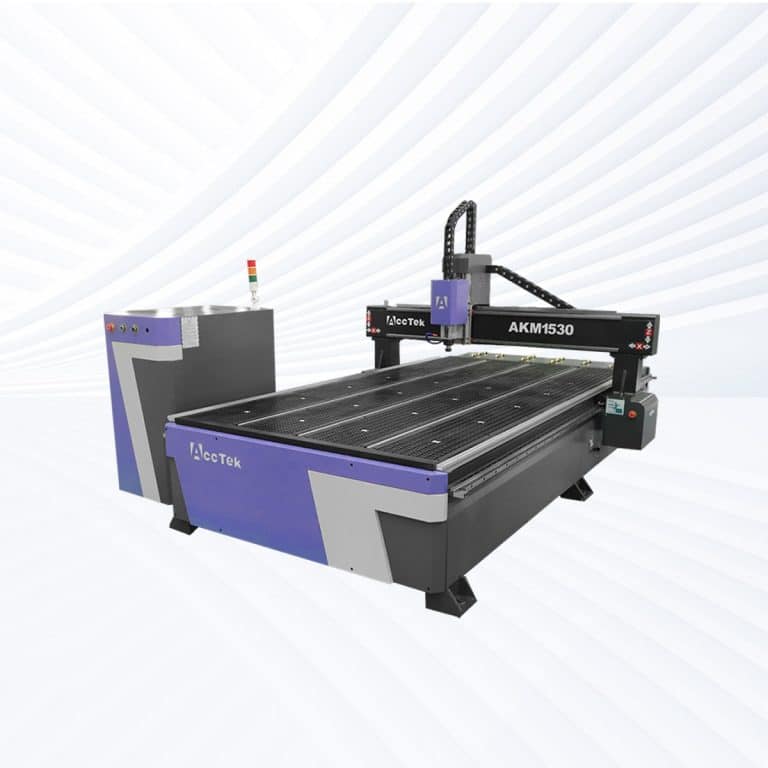
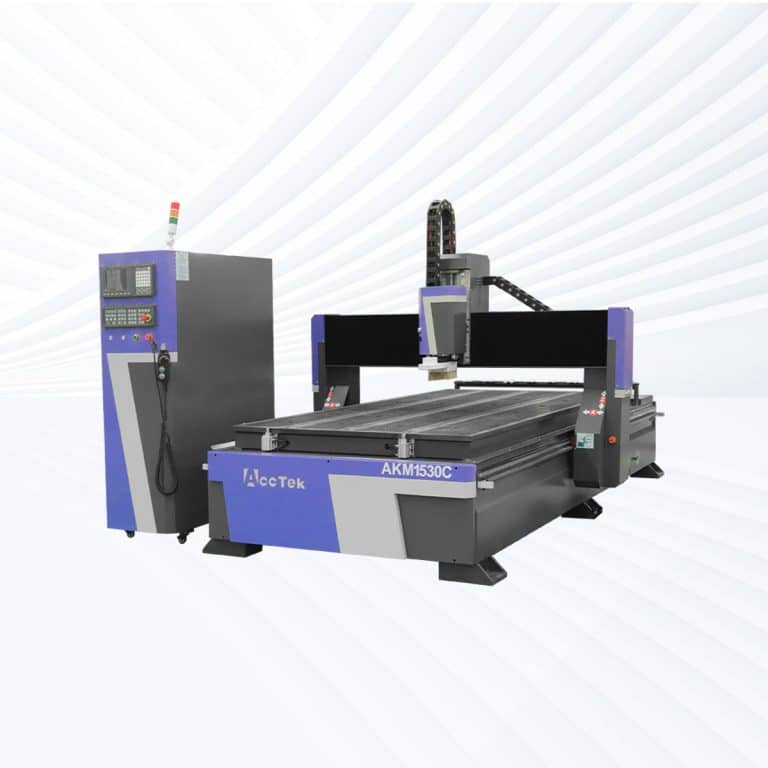
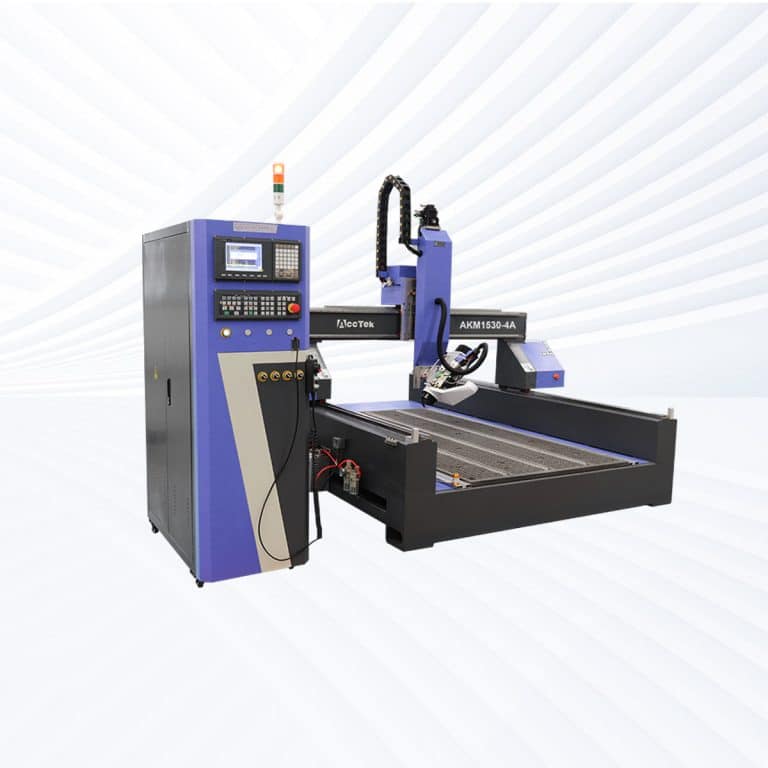
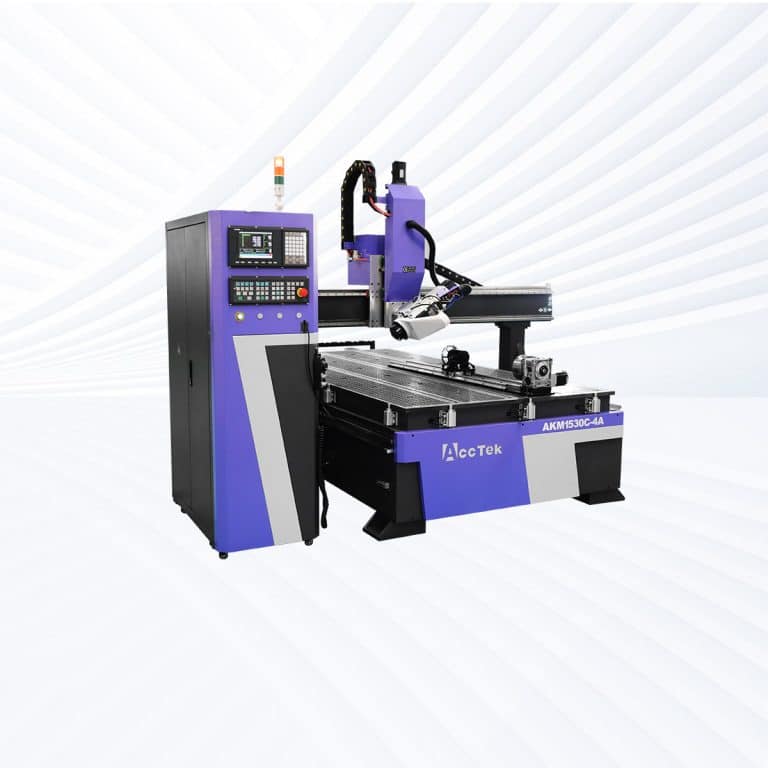
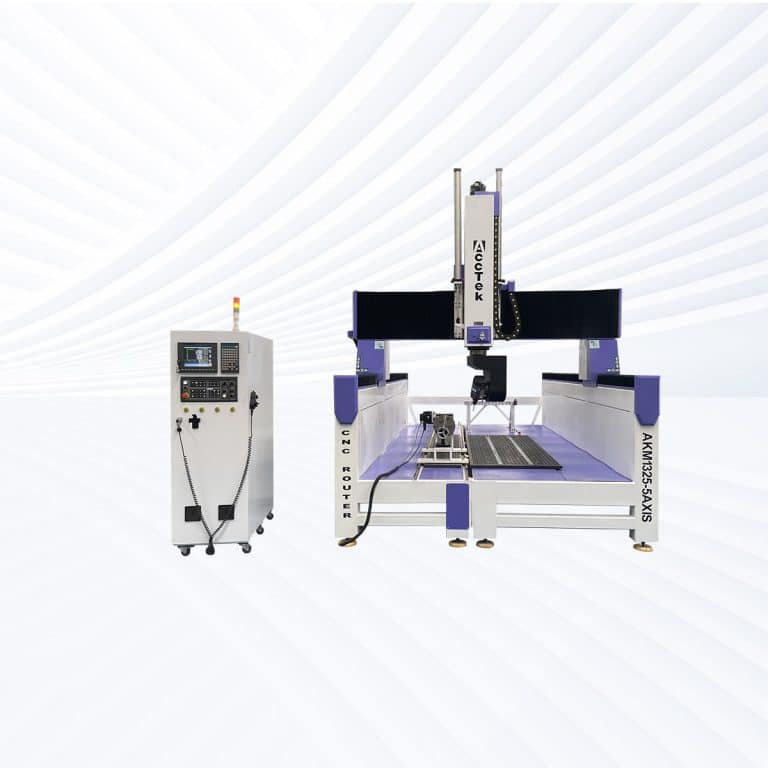
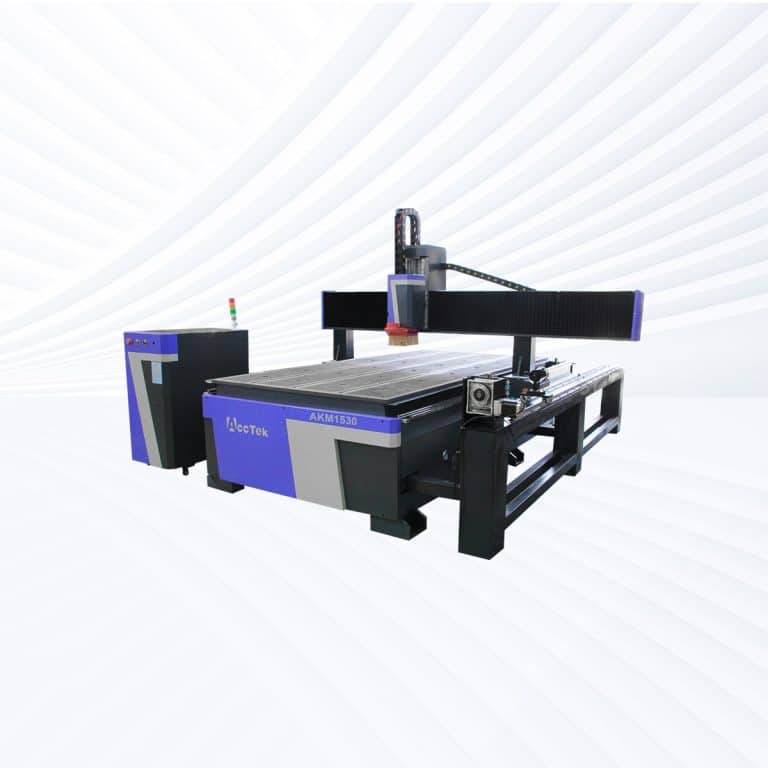
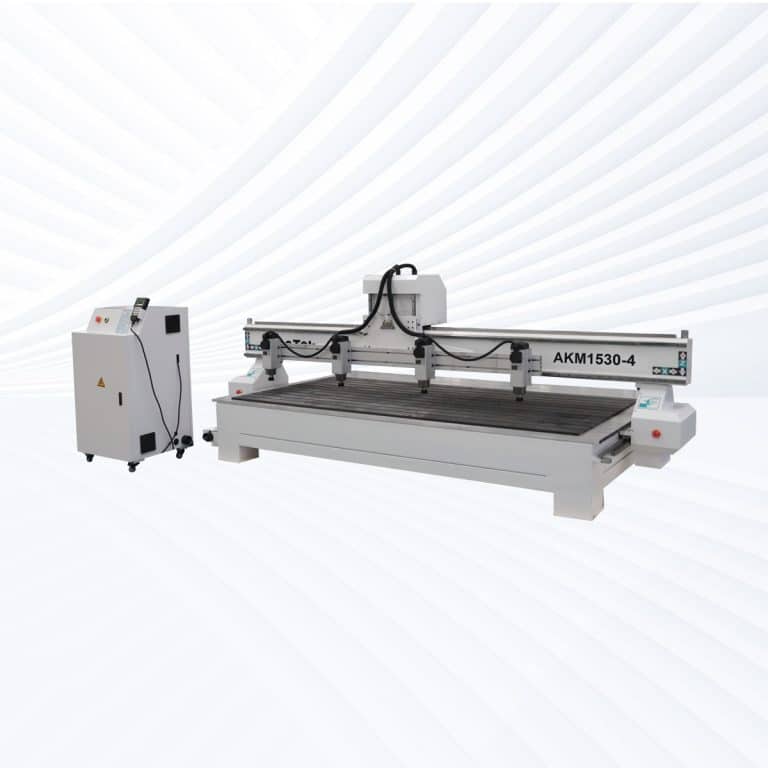
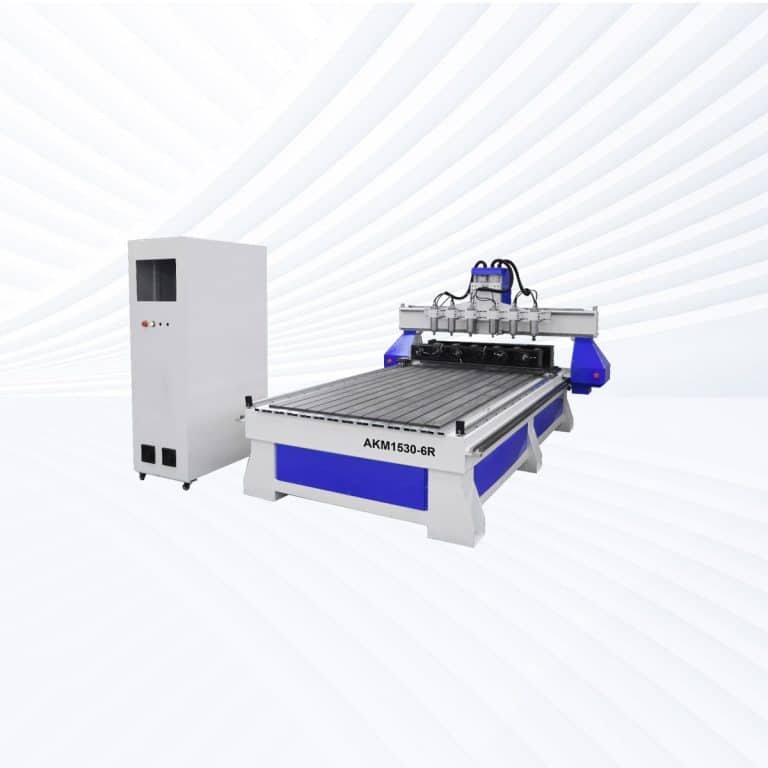
Material Routing Capability
| Material Type | 1.5 kW | 2.2 kW | 3.0 kW | 3.2 kW | 3.5 kW | 4.5 kW | 5.5 kW | 6.0 kW | 7.5 kW | 9.0 kW |
|---|---|---|---|---|---|---|---|---|---|---|
| Softwood | Light Cutting | Standard Cutting | Fast Cutting | Fast Cutting | Fast Cutting | High-Speed Cutting | Heavy-Duty Cutting | Heavy-Duty Cutting | Industrial Cutting | Industrial Cutting |
| Hardwood | Light Duty | Standard Cutting | Stable Cutting | Stable Cutting | High-Precision | Heavy-Duty | Heavy-Duty | High-Torque Cutting | Industrial Cutting | Industrial Cutting |
| Plywood/MDF | Basic Cutting | Smooth Cutting | Fast, Clean Cutting | Fast Cutting | High-Precision | Heavy-Duty | Heavy-Duty | Industrial Smooth Cuts | High-Volume Cutting | High-Volume Cutting |
| HDF/Particle Board/Melamine | Light Cuts | Standard Cuts | Clean Cuts | Clean Cuts | High-Precision | Heavy-Duty | Heavy-Duty | Industrial | Industrial | Industrial |
| Acrylic(PMMA) | Thin Sheets | Clean Cutting | Fast, Clean Edges | High Clarity | High Clarity | Smooth Finishing | Smooth Finishing | Industrial Clarity | Industrial Clarity | Industrial Clarity |
| Polycarbonate/PETG | Thin Sheets | Clean Cutting | Stable Cutting | Stable Cutting | Precision Cutting | Heavy-Duty | Heavy-Duty | Industrial | Industrial | Industrial |
| ABS/PVC Foam Board | Light Duty | Standard | Fast Cutting | Fast Cutting | High Stability | Heavy-Duty | Heavy-Duty | Industrial | Industrial | Industrial |
| HDPE/LDPE/PP/Nylon | Light Cuts | Standard Cuts | Stable Cuts | Stable Cuts | Deep Routing | Heavy-Duty | Heavy-Duty | High-Torque | Industrial | Industrial |
| Delrin/UHMW | Light Duty | Standard | Accurate Routing | Accurate Routing | High-Precision | Heavy-Duty | Heavy-Duty | Industrial | Industrial | Industrial |
| Solid Surface (Corian) | Very Light | Standard | Strong Cutting | Clean Cutting | High-Precision | Heavy-Duty | Heavy-Duty | Industrial Cutting | Industrial Cutting | Industrial Cutting |
| Fiberglass/Carbon Fiber Sheet | Light Trimming | Standard | Precise Routing | Precise Routing | High-Precision | Heavy-Duty | Heavy-Duty | Industrial | Industrial | Industrial |
| Phenolic/Bakelite | Limited | Standard | Clean Routing | Clean Routing | Precision Routing | Heavy-Duty | Heavy-Duty | Industrial | Industrial | Industrial |
| Foam(EVA, XPS, EPS, PU) | Very Easy | Very Easy | Fast Cutting | Fast Cutting | Ultra-Fast | Ultra-Fast | Ultra-Fast | High-Speed | High-Speed | High-Speed |
| Rubber/Leather/Cork | Light Duty | Standard | Clean Edges | Clean Edges | Faster Routing | Heavy-Duty | Heavy-Duty | Industrial | Industrial | Industrial |
| Cardboard/Paperboard | Easy | Easy | Fast Cutting | Fast Cutting | Ultra-Fast | Ultra-Fast | Ultra-Fast | Industrial | Industrial | Industrial |
| ACP/ACM (Surface Routing Only) | Very Light | Standard | Clean Grooves | Clean Grooves | High Precision | Heavy-Duty | Heavy-Duty | Industrial | Industrial | Industrial |
Compatible Materials
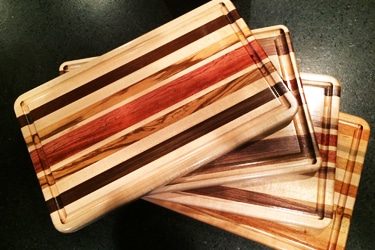
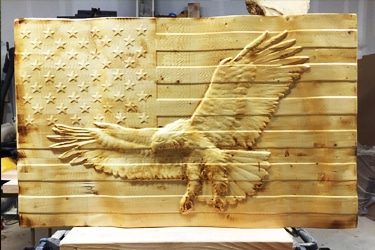
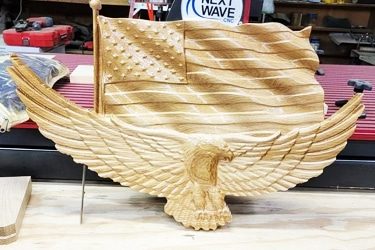
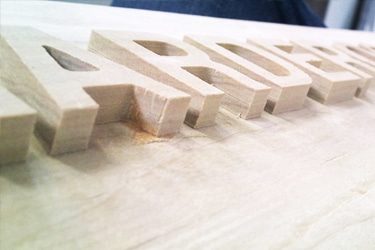
Application of 1530 CNC Routers


Customer Testimonials
Comparison VS Other Engraving Technologies
| Comparison Item | CNC Routing | Laser Engraving | Hand Engraving | Chemical Etching |
|---|---|---|---|---|
| Working Principle | Mechanical cutting with rotating tools | Vaporizing or melting material with laser beams | Manual carving with handheld tools | Chemical reaction removes material from surface |
| Material Compatibility | Wood, plastics, composites, foam, soft metals | Wood, plastics, coated metals, some stones | Wood, metal, soft materials | Metals, glass, ceramics |
| Cutting Ability | Full-depth cutting, profiling, pocketing | Mostly engraving; cutting only on thin materials | Limited cutting; slow | No cutting capability |
| Engraving Depth | Deep engraving and 3D carving | Mostly shallow | Depends on skill | Shallow and uniform |
| Precision Level | High accuracy and repeatability | Extremely high precision | Low–moderate | Moderate |
| Detail Resolution | Good for small to complex features | Excellent for fine patterns | Skill-dependent | Good but limited by process |
| Production Speed | Fast for cutting and shaping | Fast for engraving, slow for deep cuts | Slow | Medium |
| Complexity of Designs | Handles 3D relief, contours, pockets | Excellent for detailed 2D/2.5D work | Limited | Works well for flat patterned designs |
| Setup Requirements | Medium (tooling, fixturing) | Low (mostly software) | None | Medium (chemical prep, masks) |
| Learning Curve | Moderate; requires training | Easy to moderate | High skill required | Moderate process knowledge |
| Operating Cost | Low (bits + electricity) | Low–medium (laser tube wear) | Very low | Medium–high (chemicals, disposal) |
| Maintenance Needs | Regular lubrication + tool changes | Optics care + tube replacement | Minimal | Chemical disposal + equipment cleaning |
| Safety Concerns | Debris, noise, tool hazards | Laser radiation, fumes | Very low | Chemical burns, toxic fumes |
| Best Applications | Cutting, shaping, 3D carving, prototyping | Fine engraving, marking, small detailing | Artistic, custom craftsmanship | Serial marking, metal patterns, surface textures |
| Ideal Use Case | Versatile machining for production & fabrication | High-precision engraving on many materials | Artistic, low-volume, handmade work | Uniform, shallow metal designs at scale |
Why Choose Us
High Precision & Efficiency
AccTek CNC routers deliver fast, accurate results with minimal errors, supporting intricate designs and mass production across the woodworking, plastic, and metal industries.
Robust and Durable Design
Our machines are built with high-quality frames and components, ensuring long service life, high load-bearing capacity, and stability during high-speed operations.
Intelligent Control Systems
Equipped with user-friendly interfaces and smart controllers, our routers offer smooth motion control, automatic toolpath optimization, and easy integration with various CAD/CAM software.
Flexible Customization
From machine size to spindle power and motor type, we offer flexible configurations to suit different production needs, budgets, and material requirements.
Related Resources
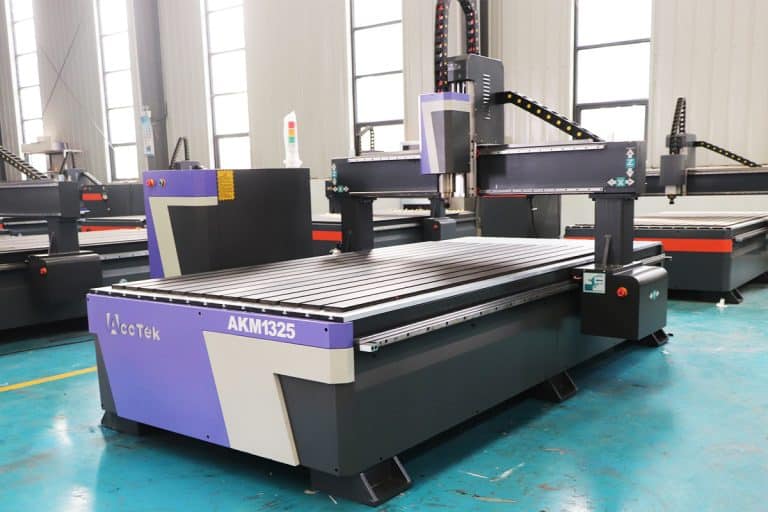
What Is The Lifespan Of CNC Routers
This article explores what determines the lifespan of CNC routers, including machine design, usage intensity, maintenance practices, accuracy drift, and when to repair, rebuild, or replace equipment.
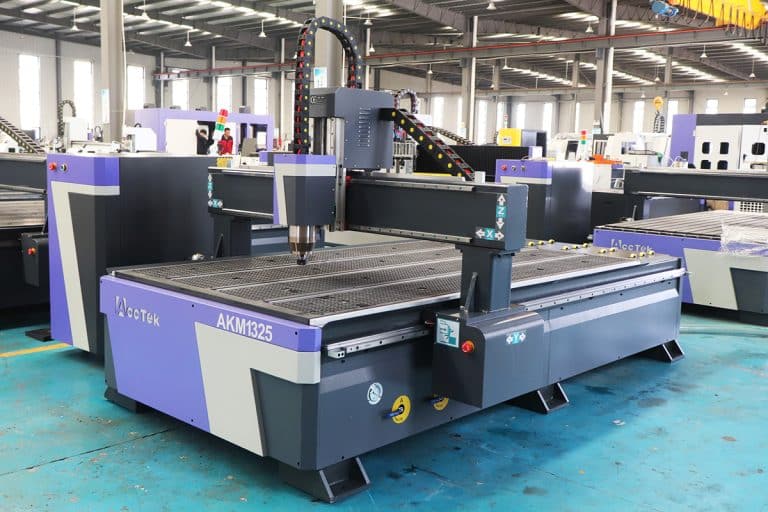
How Do CNC Routers Work
This article explains the working principle of CNC routers, from the motion system and cutting tools to the software workflow, materials, precision, and actual machining principles.
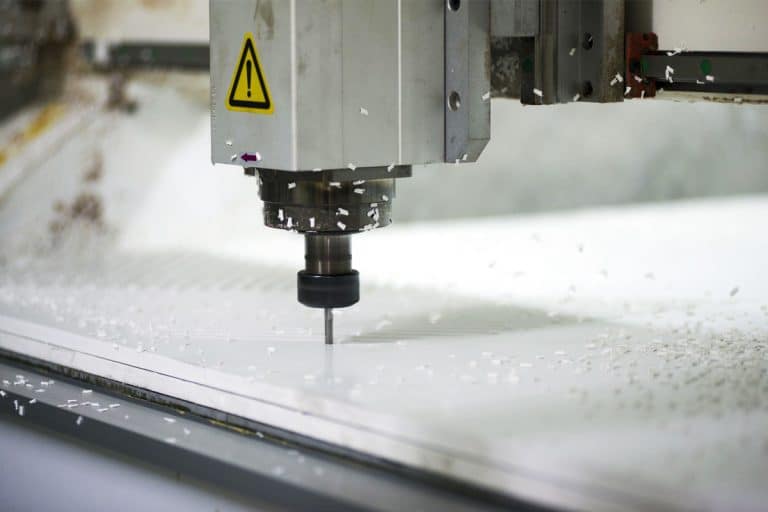
How To Maintain CNC Routers
This article provides a comprehensive guide on how to maintain CNC routers, covering essential tasks, troubleshooting tips, upgrades, and best practices to ensure optimal performance and longevity.
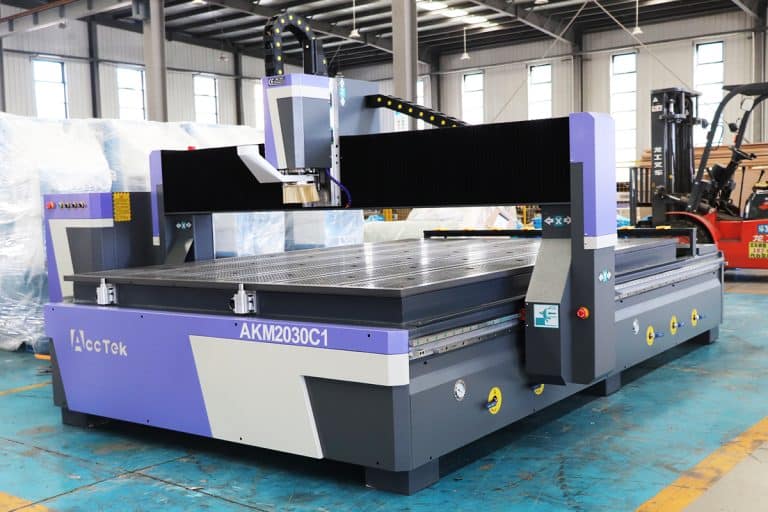
What Is The Accuracy Of CNC Routers
This article is a comprehensive guide that explains the precision of CNC routers, the key factors affecting precision, expected performance, and how to improve machining results.
Frequently Asked Questions
What Is The Price Of 1530 CNC Routers?
What Factors Affect The Price Of 1530 CNC Routers?
- Spindle Power and Type: The cost increases with more powerful spindles, typically ranging from 3.0 kW to 9.0 kW. Water-cooled spindles generally cost more but provide better cooling for long-duty cycles, while air-cooled options are more affordable.
- Control System: Entry-level controllers, such as Mach3 or DSP, are budget-friendly, while advanced industrial systems like Syntec, Weihong NK105, or OSAI significantly raise the price due to superior motion control, faster processing, and automatic features.
- Transmission System: Helical rack-and-pinion drives, high-precision ball screws, and branded linear guides (HIWIN, PMI, THK) improve accuracy and longevity but add to the machine cost. Higher-end models use stronger gantry structures and reinforced rails.
- Table Type: Standard T-slot tables offer a lower-cost configuration. Vacuum tables, which use pumps and zoning systems, significantly increase the price because they enhance efficiency for sheet-material processing. Hybrid vacuum + T-slot tables further add versatility and cost.
- Motor and Driver Configuration: Stepper motors are economical, while hybrid steppers and servo motors increase machine responsiveness, accuracy, and torque. Industrial servo systems dramatically raise the price but offer top-tier performance.
- Automatic Tool Changer (ATC): The addition of an ATC spindle, carousel, or linear tool rack results in a substantial price increase. ATC systems improve efficiency for multi-bit operations and professional furniture manufacturing.
- Machine Frame Quality: Heavier welded steel frames, precision machining, and thicker gantry walls lead to higher prices because they improve stability and cutting performance, especially for aluminum and hardwoods.
- Software and Included Accessories: Licensed CAD/CAM software, dust collectors, mist-cooling systems, tool setters, rotary attachments, safety covers, and air compressors all contribute to the cost, depending on the package selected.
- Brand Reputation and After-Sales Support: Manufacturers offering stronger technical support, training, and spare parts supply generally command higher prices.
What Is the Accuracy Of 1530 CNC Routers?
- Positioning Accuracy: Most 1530 CNC routers achieve a positioning accuracy of ±0.03–0.05 mm. This level of precision ensures reliable dimensional control for cabinet components, decorative panels, acrylic engraving, and aluminum sheet cutting.
- Repeatability Accuracy: Repeatability typically ranges from ±0.02–0.03 mm, meaning the machine can return to the same position consistently during repeated operations. High repeatability is critical for mass production, multi-pass carving, and batch processing.
- Rigid Frame Construction: A heavy-duty welded steel frame minimizes deformation and vibration during high-speed movement. This stable structure improves both linear accuracy and routing edge quality, especially when cutting hardwoods or composites.
- High-Precision Linear Guides: Brand-name components such as HIWIN or PMI linear guides enhance stability and reduce friction. Smooth, accurate motion along the X, Y, and Z axes directly improves engraving detail and toolpath consistency.
- Rack-and-Pinion or Ball-Screw Drive: Helical rack-and-pinion systems used on X and Y axes deliver high-speed cutting accuracy, while ball screws on the Z-axis provide precise vertical control. These systems work together to ensure tight tolerance machining.
- Servo Motor Systems: 1530 CNC routers equipped with servo motors achieve higher accuracy than stepper-based machines due to closed-loop control, faster response times, and better torque stability. Servo systems significantly improve cutting precision for complex toolpaths.
- Control System Optimization: Controllers such as Syntec or Weihong offer advanced interpolation and stable motion control, reducing deviations during curve machining or 3D carving.
- Tooling and Parameter Settings: Using high-quality bits, proper feed rates, and correct spindle speeds ensures that the machine’s mechanical accuracy is translated into clean and precise cut results.
What Problems Might Occur When Using 1530 CNC Routers?
- Inaccurate Cutting or Size Deviation: Misaligned rails, loose couplings, worn rack-and-pinion drives, or improper motor tuning may cause dimensional errors. Regular calibration and tightening of mechanical components help maintain accuracy.
- Rough Edges or Poor Surface Finish: Dull tools, incorrect feed rates, or improper spindle speeds can lead to tear-out, melting, or chatter. Materials like MDF, acrylic, and hardwood require optimized cutting parameters and high-quality bits.
- Spindle Overheating: Extended heavy cutting or insufficient cooling—especially in water-cooled systems with poor circulation—may cause spindle temperature spikes. This can reduce tool life and affect machining performance.
- Material Slippage on the Table: Weak vacuum suction, air leakage in vacuum zones, or poor clamping on T-slot tables can cause materials to shift during cutting, leading to misalignment or tool breakage.
- Vibration During High-Speed Machining: Frame instability, uneven workshop flooring, or worn bearings may cause vibration. Excess vibration affects edge quality, increases tool wear, and reduces precision.
- Dust Accumulation and Chip Blockage: Heavy dust from wood or plastics can clog dust collectors, contaminate rails, and interfere with sensors. Regular cleaning is essential for stable long-term operation.
- Electrical or Control Errors: G-code mistakes, unstable power supply, control-system faults, or loose wiring may result in sudden stops, axis crashes, or missed steps. A voltage stabilizer and proper code simulation help prevent such issues.
- Tool Breakage or Burning: Incorrect tool selection, aggressive depth of cut, or inappropriate spindle speeds may cause bits to snap or materials to burn, especially on hardwoods and acrylic sheets.
- Motor Noise or Heating: Stepper or servo motors can overheat or produce noise during long-duration machining if improperly tuned or overloaded.
Are The Routing Edges Of The 1530 CNC Routers Clean?
- High-Speed Spindle Performance: With spindle options ranging from 3.0 kW to 9.0 kW, 1530 routers achieve high RPM levels that minimize tear-out, chipping, or melting. Higher torque allows stable cutting across wood, plastics, and composite panels, resulting in smooth and uniform edges.
- Rigid Machine Structure: The heavy welded steel frame and reinforced gantry reduce vibration during high-speed machining. This mechanical stability is key to achieving clean edge quality, especially on hardwoods, MDF, acrylic, and aluminum panels.
- Precision Linear Guides: High-quality linear rails from brands like HIWIN, PMI, or THK ensure smooth, accurate axis movement. Precise motion control reduces tool chatter and maintains consistent cutting paths, resulting in cleaner edge finishes.
- Optimized Tool Selection: The use of spiral bits, compression bits, single-flute cutters, or polishing bits directly affects edge quality. Sharp, high-quality tools minimize fraying on plywood, melting on plastics, and burrs on aluminum sheets.
- Material Compatibility: 1530 CNC routers produce clean edges on MDF, plywood, hardwoods, PVC, acrylic, foam boards, and aluminum composite panels. Acrylic edges can approach a polished finish with appropriate spindle speed and feed rate settings.
- Proper Cutting Parameters: Clean edge quality depends on balancing spindle speed, feed rate, and depth of cut. Too slow a feed may cause burning, while too fast a feed can cause rough surfaces. Correct parameter tuning ensures crisp, smooth edges.
- Effective Dust Extraction: Good chip removal prevents debris buildup, which can scratch surfaces or disrupt tool movement. A strong dust collector keeps the cutting path clean, improving edge consistency.
- Advanced Motion Control: Controllers such as Syntec or Weihong ensure smooth interpolation during curves and 3D toolpaths, reducing vibration and improving edge sharpness.
What PPE Is Required To Operate 1530 CNC Routers?
- Safety Glasses or Face Shield: Eye protection is crucial to guard against flying chips, dust, and fragments generated during high-speed cutting. Impact-resistant safety glasses are the minimum requirement, while a full face shield offers added protection for deeper cuts or brittle materials.
- Hearing Protection: Large-format CNC routers such as the 1530 produce significant noise, especially when cutting hardwood, aluminum, or composite sheets. Earplugs or earmuff-style protectors help prevent long-term hearing damage and reduce operator fatigue during extended machining sessions.
- Respiratory Protection: Dust masks or respirators should be worn when routing MDF, plastics, composites, or any material that produces fine dust. High-efficiency filters (such as P2 or N95) offer added protection in environments without strong dust extraction systems.
- Cut-Resistant Gloves (for Handling Only): Gloves protect the operator during material loading, unloading, and tool changes. However, gloves must never be worn near the operating spindle or moving axes, as they could get caught on rotating tools or moving parts.
- Protective Clothing: Operators should wear fitted workwear that covers the arms and legs while avoiding loose cuffs, ties, or dangling accessories. Aprons or shop coats help prevent minor abrasions and protect skin from sharp chips.
- Safety Footwear: Steel-toe or reinforced-toe shoes protect against dropped panels, clamps, or tools. Slip-resistant soles ensure secure footing around dust-covered workshop floors.
- Hair and Jewelry Control: Long hair must be tied back, and necklaces, bracelets, or rings should be removed to prevent entanglement with the spindle or gantry.
- Hearing and Visual Warning Awareness: Operators should remain aware of machine indicators, alarms, and moving gantry components, meaning PPE should not obstruct visibility or hearing beyond protective limits.
What Are The Environmental Requirements For 1530 CNC Routers?
- Stable Temperature Conditions: The CNC router should be used in environments with moderate temperatures, ideally between 10–35℃. High temperatures may overheat the spindle, electronics, and drivers, while excessively low temperatures can cause lubrication issues and reduce motor responsiveness.
- Controlled Humidity Levels: Optimal humidity typically ranges between 30–70%. High humidity may cause rust on rails, screws, and the machine frame, while extremely low humidity increases static electricity, potentially affecting electronics or causing dust adhesion.
- Adequate Ventilation: A well-ventilated workshop prevents dust concentration, heat buildup, and fumes from machined plastics. Proper airflow is essential when cutting MDF or resin-based materials, which produce large volumes of fine dust.
- Clean Operating Area: Dust, debris, and oil mist can interfere with sensors, clog rail covers, and reduce machine accuracy. The workspace should be kept clean, with dust extracted regularly using an industrial dust-collection system.
- Stable and Clean Power Supply: The machine requires a consistent voltage to protect motors, drivers, and the control system. A voltage stabilizer or UPS is recommended for workshops with unstable power grids to prevent electrical damage.
- Level and Vibration-Free Flooring: A flat, stable foundation helps maintain machine alignment and cutting accuracy. Uneven floors may distort the machine frame, while strong external vibration (from nearby heavy machinery) can reduce precision.
- Adequate Space Around the Machine: The CNC router should be installed with enough room for material loading, tool changes, maintenance access, and dust hose routing. Restricted space increases safety risks and limits operator movement.
- Dry and Protected Material Storage: Wood, plastics, and aluminum sheets should be stored in clean, dry areas near the machine to prevent warping, moisture absorption, or surface contamination before machining.
What Training Is Required To Operate 1530 CNC Routers?
- Basic Machine Operation Training: Operators must learn fundamental functions such as powering the machine on/off, homing the axes, moving the gantry, loading materials, and performing manual jogging. Understanding the control panel and emergency stop procedures is essential for safe operation.
- Control System Training: Depending on the machine, operators must be trained on Mach3, Syntec, Weihong NK105, or other controllers. Training covers loading G-code, adjusting feed/spindle speeds, setting work coordinates, using soft limits, and interpreting machine alarms.
- CAD/CAM Software Training: Since CNC routers depend on CAM toolpaths, operators must learn design workflows in software such as ArtCAM, Aspire, Fusion 360, or Mastercam. Training includes drawing, toolpath creation, nesting, post-processing, and exporting compatible G-code.
- Tooling and Bit Selection: Operators must understand different CNC router bits—such as spiral bits, compression bits, engraving bits, and single-flute cutters—and how each is suited for wood, plastic, composites, or aluminum. Training covers tool installation, collet tightening, tool length setting, and bit maintenance.
- Safety Training and PPE Use: Operators must learn proper safety protocols, including wearing eye, respiratory, and hearing protection. Training includes safe material handling, spindle warm-up routines, and precautions around moving axes and rotating tools.
- Material Machining Knowledge: Each material behaves differently under cutting force. Training includes feed rate and spindle speed optimization for wood, MDF, acrylic, PVC, foam, and aluminum sheets to ensure clean edges and avoid overheating.
- Maintenance and Troubleshooting: Operators need to learn daily and weekly maintenance tasks such as lubrication, cleaning rails, inspecting belts, checking vacuum pumps, and tightening screws. Troubleshooting common issues—like missed steps, rough edges, or tool wear—is essential for a smooth workflow.
- Dust Collection and Workshop Setup: Training includes proper dust extraction, chip removal, and workspace organization to maintain precision and keep the machine running safely.