

Product Introduction
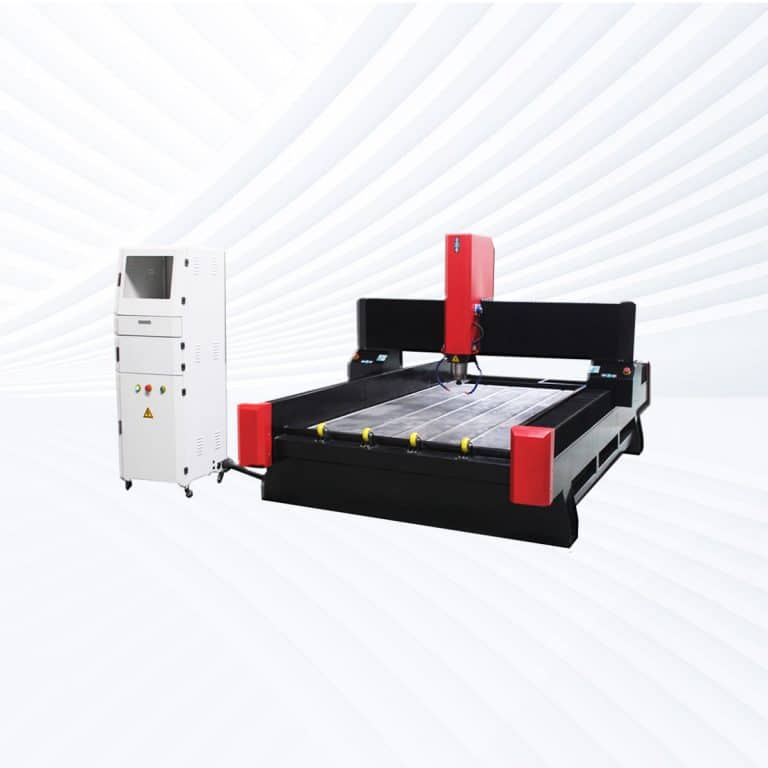
Material Routing Capability
| Material Type | 1.5 kW | 2.2 kW | 3.0 kW | 3.2 kW | 3.5 kW | 4.5 kW | 5.5 kW | 6.0 kW | 7.5 kW | 9.0 kW |
|---|---|---|---|---|---|---|---|---|---|---|
| Softwood | Light Cutting | Standard Cutting | Fast Cutting | Fast Cutting | Fast Cutting | High-Speed Cutting | Heavy-Duty Cutting | Heavy-Duty Cutting | Industrial Cutting | Industrial Cutting |
| Hardwood | Light Duty | Standard Cutting | Stable Cutting | Stable Cutting | High-Precision | Heavy-Duty | Heavy-Duty | High-Torque Cutting | Industrial Cutting | Industrial Cutting |
| Plywood/MDF | Basic Cutting | Smooth Cutting | Fast, Clean Cutting | Fast Cutting | High-Precision | Heavy-Duty | Heavy-Duty | Industrial Smooth Cuts | High-Volume Cutting | High-Volume Cutting |
| HDF/Particle Board/Melamine | Light Cuts | Standard Cuts | Clean Cuts | Clean Cuts | High-Precision | Heavy-Duty | Heavy-Duty | Industrial | Industrial | Industrial |
| Acrylic(PMMA) | Thin Sheets | Clean Cutting | Fast, Clean Edges | High Clarity | High Clarity | Smooth Finishing | Smooth Finishing | Industrial Clarity | Industrial Clarity | Industrial Clarity |
| Polycarbonate/PETG | Thin Sheets | Clean Cutting | Stable Cutting | Stable Cutting | Precision Cutting | Heavy-Duty | Heavy-Duty | Industrial | Industrial | Industrial |
| ABS/PVC Foam Board | Light Duty | Standard | Fast Cutting | Fast Cutting | High Stability | Heavy-Duty | Heavy-Duty | Industrial | Industrial | Industrial |
| HDPE/LDPE/PP/Nylon | Light Cuts | Standard Cuts | Stable Cuts | Stable Cuts | Deep Routing | Heavy-Duty | Heavy-Duty | High-Torque | Industrial | Industrial |
| Delrin/UHMW | Light Duty | Standard | Accurate Routing | Accurate Routing | High-Precision | Heavy-Duty | Heavy-Duty | Industrial | Industrial | Industrial |
| Solid Surface (Corian) | Very Light | Standard | Strong Cutting | Clean Cutting | High-Precision | Heavy-Duty | Heavy-Duty | Industrial Cutting | Industrial Cutting | Industrial Cutting |
| Fiberglass/Carbon Fiber Sheet | Light Trimming | Standard | Precise Routing | Precise Routing | High-Precision | Heavy-Duty | Heavy-Duty | Industrial | Industrial | Industrial |
| Phenolic/Bakelite | Limited | Standard | Clean Routing | Clean Routing | Precision Routing | Heavy-Duty | Heavy-Duty | Industrial | Industrial | Industrial |
| Foam(EVA, XPS, EPS, PU) | Very Easy | Very Easy | Fast Cutting | Fast Cutting | Ultra-Fast | Ultra-Fast | Ultra-Fast | High-Speed | High-Speed | High-Speed |
| Rubber/Leather/Cork | Light Duty | Standard | Clean Edges | Clean Edges | Faster Routing | Heavy-Duty | Heavy-Duty | Industrial | Industrial | Industrial |
| Cardboard/Paperboard | Easy | Easy | Fast Cutting | Fast Cutting | Ultra-Fast | Ultra-Fast | Ultra-Fast | Industrial | Industrial | Industrial |
| ACP/ACM (Surface Routing Only) | Very Light | Standard | Clean Grooves | Clean Grooves | High Precision | Heavy-Duty | Heavy-Duty | Industrial | Industrial | Industrial |
Compatible Materials
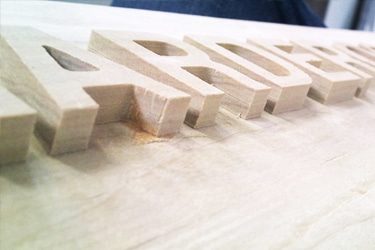
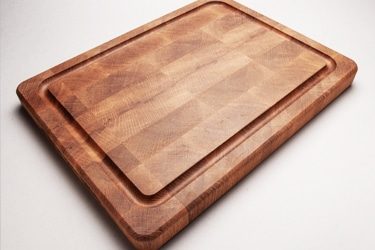
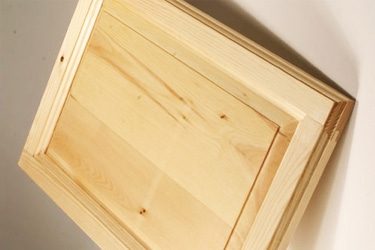
Application of 1325 CNC Routers
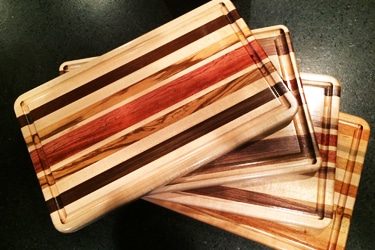
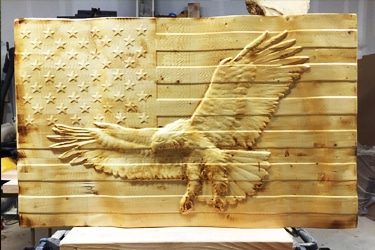
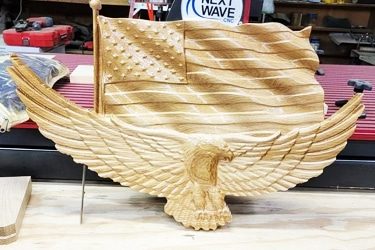


Customer Testimonials
Comparison VS Other Engraving Technologies
| Comparison Item | CNC Routing | Laser Engraving | Hand Engraving | Chemical Etching |
|---|---|---|---|---|
| Working Principle | Mechanical cutting with rotating tools | Vaporizing or melting material with laser beams | Manual carving with handheld tools | Chemical reaction removes material from surface |
| Material Compatibility | Wood, plastics, composites, foam, soft metals | Wood, plastics, coated metals, some stones | Wood, metal, soft materials | Metals, glass, ceramics |
| Cutting Ability | Full-depth cutting, profiling, pocketing | Mostly engraving; cutting only on thin materials | Limited cutting; slow | No cutting capability |
| Engraving Depth | Deep engraving and 3D carving | Mostly shallow | Depends on skill | Shallow and uniform |
| Precision Level | High accuracy and repeatability | Extremely high precision | Low–moderate | Moderate |
| Detail Resolution | Good for small to complex features | Excellent for fine patterns | Skill-dependent | Good but limited by process |
| Production Speed | Fast for cutting and shaping | Fast for engraving, slow for deep cuts | Slow | Medium |
| Complexity of Designs | Handles 3D relief, contours, pockets | Excellent for detailed 2D/2.5D work | Limited | Works well for flat patterned designs |
| Setup Requirements | Medium (tooling, fixturing) | Low (mostly software) | None | Medium (chemical prep, masks) |
| Learning Curve | Moderate; requires training | Easy to moderate | High skill required | Moderate process knowledge |
| Operating Cost | Low (bits + electricity) | Low–medium (laser tube wear) | Very low | Medium–high (chemicals, disposal) |
| Maintenance Needs | Regular lubrication + tool changes | Optics care + tube replacement | Minimal | Chemical disposal + equipment cleaning |
| Safety Concerns | Debris, noise, tool hazards | Laser radiation, fumes | Very low | Chemical burns, toxic fumes |
| Best Applications | Cutting, shaping, 3D carving, prototyping | Fine engraving, marking, small detailing | Artistic, custom craftsmanship | Serial marking, metal patterns, surface textures |
| Ideal Use Case | Versatile machining for production & fabrication | High-precision engraving on many materials | Artistic, low-volume, handmade work | Uniform, shallow metal designs at scale |
Why Choose Us
High Precision & Efficiency
AccTek CNC routers deliver fast, accurate results with minimal errors, supporting intricate designs and mass production across the woodworking, plastic, and metal industries.
Robust and Durable Design
Our machines are built with high-quality frames and components, ensuring long service life, high load-bearing capacity, and stability during high-speed operations.
Intelligent Control Systems
Equipped with user-friendly interfaces and smart controllers, our routers offer smooth motion control, automatic toolpath optimization, and easy integration with various CAD/CAM software.
Flexible Customization
From machine size to spindle power and motor type, we offer flexible configurations to suit different production needs, budgets, and material requirements.
Related Resources
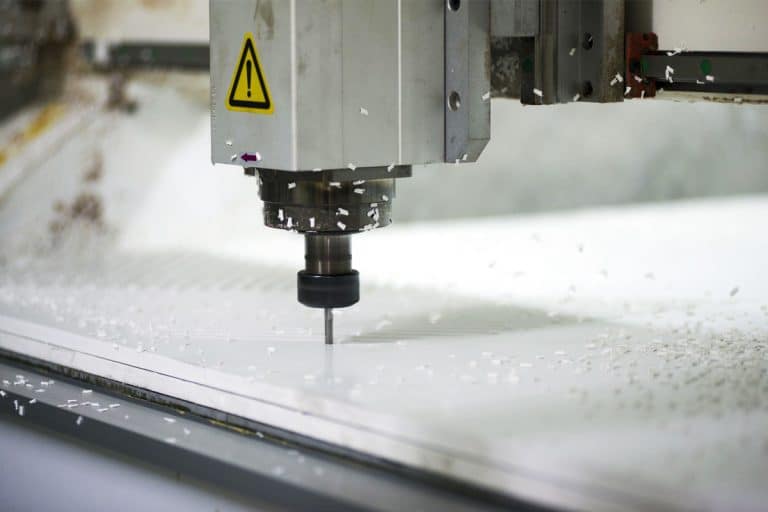
How Do CNC Routers Work
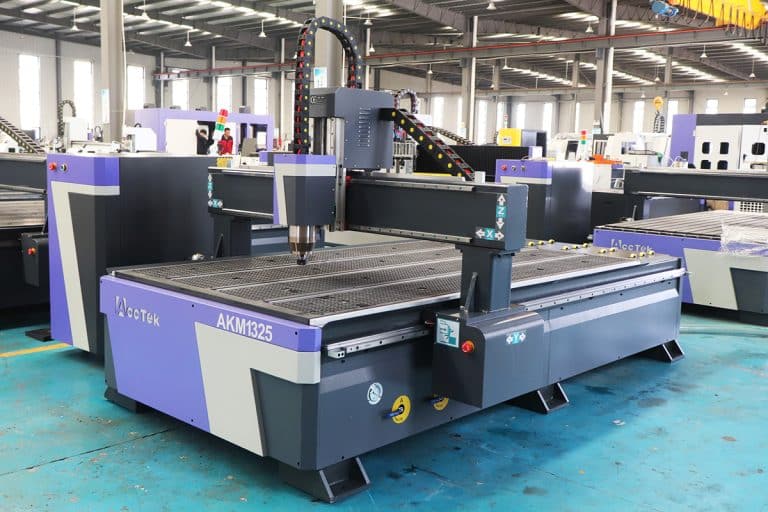
This article explains the working principle of CNC routers, from the motion system and cutting tools to the software workflow, materials, precision, and actual machining principles.
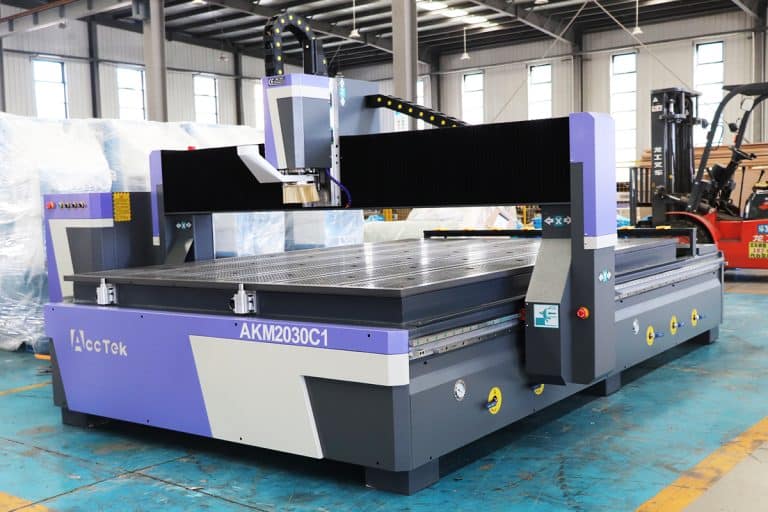
How To Maintain CNC Routers
This article provides a comprehensive guide on how to maintain CNC routers, covering essential tasks, troubleshooting tips, upgrades, and best practices to ensure optimal performance and longevity.
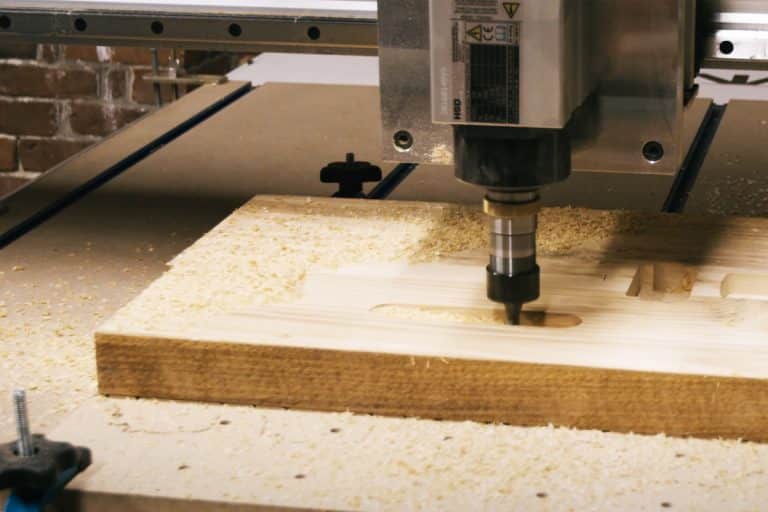
What Is The Accuracy Of CNC Routers
This article is a comprehensive guide that explains the precision of CNC routers, the key factors affecting precision, expected performance, and how to improve machining results.
How to Choose the Right Router Bits for CNC Routers
This article explains how to select the right router bit for your CNC router, including cutter type, material, coating, and tip, to achieve precise, efficient, and durable cutting performance.
Frequently Asked Questions
What Is The Price Of 1325 CNC Routers?
What Factors Affect The Price Of 1325 CNC Routers?
- Spindle Power and Type: Spindles range from 3.0 kW to 9.0 kW for 1325 CNC routers. Higher-power spindles enable deeper cutting, faster feed rates, and improved performance on hardwoods, composites, and aluminum. Water-cooled and air-cooled options also vary in cost, with water-cooled systems generally priced higher.
- Control System Selection: Entry-level DSP controllers are more affordable, while advanced systems like Syntec, Weihong NK105, or Mach4 raise the price due to smoother motion control, faster processing, and greater automation capabilities.
- Transmission and Drive System: Ball-screw drives cost less and offer high precision for Z-axis control. Rack-and-pinion drives on the X/Y axes increase speed and durability, but higher-grade systems (Helical racks, HIWIN/PMI guides) add to the overall expense.
- Table Type and Vacuum System: Standard T-slot tables are more economical, while vacuum tables significantly increase the price due to pumps, valves, and zoning setups. Hybrid tables combining vacuum and T-slot also raise costs.
- Motor and Driver Configuration: Stepper motors are cost-effective, while hybrid steppers and servo motors increase machine price due to their higher accuracy, speed, and torque stability.
- Frame Strength and Build Quality: Heavier welded steel frames offer better rigidity for long-term industrial workloads. Reinforced gantries, increased thickness, and precision machining all contribute to higher costs.
- Optional Features and Add-Ons: Automatic tool changers (ATC), rotary attachments, auto-lubrication systems, dust collectors, tool setters, safety enclosures, and mist-cooling systems all influence pricing depending on the level of automation required.
- Software Package Included: Licensed CAD/CAM software can add a notable cost, especially when advanced nesting, 3D carving, or high-speed machining modules are included.
- Brand Reputation and After-Sales Support: Well-established manufacturers offering technical support, training, and reliable spare parts supply often command higher pricing.
Is It Safe To Use 1325 CNC Routers?
- Stable Mechanical Structure: The heavy welded steel frame reduces vibration and improves cutting stability, which minimizes unexpected tool movement. A rigid machine structure enhances operator safety by ensuring predictable performance during high-speed operation.
- Enclosed or Shielded Moving Parts: Many 1325 CNC routers include protective covers over linear guides, belts, and ball screws. These shields help prevent dust buildup and reduce the risk of accidental contact with moving components.
- Emergency Stop Buttons: Standard safety systems include emergency stop switches positioned on the gantry or control box. These allow operators to halt the machine instantly in case of tool breakage, fixture failure, or unexpected material movement.
- Proper Dust Extraction: CNC routing generates significant dust, especially when cutting MDF, plywood, or plastics. Dust collectors reduce visibility hazards, minimize respiratory risk, and prevent dust accumulation around electrical components.
- Electrical and Software Protection: Control systems are designed with limit switches, soft limits, and overload protection. These features prevent axis crashes, protect the spindle motor, and ensure safe machine behavior during G-code execution.
- Operator Training and PPE: When users wear safety glasses, hearing protection, and appropriate clothing, the risks associated with flying chips, noise, and sharp tools are significantly reduced. Safe handling of tools and fixtures is essential.
- Material-Specific Precautions: Just as certain materials are unsafe for CO2 laser cutting, some materials pose risks for CNC routers. Brittle plastics, chemically treated woods, or resin-rich composites may produce hazardous dust or chipping and should be machined with caution.
- Regular Maintenance: Proper lubrication, cleaning, and inspection ensure smooth machine operation and reduce the likelihood of component failure, which can improve safety during long-term use.
Are The Routing Edges Of The 1325 CNC Routers Clean?
- High-Speed Spindle Performance: With spindle options ranging from 3.0 kW to 9.0 kW, 1325 CNC routers achieve high RPM levels that minimize tear-out and chipping. Higher torque allows stable cutting even on dense woods, plastics, and composite sheets.
- Rigid Frame and Gantry: A heavy-duty steel frame reduces vibration during high-speed machining. The stable mechanical structure helps achieve smoother toolpaths, cleaner edges, and more consistent finishes across large panels.
- Precision Guide Rails: Linear guides from brands like HIWIN or PMI deliver accurate motion and reduced deflection. Smooth axis movement ensures that cuts remain uniform, leading to clean and consistent edge quality.
- Optimized Tool Selection: Using appropriate router bits—such as spiral bits, compression bits, or single-flute tools—improves edge finish on materials like plywood, MDF, acrylic, and aluminum. Sharp, high-quality bits minimize fraying or roughness.
- Material Compatibility: 1325 CNC routers produce clean edges on wood, MDF, plastics, PVC, aluminum sheets, and foam boards. Acrylic can achieve near-polished edges with the right tooling and feed parameters, while plywood and hardwood benefit from compression cutting to reduce tear-out.
- Proper Cutting Parameters: Clean routing edges depend on correctly balancing spindle speed, feed rate, and depth of cut. Higher feed rates may cause roughness, while overly slow rates can burn or melt the material. Proper settings ensure crisp, smooth edges.
- Dust Extraction Efficiency: Effective dust collection prevents chips from recirculating into the cutting path, helping maintain edge clarity and avoiding tool marks caused by debris.
- Software Accuracy: Advanced control systems ensure optimized toolpaths that avoid unnecessary vibration or sudden direction changes, improving edge smoothness.
What Problems Might Occur When Using 1325 CNC Routers?
- Inaccurate Cutting or Dimensional Errors: Misaligned guide rails, loose couplings, improper motor tuning, or worn ball screws can cause drift, poor precision, or inconsistent sizes. Regular calibration and mechanical tightening are essential to maintain accuracy.
- Rough Edges or Poor Surface Finish: Incorrect tool selection, dull bits, improper feed rates, or insufficient spindle speed may lead to tear-out, melting, or chatter marks. Choosing the right router bit and optimizing cutting parameters improves surface quality.
- Spindle Overheating: Continuous heavy cutting or inadequate cooling—especially on high-power spindles—can lead to spindle temperature spikes. Water-cooled systems require proper circulation, while air-cooled spindles need unobstructed airflow.
- Material Slippage: Poor clamping, weak vacuum suction, or uneven workpieces can cause materials to shift during cutting. This results in inaccurate cuts and potential tool breakage. Ensuring secure fixturing is critical for safe machining.
- Excessive Vibration: Frame instability, worn bearings, or uneven flooring may create vibration during operation. This affects accuracy, increases tool wear, and may produce noisy machining conditions.
- Electrical or Software Errors: Control system faults, G-code errors, or unstable power supply can cause machine stops, axis crashes, or missed steps. Using clean power and checking code simulations helps prevent these issues.
- Dust Buildup and Poor Chip Removal: Accumulated dust can clog linear guides, interfere with sensors, and reduce overall machine lifespan. An efficient dust extraction system is necessary, particularly when cutting MDF or plastics.
- Tool Breakage: Incorrect feed/speed settings, excessive depth of cut, or low-quality tooling may cause bits to snap. Proper machining parameters and high-quality tools reduce breakage risk.
- Noise and Heat from Motors: Stepper or servo motors may produce noise or heat if overloaded or improperly tuned. Regular lubrication and maintenance help maintain smooth performance.
What Control System Do 1325 CNC Routers Use?
- Mach3 Control System: Widely used on entry-level and mid-range 1325 CNC routers, Mach3 is a PC-based controller known for its affordability and flexibility. It provides a user-friendly interface, broad G-code compatibility, and support for stepper or hybrid stepper motor systems. Mach3 is ideal for woodworking, sign-making, and small-scale production, although it is less suitable for high-speed industrial workloads.
- Syntec 60W-E Controller: This industrial-grade controller delivers smoother motion control, faster processing, and improved accuracy compared to Mach3. The 60W-E model is designed for 3-axis CNC routers and supports advanced interpolation, stable multi-axis movement, and enhanced reliability. It is commonly used on machines requiring higher precision and heavier cutting workloads.
- Syntec 610MA-E5 Controller: This is a more advanced controller equipped with higher processing speeds, expanded memory, and enhanced logic control. It supports complex toolpaths, larger machining files, and high-speed continuous cutting, making it suitable for demanding applications such as cabinet manufacturing, composite machining, and professional prototyping. With industrial servo systems, it delivers excellent accuracy and consistency over long production cycles.
What Type Of Worktable Do 1325 CNC Routers Use?
- Vacuum Worktable: This table uses a powerful vacuum pump to create suction through zoned channels, holding materials firmly in place. It is ideal for sheet materials such as plywood, MDF, acrylic, PVC board, and aluminum composite panels. The vacuum system eliminates the need for manual clamps, enabling faster loading, improved flatness, and reduced setup time during mass production.
- Zoned Vacuum Structure: Most vacuum tables are divided into multiple sections, allowing operators to activate only the zones needed for a specific workpiece. This improves suction efficiency and prevents air leakage when working with smaller panels or cut-to-size materials.
- Fast Material Handling: Vacuum tables support high-speed cutting and nesting operations, making them ideal for furniture manufacturing, cabinetry, signmaking, and large-scale woodworking. They enhance edge quality and reduce vibration by ensuring uniform pressure across the board.
- T-Slot Worktable: T-slot tables use mechanical clamps, stops, and fixtures to secure materials. This table style is suitable for irregularly shaped objects, thicker blocks, aluminum plates, and materials that cannot be held effectively by suction alone. The T-slot design allows flexible fixture placement for complex machining tasks.
- Mechanical Holding Strength: T-slot clamping delivers strong, stable fixation for heavy or uneven materials, reducing the risk of slippage during deep cuts or metal engraving. It is often used for prototyping, specialty parts, and small-batch machining.
- Hybrid Worktable Design: Many 1325 CNC routers combine vacuum and T-slot systems in a single platform. This hybrid structure offers maximum versatility, enabling operators to switch between large sheet processing and precision clamping as needed.
- Material Compatibility: Both worktable types support wood, MDF, plastics, aluminum composites, foam boards, and non-ferrous metals, making the 1325 CNC router suitable for a wide range of applications.
What Are The Special Requirements For The Workshop Floor For 1325 CNC Routers?
- Level and Even Surface: The workshop floor must be flat and level to prevent frame distortion. An uneven floor may cause the machine bed to twist, resulting in inaccurate cuts, uneven toolpaths, and increased wear on rails and ball screws.
- High Load-Bearing Capacity: 1325 CNC routers typically weigh between 800–1500 kg, depending on configuration. The floor must support this weight without sinking or cracking. Concrete flooring is ideal because it distributes weight evenly and minimizes vibration.
- Vibration-Free Foundation: Excessive floor vibration can affect precision, especially during high-speed cutting. Workshops located near heavy equipment, presses, or road traffic should ensure that the floor foundation is stable enough to isolate external vibration.
- Non-Slip and Clean Surface: A smooth but non-slip floor surface ensures safe operator movement around the machine. Dust, oil, or debris can increase slipping hazards and interfere with material loading.
- Adequate Space for Machine Installation: While not part of the floor structure itself, the floor layout must include enough clearance for tool changes, maintenance, dust extraction, and safe operator access. Insufficient space can restrict airflow or create dangerous pinch points.
- Proper Anchoring (If Required): Although most 1325 CNC routers do not require permanent anchoring, some heavy-duty models or high-speed configurations may benefit from floor bolting to enhance stability. Anchoring must be done on solid, crack-free concrete.
- Protection Against Moisture: The floor should remain dry to prevent corrosion on machine legs or frame supports. High humidity or water seepage can accelerate rust and compromise machine alignment over time.
- Cable and Hose Management Zones: The floor should be arranged to allow safe routing of power cables, vacuum hoses, and dust-collection pipes without creating trip hazards.