

Product Introduction
Types of 70W Fiber Laser Marking Machines
-
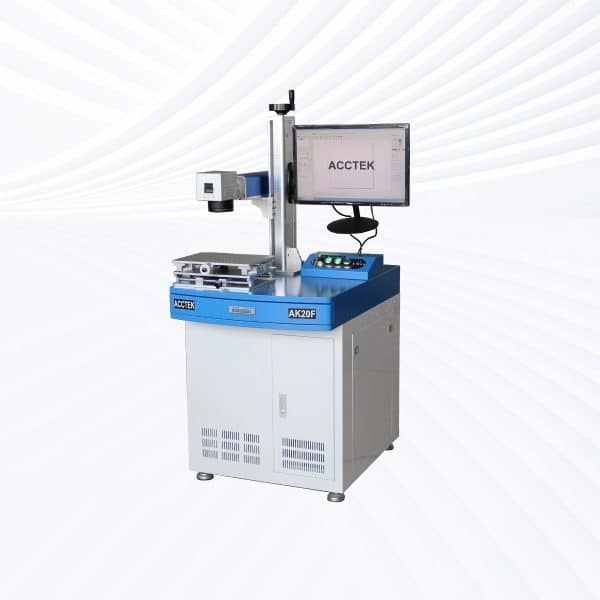
Desktop Fiber Laser Marking Machine
Rated 4.50 out of 5$2,000.00 – $20,200.00Price range: $2,000.00 through $20,200.00 This product has multiple variants. The options may be chosen on the product page -

Handheld Fiber Laser Marking Machine
Rated 5.00 out of 5$2,150.00 – $20,350.00Price range: $2,150.00 through $20,350.00 This product has multiple variants. The options may be chosen on the product page -
Split Fiber Laser Marking Machine
Rated 4.75 out of 5$2,000.00 – $20,200.00Price range: $2,000.00 through $20,200.00 This product has multiple variants. The options may be chosen on the product page -
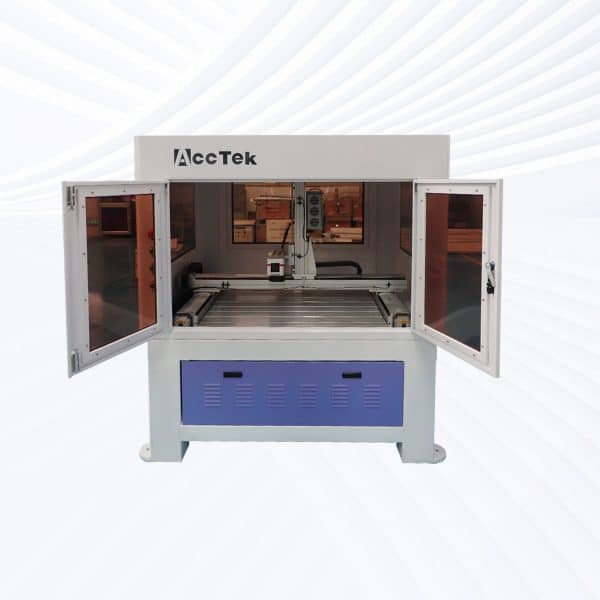
Enclosed Fiber Laser Marking Machine
Rated 5.00 out of 5$12,200.00 – $20,900.00Price range: $12,200.00 through $20,900.00 This product has multiple variants. The options may be chosen on the product page -
Flying Fiber Laser Marking Machine
Rated 4.75 out of 5$3,300.00 – $21,500.00Price range: $3,300.00 through $21,500.00 This product has multiple variants. The options may be chosen on the product page -
Screw Drive Fiber Laser Marking Machine
Rated 4.75 out of 5$7,700.00 – $27,000.00Price range: $7,700.00 through $27,000.00 This product has multiple variants. The options may be chosen on the product page -
Rack Drive Fiber Laser Marking Machine
Rated 4.50 out of 5$7,800.00 – $26,800.00Price range: $7,800.00 through $26,800.00 This product has multiple variants. The options may be chosen on the product page
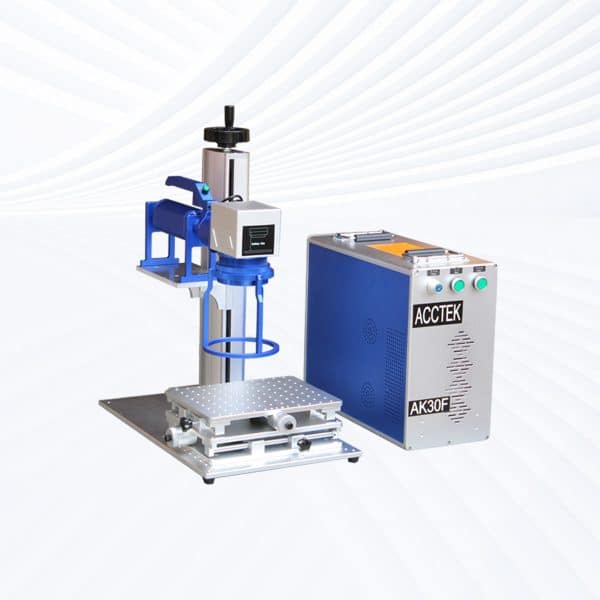
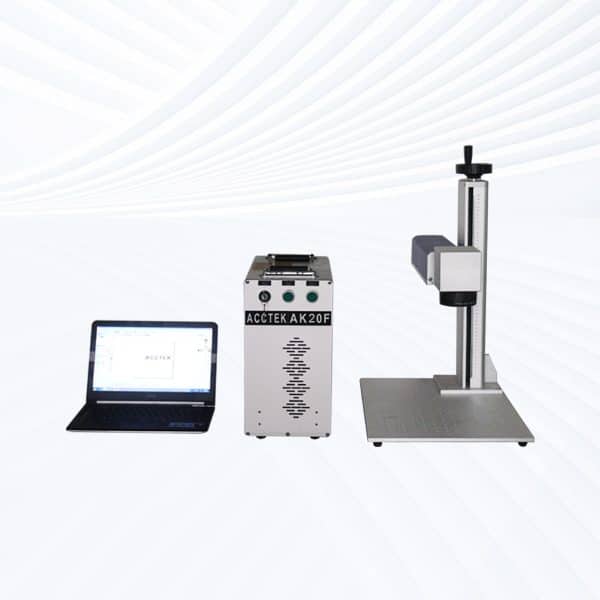

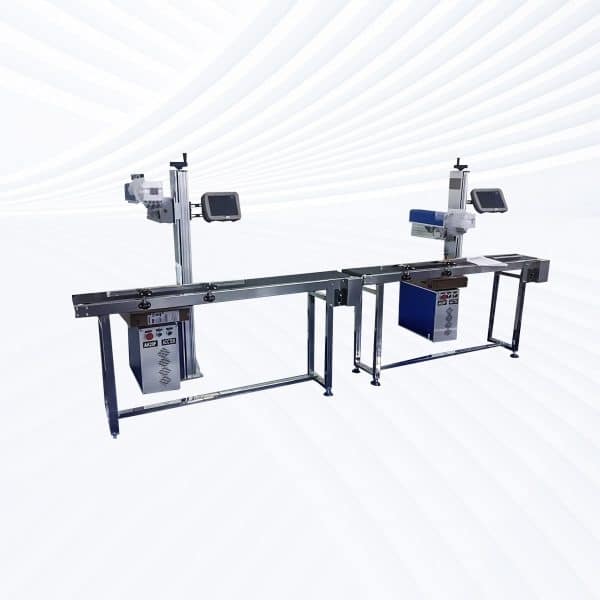
Laser Marking Capabilities
| Material | 20W | 30W | 50W | 60W | 70W | 100W |
|---|---|---|---|---|---|---|
| Stainless Steel (304/316) | Surface Mark; Black/Anneal | Surface Mark; Black/Anneal | Surface Mark; Black/Anneal; Shallow Engrave | Surface Mark; Black/Anneal; Shallow Engrave | Surface Mark; Black/Anneal; Shallow Engrave | Surface Mark; Black/Anneal; Shallow Engrave; deep relief |
| Carbon Steel (Mild) | Surface Mark | Surface Mark; Shallow Engrave | Surface Mark; Shallow Engrave | Surface Mark; Shallow Engrave | Surface Mark; Shallow Engrave | Surface Mark; Shallow Engrave; deep relief |
| Tool Steel (HRC ≤55) | Surface Mark | Surface Mark; Shallow Engrave | Surface Mark; Shallow Engrave | Surface Mark; Shallow Engrave | Surface Mark; Shallow Engrave | Surface Mark; Shallow Engrave; deep relief |
| Tool Steel (HRC 55–60) | Surface Mark | Surface Mark | Surface Mark; Shallow Engrave | Surface Mark; Shallow Engrave | Surface Mark; Shallow Engrave | Surface Mark; Shallow Engrave (slow) |
| Titanium & Ti Alloys | Surface Mark; Black/Anneal (color) | Surface Mark; Black/Anneal | Surface Mark; Black/Anneal | Surface Mark; Black/Anneal | Surface Mark; Black/Anneal | Surface Mark; Black/Anneal |
| Nickel Alloys / Inconel | Surface Mark | Surface Mark; Shallow Engrave | Surface Mark; Shallow Engrave | Surface Mark; Shallow Engrave | Surface Mark; Shallow Engrave | Surface Mark; Shallow Engrave; deep relief |
| Aluminum (Anodized) | fast Coating Removal (Surface Mark) | Coating Removal | Coating Removal | Coating Removal | Coating Removal | Coating Removal |
| Aluminum (Bare) | Surface Mark (MOPA Recommended) | Surface Mark; Shallow Engrave (MOPA Recommended) | Surface Mark; Shallow Engrave | Surface Mark; Shallow Engrave | Surface Mark; Shallow Engrave | Surface Mark; Shallow Engrave; deep relief |
| Brass | Surface Mark | Surface Mark; Shallow Engrave | Surface Mark; Shallow Engrave | Surface Mark; Shallow Engrave | Surface Mark; Shallow Engrave | Surface Mark; Shallow Engrave; deep relief |
| Copper | Surface Mark (MOPA Recommended) | Surface Mark; Shallow Engrave (MOPA Recommended) | Surface Mark; Shallow Engrave | Surface Mark; Shallow Engrave | Surface Mark; Shallow Engrave | Surface Mark; Shallow Engrave; deep relief |
| Galvanized Steel | Surface Mark (Manage Zinc Fumes) | Surface Mark | Surface Mark | Surface Mark | Surface Mark | Surface Mark |
| Zinc-/Chrome-Plated Steel | Coating Ablation (Surface Mark) | Coating Ablation | Coating Ablation | Coating Ablation | Coating Ablation | Coating Ablation |
| Black Oxide/Phosphate Coat | Surface Mark; Black/Anneal | Surface Mark; Black/Anneal | Surface Mark; Black/Anneal | Surface Mark; Black/Anneal | Surface Mark; Black/Anneal | Surface Mark; Black/Anneal |
| Painted/Powder-Coated Metals | Coating Ablation (Surface Mark) | Coating Ablation | Coating Ablation | Coating Ablation | Coating Ablation | Coating Ablation |
| Hard Plastics (ABS/PC/PA)* | Surface Mark (MOPA; Laser-Markable Grades) | Surface Mark (MOPA; Laser-Markable Grades) | Surface Mark (MOPA; Laser-Markable Grades) | Surface Mark (MOPA; Laser-Markable Grades) | Surface Mark (MOPA; Laser-Markable Grades) | Surface Mark (MOPA; Laser-Markable Grades) |
| POM/PE/PP (Additive-Filled)* | Surface Mark (Additive-Filled; MOPA Recommended) | Surface Mark (Additive-Filled; MOPA Recommended) | Surface Mark (Additive-Filled) | Surface Mark (Additive-Filled) | Surface Mark (Additive-Filled) | Surface Mark (Additive-Filled) |
| CFRP/GFRP Composites | resin Surface Mark | resin Surface Mark | resin Surface Mark | resin Surface Mark | resin Surface Mark | resin Surface Mark |
| Ceramics (With Marking Paste) | Shallow Engrave (With Paste) | Shallow Engrave (With Paste) | Shallow Engrave; Surface Mark (With Paste) | Shallow Engrave; Surface Mark (With Paste) | Shallow Engrave; Surface Mark (With Paste) | Shallow Engrave; Surface Mark (With Paste) |
| Glass (With Marking Paste) | Shallow Engrave (With Paste) | Shallow Engrave (With Paste) | Shallow Engrave; Surface Mark (With Paste) | Shallow Engrave; Surface Mark (With Paste) | Shallow Engrave; Surface Mark (With Paste) | Shallow Engrave; Surface Mark (With Paste) |
| Wood/Leather (Organics) | Mot Recommended (use CO₂ laser) | Mot Recommended | Mot Recommended | Mot Recommended | Mot Recommended | Mot Recommended |
| PVC | Mot Recommended (toxic fumes) | Mot Recommended | Mot Recommended | Mot Recommended | Mot Recommended | Mot Recommended |
Compatible Materials
- Stainless Steel
- Carbon Steel
- Mild Steel
- Alloy Steel
- Aluminum
- Anodized Aluminum
- Brass
- Copper
- Bronze
- Titanium
- Tungsten
- Nickel
- Nickel Alloys
- Zinc
- Chrome
- Gold
- Silver
- Platinum
- Palladium
- Iron
- Magnesium
- Carbide
- Cobalt
- Inconel
- Lead
- Tin
- Galvanized Metals
- Powder-Coated Metals
- Painted Metals
- Stainless Steel with Mirror Finish
- Hard Plastics
- PEEK
- Nylon
- Polycarbonate
- Acrylic
- Epoxy Resin
- Ceramic
- Silicone
- Leather
- Some Stone Surfaces
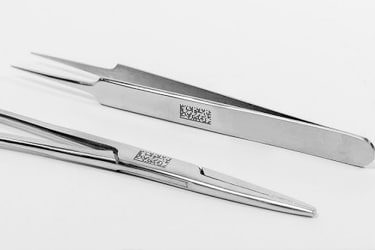
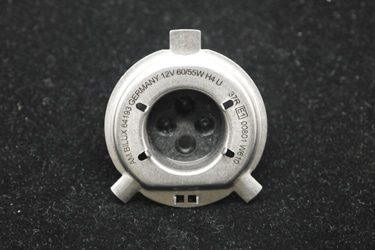
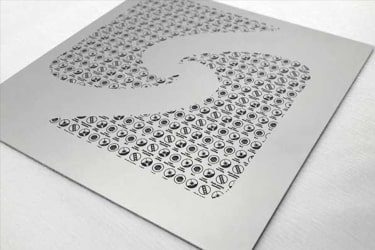
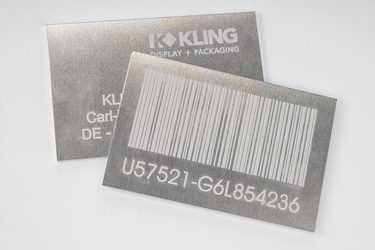
Application of 70W Fiber Laser Marking Machines
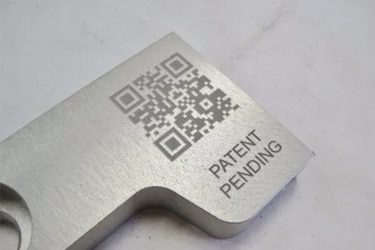
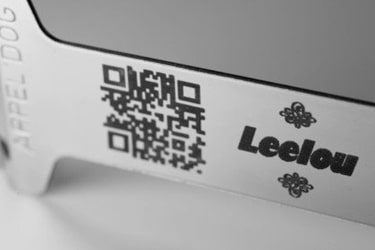
Customer Testimonials
Comparison VS Other Marking Technologies
| Comparison Item | Fiber Laser Marking | Dot Peen Marking | Inkjet Printing | Chemical Etching |
|---|---|---|---|---|
| Marking Speed | Very fast; high throughput suitable for automation | Moderate; mechanical movement limits speed | Fast, but limited by drying time | Slow; multi-step chemical process |
| Marking Quality | Extremely precise, clean, and high contrast | Medium; mechanical impact causes rough marks | Good, but can smear or fade | Good, but depends on chemical consistency |
| Material Compatibility | Works on most metals, plastics, ceramics | Mainly metals | Works on metals, plastics, paper | Mostly metals and coated surfaces |
| Permanence | Permanent and wear-resistant | Permanent but can be affected by corrosion | Temporary; can fade over time | Permanent if surface is properly treated |
| Surface Damage | Non-contact; no physical damage | Causes indentation and vibration | None | Can affect surface coating or finish |
| Precision on Small Parts | Excellent for micro-marking | Limited precision | Moderate; depends on nozzle resolution | Good, but less controllable |
| Maintenance Requirements | Very low; no consumables | Regular pin and stylus replacement | Frequent ink and nozzle maintenance | Chemical disposal and tank cleaning needed |
| Operating Cost | Low after purchase; no consumables | Low to moderate; mechanical wear parts | High; ink and solvent costs | Moderate; chemicals and waste handling |
| Environmental Impact | Clean and eco-friendly | Minimal | Uses solvents and produces emissions | Generates chemical waste |
| Noise Level | Silent operation | Noisy (mechanical impact) | Quiet | Silent |
| Integration in Production Lines | Easily automated with software and robotics | Possible, but slower cycle time | Easy to integrate | Difficult; manual process |
| Marking Depth Control | Fully adjustable via software | Fixed by stylus pressure | Not applicable | Limited by etching duration |
| Suitable for 2D/QR Codes | Excellent; sharp, high-resolution marks | Poor readability | Limited durability | Not suitable for fine codes |
| Lifespan of Equipment | 100,000+ hours of laser life | Moderate; mechanical wear parts | Moderate; ink system replacements | Limited by corrosion of tanks and tools |
| Overall Marking Consistency | Excellent; repeatable, distortion-free | Inconsistent on uneven surfaces | Affected by ink flow and surface texture | Variable; depends on chemical balance |
Why Choose Us
High Precision
Our machines deliver sharp, detailed markings with excellent contrast, suitable for complex patterns and small components across metal, plastic, and other materials.
Fast Processing
Designed for speed and efficiency, our systems complete marking tasks quickly without compromising quality, making them ideal for high-volume production environments.
Low Maintenance
With durable components and minimal consumables, our machines offer stable long-term performance, reducing downtime and keeping operating costs low.
Flexible Solutions
We provide a variety of models and customization options to suit different materials, marking needs, and production setups, ensuring the right fit for your business.
Related Resources
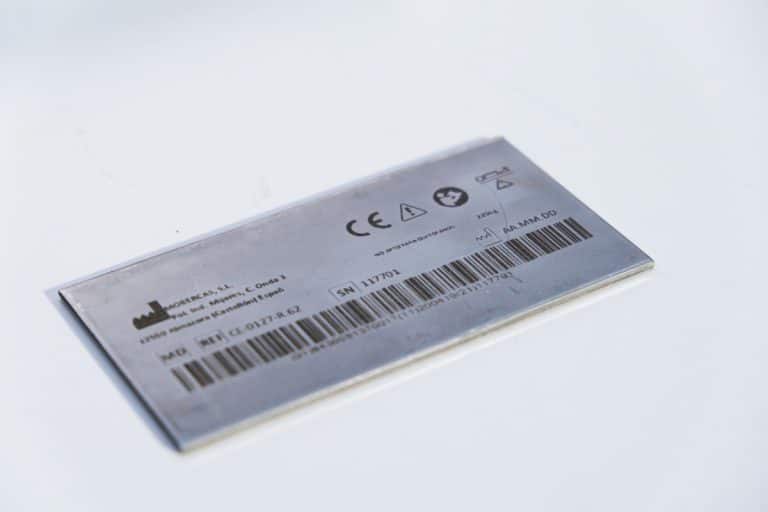
How Accurate Is Laser Marking
This article explores how laser marking achieves superior precision, the factors that influence this precision, and how various industries ensure consistent, high-quality, and permanent markings.
How To Maintain Laser Marking Machines
This article provides a comprehensive guide to maintaining your laser marking machine, including cleaning, inspection, cooling system care, and troubleshooting to ensure consistent operation and durability.
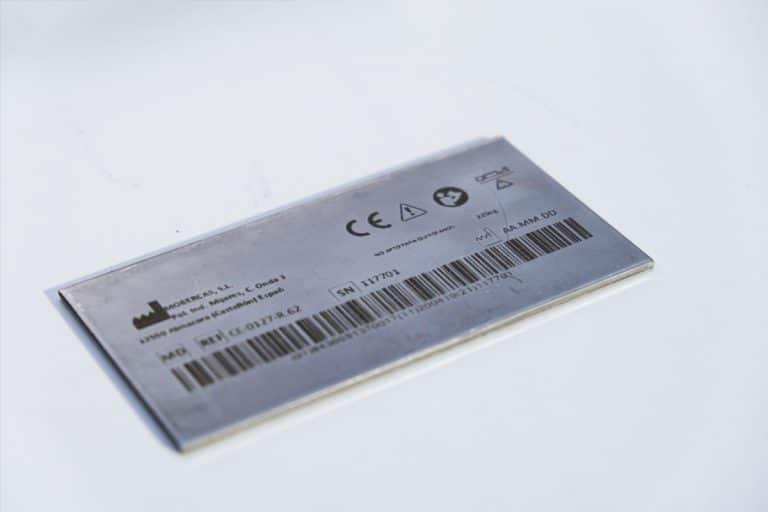
How To Choose Laser Marking Machines
A comprehensive guide to selecting the right laser marking machine—covering materials, mark quality, laser types, software, integration, compliance, and total cost of ownership.
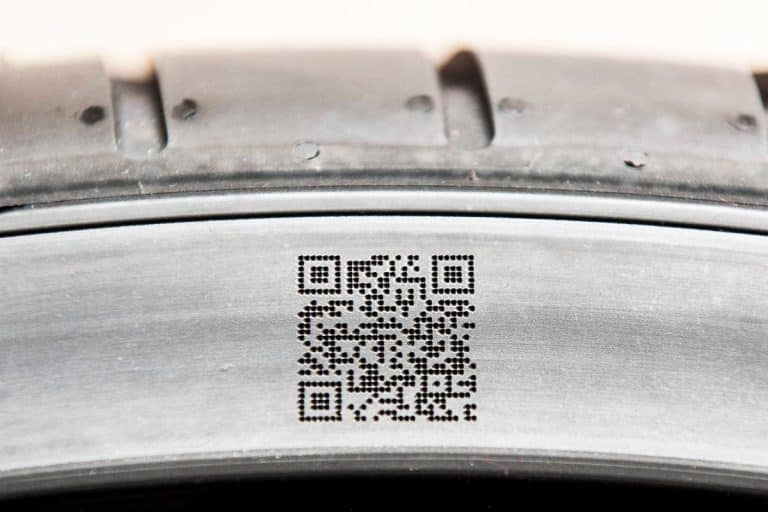
What Are The Common Defects In Laser Marking
This article explores common defects in laser marking, including causes, prevention strategies, and solutions to ensure high-quality, consistent results in various manufacturing applications.
Frequently Asked Questions
What Models Are Available For 70W Fiber Laser Marking Machines?
- Desktop Models: Compact yet powerful, desktop 70W fiber laser marking machines deliver fast and precise marking for metals, plastics, and coated parts. Their rigid frame ensures minimal vibration, making them ideal for tool identification, metal tags, and electronic components.
- Portable Models: Built for mobility, portable systems combine flexibility with industrial-grade power. They’re well-suited for marking larger components or assemblies that are difficult to move, maintaining consistent engraving quality across locations.
- Handheld Models: Designed for large or irregular objects, handheld 70W fiber lasers allow deep engraving on heavy equipment, pipes, and machinery. The higher wattage enables strong penetration on steel, brass, or titanium surfaces.
- Fully Enclosed Systems: Featuring safety housing, laser-grade viewing windows, and smoke extraction systems, fully enclosed 70W models provide a secure, clean, and compliant marking environment—ideal for precision industries like electronics, medical devices, or aerospace components.
- Flying Fiber Lasers: Designed for continuous operation, flying 70W fiber laser marking systems integrate into production lines to mark moving items such as cables, packaging, and electronic housings. Their power ensures high-contrast marking even at rapid conveyor speeds.
- Large-Area Screw-Drive Systems: Using precision ball-screw motion, these machines achieve accurate and stable engraving over expanded marking fields. They’re commonly used for deep mold engraving, signage, or detailed industrial marking applications.
- Large-Area Open Rack-Drive Systems: Featuring high-speed rack-and-pinion transmission and open-frame accessibility, these models are optimized for bulk marking and large-part engraving where efficiency and ease of handling are essential.
How Much Do 70W Fiber Laser Marking Machines Cost?
- Desktop Models ($3200–3600): Compact, rigid, and highly accurate, desktop 70W fiber laser marking systems provide exceptional engraving quality for metals, plastics, and coated materials. Their stable structure ensures repeatability for tools, tags, and production parts.
- Portable Models ($3200–3600): These maintain the same optical performance as desktop types but feature lightweight frames for easier movement. Ideal for marking components across multiple stations or in dynamic workshop environments.
- Handheld Units ($3400–3800): Designed for marking large, irregular, or heavy items, handheld 70W fiber lasers deliver deep and durable engravings on steel, aluminum, brass, and titanium. Their ergonomic design ensures comfort during extended use.
- Fully Enclosed Systems ($3900–4300): Built with complete protective housing, safety interlocks, and air filtration, enclosed models offer a clean and compliant marking environment. They’re commonly used in electronics, precision manufacturing, and laboratories.
- Flying Fiber Lasers ($4500–4900): Integrated into conveyor or automated lines, flying 70W models enable high-speed, continuous marking for serial numbers, barcodes, and traceability codes on moving products such as cables or packaging.
- Large-Area Screw-Drive Systems ($8500–10100): Using precision ball-screw motion, these systems ensure ultra-stable, fine-detail engraving over large marking fields. They’re widely used for molds, plates, industrial signage, and deep metal etching.
- Large-Area Open Rack-Drive Systems ($8600–9100): Featuring high-speed rack-and-pinion transmission and open access, these machines support large workpieces and multi-part batch engraving, optimizing throughput for large-scale production.
What Is The Marking Area Available For 70W Fiber Laser Marking Machines?
- 110×110mm: This is the most common standard lens configuration used for high-precision marking. It delivers excellent spot density and focus uniformity, allowing for detailed engravings such as barcodes, QR codes, micro text, and fine logos. It’s ideal for marking small workpieces or components that require extremely fine detail without compromising marking depth or speed.
- 200×200mm: For larger parts or applications requiring more workspace, the 200×200 mm marking field provides extended coverage. It enables marking of larger logos, plates, and serial numbers without repositioning the part. Though the laser spot becomes slightly larger due to optical scaling, this setup is optimal for industrial users who prioritize flexibility and higher throughput over ultra-fine precision.
- Optional Extended Fields (if equipped): Some systems can be configured with optional lenses to expand the marking field up to 300×300mm or more. These are suitable for marking multiple products at once or large components, but may slightly reduce energy density and marking depth.
Is It Safe To Use 70W Fiber Laser Marking Machines?
- Laser Safety Classification: The 70W fiber laser operates in the 1064 nm wavelength range, which is invisible to the human eye. Because of this, even brief accidental exposure can cause permanent retinal damage without any visual warning. Therefore, operators must use certified laser safety goggles designed for the specific wavelength to prevent eye injury.
- Protective Enclosures and Shields: Many fiber laser marking systems are available in fully enclosed configurations, which provide maximum safety by containing all laser radiation within the enclosure. Machines with open or handheld setups require controlled access areas and warning labels to prevent unintended exposure. A laser safety interlock system should also be installed to automatically shut off the beam when the enclosure is opened.
- Ventilation and Fume Extraction: Although fiber lasers themselves generate little heat or smoke, marking certain materials such as plastics, painted surfaces, or coated metals can release toxic fumes and particulates. Proper ventilation or a fume extraction system is essential to maintain air quality and protect operator health.
- Electrical and Thermal Safety: The laser marking system should always be properly grounded, and electrical components should be inspected regularly for damage or overheating. Cooling systems (air or water) must be maintained within the manufacturer’s temperature limits to avoid thermal overload.
- Operational Safety Practices: Only trained personnel should operate the machine. Operators must never place reflective materials directly in the laser path, as back-reflected energy can damage optical components or cause injury. Keeping the workspace clear and using fire-resistant materials on marking tables further enhances safety.
What Problems Might Occur When Using 70W Fiber Laser Marking Machines?
- Inconsistent Marking Quality: Over time, users may notice uneven marking depth, fading text, or variable contrast. This typically occurs due to misaligned optics, improper focal distance, or power fluctuations. Regular calibration of the laser head and correct lens focusing are crucial to maintaining consistent output quality.
- Overheating or Power Drop: Although fiber lasers are efficient, prolonged continuous operation at high power levels may cause thermal buildup in the laser source or control system. Insufficient cooling, clogged air vents, or environmental temperatures above manufacturer recommendations can lead to power instability or laser shutdowns. Ensuring proper ventilation and routine cleaning of the cooling system prevents such problems.
- Distorted or Misaligned Marking: Mechanical vibrations, loose galvo mirrors, or inaccurate workpiece positioning can cause distorted text or off-center patterns. Users should regularly check the mechanical stability of the marking head and ensure the worktable is firmly fixed and level.
- Lens Contamination or Damage: Accumulation of dust, smoke, or oil vapor on the field lens can significantly reduce marking precision and cause burn spots. Operators should inspect and clean optical lenses with approved solvents and non-abrasive wipes to prevent degradation.
- Software or Communication Errors: Incorrect parameter settings or data transmission failures between the control software and laser source can result in marking errors or program freezes. Using updated drivers, stable USB connections, and verified marking templates minimizes software issues.
- Material-Specific Problems: Different materials react differently to laser energy. Highly reflective metals, such as copper or aluminum, can cause beam reflection that reduces efficiency or potentially harm the optics. Selecting proper frequency, pulse width, and scanning speed parameters ensures optimal marking results.
- Environmental Factors: High humidity, dust accumulation, or unstable power supply may cause electrical interference or internal component corrosion. Using the machine in a clean, dry, and temperature-controlled environment extends its lifespan and reliability.
What Is The Service Life Of 70W Fiber Laser Marking Machines?
- Laser Source Lifespan: The core component of 70W fiber laser marking machines is its fiber laser generator, which typically has an expected service life of 100,000 hours. This translates to over 10 years of continuous operation under normal industrial use. The laser source’s solid-state design and lack of consumable parts contribute to its exceptional longevity compared to CO2 or diode-based lasers.
- Galvanometer and Optics Durability: The galvo scanning head, responsible for directing the laser beam, usually lasts 30,000–50,000 hours, depending on usage frequency and environmental conditions. Regular calibration and protection from dust ensure stable long-term performance. Optical components such as field lenses and mirrors can last several years but may require periodic cleaning or replacement due to surface contamination or gradual wear.
- Cooling and Electronic Components: Fiber laser marking machines generate minimal heat, but maintaining a stable temperature (ideally 10–35℃) is essential to prevent thermal stress on internal components. The cooling fans, power supply, and control boards generally last 5–8 years with proper care. Machines equipped with high-quality brand components (IPG, Raycus, JPT, etc.) usually experience fewer failures.
- Environmental and Operational Factors: Running the machine in a clean, dry, and temperature-controlled environment extends its lifespan significantly. Excessive humidity, dust accumulation, or unstable voltage can shorten the service life by causing electrical corrosion or overheating. Installing surge protection and regular system inspections further enhances longevity.
- Maintenance Influence: Routine cleaning of lenses, filters, and electrical contacts, along with ensuring correct focusing and grounding, helps maintain optimal laser efficiency. Neglecting maintenance or operating the system beyond its rated duty cycle can lead to premature power degradation or beam instability.
What Training Is Required To Operate 70W Fiber Laser Marking Machines?
- Basic Equipment Familiarization: Operators should first receive training on the machine’s structure, components, and control interface, including the laser source, galvo head, focusing system, and control software. Understanding how each part functions helps users identify potential issues early and perform routine checks effectively.
- Software Operation and Parameter Settings: A major part of fiber laser marking involves learning to use EZCAD or similar control software, which controls marking speed, power, frequency, and depth. Training should cover how to import vector files, set marking parameters for different materials, and adjust laser power and frequency to achieve desired results such as annealing, deep engraving, or color marking.
- Laser Safety Training: Since 70W fiber lasers emit invisible infrared light at 1064 nm, operators must be trained in laser safety classification (Class 4) and appropriate personal protective equipment (PPE) use. This includes certified laser safety glasses, proper shielding, and understanding restricted-area signage and interlock systems.
- Material Handling and Application Knowledge: Operators should be familiar with different marking materials, including metals (steel, aluminum, titanium) and non-metals (plastics, ceramics). Each material requires distinct laser parameters. Improper settings can cause excessive melting, oxidation, or surface damage, so understanding these differences is crucial for quality results.
- Maintenance and Troubleshooting: Training should also include how to clean optical lenses, maintain cooling systems, and check alignment. Operators need to know how to recognize early warning signs of performance decline—such as reduced marking depth or blurred lines—and perform basic troubleshooting before seeking technical support.
- Electrical and Environmental Awareness: Basic electrical safety and awareness of environmental requirements (temperature, humidity, and dust control) are also part of standard training. Operators must understand proper grounding, stable voltage needs, and the importance of fume extraction when working with coated or painted materials.
What PPE Is Required When Operating 70W Fiber Laser Marking Machines?
- Laser Safety Glasses: Operators must wear laser safety glasses rated for 1064 nm wavelength, which is the frequency used by fiber lasers. These glasses protect the eyes from accidental exposure to direct or reflected laser beams. Even a brief reflection can cause permanent retinal injury, so only eyewear certified for Class 4 laser systems should be used.
- Protective Clothing: It is important to wear non-reflective, flame-resistant clothing made of natural fibers such as cotton. Avoid shiny or metallic materials that could reflect the laser beam. Long sleeves and closed collars protect against incidental contact with hot materials or light reflections during marking.
- Heat-Resistant Gloves: While the marking process itself produces little debris, the surface of metal parts can become hot immediately after marking. Heat-resistant gloves should be worn when handling recently marked components or when adjusting fixtures close to the marking field.
- Respiratory Protection: When marking painted, coated, or plastic surfaces, fine fumes or particulates may be released. Operators should use fume extraction systems to remove contaminants at the source. If proper ventilation is unavailable, respiratory masks (e.g., N95 or higher) should be used to prevent inhalation of harmful vapors.
- Hearing Protection (Optional): Although fiber laser marking machines are generally quiet, continuous operation in industrial environments with multiple machines can raise ambient noise levels. Hearing protection, such as earplugs, may be used in such cases to ensure operator comfort and safety.
- Foot and Hand Safety: Operators should wear closed-toe, anti-slip shoes to prevent injuries from dropped workpieces or accidental contact with fixtures. Anti-static wrist straps or grounding precautions may be required in environments sensitive to electrostatic discharge.